REVIEW · KATHMANDU
Manaslu Circuit Trek 13 Days
Book on Viator →Operated by Trek Mania Nepal · Bookable on Viator
Manaslu hits hard and fast. In 13 days on the Manaslu Circuit, you get long Himalayan scenery days plus real village life in Gurung, Tamang, and Tibetan-influenced communities, with monasteries that feel quietly serious. I especially liked the licensed guide and the way the route mixes cultural stops with the big breath-of-fresh-air nature moments. One thing to consider: this trek depends on good weather, and the high passes can make altitude feel real even if you’re in decent shape.
I also like that this trip is built around practical flow. You’re set up with pickup and a mobile ticket, plus the permits (Manaslu Conservation Area, Manaslu Special Permit for seven days only, Annapurna Conservation Permit, and TIMS) are covered so you’re not scrambling on day one.
The only drawback I’d flag is budget planning. Meals, trek accommodation, and porters aren’t included in the price you see, so you’ll want to add those costs early rather than hoping it all averages out.
In This Review
- Key moments that make this trek worth your time
- Manaslu Circuit Trek: the real vibe of 13 days in Nepal
- From Kathmandu pickup to Machhakhola: starting with a long Nepal-style drive
- Budhi Gandaki villages: from Machha Khola to Deng and the quiet chorten rhythm
- Namrung to Lho: where Tibetan-style culture meets Manaslu views
- Samagaun, base-camp viewpoints, and the culture break you’ll be glad you scheduled
- Samdo to Dharmasala and the long approach to Larkya La
- Over Larkya La Pass: the payoff is huge, so respect the work
- Tilche and Tal: forests, rhododendrons, and the calm after the pass
- Ending down to Besisahar and back to Kathmandu
- What’s included (and why it’s not just paperwork)
- Price and logistics: is $1,400 good value for you?
- Guides make the difference: the names you’ll want to remember
- Food, tea houses, and daily life on the route
- Weather, altitude, and safety: manage the thin-air moments
- Who this trek fits best
- Should you book the Manaslu Circuit Trek with Trek Mania Nepal?
- FAQ
- What is included in the Manaslu Circuit Trek price?
- Are meals included during the trek?
- Is accommodation included for the trekking days?
- Are porters included?
- Do I need to handle permits myself?
- What fitness level do I need?
- Is this a private tour?
- When is this experience available to book?
Key moments that make this trek worth your time
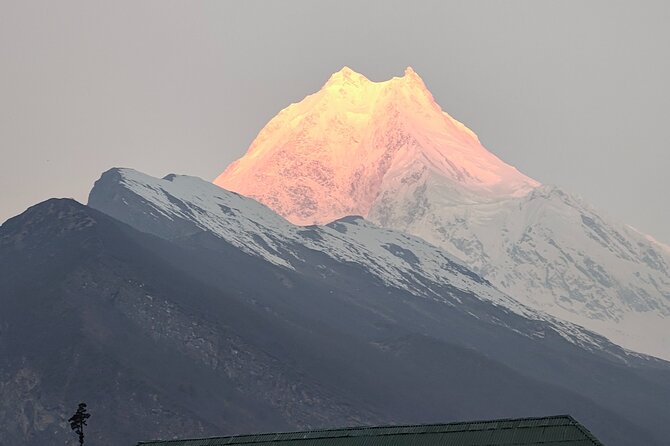
- Larkya La Pass views that pull you into the high Himalaya zone
- Namrung’s Tibetan feel, often described as Tibet-like culture in Nepal
- Manaslu Base Camp viewpoints from Samagaun with major mountain energy
- Pungyen Gompa day trip for monastery calm without stealing your whole day
- Birendra Taal as a quick turquoise reward that feels like you earned it
- Strong guide care, with names like Hem, Kumar, Pradip, and Rajesh showing up in real feedback
Manaslu Circuit Trek: the real vibe of 13 days in Nepal
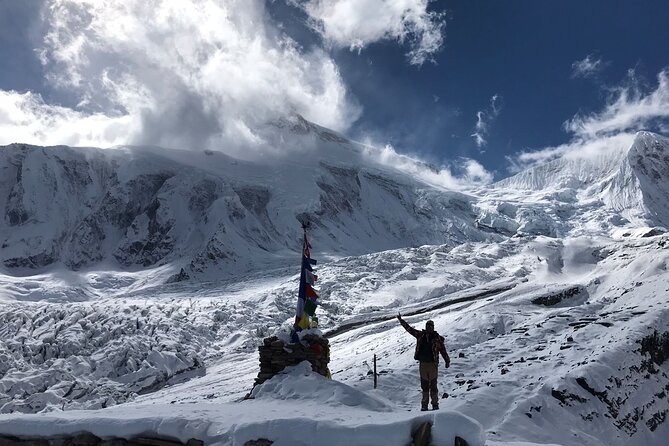
This is not a short “see a waterfall and go home” hike. It’s a proper mountain circuit with a mix of walking days, village days, and at least a couple moments that feel like you’re stepping into a different world—especially when you move into Tibetan-influenced settlements and monastery areas.
If you like trekking where you can actually talk with people and notice details (prayer wheels, chortens, Mani walls, painted monasteries), this route gives you that. And if you’re chasing big views, Manaslu delivers, with the best “top-of-the-world” moments clustering around the Larkya La area and the time around Samagaun and base-camp viewpoints.
Just know: the pace and exertion are part of the deal. The route is for people with moderate physical fitness, and altitude plus long days means you’ll need patience—especially when breathing gets slower during steeper stretches.
You can also read our reviews of more tours and experiences in Kathmandu.
From Kathmandu pickup to Machhakhola: starting with a long Nepal-style drive
Your trek starts in Kathmandu and transitions fast into the countryside. You’ll take a comfortable deluxe bus, leaving early and traveling along river routes like the Trishuli and Budi Gandaki corridors. It’s one of those starts that feels like you’re already moving “into the story,” not just traveling to a trailhead.
Machhakhola is a classic opening point: it’s early-stage trekking territory where your legs wake up and you get used to the rhythm—walk, pause, look up, repeat. The day’s length also matters. That initial travel means you should pack like you mean it: water access, snacks you can tolerate at altitude, and layers you can adjust fast.
Budhi Gandaki villages: from Machha Khola to Deng and the quiet chorten rhythm
Days through this middle stretch are where the circuit starts feeling like a real journey. You pass through spots like Jagat and then continue toward places such as Sirdibas, Philim, and Ekle Bhatti. The names alone tell you the pattern: small rests, river bends, and village clusters connected by trails.
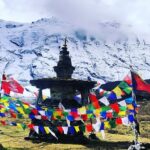
One highlight here is how often you’ll encounter religious markers. You cross a gorge zone, walk past monasteries and chortens, and see prayer-related artwork that isn’t done as a tourist photo backdrop. It’s part of daily life—so even when you’re tired, you keep getting small “wait, look at that” moments.
Another thing I liked about this part is how the terrain builds gradually. By the time you reach Deng, you’re walking through lush forested stretches and crossing suspension bridges—big enough to feel like adventure, not so technical that you need mountaineering skills. The painted entry details, like the Kani gate welcome into Deng, also set a tone: you’re not just passing through; you’re entering communities that have their own identity.
Possible consideration: some sections in this area can feel long on foot. If you tend to rush, slow down early. The circuit’s comfort is in pacing, not in breaking yourself on day two.
Namrung to Lho: where Tibetan-style culture meets Manaslu views
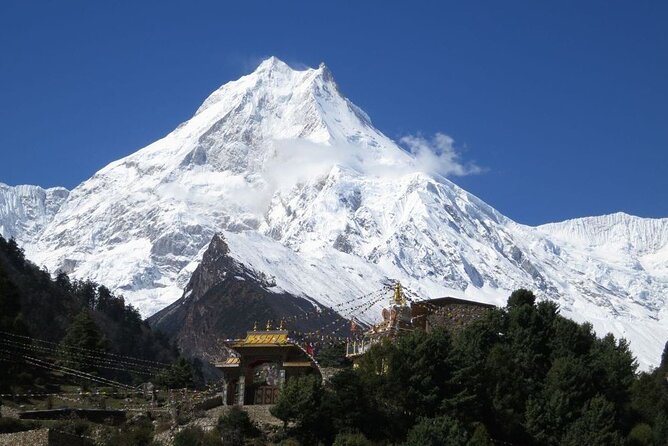
This is where the trek turns memorable in a different way. When you reach Namrung, it’s often described as a Nepal version of Tibet, and you’ll see why: the village feel, the monastery elements, and the way prayer symbols show up around you.
Then you move through a set of stops that feel like steps between worlds. You’ll pass farming villages like Banjam and head toward places such as Lihi, Sho, and finally Lho. I like these segments because they don’t force you into a constant “mountain wall of views” situation. Instead, you get daily variety: terraced fields, small monasteries, prayer structures, and then—when you turn a corner—those wider mountain backdrops.
Lho is often the kind of stop you’ll remember for its panoramas and grand monastery presence. You’re not just looking at peaks; you’re also noticing how people live under them. That mix is why I think this trek works so well for first-time circuit walkers and for people who already know Nepal trekking.
Samagaun, base-camp viewpoints, and the culture break you’ll be glad you scheduled
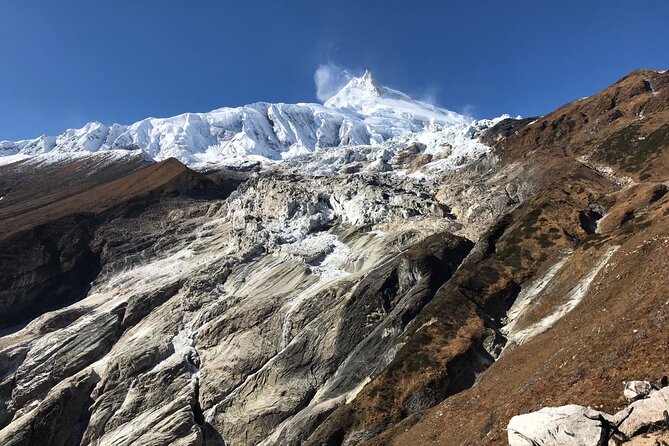
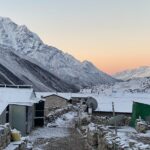
Samagaon is a key “settle and breathe” zone in the circuit. You’ll move from earlier village areas through Shyala and then down toward Samagaun, where the tone shifts toward quieter spiritual focus. This stretch also gives you the chance to see nature changes as you travel—from earlier vegetation and forests into a more high-mountain feel.
You’ll also get a day trip to Pungyen Gompa. That kind of side outing matters because it’s a change of pace without removing you from the trekking story. Gompa time lets you connect with the region’s spiritual rhythm without needing to add another full day of heavy climbing.
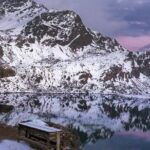
On a different day, Birendra Taal makes a strong impression. It’s a turquoise glacial lake named after King Birendra, and the color is explained by glacial decomposition at the lake’s bottom. The practical point? It’s an earned pause with a clear visual reward, and it helps break up the “all peaks all day” tension.
Then there’s Manaslu Base Camp viewpoints from the Samagaun area. Even when the main trail isn’t the focus for that day, you still get the big mountain attention—plus the surrounding Mani walls and peaks like Samdo Peak in the mix.
Samdo to Dharmasala and the long approach to Larkya La
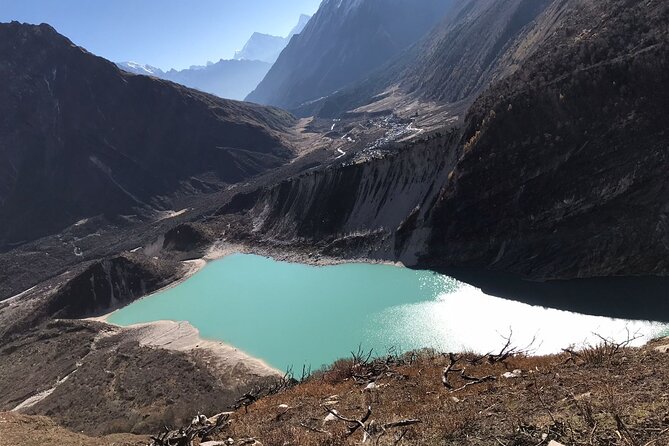
As you push toward the higher pass region, the circuit becomes more demanding in a very specific way: you start walking in an environment where breathing, weather shifts, and cold all matter more than your usual trail pacing.
You’ll pass through Larkya Bazaar on the route to Larkya Phedi / Dharamsala. That’s a good moment for people who like small culture stops—an old trading hub setting that reminds you this corridor wasn’t built only for hikers.
Then the trek climbs toward Dharmasala. The data here is pretty direct: it’s a steep ascent where altitude can impact your breathing. That’s not a scare tactic; it’s just you planning your effort. If you go too hard too early, your lungs will call the shots.
Expect chortens and Mani walls again, plus the feeling that you’re getting closer to glaciers. This is also a place where you’ll want to keep an eye on layers, wind, and any weather changes, since high zones can switch moods quickly.
Over Larkya La Pass: the payoff is huge, so respect the work
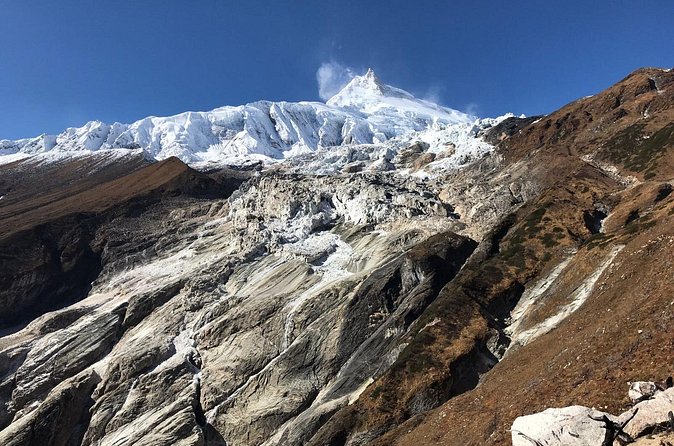
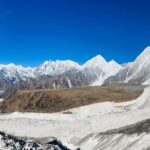
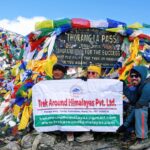
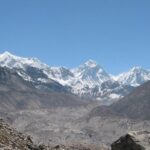
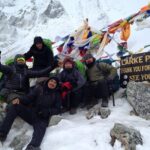
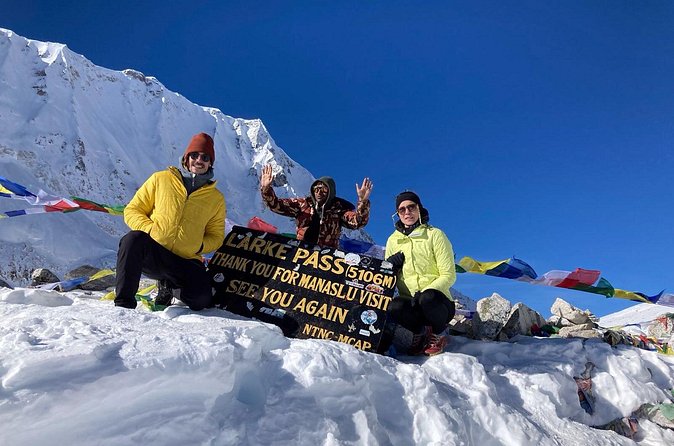
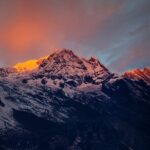
Larkya La Pass is the emotional climax of the circuit. This is where you get breathtaking views of the Manaslu range, Syacha Glacier, and surrounding snow-capped peaks. The climb itself is often tough, but the reason it’s worth it is simple: the views are broad, the air is crisp, and you can really feel that you’re in the high Himalaya system now.
As you ascend, you pass glaciers and religious markers like chortens, so even the hard part comes with meaning. I also like that the route doesn’t just throw you onto the pass without support. After crossing, you reach Bimthang for rest and acclimatization.
Bimthang is a solid “recovery village” step. You can unclench your shoulders, get your breathing back to normal-ish, and take in the view without feeling like you have to conquer the entire world that minute.
Tilche and Tal: forests, rhododendrons, and the calm after the pass
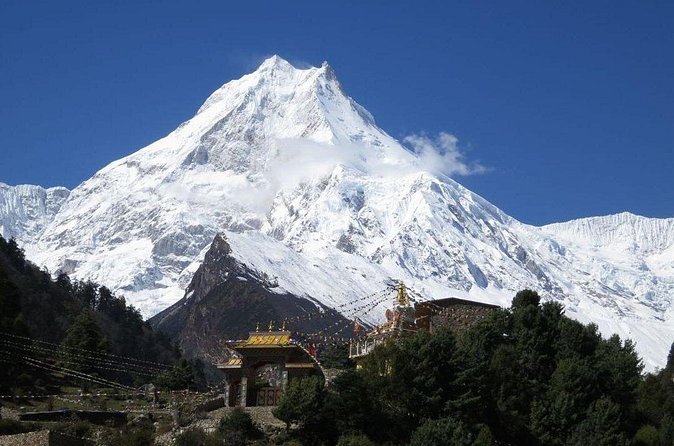
After the pass, the trek keeps moving, but it doesn’t feel identical. You descend from Larkya La and head through Tilche, where the scenery is closer to forest zones. The description here includes rhododendrons, pines, and oaks—so you’re trading pure high-peak exposure for more texture in the walk.
Tilche matters because it acts like a buffer. It keeps the journey from ending in a straight-line “hardest day ever” cliff. Instead, you transition into a different hiking world: cooler air, tree cover, and a steadier rhythm.
From Tilche to Tal, the vegetation shifts again—from alpine to subtropical—and villages become denser and more vibrant. You end up with a more social feeling in the walking. Tal isn’t described as a huge view-bomb, but it’s pleasant because you’re moving through a clearer village-life pattern, not just through high-mountain emptiness.
Ending down to Besisahar and back to Kathmandu
Once you reach Tal, the end is about making the circuit feel complete. You descend on foot to Besisahar and then catch a long drive back to Kathmandu.
That final day is more than logistics. It gives your body a chance to stop “working” and start resetting. Back in Kathmandu, you get rest time and a proper decompression window, which is exactly what you want after a high pass experience.
What’s included (and why it’s not just paperwork)
This trek includes a lot that most people underestimate when they only look at the base price.
You get:
- A government-licensed English-speaking trekking guide
- Permits covering Manaslu Conservation Area fees plus the Manaslu Special Permit (seven days only), Annapurna Conservation Permit, and TIMS card
- Public transportation
- A first aid medical box
- A farewell dinner
- A trekking map with the company logo, plus a t-shirt and duffel bag
- All fees and taxes
Why that matters for value: Manaslu trekking isn’t only about hiking. The permit system is part of the route, and it can be annoying to coordinate if it’s not handled for you. Having permits taken care of lets you spend your energy on acclimatization, pacing, and enjoying the villages.
Price and logistics: is $1,400 good value for you?
At $1,400 per person, the price is easiest to judge by what’s covered versus what you still must pay.
What you’re getting that often costs extra elsewhere: licensed guide, the set of required permits, public transportation, and the included trek essentials like map and duffel bag. You’re also getting a farewell dinner, which sounds small but helps the trip feel wrapped up properly.
What’s not included:
- Meals
- Accommodation during the trek
- Visa fee and international airfare
- Porters
- Travel insurance / rescue operation costs
- Personal expenses
- Tips for guides and porters
So is it value? For hikers who already know Nepal trekking budgeting and don’t need the “everything included” comfort bundle, this can be a fair deal. If you’re expecting meals and lodging to be fully handled inside the $1,400, you’ll want to re-check your mental budget.
My practical advice: calculate your expected daily spend for food and teahouse-style lodging for the trekking days, then add a porter/tip plan if you’re unsure you want to carry your own pack. That simple math saves the trip from becoming stressful late in the booking process.
Guides make the difference: the names you’ll want to remember
The biggest praise in the feedback isn’t “luxury.” It’s people. Real guides here include Hem, Kumar, Pradip, and Rajesh. Porters named in feedback include Deepak.
You can also see a pattern: guides described as funny, kind, and focused on taking care of you, plus guides who answer questions and keep you organized. That’s not just personality—on a circuit like Manaslu, good guiding helps you manage pace, altitude anxiety, and route details without turning your day into guesswork.
One review also mentioned smooth communication ahead of time with Devaraj and his daughter, and another mentioned an airport pickup with quick, friendly reassurance. For your nerves, that matters. When you’re about to leave Kathmandu and step into higher terrain, you don’t want uncertainty hanging over you.
Food, tea houses, and daily life on the route
Meals and trek accommodation are listed as not included, so you’ll be purchasing them during the trek. That said, the region is known for trekking food rhythms, and some hikers specifically mention enjoying a daily dal bhat style meal.
Practical takeaway: plan for simple, warm meals and don’t build your trip on a particular menu fantasy. Bring snacks you like, because your hunger pattern at altitude can be unpredictable.
Also, if you’re sensitive to stomach issues, go easy on experimentation once you’re in the higher sections. Warm tea, steady meals, and consistent hydration tend to be your best friends.
Weather, altitude, and safety: manage the thin-air moments
This experience requires good weather. That can mean everything from clear views to safe conditions around higher crossings.
The route also directly notes altitude impact on steeper segments toward Larkya Phedi / Dharamsala. My advice is simple and old-school: start slower than you think you need to, drink consistently, and treat rest stops as part of your progress, not a pause you should feel guilty about.
Safety-wise, you’re not hiking alone. You’ll have a government license holder English-speaking guide and a first aid medical box included. Still, you should come with common sense: warm layers, sun protection, and footwear that works well on rocky paths and icy mornings if conditions turn.
Who this trek fits best
This trek suits you if:
- You want a classic high pass experience that still includes plenty of village culture and monastery moments
- You like scenery that comes in chapters—forest zones, Tibetan-influenced settlements, and high glacier views
- You want a structured trip with permits and guidance handled, so you can focus on walking and acclimatization
- You’re okay budgeting for meals, trek lodging, and likely porter support (since porters aren’t included)
If you hate long travel days, this might feel heavy, because day one starts with a long bus ride from Kathmandu. If you only want easy hikes, the pass region will also test you.
Should you book the Manaslu Circuit Trek with Trek Mania Nepal?
I’d say book it if you want the Manaslu Circuit experience in a way that feels managed but not manufactured. The big reason to choose this option is the combination of licensed guiding, permits handled up front, and route pacing through culturally meaningful stops like Namrung and monastery days like Pungyen Gompa.
Book with extra care if you’re expecting a fully all-in price. Meals, accommodation during the trek, and porters aren’t included, so your total trip cost depends on your own choices and comfort level with carrying gear.
If you like the idea of walking into Tibetan-influenced villages, then pushing toward Larkya La for those huge high-Himalaya views, this is a strong match.
FAQ
What is included in the Manaslu Circuit Trek price?
The price includes public transportation, a government-licensed English-speaking trekking guide, trekking permits (Manaslu Conservation Area fees, Manaslu Special Permit for seven days only, Annapurna Conservation Permit, and TIMS card), a first aid medical box, a t-shirt, duffel bag, and trekking map, all fees and taxes, and a farewell dinner.
Are meals included during the trek?
No. Meals are not included, so you’ll need to pay for food during the trek.
Is accommodation included for the trekking days?
No. Accommodation during the trek is not included.
Are porters included?
No. Porters are not included.
Do I need to handle permits myself?
No. Permits are included as part of the trek package, including Manaslu Conservation Area fees, the Manaslu Special Permit (seven days only), Annapurna Conservation Permit, and the TIMS card.
What fitness level do I need?
The tour notes a moderate physical fitness level is required.
Is this a private tour?
Yes. It’s private, and only your group will participate.
When is this experience available to book?
Booking is listed with opening hours from 04/27/2025 to 11/26/2026, Monday through Sunday, 12:15 AM to 11:45 PM.
![Private Seoul Wall Trekking [Inwangsan, Bugaksan, Naksan Park, N-Seoul Tower] - Inwangsan: Where the City Looks Big and You Earn It](https://8.trekkingtravelguide.com/wp-content/uploads/private-seoul-wall-trekking-inwangsan-bugaksan-naksan-park-n-seoul-tower-400x267.jpg)