REVIEW · MARRAKECH
2 Days Mt Toubkal Trek
Book on Viator →Operated by Adrar Trips From Marrakech · Bookable on Viator
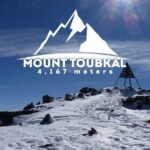
Toubkal gets under your skin fast. This tight two-day trek targets the summit of North Africa’s highest peak at 4,167 m, while you stay up high near Neltner Hut. I like that it’s built to start and finish in Marrakech, so you don’t need extra days just to make logistics work.
What I really like is how the food and guiding reduce stress. You get two lunches plus breakfast and dinner, with traditional Moroccan meals along the way, and you’re with an English guide in a small group (max 8), which helps when you’re adjusting pace for altitude.
One consideration: the hike is hard work even without mountaineering experience, and cold-season conditions can mean extra expense. The trip notes winter rentals like crampons and an ice ax aren’t included (though they can sometimes be arranged for an extra fee), and sleeping bags also aren’t part of the package.
In This Review
- Key things to know before you go
- Entering Mount Toubkal in Just Two Days: The Real Trade-Off
- Marrakech to Imlil: How the 8:30 AM Start Sets the Tempo
- Day 1: The 5-Hour Hike to Neltner Hut (and Why It Matters)
- Camping Near Neltner Hut: What’s Included, What Isn’t
- Day 2 Summit Push: The 8-Hour Challenge You’ll Feel
- The Guide Experience: English Support and a Pace That Fits
- Price and Value at $248.55: What You’re Paying For
- What You Should Pack (Because Key Rentals Aren’t Included)
- Who This Trek Suits Best (and Who Might Struggle)
- Should You Book This Mt Toubkal Trek With Adrar Trips?
- FAQ
- What time does the trek start in Marrakech?
- Where is the meeting point?
- How long is the hiking on each day?
- Do I need mountaineering experience?
- What’s included in the price?
- What equipment is not included?
- What happens if the weather is poor?
Key things to know before you go
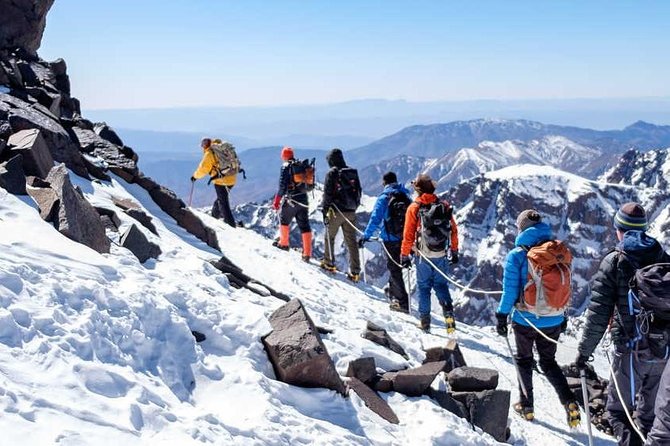
- Two big walking days: about 5 hours on day one and around 8 hours on day two
- Camping near Neltner Hut: you stay high on the mountain, not back in town
- Meals are handled: two lunches, breakfast, dinner, plus mullet included
- English guiding in a small group: maximum 8 people keeps it organized
- Winter gear may cost extra: crampons/ice ax and sleeping bags aren’t included
Entering Mount Toubkal in Just Two Days: The Real Trade-Off
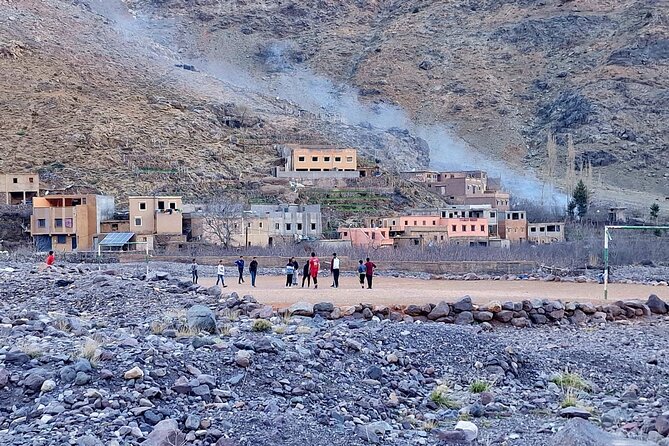
A Mount Toubkal summit in two days is a “go big or go home” plan. You’re moving quickly from Marrakech into the Atlas Mountains, then hiking long hours with a camping night near Neltner Hut. The upside is obvious: you still get a complete Toubkal experience without needing a week off work or school.
The key thing I’d expect you to understand up front is this: the route is described as difficult but not technical. That means you shouldn’t need mountaineering skills, rope work, or specialty climbing. Still, altitude and sustained uphill effort can make it feel tougher than you’d guess from distance alone, especially on summit day.
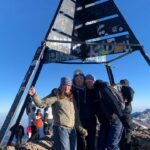
The payoff for doing it fast is the view payoff. At 4,167 m, the summit feels like a different world, and the effort tends to click into place once you’re actually up there. If you want the best odds of enjoying the trek (instead of just surviving it), pace matters—and the tour is set up with that in mind.
You can also read our reviews of more tours and experiences in Marrakech.


Marrakech to Imlil: How the 8:30 AM Start Sets the Tempo
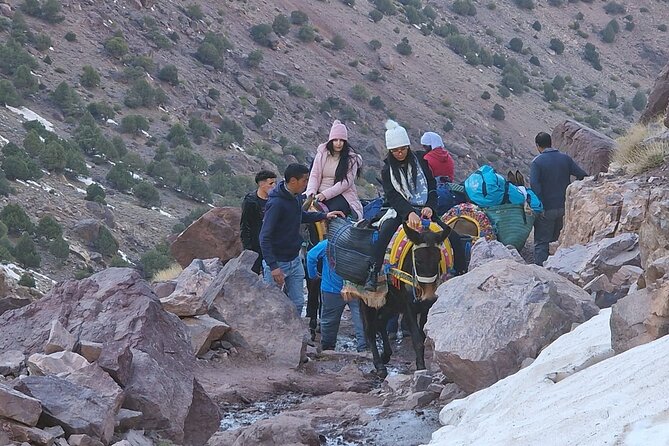
Most people underestimate how much “getting started” affects hiking. This trek starts at 8:30 am at Hôtel Restaurant Café de France in Marrakech, near Rue des Banques. From there, pickup is offered, and you head out toward Imlil to meet your guide and team.
What I like about this flow is that it’s early enough to turn the day into real trekking time, not just a long travel day. Driving into the mountains a few hours from Marrakech also gives you a clean break between city life and high-altitude walking, so your body has a chance to settle before the first serious climb.
Also: because the tour ends back at the meeting point, your Marrakech day is preserved. You’re not guessing transit times back and forth. And since the trek is typically booked about 7 days in advance, you’ll likely find it fits well into a short Marrakech itinerary.
Day 1: The 5-Hour Hike to Neltner Hut (and Why It Matters)
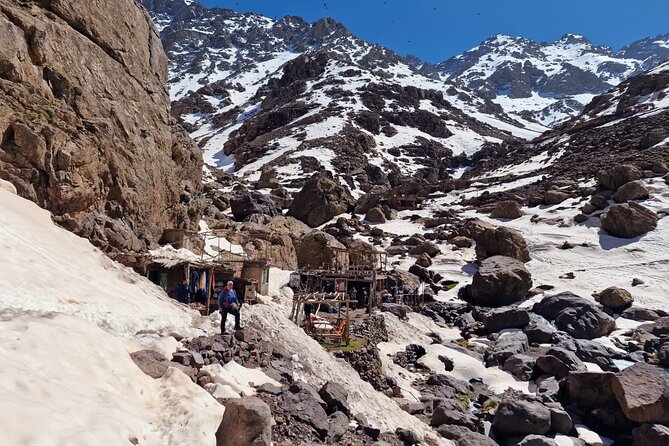
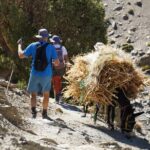
Day one is the runway day. You’ll hike for about 5 hours toward Neltner Hut, the mountain base where you’ll camp overnight. This is not “a warm-up stroll.” It’s enough effort to start building rhythm, but it’s also paced to get you to a place where you can sleep high and wake up for summit day.
Neltner Hut is important because it changes everything about your second day. Without an overnight stop up high, a two-day summit becomes much more punishing. Staying near the hut means you’re already closer to the summit on day two, which can help you avoid the “too-slow, too-far, too-tired” spiral.
Food is part of why day one works. Your lunches are included, and the trek includes Moroccan-style meals as you go. When you’re climbing at altitude, the difference between “I’ll eat later” and actually having meals planned is huge for energy management. This tour also includes dinner the first night, so you’re not left scrambling for food after the hike.
Camping Near Neltner Hut: What’s Included, What Isn’t
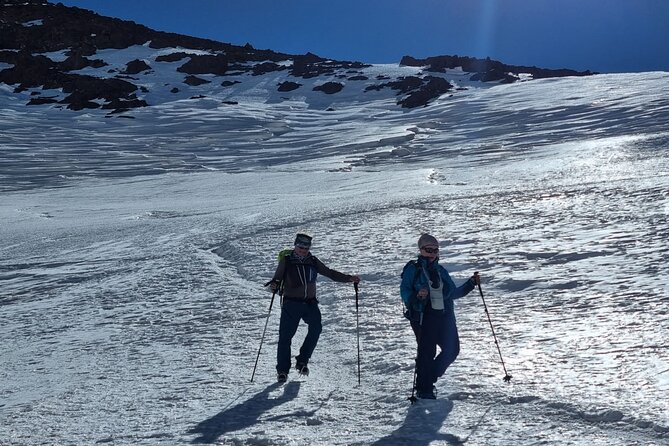
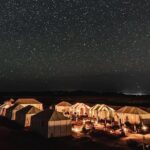
You’ll camp on the mountain near Neltner Hut for one night. Camping here is about function: warm enough shelter, a spot to rest, and a setup that helps you wake up ready to climb again.
Here’s what’s covered: accommodation (camping) is included, along with a breakfast and dinner to close out day one. The tour also notes that gear is provided for the camping portion, which should remove some of the biggest uncertainty for first-time Atlas hikers.
Here’s what to watch closely: sleeping bags are not included. That matters because the summit area can get cold and windy, especially in winter conditions. You also should plan for the fact that non-alcoholic drinks like mineral water aren’t included, so bring money for bottled water or plan to buy it as needed.
Also, if conditions require it, extra cold-weather gear may be arranged at an extra fee. The tour lists crampons (winter) and an ice ax (winter) as equipment rentals that are not included in the base price. So pack smart, and if you’re traveling in colder months, ask early what conditions your date typically has.
Day 2 Summit Push: The 8-Hour Challenge You’ll Feel
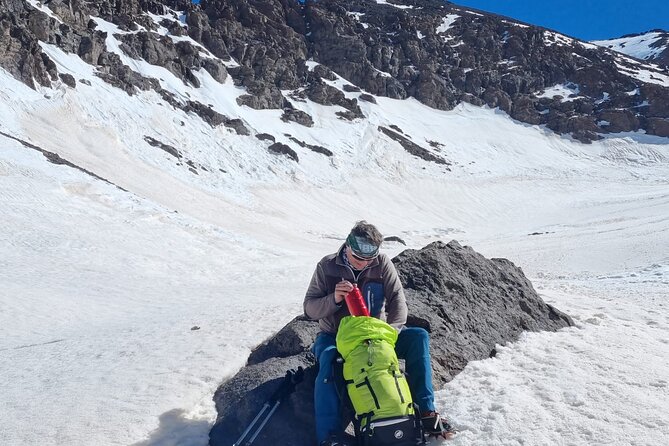
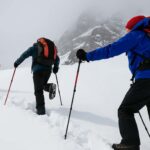
Day two is the main event. You’ll start early to summit and still get down in good time, with a walking time of around 8 hours. That’s long for an altitude summit day, and it’s why the overnight stay near Neltner Hut is a big deal: it shortens the overall grind.
The tour’s promise is that no mountaineering experience is required. In practice, that means your challenge is fitness, stamina, and altitude management—not technical climbing skills. If you’re in moderate physical condition, you’ll still feel the climb, but it should be within reach with a steady pace.
This is where your guide’s pacing style makes a big difference. People have praised certain guides for letting the group take the mountain at an individual pace, with plenty of breaks and plenty of food. You want your day two to feel controlled, not like a race you can’t recover from.
If you want a simple strategy to protect your summit attempt, think like this: keep your breathing steady, take breaks before you feel wrecked, and don’t burn your energy early just because the summit looks close. The climb can look manageable from below, then turn into a slow climb up high—so save enough in the tank for the last stretch.

The Guide Experience: English Support and a Pace That Fits
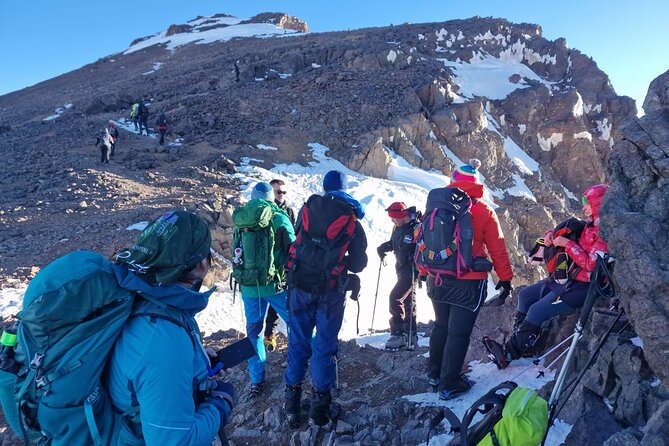
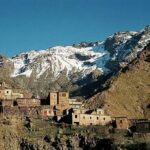
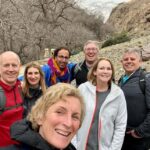
This trek runs with an English guide, and the group size is capped at 8 travelers. That small group limit matters because it keeps the experience personal. You can ask questions about the route, the villages you pass, and what to expect from the next section of the climb.
From the guide stories tied to this trek, a few names stand out: Samir, Idriss, Driss, Omar, Mustapha, Mo, and Ibra. Across these different guide styles, the common thread is practical support—patient pacing, adjustments when people need more time, and lots of encouragement without acting like a drill sergeant.
One small detail I’d take seriously: headwear. You might remember that one guide is noted for cool headwear options. Whether you’re buying locally or bringing your own, the point is the same: sun, cold wind, and temperature swings can hit hard at elevation.
You’ll also want a guide who keeps the day organized when weather shifts. The tour explicitly says it requires good weather. So your guide isn’t just leading the route—they’re helping keep the plan realistic for conditions.
Price and Value at $248.55: What You’re Paying For
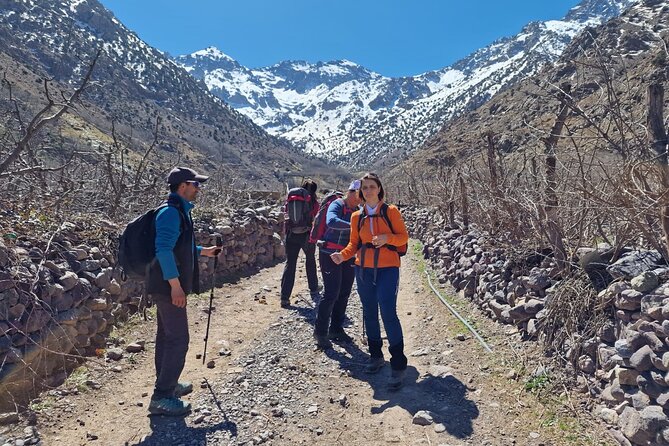
At $248.55 per person, this is not a budget hike, and it’s not an ultra-premium expedition either. It lands in the “serious value” zone if you’re comparing against what it would cost you to piece it together yourself: transport out of Marrakech, an English guide, overnight camping, and meals.
Here’s what you’re getting in the price:
- Marrakech transportation and return to Marrakech
- 1 night camping accommodation
- 2 lunches, 1 breakfast, 1 dinner
- Food along the way, including mullet
- Gear provided for camping
- English guide and entrance related to the guiding service
- Pickup offered and a mobile ticket
What’s not included (and can add up if you’re unprepared):
- Non-alcoholic drinks (mineral water and similar)
- Tips
- Sleeping bags
- Walking sticks
- Winter equipment like crampons and an ice ax
So the value question becomes simple: are you comfortable paying for the simplicity? If you’d rather not research permits, arrange transport, and gamble on finding a guide who can handle your pace, this price starts to make sense fast. And the tight two-day structure means you’re buying time efficiency, too.
What You Should Pack (Because Key Rentals Aren’t Included)
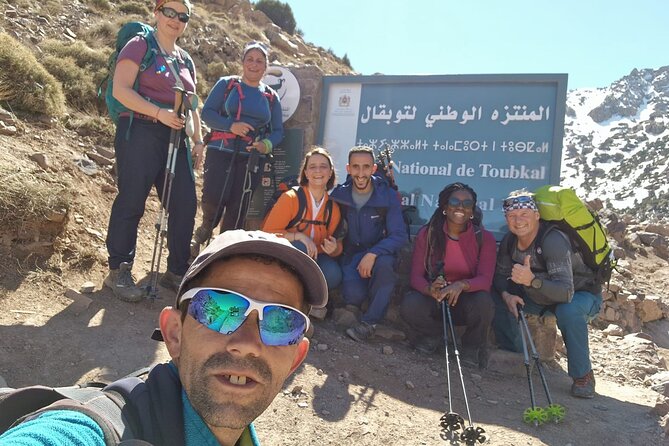
Don’t rely on the tour to cover everything. The listing is clear about what you still may need to bring or rent.
Plan around these gaps:
- Sleeping bag: not included
- Walking sticks: not included
- Winter rentals: crampons and ice ax are not included
- Drinks: bottled water and other non-alcoholic drinks aren’t included
Also, think about warmth and wind. Even when technical gear isn’t required, high altitude can bring sharp cold. The guides’ emphasis on pacing and break-taking works better when you’re dressed for the temperature swings. Bring layers you can add or remove without fuss.
If you’re unsure about winter conditions for your travel month, ask before you go. The tour notes that extra equipment like axes and crampons (if needed) can be arranged for an extra fee, so it’s better to confirm early than to scramble at the last moment.
Who This Trek Suits Best (and Who Might Struggle)
This tour is for you if:
- You have moderate physical fitness and want a structured challenge
- You want a true summit attempt without mountaineering experience
- You prefer a small group with an English guide
- You like the idea of camping near Neltner Hut and hiking out fresh next day
It may be a poor fit if:
- You’re not comfortable with long, steep hiking days (5 hours day one, ~8 hours day two)
- You don’t want to manage cold-weather needs yourself (sleeping bag and potential winter gear aren’t included)
- Your schedule can’t handle an early 8:30 am start in Marrakech
Service animals are allowed, which is helpful to know if you need that support.
If you’re coming from Marrakech and want an authentic Atlas Mountains experience without turning it into a week-long project, this hits the sweet spot.
Should You Book This Mt Toubkal Trek With Adrar Trips?
I’d book this trek if your priority is a well-run, high-impact summit plan with meals handled and logistics minimized. Starting and ending in Marrakech, keeping the group small, and including overnight camping near Neltner Hut makes the two-day format feel realistic. And because you’re not asked to do mountaineering, you can focus on hiking form, pacing, and altitude management instead of technical skills.
I’d hesitate if you’re sensitive to cold, don’t want to handle missing essentials like a sleeping bag, or you’re aiming for a casual hike. Also, since the trek requires good weather, you should be flexible with your dates—though if it’s canceled for weather reasons, you’ll be offered an alternate date or a full refund.
If you’re reading this, you probably want that classic Toubkal moment: the long hike, the high camp, and the pay-off from North Africa’s top. With the included meals and English guide, you’re paying for the experience to feel organized while you do the hard part.
FAQ
What time does the trek start in Marrakech?
The activity starts at 8:30 am at the Hôtel Restaurant Café de France meeting point in Marrakech.
Where is the meeting point?
You meet at Hôtel Restaurant Café de France on Rue des Banques, near Jamaa el-fnna, Marrakech, and the experience ends back at the same meeting point.
How long is the hiking on each day?
Day one is about 5 hours of walking, and day two is about 8 hours of walking.
Do I need mountaineering experience?
No mountaineering experience is required. The hike is described as difficult, but it does not require technical mountaineering skills.
What’s included in the price?
Included are Marrakech transportation, return to Marrakech, 1 night camping, 2 lunches, 1 breakfast, 1 dinner, food along the way (including mullet), an English guide, and entrance related to the Toubkal guiding service.
What equipment is not included?
Sleeping bags and walking sticks are not included. Also, rental equipment such as crampons (winter) and ice ax (winter) are not included, and non-alcoholic drinks aren’t included either.
What happens if the weather is poor?
The trek requires good weather. If it is canceled due to poor weather, you’ll be offered a different date or a full refund.