REVIEW · KATHMANDU
Everest Base Camp Trek – 14 Days
Book on Viator →Operated by Nepal Trek Adventure and Expedition P.Ltd · Bookable on Viator
Everest Base Camp feels impossibly close. This trek strings together Sherpa culture in the Khumbu with big, high-altitude walking all the way to the Everest region’s end point. You start in Kathmandu’s energy, then step into a chain of villages that gradually fades into snow, glacier, and silence.
What I like most is how the itinerary treats altitude like a real factor, not an afterthought. You get planned acclimatization in Namche Bazaar and a full day to adjust in Dingboche, with optional hikes if you feel strong.
The one real drawback: this trip requires weather to cooperate and it runs at serious elevation. If you’re not ready for cold, thinner air, and the possibility of changes due to conditions, you’ll want to think twice.
In This Review
- Key Things That Make This EBC Trek Work
- Kathmandu First: Getting Oriented (And Not Wasting Time)
- The Lukla Flight and First Trek into the Everest Region
- Namche Bazaar: The Altitude Lesson and Sherpa Village Reality
- Tengboche to Dingboche: From Monastery Country to High-Alpine Air
- A Free Day in Dingboche: Chhukung Ri or Take It Easy
- Above the Tree Line to Lobuche: Tea Houses and Snow-Covered Quiet
- Gorakshep to Everest Base Camp: The Khumbu Glacier Moment
- Kala Patthar: The Highest Viewpoint Stop You Actually Want
- Heading Back: Namche and Lukla with an Easier Pace
- Price and Value: What $1,800 Buys You in Real Mountain Terms
- Should You Book This 14-Day Everest Base Camp Trek?
- FAQ
- How do I get to the start point in Kathmandu?
- Are flights and permits included?
- Is there porter support for luggage?
- What altitude is the trek reaching?
- What meals are included?
- What if poor weather cancels the trek?
Key Things That Make This EBC Trek Work
- Porter support built in: You share 1 porter for luggage (2 guests per porter), which keeps your energy for the trail.
- Acclimatization days at the right spots: Namche Bazaar and Dingboche give your body time to catch up.
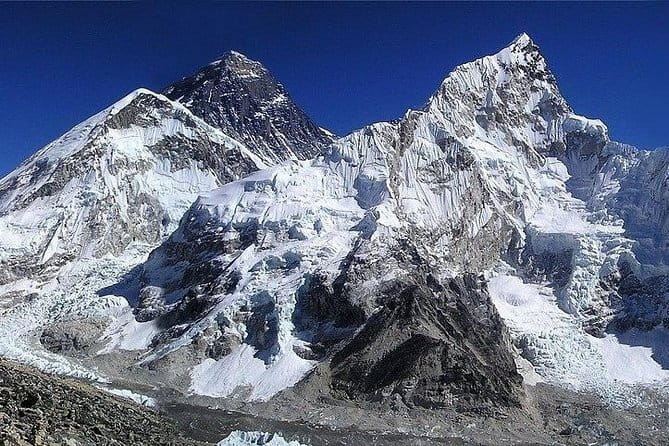
- Kala Patthar is the payoff moment: At 5,545 m, it’s the best viewpoint route includes for Everest close-up.
- Meals and guide support are included: Breakfast (12), lunch (10), and dinner (10) plus an English-speaking guide with 10+ years.
- Small-group feel: Maximum of 15 travelers, so you’re not stuck in a crowd shuffle every morning.
- Strong local leadership signals: Past trekkers have praised the company’s director Binod Sapkota and guides such as Sujan Nepal, TB, Shiva, Dipak, and Tribhuvan for smooth organization.
Kathmandu First: Getting Oriented (And Not Wasting Time)
This trek starts in Kathmandu, and that matters. You get 2 nights in a 3-star hotel (or similar), which is a nice buffer before you move into mountain routine. The trip also includes pickup offered, plus an airport representative who meets you with a Nepal Trek Adventures sign and drives you to your hotel.
Timing is also clear: your airport meet-up is listed for 6:15 am. That early start is normal for Kathmandu logistics, especially when you’re lining up for a short flight the next morning. If you’re the type who gets cranky when the day starts too early, plan for it now: pack the things you’ll need for the first morning so you’re not digging through your bag in a hurry.
Another value point: your guide is English-speaking with 10+ years of experience, and that’s not just a comfort feature. In the Everest region, experience helps with pacing, route timing, and choosing when to push and when to slow down. The company’s leadership has also received praise for staying engaged from the start—Binod Sapkota comes up repeatedly in feedback, which is a good sign when you’re relying on others in a remote place.
You can also read our reviews of more tours and experiences in Kathmandu.
The Lukla Flight and First Trek into the Everest Region
The real transition day is the Kathmandu to Lukla flight. You take a 35-minute scenic flight from Tribhuvan International Airport to Tenzing-Hillary Airport in Lukla (2,804 m). Once you land, your guide briefs you and introduces your porters, and then you start walking right away.
Day 2’s trail takes you from Lukla down toward the Dudh Kosi River. From there, you join the main trail that climbs toward Namche Bazaar, passing through small villages like Ghat and finishing at Phakding (2,610 m to Phakding region). I like that the walking day starts relatively approachable. It’s not a walk in the park, but it’s designed to get you moving without throwing you into the steepest terrain immediately.
Two practical notes for you here:
- You’ll likely feel the height difference even before the hardcore days. Treat Day 2 as warm-up work.
- This is a group trek, and you’ll share trail space. Pack patience with your snacks—everyone’s trying to get to Phakding in one piece.
Namche Bazaar: The Altitude Lesson and Sherpa Village Reality
Namche Bazaar is a big deal in this region. The route toward it includes forests, traditional villages with plowed fields, and yak pastures. As you approach the entrance to Sagarmatha National Park, views start opening up, including the big shapes around Thamserku.
After lunch, you reach Namche Bazaar, the largest Sherpa village in the Khumbu region, and a hub where many expeditions and trekking groups start from. I also appreciate the small, real-life detail: you can buy last-minute items there, like chocolate, if you forgot something in Kathmandu. On a trek, tiny comforts become big deals.
Then comes the altitude day, and it’s a smart one. You don’t just sit. You have the option to hike around for a few hours or visit the Sir Edmund Hillary school in Khumjung. If you’re wondering what to do with a day meant for acclimatization, this kind of structure is exactly what you want: it’s movement with a purpose, not boredom with a headache.
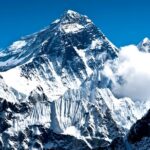
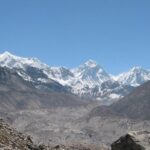
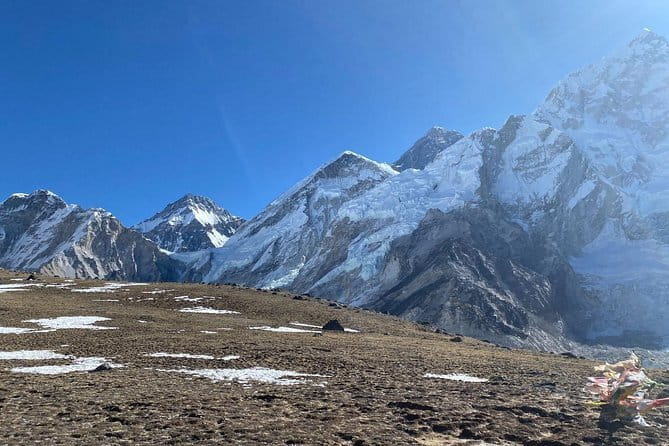
You’ll also get serious mountain sighting time. On this day, the mountains listed around your view include Kwangde, Thamserku, Kangtega, Nuptse, Lhotse, Ama Dablam, and Mount Everest. Even if weather shifts, the region’s scale is something you can feel.
Tengboche to Dingboche: From Monastery Country to High-Alpine Air
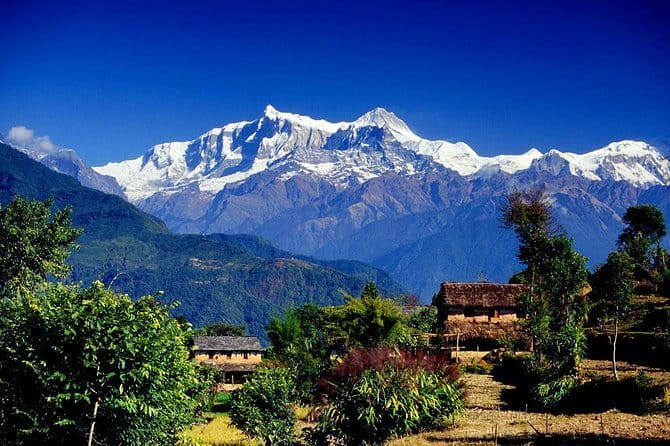
Leaving Namche, the trek continues upward toward Tengboche. The path goes up slowly, and at times it runs close to steep slopes. That’s the sort of detail you should respect. On this kind of trail, your pacing and footing are more important than speed.
On the way, you’ll see Ama Dablam. There’s also a lunch stop at 3,680 m connected with the birth of Lama Sange Dorje. That’s one of those touches that turns the day from scenery-only into place-based travel. Tengboche is where you spend the night. Expect forests, pine trees, pine shade, and rhododendron color—small reminders that life exists here even as the altitude rises.
Then you move into Dingboche (4,410 m). The route is described with options for lower and upper paths on the return leg, which helps explain why some sections feel different depending on where you’re walking. When you arrive, you can walk around and look at Ama Dablam and the Imja River.
Dingboche also gets special mention for what’s practically available at altitude. A helicopter landing pad is close to Moonlight Lodge, and there’s even an internet cafe. There’s also talk of an unusually high billiards hall. These details don’t change the mountain, but they do change how livable the days feel when you’re at altitude.
A Free Day in Dingboche: Chhukung Ri or Take It Easy
Day 7 is your day off in Dingboche. You can climb to Chhukung Ri, a 5,550 m rock outcrop with big views of Makalu, Ama Dablam, and Baruntse. Or you can hike around Chhukung village at about 4,730 m.
This choice is valuable because it lets you match the day to your body. If you feel good, you go up for views. If you don’t, you still get a decent walk without forcing altitude stress. Lunch is flexible, and Hotel Bright Star is called out as a popular option in Chhukung. That’s a real benefit for group travel: it gives you a known place to aim for instead of guessing.
I also like that the structure is clear about returning to Dingboche after lunch. That’s how you protect the rest of your trek. Save your big effort for later.
Above the Tree Line to Lobuche: Tea Houses and Snow-Covered Quiet
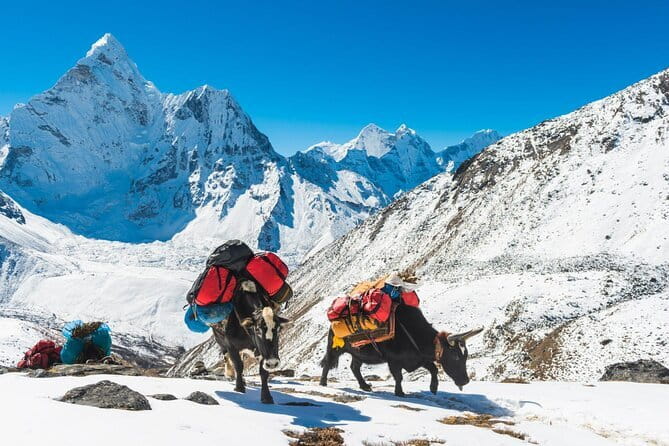
From Dingboche, the plan moves you toward Lobuche. The route runs through wide valleys, passing through Dughla, where the hike to Lobuche (4,910 m) begins. You cross yak fields in Dusa, which signals a changing environment: fewer trees, more open ground, more wind.
Once you’re above the tree line, the trail descriptions change. The paths become empty and snow-covered. This is where the walk turns into something more exposed—white ground, sharper cold, and more effort just to stay steady.
Lobuche itself is described as having no Sherpa villages staying there. You’ll see tea houses and tall mountains nearby, but the area feels less like a living settlement and more like a base for hikers and trekkers. That shift can be emotional in the best way. It’s quiet, and the mountains feel closer because the space between them and you gets smaller.
You’re also treated to named views like Tawache, Pumari Peak, and Cholaste. On these days, having your eyes open for details helps pass the time.
Gorakshep to Everest Base Camp: The Khumbu Glacier Moment
This is the day where the trek stops being a “plan” and turns into a lived experience.
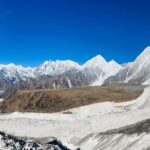
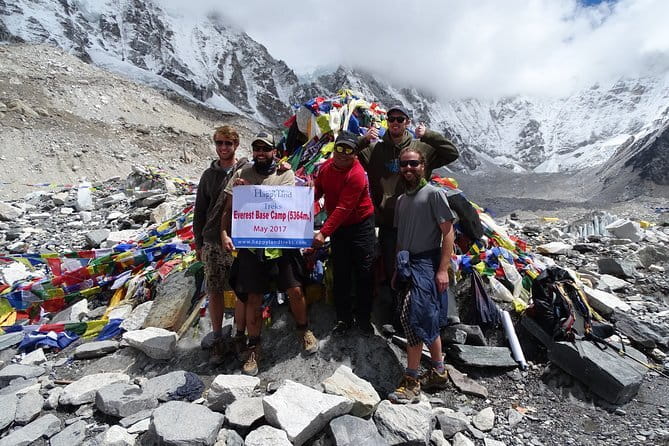
From Lobuche, it takes about 2 to 3 hours to reach Gorakshep. At around 4,900 m, you’ll cross the Khumbu Glacier, described as the world’s tallest glacier. It’s also given as about 12 km long and shaped like the moon. That description isn’t random. It points you toward what you’ll notice: ice formations, odd contours, and small water pools.
Then comes the payoff: Everest Base Camp is relatively close once you’re in the Gorakshep area. The feeling is described as standing at the base of the world’s tallest mountain—hard to measure, easy to remember.
After reaching Base Camp, you go back down to Gorakshep. That return matters. People often focus on reaching the view, then forget that the descent still needs attention. The mountain doesn’t care about your excitement level.
Kala Patthar: The Highest Viewpoint Stop You Actually Want
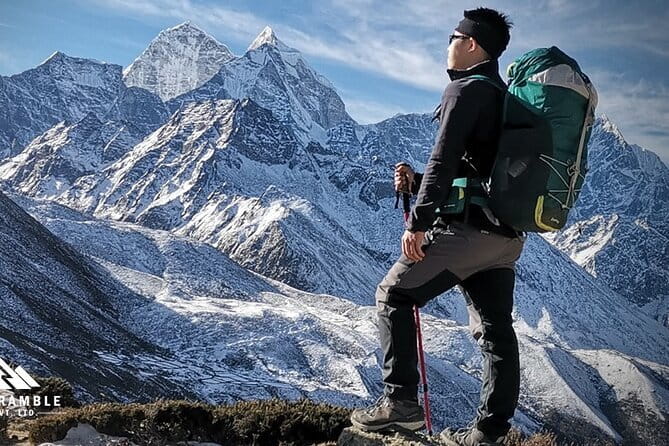
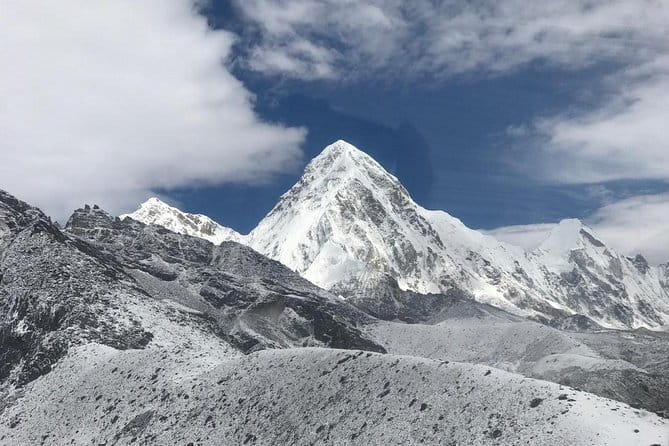
Day 10 includes Kala Patthar, at 5,545 m, described as the highest point of this Everest Base Camp trek. The plan has you walking toward it, and when you reach the top, you get close views of Mount Everest, Ama Dablam, and Pumori.
This is your big “eyes on Everest” moment, and it’s not just for Everest. The glaciers and surrounding mountain views are part of the experience too. If you’re going to bring one camera lens, bring the one that lets you frame huge things without losing detail in the bright snow. On days like this, contrast can be brutal.
The itinerary also includes a visit to the H.M.A.R. hospital, built in 1975, or a nearby village at around 4,371 m. That stop adds context. You’re not only seeing the mountain—you’re seeing the human effort that meets it.
Heading Back: Namche and Lukla with an Easier Pace
After Kala Patthar, the trek shifts into return mode. You move back toward Namche on a route described as easier to walk, with beautiful views of mountains and forests. There are brief stops to take in the scenery, and you pass through Orsho, Somare, Pangboche, and Tengboche before reaching Namche again.
Then you continue to Lukla to end the trekking portion. The plan also puts a little celebration into the schedule. There’s time to relax after arrival, including the possibility of a hot shower, and in the evening there’s mention of drinks and dancing with your group. That’s not fluff. It’s part of the emotional rhythm: you’re safe down at lower altitude, and you get to close the chapter with people who just walked the same hard days.
Price and Value: What $1,800 Buys You in Real Mountain Terms
This trek costs $1,800 per person and runs about 14 days. On paper, Everest treks can look expensive. On this one, the value is in what’s already handled for you.
Here’s what’s included:
- Permits and flights (Kathmandu–Lukla–Kathmandu)
- 2 nights in Kathmandu in a 3-star hotel (or similar)
- An English-speaking guide with 10+ years experience
- Porter support: 2 guests share 1 porter for luggage
- Meals: breakfast (12), lunch (10), dinner (10)
When flights and permits are included, you’re not scrambling for paperwork or guessing costs mid-planning. When meals are included, you spend less time deciding what to eat and more time tracking your own energy. And when a porter carries your luggage load, you’re more likely to keep steady steps, which is what matters at altitude.
What’s not included:
- Tips for your guide and porter (tipping is expected)
- Travel insurance that covers both medical and emergency evacuation
- Any other expenses not listed
One more operational point: group size maxes at 15 travelers. Smaller groups tend to feel easier on narrow trails and in lodge timing, even if you still share paths like normal humans.
Should You Book This 14-Day Everest Base Camp Trek?
I think this is a strong booking if you want a traditional Everest Base Camp route with real acclimatization built in. The inclusion of flights, permits, guide experience, meals, porter support, and Kathmandu lodging makes it easier to budget and reduces stress when you’re already juggling altitude.
I’d skip it (or at least talk to your doctor and re-check your preparedness) if you know you struggle with cold, long days on foot, or if you’re expecting a guaranteed, weather-perfect schedule. This kind of trek lives and dies by conditions.
If you do book, do one smart thing before you go: ask the operator who your guide will be and what the plan is if weather disrupts flights. This is especially important because the trek relies on those Lukla connections and the timing around them.
FAQ
How do I get to the start point in Kathmandu?
You start in Kathmandu, with the meeting point at Tribhuvan Airport in Kathmandu Nepal. The start time is listed as 6:15 am. Ticket redemption is at Nepal Trek Adventure and Expedition P. Ltd., Thamel Marg, Kathmandu.
Are flights and permits included?
Yes. The price includes permits and the flight route Kathmandu–Lukla–Kathmandu.
Is there porter support for luggage?
Yes. The trek includes a trekking porter (strong local Sherpa) for carrying your luggage, with 2 guests sharing 1 porter.
What altitude is the trek reaching?
Key altitude points in the plan include Lukla at 2,804 m, Dingboche at 4,410 m, Lobuche at 4,910 m, and Kala Patthar at 5,545 m. The trek is also built around visiting Everest Base Camp in the Everest region.
What meals are included?
Breakfast is included 12 times, lunch 10 times, and dinner 10 times.
What if poor weather cancels the trek?
The experience requires good weather. If it’s canceled due to poor weather, you’ll be offered a different date or a full refund.