REVIEW · SAPA
Sapa Mountain Escape: 2-Day Trekking, Rice Terraces & Homestay
Book on Viator →Operated by Sapa Odyssey Tour · Bookable on Viator
A homestay trek beats another box-checking tour. This Sapa Mountain Escape mixes big valley views with real time with a Hmong family, and a guide like Nhu who keeps the experience human, not robotic. You’ll walk village paths, drink tea with your hosts, and learn how daily life fits around the mountains.
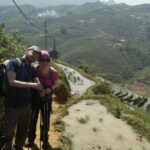
I especially like the way the walk strings together terraced fields and village viewpoints in a short time. You start on Ham Rong Mountain for panorama views, then move through Hang Da Village and on into bamboo forest trails and traditional stops across the Sapa hills.
One watch-out: this is trekking, so you’ll want moderate physical fitness. Expect some walking and up-and-down ground over the two days, and you’ll feel it more if you’re not used to mountain trails.
In This Review
- Key highlights that make this trek worth it
- A two-day Sapa trek that actually feels local
- Start at Sa Pa Stone Church, then head for Ham Rong Mountain views
- Hang Da Village: rock formations and an easy cultural pause
- After lunch: bamboo forest trails and the route toward your homestay
- Giang Ta Chai homestay: tea, settling in, and a slower night
- Day 2 begins with terraced fields and coffee vibes
- Ta Van Village: bamboo out, culture in (Black Hmong and Giay)
- Lao Chai Village: terraced rice fields and traditional houses
- Price and value: why $80 can work (if you count what’s included)
- What this experience is best for (and who should think twice)
- Comfort and trekking reality checks (the useful stuff)
- If you want the guide-driven difference, ask for it
- Should you book this Sapa Mountain Escape?
- FAQ
- What’s included in the $80 price?
- Is pickup offered, or do I meet somewhere specific?
- How physically demanding is the trek?
- Will meals work if I’m vegan?
- Is this a private tour or shared group?
- Are entrance tickets covered for the stops?
Key highlights that make this trek worth it
- Hmong homestay time with meals instead of just a quick photo stop
- Panoramic views from Ham Rong Mountain built into the first half of the trip
- Bamboo forest walking plus short village connections for a true day of movement
- Guide Nhu adjusts the route to help you spend more time away from other groups
- Entrance fees and meals included (breakfast, dinner, and two lunches) for simple value
- Vegan and other dietary needs can be accommodated if you flag them at booking
A two-day Sapa trek that actually feels local
Sapa can feel like a highlight reel if you only do the fast viewpoints and skip the in-between. What I like about this 2-day, 1-night escape is how quickly it gets you to the places where daily life is happening—terraced rice, hamlets, and mountain paths that still connect families and fields.
The homestay is the core reason the trip works. You’re not just sleeping somewhere nearby. You’re welcomed into a Hmong family’s routine, from the initial tea when you arrive to the meals you share. That kind of pacing changes how you experience the mountains. The scenery is impressive, sure, but the human rhythm makes it stick.
And it’s not only “wander and hope.” A strong guide makes a huge difference in Sapa because the best moments often depend on timing—when paths are quiet, when people are working, and when you’re in the right spot to understand what you’re seeing. In at least some groups, the guide Nhu is known for learning what you’re trying to do, including steering the day so you’re alone as often as possible.
Start at Sa Pa Stone Church, then head for Ham Rong Mountain views
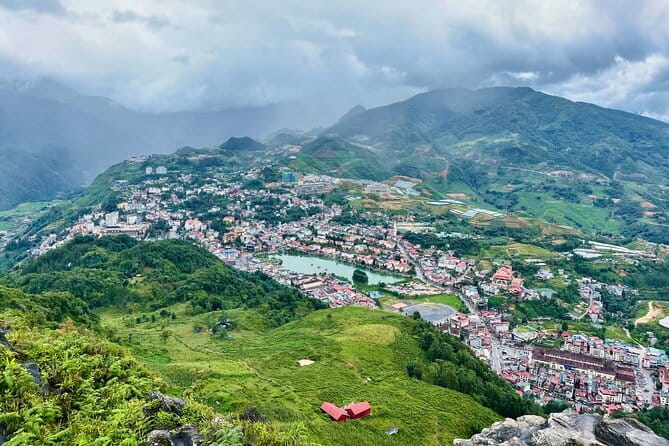
Your day begins with pickup offered from your hotel or a meet-up at Sa Pa Stone Church. From there, your guide gives a briefing and you transition quickly into mountain walking.
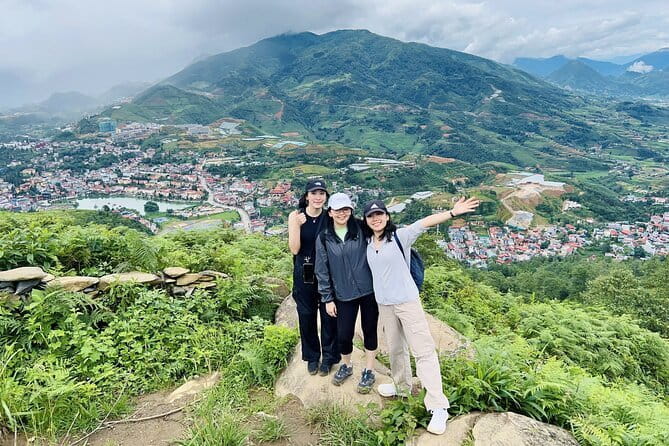
The first big stop is Ham Rong Mountain, scheduled for about 3 hours with admission included. This is the part of the trip that sets your mental picture of Sapa. You get panoramic views over Sapa town and out toward valleys and traditional areas. It’s the clearest “welcome to the region” moment, and it helps you orient yourself before you start dropping into villages and forested paths.
Practical note: because this is an early anchor of the day, it’s a good time to get into your trekking rhythm. If you tend to feel stiff after long rides, take a few minutes on arrival to loosen up before you start walking.
Hang Da Village: rock formations and an easy cultural pause
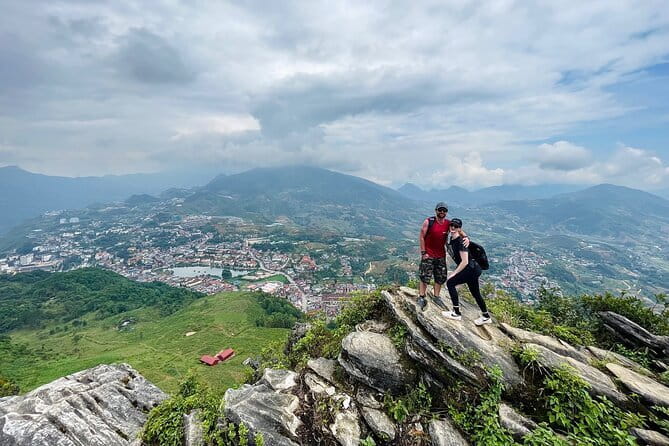
Next comes Hang Da Village for about 1 hour, with admission included. This is one of those stops where the scenery is physical. The village is known for its natural charm, including large rock formations that give the area character and make for memorable photos without needing a gadget.
What I like about this timing is that it’s not immediately another hard trek segment. You’re getting a cultural and visual reset before the day starts leaning more toward trail time through bamboo.
You’ll want to keep your attention on how people move through the area—where paths connect, how houses relate to the terrain, and how the village works as a community rather than a backdrop.
After lunch: bamboo forest trails and the route toward your homestay
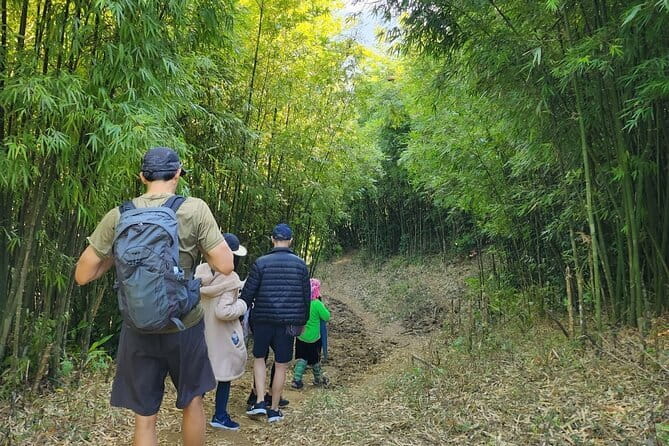
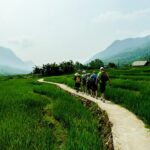
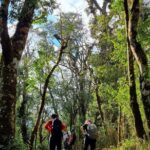
After your provided lunch, your trek continues toward Hau Chu Ngai village, traveling along picturesque village paths and short trails through bamboo forests. This section is where the trip starts feeling more like a real walk across Sapa’s connected communities instead of a checklist of sights.
Along the way, you descend toward Giang Ta Chai village, where you’ll eventually reach your homestay. The pacing matters here. Bamboo forests slow you down in a good way. You start noticing small changes: the shade, the sound, and the way the trail threads between fields and homes.
You should think of this segment as the emotional bridge. The views from earlier help you understand the big picture. The bamboo and village paths show you the daily connections that make those views meaningful.
Giang Ta Chai homestay: tea, settling in, and a slower night
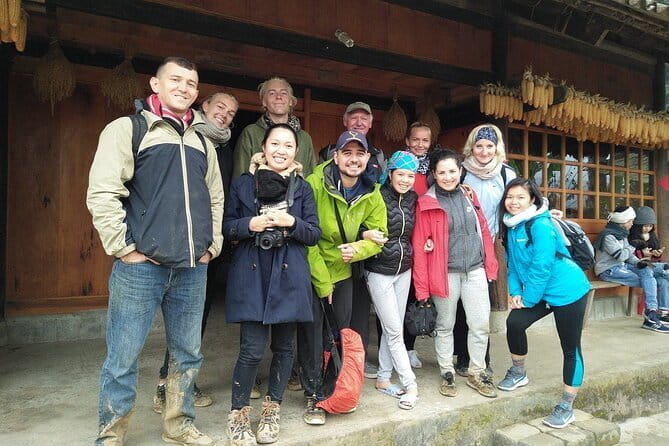
You typically arrive at the Giang Ta Chai Village homestay around 3:30 to 4:00 PM, with a short check-in period. Hosts greet you with warm tea, and you’ll get time to refresh and settle into your rooms.
This is also where the tour delivers on the promise of being a “locals first” experience. You’ll spend the evening with a Hmong family, enjoying dinner and learning through everyday moments—how meals are cooked, how families manage their space, and how traditions show up in ordinary life.
There’s one more practical upside: the trip already includes dinner and breakfast, plus water. That means you’re not trying to solve food logistics while your legs are tired. In a place like Sapa, that’s a real comfort.
Day 2 begins with terraced fields and coffee vibes
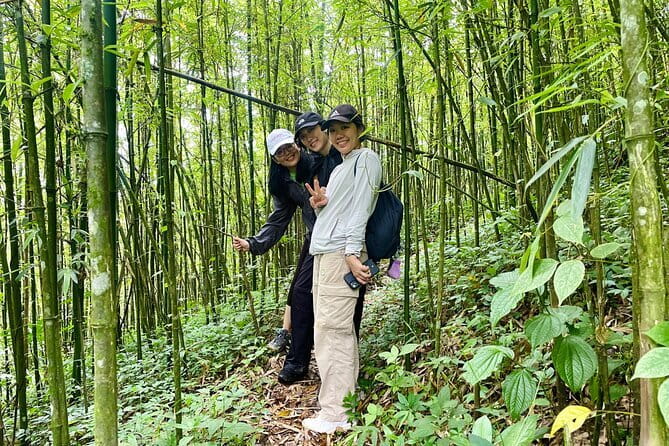
Day two starts in Giang Ta Chai. There’s time to wake up in an unfamiliar setting, and the morning plan includes coffee while looking out over terraced fields. Then breakfast is served at 8:00 AM.
I like the way this morning is framed: you’re not rushed out immediately. You get one last look at the rice terraces from near where your homestay sits. It turns the scenery from “something you saw” into “something you lived alongside.”
After breakfast, you’ll pack up and say goodbye to your hosts.
Tip from a practical travel lens: keep your return-day shoes ready near your sleeping area. When you’re ready to leave, you don’t want to scramble for gear while the group is moving.
Ta Van Village: bamboo out, culture in (Black Hmong and Giay)
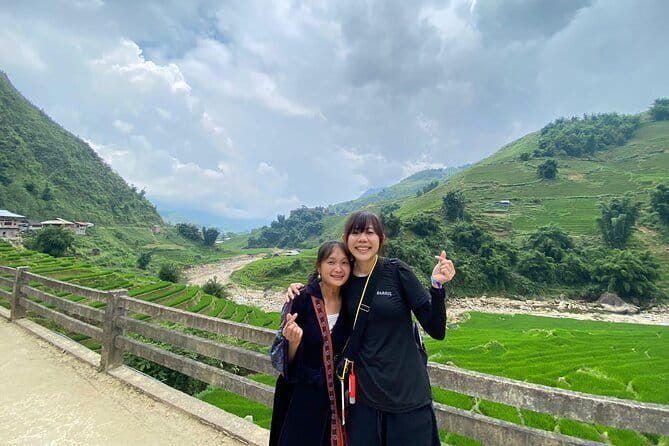
Next on day two is Ta Van Village, reached after emerging from the bamboo forest. It’s around 1 hour, with admission included.
Ta Van is home to the Black Hmong and Giay ethnic groups. Your guide adds context, including how cultural distinctions can show up across communities. Even if you’re not from a culture with these traditions, it helps to hear what’s different in language, clothing, and daily routines—because that makes what you’re seeing more than just scenery.
This stop is also a good reminder that “ethnic minority in Sapa” isn’t one single story. The villages have their own identities and ways of living with the mountains.
Lao Chai Village: terraced rice fields and traditional houses
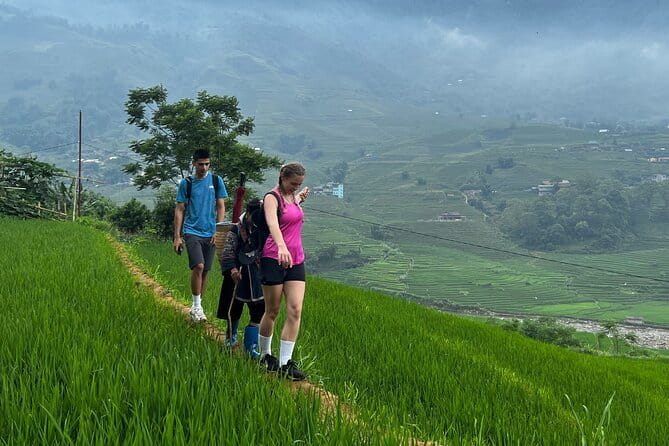
The final major stop is Lao Chai, about 2 hours. Admission is free here, so it’s a lighter-cost moment within the wider package.
Lao Chai is known for terraced rice fields and the Black Hmong community. You’ll have time to explore traditional houses and get a sense of how people shape their living space around the slopes.
This is the point where many people slow down. You’re not only walking now; you’re observing. The terraces show up in layers, and you start seeing how water, soil, and slope all influence what’s possible.
If you like photos, you’ll get them. But I’d also set aside a few minutes for quiet watching. Sapa has a way of making you rush if you don’t choose to slow down yourself.
Price and value: why $80 can work (if you count what’s included)
At $80 per person for a 2-day, 1-night experience, this trek is aiming at more than just “a hike.” You’re paying for a bundled set of costs that add up fast in Vietnam mountain regions:
- Meals included: breakfast, dinner, and two lunches
- Water included
- Homestay included
- Private transportation included
- Entrance fees covered for several of the stops
- All entrance fees listed as included, with some sights noted as free
So yes, $80 is the headline price. But the real question is whether you’d otherwise spend similar money on homestay + guides + transport + food. In most cases, doing those separately costs more and is less comfortable.
You also get a private tour, meaning only your group participates. That matters for conversation, pacing, and the kind of cultural questions you’ll want to ask. And if you’re hoping to move around with less crowd pressure, the presence of a guide who can adapt—like Nhu, based on past groups—becomes part of the value.
What this experience is best for (and who should think twice)
This trip is a strong match if you:
- Want real village time, not only viewpoints
- Like meeting people through daily routines (tea, cooking, shared meals)
- Appreciate guided context so the villages feel understandable, not random
- Prefer a tour with meals and transport handled
It may be less ideal if you:
- Have limited time and only want short, flat walks
- Dislike trekking entirely, since this involves moderate trail time over two days
- Need fully predictable “no stairs, no hills” movement (the route has descents and forest paths)
Comfort and trekking reality checks (the useful stuff)
Since the tour lists moderate physical fitness as a requirement, plan for a day that isn’t just walking on a city sidewalk. Wear shoes with grip and bring layers. Mountain weather can shift quickly, and your comfort level will depend on how you dress.
A few practical ideas:
- Bring a light rain layer even if the forecast seems calm
- Pack small essentials in a day bag so you’re not digging through your main bag on the move
- Hydration is handled with included water, but carrying your own small bottle for personal comfort can still help
- If you have dietary needs, flag them at booking—vegan-friendly options are specifically supported
Also: the trip notes service animals allowed, which can matter for some travelers.
If you want the guide-driven difference, ask for it
This is one of those experiences where the guide is not an accessory. The tour’s best energy comes from the interaction between your group and the mountain communities.
In groups where Nhu is the guide, past feedback highlights that she can adapt the itinerary so you’re alone as often as possible, especially if you want to avoid other tourist groups. That doesn’t mean every day will be silent, but it does mean your guide is paying attention to your goals, not only the schedule.
If you book, it’s worth sharing what you want: more quiet paths, more photo time, more conversation, or a faster pace. With a private group tour, your preferences carry weight.
Should you book this Sapa Mountain Escape?
Book it if you want a homestay-centered trek that balances scenery with real human contact. The value is strong because meals, homestay, transport, and entrance fees are included, and the route covers classic Sapa highlights like Ham Rong Mountain, bamboo forest trails, Ta Van, and Lao Chai.
Don’t book it if you’re looking for a gentle stroll with minimal exertion. This is a trekking experience, and you’ll want to feel comfortable walking for stretches, including descents and uneven terrain.
If you’re the type who likes asking questions and learning through everyday moments, this is the kind of Sapa trip that changes how you remember the place.
FAQ
What’s included in the $80 price?
The price includes breakfast, dinner, and two lunches, plus water, a homestay, all entrance fees, and private transportation.
Is pickup offered, or do I meet somewhere specific?
Pickup is offered from your hotel, or you can meet at Sa Pa Stone Church.
How physically demanding is the trek?
The tour is listed as suitable for travelers with moderate physical fitness, since it involves trekking over two days.
Will meals work if I’m vegan?
The tour states they can accommodate vegan and other dietary restrictions like vegetarian and gluten-free if you note your needs at booking.
Is this a private tour or shared group?
It’s a private tour/activity, meaning only your group will participate.
Are entrance tickets covered for the stops?
Yes. The tour includes homestay & all entrance fees, with some stops noting tickets included and others marked as free.