REVIEW · KATHMANDU
Mohare Danda Trek
Book on Viator →Operated by Trekking Trail Nepal · Bookable on Viator
Mohare Danda is a trek with a purpose. This 10-day community circuit focuses on women empowerment and rural development, while still delivering big Himalayan views (up to 42 peaks on clear days, including Annapurna, Dhaulagiri, and Manaslu).
What I like most is the practical setup: trained guides and porters are covered (wages, insurance, and required gear), and you also get trekking documentation, map support, plus a certification at the end. I also love the feel of the trip—community lodges, local Magar settlements, and sunrise timing at the high point.
The main drawback to plan around is logistics and effort: you’ll spend a lot of time on the road (Pokhara is a big drive), and you should be ready for daily hiking plus stone stair sections. If you have joint issues, you’ll want to flag it early so the team can route you more comfortably.
In This Review
- Key things to know before you go
- Why Mohare Danda feels different: community lodge trekking with Himalayan payoff
- The $799 question: does this trek offer real value?
- Days 1–2: Arrive in Kathmandu, then roll west toward Pokhara
- Starting fresh at Beni Bazaar: your first trekking day (and first culture window)
- Ramche to Nagi Village: nature plus Magar culture without the grind
- The Mohare Danda push: trekking to the destination high point
- Sunrise day at 3,313m: the best “payoff” moment
- Tikot village walk: Thula Kharka, Sikha Danda viewpoints, and Magar life
- Finishing on foot to Basari: ending the trail with breathing room
- Back to Kathmandu via Pokhara: 7 hours on the road, then rest
- Who this trek suits best (and who should think twice)
- The guide effect: safety talk, mountain patience, and real support
- What’s included vs. what you’ll pay for yourself
- Should you book the Mohare Danda Trek?
- FAQ
- How long is the Mohare Danda Trek?
- How much does it cost?
- What’s the highest elevation on this trek?
- What does the package include for on-trail support and safety?
- Are pickup and transportation included?
- Is drinking water included?
Key things to know before you go
- Real community support built into the trek, aimed at education, economy, and women empowerment
- Up to 42 peaks in view when weather cooperates, with three 8,000m giants possible
- Mohare Danda sunrise at 3,313m—high enough for drama, not a hardcore altitude grind
- Magar village walking through places like Nagi, Tikot, and Basari, with cultural stops
- Strong safety and comfort touches: first aid kit, oxygen monitor, and included sleeping bag + down jacket
- Small group size (max 11) for smoother pacing and easier questions with your guide
Why Mohare Danda feels different: community lodge trekking with Himalayan payoff
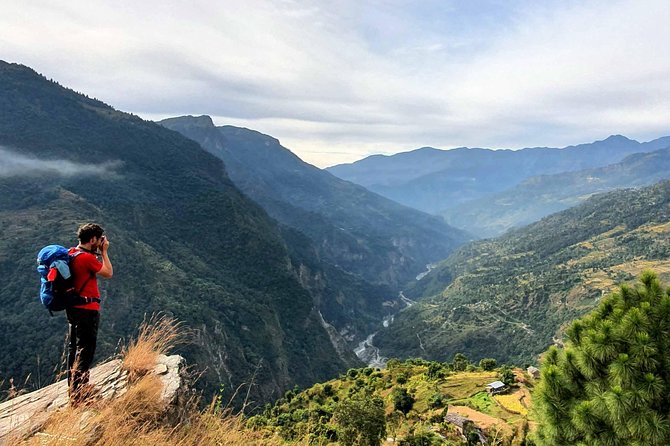
Most trekking routes in Nepal sell scenery first. Mohare Danda does too, but it adds a second layer that’s hard to ignore: the money you spend is intended to flow back into community welfare. The stated goals are education, economy, and women empowerment, which matters because it changes the tone of the walk. Instead of just passing through villages, you’re more likely to see why locals want tourism to be steady and respectful.
You also get a specific kind of mountain experience: it’s described as a new, easier, short, peaceful circuit trail around Mohare Danda. That wording lines up with what you’ll care about day to day: fewer grueling extremes, more time for viewpoints and village life, and a trip that’s still rewarding even if you don’t want a major high-pass challenge.
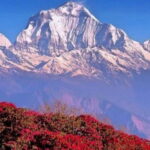
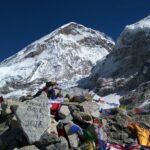
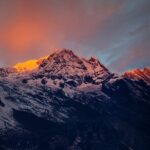
Then there’s the view math. Clear conditions can reveal up to 42 peaks, and the big three 8,000m summits named here are Annapurna, Dhaulagiri, and Manaslu. You shouldn’t count on seeing all of that every day, but the trek is built around the idea that the effort pays off with serious mountain drama—especially at sunrise from the high point.
You can also read our reviews of more tours and experiences in Kathmandu.
The $799 question: does this trek offer real value?
At $799 per person for an about 10-day trip, the value depends on what you compare it to. If you’re used to “cheaper” tours where permits, guide costs, and safety items are extra, this price looks more fair. Here, several core costs are included:
- Guide and porters’ wages, plus insurance and equipment
- Permits and documentation
- A first aid kit and oxygen monitor
- Sleeping bag and down jacket for the Mohare Danda high area
- Ground transportation
- Meals on the trail (9 breakfasts, 6 lunches, 5 dinners listed as included)
- A complimentary trek map and a duffle bag
So you’re not just paying for walking. You’re paying for the whole machine: paperwork, people, basic medical readiness, and transport between regions.
One caution: drinking water is not included, and personal expenses aren’t either. Also, lunch and dinner in Kathmandu and Pokhara aren’t included. That’s normal, but it’s where your budget can creep if you eat out every meal. Still, the package handles most trail costs, which keeps you from juggling too many surprises mid-trip.
Days 1–2: Arrive in Kathmandu, then roll west toward Pokhara
Day 1 is a classic soft landing: you arrive at Tribhuvan International Airport, clear immigration and baggage, then meet a representative. From there, you’re set up for the next move rather than thrown straight into altitude.
Day 2 is where the rhythm changes. You take a long overland ride from Kathmandu toward Pokhara along the Prithivi Highway—about a 200km drive that’s listed as 6–7 hours. That’s a serious chunk of time, but it also serves a purpose. It helps you get oriented to Nepal’s geography and makes the later trek feel like a natural progression rather than a sudden jump.
Practical tip: plan for a long day of sitting. Pack layers for cooler air in the vehicle, and if you’re prone to motion discomfort, bring what you use at home. These road hours matter because they shape how fresh you feel for the first hiking day.
Starting fresh at Beni Bazaar: your first trekking day (and first culture window)
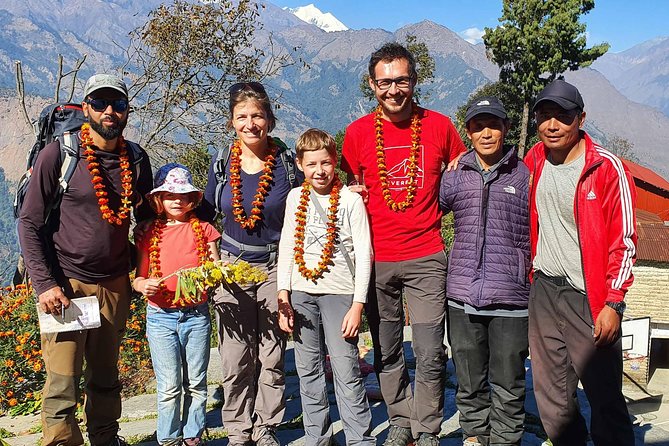
Your trek begins from Beni Bazaar after reaching it by road from Pokhara. The walk itself is your first real taste of why this route is described as community-focused and peaceful.
What makes this start smart is pacing and acclimation. You’re not jumping to the highest elevations right away; you’re moving into the mountain world step by step. The trip also sets up the cultural theme early: you’ll be walking through rural areas where you’re not just chasing views—you’re meeting people and noticing daily life.
Also, the package includes permits and map support, so you’re not left figuring out routes on your own. With a small group (max 11), you’ll likely get more practical attention from your guide than on big herds of trekkers.
Ramche to Nagi Village: nature plus Magar culture without the grind
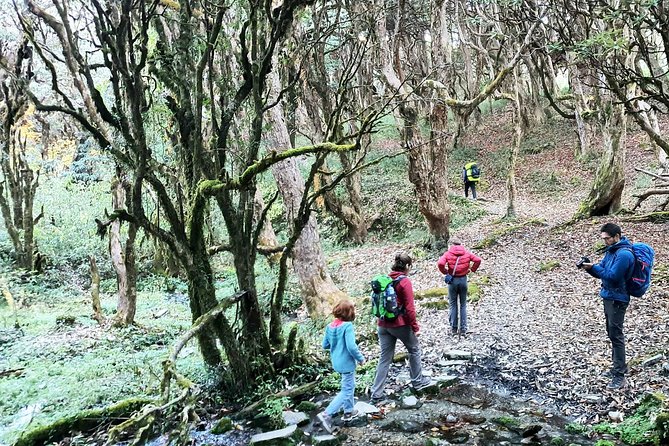
One of the best parts of this trekking style is that it balances views with walking through real settlements. Today’s route is described as toward Nagi Village, with the trail offering both pristine nature and culturally rich village life.
If you’re the type who likes to understand places, this is where your guide’s value shows. In past Mohare Danda groups, guides named Apar, Lokendra, and a team including Ashishm and Joyendra have been mentioned. That matters because it hints at consistent local guidance, not just someone reading a script.
What you’ll want on this day is a calm mindset. The route isn’t framed as a race. You’ll get enough movement to feel like you’re trekking, but also enough stops and atmosphere to make the walk feel like part of the destination.
The Mohare Danda push: trekking to the destination high point
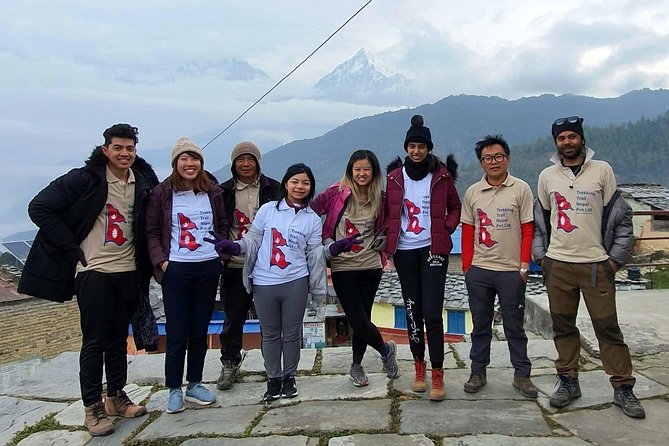
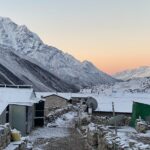
Your day of reaching Mohare Danda is described as a 4–6 hour trek starting after breakfast at Nagi. This is the day when the circuit’s promise starts to show up: you’re moving toward the high viewpoint zone, and the evening and lodge time set you up for the big morning.
This is also where the included gear helps. The trip includes a down jacket and a sleeping bag for the Mohare Danda area. That’s a real value item for anyone traveling light or trying to avoid buying expedition-grade gear for one trip. It also lowers friction—less gear wrestling in Nepal means more energy for the hike and the views.
What I’d watch for: altitude isn’t labeled as extreme here. The top elevation given is 3,313 meters at Mohare Danda, which is high, but not in the same category as major pass treks. Still, air gets thinner at night and early morning. Take it slow, sip water when you can (you’ll need to plan for water since it isn’t included), and don’t treat the sunrise day like a normal day.
Sunrise day at 3,313m: the best “payoff” moment
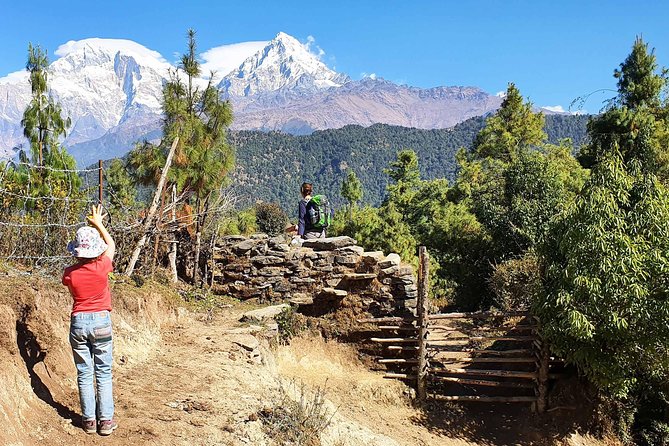
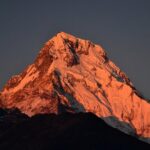
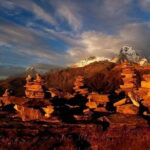
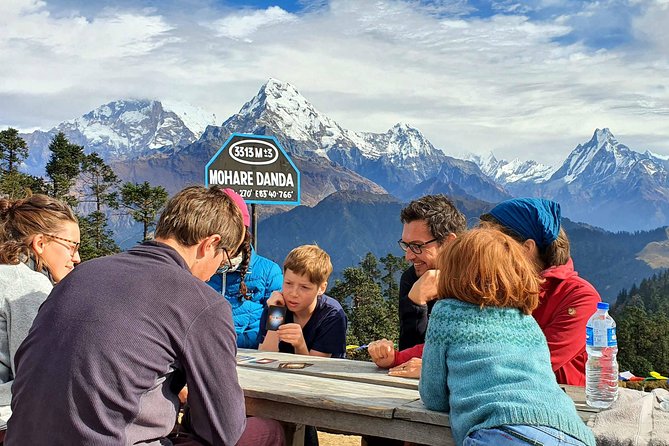
At Mohare Danda, you’re at the highest elevation of the trip: 3,313m above sea level. The schedule emphasizes sunrise and Himalayan views, and this is the moment trekkers usually remember.
This is where community lodge trekking can be a smart choice. You’re not camping in the rough; you’re staying in a community lodge setup designed for this route. That generally means more stable logistics and a better chance of getting a good night’s rest before sunrise.
And sunrise isn’t just about the photos. Clear early light often improves visibility, and since the trek is built around views of a wide peak set (up to 42 peaks), the morning timing is key. If you get even partly clear conditions, you’ll likely see more than you expected.
One more practical note: cold mornings at elevation can sneak up on you. Even if you’re a warm person at sea level, the down jacket inclusion is there for a reason. Use it early, not after you start shivering.
Tikot village walk: Thula Kharka, Sikha Danda viewpoints, and Magar life
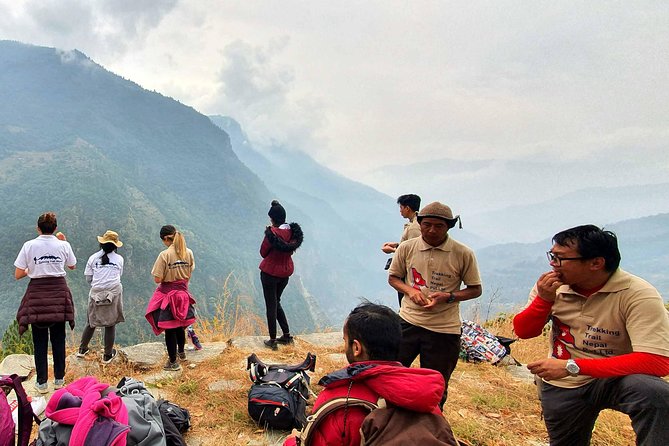
After the high point, the route moves you toward Tikot village, described as a beautiful ethnic Magar settlement. Today’s plan includes viewpoints mentioned as Thula Kharka and Sikha Danda.
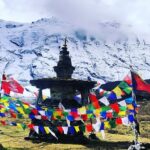
This is a good day for travelers who like contrast. You get to go from “big mountain moment” back to people-and-land everyday life. Village days are where you’ll notice how the trek supports the local economy rather than just sweeping through.
The package timing here is also worth noting: your day is listed with a stop called Histan Tikot and spans a full day of hiking (the details include viewpoints along the way). That means you should expect proper trekking time even after sunrise.
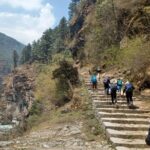
If you’re worried about the physical side, don’t ignore the built-in guidance: if you have joint problems or find it hard to hike down stone stairs, you should tell the team. The tour data says they can assist you and suggest an easier route.
Finishing on foot to Basari: ending the trail with breathing room
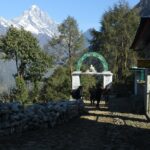
The last day of trekking is described as walking to Basari (Baseri/Basari wording varies). You’re ending the mountain trail portion here, so the tone usually shifts from “get to the next landmark” to “enjoy the approach.”
Basari is one of the names that anchors the community circuit feeling. The route isn’t just a loop back to a trailhead; it’s presented as finishing through another settlement zone, which is what you want if you came for more than scenery.
After Basari, you transition out of the hiking rhythm and back into the broader Nepal travel rhythm. That shift is when good organization really matters, because you’re tired and you want the logistics to work.
Back to Kathmandu via Pokhara: 7 hours on the road, then rest
You return to Kathmandu from Pokhara by car, and the drive is listed as about 7 hours. Kathmandu rest time follows, though meals in the city aren’t included in the package.
This is your recovery window. If you want to do anything extra in Kathmandu, I’d keep it simple—nothing that steals sleep or piles on stress. You’ll likely feel the trail more than you expect, even though the trek’s highest elevation is “only” 3,313m.
If you’re the type who likes checking off one major thing, this is when you can do it. If you’re the type who likes good food and warm showers, this is the day to prioritize that.
Who this trek suits best (and who should think twice)
This Mohare Danda trek is designed for most travelers. It’s also explicitly framed as an easier, peaceful circuit trail rather than a technical expedition.
That said, you still need basic fitness. You’ll be trekking daily, and there are stone stair sections mentioned for downhills. The tour also includes a detailed safety-and-comfort kit (oxygen monitor, first aid, and provided warm gear at the highest area), but it can’t change the fact that hiking is hiking.
Who it’s perfect for:
- You want Himalayan views without chasing a high-pass goal
- You care about community impact, especially education and women empowerment
- You like village walking and cultural context, not just a summit checklist
- You prefer smaller groups (max 11) and guided support
Who should consider carefully:
- You dislike long road days. The trip includes major drives, including the Kathmandu–Pokhara leg and the return
- You struggle with descents on stairs unless you flag accommodations early
The guide effect: safety talk, mountain patience, and real support
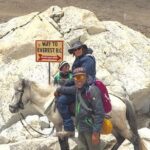
One theme that shows up clearly in the available feedback is how much trekkers appreciate support from their guide team. Guides mentioned in connections to Mohare Danda experiences include Apar and Lokendra, with team members Ashishm and Joyendra. The notes also highlight professional behavior, help in situations that need guidance, and patience with groups who didn’t know what to expect.
Even if you’re an experienced hiker, I’d still value that kind of mountain briefing. Mountain weather and trail conditions can change, and having a guide who gives practical advice about how to behave in the mountains is part of why the trip is positioned as safer and easier than more serious routes.
So if you’re booking because you want to feel taken care of—this is the type of trek where that matters.
What’s included vs. what you’ll pay for yourself
Included items you’ll feel on the ground:
- Guides and porters (wages, insurance, and required gear)
- Permits and documentation
- First aid kit and oxygen monitor
- Sleeping bag and down jacket for Mohare Danda
- Ground transportation
- Complimentary trekking map and a duffle bag
- Baglung High Bridge short visit (with entry fees included)
- Trail meals: 9 breakfasts, 6 lunches, 5 dinners
Not included:
- Tips/gratitudes for guide and porters
- Drinking water, bar bills, snacks, and personal drinks
- Personal expenses
- Lunch and dinner in Kathmandu and Pokhara
A small planning mindset helps here. Decide your water and snack strategy before you go, then you won’t be scrambling mid-hike.
Should you book the Mohare Danda Trek?
Book it if you want a trek that mixes big Himalayan views with a community-centered mission. The small group size, included gear for the cold high point, and the emphasis on women empowerment and rural development make it a trip with both scenery and meaning.
Don’t book it if you hate long driving days or you’re not comfortable with daily hiking and stair descents. If either is you, raise the issue early—especially joint concerns—because the team explicitly says they can help with easier routing.
If you’re trying to choose between a “scenery-only” trek and one with community impact, Mohare Danda leans toward the second option. And honestly, that’s the kind of trek you remember later, not just the day you took the photo.
FAQ
How long is the Mohare Danda Trek?
The trek is listed as 10 days (approx.).
How much does it cost?
The price is $799.00 per person.
What’s the highest elevation on this trek?
Mohare Danda is listed at 3,313 meters above sea level.
What does the package include for on-trail support and safety?
It includes a trekking guide and porters, trekking permits/documentation, a first aid medical kit, and an oxygen monitor. Sleeping bag and a down jacket are also included for the Mohare Danda area.
Are pickup and transportation included?
Yes—pickup is offered, and all ground transportation is included as best available.
Is drinking water included?
No. Drinking water is listed as not included, along with personal snacks, drinks, and personal expenses.