REVIEW · HA GIANG PROVINCE
Trekking the White Cliff Ma Pi Leng Pass Adventure
Book on Viator →Operated by ToTo Chan Travel-Authentic Hmong Village Hikes · Bookable on Viator
White cliffs and river views beat the bus ride. This trek in Ha Giang takes you over legendary Ma Pi Leng Pass and into the White Cliff area, with first-time-worthy views over the Nho Que River. I like that it mixes serious scenery with small village walking—plus a guide who keeps the story grounded in what you’re seeing. One thing to consider: the trail can get slippery if it has rained recently, so a dry day makes a big difference.
My favorite part is the pacing and the payoff. You start with a tough-ish scenic warmup at Tu Than Rock, then keep moving through H’Mong village fields, and finally hit the main White Cliff stretches where the cliffs feel very close. If you’re lucky enough to get a guide like Nam (an English-speaking guide mentioned in reviews), you’ll get thoughtful explanations that make the views easier to understand instead of just stare at.
And yes, you’ll eat well for a walking day. The tour includes a picnic lunch with local flavors, plus coffee or tea and bottled water—exactly what you want before the sun and wind decide to team up. The only real caution I’d give is simple: bring confidence in your footing and plan for a moderate hike, not a stroll.
In This Review
- Key things I’d clock before you go
- Arriving at Ma Pi Leng Pass: private transfer and a clean start
- Tu Than Rock and the first cliff views above the Nho Que River
- The White Cliff section: where the views feel close and the walking matters
- H’Mong village walking: culture you can actually see, not just hear
- 8 km vs 10 km: how to match effort to your day
- Picnic lunch and coffee/tea: the meal that keeps your hike fun
- Price and value: is $69.19 worth it for a half-day?
- Who should book this Ma Pi Leng White Cliff trek?
- Final call: should you book the White Cliff trek?
- FAQ
- How long is the trek?
- Where do I meet, and what time does it start?
- Is pickup included?
- How far do I walk?
- What’s included in the price?
- What is the cancellation policy?
Key things I’d clock before you go
- Ma Pi Leng Pass start, with private transfer: you’re driven along the pass from Dong Van before the trek even begins.
- Tu Than Rock check-in in the first 2 km: panoramic Nho Que River views early, so you feel the payoff right away.
- White Cliff is the highlight zone: you transition from village paths into the main scenic stretches.
- Two distances, one mission: choose an 8 km option or a longer 10 km adventure.
- Picnic lunch + coffee/tea + water: you’re not trekking on empty.
- Small group size: capped at 10, and reviews note very small groups like 4 people.
Arriving at Ma Pi Leng Pass: private transfer and a clean start
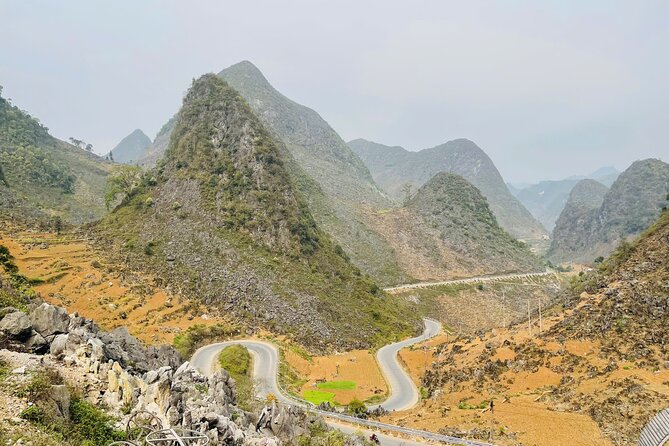
This is one of those Ha Giang days where logistics don’t eat your energy. You meet at Ha Giang Expeditions (57 Phố Cổ, Đồng Văn) and start at 8:30 am, then you head out by private transportation. The ride connects you to Ma Pi Leng Pass itself, which is one of Vietnam’s legendary Four Great Passes—so you get the famous road experience before you even put on your shoes.
You also don’t have to guess where the day ends. The activity finishes back at the meeting point, so you can plan the rest of your day in Dong Van or wherever you’re staying without a complicated return. Since the tour uses a mobile ticket and pickup is offered, the day feels built for travelers who don’t want extra stress.
For me, the value of this setup is straightforward: it keeps the trek from feeling like a long travel day first and a hike second. You arrive ready. And because the group is kept small (max 10), it’s easier to keep the rhythm—stops for photos don’t turn into waiting around for a parade.
Practical tip: if you’re sensitive to early starts, set your alarm. This starts at 8:30, and Ha Giang mornings can be cooler and breezy—nice for walking, but not always cozy if you’re underdressed.
Tu Than Rock and the first cliff views above the Nho Que River
Your trek begins after the pass drive, and the first 2 km are the warmup with a payoff. You check in at Tu Than Rock, a spot built for courage and photos. The big draw here is the view over the Nho Que River far below, described as turquoise when light hits it right.
This early section is where you learn how the day will feel. The path brings you toward the edge viewpoints, and the scenery is already dramatic before you’ve even settled into a steady pace. That matters because many pass treks take time before they deliver the main view. Here, you’re rewarded early.
Right after that, the trail continues toward a small H’Mong village. As the route moves away from the immediate cliff focus, you’ll see cornfields and simple houses built along the slope. It’s not about pretending you’re on a movie set—it’s about walking through a real working area where agriculture happens right next to tourism routes.
If the weather has been wet, this is also a key consideration zone. Reviews note that after rain the path can get slippery, and the route is only really workable when conditions are dry. That means your first stretch needs careful steps—especially if you like to stop for photos and look down.
The White Cliff section: where the views feel close and the walking matters
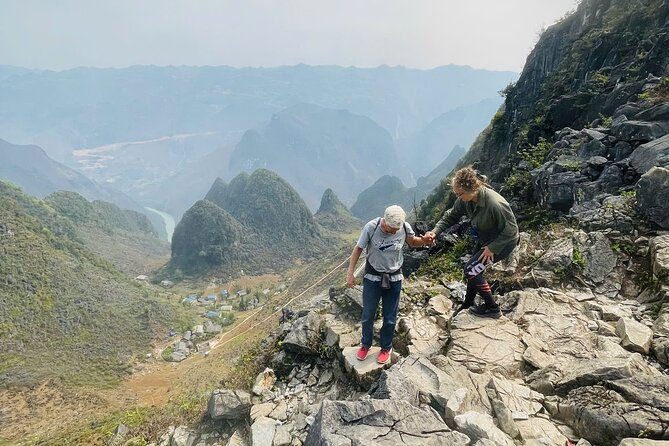
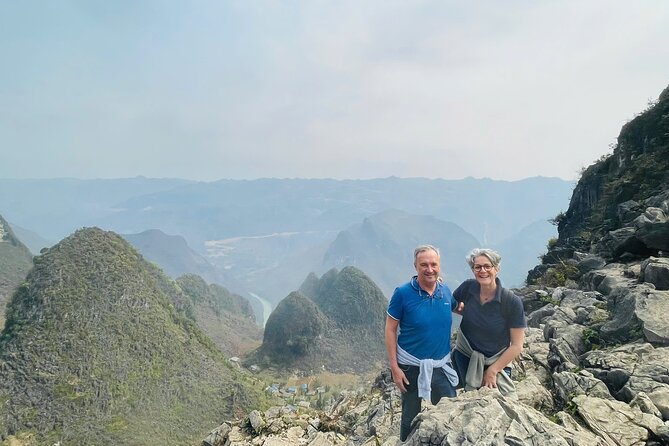
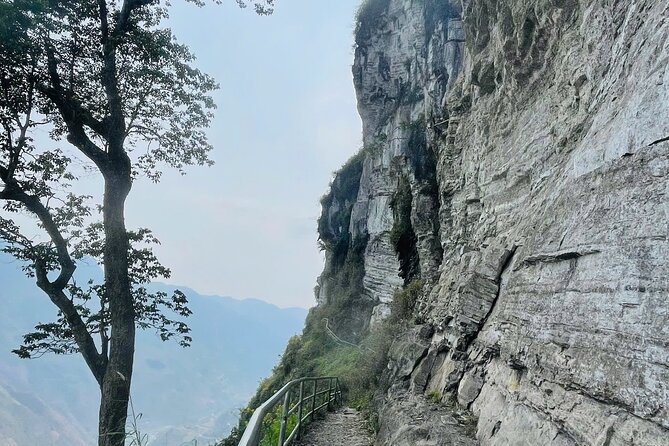
After you cover another 2 km, you enter the White Cliff area, which is the highlight of the trek. This is the portion that turns the day from scenic walk into full-on pass experience. The cliffs are the star, and the route gives you repeated chances to look out over the Nho Que River and toward the Tu San Canyon area.
What makes White Cliff special (and not just pretty on paper) is how the terrain changes the sensation of the hike. The air feels more exposed. Wind can matter. The cliff setting makes even short distances feel weighty. If you’re the type who likes scenery, you’ll spend more time pausing than you expect, and that’s fine—your pace is still guided and manageable.
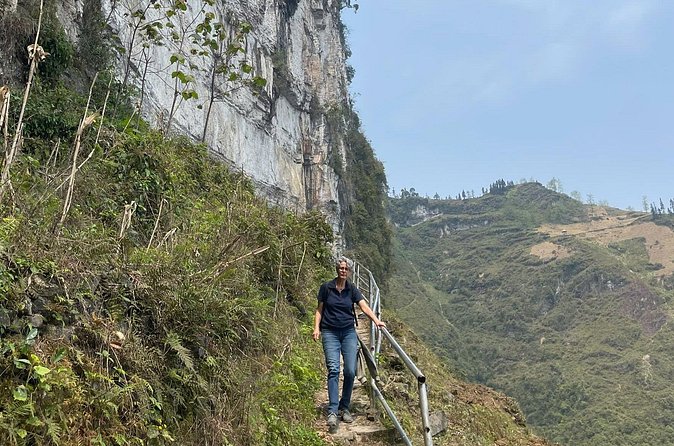
You’ll want to approach this part with moderate fitness in mind. The tour is described for travelers with a moderate physical fitness level, which fits the idea of steady walking on a route where footing matters. Also, trekking poles are included, which is a practical win on uneven ground and on any day when the path feels a little slick.
In dry conditions, this section delivers exactly what people come for: that close-to-the-cliff feeling and the wide views over the river. In wet conditions, you’ll likely feel it more in your legs and ankles, so go slow and let your guide set expectations for safety.
H’Mong village walking: culture you can actually see, not just hear
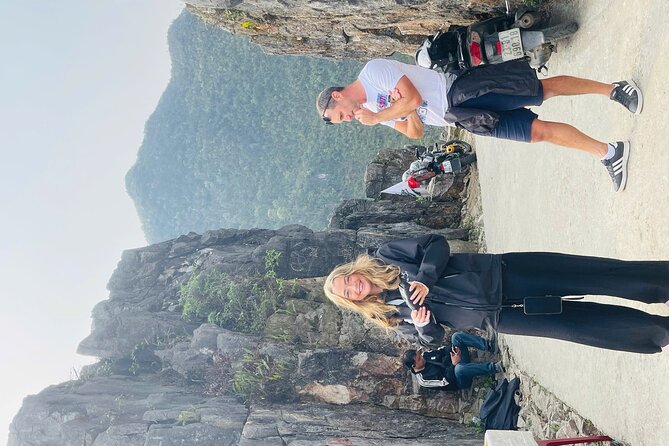
One of the best parts of this trek is that it’s not only about looking out. After the initial cliff view, you transition into village scenery—H’Mong homes and fields right along the route. You can see how people live with the landscape rather than against it, which makes the pass feel more connected to daily life.
A professional guide shares context as you walk, and that’s where the day becomes more than a photo session. In reviews, guides like Nam are mentioned for strong English and good storytelling, which can help you understand what you’re seeing instead of just moving from viewpoint to viewpoint.
You’ll also have a picnic lunch along the way, which creates a natural break and a moment to absorb the setting. The way people describe the picnic is a big deal: it’s prepared by the guide, and one review specifically mentions the picnic prepared by the guide’s wife. That kind of detail matters because it usually means the meal is planned for real trekking conditions, not served like a rushed roadside stop.
Also worth noting: reviews mention meeting local young people during the activity. That doesn’t mean you’re expected to perform or socialize on demand. It just signals that the route touches the local community in a normal, everyday way.
If you want authenticity, aim for calm attention during the village parts. Look at the fields, notice the small routines, and keep your camera ready but not glued to your hand.
8 km vs 10 km: how to match effort to your day
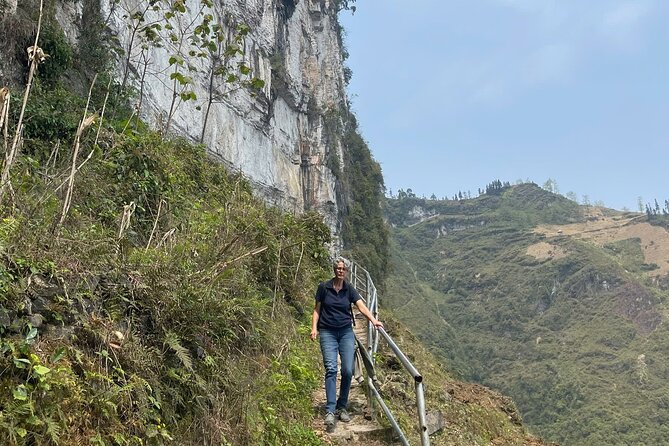
You can choose between two trekking options: 8 km or a longer 10 km. The tour is listed at about 5 hours, so the distance choice affects how quickly you’ll finish and how much time you’ll have for viewpoint pauses.
Here’s how I’d think about it:
- Choose 8 km if you want the big-name views without feeling like you’re racing the clock. It’s a solid middle ground for moderate hikers.
- Choose 10 km if you like a longer workout and you don’t mind spending more time on foot, especially if you’re also the kind of traveler who actually enjoys walking between viewpoints.
Because trekking poles are included, longer distance becomes more manageable—especially for anyone worried about steep spots or uneven ground. Still, the route is described as requiring moderate fitness, so don’t pick the 10 km option if you’re already near your limit in daily walking.
Weather should influence your choice too. If there’s been rain recently, slipping is mentioned as a risk. In that case, shorter can feel smarter, because you’re spending less time negotiating footing while still getting the core scenic story of the day.
Picnic lunch and coffee/tea: the meal that keeps your hike fun
This tour builds in a picnic lunch, plus coffee and/or tea and bottled water. For a half-day trek, that’s the difference between feeling energized and feeling drained.
Meals on treks matter because they change how you perceive the views. When you’re not hungry, you spend more time noticing details—like the way the river light shifts from one angle to the next. And because your lunch is planned into the route, you’re not scrambling around for food at the worst possible moment.
Reviews highlight that the picnic is very good and prepared thoughtfully by the guide. One review notes the picnic as a strong point and even ties it to families, which suggests the meal timing and portions work for a range of ages—as long as kids can handle walking.
Practical move: if you’re sensitive to sun and wind, think about how you’ll handle breaks outdoors. You’ll be in an exposed pass environment, so comfortable layers beat cotton hoodies and vibes.
Price and value: is $69.19 worth it for a half-day?
At $69.19 per person, this isn’t the cheapest activity in Ha Giang, but it’s also not overpriced given what’s included. You’re paying for more than a walk: you get private transportation, entrance fees, trekking poles, bottled water, coffee or tea, and a picnic lunch.
Here’s where the value really shows up for practical travelers. Many cheaper tours either skip meals, don’t include entrance fees, or leave you responsible for transport and equipment. This one folds those pieces into the cost, which reduces the number of times you have to stop, pay again, or improvise.
Also, the group size is limited (max 10). That’s not a luxury gimmick. Smaller groups generally mean better pacing and fewer delays. And on a cliffside trek, “fewer delays” is code for less risk and less frustration.
So I’d frame it like this: you’re buying a guided, supported experience built around one of Ha Giang’s iconic pass routes, with the comfort basics taken care of. If that matches your priorities, the price feels fair.
Who should book this Ma Pi Leng White Cliff trek?
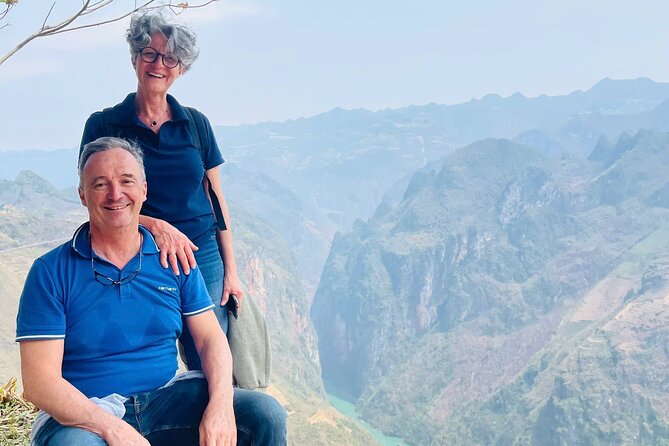
This trek suits you if you want a guided day that blends famous pass views with real H’Mong village scenery, and you’re comfortable with a moderate hike. The included trekking poles are a helpful support tool, and the picnic lunch makes it more like an outdoor day with structure than a “survive the trail” experience.
It’s also a good match if you enjoy photos but don’t want your day to be all stopping and starting. This route gives you multiple chances to look out, with walking sections that keep things moving.
One caution: if recent rain is on the calendar, plan to take the safer option with extra care—or consider whether you should pick the shorter distance. Reviews specifically note the trail can be slippery after rain, and the route is feasible when it’s dry.
Families can fit here too. Reviews mention the hike as ideal with children in some cases, which suggests the route can work when kids are willing and you’re prepared to go slow.
If you’re someone who hates uneven footing, goes to pieces with heights, or expects a paved-path experience, you’ll probably feel uncomfortable on the cliffside parts.
Final call: should you book the White Cliff trek?
I’d book it if you want the Ma Pi Leng Pass highlight experience without turning your day into chaos. The mix of big river views, H’Mong village walking, and a well-planned picnic lunch is a strong combo for a half-day. Private transport from Dong Van also means you spend your energy on the trek, not on getting there.
Skip or reconsider if you know you’re likely to struggle with slippery footing after rain, or if moderate walking doesn’t fit your current fitness. Also, if you’re the type who hates early mornings, remember it starts at 8:30 am.
If your goal is scenery that feels earned—plus a guide who helps you understand what you’re looking at—this is a smart choice in Ha Giang.
FAQ
How long is the trek?
It’s about 5 hours (approx.).
Where do I meet, and what time does it start?
You meet at Ha Giang Expeditions, 57 Phố Cổ, Đồng Văn, Hà Giang, Vietnam. The start time is 8:30 am.
Is pickup included?
Pickup is offered, and the private transfer drives you from Dong Van town along Ma Pi Leng Pass before the trek begins.
How far do I walk?
You can choose between an 8 km trek or a 10 km option.
What’s included in the price?
Included are a picnic lunch, coffee and/or tea, bottled water, private transportation, entrance fees, and trekking poles.
What is the cancellation policy?
You can cancel for a full refund up to 24 hours in advance of the experience’s start time (local time). Changes made less than 24 hours before the start time aren’t accepted.