REVIEW · KATHMANDU
9 Days LANGTANG VALLEY TREKKING IN NEPAL
Book on Viator →Operated by Mountain Tiger Nepal · Bookable on Viator
If you like warm-up days, this one works. Before you ever feel altitude, you get Kathmandu’s spiritual hits: Pashupatinath, Swayambhunath, and Boudhanath. I like that the trip doesn’t treat Kathmandu as a boring airport stop. It sets you up for the next chapter with real Nepali religion and daily-life energy, all while starting easy.
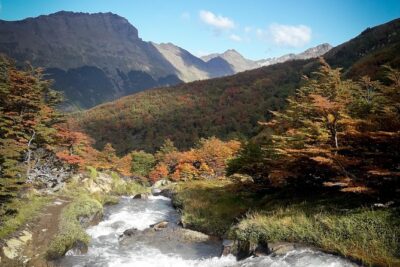
You’ll also get two big strengths in the trekking portion. First, the route focuses on standout scenery: forests, rivers, alpine meadows with rhododendron blooms, and snow views of Langtang Lirung and Dorje Lakpa. Second, the highlight is built in: the climb to Kyanjin Ri for wide-open panoramas over glaciers and peaks.
One possible drawback: this is a 9-day trek that climbs to serious height (Kyanjin Gompa at about 3,870 m and Kyanjin Ri around 4,773 m). If you hate uphill mornings, you’ll want to think hard before you book.
In This Review
- Key Things I’d Watch For
- Kathmandu Temples Before You Go High
- Heading to Syabrubesi: Your Langtang Gateway Day
- Syabrubesi Hot Springs: A Needed Reset
- Thulo Syabru and the First Real Valley Feel
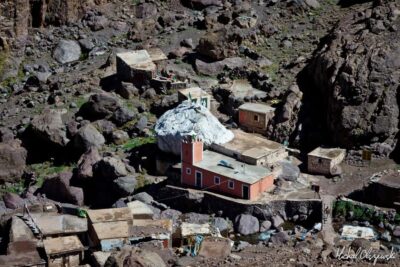
- Langtang Village: Tamang Culture in Stone, Flags, and Quiet
- Kyanjin Gompa: Where the Trail Turns Spiritual
- Kyanjin Ri: The Big Climb and the Serious View
- Ghodatabela: The Tranquil Overnight-Style Stop
- Support and Permits: What the Package Handles for You
- Permits and paperwork
- Guide and porter
- Gear provided
- Meals and nights
- Price and Value: Is $1,050 Worth It?
- Who Should Book This Langtang Valley Trek (and Who Should Pause)
- Should You Book This 9-Day Langtang Valley Trek?
- FAQ
- What is included in the trek meals?
- Do I need to get permits for Langtang National Park and TIMS?
- What trekking gear does the tour provide?
- How do you travel from Kathmandu to the trek start?
- Who supports you during the trek?
- Is insurance or medical coverage included?
Key Things I’d Watch For
- Temple time in Kathmandu: Pashupatinath on the Bagmati River, Monkey Temple at Swayambhunath, and Boudhanath’s watchful Buddha eyes.
- A real trek launch: private A/C drive from Kathmandu through Dhunche toward Langtang National Park checkposts.
- Hot springs at Syabrubesi: a relaxing break near the trekking start after the road day.
- Tea-house/lodge nights: included meals and overnight stays for 6 nights on the trail.
- Kyanjin Ri payoff: hard climb, then a huge view that includes Langtang Lirung, Dorje Lakpa, and Ganchempo.
- Support included: guide, porter, permits, sleeping bag, and trekking poles are part of the package.
Kathmandu Temples Before You Go High
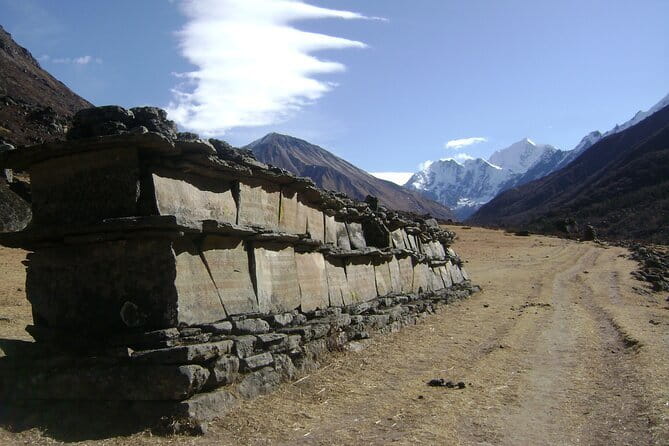
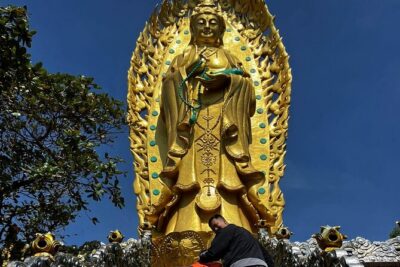
Kathmandu isn’t just the start of this trek. It’s the story intro. You’ll visit three major sites that also help you understand why this region matters to Nepalis.
Pashupatinath is on the Bagmati River and is dedicated to Lord Shiva. It’s a UNESCO World Heritage Site (listed in 1979), and it’s known as a pilgrimage destination for Hindus from Nepal, India, and beyond. If you’re the kind of person who likes to see how faith shapes everyday life, this is a strong opener. The riverside setting also makes it feel calmer than the traffic outside.
Then you head up the hill to Swayambhunath, also called the Monkey Temple. This is one of the oldest and most important Buddhist sacred sites in Kathmandu Valley, UNESCO-listed (1979). The name Swayambhunath literally means self-existent one in Sanskrit, which gives the place a mythic feel even before you start reading prayer flags and carved details. Also, it’s on a hill. So yes, expect stairs. Your legs will remember this later on the trek.
Finally, Boudhanath delivers a different Buddhist mood. It’s believed to date to the 5th century and is one of the oldest and holiest Buddhist sites in the valley. The dome-shaped base and towering spire are hard to miss, especially the painted Buddha eyes on all four sides—the eyes often called the Wisdom Eyes. If you like symbolism, this stop hits. It’s not just architecture; it’s a concept of all-seeing compassion you can see from every direction.
After temple time, you’re ready for motion. That’s the point. By the time you head toward Langtang, Kathmandu feels like the warm, human side of Nepal, and the mountains feel like the long reward.
You can also read our reviews of more tours and experiences in Kathmandu.



Heading to Syabrubesi: Your Langtang Gateway Day
The trekking actually begins when you leave Kathmandu and go to Syabrubesi, the gateway village for Langtang Valley and nearby options like Gosainkunda. You’ll travel by private air conditioned vehicle from Kathmandu, passing through small villages with glimpses of Ganesh Himal, terraces, and green hills.
You also pass through Dhunche, which sits in the Rasuwa District and acts like a staging point for Langtang National Park adventures. Dhunche is described as having basic amenities—places to sleep, eat, and shop—so it’s not a ghost town. It’s also a launch point for Gosainkunda Lake and Tamang heritage villages, which matters if you want your trip to feel culturally grounded, not just scenic.
When you reach the Langtang National Park area, you may have to show your National Park Permit at the checkpost. The good news is that the package includes the permits you need: TIMS and the Langtang National Park Permit.
You’ll then continue on to Syabrubesi and overnight there. This matters because it sets the pace. After a road day, Syabrubesi gives you a place to wake up closer to the trail with less scrambling.
Syabrubesi Hot Springs: A Needed Reset
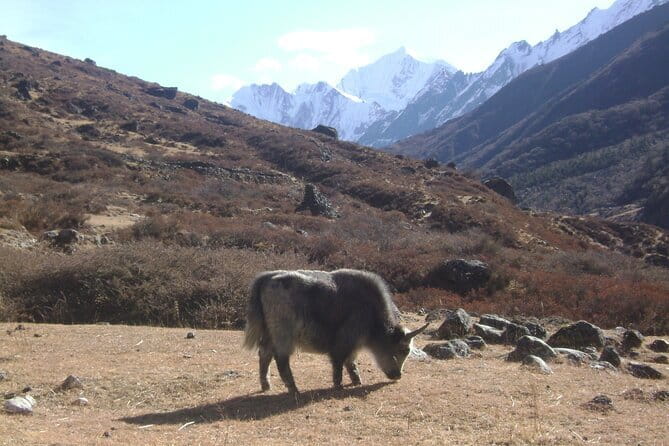
Syabrubesi isn’t only a name on a map. There are actual comforts that make your trekking legs feel human again. One highlight in the route is the Syabrubesi Hot Spring, located near the village and surrounded by forests and mountain views.
This is one of those “smart travel” moments. After a long travel day and before you start stacking altitude nights, warm thermal water can take the edge off tired muscles and help you feel ready for the next push. It also breaks up the routine. Not every trek route gives you a proper reset day item, and this one does.
Just keep expectations reasonable. This is a natural hot spring stop described as soothing and relaxing. It’s not a spa with a menu. You’ll enjoy it more if you treat it like a simple, effective recharge.
Thulo Syabru and the First Real Valley Feel
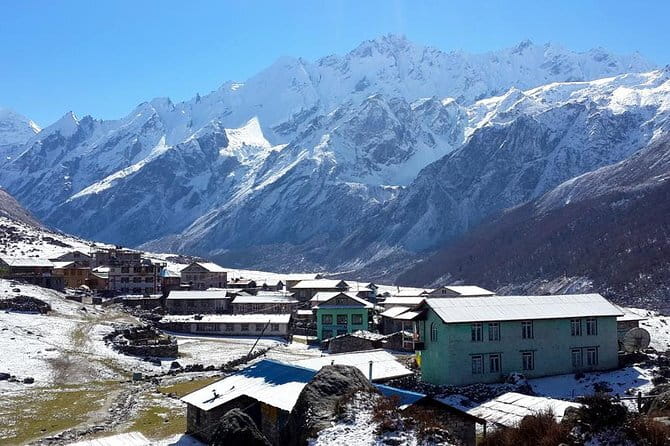
From Syabrubesi, the route moves through key stopping points that shape how Langtang feels: villages, forests, and mountain views that gradually sharpen as you climb.
Thulo Syabru sits around 2,200 meters and is known for traditional Tamang architecture and friendly locals. The views here can already feel big, even before you reach the higher monasteries. This village is also a practical stop—trekkers often pass through for accommodation and provisions, and it works as a base for short nearby hikes.
Why I think this stop is valuable: it gives your brain time to adjust. You’re not thrown from road comfort straight into the hardest sections. You have villages that feel like part of the valley rhythm, not just checkpoints.
From here, you continue toward the heart of the Langtang settlement zone, where the scenery becomes more dramatic and the trail mood turns slower and more focused.
Langtang Village: Tamang Culture in Stone, Flags, and Quiet
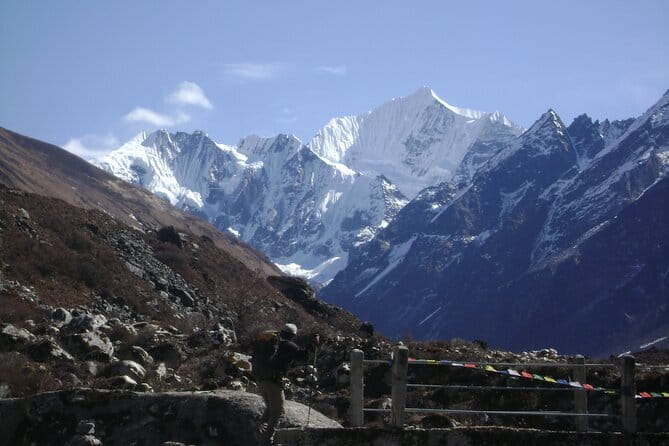
Then comes Langtang Village, a picturesque settlement inside Langtang Valley. It’s known for mountain views and Tamang cultural heritage, and it’s a welcome stopover for trekkers.
You’ll see traditional stone houses with prayer flags and feel how closely daily life tracks the seasons. The valley doesn’t just look impressive; it functions as a home for people who live with the mountains in full view.
This is also where your trek starts to feel more personal. Tea-house trekking means you spend long hours inside a small ecosystem: one room for meals, shared trails with other groups, and nights where you hear wind more than traffic. The trip includes breakfast, lunch, and dinners across the trek schedule, so you’re not constantly making choices about food logistics.
A note on expectations: tea houses and lodges in high valleys can be basic compared with cities. That’s normal. The included meals help, but the biggest value is the day-by-day rhythm and the fact that you’re walking in a real lived landscape.




Kyanjin Gompa: Where the Trail Turns Spiritual
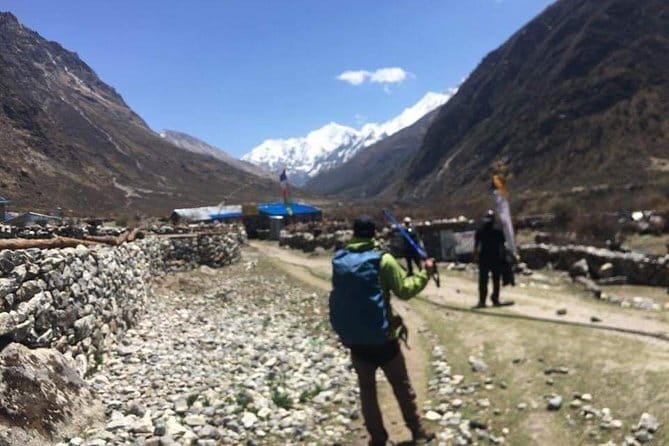
At about 3,870 meters, Kyanjin Gompa is a sacred Buddhist monastery and a major spiritual stop in the Langtang Valley trekking route. It’s described as a revered pilgrimage site for Tibetan Buddhists and trekkers alike.
What you’ll feel here is the shift from “walking for views” to “walking for meaning.” Gompa architecture, colorful prayer flags, and the calm around monastery grounds change the tempo. Even if you don’t follow Buddhism yourself, it’s hard not to notice how the place is cared for and how it frames the mountains as something more than scenery.
Kyanjin Gompa also works as a base for other high-altitude viewpoints and nearby routes. So it’s not only a destination. It’s also a staging point for the big day: Kyanjin Ri.
Kyanjin Ri: The Big Climb and the Serious View
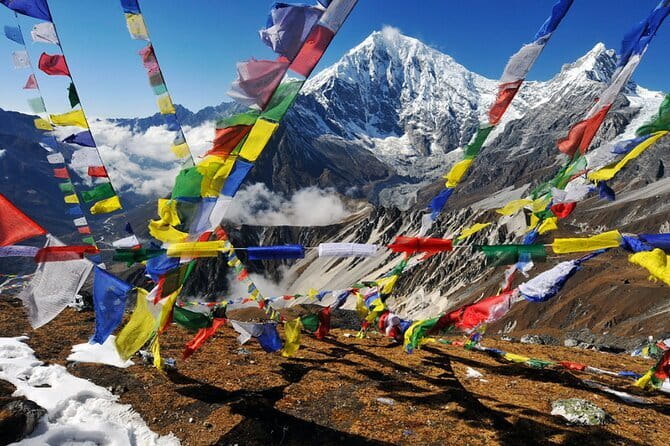
If there’s one reason people talk about Langtang Valley treks, it’s the Kyanjin Ri hike. It rises to about 4,773 meters, and the payoff is described as panoramic views including Langtang Lirung, Dorje Lakpa, and Ganchempo, plus glacial valleys.
This is the part of the trip that demands respect. The climb is framed as exhilarating but challenging—exactly what you’d expect at this altitude. Plan your effort like a pro: steady steps, short rests, and focus on breathing instead of speed. You’ll get more out of the view if you arrive calmer.
Also, this route is tied to sunrise spectacles, and Kyanjin Ri is the classic place where early light makes peaks feel close enough to touch. You might find that the hardest part is not the climb itself, but waiting for your turn to see the whole scene at once.
And yes, your legs might argue with you on the way back down. That’s normal. The view is the payoff, not your discomfort.
Ghodatabela: The Tranquil Overnight-Style Stop
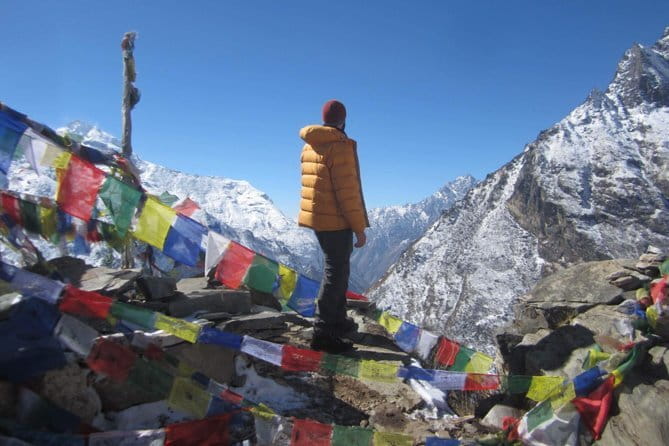
On the way through the valley, Ghodatabela is listed as a scenic mountainous area along the trekking route. The name translates to horse stable in Nepali, reflecting its earlier use as a resting place for travelers and their horses.
Today, it’s described as a serene stopover with forests, cascading waterfalls, and mountain panoramas. It also serves as a popular overnight point on the route, which is helpful because it breaks up long hiking stretches with a village rhythm.
This is a stop you’ll appreciate if you like quiet moments. Not every highlight needs to be a monastery or a high viewpoint. Sometimes it’s the waterfall sound at the edge of the trail and the way the valley looks at camp time.
Support and Permits: What the Package Handles for You
A good trekking tour makes your decisions fewer, not more. This one includes the essentials that usually create stress.
Permits and paperwork
You get TIMS and the Langtang National Park Permit included. You might still need to show your permit at the Langtang National Park checkpost when you arrive in the area, but you’re not left chasing documents.
Guide and porter
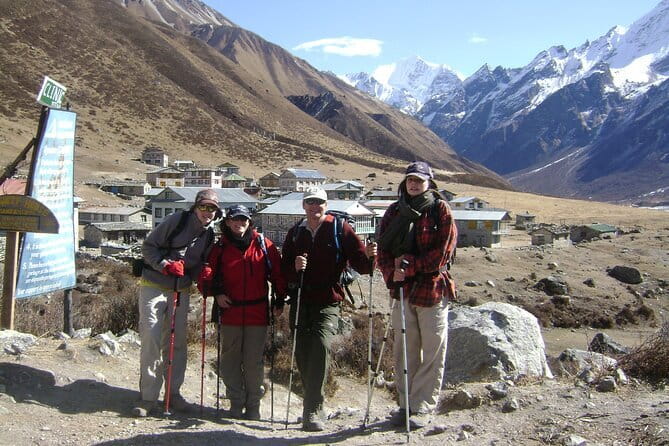
A professional, experienced trekking guide is included throughout the trek, plus a porter. That can make a big difference in comfort, especially on longer stretches and when the route gets steeper near higher points.
In real life, it’s also worth noting that one past trek credited their guide, Rai, for navigating well and keeping things smooth. Another highlight mentioned a host named Binod and a farewell dinner that stuck in memory. You won’t know names in advance, but the pattern is clear: people value the human support as much as the mountain views.
Gear provided
You get a camp-grade sleeping bag and trekking poles provided. That’s not nothing. If you’re traveling from outside Nepal, it can save money and airport hassle. Just remember camp-grade gear is meant for basic lodge/camp use, not luxury.
Meals and nights
The package includes breakfast 8 times, lunch 7 times, and dinner 6 times, with 6 nights on tea-house/lodge style accommodation during the trek, plus 2 nights in Kathmandu at a 3-star hotel category.
That food count matters. In a trekking area, every meal you don’t have to negotiate is one less worry on a day when you’re walking for hours.
Price and Value: Is $1,050 Worth It?
At $1,050 per person for a 9-day trek, the value is about what’s included and what that saves you from doing yourself.
Here’s what you’re paying for beyond the scenery:
- Private transportation from Kathmandu to the trek start (A/C vehicle).
- Professional trekking guide throughout.
- Porter (reduces load stress).
- Permits included (TIMS and Langtang National Park Permit).
- Meals during the trek (breakfast, lunch, dinner counts are included).
- Trek gear basics (sleeping bag and trekking poles provided).
- Kathmandu hotel nights (2 nights at 3-star category).
Not included are the personal expenses, laundry, drinks, and anything not specifically listed, plus insurance/medical coverage.
So the value equation looks like this: if you’d otherwise have to hire a guide, arrange permits, figure out gear, and pay for most meals and nights, the package price starts to feel more reasonable. If you’re an ultra-independent planner who already has trekking poles, a sleeping bag, and the permits nailed down, you might find ways to DIY cheaper. But the tradeoff is more moving parts and less time on the trail.
Also, the trip is private for your group, and it mentions group discounts and a mobile ticket, which can matter if you’re deciding timing or coordinating with friends/family.
Who Should Book This Langtang Valley Trek (and Who Should Pause)
This trek fits best if you:
- Want a structured 9-day plan with lodging, food, and guide support handled.
- Like a culture-meets-mountains flow, starting with UNESCO sites in Kathmandu before you climb.
- Are excited by Kyanjin Ri views and willing to work for them.
- Prefer tea-house/lodge style trekking rather than more complex camping setups.
You might pause before booking if:
- You know you struggle at altitude. The route includes Kyanjin Gompa around 3,870 m and Kyanjin Ri near 4,773 m, which is where many people feel the hardest effects.
- You dislike guided group pacing. Even though it’s private for your group, the trip is still a guided route with a fixed structure.
That said, “most people can participate” is stated in the tour info, which suggests the plan isn’t designed only for elite hikers. It’s still serious enough that you should train a bit and pack smart.
Should You Book This 9-Day Langtang Valley Trek?
I’d book it if you want a clean, well-supported way to see Langtang Valley without turning your trip into a spreadsheet project. The combination of Kathmandu’s major spiritual sites and the trek’s core moments—Syabrubesi, Thulo Syabru, Langtang Village, Kyanjin Gompa, and the Kyanjin Ri summit-style viewpoint—adds up to a trip that feels complete.
The standout reason: Kyanjin Ri is the visible reward for all the steady walking. And the support elements—permits, guide, porter, and even sleeping bag and poles—let you spend your energy on breathing and enjoying the peaks.
Quick note: the trip states free cancellation up to 24 hours before the start for a full refund. So if your plans are flexible, you can book with a little less stress.
FAQ
What is included in the trek meals?
The package includes breakfast 8 times, lunch 7 times, and dinner 6 times, with 6 nights on tea house/lodge accommodation during the trek.
Do I need to get permits for Langtang National Park and TIMS?
TIMS and Langtang National Park permits are included. You may also need to show your National Park Permit at the national park checkpost when you arrive.
What trekking gear does the tour provide?
A sleeping bag (camp grade) and trekking poles are provided as part of the tour.
How do you travel from Kathmandu to the trek start?
You’ll take a private air conditioned vehicle from Kathmandu to Syabrubesi, passing through villages and through Dhunche on the way.
Who supports you during the trek?
You’ll have a professional experienced trekking guide throughout the trek, and a porter is included.
Is insurance or medical coverage included?
No. Insurance and medical coverage are not included.