REVIEW · CUSCO
From Cusco: Salkantay Trek to Machu Picchu 5D/4N or 4D/3N
Book on GetYourGuide →Operated by MACHU PICCHU JUNGLE · Bookable on GetYourGuide
Salkantay to Machu Picchu is the real deal. You get big Andean scenery, high passes, and then the payoff of a guided Machu Picchu visit—done over 4 or 5 days so your body (and photos) have time to adjust. I especially like how this route strings together the classics: Humantay Lake first, then the Salkantay high point, plus a day with rainforest trails and hot springs before the final Machu Picchu morning.
Two things I’d put at the top of the list: the hike hits major altitude moments (like 4,200 m at Humantay and 4,630 m on the pass), and the Machu Picchu portion includes a guided tour so you’re not just wandering and guessing. One possible drawback: Machu Picchu ticket availability and circuit choice can affect your exact route and timing, so you’ll want to confirm options early.
In This Review
- Key points before you commit
- Why this hike feels different from the usual Cusco-Machu shuffle
- Altitude and pacing: what the numbers are telling you
- Day 1: Cusco pickup at 4:30 a.m., Soraypampa, and Humantay Lake
- Day 2: Salkantay Pass at 4,630 m and the descent to camp
- Day 3: Santa Teresa rainforest trails, La Playa buffet, and Cocalmayo hot springs
- Day 4: Llactapata first, then Hidroeléctrica, and on to Aguas Calientes
- Day 5: Machu Picchu guided morning and circuit choices (1B, 2A/2B, 3B)
- Price and value: what $50 covers versus what you’ll likely add
- Logistics that matter: tickets, passports, and what you should do early
- What to pack (and how to make the early starts tolerable)
- Who this trek suits best
- Should you book this Salkantay to Machu Picchu trek?
- FAQ
- How early is pickup from Cusco?
- Is the trek offered in both 4-day and 5-day versions?
- What time do you arrive for the Machu Picchu visit?
- Which Machu Picchu circuits are included?
- Are meals included during the trek?
- Are vegetarian or vegan meals available?
- What extra fees should I plan for?
- Is there a hot springs stop?
- How do I return to Cusco after Machu Picchu?
- What should I bring?
- Do I need to send my passport to the provider?
Key points before you commit
- Salkantay Pass (4,630 m) is the highest, most dramatic day—plan for cold and thin air.
- Humantay Lake (4,200 m) is a must-see stop with clear payoff for the uphill effort.
- Rainforest trails + wooden bridges + waterfalls break up the hardest walking days.
- Cocalmayo hot springs give you an actual reset before the final push toward Machu Picchu.
- Machu Picchu circuits (1B, 2A/2B, 3B) change what you see, so check your ticket type.
Why this hike feels different from the usual Cusco-Machu shuffle
This is one of those trips where the journey matters as much as the destination. You start with a very early Cusco pickup, hike up from Mollepata/Cusipata-area countryside, hit a high pass, and only then do you earn the Machu Picchu morning. That pacing gives you the chance to adjust to altitude step-by-step, instead of arriving and hoping for the best.
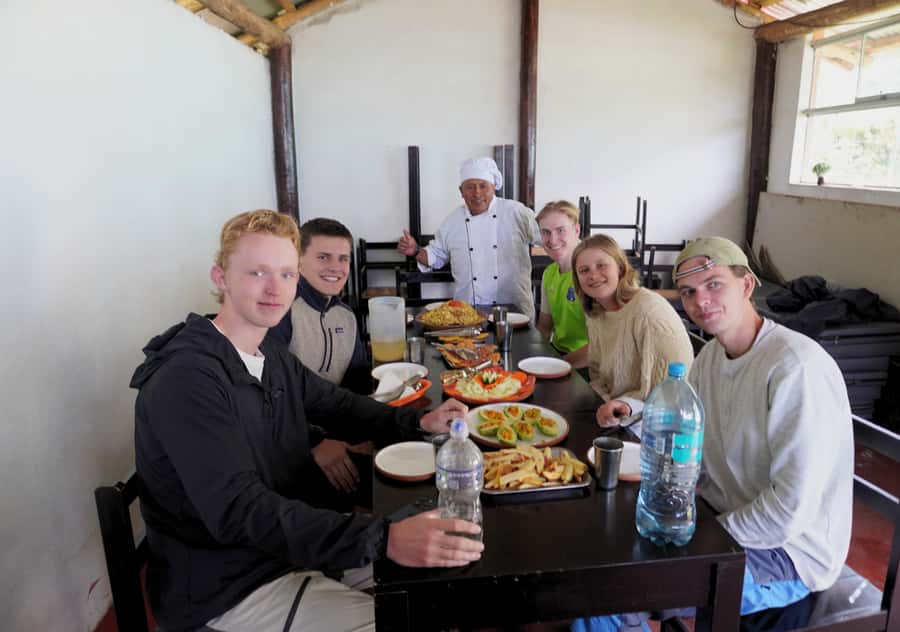
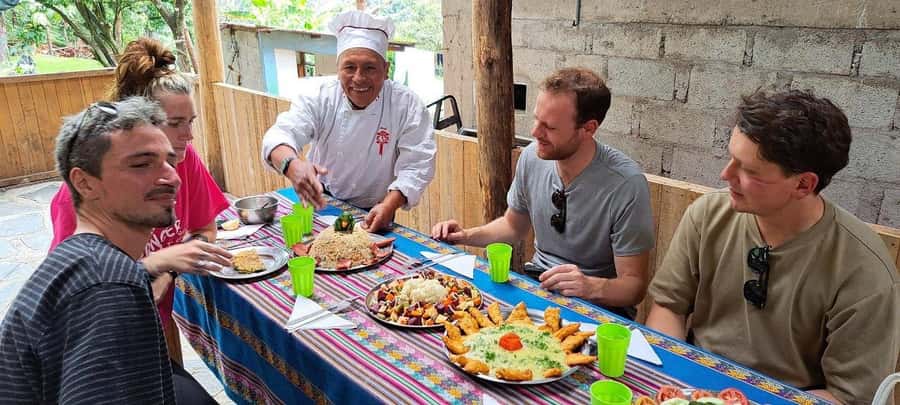
I also like the practical structure. You’re not left to guess daily details: meals are built in, camp routines are clear, and there’s a team handling logistics like cooking and moving a packed duffel (up to 6 kilos). It’s a more “managed adventure” feel than a DIY scramble.
The other reason this works: it’s not only mountain peaks. You get a rainforest day through Santa Teresa trails with wooden bridges and waterfalls, plus plantations of bananas, passion fruit, and avocados. Then you finish with archaeology and views—Llactapata before Aguas Calientes, and Machu Picchu with a guide.
You can also read our reviews of more tours and experiences in Cusco.
Altitude and pacing: what the numbers are telling you
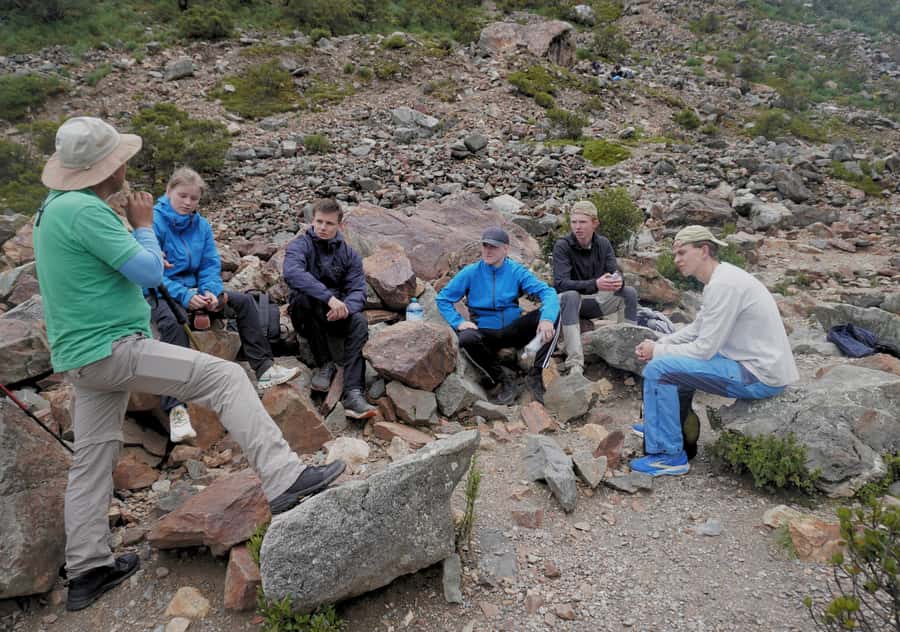
This trek plays on altitude more than most. The route moves from about 3,800 m (Soraypampa) up to 4,200 m (Humantay Lake) and then to 4,630 m at the Salkantay highest point. After that big effort, you descend to around 2,770 m in the camp area, then continue down toward lower elevations as you head to Aguas Calientes.
What that means for you:
- You should expect cold mornings and stronger “effort per step” effects at altitude.
- You’ll want to hike steadily, not fast—saving energy helps more than you think.
- Downhills can feel brutal on knees, even when they’re shorter.
The good news is the itinerary is paced with lunch stops and day-to-day breaks built in. The key is showing up ready. If you’re fairly fit but not used to high elevations, this is still doable—but you’ll want to take it seriously.
Day 1: Cusco pickup at 4:30 a.m., Soraypampa, and Humantay Lake
Your day starts early: pickup around 4:30 a.m. in Cusco, followed by about a 3-hour scenic drive to the trailhead area. The early start matters here because you’re hiking into altitude before the sun really warms things up.
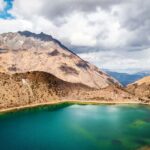
After a hearty breakfast, you hike to Soraypampa (3,800 m). The walk time is about 3 hours, and it’s your first real acclimation step. Then you’ll have lunch and continue for roughly 2 hours to reach Laguna Humantay (about 4,200 m)—the moment most people come for.
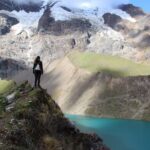
Humantay Lake is visually unforgettable: bright, shimmering turquoise water sitting at high altitude. But what makes it special isn’t only the color. It’s also the feeling of being so high up, with clouds and ridges changing shape while you take in the views.
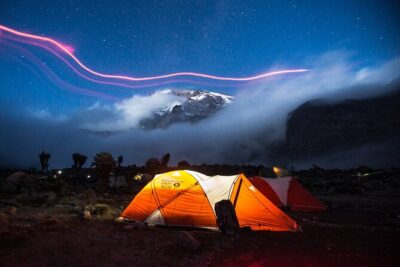
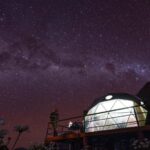
After the lake, you keep hiking for about 2 more hours to your campsite. The day ends with dinner under the stars, plus coca tea at the camp to start mornings (you’ll repeat that habit later in the trek). If you’re the type who likes to reset with a warm drink at night, this tour is good at that.
A small consideration: Humantay is an entrance fee stop (PEN 20 per person), so you’ll want to budget for that extra cost.
Day 2: Salkantay Pass at 4,630 m and the descent to camp
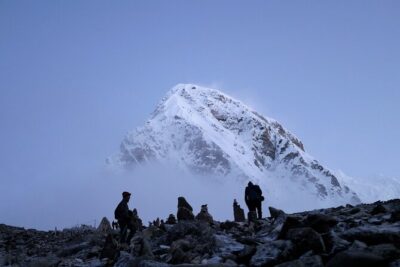
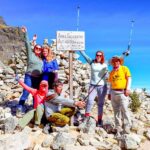
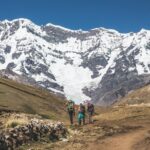
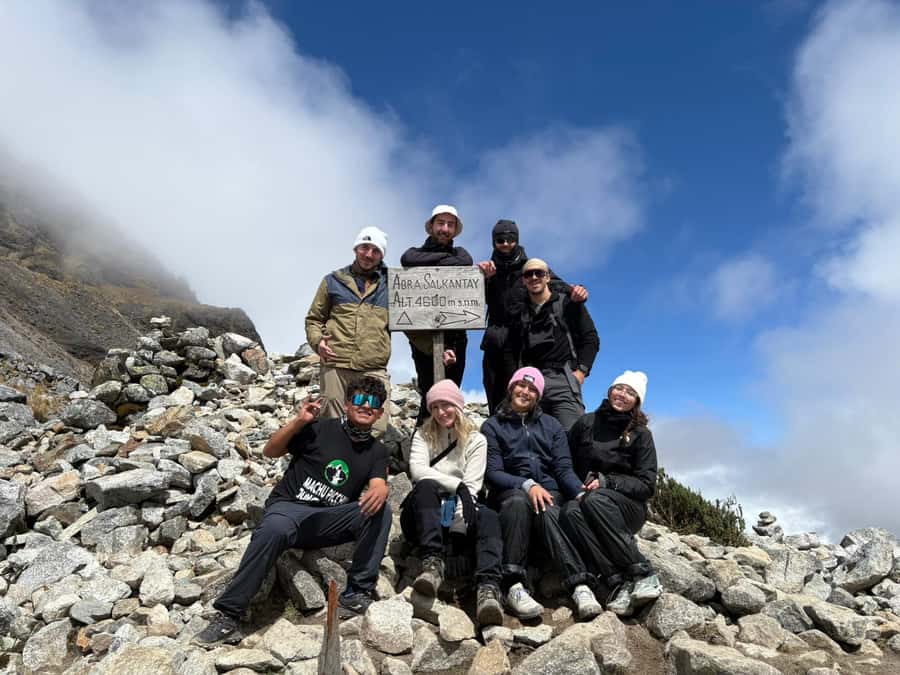
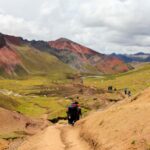
Day 2 is the big one. You wake up to coffee or coca tea and then start a climb for about 3 hours toward the highest point of the route, Salkantay Pass at 4,630 m. This is where you’ll feel the altitude most strongly.
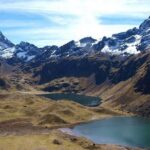
Along the way, you also get a visit to a nearby lake before descending. Then the day turns into a long set of downhill sections with lunch and changing terrain. You’ll descend for about 3 hours to Wayracmachay for lunch, then continue descending for around 3 more hours until you reach camp near Chayllay or Collpapampa (around 2,770 m).
Why I like the way this day is built: it doesn’t pretend the pass is easy. It gives you time to reach the highest point and then commits you to a controlled descent. That’s helpful for your body. A lot of trekking schedules rush the high part and then cram the rest, but here you get a structured rhythm.
What to watch: the climb can feel slow even when you’re moving. That’s normal at 4,630 m. Dress for cold and keep water with you. Also, downhill fatigue can hit fast—good shoes and steady pace matter.
Day 3: Santa Teresa rainforest trails, La Playa buffet, and Cocalmayo hot springs
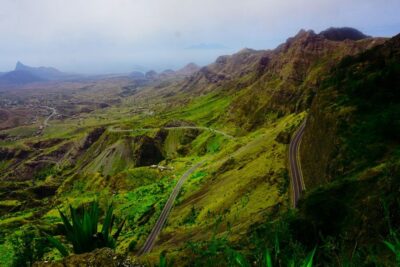
If Day 2 is about maximum altitude effort, Day 3 is about change. After breakfast, you walk along trails through the rainforest area of Santa Teresa. Expect wooden bridges, waterfalls, and sections that feel greener and more alive than the high Andean days.
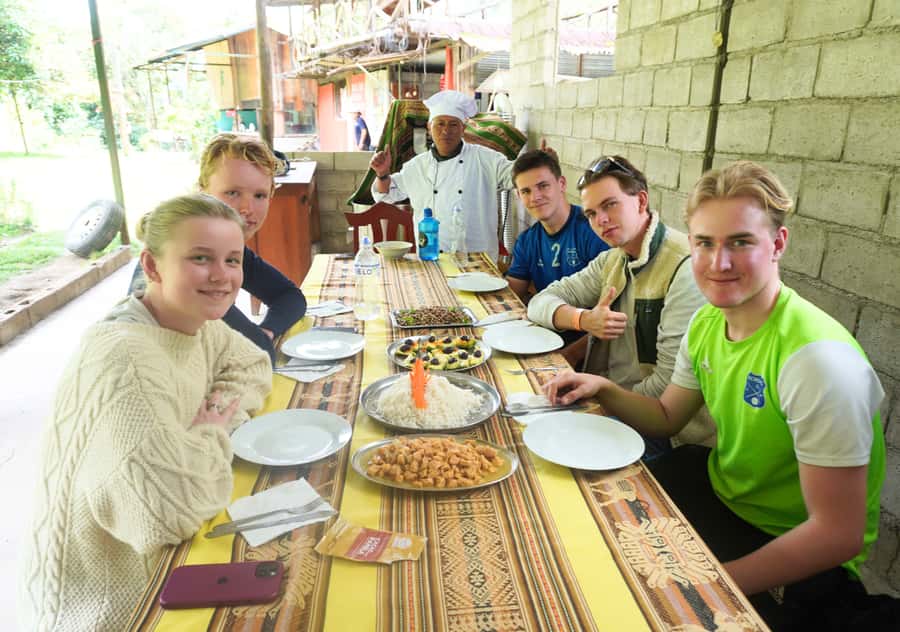
You’ll pass plantations and farm areas—banana, passion fruit, and avocados show up in the scenery. Then you reach La Playa, where you’ll enjoy a buffet lunch. This is a good moment to fuel up and feel human again.
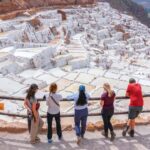
In the afternoon, you have the option (or plan) to visit Cocalmayo hot springs. This is included for 5-day hikers as stated, with an entrance fee (PEN 10 per person) and transportation cost that depends on group size. The practical value here is huge: a hot soak helps sore muscles after two hard days.
Then dinner and a group bonfire round out the evening. After that, you return to your room to rest. That “rest-night” feeling is important because Day 4 includes more climbing and then a major transition toward Aguas Calientes.
Day 4: Llactapata first, then Hidroeléctrica, and on to Aguas Calientes
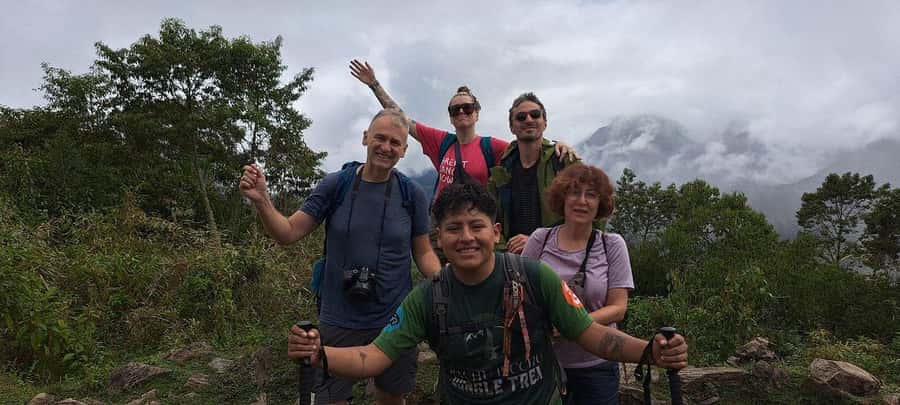
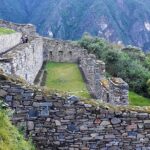
Day 4 shifts back toward archaeology. After breakfast, you start your last big hiking day, following part of the original Inca Trail. You climb for about 2 hours to reach Llactapata (around 2,700 m)—an archaeological site with views over Machu Picchu.
Llactapata is a smart stop because it gives you a “preview” moment. You’re not staring at a postcard only. You’re seeing how the Machu Picchu area sits in the terrain, and it gives context for what comes next.
After visiting Llactapata, you descend for about 2 hours to Hidroeléctrica for lunch. Then it’s a walk to Aguas Calientes, where you check into your accommodation and have a group dinner at 7:00 p.m.
What I like about this setup: it spaces the travel so you’re not arriving at Aguas Calientes exhausted and hungry with no plan. You eat, you settle, and you’re ready for the Machu Picchu morning routine.
Day 5: Machu Picchu guided morning and circuit choices (1B, 2A/2B, 3B)
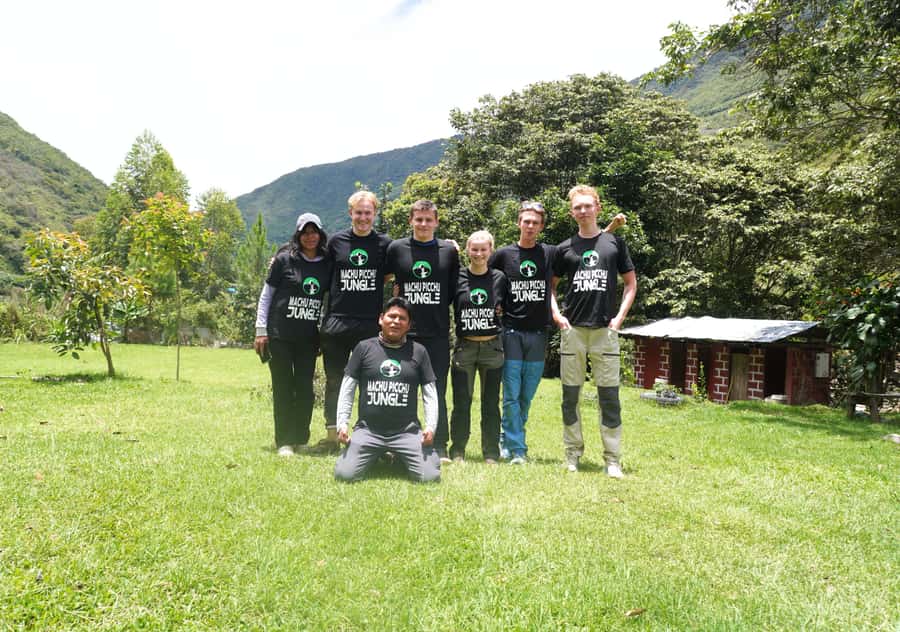
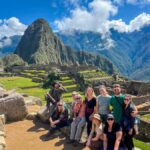
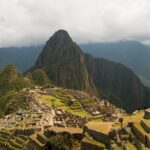
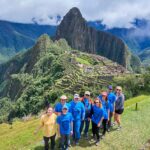
Machu Picchu day starts early. You’ll have breakfast and then climb stairs for about an hour to the main gate. Arrival is around 6:30 a.m. The earlier start helps you beat some crowds and lets you enjoy the site in calmer light.
You get a guided tour for about 2.5 hours, with circuit options tied to your ticket type. The tour guide handles the “what to look for” side, which is the difference between a fun walk and understanding why the site is arranged the way it is.
Here’s how the circuits work, so you can know what you might be getting:
- Circuit 2A or 2B: full visit to Machu Picchu. This is the most popular option.
- Circuit 3B: includes a lower stop at Machu Picchu, a middle viewpoint, and sacred temples.
- Circuit 1B: includes the upper terrace—often the classic photo angle.
Important practical note: you should check your Machu Picchu circuit availability before you reserve, because it can affect what you see and where you spend time during your guided window.
After the guided portion, you descend and return to your onward transportation based on your reservation. Return by car is timed between 6:00 a.m. and 9:00 a.m. latest. Return by train lets you purchase the time you want, then you take a local car from Ollantaytambo back to Cusco.
Price and value: what $50 covers versus what you’ll likely add
The headline price here is listed as $50 per person, and that sounds like a steal—especially when you consider the overall structure. However, trekking costs in Peru often include most of the “services” but not all of the “site fees.” This one follows that pattern.
What you’re getting that protects your value:
- An English/Spanish-speaking professional tour guide (and the info also lists English/Portuguese/Spanish).
- Professional chef + cooking equipment.
- Private transportation to the start of the Salkantay trail.
- Equipment support like a duffle bag to carry up to 6 kilos, plus a horse to carry the same weight and cooking equipment.
- Meals: the 5-day option includes 4 breakfasts, 4 lunches, 4 dinners (the 4-day option includes 3 of each).
- Added comfort touches: coca tea to wake you up at camp and tea-time in the afternoon (popcorn, cookies, chocolate & coffee).
What you should budget for because it’s not included:
- Machu Picchu entrance: ticket cost is described as PEN 152.00 later (or USD 40 if tickets aren’t available through the website).
- Machu Picchu bus: US$12 up + US$12 down from Aguas Calientes to Machu Picchu.
- Humantay entrance: PEN 20 per person.
- Hot springs entrance (5-day): PEN 10, plus transportation cost depending on group size.
- Sleeping bag rental: USD 15 for the entire trip.
- Trekking poles rental: USD 10 for the entire trip.
- If you add Wayna Picchu: USD 60 per person (not described as included).
So is $50 worth it? For the “fully guided, staffed trek” part, yes—you’re paying for coordination, guiding, food, and camp logistics. Just don’t treat it as the all-in price. When you plan your money, include the big site fees and the Aguas Calientes bus.
One extra note: the tour includes Machu Picchu entrance as part of the plan, but you still pay the ticket price at the briefing. They’ll make the reservation based on government availability, and if tickets aren’t available online, you may need to buy them in Aguas Calientes with your passport.
Logistics that matter: tickets, passports, and what you should do early
This trek lives or dies by Machu Picchu ticket availability and circuit choice. The tour asks you to check the available circuit before reserving, and it explains the possible circuits (2A/2B, 3B, 1B).
Here’s the best way to stay in control:
- Book 2 to 4 months in advance if you can.
- Send your passport details promptly since the reservation process requires them.
- Ask what circuit is available for your date, and what that means for your walking time inside the sanctuary.
The tour also warns you about a scenario where Machu Picchu tickets aren’t available on the Peruvian government site. In that case, tickets are said to be sold in Aguas Calientes in person, with 1,000 tickets sold per day and the need to purchase with your passport. They also note you might have to add days for ticket purchase, and those additional days won’t include meals or accommodation.
This is the one piece you should not treat casually. A little planning here prevents a lot of stress.
What to pack (and how to make the early starts tolerable)
You’ll want gear that matches cold, sun, and rain risk. The tour lists the essentials:
- Passport
- Comfortable shoes
- Hat and sunscreen
- Camera
- Water
- Rain gear
- Comfortable clothes
From a practical standpoint, I’d focus on layering. High altitude means cold mornings, and weather can shift quickly. Also, keep a small system for water and snacks so you’re not relying only on scheduled breaks.
If you don’t have your own trekking poles or sleeping bag, rentals are available through the trip provider (USD 10 and USD 15). That’s convenient, especially if you’re arriving from somewhere else and you don’t want to travel with extra gear.
Who this trek suits best
This is best for you if you:
- Want a classic “big mountain day + hot springs reset + Machu Picchu morning” flow.
- Like guided context at Machu Picchu (so you know what you’re looking at).
- Can handle altitude and long days with changing terrain.
You might want a gentler option if you:
- Struggle with cold mornings or high altitude effort.
- Have knee problems that struggle with steep descents.
Still, the route’s structure helps. You get set meal times, structured camps, and a guided approach at Machu Picchu.
Should you book this Salkantay to Machu Picchu trek?
I’d book it if you want the route that feels like an earned lead-in to Machu Picchu, not just a transfer between two points. The combination of Humantay Lake, the Salkantay Pass, rainforest walking with waterfalls, and Cocalmayo hot springs makes this feel like a full Peru sampler—while the guided Machu Picchu visit keeps the experience meaningful.
Just be smart about the two big “watch-outs”: ticket circuits and budgeting for add-ons. If you confirm your Machu Picchu circuit early and plan for the entrance fees and buses, this trek is excellent value for a guided, staffed 4- or 5-day adventure.
FAQ
How early is pickup from Cusco?
Pickup is listed for around 4:30 a.m., followed by a scenic drive to the trailhead.
Is the trek offered in both 4-day and 5-day versions?
Yes. The itinerary is described as 4 days/3 nights walking plus Machu Picchu, or 5 days/4 days walking with 3 nights in cabins and 2 nights in cabins (as described).
What time do you arrive for the Machu Picchu visit?
You climb stairs after an early breakfast and arrive at the main gate around 6:30 a.m.
Which Machu Picchu circuits are included?
The guided Machu Picchu tour is included for circuit 2A or 2B. Other circuit options mentioned are 3B and 1B (depending on what’s available).
Are meals included during the trek?
Yes. For 5 days: 4 breakfasts, 4 lunches, and 4 dinners. For 4 days: 3 breakfasts, 3 lunches, and 3 dinners.
Are vegetarian or vegan meals available?
Yes. Vegetarian/vegan options are available at no extra charge.
What extra fees should I plan for?
Not included items listed include Humantay entrance (PEN 20), Machu Picchu entrance (PEN 152 later or USD 40 if needed), and the bus (US$12 up and US$12 down). Hot springs costs (for 5-day hikers) include PEN 10 plus transportation.
Is there a hot springs stop?
Yes. The plan includes Cocalmayo hot springs in the afternoon on Day 3. Entrance fee and transportation are listed as not included and depend on the trip length and group size.
How do I return to Cusco after Machu Picchu?
Return by car is described with timing between 6:00 a.m. and 9:00 a.m. latest. Return by train includes a train from Aguas Calientes to Ollantaytambo and then a local car back to Cusco.
What should I bring?
The list includes passport, comfortable shoes, hat, camera, sunscreen, water, rain gear, and comfortable clothes.
Do I need to send my passport to the provider?
Yes. It’s stated as urgent to send your passport so reservations can be processed.