REVIEW · CUSCO
5-Day Salkantay Trek to Machupicchu Sky Lodge Dome
Book on GetYourGuide →Operated by TERRA QUECHUA PERU · Bookable on GetYourGuide
Machu Picchu starts with a steep 5 days. This Salkantay-to-Machu Picchu trek is interesting because you get luxury dome camping plus big views from the 4,650m Salkantay pass. The main drawback to plan around is Machu Picchu ticket timing: confirm your entry slot well before your first hike morning.
I like how the package covers the hard parts: pickups, guides, meals, transport, and even Machu Picchu tickets. You also get a small group size (up to 10), and the people behind the scenes matter—some groups have been guided by pros like Roberto or Abel, with cooks such as Mario or Exaltación running the kitchen. You’ll pay $700 for a full circuit, but it only feels like good value if you show up ready to trek and accept cold-night reality in the domes.
Key highlights at a glance
- Luxury dome camping with private bathroom and hot shower
- The high-pass day at 4,650m, with snow possible
- A coffee plantation stop in geodesic domes with hands-on coffee steps
- Llaqtapata + a taste of the Inca route before reaching Aguas Calientes
- Machu Picchu at sunrise via the first 5:30am bus
In This Review
- Cusco Early Pickup and Altitude: What to Get Right First
- Dome Camping in Challacancha and Soraypampa: Comfort That Makes the Trek Possible
- Day 2’s 4,650m Salkantay Pass: The Trek’s Big Test Day
- La Playa Coffee Plantation Domes: Different Kind of Work, Different Kind of Reward
- Day 4: Llaqtapata, Santa Teresa, Hydroelectric, and the Walk Into Aguas Calientes
- Luggage Reality on Day 4
- Machu Picchu at Sunrise: The 5:30am Bus Plan
- What the $700 Includes (and What You’ll Still Need to Bring)
- Gear Notes That Actually Matter
- Who This Trek Fits Best (and Who Should Rethink)
- Should You Book This Salkantay Trek to Machu Picchu Sky Lodge Domes?
- FAQ
- What time is pickup in Cusco?
- How high is the highest point of the trek?
- Are meals included during the 5 days?
- Do I get Machu Picchu tickets with this tour?
- What are the domes like on the camping nights?
- Do I need to bring a sleeping bag?
- Is vegetarian or vegan food available?
- What time is the bus to Machu Picchu?
- Do I have to carry my own luggage?
Cusco Early Pickup and Altitude: What to Get Right First
Your trek starts with an early Cusco hotel pickup around 4:30–5:00am. Then it’s drive time into the mountains, breakfast break in Mollepata, and a final push to Challacancha before you hike.
This schedule matters because altitude hits fast. The operator recommends arriving in Cusco at least 2 days early so you can acclimatize and get used to the thin air. If you come straight from sea level the week-of, you’re betting your lungs on luck.
Dome Camping in Challacancha and Soraypampa: Comfort That Makes the Trek Possible
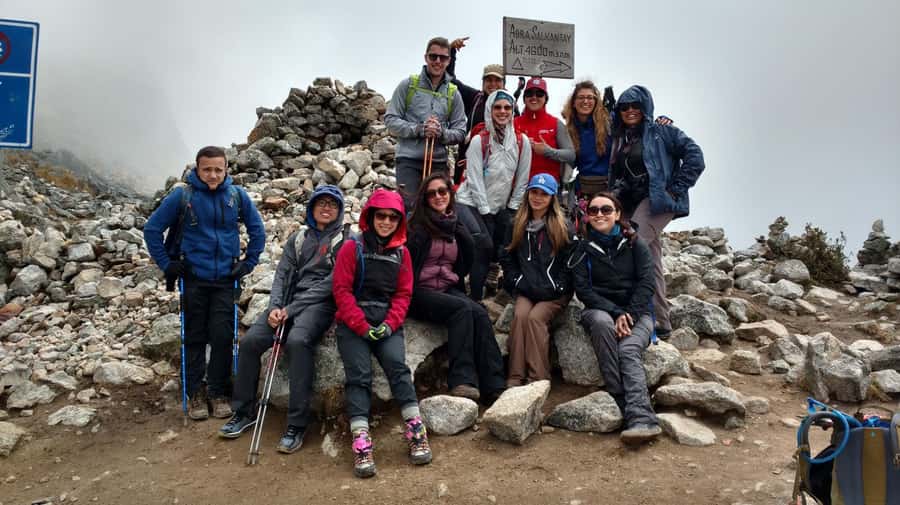
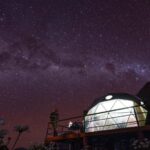
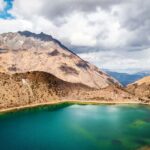
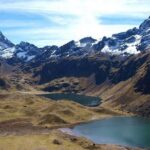
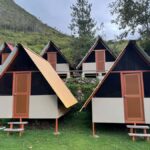
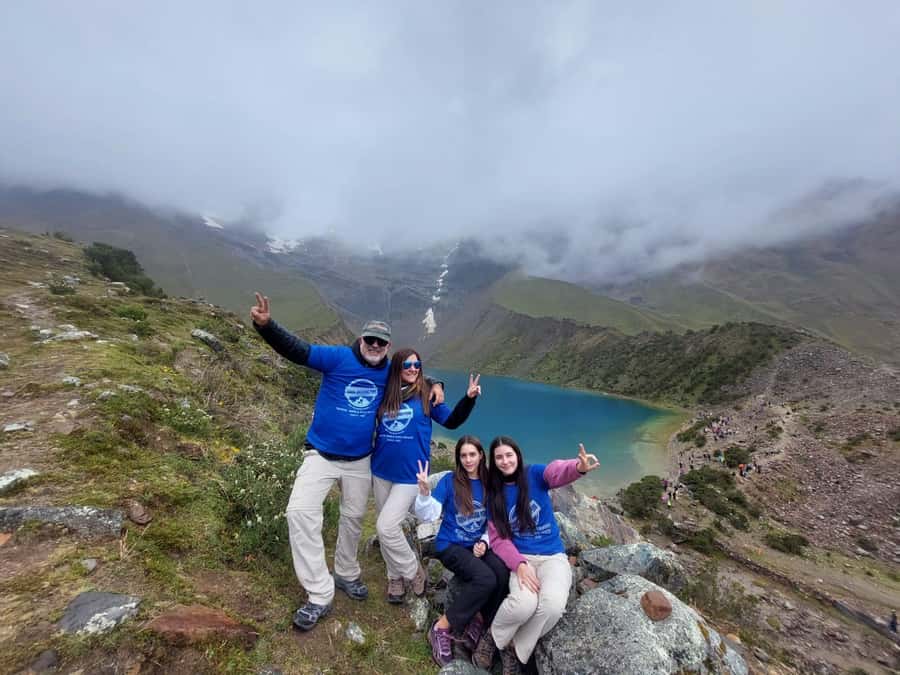
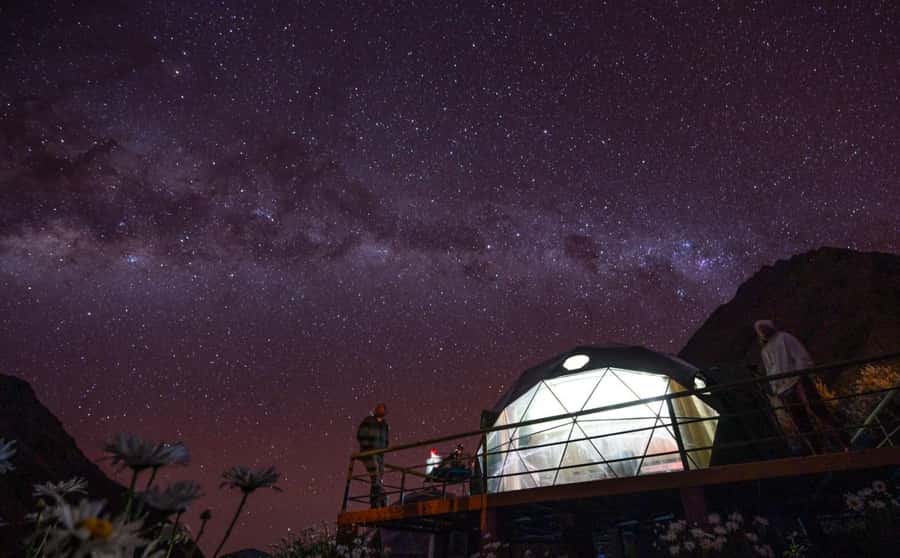
The first night is in geodesic domes after hiking and a stop at Humantay Lagoon. After an Andean day of travel and elevation, the dome setup is a big part of why people can keep moving without feeling wrecked.
What I like most: each dome has a private bathroom and hot shower, which is not a small deal on a multi-day trek. Yes, you’ll still feel cold at altitude, but you’re not living in a dry sleeping-bag-situation that forces you to rush the next day. One night can be very cold, so pack warm layers and treat the domes like a weather station, not a cabin.
Your first day also includes an Andean ceremony offering to Mother Earth. It’s usually brief, but it’s meaningful in a practical way: it frames the trek as something more than fitness points.
You can also read our reviews of more tours and experiences in Cusco.
Day 2’s 4,650m Salkantay Pass: The Trek’s Big Test Day
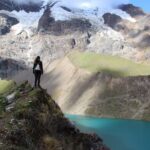
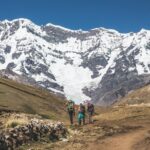
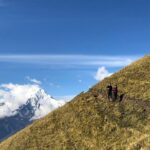
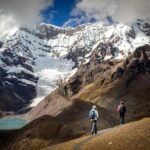
The second morning starts around 5:30am with breakfast and then a climb toward the trek’s highest pass: 4,650m / 15,200 ft. This pass sits midway between two giant mountains—Salkantay on the right and Tucarhuay on the left.
The reason this day stands out on your mental map: the view changes from “we’re climbing” to “we’re high enough to see everything.” The description also notes a possibility of snow at the pass, so assume winter conditions even if Cusco feels mild.
After you cross, you camp in Chaullay in the domes. Hydration and pacing matter more than pushing for speed. At 4,650m, you don’t win anything by rushing. You just risk wiping out early.
La Playa Coffee Plantation Domes: Different Kind of Work, Different Kind of Reward
Day 3 shifts your rhythm. After breakfast around 6:30am, you hike through the high jungle area, crossing the Lluskamayo River and passing streams before reaching Playa in about 4 hours of walking.
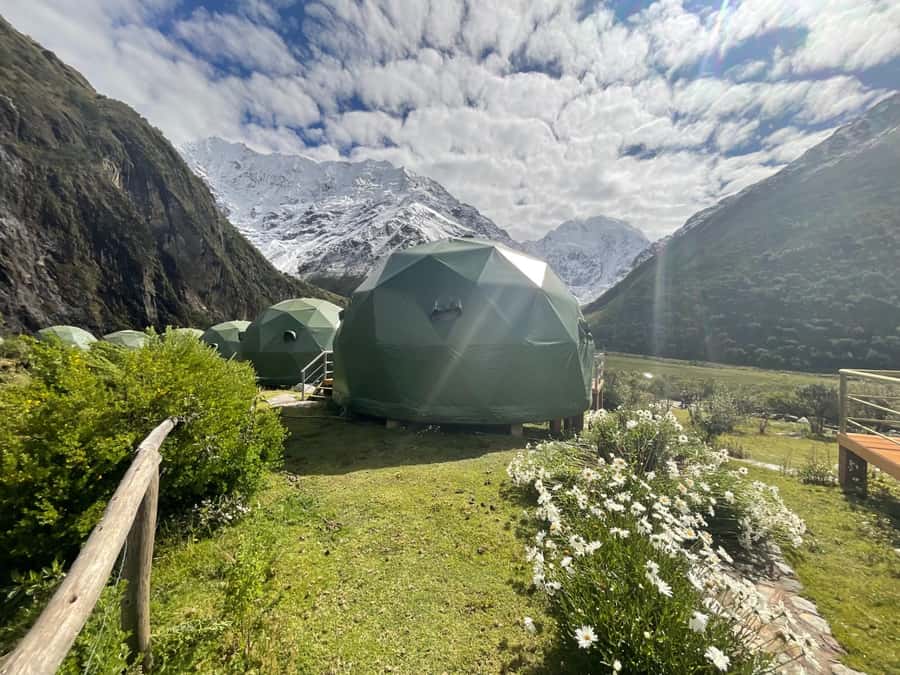
Then comes a memorable change of pace: you camp in domes located in a coffee plantation. This isn’t just scenery. You’re set up to learn the coffee process as part of the trek—harvesting, roasting, and grinding. Even if you’re not a coffee person, it’s a useful cultural break because it turns the day into something active and human instead of only endurance.
The practical catch: Day 3 is still a trekking day. You’ll want good footwear and a daypack that doesn’t slide around on bumpy ground.
Day 4: Llaqtapata, Santa Teresa, Hydroelectric, and the Walk Into Aguas Calientes
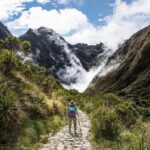
Day 4 starts with an early push, aiming to arrive at Llaqtapata first. You’ll walk a portion of the original Inca trail, get time in a lived-in rural area, and even have the chance to harvest fruits—a small detail, but it makes the route feel real.
You also get views of the Urubamba Valley and, importantly, a first glimpse of Machu Picchu with Salkantay in the background. That sight is like a checklist moment: after days of mountain time, suddenly you can see the finish.
After Llaqtapata you head toward Hydroelectric, stopping for lunch there, then continue on a route that includes a long stretch along the train track for about 2.5 hours until you reach Aguas Calientes. It’s not the toughest way to walk, but it is steady and exposed compared to forest trails.
Once you reach Aguas Calientes, you sleep in a hostel for the night included in the package. And yes, there’s a hot springs option: the entrance is listed as 10 soles, which is a nice way to soothe legs after 4 trekking days.
Luggage Reality on Day 4
The trek uses horsemen and mules for equipment and food, and your luggage is carried for you until the third day (about when you’re camping by the time you reach this stage). From day 4 onward, you carry your own bags.
There’s also an option on Day 4 to send your luggage by car from Playa → Hydroelectric → Aguas Calientes by train for about 20 soles (pay directly). If you want a lighter hike into Aguas Calientes, consider using that option rather than suffering with extra weight on train-track walking.
Machu Picchu at Sunrise: The 5:30am Bus Plan
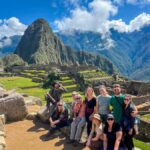
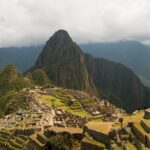
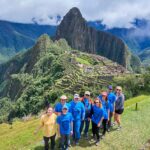
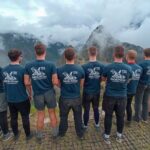
Day 5 is the day you’ve been building toward. You wake up around 5:00am, eat breakfast, and catch the first bus to Machu Picchu leaving at 5:30am. The bus ride is about 25 minutes.
The big payoff here is sunrise timing: you’re aiming to see Machu Picchu as the light hits. Once you’re inside, your guide provides a 2-hour tour, then you have time to explore on your own.
If you’re fit and the schedule works, there’s an optional climb to Huayna Picchu (listed at 2,720m / 8,890 ft). It takes about 1 hour 45 minutes to reach the top and depends on availability, so if you want it, plan ahead.
After Machu Picchu, you take the train back around 2:00–4:00pm or 6:20pm, depending on availability. You arrive in Ollantaytambo, then private transport takes you back to Cusco.
What the $700 Includes (and What You’ll Still Need to Bring)
At $700 per person for 5 days, the value comes from a long list of included essentials—especially the parts that usually eat time and energy when you organize it yourself.
Included in the package:
- Bilingual professional guide (English/Spanish)
- Hotel pickup in Cusco and transport between trekking and train points
- Train from Aguas Calientes to Ollantaytambo
- Machupicchu ticket and bus up (Aguas Calientes to Machu Picchu)
- Horsemen/mules to move equipment, food, and personal luggage (listed allowance 7 kg per person)
- A cook and full meals: 4 breakfasts, 4 lunches, 4 dinners, 4 snacks
- Luxury domes with private bathroom and hot shower
- 1 night accommodation in Aguas Calientes
- First aid kit
- Andean ceremony on the first day
Not included (the practical stuff you should plan for):
- First breakfast and last dinner
- Sleeping bag
- Trekking sticks
This is why the domes feel like value: you’re not paying extra for real comfort and real hygiene. But you still need to bring gear for comfort and safety.
Gear Notes That Actually Matter
Bring warm clothing, sunglasses, a sun hat, cash, a daypack, trekking gear, and hiking shoes. The trek is at altitude and your legs will take a beating, so don’t arrive with shoes that are only okay on flat streets.
Also bring a passport or ID card—you’ll need it for entry timing.
Who This Trek Fits Best (and Who Should Rethink)
This is a challenging, rewarding trek. It’s ideal if you want the full Salkantay experience: high pass day, jungle-to-coffee shifts, and a sunrise Machu Picchu morning with a guide.
It’s not a good match if you have:
- back problems
- mobility impairments
- heart problems
- pregnancy
One more thing to sanity-check: the details also say wheelchair accessible, but they simultaneously list mobility impairments as not suitable. If that applies to you, confirm directly with the operator before you book, and ask what the realistic plan is for your specific situation.
Also think about cold. Even with hot showers, you’ll feel cold during the night in the domes. Pack layers like you’re going to the mountains, not like you’re camping in a warm region.
Should You Book This Salkantay Trek to Machu Picchu Sky Lodge Domes?
If you want a trek that handles logistics well—meals, transport, domes with private bathrooms, and a guided Machu Picchu morning—this one makes sense. The coffee plantation night and the Llaqtapata segment add variety beyond the typical “walk and sleep” pattern.
Before you say yes, do two things:
- Confirm your Machu Picchu entry slot in advance and ask who coordinates the bus timing. If ticket details aren’t clear, it can force last-minute changes.
- Pack for cold domes and altitude, including warm layers and plan for carrying your bag starting day 4.
If you show up acclimatized, accept a real hiking schedule, and verify the Machu Picchu timing early, this is a strong way to get from the Salkantay mountains to Machu Picchu without turning your trip into a problem-solving project.
FAQ
What time is pickup in Cusco?
Pickup is around 4:30–5:00am from your hotel in the Cusco historic center area.
How high is the highest point of the trek?
The highest pass is listed at 4,650m / 15,200 ft.
Are meals included during the 5 days?
Yes. The package includes 4 breakfasts, 4 lunches, 4 dinners, and 4 snacks. The first breakfast and last dinner are not included.
Do I get Machu Picchu tickets with this tour?
Yes. Machu Picchu tickets are included, along with the bus up from Aguas Calientes to Machu Picchu.
What are the domes like on the camping nights?
The tour includes luxury domes with a private bathroom and hot shower.
Do I need to bring a sleeping bag?
Yes. A sleeping bag is not included.
Is vegetarian or vegan food available?
Yes. Vegetarian and vegan options are available on request at no extra charge.
What time is the bus to Machu Picchu?
The plan is to take the first bus at 5:30am from Aguas Calientes.
Do I have to carry my own luggage?
Your duffel bag is carried for you until the third day. Starting from day 4, you will have to carry your own bags. There is also an optional luggage send service on day 4 for an extra cost listed as 20 soles.