REVIEW · CUSCO
Waqrapukara 1 day trekking + meals
Book on GetYourGuide →Operated by Amaru explorer SAC · Bookable on GetYourGuide
Horn-shaped ruins show up early in the day. If you’re after an Inca site that still feels like it’s clinging to the mountains (not just a photo stop), Waqrapukara delivers. I like that the day is built around a real hike to an archaeological center—plus you’ll walk in at altitude, so the views feel earned. I also love that the place is more than a single wall: you can spot temples and Inca enclosures tied to Inca nobility. One thing to consider: the day includes long moving time and meal stops, and depending on your guide’s pace and timing, you may wish you had a bit more time focused only on the ruins.
Waqrapukara sits around 4,300 meters up, so expect cold air, strong sun, and that slightly slower rhythm that comes with altitude. The tour starts with pickup from the Cusco historic center area at 4:00–5:00 a.m., then goes to Sangará for breakfast before you start a roughly 2-hour walk to the fortress area. It’s a great fit if you want a guided trek with meals handled—just remember the entrance fee isn’t included, and your day may feel tighter if you hate early mornings.
In This Review
- Key things I’d bookmark before you go
- Why Waqrapukara’s horn-shaped fortress is worth your morning
- The early start: Cusco pickup and the road to Sangará
- Breakfast at Sangará, then the 2-hour walk to the ruins
- Inside Waqrapukara: temples, Inca enclosures, and how to move through it
- Lunch back in Sangará, then back to Cusco by 6 p.m.
- Price breakdown: is $50 good value for this Waqrapukara trek?
- What to pack for cold, sunny high-altitude trekking
- Best fit: who should take this one-day Waqrapukara tour
- Should you book Waqrapukara 1 day trekking + meals?
- FAQ
- What time is pickup in Cusco?
- Where do we stop for breakfast?
- How long is the walk to Waqrapukara?
- What entrance cost should I plan for?
- What meals are included?
- What language will the guide speak?
- What should I bring for the trek?
- What time will I return to Cusco?
- Is the tour only for adults?
Key things I’d bookmark before you go
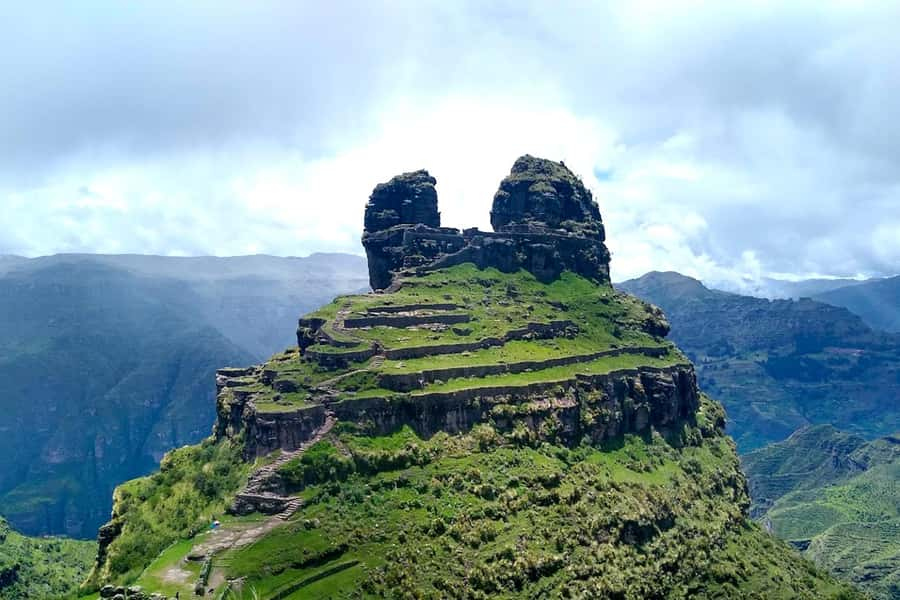
- The payoff is the final viewpoint: the trek’s best moments come near the end, not at the start.
- Temples + Inca enclosures are the real draw: it’s not just a single ruin photo.
- You’ll walk about 2 hours: transportation drops you off, then your feet do the rest.
- Bring cash for extras: the main entrance fee is separate, and there can be additional paid moments.
- Language support is Spanish or English: guide quality can make a big difference in how much you get from the site.
- Warm layers matter: at 4,300 m, chilly + sunny is a common combo.
Why Waqrapukara’s horn-shaped fortress is worth your morning
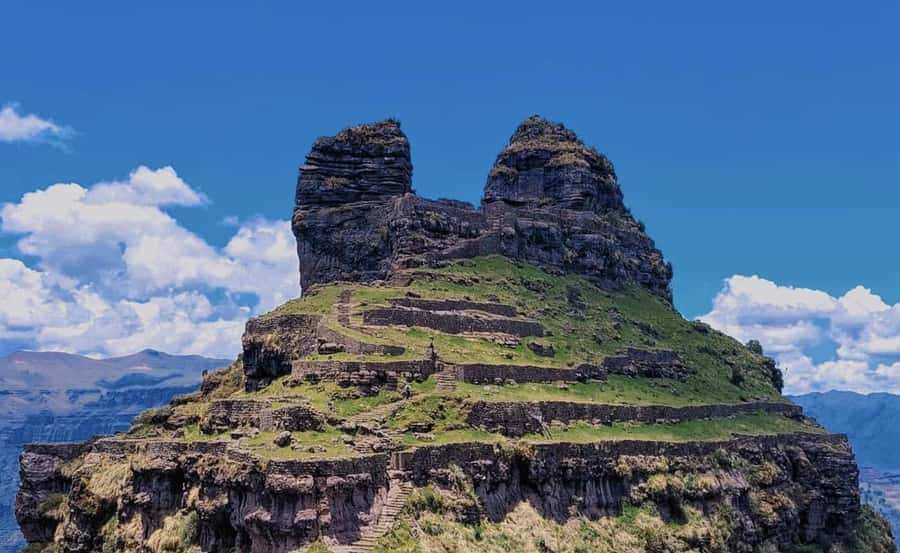
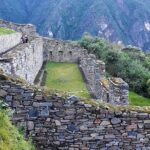
Waqrapukara’s name basically points to the famous horn shape—this is the kind of place where the setting helps the story. The ruins aren’t just scattered rocks; the site was a residence linked to Inca nobility, and you can still see temples and enclosures laid out in ways that make the space feel intentional.
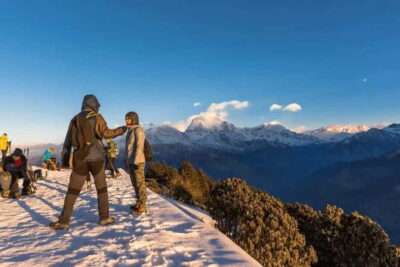
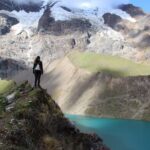
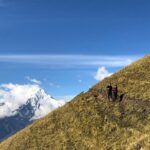
At about 4,300 m, the experience has a physical feel. Even if you’re fit, you’ll probably notice your breathing on the walk. That’s not a downside if you go in prepared—it’s part of why the view hits harder when you finally reach the archaeological center.
You can also read our reviews of more tours and experiences in Cusco.
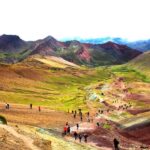

The early start: Cusco pickup and the road to Sangará
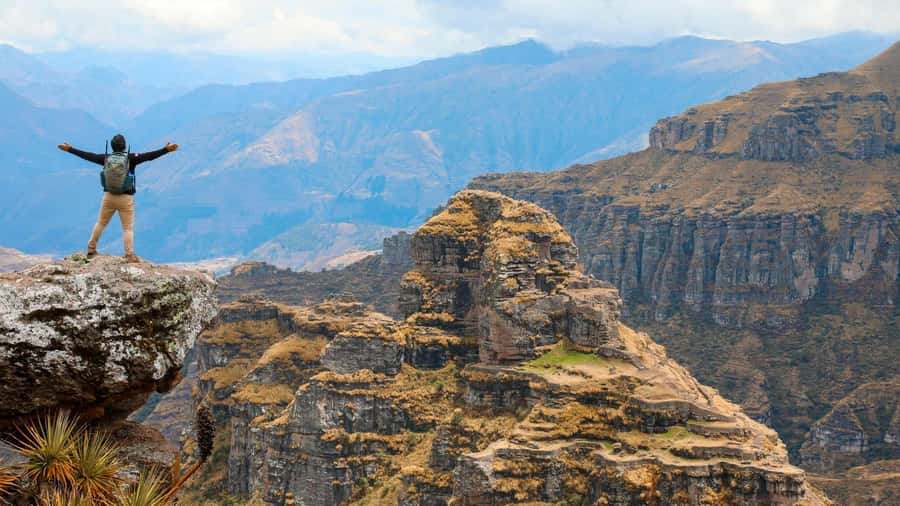
Pickup happens very early: 4:00–5:00 a.m. from hotels near or inside Cusco’s historic center. Yes, it’s early. But for Waqrapukara, that timing is the difference between doing a calm morning trek and dealing with later crowds and harsher conditions.
From Cusco, you ride toward Sangará, your first stop for breakfast. This part matters more than you might think. You’re not just traveling—you’re transitioning from the city’s pace to high-altitude trekking mode. The tour is designed so you eat before you start the main walk, which helps you keep going without turning the trek into a struggle.
Practical tip: if you tend to get cold fast, this is the time to layer up. You’ll likely feel the chill before the sun fully works its magic.
Breakfast at Sangará, then the 2-hour walk to the ruins
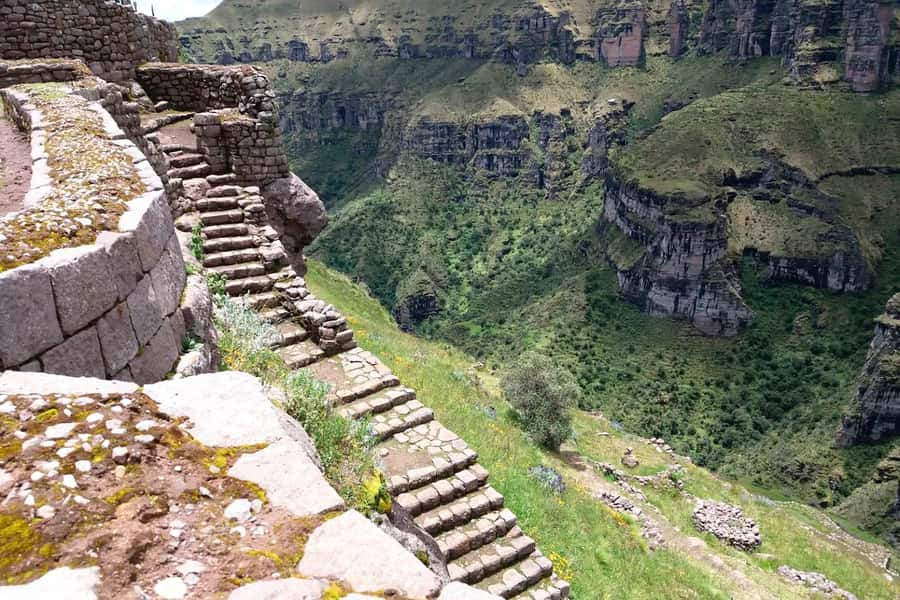
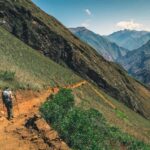
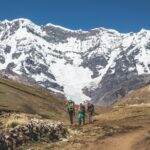
After breakfast in Sangará, the transport continues until you reach a parking area where the mobility stays behind. Then it’s a 2-hour walk to the archaeological center.
This is the heart of the day. You’ll want sturdy hiking shoes, and you’ll appreciate the provided walking sticks. Even if you feel steady on your feet, sticks help on uneven ground and take some pressure off your knees when you adjust your pace at altitude.
What I like about structuring the day this way: you get a guided, organized approach to a hike that would be harder to manage on your own—especially that early start. What you should watch for: if you prefer long, uninterrupted time exactly at the ruins, you’ll want to mentally accept that the trek portion is only part of the total schedule. There are still multiple stops baked into the full day.
Inside Waqrapukara: temples, Inca enclosures, and how to move through it
Once you arrive at Waqrapukara, you get a brief guide orientation and time to visit part of the area. The key word here is part. You’re not doing the entire site like a slow archaeological marathon. Instead, you’ll get a slice of the complex that’s designed for a one-day experience.
The most meaningful elements to look for:
- Temples: focus on the spaces that look deliberately shaped, not just the obvious walls.
- Inca enclosures: these help you understand how people organized the residence and ceremonial areas.
- Views from the approach: as you move into the fortress zone, the perspective changes. The end of the trek tends to be where people feel the payoff the most.
One reason this stop can feel amazing is simple: Waqrapukara’s setting helps the ruins make sense. You’re not standing in a flat museum hall. You’re looking at stone work that was placed into a high, demanding environment—so it reads as functional and intentional.
Also, keep an eye on your guide’s language skills. In your case, it’s listed as Spanish or English, but I’ve seen how a weaker explanation can make even a strong site feel flat. If English is your comfort language, you’ll get more from the day if your guide can clearly connect what you’re seeing to how Inca life used these spaces.
Lunch back in Sangará, then back to Cusco by 6 p.m.
After your time at the center, you return to the car and head back to Sangará for lunch. This is another smart touch. It keeps you from scrambling for food mid-day, and it helps you recover so the ride back feels like a break, not punishment.
Then it’s the drive back to Cusco, with drop-off near Plaza de Armas around 6:00 p.m. (approx.). That return time is useful for planning the rest of your evening. You’ll have just enough energy left to eat dinner in town and still sleep at a normal hour—assuming you didn’t stay out late chasing altitude fatigue the night before.
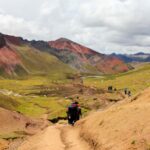


Price breakdown: is $50 good value for this Waqrapukara trek?
At $50 per person, this tour can be good value if you value organization: early pickup, transport, guide, and meals included.
Here’s what you’re getting for that price:
- Hotel pickup from near/inside the historic center area
- Transportation to and from the trail area
- Breakfast in Sangará
- Lunch in Sangará
- Professional guide
- Walking sticks
- The hiking time itself (you walk about 2 hours)
The part that changes your final math: the Waqrapukara entrance fee is not included (S/ 15 or 5 USD). So the real cost becomes your $50 plus that entry fee.
Is it worth paying extra? Usually yes, because entrance fees support site upkeep and access. But if you’re trying to stick to a tight budget, calculate that in early.
One balanced warning: value depends on guide quality and how much time you feel you get at the ruins. Some days can feel more focused on the hike and viewpoint; other days can include more time around stops and optional paid moments. If you’re the type who wants the maximum minutes standing in front of stone, you should choose a provider with strong guide communication and go in ready to make the most of the time you have at the site.
What to pack for cold, sunny high-altitude trekking
This is a high-altitude trek, and the tour runs in sunny weather or based on weather conditions—meaning you can’t count on comfort. Pack like it’s going to be chilly in the morning and bright later.
Bring:
- Warm clothing
- Sun hat
- Hiking shoes
- Sunscreen
- Water
- Cash
A few practical add-ons (not listed, but smart): a light gloves layer or a buff can help if the wind picks up. Also, keep your water accessible during the walk. At altitude, you might not feel as thirsty, but your body still needs fluids.
Best fit: who should take this one-day Waqrapukara tour
This tour makes sense if you:
- Want a guided Cusco day trip with meals handled
- Like structured hikes (transport + sticks + guide)
- Enjoy learning on the move—temples and Inca enclosures are best with interpretation
- Can handle early mornings without turning it into a grump-fest
It’s not suitable for:
- Children under 6
- Pregnant women
- Wheelchair users
- People over 95
If you’re sensitive to altitude or you’re still recovering from a travel day, consider how you feel before signing up. Nothing is mentioned about difficulty level beyond the altitude and 2-hour walk, so you should judge based on your own hiking comfort.
Should you book Waqrapukara 1 day trekking + meals?
I’d book it if you want a meaningful Inca ruins experience without needing to plan logistics for transport, meals, and guided context. The day has a clear rhythm: pickup early, breakfast in Sangará, then the hike to Waqrapukara, with lunch back at Sangará. You also get the payoff viewpoint people talk about—especially near the end of the trek.
Skip it (or choose carefully) if you’re very time-focused on ruins only. This kind of full-day tour has fixed stops for food and logistics, and if your ideal day is nonstop time at archaeology, you may feel the schedule squeeze.
If you do book, do this: manage your expectations about timing, dress for cold sun, and bring cash for the entrance fee. Then pay attention to what your guide explains—because the difference between an average day and a great one is often clarity, not the stones themselves.
FAQ
What time is pickup in Cusco?
Pickup is between 4:00 and 5:00 a.m. from hotels near or inside the historic center area.
Where do we stop for breakfast?
You’ll travel to Sangará for your first stop, where breakfast is included.
How long is the walk to Waqrapukara?
From the parking place where the mobility stays, it’s about a 2-hour walk to the archaeological center.
What entrance cost should I plan for?
The entrance fee to Waqrapukara is not included. It costs S/ 15 or 5 USD.
What meals are included?
Breakfast and lunch are included (both at Sangará).
What language will the guide speak?
The guide provides a live tour in Spanish and English.
What should I bring for the trek?
Bring warm clothing, a sun hat, hiking shoes, sunscreen, water, and cash.
What time will I return to Cusco?
You’ll be dropped off near Plaza de Armas around 6:00 p.m. (approximately).
Is the tour only for adults?
It’s not suitable for children under 6, pregnant women, wheelchair users, or people over 95.