REVIEW · CUSCO
Cusco: 5-Day Salkantay Ultimate Trek to Machu Picchu
Book on GetYourGuide →Operated by Inkayni Peru Tours · Bookable on GetYourGuide
Salkantay to Machu Picchu is a real altitude test. What makes this trek so compelling is the mix of big mountain drama—crossing the Salkantay Pass—and a guided visit to Machu Picchu that actually helps you understand what you’re seeing. I especially like that the trip is structured around standout natural moments (like Humantay Lake) and supported logistics (professional cook, horses, and an English-speaking guide). One drawback to think about up front: this is physically demanding and you should be cautious if you’re prone to altitude issues.
On the ground, you get more than just a march to the next checkpoint. You’ll spend time in Lucmabamba as a family-style experience connected to a local coffee farm, then you’ll reach Llactapata for a first look at Machu Picchu from a less crowded angle. It’s a strong fit if you want the Andes to feel real—camp life, cloud forest mornings, and all—and not just a box-checking tour.
In This Review
- Key things to know before you go
- Why this trek works better than a straight line to Machu Picchu
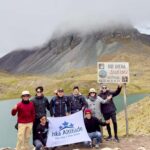
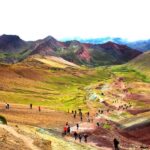
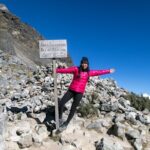
- Day 1: Soraypampa climbs and Humantay Lake’s turquoise payoff
- Day 2: Salkantay Pass (4,630 m) views and the drop into high-altitude jungle
- Day 3: Cloud forest waterfalls, Playa Sahuayaco, and Lucmabamba coffee-farm night
- Day 4: Llactapata ruins first view of Machu Picchu, then Hydroelectric to Aguas Calientes
- Day 5: Guided Machu Picchu tour plus Huayna Picchu or Machu Picchu Mountain
- How hard is it, really: altitude, pacing, and real support
- Price and value: what $669 buys you (and what costs extra)
- Small group flow and family-style authenticity
- Practical prep: what to bring for your Andes days
- Should you book this Salkantay Ultimate Trek?
- FAQ
- What’s included in the tour?
- Is breakfast on Day 1 included?
- What’s the highest point on the trek?
- Do I need to bring a sleeping bag?
- Is Huayna Picchu included?
- Do I need to bring water on Day 1?
- How many people are in a group?
- Is there oxygen or medical support?
- Who shouldn’t take this trek?
Key things to know before you go
- Salkantay Pass is the high point, so pacing and altitude matter.
- Humantay Lake is your Day 1 reward: turquoise glacial water at elevation.
- Lucmabamba coffee farm stay adds local culture beyond the trekking circuit.
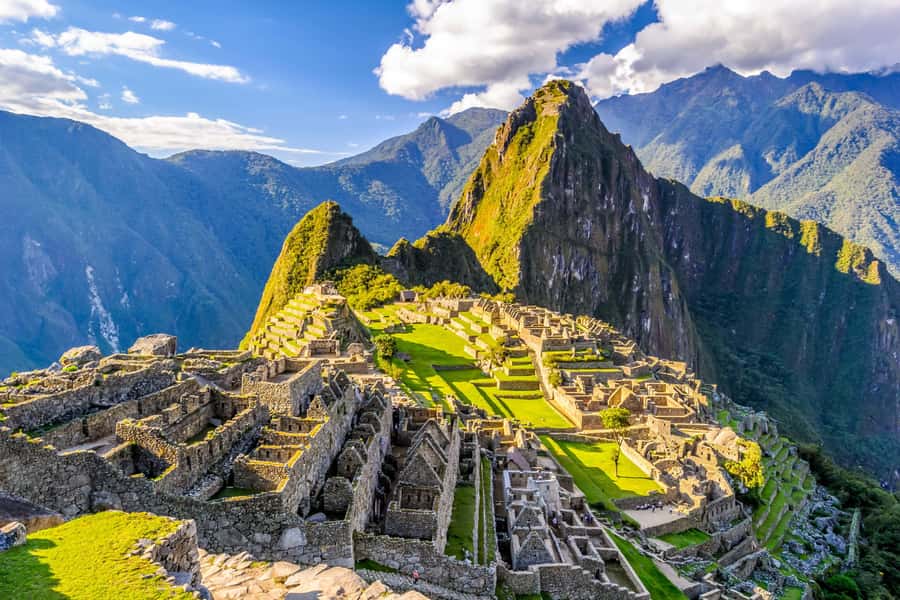
- Llactapata ruins give you an earlier view of Machu Picchu from terraces.
- Camping plus comfort touches include mattresses, dining tents, and wake-up tea.
Why this trek works better than a straight line to Machu Picchu
Most Machu Picchu plans are built around one big day at the site. This one gives you days of Andean variety first, which changes how Machu Picchu lands in your mind.
You start in the high Andes with dramatic peaks and glacial scenery, then you move downward into cloud forest and what the itinerary calls the eyebrow of the Amazon. That big change in altitude and vegetation is a big part of why this route feels memorable.
And you’re not only visiting Machu Picchu—you’re also seeing Llactapata, the Hydroelectric area, and Aguas Calientes. That’s more context, more “how did people reach this place?” thinking, and fewer moments of feeling like you’re just being transported.
You can also read our reviews of more tours and experiences in Cusco.
Day 1: Soraypampa climbs and Humantay Lake’s turquoise payoff
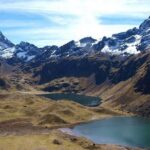
Day 1 starts with a climb toward Soraypampa at 3,800 m (12,467 ft). As you rise, you’re walking in thin air toward the Salkantay and Humantay mountains, which dominate the skyline and make the whole day feel like a high-altitude movie set.
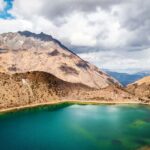
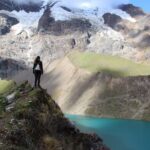
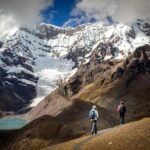
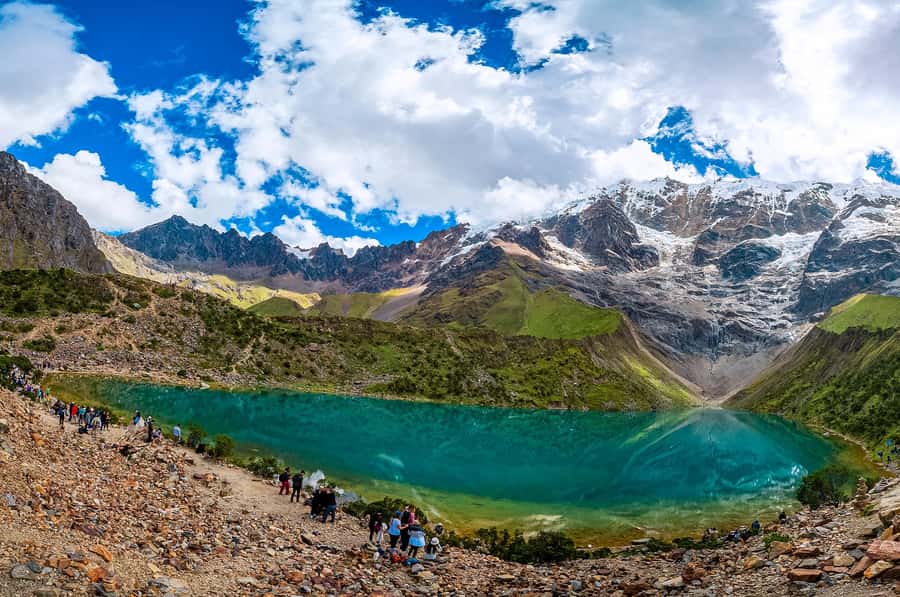
Midday you stop for a classic Peruvian lunch with fresh local ingredients. Then you continue on to Humantay Lake at 4,200 m (13,780 ft), a glacial lagoon known for its striking turquoise color.
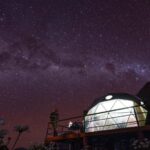
After taking in the view, you head back to camp for dinner and a star-lit Andean night. It’s a nice rhythm: work for the scenery, then recover in a way that feels calm rather than rushed.
Practical note: water is included, but not for the first 4 hours of the trek on Day 1. Plan to bring your own water right at the start.
Day 2: Salkantay Pass (4,630 m) views and the drop into high-altitude jungle
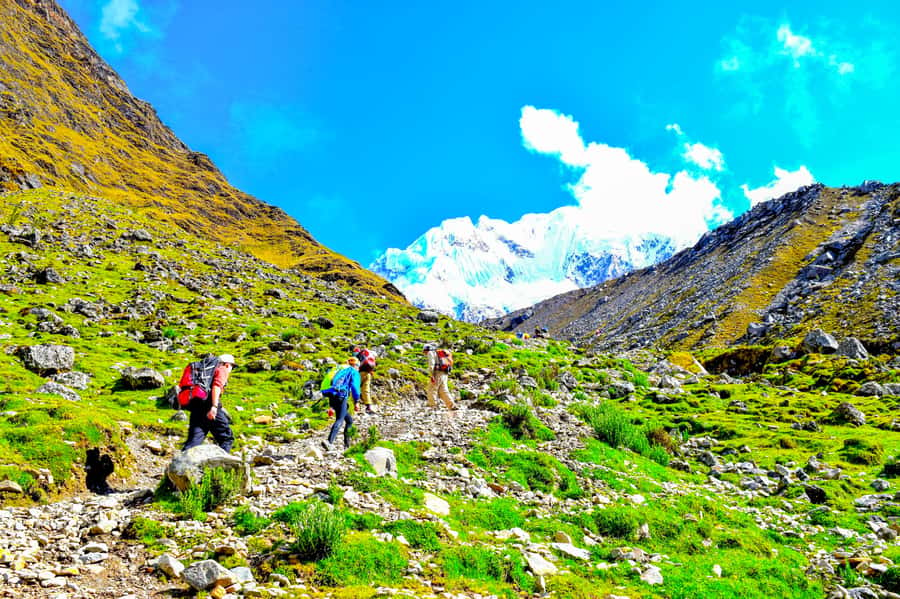
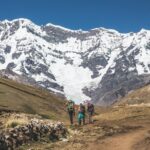
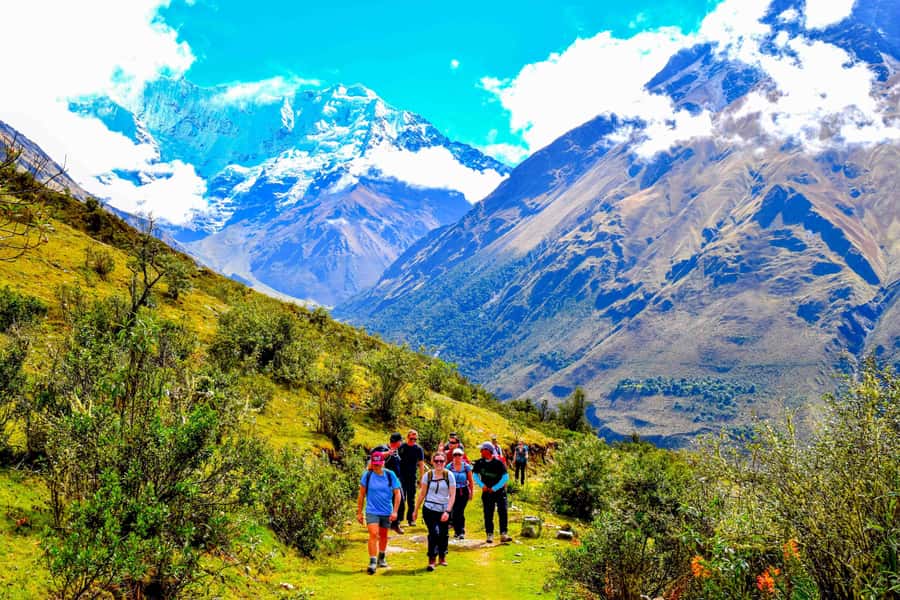
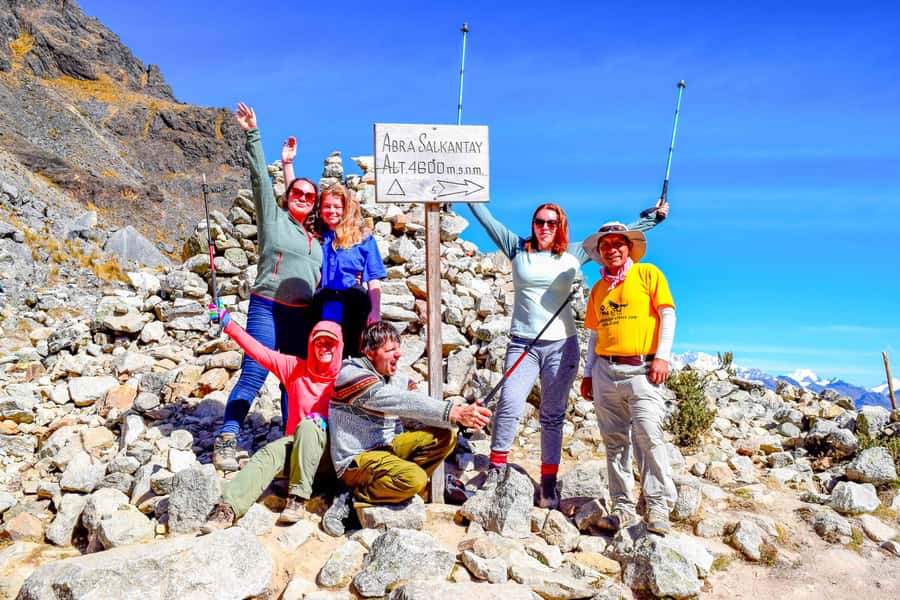
Day 2 is where the trek earns its reputation. You’ll start early, then climb toward the Salkantay Pass at 4,630 m (15,190 ft), the highest point of the journey.
The air thins, but the payoff is the kind of view that makes people stop talking. You get snow-capped peaks, jagged ridges, and deep valleys stretching far out.
After you take time at the pass, you descend into a lush high-altitude jungle. That shift is important: you’re moving from ice-and-stone feeling to a softer, wetter world with real vegetation again.
You’ll reach camp after a long but rewarding day, surrounded by the sounds of nature. It’s not a quick day, but it’s a satisfying one.
Day 3: Cloud forest waterfalls, Playa Sahuayaco, and Lucmabamba coffee-farm night
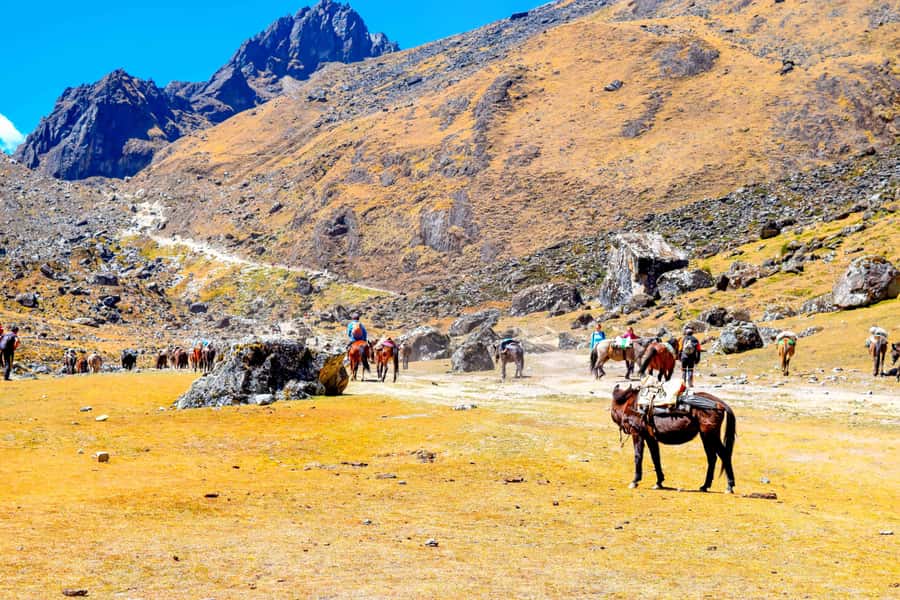
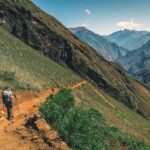
Day 3 begins in a different mood. You wake up to the calls of the jungle and start descending into cloud forest, with misty trail sections and lots of “look up” moments for plants and waterfalls.
After about five hours of hiking, you reach Playa Sahuayaco at 2,200 m (7,218 ft). From there you enter the eyebrow of the Amazon—an area described as full of life—and you keep going toward Lucmabamba.
In the afternoon you arrive in Lucmabamba at 2,000 m (6,562 ft), your final campsite. This is also where the ancient Inca Trail leading to Llactapata starts, so you’re not just sleeping—you’re preparing for the next step.
The culture piece here matters. You stay with a family in Lucmabamba to learn about their local coffee farm. If you’ve ever wondered what life is like beyond Cusco and tourist circuits, this is one of the few parts of the trip that connects the Andes to everyday work and knowledge.
Day 4: Llactapata ruins first view of Machu Picchu, then Hydroelectric to Aguas Calientes
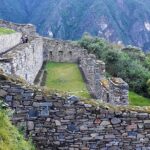
Day 4 is the bridge between trekking and Machu Picchu time. After breakfast, you hike uphill for about 2 hours along an original Inca trail to the Llactapata ruins at 2,840 m (9,318 ft).
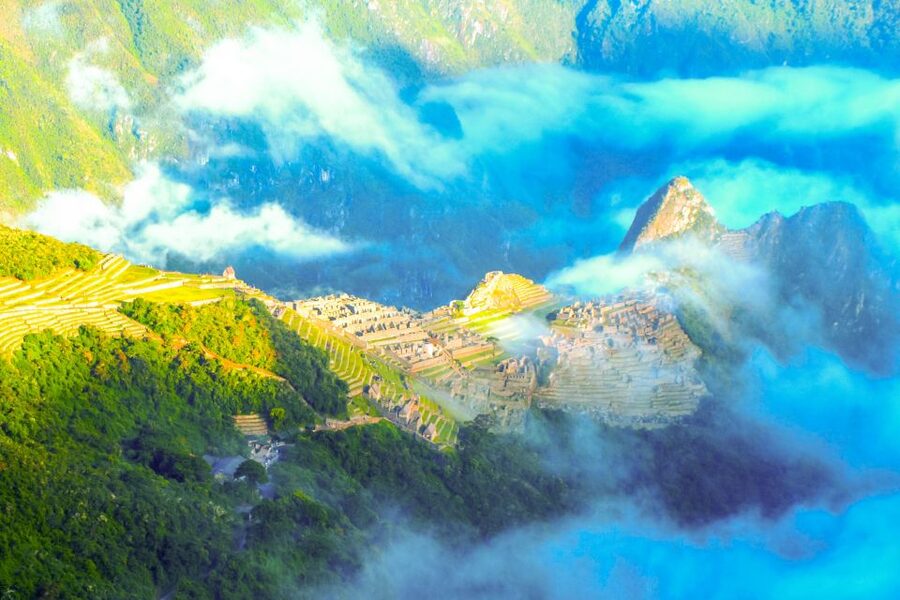
Llactapata matters because it’s less visited and it gives you a stunning first view of Machu Picchu. It’s one of those moments that helps your brain connect the geography to the site, instead of seeing Machu Picchu as a postcard by itself.
After exploring Llactapata, you descend through cloud forest toward the Hydroelectric Station at 1,890 m (6,200 ft). This part takes about 1.5 hours, then you move on to Aguas Calientes at 2,040 m (6,693 ft).
Aguas Calientes is where you get a more comfortable reset: the itinerary includes a hotel stay. By the evening, you’re fueled up and ready for Machu Picchu with less of the “we’re still in it” fatigue.
Day 5: Guided Machu Picchu tour plus Huayna Picchu or Machu Picchu Mountain
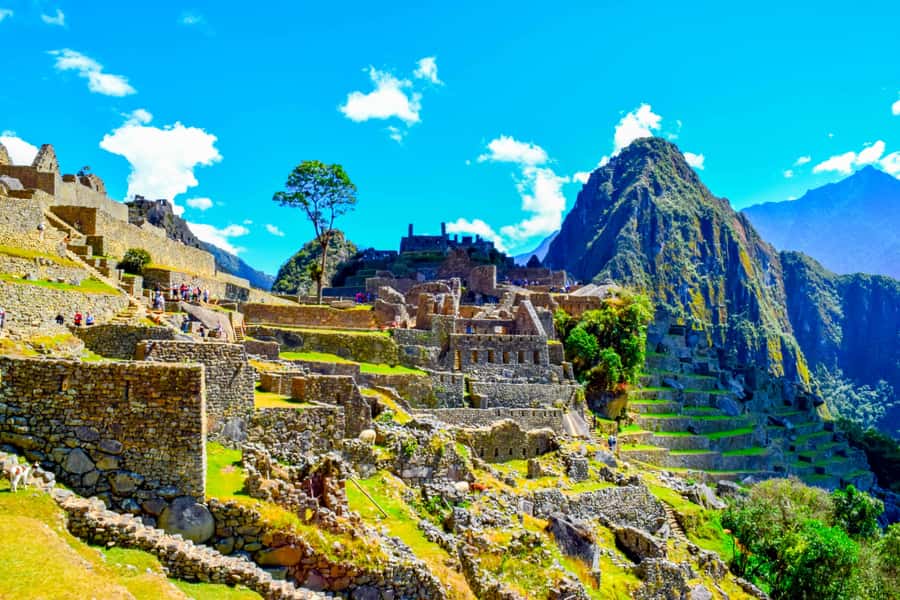
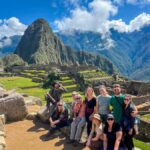
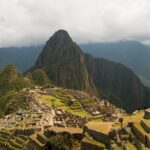
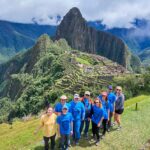
Day 5 starts early with breakfast, then you take a morning bus to Machu Picchu at 2,430 m (7,972 ft). When you arrive, your guide leads a detailed tour and explains the site’s key structures, including temples, ceremonial areas, terraces, and storage buildings.
This guided component is a big value-add. Machu Picchu is easier to appreciate when someone helps you connect the layout to its purpose instead of just letting you wander.
After the tour, you’ll return to Aguas Calientes for rest and lunch. Then you have the afternoon train back to Ollantaytambo, and a van transfer brings you back to Cusco.
Optional add-on: you can hike Huayna Picchu or Machu Picchu Mountain for extra views. Huayna Picchu entrance costs US$85 and is not included in the base package.
How hard is it, really: altitude, pacing, and real support
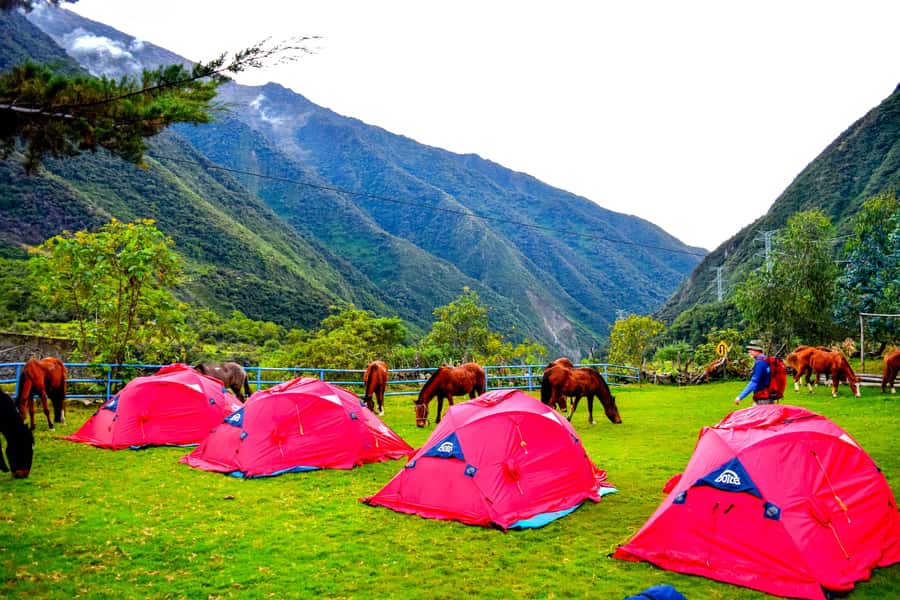
This is not a gentle walk. The highest point is the Salkantay Pass at 4,630 m, and you also spend time at elevation early, including Humantay Lake at 4,200 m. The itinerary also includes camping most nights, which adds another layer of effort even before you talk about stairs and steep trail sections.
That said, the trek is built with practical support that can make a difference on tough days. You’ll have horses carrying all equipment plus 7 kg of your personal items, so you’re not trying to carry everything yourself.
You’ll also travel with a professional cook and a first aid kit. An oxygen bottle is included too, which is a helpful safety feature when you’re dealing with altitude.
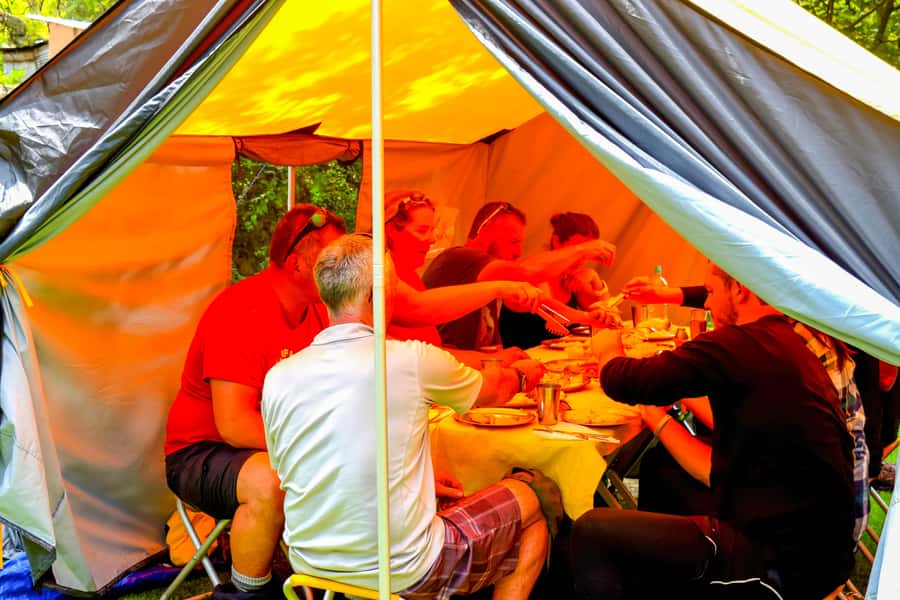
You get wake up tea every morning, and the group eats in a dining tent with tables and chairs. Small comfort things like that keep the whole experience from feeling chaotic when you’re tired.
One more detail that matters: the group size is kept small, with a maximum of 10 people. If the group is 9 or 10 people, there’s an assistant tour guide, which usually means you get more attention when questions come up.
Price and value: what $669 buys you (and what costs extra)
At $669 per person, you’re paying for far more than a guided walk. The package includes the Machu Picchu entrance and the bus to get you there, plus a hotel in Aguas Calientes for the final night.
Food is also mostly handled. You get 4 breakfasts, 4 lunches, 4 afternoon snacks, and 4 dinners, with the explicit exceptions of breakfast on Day 1 and lunch and dinner on Day 5. That’s a meaningful chunk of daily logistics you don’t have to solve yourself.
On top of meals, you get the built-in “infrastructure” of the trek: camping tents (4-person tents for every 2 trekkers), double-thickness foam sleeping mattresses, and a wake-up routine that includes tea.
Equipment movement is included as well. Horses handle equipment and your 7 kg personal allowance, which is a huge value compared to arranging porters on your own.
What you should budget for separately: a sleeping bag (can be hired), trekking poles (can be hired), travel insurance, and Huayna Picchu entrance if you want that extra hike. If you’re considering the extra mountain option, that US$85 matters.
Also remember: the itinerary includes a morning bus and a train ride as part of Day 5, but double-check what’s included in your exact booking if you’re sensitive to hidden add-ons. The listed inclusions cover the bus and Machu Picchu entrance clearly.
Small group flow and family-style authenticity
This is a private group, with a maximum of 10 people. That size is big enough for a friendly vibe, but small enough to keep the trek feeling human when you’re stopping for photos, adjusting layers, or catching breath.
There’s also a clear mix of “big sights” and “small moments.” Humantay Lake is obviously the big wow factor on Day 1. On Day 4, Llactapata brings a calmer, earlier look at Machu Picchu terraces before the main site day.
Then there’s Lucmabamba. Staying with a family and learning about their coffee farm changes the trek’s tone. You’re not only observing the Andes—you’re getting a window into how people make a living there.
And the route includes original Inca trail segments, not only modern paths. That gives you a different kind of satisfaction when you realize you’re following older alignments as you climb toward Llactapata.
Practical prep: what to bring for your Andes days
Use the provided list as your baseline, then think about comfort and weather.
Bring your passport or ID card because you need a valid document during the tour activities. For the trail, plan on sun and sudden wet weather by packing a sun hat, sunscreen, and rain gear, plus comfortable clothes you can layer.
If you don’t have your own gear, you can hire a sleeping bag and trekking poles. That’s helpful if you’re traveling light or doing multiple legs in Peru.
Also plan for the water detail on Day 1. Since water is excluded for the first 4 hours of the trek, you’ll want to carry enough at the very start.
On the do-not-do side: pets aren’t allowed, and you can’t bring weapons or sharp objects. Alcohol and drugs are also not permitted.
Should you book this Salkantay Ultimate Trek?
Book it if you want a trek-to-Machu-Picchu route with more variety than the typical shortcut. This one earns its value through the sequence: Salkantay Pass views, Humantay Lake, cloud forest hiking, the Lucmabamba coffee-farm experience, Llactapata’s earlier look, and then a guided Machu Picchu tour that explains what you’re seeing.
Skip it if you’re worried about altitude or struggle with steep, high-elevation walking. It isn’t suitable for people with back problems, people with altitude sickness, or people over 70.
If you’re a strong hiker who’s okay with camping nights and early starts, this route is a satisfying way to reach Machu Picchu while still getting the Andes experience that happens on the way there.
FAQ
What’s included in the tour?
The tour includes a pre-departure briefing, a professional English-speaking tour guide, professional cook, horses for equipment and 7 kg of your personal items, hotel pickup in Cusco, water (excluding the first 4 hours of Day 1), daily meals (4 breakfasts, 4 lunches, 4 afternoon snacks, 4 dinners with specific omissions), wake up tea, dining tent setup, tents and foam mattresses, an oxygen bottle, first aid kit, Machu Picchu entrance, and bus transport.
Is breakfast on Day 1 included?
No. Breakfast on Day 1 is not included.
What’s the highest point on the trek?
The highest point is the Salkantay Pass at 4,630 m (15,190 ft).
Do I need to bring a sleeping bag?
A sleeping bag is not included, but you can hire one.
Is Huayna Picchu included?
No. Huayna Picchu entrance costs US$85 and is not included.
Do I need to bring water on Day 1?
Yes. Water is excluded for the first 4 hours of the trek on Day 1, so you’ll need to bring your own during that time.
How many people are in a group?
This is a small group with a maximum of 10 people per group.
Is there oxygen or medical support?
Yes. The package includes an oxygen bottle and a first aid kit.
Who shouldn’t take this trek?
It’s not suitable for people with back problems, people with altitude sickness, or people over 70.