REVIEW · KATHMANDU
Everest Base Camp Trek
Book on Viator →Operated by Himalayan Holyland Treks and Expedition · Bookable on Viator
Everest Base Camp is famous for a reason. This 12-day trek in Nepal mixes big mountain scenery with real Sherpa villages, and it pushes you to the best viewpoint in the region: Kala Patthar. I especially like that the trip is built around a guided route, so you’re not stuck figuring out altitudes, timing, and high-place pacing on your own. I also like that meals in the tea houses are handled, plus you get hot soup in the high places when the cold really starts to bite.
One thing to think about: this is a physically demanding trek with real altitude, and the Lukla flights can be weather-dependent. If you’re not comfortable with steep days and cold mornings, you’ll feel it fast.
You’ll start early from Tribhuvan Airport at 5:15 am, and the company includes private vehicle pickup and drop for both international and domestic flights. It’s also a private tour, meaning it’s only your group, not a large mixed crowd.
In This Review
- Key things to know before you go
- Why this Everest Base Camp trek still feels special
- Kathmandu to Lukla: the 25-minute flight that sets the tone
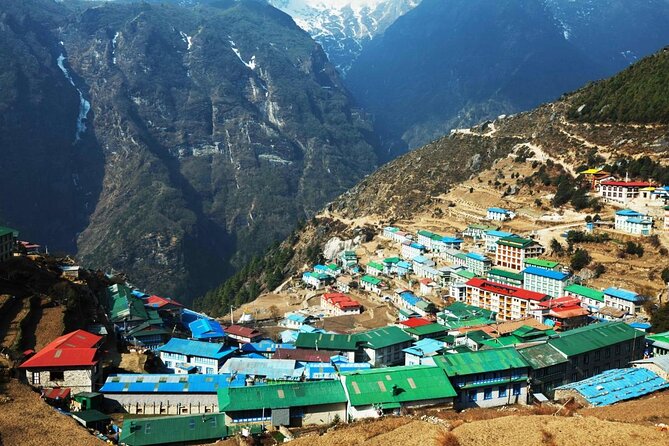
- Phakding to Namche Bazar: rivers, waterfalls, and your first altitude lesson
- Namche to Tengboche: monasteries and rhododendron trails at 3860 meters
- Tengboche to Dingboche: the Sherpa villages thin out
- Dingboche to Lobuche: getting close to glacier country
- Gorakshep and Everest Base Camp: the long day with big payoff
- Kala Patthar: your best Everest viewpoint (and why timing matters)
- Returning down to Lukla: lose altitude, keep rhythm
- Price and value: what $2,500 covers on the ground
- Guide support matters more than you think
- Who should book this, and who should pause
- Should you book this Everest Base Camp trek?
- FAQ
- Where does the trip start and what time?
- How long is the Everest Base Camp trek?
- What kind of accommodation and meals are included?
- What airport transfers are included?
- Are guides and porter services included?
- Is a visa and travel insurance included?
Key things to know before you go
- Kala Patthar is the focus: sunrise-style hiking is scheduled for your best Everest angles.
- Tea house lodging and set meals: you don’t have to plan breakfasts and dinners day by day.
- Hot soup is included at higher elevations, which matters more than you’d think.
- Guide + porter ratio helps: porter support is listed as 2 trekkers : 1 porter.
- Acclimatization is built in with an extra Namche Bazar day.
- Lukla is part of the deal: 25-minute flights connect Kathmandu to the trekking start.
Why this Everest Base Camp trek still feels special
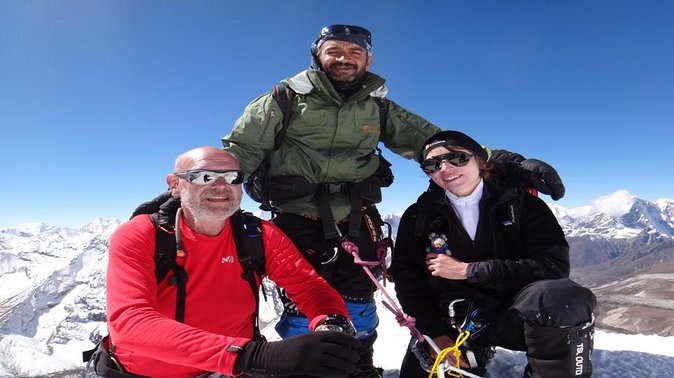
Everest Base Camp isn’t just a destination sign on a map. The route walks you through an altitude story: valleys to higher villages, thicker settlement life to quieter high-country camps, and then right up to the glacier-world near Gorakshep. You’re also close enough to the mountain to feel how weather changes your experience day by day.
What makes this trek practical is the structure. You’re not only hiking; you’re also given time to adjust on the way up, and you have a professional guide with trekking maps and a completion certificate. That sounds official, but it matters when you’re tired, cold, and trying to read what the mountains are doing.
If you enjoy cultural moments, you’ll also find monasteries and local villages along the way—especially around Tengboche and Namche. Those stops can break up the grind of altitude.
You can also read our reviews of more tours and experiences in Kathmandu.



Kathmandu to Lukla: the 25-minute flight that sets the tone
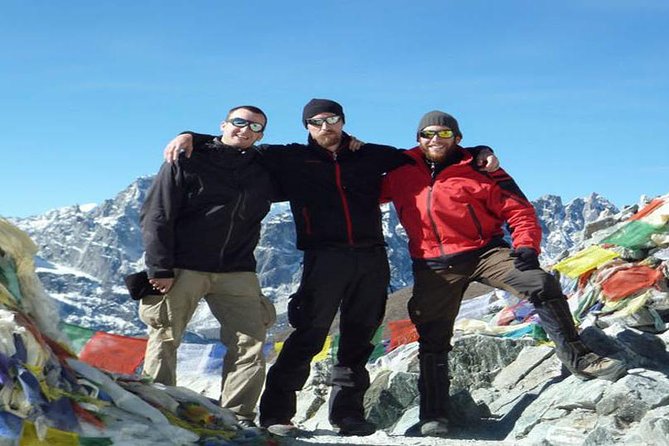
Your trip kicks off at Tribhuvan Airport in Kathmandu at 5:15 am. You’ll have airport pickup by private vehicle, and then you shift to the domestic flight segment to reach Lukla. The flight is listed as about 25 minutes, and the tone is clear: it’s a short hop right into the Everest region, not a gradual introduction.
After landing, you trek to Phakding (2650 meters). Day one is described as roughly 25 minutes flight + about 3 hours trekking, so it’s not meant to exhaust you. It’s a settling-in day where you pass forests and Buddhist monasteries, then sleep in a tea house before moving higher.
A realistic note: if you’re the kind of traveler who gets nervous before takeoff, plan extra calm time. The route starts quickly, so you’ll want your mindset set early.
Phakding to Namche Bazar: rivers, waterfalls, and your first altitude lesson
The next big push goes from Phakding up to Namche Bazar (3440 meters) in about 6 hours. The trail is described as passing perennial rivers, villages, and waterfalls, so you get constant visual variety even when your legs start arguing with you.
You’ll also be close to viewpoints early on. The route mentions the possibility of seeing Mount Everest from Top Danda near Namche, if the weather is clear. That’s a nice psychological boost: you get a taste of the goal without needing to reach the highest elevations first.
Then comes a key part of the plan: acclimatization in Namche Bazar. Instead of rushing higher every day, you get a day to explore. The options listed are practical for acclimatization and fun for the day off, including hikes toward places like Everest View Point, and nearby peaks such as Kusum Kanguru and Khonde peak (among others). There’s also a Sagarmatha National Park museum option, which helps turn the trekking effort into something you understand as you walk through it.
Possible drawback to keep in mind: Namche is busy compared to the higher parts of the trek, and it can feel crowded. If you want quiet, you’ll have to choose your time wisely during exploration.
Namche to Tengboche: monasteries and rhododendron trails at 3860 meters
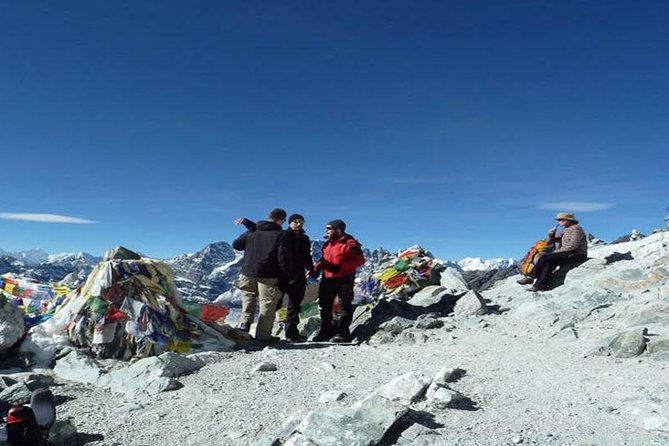
After settling in Namche, you move to Tengboche (3860 meters) in about 5 hours. The route includes crossing rhododendron forest and following the river-edge terrain before reaching the village.
Tengboche is the monastery day. The plan explicitly includes visiting Tengboche monastery, and the reason this matters isn’t just the building. It’s the ritual life around it—monks and locals following older traditions—so you’re not only climbing; you’re also meeting a living culture that’s adapted to altitude for generations.
This day usually feels like a shift in atmosphere. You’re higher now, and cold mornings start to become normal rather than surprising. Tea house warmth helps, but you’ll feel the elevation.
Tengboche to Dingboche: the Sherpa villages thin out
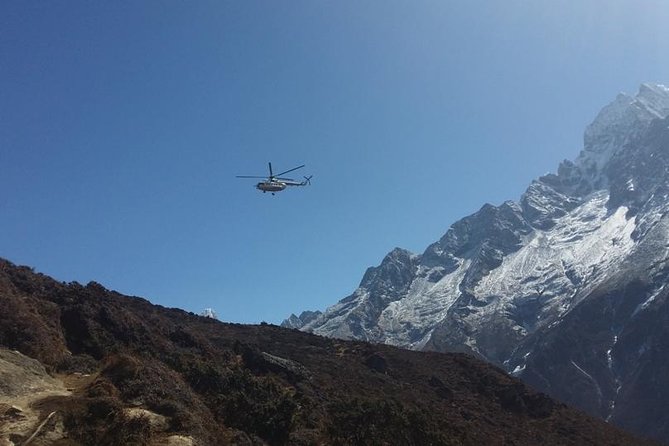
From Tengboche you trek to Dingboche (4400 meters) in about 5 hours. The itinerary notes breakfast at Tengboche, lunch somewhere along the way (such as Pangboche or Somare), and dinner in Dingboche.
What I like about this section is that it balances scenery and pacing. You’re not asked to sprint; the plan keeps travel time steady, and the day’s altitude gain is significant enough that you’ll benefit from taking it slow.
Dingboche is also a staging area with clearer mountain views. The route description calls out strong sight lines toward peaks such as Nuptse, Island peak, Lobuche peak, and Taboche peak. Even if you can’t name every summit correctly at first, your eyes will learn quickly when the horizon is that sharp.




Dingboche to Lobuche: getting close to glacier country
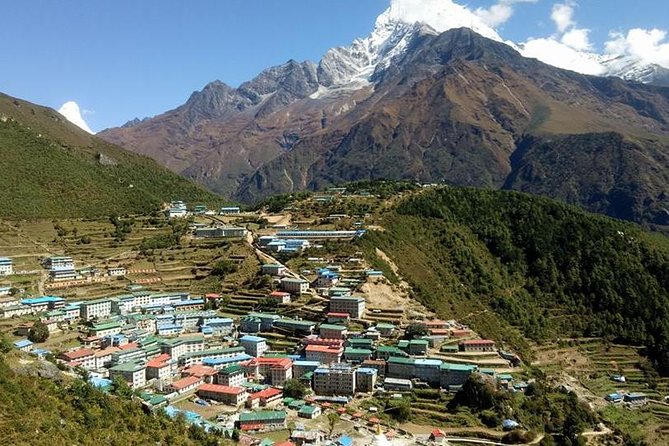
Next you head to Lobuche (4910 meters) in about 4–5 hours (the plan lists around 5 hours). The description emphasizes broad views of high peaks, and it also sets you up for what comes after: Gorakshep and Everest Base Camp terrain.
Lobuche is where the “real high” feeling starts to show up. Your walking pace will likely slow without you changing anything, just because your body is working harder. This is also the day where you’ll start thinking more about cold management—layers, gloves, and keeping warm when you stop.
One more practical note: the trek includes tea house accommodation and meals, but the itinerary lists several costs under personal expenses (hot shower, battery charge, bar bills, laundry service, and water). So at these elevations, it’s smart to expect you’ll pay for some extras on your own.
Gorakshep and Everest Base Camp: the long day with big payoff
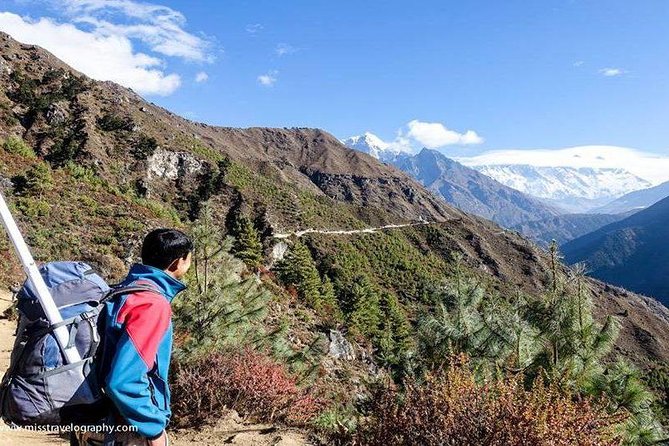
The most intense stretch begins with the trek to Gorakshep (about 5150 meters). It’s listed around 3.5 hours to reach Gorakshep, followed by time for lunch there and then a hike onward toward Everest Base Camp (5364 meters) and back.
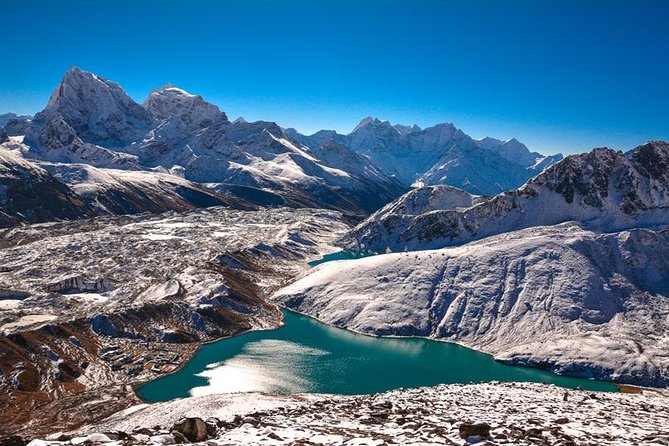
This is the part of the trek where the plan really leans into effort. The description mentions a hike through a small glacier, a lake, and then Everest Base Camp. That means you’re not just walking uphill; you’re moving through a more rugged, icy-feeling environment close to the glacier zone.
Here’s what makes this day valuable: you’re finally in the place the entire trek is about. You also get the chance to take photos and stay present long enough to feel what it means to reach the “base” area rather than just the nearest landmark.
Practical consideration: at these heights, you’ll be tempted to rush your experience. Don’t. Even a short pause can make the view feel bigger, because your breathing settles and you stop fighting the climb.
Kala Patthar: your best Everest viewpoint (and why timing matters)
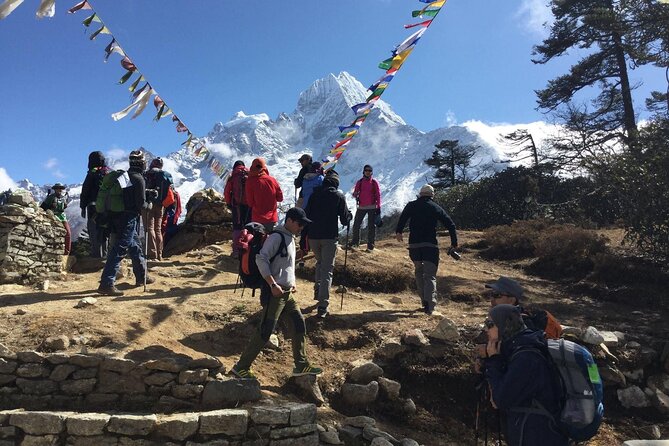
The trek’s headline is the climb to Kala Patthar. You start very early, and the plan gives it about 3 hours to reach the viewpoint. Then you descend back to Lobuche, listed at around 2.5 hours.
If you want one reason this trek stays on bucket lists, it’s this: the route explicitly calls Kala Patthar the best platform for the vistas the Everest region offers. You’re going higher than Base Camp itself in terms of viewpoint energy, and the payback is usually clarity—big summit views when weather cooperates.
The emotional effect here is real. You’ll have earned it by spending days above treeline, and your body will be tired enough that the moment feels focused, not rushed. It’s not just a photo stop. It’s a high-altitude “check-in” with the mountain.
If you’re sensitive to cold, this is where you’ll feel it most. Plan layers for wind and early morning conditions. The trek includes hot soup at high places, which helps, but it’s not a substitute for warm clothing.
Returning down to Lukla: lose altitude, keep rhythm
After Kala Patthar, you start working your way back down. The itinerary has you trekking from Lobuche to Tengboche in about 5.5 hours. It notes breaks at villages such as Pangboche and Deboche, with lunch stops along the way. This downhill day can feel deceptively easy at first—then it reminds you that steep descents can beat up your knees.
Then you go from Tengboche to Monjo via Namche and other villages, around 6 hours. The plan includes rhododendron forest segments and a lunch stop around Namche Bazar. It’s a nice way to see how the towns look once you’re no longer “trying to reach them,” but just passing through them on the way home.
Finally, you trek from Manjo to Lukla in about 5 hours. You’ll cross the Dudh Koshi River via suspension bridge and then walk alongside the trail back toward Lukla. This last trekking day often feels like a victory lap mixed with relief.
Your final day is easy on paper: a 25-minute flight from Lukla to Kathmandu, then private car transfer to a hotel via an escort. You get a chance to explore Thamel after you’re rested, and you’ll be staying overnight in Kathmandu.
Price and value: what $2,500 covers on the ground
This trek is priced at $2,500 for roughly 12 days. For the Himalaya, that price sits in the “structured and supported” lane rather than the “bare-bones do-it-yourself” lane.
Here’s what you get that most directly affects your budget and stress level:
- Airport pickup and drop in private vehicles for both international and domestic flight segments.
- Tea house accommodation each night during the trek.
- Three meals per day during the trek.
- Hot soup in high places.
- Farewell dinner in Kathmandu.
- All transportation as per the itinerary.
- A professional guide for trekking and sightseeing.
- Porter service listed as 2 trekkers : 1 porter, plus insurance for guide and porters.
- All government and local taxes.
- A trekking map, trip completion certificate, and a company T-shirt.
What’s not included keeps you from assuming everything is magically covered:
- Nepal visa
- International flights to and from Kathmandu
- Travel and rescue insurance of clients
- Personal expenses like hot showers, battery charge, bar bills, laundry, and water
- Tips for your guide and porters
My take on value: you’re paying for logistics that are hard to manage yourself—Lukla flights, altitude pacing, meal planning, and the guide/porter system. If you hate uncertainty and want smooth coordination from airport to trail, this price can feel fair. If you’re trying to minimize costs and you’re experienced with Nepal treks, you might find cheaper ways—but you’d also accept more planning stress.
Guide support matters more than you think
The included guide and porter setup is one of the most praised parts of the experience. In the feedback you can find, guides such as Jangbu and Ajay are specifically credited for staying supportive and present—especially around the start and end moments, including airport pickup and drop.
That’s important. Everest region trekking is not just about fitness. It’s about reading how you feel each day, adjusting pace, and keeping the group moving safely. A good guide also helps your days feel smoother when you’re navigating altitude, cold, and timing around viewpoints.
And yes, porters matter here. With 2 trekkers per porter, you’re not carrying everything yourself, which makes it easier to stay focused on walking rather than hauling.
Who should book this, and who should pause
This is aimed at people with moderate physical fitness. You’ll be trekking most days, often for around 3.5 to 6 hours, and you’ll climb to elevations above 5000 meters. If you can do steady hikes with hills and you’re comfortable with cold mornings, you’ll likely handle it.
You might rethink the plan if you:
- Struggle with steep uphill days and longer hours on foot
- Get wiped out easily at higher altitude
- Are unwilling to do early starts, especially the Kala Patthar morning
On the plus side, this route is also good for travelers who want a guided structure but still like authentic village life. You’ll see monasteries, local settlements, and classic Sherpa trekking stops rather than just chasing viewpoints.
Should you book this Everest Base Camp trek?
I think you should book it if you want the classic Everest Base Camp experience with a clear plan, supported logistics, and a focus on Kala Patthar views. The combination of guide support, tea house meals, hot soup, and porter help is a strong recipe for enjoying the mountains instead of managing everything yourself.
I’d hesitate if you’re worried about altitude discomfort or you need a trip with minimal physical strain. Also, if you hate early starts or you know you get nervous with flights, plan mentally for Lukla.
If you’re the “I want to get there, but I also want it to run well” type of traveler, this trek fits.
FAQ
Where does the trip start and what time?
The meeting point is Tribhuvan Airport in Kathmandu, and the start time is listed as 5:15 am.
How long is the Everest Base Camp trek?
The duration is listed as about 12 days.
What kind of accommodation and meals are included?
You’ll stay in tea house accommodation during the trek, with three meals per day. The trip also includes hot soup in the high places.
What airport transfers are included?
You get airport pickup and drop in a private vehicle for international flight and for domestic flight segments.
Are guides and porter services included?
Yes. The trip includes a professional guide for trekking and sightseeing, plus porter service listed as 2 trekkers to 1 porter, along with insurance for guides and porters.
Is a visa and travel insurance included?
No. Nepal visa and clients’ travel and rescue insurance are not included.