REVIEW · KATHMANDU
Everest View Trek – 7 Days
Book on Viator →Operated by Breeze Adventure Pvt Ltd · Bookable on Viator
Lukla is where the mountains start talking. This Everest View Trek is built for people who want the Khumbu region experience—big peaks, Sherpa villages, and UNESCO Sagarmatha National Park—without signing up for the long slog of a full Everest Base Camp trek. You fly in and out of Lukla, then walk through classic Sherpa country with daily mountain panoramas that feel earned, not rushed.
I especially like how the trip stacks Everest-area highlights in a short time: Namche Bazaar, Khumjung Monastery, and those wide-open peak views. I also like the hands-on logistics—an experienced guide, porters, and your key trekking gear and first-aid basics included—so you spend less time worrying and more time hiking.
One consideration: the route depends on the Lukla flights and weather, so expect that fog or storms can affect timing, and that’s something you should plan for mentally (and with some schedule flexibility).
In This Review
- Key things that make this trek click
- Everest View Trek: what this “7 days” really gives you
- Price and logistics: where the value shows up
- Day-by-day: from Kathmandu to Lukla and back again
- Day 1: Arrive in Kathmandu
- Day 2: Fly to Lukla, then hike to Phakding
- Day 3: Phakding to Namche Bazaar (the Sherpa hub day)
- Day 4: Explore Namche, then go to Khumjung
- Day 5: Khumjung back down to Phakding
- Day 6: Phakding back to Lukla
- Day 7: Fly Lukla to Kathmandu
- Day 8: Depart Nepal
- Namche Bazaar and Khumjung: culture that isn’t an afterthought
- Sagarmatha National Park: the “why” behind the entry fees
- The views: what mountains you’re actually chasing
- Flights into Lukla: thrilling, but treat it like a real variable
- Gear, food, and the stuff that keeps you comfortable
- Who this trek suits best
- One more note on organization and guide support
- Should you book the Everest View Trek?
- FAQ
- FAQ
- How many days is the Everest View Trek?
- Where does the trek start and end in Kathmandu?
- Is airport transportation included?
- What trekking level should you expect?
- What flights are included?
- Are guide and porters included?
- What’s included for meals during the trek?
- Can you cancel for free?
Key things that make this trek click
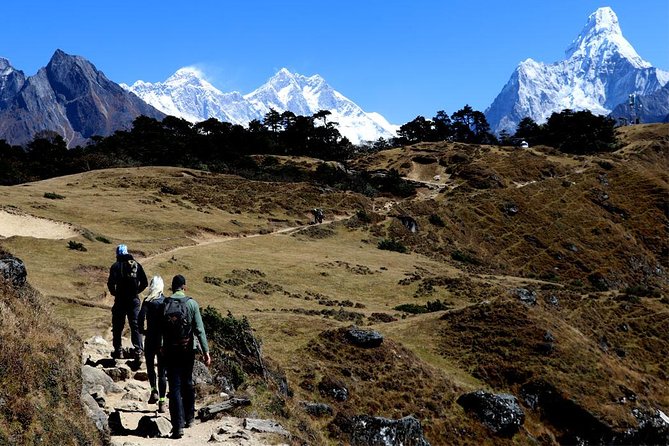
- Lukla flights bookend the adventure, turning the Everest region from a far-off dream into a real schedule.
- Namche Bazaar and Khumjung give you culture stops, not just photo stops.
- Sagarmatha National Park entry is included, so you’re not tracking permits while you’re trying to enjoy the walk.
- Small group size (max 10) helps the pace feel more human.
- Gear and warm layers included means fewer last-minute shopping runs in Kathmandu.
Everest View Trek: what this “7 days” really gives you
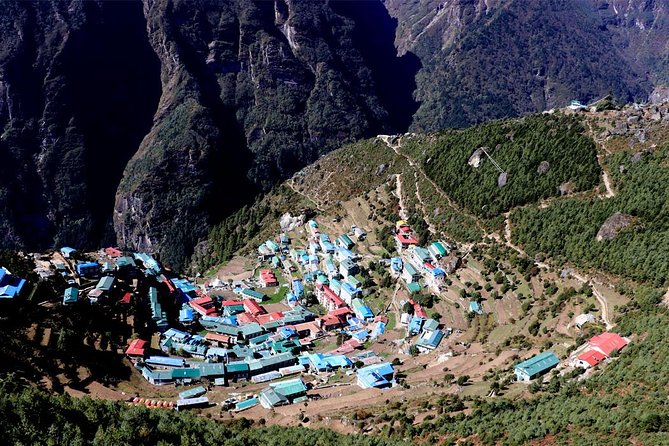
This is a short-cut to the Everest region that still feels like you went all the way in. The core idea is simple: you get the dramatic Khumbu scenery and Sherpa culture, but you don’t spend the entire week pushing deeper toward the classic Everest Base Camp goal.
Instead, you move through a classic high-mountain storyline. You start with the famous Lukla arrival, step into the busy Sherpa hub of Namche Bazaar, and then take a cultural detour up to Khumjung Monastery. Along the way, you’re surrounded by some of the most recognizable peaks on Earth—Mount Everest, Lhotse, Ama Dablam, Cho Oyu, and more—depending on clouds and daylight.
If you’re reading this thinking, I want Everest, but I don’t want to wreck my entire vacation, this trek is designed for that exact mindset.
You can also read our reviews of more tours and experiences in Kathmandu.



Price and logistics: where the value shows up
At $1,324.62 per person, the price isn’t cheap. But you’re also buying several things that often cost extra when you piece together a trek on your own.
Here’s what adds real value:
- Two nights in Kathmandu with breakfast included, plus airport transfers. That’s not glamorous, but it matters when you need recovery time after travel.
- All trek transportation and the Kathmandu-to-Lukla flight and return flight. Getting in and out of Lukla isn’t a DIY-friendly task.
- Guide and porters with government authorization and a package that covers their insurance, food, accommodation, and wages.
- Your trekking gear and warm layers included. Many shorter treks make you supply everything, and it’s a drag to guess sizing and quality before you’re even in the mountains.
- Park and village fees included, plus a post-trek celebration dinner in Kathmandu.
What you still need to budget for:
- International airfare, plus meals in Kathmandu beyond breakfast.
- The practical annoyances of high-country lodging: shower and electronic charging fees are not included.
- Alcohol and those little “mountain snacks” you’ll probably want at some point.
Net: you’re paying for a guided, organized expedition that handles the big moving parts. If your main priority is reducing stress and maximizing mountain time, that’s where the money goes.
Day-by-day: from Kathmandu to Lukla and back again
This trek works because it blends trekking days with flight days. That doesn’t just save time. It also helps you start with the right rhythm: acclimate on the walk upward, then return with less downtime than deeper treks can require.
Day 1: Arrive in Kathmandu
You land in Kathmandu and transfer to your hotel. Two nights in the city are included, which gives you a little breathing room to sort out anything you forgot, hydrate, and recover before the first altitude jump.
Day 2: Fly to Lukla, then hike to Phakding
You take the short flight to Lukla (2,860m) and then walk to Phakding (2,610m) for about 2–3 hours. The trek portion is relatively easy, which is exactly what you want on the first day in the Khumbu.
Why this matters: it’s your first real step into the region without pushing your body too hard right after arrival.




Day 3: Phakding to Namche Bazaar (the Sherpa hub day)
Today is your big trekking day so far: Phakding to Namche Bazaar (3,440m), about 6–7 hours. This is where the town that most people picture when they imagine the Everest region starts to feel real.
Namche is the Sherpa hub—busy, practical, and full of the everyday rhythm of high-country life. Even if you’re tired, you’ll still notice how different it feels compared with Kathmandu. Less traffic. More small-scale community energy. More mountains in every direction.
Day 4: Explore Namche, then go to Khumjung
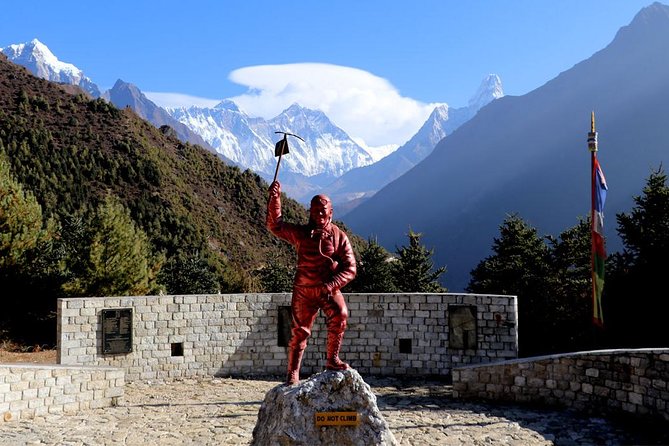
You start with exploration in Namche, then head toward Khumjung (3,790m) for about 3 hours. Khumjung Monastery is one of the standout cultural stops here, including the famous Yeti scalp story you’ll hear about in these villages.
I like this kind of stop because it gives the trek context. You’re not just marching through altitude—you’re learning how Sherpa communities frame the mountains in stories, beliefs, and local life.
Day 5: Khumjung back down to Phakding
You return to Phakding, about 4–5 hours. This is a smart pattern: go up, then come down. It helps your body manage altitude stress while keeping you moving through scenery that changes as the elevation shifts.
Think of it as recovery you can actually enjoy, because the views keep coming.
Day 6: Phakding back to Lukla
Another shorter trekking day: Phakding to Lukla, about 3–4 hours. This is your runway back to the flights. It also gives you a chance to enjoy the feeling of the trek without the same intensity you might have earlier in the week.
Day 7: Fly Lukla to Kathmandu
You fly back to Kathmandu in the morning, about a 30-minute flight. This is where you can finally exhale. You’re not doing the long “extra hike day” that some Everest-area itineraries require. You’re done hiking, and you’re in comfort mode again.
Day 8: Depart Nepal
You get transport from your hotel to Tribhuvan Airport for departure. The trek ends back at the meeting point.
Namche Bazaar and Khumjung: culture that isn’t an afterthought
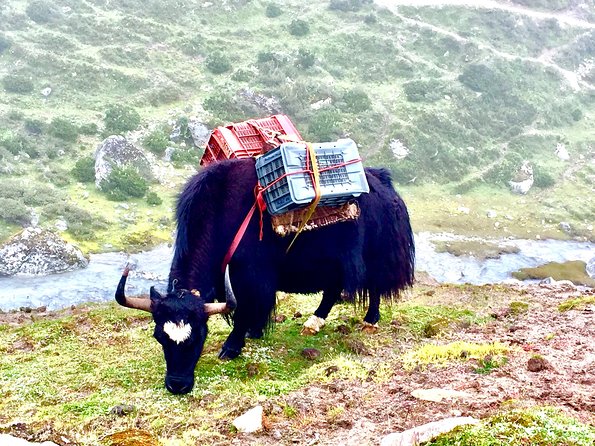
There are plenty of mountain tours where the culture component is basically a quick stop and a photo. This one builds in real time for Sherpa life.
Namche Bazaar is the practical heart of the Khumbu. You’ll see the kind of daily activity that keeps trekkers, guides, and locals connected—shops, community spaces, and the hum of a place built for people coming and going.
Then Khumjung Monastery adds the story layer. The trek includes that visit specifically, including the well-known Yeti scalp tale associated with the area. Even if you’re not sure what you believe, the point is that this is how local tradition and Himalayan mythology travel from generation to generation.
If you want the Everest region to feel like a place people actually live—rather than a backdrop—you’ll appreciate these stops.
Sagarmatha National Park: the “why” behind the entry fees
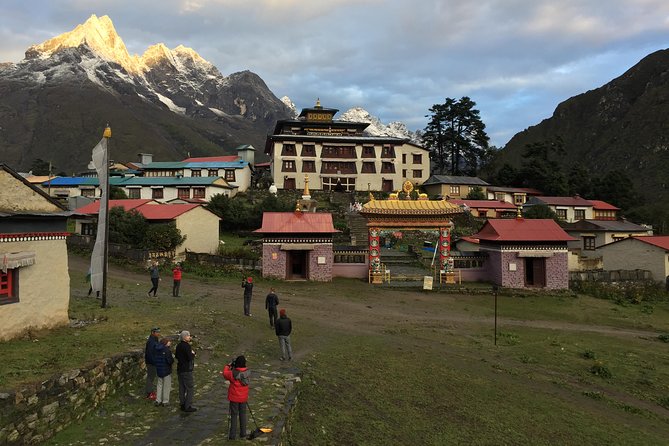
This route includes Sagarmatha National Park entry (UNESCO-listed), plus Khumbu villages entry fees. That matters because park access is tied to real conservation rules and local management.
In plain terms: you’re walking through protected high-mountain territory. You’re seeing ecosystems that shift by elevation—starting with lower greener areas and moving into high-country conditions where the air feels thinner and the environment looks more stark and wind-shaped.
It’s also a big reason the Everest region feels different from random mountain trails elsewhere. You’re not just hiking near peaks; you’re moving through a place that’s officially recognized and protected.
The views: what mountains you’re actually chasing
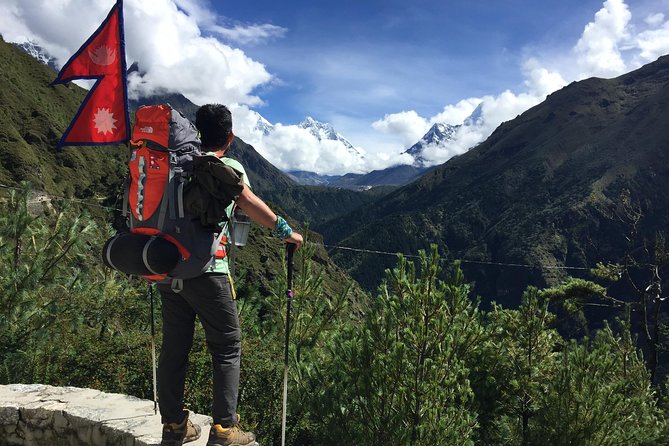
The trek is built around panoramic visibility when the skies cooperate. You should plan on the views coming and going as weather shifts, especially around Lukla and at higher points.
But the payoff is clear: along the route, you’re set up to see an impressive lineup—Mount Everest, Lhotse and related peaks (Lhotse Shar), Ama Dablam, Cho Oyu, and other towering neighbors.
A useful mindset: on these days, your job isn’t to force a perfect photo. Your job is to notice how the mountains change as light shifts. When clouds thin, the views can feel sudden and huge. When clouds roll in, the valleys and village routes still stay interesting.
Flights into Lukla: thrilling, but treat it like a real variable
Let’s be honest: flying to Lukla is a big part of the appeal. It’s also the part you can’t fully control.
This trek includes the Kathmandu to Lukla flight and the Lukla to Kathmandu flight, each around 30 minutes. That saves you time versus trekking the whole route, but it also means weather can become the boss of the schedule.
What you can do:
- Keep your departure plans flexible enough to handle a delay window if possible.
- Pack patience. When the mountains are doing cloud things, you go with them.
The good news is that the trip is only about a week long, so you’re not stuck for a long grind if the flight timing gets messy.
Gear, food, and the stuff that keeps you comfortable
This trek is set up to reduce packing headaches. Your package includes:
- Sleeping bag and warm layers (equipment support)
- A map of the Everest region
- A first aid kit
- Hygienic meals during the trek (breakfast, lunch, dinner)
And you get lodging in the mountains through local guest houses. Two practical notes based on how these places work in general:
- Even when meals are included, you might still want extra snacks for long walking hours.
- Shower and electronic charging fees are not included, so plan on minimal charging and bring a small power bank if you rely on photos or navigation.
Food is included during trekking days, which is a huge comfort factor on a high-altitude route. It also means you don’t spend your day worrying about where your next meal is coming from.
Group size is also capped at 10 travelers. That usually makes the pace easier to manage and keeps things from turning into a traffic jam on narrow paths.
Who this trek suits best
This is a strong fit if:
- You want Everest-area scenery without committing to the full intensity of longer routes.
- You’re at moderate physical fitness and want a week-plus of guided hiking that still feels like a real expedition.
- You like the idea of Namche Bazaar plus Khumjung Monastery, meaning culture is part of the itinerary, not a side quest.
- You’d rather spend your limited time on the trail than on planning logistics.
If you’re someone who hates flying or has zero flexibility with weather delays, you’ll want to think carefully. Lukla can be thrilling, but it’s not guaranteed in the way a train ride is.
One more note on organization and guide support
Breeze Adventure has a track record of responsive planning and helpful communication. One reviewer specifically praised customer service after reaching out with questions and guidance on choosing the right expedition.
Another review highlighted a guide named Lakpha for keeping a short Everest-area trek organized and responsive when weather forecasts changed. I take that as a sign the company aims to handle the real-world mountain problem: plans meet weather.
Also, the operator seems to take porters seriously. A separate trek review praised porters for carrying heavy loads (30 kg mentioned), which is a reminder that the mountain experience is never just about trekkers’ grit. It’s also about strong support teams.
Should you book the Everest View Trek?
Yes, if you want the Everest region experience in a realistic time frame and you like structure. This itinerary is built around the essentials: Lukla flights, the Sherpa hub of Namche, the Khumjung Monastery cultural stop, and sweeping peak views—while keeping the trekking commitment shorter than the famous longer Everest routes.
Skip it or rethink it if you:
- Need a fixed, no-variation schedule regardless of weather.
- Are hoping for luxury comfort at every stop (guest houses are part of the deal).
- Don’t want to manage the practical limits of charging and showers at higher lodges.
If your main goal is to see the big mountains of the Khumbu region and leave with real stories—not just photos—this is a smart value choice for a first Everest-area trek.
FAQ
FAQ
How many days is the Everest View Trek?
The trek is described as 7 days, and the overall duration is about 8 days including arrival and departure.
Where does the trek start and end in Kathmandu?
The experience starts at Breeze Adventure Pvt Ltd in Thamel Marg, Kathmandu. It ends back at the meeting point.
Is airport transportation included?
Yes. Transportation to and from Tribhuvan Airport is included.
What trekking level should you expect?
The trek is recommended for travelers with moderate physical fitness.
What flights are included?
Flights are included from Kathmandu to Lukla and back to Kathmandu from Lukla, each about 30 minutes.
Are guide and porters included?
Yes. The trip includes a government-authorized experienced guide and porters.
What’s included for meals during the trek?
Meals during the trek include breakfast, lunch, and dinner, and they’re described as hygienic. Meals in Kathmandu (besides breakfast) are not included.
Can you cancel for free?
Cancellation is free up to 24 hours in advance for a full refund. If you cancel within 24 hours of the start time, the amount paid is not refunded.