REVIEW · KATHMANDU
Kanchenjunga Circuit Trek
Book on Viator →Operated by Mount Advenutre Holidays · Bookable on Viator
You trade crowds for wild high passes.
This Kanchenjunga Circuit Trek runs in far north-eastern Nepal, threading through forests, Rai and Limbu villages, and big-mountain viewpoints on the way to Selela. I like that the route feels remote and quiet, with plenty of altitude milestones (Suketar at 2,420m up to Pangpema at 5,143m) and nature chances like birds, mask deer, and maybe even snow leopards if you’re lucky.
Two things I like a lot: first, the trip is built around a licensed English-speaking guide and organized logistics, including airport/hotel pickup in Kathmandu and hotels with breakfast. In the reviews, guides like Nima Sherpa and Pasang were singled out as friendly and well spoken, and one trekkers’ vegan meals caused zero drama. Second, the trek includes real altitude management: a full rest and acclimatization day in Cheram, plus big base-camp goals like Yalung Base Camp and an overnight at Pangpema.
One drawback to weigh: the price is steep at $3,000 per person, and some important costs aren’t in that total—plus porters are available but cost extra. Also, this is high altitude. You should have a moderate fitness level and be ready for cold nights and slower walking.
In This Review
- Key highlights you’ll feel on the trail
- Kanchenjunga Circuit Trek: what makes it different from the usual Nepal trek
- The 21-day rhythm: from Suketar flights to base-camp nights
- Cheram rest day, Pangpema overnight, and why these two details matter
- Selela Pass and the base-camp push: what to expect on the highest days
- Guides, culture, and the people factor (Nima Sherpa and Pasang)
- Meals, permits, and the gear you’ll thank yourself for packing
- Nature on the circuit: forests, wildlife chances, and why timing helps
- Price and value: what $3,000 buys on this kind of trek
- Who should choose this trek, and who should reconsider
- Should you book Kanchenjunga Circuit Trek with Mount Adventure Holidays?
- FAQ
- What time is the meeting point at Tribhuvan Airport?
- Does the trip include pickup and drop-off in Kathmandu?
- Are meals included during the trek?
- Is an English-speaking guide provided?
- What trekking permits and fees are covered?
- Are down jacket and sleeping included?
- Is a porter included in the price?
- What is not included in the package price?
Key highlights you’ll feel on the trail
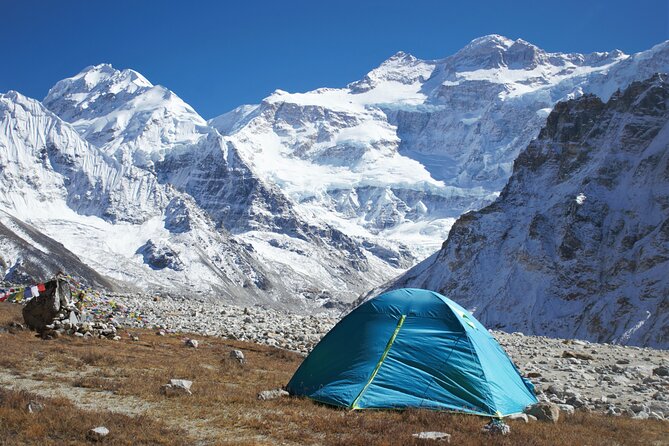
- A remote circuit, not a crowded highlight-bus route through Kanchenjunga Park’s quieter stretches
- Base-camp style days at Yalung Base Camp (around 4,500m) and Kanchenjunga base camp with an overnight at Pangpema (5,143m)
- Built-in acclimatization with a dedicated rest day in Cheram before the highest work
- Rai and Limbu culture up close as you move through villages along the trail
- Selela Pass country plus other high passes that crank the altitude and the views
- Guide-led comfort where it counts, with three meals daily during the trek and support items like a first aid kit
Kanchenjunga Circuit Trek: what makes it different from the usual Nepal trek
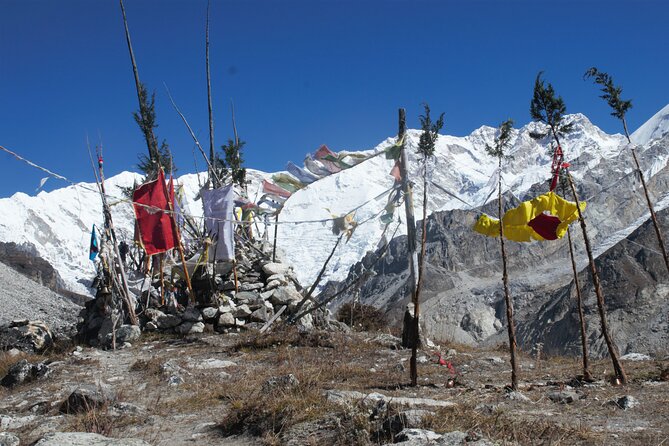
Kanchenjunga isn’t about ticking off a single summit goal. It’s about walking a wilderness line between villages, forests, and high passes in the far north-east corner of Nepal. The Kanchenjunga region is considered a wilderness area with far less tourism feel than the better-known routes, so the trail often feels quieter and more personal.
What you’re really buying is a mix: culture + altitude + nature. You’ll pass through forests that include oak and rhododendron, then gradually step into harsher, colder terrain. The trekking corridor also frames major peaks on multiple sides—so even when you’re not at a base camp with a big signpost, the mountain context is still there.
And the circuit format matters. Instead of one long in-and-out, you get a flow of rising, topping out, and then descending through different areas. That keeps the trip from feeling repetitive.
You can also read our reviews of more tours and experiences in Kathmandu.
The 21-day rhythm: from Suketar flights to base-camp nights
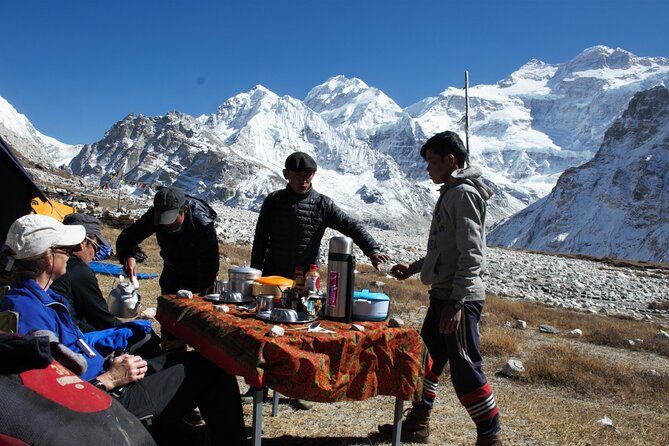
This trek is timed to start with a flight that drops you into the mountains’ lower gateway. From there, you progress day by day, with altitude changes that gradually make the higher days possible.
Here’s how the trip typically feels, day by day, in plain language:
Days 1–4: Suketar to Yamphudin = first acclimation and trail rhythm
- Day 1 (Kathmandu → Suketar, 2,420m; trek to Lalikha): You fly in the morning and start hiking soon after. It’s your first taste of how cold and thin the air can feel compared with Kathmandu. Lalikha is a first settling point—enough walking to get your legs working.
- Day 2 (Lalikharka → Khesewa, ~2,120m): Expect a continued build. This is the kind of day where pacing matters. Go steady so you don’t burn matches early.
- Day 3 (Khesewa → Mamankhe, ~1,785m): A dip like this is part of the strategy. Lower altitude days help your body adjust while keeping you moving forward.
- Day 4 (Mamankhe → Yamphudin, ~2,080m): You’re back into higher country. This is where you start noticing the cold at night and the need for proper layering.
Days 5–7: Tortong to Cheram = the “hang tight” stretch
- Day 5 (Yamphudin → Tortong, ~2,995m): Big jump day. Your breathing gets more attention here.
- Day 6 (Tortong → Cheram, ~3,870m): Another big step. This is the point where you’ll really start respecting your pace.
- Day 7 (Cheram): acclimatization and rest: This is the day that can save your whole trip. Use it to sleep, hydrate, and let your body catch up. It’s also when you’ll appreciate having a good guide to manage questions and timing.
Days 8–14: Ramche, Yalung, Selela, Ghunsa, Kambachen, Lhonak, Pangpema = the core expedition
- Day 8 (Cheram → Ramche, ~4,580m): You’re clearly in the high zone now. Nights can feel very cold, so gear matters.
- Day 9 (Ramche → Yalung Base Camp (~4,500m) → Cheram): You go up to Yalung Base Camp and then come back down to Cheram. That up-and-down structure is hard but smart—it gives you altitude exposure without staying at the highest point.
- Day 10 (Cheram → Sele La, ~4,290m): Selela Pass country is serious. You’ll feel the air thinning, and the weather can flip fast. Your job is to move carefully and stop when you need to.
- Day 11 (Sele La → Ghunsa, ~3,595m): A descent helps. It also sets up tomorrow’s climbing by giving you a chance to recover.
- Day 12 (Ghunsa → Kambachen, ~4,050m): Another climb day.
- Day 13 (Kambachen → Lhonak, ~4,780m): This is high enough that every slow step counts.
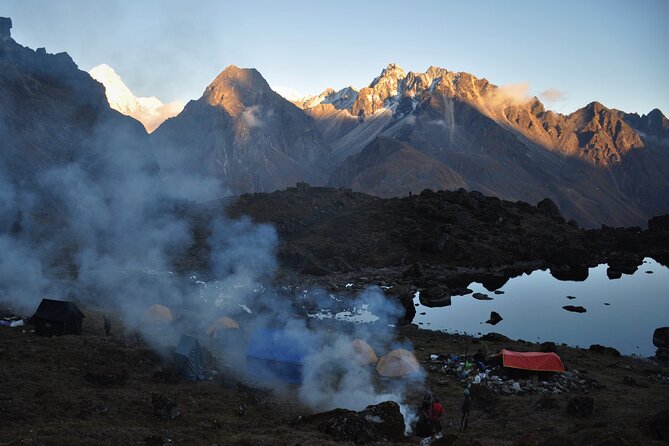
- Day 14 (Kanchenjunga base camp; overnight at Pang Pema, ~5,143m): This is one of the trip’s big moments—base-camp territory at a very high altitude. Expect cold, limited comfort compared with lower elevations, and a strong sense of you being in the real mountains now.
Days 15–20: Lhonak back to Suketar = long descent days and relief
- Day 15 (Pangpema → Lhonak): You’re coming down from the high overnight. It won’t feel easy, but it usually feels better than going up.
- Day 16 (Lhonak → Ghunsa, ~3,475m): Another altitude drop. Your legs may still feel tired, but your breathing gets easier.
- Day 17 (Ghunsa → Amjilosa, ~2,308m): This is where the forest and village scenery often starts feeling more human again.
- Day 18 (Amjilosa → Chirwa, ~1,270m): Big drop day. You’ll feel the altitude relief, but don’t ignore hydration or foot care.
- Day 19 (Chirwa → Phurumbu, ~1,549m): Finishing the circuit on foot.
- Day 20 (Phurumbu → Suketar): The last trek day. You’re building toward the flight exit, and your focus shifts to timing and staying warm.
Day 21: fly back to Kathmandu
The flight out closes the loop. You’ll likely feel a mix of satisfaction and soreness, which is normal. The big win is that you come out at the end without needing more days of steep hiking.
Cheram rest day, Pangpema overnight, and why these two details matter
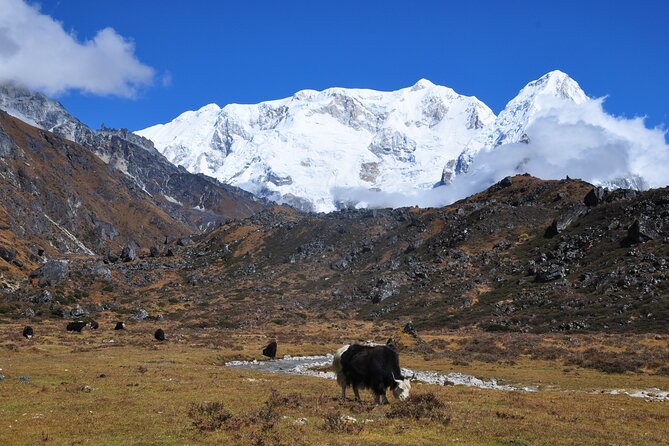
This trek has two altitude “anchors” that are worth paying attention to.
First: the acclimatization and rest day in Cheram (Day 7). That’s not wasted time. It reduces the odds that you’ll get stuck fighting altitude later. When a trek includes a planned rest day like this, it usually means the route designers want you to arrive at the higher passes with enough cushion.
Second: the overnight at Pang Pema (around 5,143m). This is a meaningful step up from normal trekking days. The night is the toughest part for many people, not the walking. Even if your legs feel fine, the air can still make sleep and recovery hard. That’s also where the included sleeping support and down jacket become more than perks—they help you stay functional.
Selela Pass and the base-camp push: what to expect on the highest days
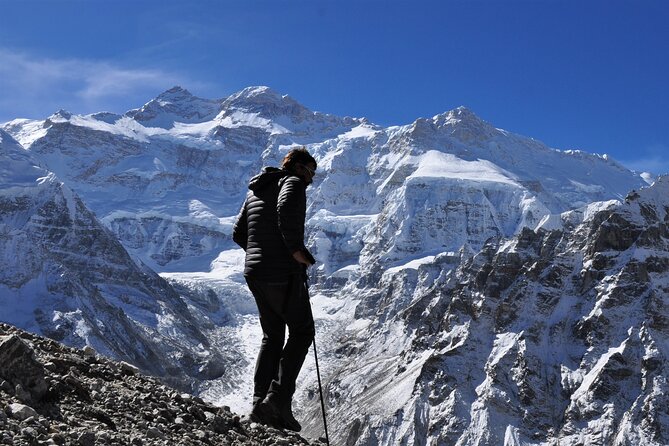
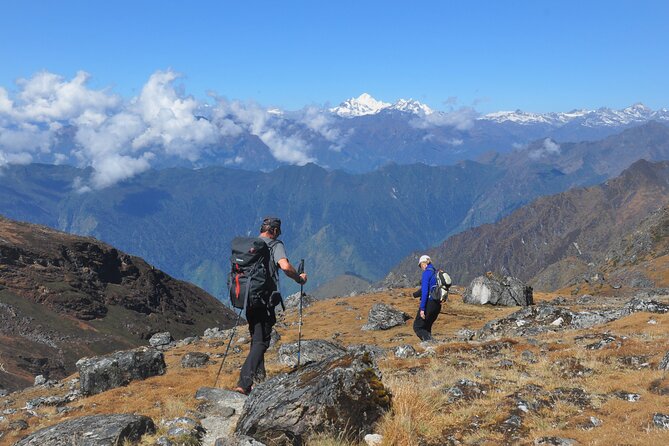
If you’re choosing Kanchenjunga Circuit Trek for views, the high days are where that happens. When you’re heading toward Selela Pass country (Sele La), you can expect cold air, slower movement, and frequent moments where you pause just to take in the scale of peaks around you.
When the itinerary reaches the base-camp zone—Yalung Base Camp and then the Kanchenjunga base camp with the Pangpema overnight—you’ll be in a world where weather matters a lot. Even when conditions are clear, light can be sharp at altitude. Clouds can roll in without warning. The practical lesson: keep your clothing system simple and reliable, and don’t wait until you’re freezing to start layering.
Also, go easy on the ego. High-altitude days punish fast pace. If you’re a person who likes to “beat” the day, you’ll need to switch to a better strategy: steady effort, short breaks, and plenty of water.
Guides, culture, and the people factor (Nima Sherpa and Pasang)
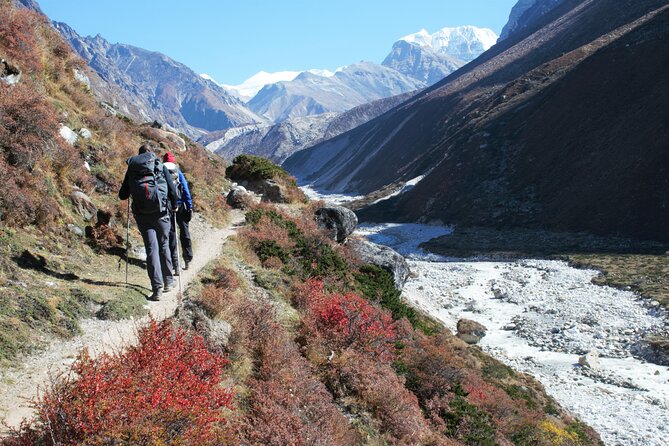
The best part of any trek isn’t the map. It’s the humans running the day.
In the feedback you provided, Nima Sherpa came up as extremely knowledgeable and connected to the area, with a friendly, helpful style. Pasang was praised as well spoken and also as someone who handled the start with airport pickup and getting you to the hotel smoothly. That first day matters. When you land after travel, the worst thing is uncertainty. Here, the trip is designed to take that stress off your plate.
Food is another people factor. One trek reported no issues while traveling vegan, which tells me the operation understands dietary needs and can handle them without turning it into a problem. That’s a real quality marker on long treks.
Finally, a private tour setup helps. It’s only your group, so you’re not stuck waiting on strangers with totally different hiking styles. You can move with a rhythm that actually fits.
Meals, permits, and the gear you’ll thank yourself for packing
Here’s what the trip includes that affects your day-to-day comfort:
- Three meals during the trek
- Seasonal fresh fruit during the trek
- A first aid kit
- One trekking map per person
- Kanchenjunga permit and conservation fee
Then there’s the gear support: the trip includes a down jacket and sleeping after which it’s refundable. That suggests the operator provides temperature-critical items for your highest nights and returns them afterward.
A practical note: drinking water logistics and hot showers aren’t described as included. The trip does include meals, but personal comfort items—like extra snacks, phone/internet needs, and other small expenses—are in the not-included list. So budget for reality.
Porters are available but cost extra. If you’re trying to reduce load on higher days, a porter can make the trek feel more like a walk and less like a workout. If you prefer to travel light, you can likely manage without one, but don’t pretend carrying a full kit at altitude is fun just because it’s “traditional.”
Nature on the circuit: forests, wildlife chances, and why timing helps
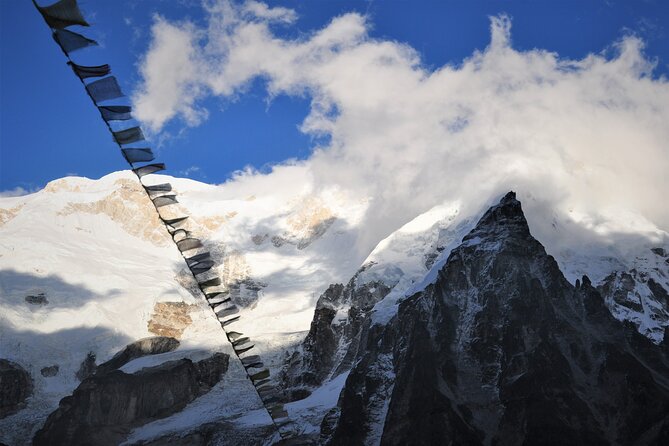
Kanchenjunga Park is described as a wilderness that feels virtually untouched by time and tourism. The trail moves through forests with oak and rhododendron, then heads into higher, harsher terrain where conditions change fast.
Wildlife sightings aren’t guaranteed, but you might see birds and even larger animals if you’re moving at the right speed and keeping your eyes open. The info mentions chances for snow leopards and mask deer. That’s not a promise—it’s a reminder that this is real habitat, not a theme park.
If you care about birds, plants, and the day-to-day feel of changing altitude, this route makes sense. Lower forest stages can feel calm and steady, while higher sections are more about weather and visibility. Either way, you’re constantly reminded that altitude is changing what you see and how it smells and sounds around you.
Price and value: what $3,000 buys on this kind of trek
Let’s talk money in a grounded way.
At $3,000 per person for about 21 days, you’re paying for a lot more than “walking with a guide.” Your price covers: Kathmandu hotel with breakfast, private airport/hotel pickup and drop-off by vehicle, licensed English-speaking guidance, three trek meals, permits and conservation fees, a map, a first aid kit, seasonal fruit, and temperature support items like a down jacket and sleeping (refundable after).
What you’re not paying for includes international airfare, Nepal visa fees (and passport photos), travel/medical insurance, emergency evacuation, and personal expenses (snacks, drinks, phone/internet, laundry, and the usual extras). If you plan to use a porter, that’s an added cost.
So the value question becomes: are you the kind of traveler who wants your money to buy organization and safety support, rather than you playing logistics manager? If yes, this price starts to make sense. If you’re trying to run ultra-budget with your own planning, this may feel expensive—because it is. Still, for a remote circuit with permits, high-altitude support, and an organized guide-led program, it’s not a random number.
Who should choose this trek, and who should reconsider
This is a great match if you:
- Want solitude and a remote feel over big tourist corridors
- Can handle sustained hiking with real altitude days
- Like cultural contact with local communities such as Rai and Limbu
- Prefer a private setup with a licensed English guide and structured meal support
This may not be the right fit if you:
- Get anxious with high-altitude nights and want lots of comfort
- Don’t like slow pacing when breathing changes
- Are expecting everything to be included, from evacuation insurance to porters and personal comforts
If your fitness is moderate, that’s fine. But be honest with yourself. The circuit includes days reaching around 4,500m to 5,143m, including an overnight at Pangpema. That’s not a casual hike.
Should you book Kanchenjunga Circuit Trek with Mount Adventure Holidays?
If your dream is walking in a remote corner of Nepal with serious altitude milestones, Kanchenjunga Circuit Trek is a strong pick. I’d book it if you value a licensed English-speaking guide, want the planning done for you, and you’re excited by base-camp days—especially the overnight at Pangpema.
I’d pause before booking if your budget is tight enough that you’ll feel squeezed by not-included items like insurance, airfare, visa, and potential porter costs. Also pause if the high night at 5,143m sounds intimidating without you having a solid acclimatization mindset.
If you can handle the cold, keep a steady pace, and appreciate the quieter side of Nepal, this trek has the kind of payoff that lasts long after your photos fade.
FAQ
What time is the meeting point at Tribhuvan Airport?
You start at Tribhuvan Airport in Kathmandu, Nepal, at 7:15 am.
Does the trip include pickup and drop-off in Kathmandu?
Yes. It includes airport/hotel pickup and drop-off by private vehicle.
Are meals included during the trek?
Yes. The trek includes three times meals during the trek, plus seasonal fresh fruit.
Is an English-speaking guide provided?
Yes. You’ll have a government licensed, experienced English speaking guide.
What trekking permits and fees are covered?
The package includes the Kanchenjunga permit and conservation fee.
Are down jacket and sleeping included?
Yes. Down jacket and sleeping are included for the trek, and they are refundable after the trek.
Is a porter included in the price?
Porter service is available at an extra cost.
What is not included in the package price?
International airfare, Nepal visa fees, travel and medical insurance, emergency evacuation, and personal expenses are not included. Kathmandu meals and accommodation are also listed as not included in the case of early returns and late departures.