REVIEW · KATHMANDU
10 Days Annapurna Base Camp Trek from Kathmandu
Book on Viator →Operated by CAN Travels · Bookable on Viator
Annapurna Base Camp starts with a bus ride. Then it turns into real mountain trekking through villages like Ghandruk and Chhomrong, plus big views on the way to Annapurna Base Camp. What I like most is how the plan stitches together comfort (hotel, transport) and effort (steep climbs, long walking days) into something you can actually manage.
Two things really win me over: you travel with a government-licensed English-speaking guide who handles permits and day-to-day safety, and you get practical logistics like transfers to trailheads and a basic emergency first-aid kit. One thing to consider up front: meals and drinks are not included, and the trail includes steep ups and downs plus sections described as avalanche-prone, so you’ll want solid “moderate fitness” and good trekking habits.
In This Review
- Quick highlights (what makes this trip work)
- The overall value: what $490 buys you on the mountain
- Kathmandu to Pokhara: the calm setup before the hard part
- Day 2 into Ghandruk: start with a classic village feel
- Chhomrong day: culture plus that “we’re really in the mountains” moment
- Bamboo and Deurali: the trail changes character
- Day 6 to Annapurna Base Camp: where safety and patience matter
- The return to Bamboo: dropping gains speed, but don’t rush it
- Jhinu Danda and the step-heavy day: views, climbs, and a steadier pace
- Day 9 back toward Pokhara: the “easier” day isn’t lazy
- Day 10 return to Kathmandu: highway time and the finish line feeling
- Guides, permits, and why this trek feels organized
- What’s included vs not included: plan your budget like a trek pro
- Who this trek fits best (and who should think twice)
- Should you book this 10-day Annapurna Base Camp trek?
- FAQ
- What is the start time for the trek?
- How long is the Annapurna Base Camp trek, and what type of trip is it?
- Does this trek include Kathmandu and Pokhara transfers?
- Is there a guide, and what language do they speak?
- Are meals included during the trek?
- What is the cancellation policy?
Quick highlights (what makes this trip work)
- Licensed English-speaking guide plus trekking permit and official documents handled for you
- Kathmandu–Pokhara–Kathmandu via a tourist bus with luxury sofa seats to cut down stress
- Classic village trekking through Ghandruk and Chhomrong with Gurung-area culture along the route
- Day 6 focus on big-mountain walking through alpine forests and avalanche-conscious sections
- Two nights in Pokhara with breakfast, giving you time to reset after travel
- A return route that mixes trekking and easy transport to keep the last days from dragging
The overall value: what $490 buys you on the mountain
$490 for a 10-day Annapurna Base Camp trek from Kathmandu isn’t just a number—it’s about what’s taken off your plate. You’re paying for the stuff that can turn a trek into chaos: permits and paperwork, a licensed guide, and transport between Kathmandu and Pokhara plus the trail access transfers around Nayapul/Siwai.
You’re also getting structure. The trek isn’t only “walk until you reach base camp.” It’s paced with rest in Pokhara (2 nights in a 2-star hotel with breakfast) and built-in planning for how you start, where you sleep, and how you get back. That matters when you’re dealing with long travel days and a trail that includes both steep descents and climbs.
Where the cost won’t stretch as far: food and drinks aren’t included. That’s common on treks, but it’s still a real factor. If you expect all meals to be covered, budget for snacks, lunches, and dinner purchases along the way (your guide will help you navigate what’s available).
You can also read our reviews of more tours and experiences in Kathmandu.
Kathmandu to Pokhara: the calm setup before the hard part
Most people don’t fail at Annapurna Base Camp because they can’t hike. They fail because they arrive worn out. This itinerary reduces that risk by handling the biggest friction points early.
You’re picked up from your Kathmandu hotel area, then you head to the tourist bus station. The Kathmandu to Pokhara ride is long—about seven hours—but it’s in a tourist bus described with luxury sofa seats, which helps on a route where every minute counts.
When you reach Pokhara Lakeside, you don’t have a “trek immediately” problem. You rest, settle in, and get ready for the next day’s trail start. You also have two hotel nights in Pokhara with breakfast. That hotel time can feel like a luxury when you’re about to spend days walking uphill and downhill.
One practical tip: use Pokhara to sort your pack and footwear. The trek days are full of uneven steps and changing footing. If your socks and boots aren’t ready, you’ll feel it fast.
Day 2 into Ghandruk: start with a classic village feel
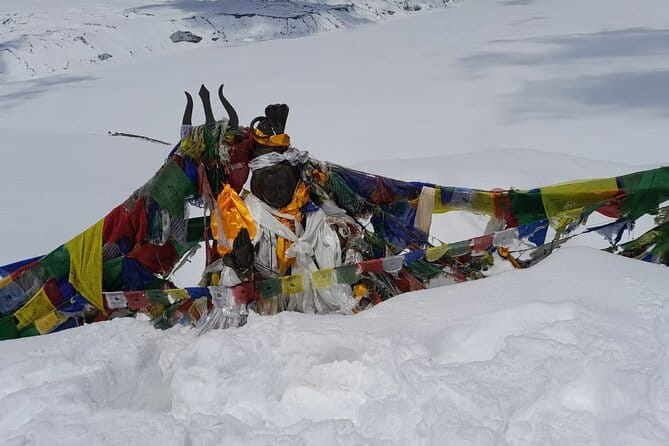
After reaching Nayapul from Pokhara, the trek begins toward Ghandruk via Sauli Bazar. Expect a steep hill trail and a walk that can take about 5 to 7 hours.
What makes Ghandruk meaningful is that it’s not only a waypoint. This route is built around village texture—Gurung people lifestyle, everyday mountain routines, and views that make the effort feel worth it. If you like seeing how people actually live in the Himalayas (not just passing through), this early stop is a good match.
The drawback is purely physical: a steep start can catch you if you went too hard on day one travel. Pace yourself, drink enough water, and keep your breathing steady.
Chhomrong day: culture plus that “we’re really in the mountains” moment
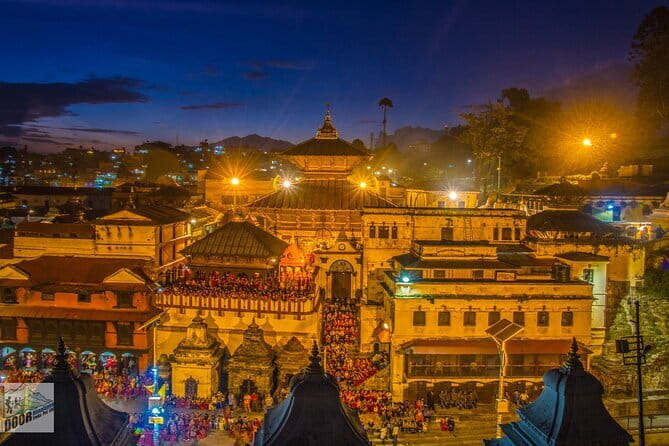
From Ghandruk, you trek toward Chhomrong through Kumrong danda, with both ascents and descents. This day is listed around 6 hours.
Chhomrong brings a good mix: natural attractions plus the sense of place from a community with a typical Gurung lifestyle. It’s the kind of stop where you can feel the trek shift from “getting there” to “being on the route.”
If you’re the type who likes short breaks with a view, Chhomrong works well. If you’re the type who hates crowds, note that this part of the Annapurna trails tends to be popular—so you might share meals and rest areas more than on quieter backroads.
Bamboo and Deurali: the trail changes character
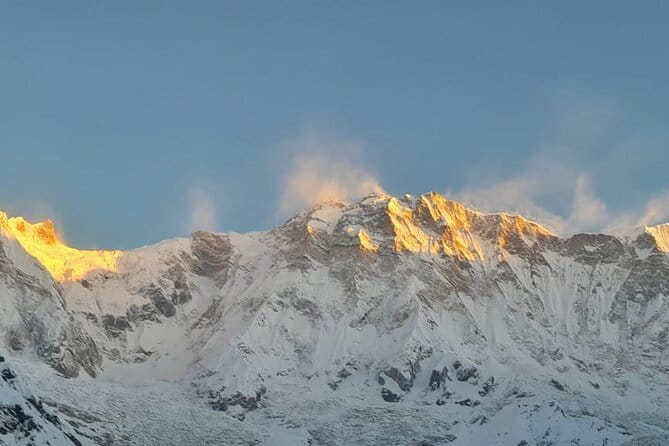
After Chhomrong, the next day goes to Bamboo. The description is clear: there’s a steep descent to Chhomrong Khola, then a steep climb after crossing a stream, plus multiple uphill and downhill sections. This is listed at about 6 hours.
This is the kind of day that tests your trekking technique. When you’re constantly going down and then up again, your knees and ankles learn fast. I like this portion because it’s honest. It makes the later high point feel earned.
Next comes Deurali (about 7 hours). The route runs through bamboo and rhododendron forests and is described as short and beautiful between Dovan and Deurali. You also get majestic peak views along the way.
This combo—forests on the lower stretch, views building as you go higher—is a big reason people fall for Annapurna Base Camp. The trek doesn’t stay the same. It keeps shifting what you’re seeing and how you feel.
Day 6 to Annapurna Base Camp: where safety and patience matter
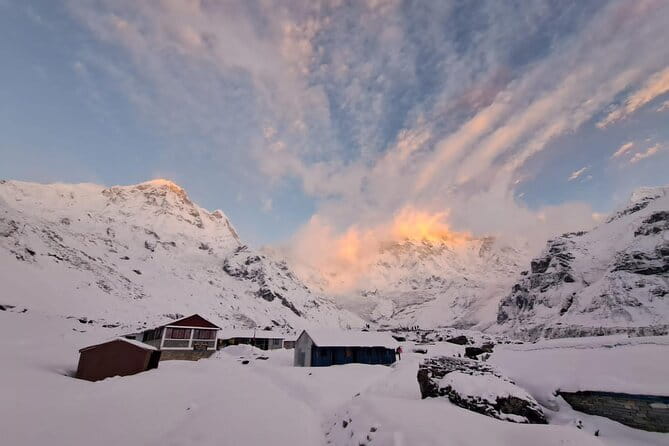
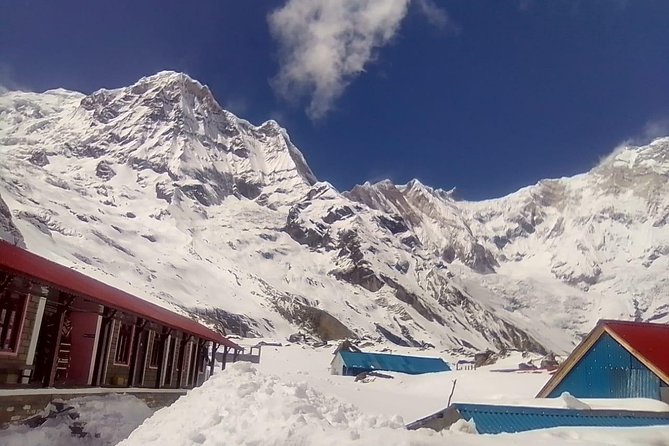
Day 6 is the big target: walking from Deurali to Annapurna Base Camp (about 7 hours). The trail passes through high alpine forests and is described with stunning snow-capped Himalayan views.
One line in the plan is important: it notes several spots known for avalanches. That doesn’t mean chaos—just that this trek has real mountain risk. The value of having a licensed guide is that they’re managing timing, trail conditions, and safe choices as you approach the base camp area.
This is also where your mindset needs to be right. Expect the last push to feel slower than you planned. Even when you’re physically ready, altitude effort and fatigue can make every turn take longer than expected.
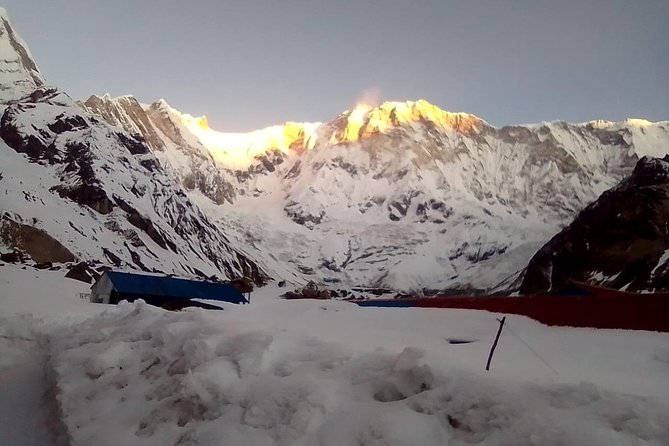
If your goal is sunrise views (they’re mentioned in the overall trip description), build your day around early timing and keep your layers ready. Cold mornings can sneak up on you even when the trail feels warm during the day.
The return to Bamboo: dropping gains speed, but don’t rush it
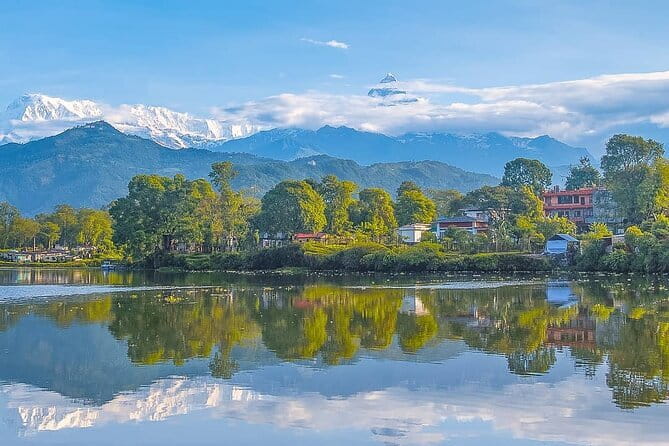
After your base camp time, day 7 is described as breakfast first, then trekking down to Bamboo, returning the same path. You’ll drop around 1,700m and the walking time is around 6 hours.
This is one of those trade-offs: you’re moving downhill (which can feel easier), but downhill can be harder on your body than uphill. Long descents stress the knees and demand careful foot placement. Take your time. If you try to “win back energy” by rushing, you’ll pay later.
I also like this day because it’s mentally balanced. You get the satisfaction of reaching the summit goal, then you transition back without adding a totally new route.
Jhinu Danda and the step-heavy day: views, climbs, and a steadier pace
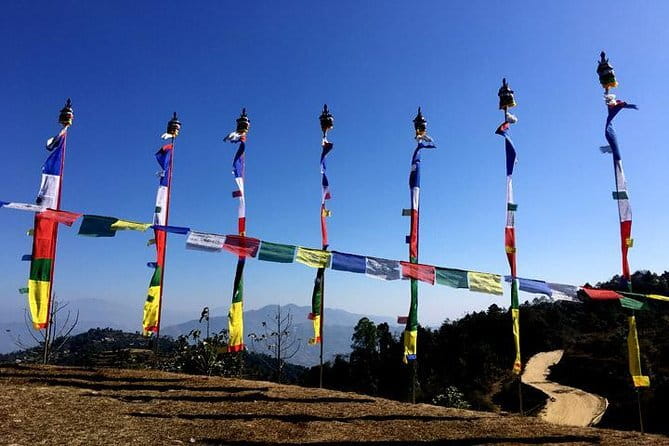
From Bamboo, you move to Jhinu Danda (about 6 hours). The description includes a steep ascent to Kuldi Ghar, trekking from Bamboo to Sinuwa, then stone steps to Lower Chomrong, followed by more climbing.
This is a day for people who can manage a “steady effort” climb. You don’t want to sprint. You want rhythm: short pauses, consistent breathing, and good hydration.
What I find useful here is the variety: you’re not just descending all the way to the end. This day keeps a bit of challenge in the mix, which makes the finishing phase feel more like a journey rather than an exit.
Also, keep your ears open for optional add-ons. One of the guide-run departures in the feedback included hot springs, described as very needed. The itinerary route includes Jhinu Danda, which is commonly paired with relaxation time in this region, but the exact timing can vary with how your day unfolds.
Day 9 back toward Pokhara: the “easier” day isn’t lazy
Day 9 goes from the trekking portion near Siwai, then you take a shared jeep or bus to Nayapul and a private car/jeep to Pokhara. This is called one of the easiest days of the whole trek, and the driving plus walking time is about 7 hours.
This is a smart design choice. You’ve done the hardest altitude challenge already. Adding a full steep hike on day 9 would be unnecessary punishment.
The value for you is recovery without losing momentum. You still get movement and scenery, but the final fatigue is controlled.
Practical note: shared jeep/bus days can mean some waiting. Pack a small snack and keep your small essentials easy to grab.
Day 10 return to Kathmandu: highway time and the finish line feeling
On the last day, you follow the highway route back to Kathmandu Valley, with a bus ride about seven hours. You’re dropped back at the tourist bus park area in Kathmandu.
This is the part where the trek story finishes. After 10 days of stepping, you suddenly switch to road time, which can feel unreal. You’ll probably appreciate the predictability: you know the plan, and you know how long the ride takes.
When you get back, you’ll likely need a buffer day for rest and sorting gear. Annapurna is famous for leaving you tired in the best way.
Guides, permits, and why this trek feels organized
The guide experience is where this trek tends to shine. Multiple names show up as standout guides—Krishna, Biru, Milan, Amrit, Deepak, and Prakash—and they’re consistently praised for the same basics: safety-minded pacing, clear communication in English, and good explanations of local culture and the natural surroundings.
That’s not fluff. It changes your experience. A good guide helps you:
- understand when to push and when to slow down
- navigate daily route decisions and terrain
- connect what you see (flora, village life, mountain context) to what you’re walking through
And because the trek includes trekking permits and official documents, you don’t have to wrestle with paperwork once you’re in Nepal. The itinerary also includes an emergency normal first aid kit with the guide, which adds comfort even if you never need it.
What’s included vs not included: plan your budget like a trek pro
Included in the price:
- hotel pick up and drop off
- Kathmandu to Pokhara to Kathmandu transfer by tourist bus
- 2 nights in Pokhara at a 2-star labeled hotel with breakfast
- government-licensed English-speaking trekking guide
- trekking permit and official documents
- Pokhara to Nayapul and Siwai transfers by private vehicle
- private tour (only your group)
- emergency first aid kit with guide
- guide food and accommodation expenses
Not included:
- food and drinks (you buy as you go)
- gratuities (optional)
Here’s the practical budgeting angle: your biggest variable cost is meals and drinks during trekking days. If you’re careful with snacks and water and don’t feel the need to buy the most expensive drinks, you can keep this under control.
Also, remember you’re paying for organization and reduced hassle. If you’d rather DIY permits, you can do it, but you’ll need to be comfortable with route planning and local procedures. This price is partly for peace of mind.
Who this trek fits best (and who should think twice)
This trek is built for people with moderate physical fitness. If you can handle steep up-and-down days and you’re comfortable walking for 5 to 7 hours at a time, you’ll probably do fine with the pacing described.
You’ll especially like it if:
- you want classic Annapurna villages like Ghandruk and Chhomrong
- you want a licensed guide who can explain what you’re seeing
- you prefer transport and permits handled so you can focus on walking and views
You might think twice if:
- you want food fully covered (it isn’t)
- you have knee issues or poor downhill mechanics
- you’re not comfortable with avalanche-prone sections flagged in the plan (again, this is where a guide’s judgment matters)
Should you book this 10-day Annapurna Base Camp trek?
If your priority is a smooth, well-managed Annapurna Base Camp trek from Kathmandu—with a licensed English-speaking guide, permits handled, and a route that includes both village culture and high-mountain payoff—this is a strong fit.
Book it if you like structure and value practical organization over uncertainty. Don’t book it if you want a fully catered trip where you never pay extra for food, or if you’re looking for a low-effort walk with no meaningful climbs and descents.
If you do book, my best advice is simple: pack light, bring layers, and treat the downhill days like the main event. The base camp goal is the highlight, but the way you handle the middle days decides how good the whole trek feels.
FAQ
What is the start time for the trek?
The start time is 11:15 am.
How long is the Annapurna Base Camp trek, and what type of trip is it?
It’s approximately 10 days. It’s a private tour/activity, meaning only your group participates.
Does this trek include Kathmandu and Pokhara transfers?
Yes. You get hotel pick up and drop off, and transfers between Kathmandu and Pokhara are by tourist bus with luxury sofa seats. There are also transfers from Pokhara to Nayapul and Siwai by private vehicle.
Is there a guide, and what language do they speak?
Yes. A government-licensed English-speaking trekking guide is included, along with trekking permits and official documents.
Are meals included during the trek?
No. Food and drinks are available for purchase, but they are not included in the tour price.
What is the cancellation policy?
Free cancellation is available. You can cancel up to 24 hours in advance for a full refund. If you cancel less than 24 hours before the experience starts, the amount paid is not refunded.