REVIEW · MARRAKECH
Sahara Magic: 3-Day Marrakesh to Merzouga Camel Trek & Sunset
Book on Viator →Operated by Asfani Travel · Bookable on Viator
There’s a point where desert silence takes over. This 3-day trip strings together High Atlas scenery, UNESCO kasbah stops, and an Erg Chebbi camel trek ending in a star-filled desert camp. I like that the route is packed with variety, not just driving time, and you’ll get hands-on moments along the way. One thing to think about first: it’s a long day of road travel and a real camel-ride trek, so comfort comes from packing smart and taking breaks when you can.
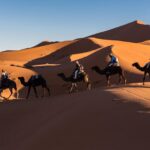
Two things I really like. First, you get camel rides twice—sunset into camp and sunrise back toward Merzouga—so the dunes feel different in each direction of the day. Second, the trip leans into Morocco beyond postcards: kasbah history at Ait Ben Haddou, a stop at Todra Gorge, and a Berber family encounter with traditional clothing and henna.
Possible drawback? You’ll spend a lot of time moving between spots, with a big day on Day 2. If you’re the type who gets cranky when plans change or when there’s minimal downtime, you’ll want to mentally prepare for a fast-paced route.
In This Review
- Key highlights you’ll feel fast
- Why this Marrakech to Merzouga route works in 3 days
- Day 1: High Atlas passes, Ait Ben Haddou, and Dades Valley dinner
- Tizi n Tichka pass for first-impression views
- Ait Ben Haddou Kasbah: UNESCO, films, and a real guided walk
- Ouarzazate photo stop and the quiet Valley of Roses break
- Boumalne Dades: settle in for dinner and sleep
- Day 2: Todra Gorge, a Berber family stop, then Erg Chebbi camel trek
- Todra Gorge with a local guide for the best views
- El Khorbat lunch stop plus a Berber family encounter
- Erg Chebbi: camel trek into camp, sunset on the dunes, Milky Way after dark
- Day 3: optional dune sunrise, rose-and-Atlas return, and back to Marrakech
- Camel ride back to Merzouga and the morning drive north
- Riding through the High Atlas Mountains again
- Price and value: what $146.82 buys you (and what to budget)
- Comfort, toilets, and the desert-night reality
- A quick note on guides and the organization you can feel
- Who should book Sahara Magic, and who should think twice
- Should you book Sahara Magic: 3-Day Marrakech to Merzouga Camel Trek & Sunset?
- FAQ
- FAQ
- How long is the Sahara Magic Marrakech to Merzouga tour?
- What does the tour cost per person?
- Where does the tour start and end?
- Is pickup included?
- What’s included in the desert part of the trip?
- Are there camel rides at both sunset and sunrise?
- Are meals included?
- What are bathroom facilities like at the desert camp?
- Is there free cancellation?
- What group size should I expect?
Key highlights you’ll feel fast
- Tizi n Tichka pass views on the way out of Marrakech
- Ait Ben Haddou Kasbah with a local guide and film-famous setting
- Todra Gorge walk with local guidance through the oasis area
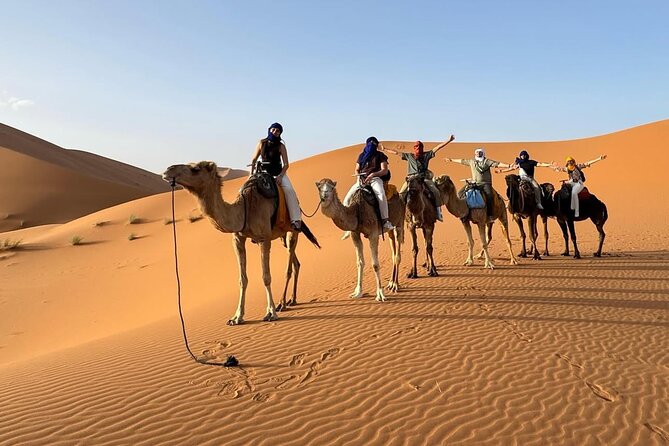
- Erg Chebbi sunset and sunrise camel rides plus star watching in camp
- Sandboarding experience in the dunes (included)
- A small group size, capped at 19 travelers, which helps the day stay manageable
Why this Marrakech to Merzouga route works in 3 days
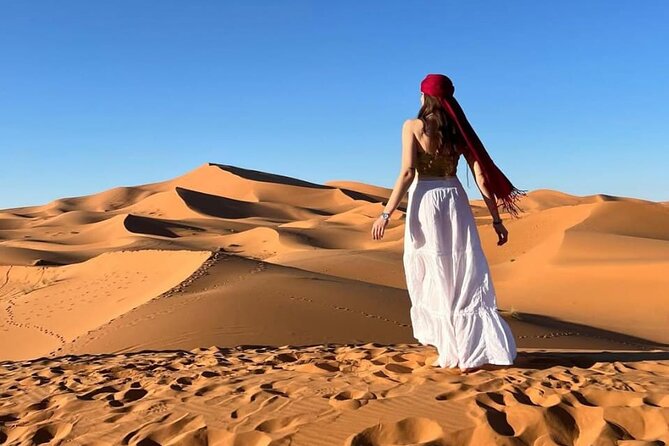
This tour is built for people who want distance plus variety, without needing a week. You’re not just “going to the desert.” You’re also seeing how the Atlas Mountains shape daily life, then stepping into the huge scale of Erg Chebbi dunes.
I also like the rhythm: Day 1 focuses on big scenery and historic stops, Day 2 is the action day with gorge + camel trek, and Day 3 is about sunrise options and the return through rose-and-Atlas scenery. If you want a trip that feels like a story with chapters, this fits.
And yes, the desert night is the headline. But what makes this one worth it is that you’re building context before you sleep under the stars.
You can also read our reviews of more tours and experiences in Marrakech.
Day 1: High Atlas passes, Ait Ben Haddou, and Dades Valley dinner
Your first morning starts early, with pickup from your Marrakech hotel area (or a nearby meeting point) and a drive east. The goal is to get through the High Atlas Mountains while the light is still good for photos, stretching legs at viewpoints along the way.
Tizi n Tichka pass for first-impression views
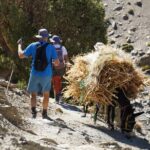
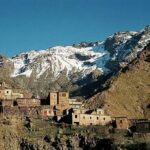
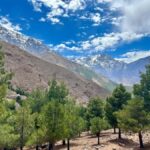
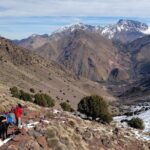
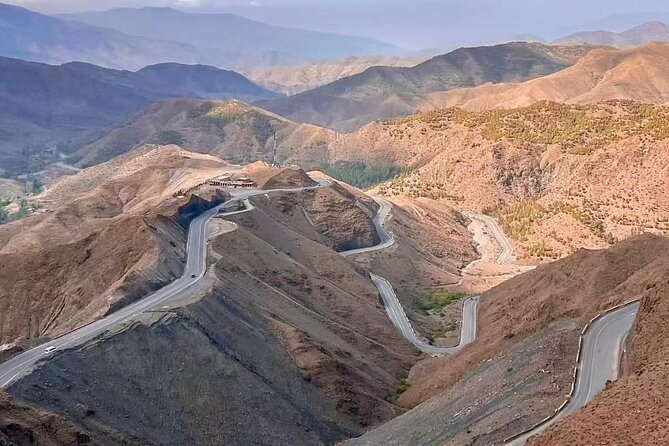
The trip routes you over the famous Tizi n Tichka pass. This is where the scenery shifts quickly: villages, switchbacks, and pull-offs where you can grab a photo and breathe for a minute. Even if you’ve seen mountains before, this pass has that “wow, it keeps going” effect.
Practical note: you’ll likely want layers, because mornings in the Atlas can feel cooler than you expect.
Ait Ben Haddou Kasbah: UNESCO, films, and a real guided walk
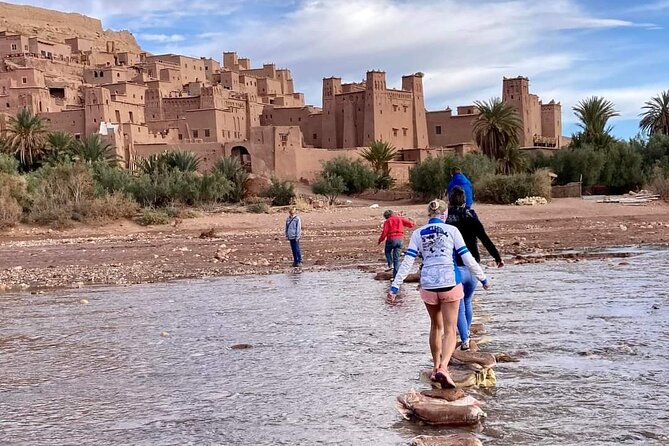
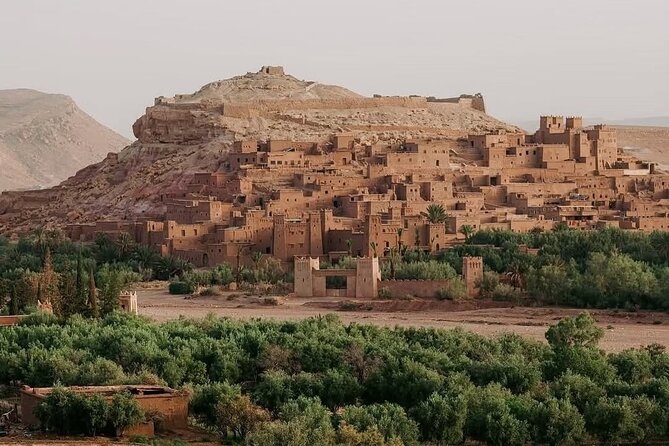
Next comes Ait Ben Haddou, the fortified Berber village (kasbah) that’s also a famous film location. You’ll spend about 2.5 hours exploring with a local guide, which is the difference between random photos and understanding what you’re looking at.
Why it matters: kasbahs aren’t just pretty walls. They reflect how communities built for defense and for living with the land. A guide helps you notice details you’d otherwise miss.
Lunch is on your own during this part, so I suggest planning your appetite. You’ll be on the road afterward.
Ouarzazate photo stop and the quiet Valley of Roses break
After Ait Ben Haddou, there’s a short stop in Ouarzazate for panoramic views, including a shot of Atlas Studios (the movie-industry side of the region). Then you continue toward the Vallee des Roses for a break with tea.
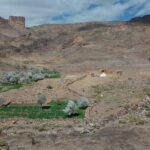
If you’re traveling in the rose season window, this stop can feel extra meaningful. The info notes rose picking begins in April, with a rose festival in the first week of May. Even if you’re not there then, the tea moment and the idea of rose oil and rose-water cooperatives gives you a taste of the local economy beyond tourism.
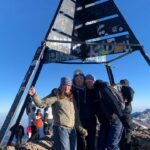
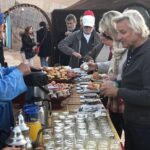
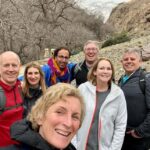
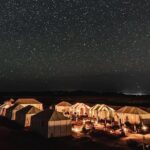
Boumalne Dades: settle in for dinner and sleep
By the afternoon, you reach Boumalne Dades and check into your overnight room. The day ends with dinner in the Dades Valley area, then rest.
This is a good place to reset. Day 2 is where the itinerary gets more “hands-on,” and your body will notice the difference if you sleep well.
Day 2: Todra Gorge, a Berber family stop, then Erg Chebbi camel trek
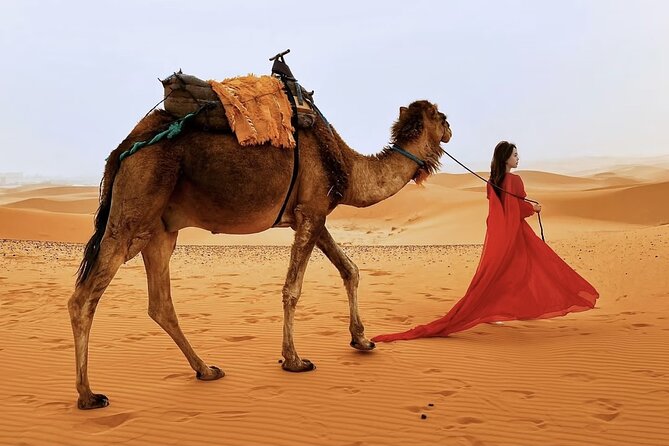
Day 2 is a full engine day. You start after breakfast and head toward Tinghir and the oasis area, meeting a local guide for the gorge portion.
Todra Gorge with a local guide for the best views
You’ll visit Todra Gorge, where the canyon cuts deeply into orange limestone. A guided stop here matters because the gorge can be a bit “same same” visually if you’re walking without context. With a guide, you’ll understand where to stand for the best angles and how the area works.
You’re scheduled for about 1 hour at this stop, so it’s long enough to take photos and walk a bit, not so long that you feel trapped.
El Khorbat lunch stop plus a Berber family encounter
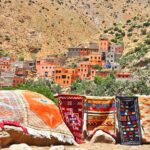
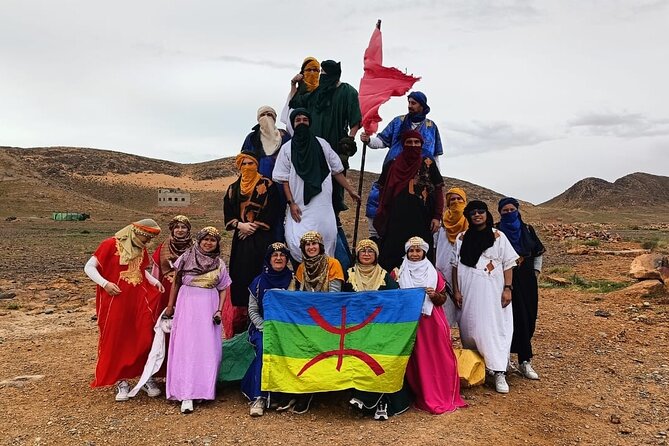
After about 1.5 hours of driving, you stop for lunch at a local restaurant and then for an encounter at El Khorbat. This is where you’ll have a chance to take pictures in traditional clothes, try henna, and browse for items like scarves—specifically with photos in mind for the transition into the desert experience.
This part is also a good reminder to keep an open mind. People here aren’t staging the moment for your entertainment; the stop works best when you treat it like a cultural meeting rather than a quick photo session.
Erg Chebbi: camel trek into camp, sunset on the dunes, Milky Way after dark
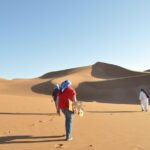
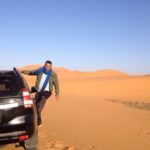
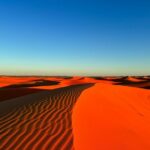
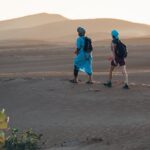
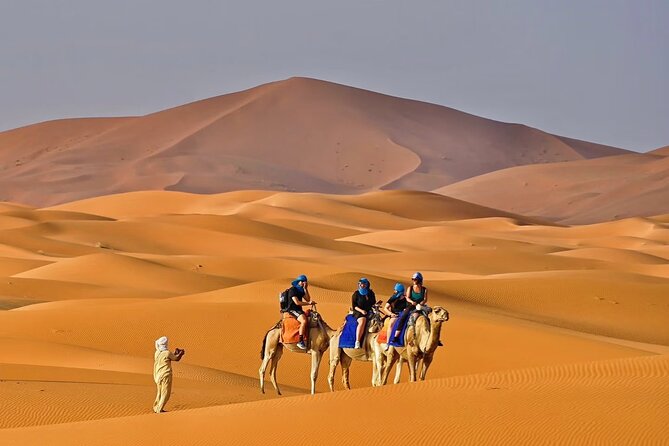
Once in the Merzouga desert area, the itinerary shifts from sightseeing to doing. You’ll pack a small overnight bag for the camel trek, leave the camels at the camp, and then walk to the highest dunes to watch the sunset.
The night is spent in Berber nomad tents with a music moment in camp—drum music under the Sahara sky. The info also highlights watching the Milky Way and stars before or after the desert show, depending on conditions.
Important reality check: desert camps are not hotels. The tour notes toilets outside and showers (the exact setup isn’t detailed), so pack accordingly. If you hate “roughing it,” aim to come with the right attitude. If you love nature and night skies, you’ll likely find this the best part of the whole trip.
Also included on the desert side: sandboarding, which is your chance to turn the dunes from scenery into play.
Day 3: optional dune sunrise, rose-and-Atlas return, and back to Marrakech
Day 3 starts early enough for a choice: there’s an optional sunrise stroll among the sand dunes before breakfast. If you’re awake anyway, this is the easiest way to squeeze one last desert moment out of the trip.
Camel ride back to Merzouga and the morning drive north
After breakfast, you ride the camels back to Merzouga and meet your driver for the return journey. The route passes the holy town of Rissani, described as the birthplace of Morocco’s ruling royal family and the old capital of the Tafilalt region.
Then there’s time for lunch (own expense), with a stop back in rose valley scenery on the way. The itinerary also mentions El Kelaa M’Gouna as part of this return day.
Riding through the High Atlas Mountains again
As you head toward Marrakech, you travel back through spectacular High Atlas scenery, with a small stop for a toilet break at the “Atlas Mountains View” point. You’re scheduled to arrive back at your Marrakech accommodation in the mid-evening.
This timing is ideal if you don’t want to lose half a day to travel on a separate day. Just be ready for the long day to feel long again, even though the desert magic is already behind you.
Price and value: what $146.82 buys you (and what to budget)
At $146.82 per person, the value is in how the trip bundles transportation, key sights, and the desert overnight. The included list is meaningful for a short tour:
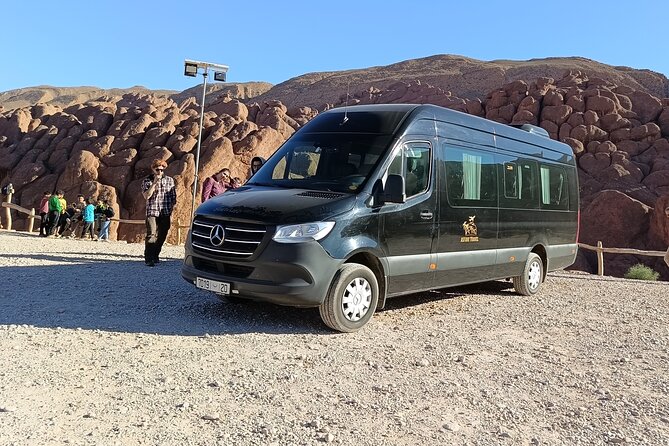
- Air-conditioned minibus transport
- Camel rides at sunset and sunrise
- Sandboarding
- Desert camp with breakfast and dinner
- Cozy hotel accommodation at Tinghir or Kelaat Mgouna option
- Berber music show in the camp
- Local guide at Ait Ben Haddou Kasbah and a guide for Todra Gorge
- Two breakfasts and two dinners (lunches and drinks are not included)
What’s not included is also important: lunches and drinks. That means your total trip cost will depend on how you eat and how much you drink. To keep the trip smooth, I’d budget for at least two lunches and a few snack/drink purchases across the three days.
The biggest value-driver for me is that you’re not only “transported” to the desert. You’re guided through the strongest stops and you’re doing the core activities that make the desert memorable.
Comfort, toilets, and the desert-night reality
This is where many desert trips either feel magical or feel annoying. Here, the tour is clear about the basic setup: toilets outside and showers are part of the camp experience (even though the details aren’t spelled out). Plan for that.
If you want the night to be smooth:
- Pack a small kit for after-dark comfort (because once the desert gets dark, you’ll want simple solutions).
- Bring a small overnight bag as requested, not a huge suitcase.
- Plan for a change in rhythm. The day slows down in camp, and that’s the point.
On the bright side, the stargazing is built into the night. That’s one of the few “luxuries” the desert gives for free.
A quick note on guides and the organization you can feel
Good desert tours run on timing. The stories tied to this trip put a lot of weight on punctuality and guides who explain what you’re seeing. A name that shows up strongly is Anas, praised for taking care of the group and keeping things moving without turning it into chaos.
That matters because a 3-day route can feel stressful if the handoffs are sloppy. When the driver and guide are on top of things, you get more time for viewpoints, fewer missed moments, and less standing around with nowhere to put your feet.
Also, the trip has a max group size of 19, which tends to keep photo stops and camel-boarding moments from turning into long lines.
Who should book Sahara Magic, and who should think twice
I’d recommend this for you if:
- You want a 3-day sampler of Morocco’s Atlas-region villages plus the Erg Chebbi desert
- You like guided context, especially at places like Ait Ben Haddou and Todra Gorge
- You want a real desert night with sunset and sunrise camel rides
I’d think twice if:
- You dislike long driving days. Day 2, in particular, is packed and physical.
- You want lots of free time with no schedule. This trip is structured.
If you’re traveling with kids, it can work because the route has clear “chapters” and included activities, but you should still be honest with yourself about how your group handles early mornings and time on the road.
Should you book Sahara Magic: 3-Day Marrakech to Merzouga Camel Trek & Sunset?
If you’re trying to choose between “quick desert day trip” and “worth it overnighter,” this sits in the sweet spot. You get the desert night, you get sunset-to-sunrise camel moments, and you don’t skip the Atlas stops that make the journey feel like more than one photo at dusk.
Given the included meals on the desert/hotel side, plus transportation and guided sight time, the price feels reasonable for a short, packed route. Just go in expecting a mix of scenic driving and active walking, and you’ll likely come away with the kind of memories that stick.
FAQ
FAQ
How long is the Sahara Magic Marrakech to Merzouga tour?
It runs for about 3 days.
What does the tour cost per person?
The price listed is $146.82 per person.
Where does the tour start and end?
It starts at Menara Airport in Marrakech, Morocco, and ends back at the same meeting point area.
Is pickup included?
Yes, pickup is offered from your Marrakech hotel or the nearest meeting point.
What’s included in the desert part of the trip?
You get a camel trek, a traditional Berber camp overnight, dinner and breakfast, a Berber music show, and sandboarding. You also watch the sunset and enjoy stargazing.
Are there camel rides at both sunset and sunrise?
Yes. The tour includes camel rides at sunset and again at sunrise.
Are meals included?
Breakfast is included twice and dinner is included twice. Lunches and drinks are not included.
What are bathroom facilities like at the desert camp?
The tour notes toilets outside and that showers are available, though the exact setup isn’t specified.
Is there free cancellation?
Yes, free cancellation is offered if you cancel at least 24 hours in advance for a full refund.
What group size should I expect?
The group size is capped at a maximum of 19 travelers.