REVIEW · POKHARA
1 N 2 Days easy Dhampus,Australian camp trek from Pokhara
Book on GetYourGuide →Operated by Adventure in Nepal · Bookable on GetYourGuide
Some trails go fast. This one teaches you to slow down.
In just 2 days, you’ll climb from Pokhara’s lakeside world into Dhampus and Australian Camp for big Annapurna-range views, plus real village life without committing to a long trek.
I especially love two things. First, the Himalayan payoff is fast: sunrise and sunset chances from Australian Camp, with a standout 180-degree feel when the sky cooperates. Second, Dhampus is a true Gurung village stop, with stone houses, narrow lanes, and that warm, family-run hospitality that makes the hills feel human—not staged.
One drawback to weigh: weather can smother the mountains. On foggy or cloudy mornings, you may not see much until later, and your guide may adjust where you sleep to protect your time and comfort.
In This Review
- Key highlights you’ll feel from day one
- Why this 2-day Annapurna taste feels worth your time
- Getting from Pokhara to Kande Naudanda: the easy start that matters
- Australian Camp (Thulo Kharka): why this viewpoint is the main event
- What you’ll do on Day 1
- What the setting feels like
- The big practical tip
- Lodging at Australian Camp: rest that keeps you enjoying the hike
- Day 2 sunrise and the Dhampus descent: the part you remember longer
- Then it’s Dhampus time
- Guides make the difference on short treks
- What the itinerary feels like in real life (and where it can be tough)
- Day 1: Pokhara to Australian Camp, then sunset
- Day 2: sunrise, breakfast, then Dhampus and back to Pokhara
- Price and value: $86 for a guided Himalayan weekend
- Best season and weather reality check
- What to bring (and what not to)
- Who this 2-day Dhampus + Australian Camp trek suits best
- Should you book this trek?
- FAQ
- How long is the Dhampus and Australian Camp trek?
- Where does the trek start from in Pokhara?
- How long is the walk to Australian Camp?
- What altitude are Dhampus and Australian Camp?
- What can I see from Australian Camp?
- What will I do on the second day?
- Are food and drinks included?
- What’s included in the price?
- What should I bring?
- Is this trek suitable for everyone?
Key highlights you’ll feel from day one
- Short walking time, big view payoff: Australian Camp is about a 2-hour walk from Kande Naudanda.
- Sunrise and sunset from the hills: you’ll plan your day around the mountain light.
- Dhampus gives you the village side: terraced fields, stone homes, and Gurung culture instead of only viewpoints.
- Guides who manage pace and safety: expect encouragement to slow down, not a speed contest.
- Flexibility when the sky changes: your plan can shift if visibility drops.
- Guesthouse nights with simple comfort: enough structure to rest and still enjoy the trail.
Why this 2-day Annapurna taste feels worth your time
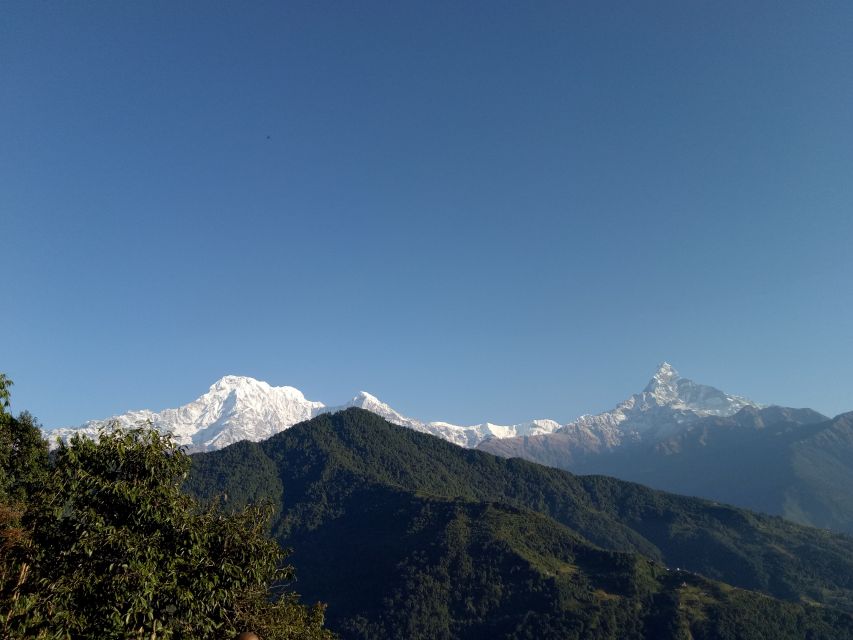
This isn’t a huge, week-long trek. It’s a focused hike that uses altitude and timing to give you a Himalayan experience fast. Dhampus sits around 1,700 meters, and Australian Camp is around 2,100 meters, so you gain that “higher air” feeling without the long daily mileage that scares off many first-timers.
You’ll also travel with a guide who’s used to mixed conditions and mixed bodies. In the best moments, that shows up as calm pacing—more frequent breaks, steadier footing, and clear guidance about what to watch for on the trail. When the mountains hide, it shows up as quick thinking about where you can still enjoy your morning and afternoon.
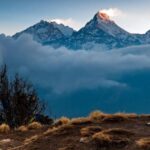
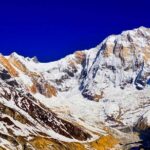
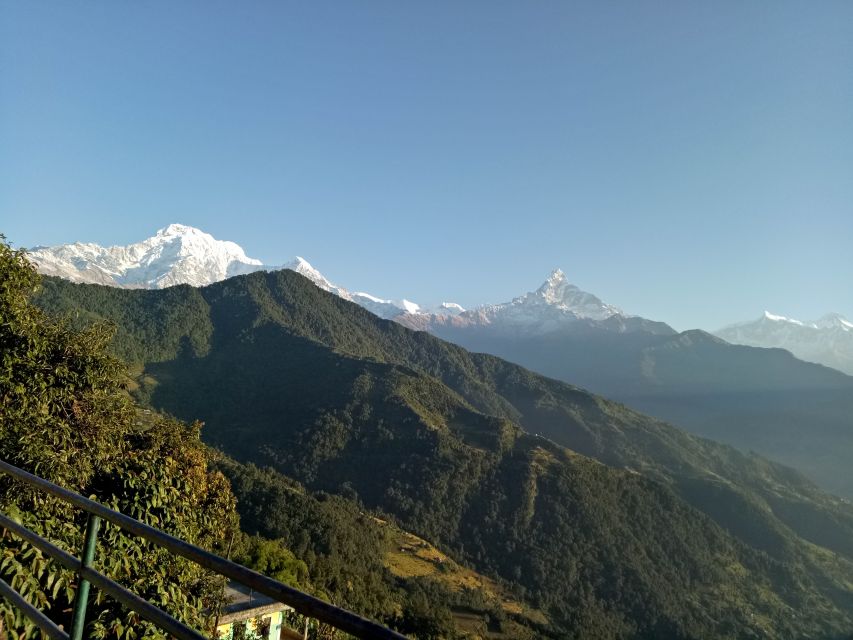
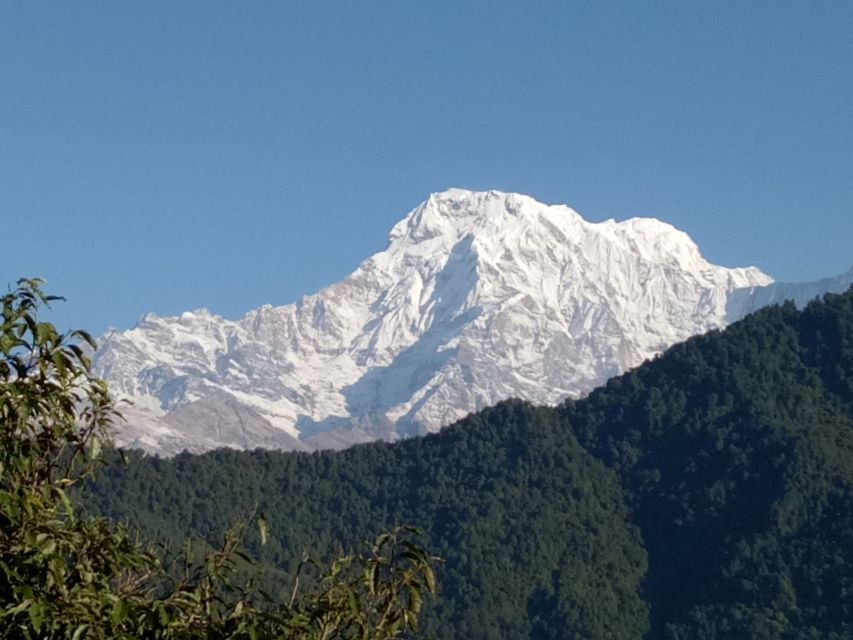
And the payoff is real. When the sky is sunny, people talk about an almost panoramic view feel from Australian Camp. That’s what you’re buying here: a short trek with a strong chance of seeing Annapurna peaks and Machhapuchhre (Fishtail), plus sunrise that turns cold air into gold light.
You can also read our reviews of more tours and experiences in Pokhara.
Getting from Pokhara to Kande Naudanda: the easy start that matters
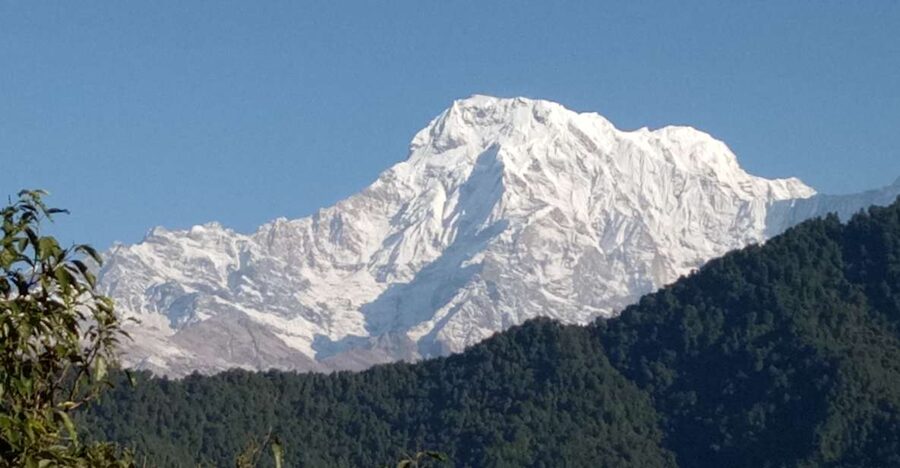
Your day begins with hotel pickup in Pokhara. From there, you’ll drive to Kande Naudanda, then start walking toward Australian Camp. Expect an easy-to-moderate ramp-up rather than a strenuous slog right away.
This first stretch is important for two reasons:
- You’re not just “getting to the hike.” You’re warming up your legs and learning the local trail rhythm with your guide.
- It sets expectations. A lot of people arrive thinking they’ll be sprinting to viewpoints. This trek is more about steady movement and timing.
Since you’re only walking about 2 hours to reach Australian Camp, you’ll still have energy for the real purpose of the afternoon: finding the best angle for the sunset view, and letting the light show you the range as it slowly sharpens in the evening.
Australian Camp (Thulo Kharka): why this viewpoint is the main event
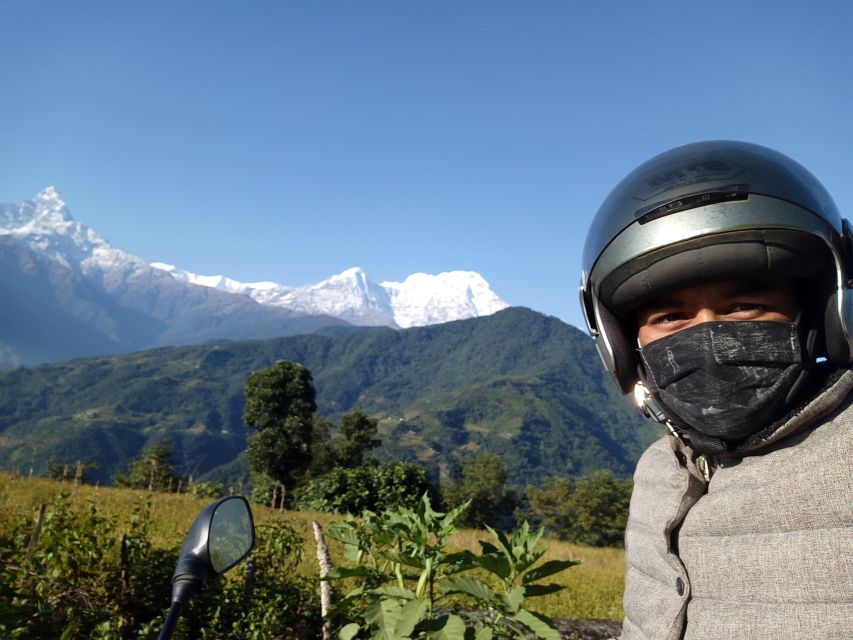
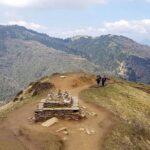
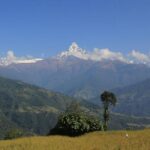
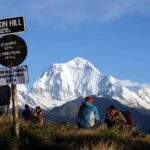
Australian Camp—also called Thulo Kharka—is the star of this itinerary. It’s popular for a reason: from here, you can look out across the Annapurna and Dhaulagiri ranges, and sunrise and sunset are a big part of the plan.
What you’ll do on Day 1
After the drive and walk, you’ll reach the camp area, then spend the evening chasing that sunset glow. You’ll overnight in a lodge/guesthouse setup (basic, comfortable enough for rest, and close to where you’ll want to be when the mountains turn gold).
What the setting feels like
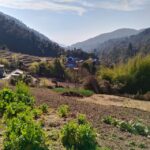
You’re hiking through a mix of hills and rural farmland, with forests and rhododendron in the region. Even if you’re focused on views, it’s worth taking a few minutes to watch how village life supports the trail—terraced fields, small paths, and the quiet rhythm of people who live their days at these altitudes.
The big practical tip
This is a weather-dependent viewpoint. If it’s cloudy, you may still enjoy the atmosphere, but your “wow” factor will depend on clarity. One of the smartest decisions a good guide makes is managing your expectations without killing the day. If the mountains aren’t cooperating, they may adjust where you sleep so you can still maximize the next morning.
Lodging at Australian Camp: rest that keeps you enjoying the hike
Your first night is in a lodge/guesthouse at or near Australian Camp. Rooms are simple. Bathrooms and heating vary by season and property, so plan to travel light and be flexible.
Also note what’s included and what isn’t. Your trek includes accommodation in guesthouse, but food and drinks are for purchase. That matters because you’ll want to budget a little extra for meals, and you might want to choose simple, filling options that won’t upset your stomach before a morning hike.
If you want a smooth morning, you’ll do best by:
- eating dinner early enough to get real sleep
- keeping your layers ready (dawn temperatures can feel sharp)
- drinking water when you can, even if you’re not thirsty yet
Day 2 sunrise and the Dhampus descent: the part you remember longer
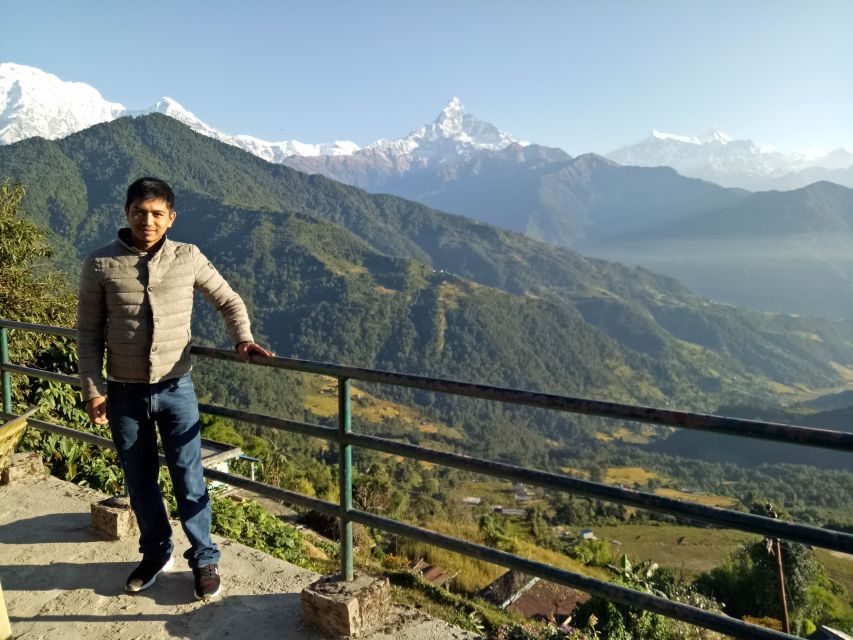
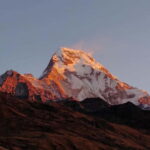
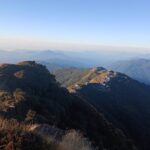
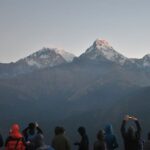
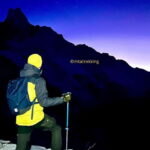
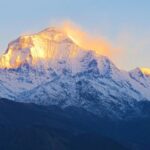
Morning is the main photo hour. You’ll wake up early to see the sunrise and Annapurna massif views, with time to take photos before breakfast. This is one of the reasons this trek stays on people’s minds. The mountain light is not a quick stop—it’s a slow reveal, and you get to watch it instead of rushing through it.
Then it’s Dhampus time
After breakfast, you’ll hike down to Dhampus Phedi from the Australian Camp area, and then return to Pokhara by drive.
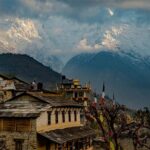
Dhampus is where the trip becomes more than scenery. It’s a traditional Gurung village at around 1,700 meters, known for:
- terraced fields and green hills
- stone houses and narrow winding streets
- a lived-in feel that’s more rural than touristy
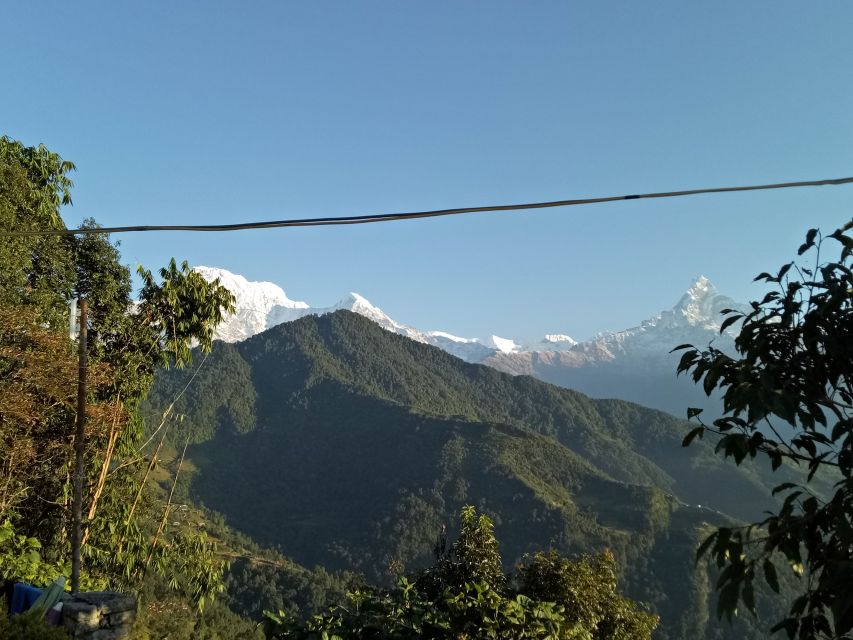
When the mountains are visible, Dhampus also gives you excellent framing for peaks like Annapurna and Machhapuchhre (Fishtail). Even on less clear days, the village details help you feel like you actually hiked somewhere, not just walked to a viewpoint and back.
Guides make the difference on short treks
On a 2-day hike, your guide isn’t just logistics. They’re the difference between a trip that feels tense and one that feels doable.
In many experiences with this style of trek, the most praised guides have a clear pattern:
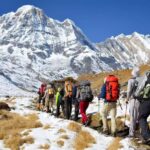
- they match your pace instead of pushing speed
- they encourage a slower rhythm, especially during steep or rocky bits
- they explain what you’re seeing, not just where to walk
If you’re trekking solo or you’re not in great shape, that pacing matters even more. You’ll likely spend more time resting than you expect on the way up, but that’s how you keep your energy for sunrise and still enjoy the village wander.
You’ll also find that good guides watch the weather closely. When one morning is foggy or mountains disappear, the smarter guides look at the whole timeline and adjust so you don’t lose the entire experience.
What the itinerary feels like in real life (and where it can be tough)
Let’s translate the schedule into what you’ll actually experience.
Day 1: Pokhara to Australian Camp, then sunset
- Pickup in Pokhara and a drive to Kande Naudanda
- Walk to Australian Camp (about 2 hours)
- Evening: sunset views, then overnight in lodge
This day is usually the gentler one, but watch your footing. Even short treks can feel steep on stone steps.
Day 2: sunrise, breakfast, then Dhampus and back to Pokhara
- Early morning: sunrise and Annapurna range views
- Breakfast at the lodge
- Hike down to Dhampus Phedi, then drive back to Pokhara
The main “tough” factor on day two is the combination of early wake-up and downhill walking. Downhill can be harder on knees than uphill for some people, so bring shoes with good grip and take your time on the steps.
Price and value: $86 for a guided Himalayan weekend
At $86 per person for two days, you’re paying for the combo that usually costs more if you DIY:
- private round-trip transport from Pokhara
- a professional English-speaking guide
- guesthouse accommodation
- emergency first aid support via the guide
- official documents and trip preparation
Food isn’t included, so you’ll add that on top. But for many people, that’s still good value because food here is easy to manage during the small window you’re on the trail.
This trek also earns its value by being short. Instead of spending money for a big, multi-day commitment just to see a slice of the Himalayas, you get a concentrated taste: sunrise, sunset, and village culture, all within 48 hours.
If you’re pressed for time, this is a smart spend. If you’re chasing a deep, wilderness-style trek, you might want a longer route.
Best season and weather reality check
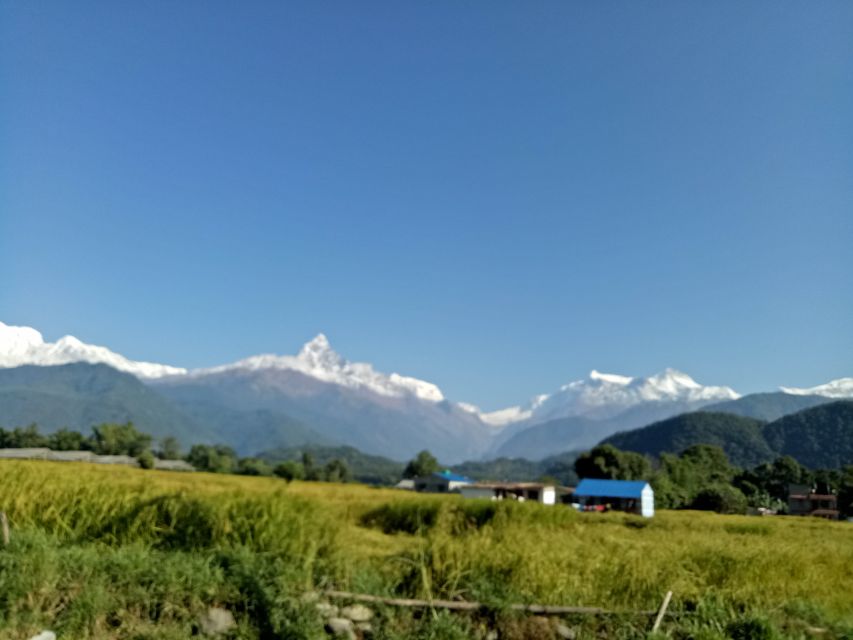
The best time for this style of Annapurna viewing is March to May and September to December. Those windows usually give you better odds for clear skies.
But even in the best seasons, you should expect occasional fog or cloud. A key comfort here is how the experience handles it: a good guide can adjust plans when visibility drops, so your two days don’t feel wasted.
Practical move: don’t pack your emotions into one sunrise expectation. If clouds roll in, you can still enjoy Dhampus life, and you might still get a view later.
What to bring (and what not to)
You only need a few essentials, but get them right.
Bring:
- Passport or ID card
- Comfortable shoes with grip for stone steps and uneven trails
Not allowed:
- Pets
Also pack:
- a warm layer for early morning
- a light rain layer, just in case
- a small day bag for water and snacks you may want to carry
Who this 2-day Dhampus + Australian Camp trek suits best
This fits well if you want:
- a short trek with a real Himalayan viewpoint
- village culture in Dhampus (Gurung community feel)
- sunrise as a priority, not an optional bonus
- a guide who keeps you safe and calm, especially on stone steps
It may not suit you if:
- you’re pregnant
- you use a wheelchair
And if you’re the type who needs zero uncertainty about mountain visibility, you should know: the weather can change your view level from day to day.
Should you book this trek?
If you want a manageable, guided 2-day Annapurna experience from Pokhara, I think this is a strong choice. It’s well priced for what you get—transport, guide, lodging, and a plan built around sunrise and sunset.
You should book if:
- you’re okay with a weather-dependent viewpoint
- you want village life, not just a stair-to-a-view hike
- you’d rather hike less and see more moments (sunrise, sunset, and Gurung village atmosphere)
You might skip it if you’re looking for a long, remote trek, or if you have a very specific expectation that the mountains must be visible every hour you’re outside.
If you decide to go, choose it for what it is: a short Himalayan weekend where the details matter, and the guide’s pace can turn a stiff climb into a fun, confident hike.
FAQ
How long is the Dhampus and Australian Camp trek?
It runs for 2 days.
Where does the trek start from in Pokhara?
Your guide picks you up from your Pokhara hotel, then you drive to Kande Naudanda before you start walking.
How long is the walk to Australian Camp?
The walk from Kande Naudanda to Australian Camp is about 2 hours.
What altitude are Dhampus and Australian Camp?
Dhampus is around 1,700 meters, and Australian Camp is around 2,100 meters.
What can I see from Australian Camp?
Australian Camp is known for panoramic views of the Annapurna range and Dhaulagiri, plus sunrise and sunset views.
What will I do on the second day?
You’ll wake up early for sunrise views, have breakfast, then hike down to Dhampus Phedi and return to Pokhara by drive.
Are food and drinks included?
No. Food and drinks are available for purchase.
What’s included in the price?
Included items are hotel pickup and drop-off, a professional English-speaking trekking guide, round trip private transport, guesthouse accommodation, private trip, an emergency first aid kit with the guide, and all official document.
What should I bring?
Bring a passport or ID card and comfortable shoes.
Is this trek suitable for everyone?
It’s not suitable for pregnant women or wheelchair users. Pets are also not allowed.