REVIEW · HANOI
3-Day Sapa Real Valley View Homestay & Fansipan–Roof of Indochina
Book on Viator →Operated by BCFamilyTour.com · Bookable on Viator
A good Sapa trip hits both worlds: the mountains and the people. This one blends a village trek with an overnight homestay, then adds Fansipan, the Roof of Indochina, for big-altitude views.
I especially like the mix of villages (Black Hmong and ethnic Tay areas) plus the chance to sleep in a local home for real day-to-day life. I also like that your Hanoi-to-Sapa logistics are handled with an air-conditioned ride and round-trip hotel transport, so you’re not juggling multiple bookings.
One thing to plan for: the homestay experience can be a mixed bag depending on the family and conditions. Bring the right shoes and be physically ready for daily hiking, because this is travel that asks for your legs.
In This Review
- Key Takeaways Before You Go
- Why This Sapa–Fansipan Combo Works So Well
- Road From Hanoi to Hoang Lien Son: Time, Comfort, and Reality
- Day 1 in Sapa: Hike Between Black Hmong and Tay Villages
- Homestay Night: The Most Authentic Part (With a Watch-Out)
- A Note on Guides: ZerZer and Lala
- Day 2: Transfer Back + Fansipan at 2,800 Meters
- Day 3: Sapa Free Time and the Ride Back to Hanoi
- Price and Value: Is $179.90 Fair for What You Get?
- What to Pack (So Your Legs Don’t Hate You)
- Who This Tour Fits Best
- Should You Book This Sapa Trek?
- FAQ
- How long is the Sapa trek experience?
- Where does the tour start and end in Hanoi?
- Is pickup/round-trip transportation included?
- What kind of accommodation do you get?
- Are meals included?
- What is Fansipan like in this tour?
- How hard is the trekking part?
Key Takeaways Before You Go
- Two-night stay model: 1 night homestay in the village + 1 night hotel in Sapa town
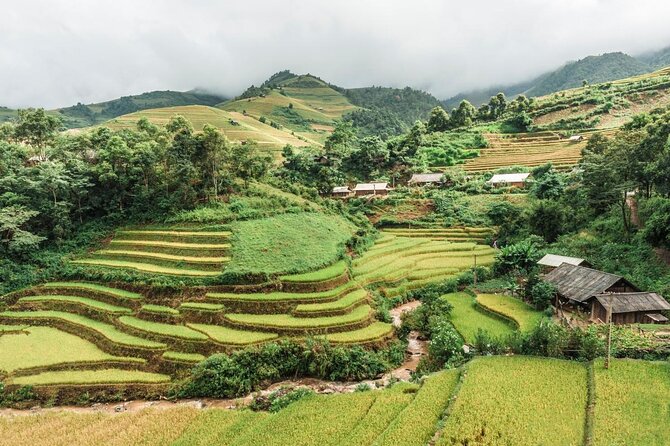
- Village-to-village trekking: you’ll hike through Black Hmong and Tay areas such as Lao Chai, Ta Van, and others
- Fansipan payoff: photos and a pagoda visit, then a trek up to 600 steps at about 2,800 meters
- Meals are built in: breakfast, lunch, and dinner are included as listed, so you spend less time hunting food
- Small-ish group size: maximum 15 travelers means you’ll move at a more human pace
Why This Sapa–Fansipan Combo Works So Well
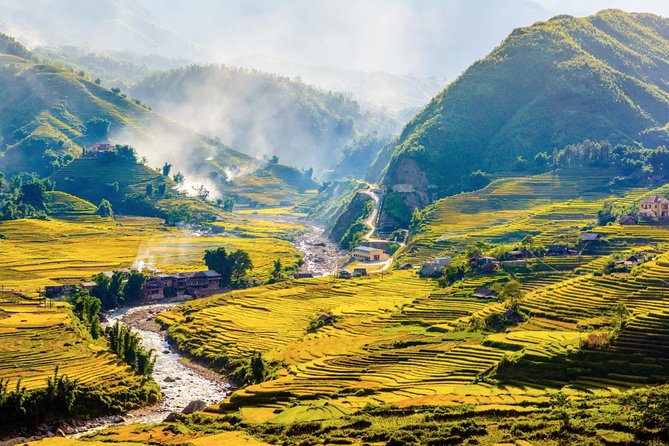
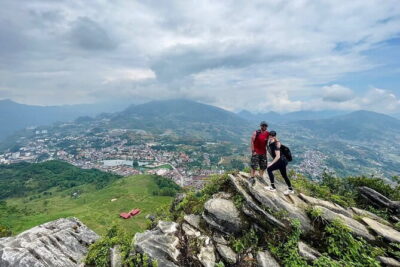
Sapa can be either scenic wallpaper or a real cultural trip. This itinerary tries to be both, and that’s what makes it interesting. You get your valley views, but you also walk between communities and spend the night with a local family setup.
The pacing is also thoughtfully split. You don’t just rush to Fansipan and call it a day. Instead, you ease into mountain walking on Day 1, then you’re close to the culture side with the homestay on Day 2 morning, and finally you go for the big vertical climb on Day 2 at Fansipan.
You can also read our reviews of more tours and experiences in Hanoi.
Road From Hanoi to Hoang Lien Son: Time, Comfort, and Reality
You start from Hanoi Opera House around 6:30am. The ride uses the newer Noi Bai–Lao Cai highway (245 km), and the travel time is aimed at under 5 hours. In practice, some schedules include a short break, but the overall idea is a smooth, direct highway transfer rather than a slow zig-zag crawl.
On this route, I recommend you plan for a few things:
- Bring a light layer even if Hanoi feels warm. The mountain air can feel cooler fast.
- If you’re prone to motion discomfort, pack your usual remedy.
- Keep your camera battery charged. The highway scenery window can be real.
This part matters because you’re not arriving exhausted. You’re arriving ready to eat lunch in Sapa and then start trekking.
Day 1 in Sapa: Hike Between Black Hmong and Tay Villages
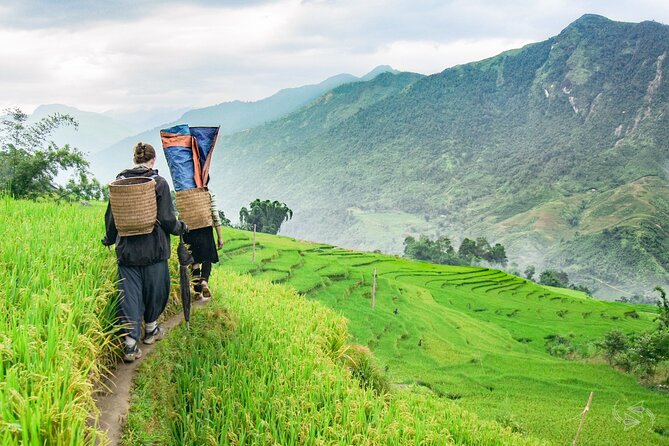
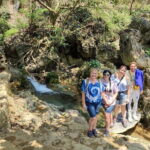
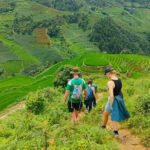
After arriving in Sapa, you’ll have lunch at a local restaurant and then head out on foot. The key here is that you’re not doing a generic walking loop. You’re moving through villages associated with Black Hmong and ethnic Tay communities.
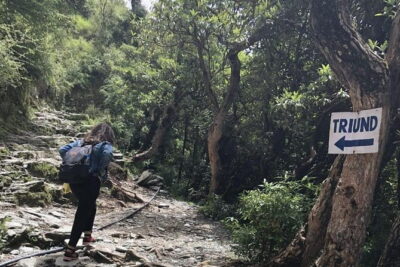
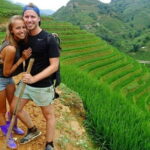
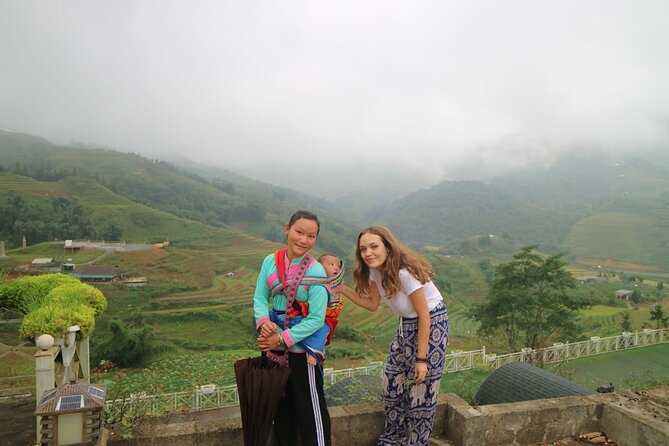
The route includes areas such as Lao Chai, Ta Van, Giang Ta Chai, Ban Ho, Sin Chai, and Cat Cat (names you’ll hear again and again around Sapa). Expect daily hiking, plus time with a guide who can point out what you’re seeing and why it matters to people living there.
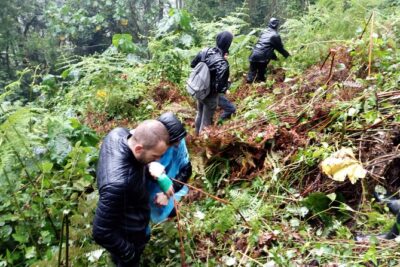
This is also the day where you’ll feel the difference between a tourist stroll and proper trekking. Even when the distances aren’t advertised loudly, you’re walking on mountain paths, and your shoes matter. Based on past traveler feedback, I’d treat this as a trip where you should have real trekking shoes and the willingness to take a slower rhythm when the path turns steep.
Homestay Night: The Most Authentic Part (With a Watch-Out)
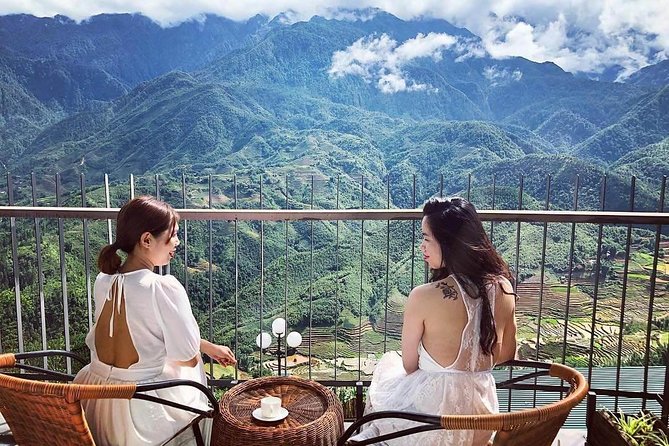
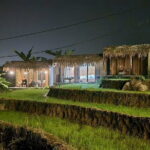
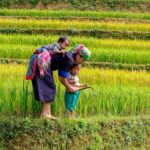
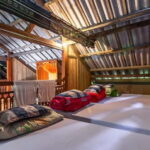
The homestay is the heart of the trip. You’ll spend one night in a village homestay on a shared basis in a local house setup, and your family prepares breakfast the next morning. That means you’re not just dropping in for a photo moment. You’re living inside the daily rhythm for a night.
Some people get a very comfortable experience—clean room conditions and good cooking have been specifically praised. A guide can also make a huge difference in how smoothly things flow during the stay.
At the same time, you should go in with expectations adjusted to the real world. This is shared village accommodation, not a boutique hotel. If you’re the type who needs predictable bedding and spotless bathrooms, treat it as a cultural trade: you gain closeness to daily life, and you accept that standards can vary.
Tip I’d follow: pack a small sleep kit (earplugs if you’re sensitive, plus anything you need to feel clean enough). The homestay is where you’ll remember this trip most clearly, so comfort details really help.
A Note on Guides: ZerZer and Lala
Two guide names have shown up in feedback: ZerZer and Lala. If either is assigned to your group, that’s a good sign for English support and smoother hosting during the homestay phase. Even with a great itinerary, your guide is the person translating the valley into something meaningful.

Day 2: Transfer Back + Fansipan at 2,800 Meters

Day 2 starts with breakfast prepared by the family. Then you’ll return toward Sapa town, and the plan includes a short overland hop: about 17 km, with travel taking roughly 30 minutes by motorbike or taxi (arranged for you).
Then comes the big ticket: Fansipan, the Roof of Indochina experience. You’ll get time to take photos and visit pagoda/spiritual destinations at altitude, with a target of reaching around 2,800 meters. After that, you’ll trek up to 600 steps to reach the peak area.
This day is where the itinerary feels most physical. The village walk is steady and cultural; Fansipan is a climb and it shows in your breathing. I’d plan for two things:
- Pace yourself on the steps. Don’t sprint at the start.
- Bring a layer you can remove and re-add. Higher altitude changes how fast you heat up.
Even if you’re not chasing serious summit stamina, the payoff is the view time. You’re paying for the altitude experience, and this tour gives you the structure to actually enjoy it.
Day 3: Sapa Free Time and the Ride Back to Hanoi

You’ll have breakfast at the hotel in Sapa, then a window for exploring Sapa town by yourself. This is a nice reset. You’ve done the walking days, and now you can shop at your own pace, grab a snack, and move at your rhythm.
A practical detail: you’ll check out and clear any bills, then lunch is on your own. After that, you return by bus to Hanoi, with the overall ride time listed around 6 hours.
This is a smart ending if you like travel flow without scrambling. You’re not trying to squeeze one more long trek into the last day. You’re finishing with a calm morning, then heading home.
Price and Value: Is $179.90 Fair for What You Get?

At $179.90 per person, the value looks strong when you break down what’s included:
- Round-trip transport between Hanoi and Sapa with an air-conditioned vehicle
- A local guide
- Meals (breakfast, lunch, dinner as listed)
- 1 night homestay plus 1 night hotel in Sapa town
- Fansipan visit tied to the peak experience (including the step trek)
You’re paying for convenience and for the homestay element. If you tried to piece this together yourself, you’d still need transportation timing, guides, and a place to sleep in the village. That’s often where DIY plans become time-consuming.
Is it the cheapest way to see Sapa? No. But it’s not overpriced for the structure and inclusions. The price makes the biggest sense if you want a guided route that handles the jump from Hanoi to mountain trekking and then up Fansipan.
What to Pack (So Your Legs Don’t Hate You)
Because this trip includes daily hiking and a 600-steps climb, packing is not optional.
I’d bring:
- Trekking shoes with grip (don’t rely on flat city sneakers)
- A light rain layer or poncho (mountain weather changes fast)
- Layers for cool mornings and warmer afternoons
- A small daypack for water and essentials
Also, plan your money. There’s free time for shopping in Sapa, and lunch on Day 3 is on your own, so it helps to have some cash or a payment method you’re comfortable using.
Who This Tour Fits Best
This is a good match if you want:
- Cultural connection via a village homestay night
- A guided trek across multiple communities rather than a single highlight viewpoint
- A combination of walking days plus a clear “big finish” at Fansipan
It’s not ideal if you want:
- A fully hotel-style experience every night
- Total control over room comfort, because the village homestay is shared and can vary
Should You Book This Sapa Trek?
If your dream is Sapa that feels real—walk between villages, eat meals included in the plan, sleep in a local house setup, then go for Fansipan—the structure here is a solid way to do it. The inclusions reduce the usual headaches of coordinating transport and stays.
My main caution is the homestay element. If you handle basic village accommodation with a flexible mindset, you’ll get the kind of trip you remember long after the views fade.
So: I’d book it if you’re trekking-ready, okay with shared homestay conditions, and excited by the idea of meeting families, not just taking photos.
FAQ
How long is the Sapa trek experience?
It runs for about 3 days.
Where does the tour start and end in Hanoi?
The meeting point is Hanoi Opera House (1 Tràng Tiền, Phan Chu Trinh, Hoàn Kiếm, Hà Nội, Vietnam), and the activity ends back at the same meeting point.
Is pickup/round-trip transportation included?
Yes. Round-trip hotel transport from Hanoi is included, using an air-conditioned vehicle.
What kind of accommodation do you get?
You get 1 night in a village homestay (shared accommodation at a local house) and 1 night in a hotel in Sapa town. Double/twin sharing is standard, and single rooms are available on request with a surcharge.
Are meals included?
Yes. Meals are included as listed: breakfast, lunch, and dinner (with B, L, D specified in the tour details).
What is Fansipan like in this tour?
You visit Fansipan, reach around 2,800 meters, take time for photos, visit pagodas/spiritual spots, and trek up to 600 steps to reach the peak area.
How hard is the trekking part?
It includes daily hiking to multiple villages, and it’s best to bring proper trekking shoes and be physically ready for the hike. The tour notes that most travelers can participate.