REVIEW · KATHMANDU
Short Annapurna Base Camp Trek – 7 Days
Book on Viator →Operated by Trekking Guide Team Adventure · Bookable on Viator
Seven days, two base camps, big Annapurna feelings. This short trek takes you to Annapurna Base Camp and the Machhapuchhre Base Camp area, plus classic mountain views across the Annapurna range. I also like that the route brings you through villages tied to Gurung culture, with daily life you can actually see in the homes, lodges, and tea-house stops. One thing to consider: you start very early (1:15am), and you’ll want solid fitness because the hikes can feel steep and long even on a “short” itinerary.
What makes this experience work well is the people and the support. You’re traveling as a private group, with a guide and porter arranged at a 1:2 ratio, and with permits and key transport handled for you. Based on what I’ve seen in real-world accounts, guides like Shambu and Jit focus on keeping you moving, staying safe in weather shifts, and making sure meals and timing don’t fall apart—right down to helping with real needs like slower pacing or an injury.
In This Review
- Key Points at a Glance
- What Short Annapurna Base Camp Means in Real Life (7 Days)
- Kathmandu to Pokhara: The Part That Saves Your Energy
- New Bridge Start: Where the Trek Really Begins
- Lodge Life Through Gurung, Magar, and Tamang Villages
- Annapurna Base Camp and Machhapuchhre Base Camp: The Payoff Sections
- How the Team Works: Guides, Porters, and Real Safety
- Food, Permits, and What You Must Bring Yourself
- Price and Value: Is $650 a Good Deal?
- Who This Short ABC Trek Is Best For
- Should You Book This Short Annapurna Base Camp Trek?
- FAQ
- What destinations does the trek include?
- What does the price include?
- What isn’t included that I should budget for?
- Do I need permits for this trek?
- What time does the tour start?
- Can I change or cancel and get a refund?
Key Points at a Glance
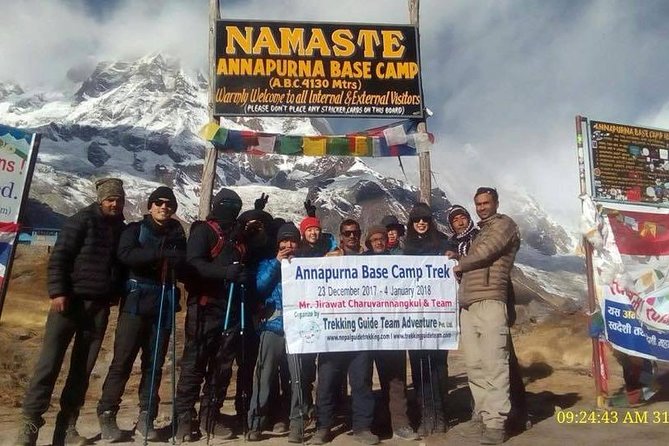
- Short timetable, real base-camp goal: You still target Annapurna Base Camp and Machhapuchhre Base Camp, just in fewer days.
- Private-group feel: Only your group participates, so you’re not squeezed into a big, loud trekking herd.
- Family-run tea houses: You sleep and eat in normal lodge/tea-house settings run by Nepali families.
- Permits included: TIMS plus the Annapurna Conservation and Trekkers Information Management System paperwork is part of the deal.
- Guide + porter for every two people: You get practical support that matters when altitude and fatigue stack up.
- Early logistics: A 1:15am start means you should plan your sleep schedule like a serious athlete.
What Short Annapurna Base Camp Means in Real Life (7 Days)
A “short” Annapurna trek isn’t a walk in the park. It’s more like a fast, focused route where you spend less time on the trail than the classic version, but you still earn your base-camp views. In practice, that usually means fewer slack days and less buffer if weather turns or if you need extra time between points.
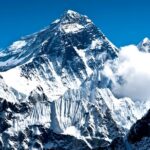
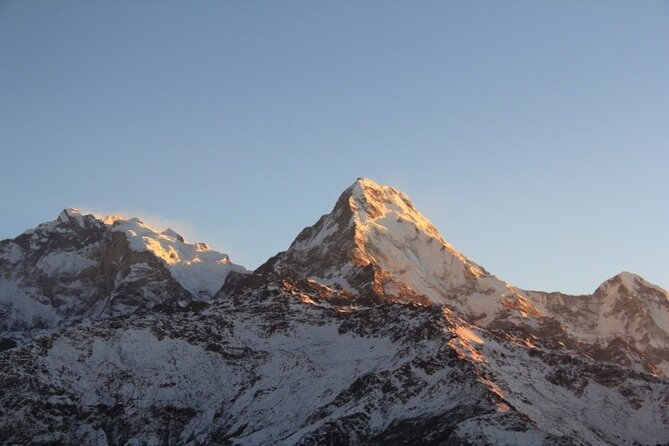
Your two big targets here are the Annapurna Base Camp area (linked to Annapurna, 8091m) and the Machhapuchhre Base Camp area (linked to Fishtail, 6997m). Those goals shape the whole feel of the trip: you’ll be hiking with a clear horizon in mind, not just wandering through “great scenery” for a week.
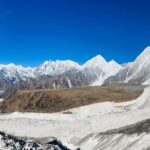
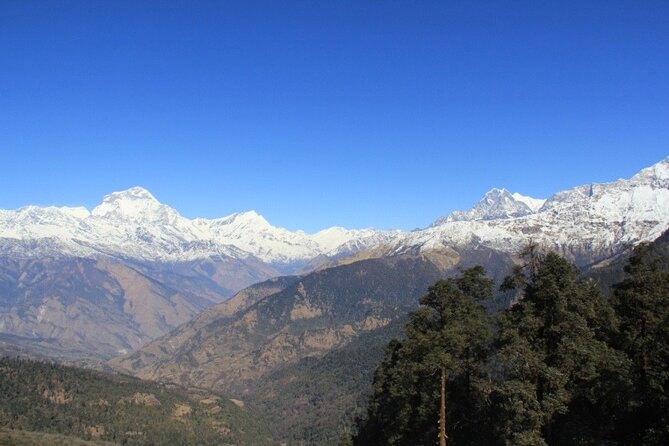
You’ll also get those satisfying range-spanning moments—the kind where you can look across the Annapurna range and, from the right hotel/stop, see the Dhaulagiri side too. The itinerary notes panoramic views from a Himalayan hotel, which is exactly the sort of payoff I like after a long morning climb.
You can also read our reviews of more tours and experiences in Kathmandu.
Kathmandu to Pokhara: The Part That Saves Your Energy
This trek is structured to get you into the hiking rhythm without wasting your vacation. You’ll start in Kathmandu, with pickup offered, and then you’re on land transport designed to move you efficiently. The tour includes all land transportation from Kathmandu back to Kathmandu by tourist bus.
Then come the classic “gateway town” days. You get 2 nights in Pokhara at a hotel with 3-star bed & breakfast, so you can reset before the trekking starts. That matters because trekking success is usually decided before you ever reach a high camp: you want decent sleep, clean meals, and time to sort gear and layers.
If you’re sensitive to big schedule changes, the planning support helps. Multiple accounts included in this dataset describe smooth coordination and quick communication before the trip, with the organizer named Kabi. That’s not just nice customer service. It often translates to fewer last-minute surprises when you’re already tired.
New Bridge Start: Where the Trek Really Begins
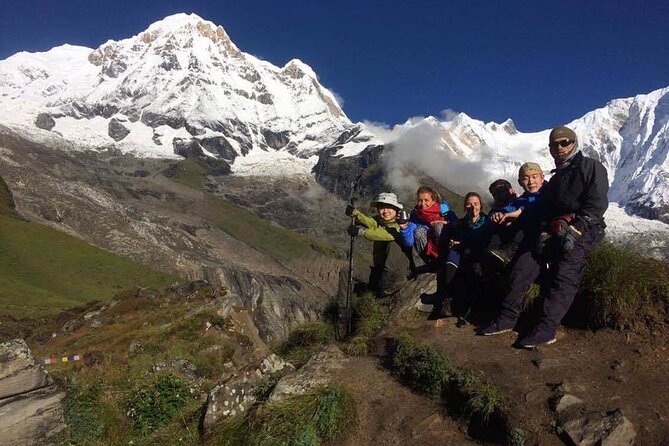
The trek’s official starting and ending point is New Bridge, reached from Pokhara by local jeep. This is a common setup on Annapurna routes: you cut the first day’s distance by road, then shift fully to foot travel once you’re in the trekking zone.
The good news is that New Bridge also helps you avoid the feeling of “wasted travel days.” You’re not spending your best energy doing paperwork, long drives, or complicated internal transfers. You’re walking.
The practical downside? You’ll start early in the overall trip timeline. The meeting start time is 1:15am, which suggests a very long first day for most people. If you’re the type who needs time to wake up slowly, plan for that now: pack your first-day essentials the night before and don’t treat sleep like optional gear.
Lodge Life Through Gurung, Magar, and Tamang Villages
One of my favorite ways to travel is to see how people live, not just to photograph mountains. This short ABC program includes time through typical villages linked with Gurung, Magar, and Tamang ethnic groups. That’s valuable because it shifts the trek from “view hunting” to “culture you can bump into.”
Along the way, you’ll stay in normal lodge/tea houses, the kind run by Nepali families. That affects your day-to-day comfort in a real way: lodging is simple, meals are basic but filling, and the staff at the tea houses become part of your daily rhythm.
Because the group is private, you’re also more likely to get a calmer experience at these stops. Tea houses can get crowded on peak weeks, but a private group tends to move with fewer interruptions. Still, keep expectations realistic. You’re on a mountain trail, not in a hotel chain.
The trek also includes daily breakfast, lunch, and dinner during the trek. That’s a huge deal for pacing. When food is handled, you don’t lose time hunting menus or worrying about finding open kitchens in small villages.
Annapurna Base Camp and Machhapuchhre Base Camp: The Payoff Sections
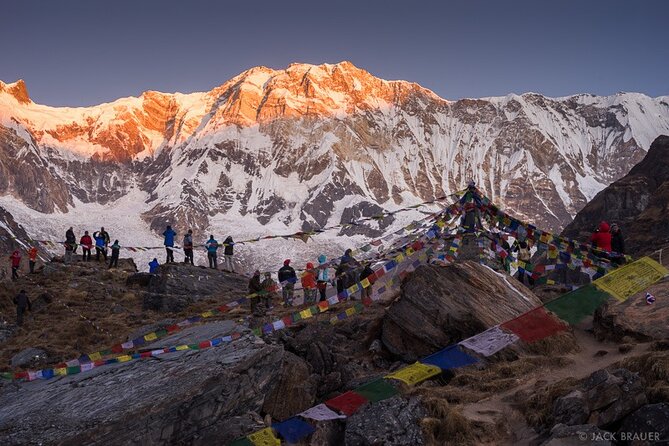
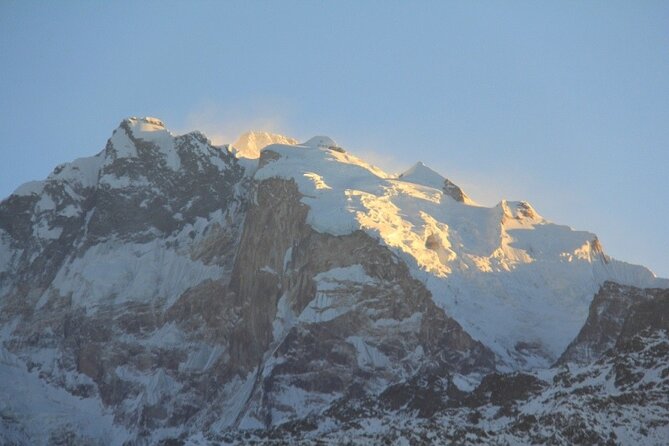
These are the moments people remember: the base-camp targets where the mountain scale hits your brain like a slow-motion wave. Annapurna Base Camp is tied to the Annapurna massif (8091m), and Machhapuchhre Base Camp is tied to Fishtail (6997m). Even when you can’t see everything perfectly, you’ll feel the altitude drama in the air and your own breathing.
What you’ll want to watch for is timing. Base-camp viewpoints often work best around clear weather windows. If clouds roll in, the mountains can look like they’re hiding a trick. That’s normal in the Himalaya. The value of having a guide is that they can keep you moving and help you make safe choices if conditions change.
You’ll also get the kind of range views that make this trek feel more than a single endpoint. The itinerary highlights views of the Annapurna range plus Machhapuchhre and the Dhaulagiri range from a Himalayan hotel stop. That means you’re not only chasing one dramatic photo. You’re getting multiple “okay, wow” moments across days.
One note to keep your expectations healthy: base-camp experiences can be weather-dependent. The guide team’s job is to balance ambition with safety, especially in a short itinerary where there’s less time to wait out storms.
How the Team Works: Guides, Porters, and Real Safety
This is where the experience’s rating and “recommended” rate make sense. The trek includes a guide + porter arrangement for each two tourists. That ratio is practical: the porter carries gear support so you can focus on your own pace, and the guide handles route logic and day-to-day decisions.
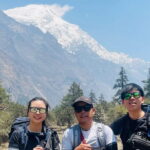
The accounts attached to this dataset repeatedly praise guides for being kind, attentive, and helpful through weather changes. Names that show up include Shambu and Jit, plus other guide names such as Sujan, Ram, Deepak, Santosh, and Tej Bagale. Porters are also named often, including people like Amrit, Nama, Noma, and Suga.
Even more useful than friendliness is responsiveness. Several accounts describe support for real issues like rain/snow and even knee problems—meaning the guide didn’t just show up for the view. They adjusted how the day unfolded so the trek could still happen.
So what should you look for in your own guide day-to-day? You want them checking in on you, not just counting steps. You want them encouraging safe pace, helping you plan clothing layers, and keeping meals and lodge choices aligned with the schedule.
Food, Permits, and What You Must Bring Yourself
This package handles the core eating plan: dinner daily, breakfast daily, and lunch during the trek. That alone saves you decision fatigue. You also get accommodation during the trek in normal lodge/tea houses, which keeps the logistics straightforward.
The tour also includes key travel documents: TIMS permit and the Annapurna Conservation and Trekkers Information Management System (TIMS) paperwork. Getting this done through your operator is genuinely helpful. Trek permits are not something you want to sort last minute after arriving.
Now the stuff you still need to bring is important. Your personal trekking gear is not included, including a sleeping bag, down jacket, gloves, sunglasses, sunscreen, a trekking stick, and trekking shoes. If you skip this and try to improvise, you’ll feel it fast—cold, sun glare, and sore feet are the fastest way to ruin a short trek.
Also plan for the Nepal entry process: a visa is issued on arrival at the airport, and you should bring 2 passport-size photos.
Finally, know what isn’t covered. The tour notes that lunch/dinner in Kathmandu and Pokhara are not included (it estimates $3–7 per item depending on food choices). Also, coffee/tea, alcoholic and non-alcoholic drinks, snacks, hot shower/laundry during trekking, and Wi-Fi/charging are not included.
Price and Value: Is $650 a Good Deal?
At $650 per person for a 7-day package, the value comes from what’s bundled, not from the sticker price. You’re getting: guide and porter support, most meals during the trekking days, trekking permits, trekking lodging, Pokhara hotel for 2 nights with breakfast, and multiple transfers (tourist bus within Kathmandu and local jeep to/from the trek start).
Where the cost makes sense is in the “time you don’t have to manage.” Permit handling, lodging logistics, and having someone coordinate transport is worth money in Nepal. Trekking is hard enough without turning your vacation into a to-do list.
Where you’ll likely spend extra is predictable:
- Visa photos and entry costs (visa itself is not included)
- Travel insurance that covers emergency rescue/evacuation (not included)
- Tips for guide and porter (not included)
- Personal gear (sleeping bag, down jacket, shoes, and more)
- Personal drinks/snacks and drinks beyond included meals
My practical advice: if you add up gear and insurance, you’ll still likely find the trip is cost-competitive for the level of support. But if you already own high-quality trekking gear and you have solid insurance, the $650 price feels more like a “package logistics fee,” which is where it becomes especially attractive.
Who This Short ABC Trek Is Best For
This is for you if you want a base-camp-focused Annapurna trek without spending two weeks on the trail. It’s also a good fit if you appreciate clear structure and prefer not to arrange permits, transport, and lodge bookings yourself.
You’ll be happier on this trek if you’re in strong physical fitness and comfortable with early starts. The itinerary emphasizes a strong fitness level requirement, which makes sense: short itineraries usually pack more effort into each day.
If you’re traveling with a partner or a small group, the private setup helps a lot. You’re not negotiating space, pace, or decision-making with strangers.
If you’re going for a super relaxed pace with zero steep sections, you might find a short ABC route too intense. The upside is that the guide/porter support exists to help you manage it. The downside is that there’s still hiking involved every day.
Should You Book This Short Annapurna Base Camp Trek?
I’d book it if you want an organized, guided path to Annapurna Base Camp and Machhapuchhre Base Camp within about a week, with permits and trekking meals handled. The biggest strength here is practical support: a guide and porter for every two people, plus lodging and food in tea houses run by local families, plus Pokhara comfort before you hit the trail.
I would think twice if:
- you’re not ready for a very early start time (1:15am) and physically demanding hiking
- you don’t already have the right gear (sleeping bag, down jacket, shoes)
- you expect unlimited drinks, snacks, hot showers, or Wi-Fi during the trek (those aren’t included)
FAQ
What destinations does the trek include?
The trek targets Annapurna Base Camp and Machhapuchhre Base Camp, with time through villages associated with Gurung, Magar, and Tamang culture.
What does the price include?
The package includes daily breakfast and dinner, lunch during the trek, 2 nights in Pokhara (3-star bed and breakfast), a guide and porter (for each two tourists), TIMS permit and Annapurna Conservation paperwork, trekking accommodations in normal lodge/tea houses, and land transportation between Kathmandu and Kathmandu plus a jeep transfer from Pokhara to New Bridge.
What isn’t included that I should budget for?
Not included are your personal trekking equipment (like sleeping bag, down jacket, gloves, trekking shoes), Nepal entry visa (with instructions to bring 2 passport-size photos), personal travel insurance (including helicopter rescue coverage), emergency rescue evacuation, meals in Kathmandu and Pokhara (menu-based at an estimated $3–7 per item), tipping for guide and porter, drinks and snacks, hot shower and laundry during the trek, and Wi-Fi/phone charging.
Do I need permits for this trek?
Yes. The trek includes TIMS permit and the Annapurna Conservation and TIMS information management requirements.
What time does the tour start?
The meeting start time is 1:15am.
Can I change or cancel and get a refund?
No. The experience is non-refundable and cannot be changed for any reason. If you cancel or request an amendment, the amount paid is not refunded.
If you tell me your fitness level and what gear you already own (especially shoes, sleeping bag, and down jacket), I can help you sanity-check whether this short 7-day version fits your comfort zone.