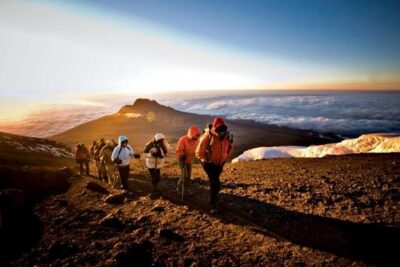
Three days in the jungle changes your pace. Nam Ha National Protected Area (NPA) in Laos is the big draw here, and the trek-and-kayak format keeps it active: forest trails, village time, and Nam Ha River paddling.
I really like two things about this tour. First, it’s run for a small group (up to 8), which makes it easier to move at a human pace and ask questions without feeling rushed. Second, you get solid support built in: an English-speaking/local guide, transport, entry fees, meals, and two different places to sleep.
The only real consideration is effort and conditions: you should have moderate fitness, and you’ll be outdoors in wet, jungle terrain and on a river section that includes rapids.
In This Review
- Key things I’d focus on before you go
- Why Nam Ha NPA feels different than a quick nature day
- Price and what you actually get for $159
- The small-group advantage (and why up to 8 matters)
- Day 1: Luang Namtha trail start, market supplies, rainforest hike, jungle picnic
- Day 2 options: Nalan Village Khmu culture with a 3-hour or 5–6 hour hike
- Option 1: a shorter 3-hour hike
- Option 2: a longer 5–6 hour hike
- Day 3: kayaking the Nam Ha River, rapids, and Nalan Tai lunch
- Sleeping: jungle camp one night, homestay another
- Guides make or break a jungle trek
- Village activities and traditional meals: where learning becomes real
- What to pack for Nam Ha trekking and kayaking
- Who this 3-day trek and kayak is best for
- Should you book this Nam Ha NPA adventure?
- FAQ
- FAQ
- How long is the tour?
- Where does the tour start?
- What time does it start?
- How many people are in the group?
- Is pickup offered?
- Is an English-speaking guide included?
- What activities are included in the 3 days?
- What meals are included?
- Where do you sleep during the tour?
- What should I bring that is not included?
- Is free cancellation available?
Key things I’d focus on before you go
- Up to 8 people means you get actual attention from guides, not just a quick handoff
- Nam Ha River kayaking is part of the schedule, including rapids and village stops
- Khmu culture on the trail with time in Nalan-area villages and traditional meals
- Two lodging styles: a jungle camp night plus a homestay night
- Hands-on village activities can include fishing and frog hunting, depending on conditions
- Food and water are included, but you’ll still want your own simple comfort items
Why Nam Ha NPA feels different than a quick nature day
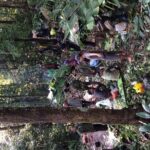
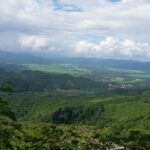
Nam Ha National Protected Area sits near Luang Namtha, and it has that rare mix of forest and people. This isn’t a “walk past a view and go home” kind of outing. You’re moving through dense rainforest and cultivated land, crossing a river area, and spending time with communities along the way.
What makes this format work is that it matches the region’s rhythm. Morning hiking, afternoon village or food time, and then a kayaking day that slows your brain down just enough to notice details in the water and along the banks.
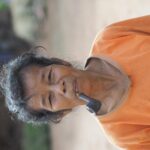
And you can feel the tour’s tone in the guiding style. In previous trips, guides like Sone (and his team), Nom, Phoumee, Son, Pumi, and Phou Lu have been mentioned for clear English and practical jungle leadership. That matters because it’s one thing to be in the forest, and another to understand what you’re seeing as you go.
You can also read our reviews of more tours and experiences in Luang Namtha.

Price and what you actually get for $159
At $159 per person for about 3 days, the value comes from what’s bundled rather than what’s added.
Here’s what’s included:
- An English-speaking/local guide
- Transportation
- Accommodation: jungle camp and a homestay
- Food and water (breakfast x2, lunch x3, dinner x2)
- Village activities
- Nam Ha NPA entry fee
- Community distribution and government taxes/charges
When a tour includes lodging, meals, entry fees, and guide time, the cost stops feeling like you’re paying mainly for a hike. Instead, you’re paying for a full “multi-day experience unit” where logistics are handled.
What’s not included is also important for your budget planning: snacks, fruit, a personal water bottle, personal medicine, and sandals or flip-flops. So you’ll likely spend a bit extra on comfort and small personal items, but the main trip costs are already covered.
The small-group advantage (and why up to 8 matters)
With a maximum of 8 travelers, the trip feels adjustable. In the jungle, conditions change fast—rain, mud, river flow, trail conditions. A small group makes it easier for guides to:
- set a pace you can manage,
- regroup without leaving anyone behind,
- and answer questions as they come up.
That small-group feel shows up in the comments people leave about guidance and “good vibe.” It’s also a safety and comfort win. Kayaking, river crossings, and hiking in dense forest don’t reward crowding.
If you like meeting people but don’t want the chaos of a big tour bus, this is a strong match.
Day 1: Luang Namtha trail start, market supplies, rainforest hike, jungle picnic
Day 1 starts with you meeting at 9:00 AM at Phou Iu Travel & Ecotourism in Phonexay Village, Luang Namtha. From there, the day turns into a jungle walk right away.
A key detail is the local market supply step before the hike. You’re not just showing up and following a trail—you’re getting set up with what you need for the next hours. That makes a difference because jungle trekking is practical: you want the right basics, and you want to feel ready.
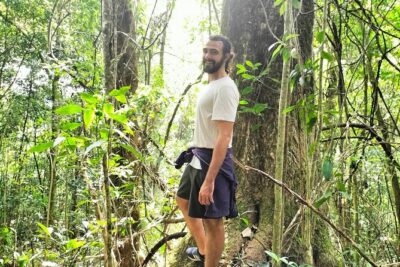
The hike is listed as about 4–5 hours through dense rainforest and cultivated lands. In practical terms, expect a trail that changes character. One stretch can feel shaded and muddy; another might feel more open and agricultural. That variety is part of the Nam Ha experience, not a detour.
In the afternoon, you’ll have a picnic lunch in the jungle. This is one of those simple moments that often ends up being the most memorable because you’re eating in the same environment you just walked through. (And yes, it’s the kind of day where rain can happen, so a light rain layer is smart.)
What to watch out for on Day 1: it’s your longest walking push of the trip. If you’re not used to humid jungle footing, take it easy early so you don’t burn energy before lunch.
Day 2 options: Nalan Village Khmu culture with a 3-hour or 5–6 hour hike
Day 2 is where the experience turns cultural as well as physical.
After breakfast, you head into one of two hiking styles, depending on what you want from the day:
Option 1: a shorter 3-hour hike
This option includes crossing the Nam Ha River, hiking to Nalan Village, and enjoying a traditional lunch. The focus here is more on getting to village life without maxing out your energy. You’ll learn about the Khmu lifestyle and culture during the day.
If you’re doing this as your main adventure trip and you want it to feel rewarding (not punishing), this shorter option usually fits best.
Option 2: a longer 5–6 hour hike
If you choose the longer track, you hike back through the Nam Ha NPA. That means more time on the trail, more chances for the forest to change underfoot, and more endurance needed.
Both options keep the “village + trail” idea. The difference is whether you want to spend more time walking or more time slowing down once you reach the community.
A practical note: either way, you’re learning while you move. Guides tend to explain what’s around you—how people live, what local foods mean, and how daily routines fit into the forest setting. With English-speaking guidance, you get context instead of just scenery.
Day 3: kayaking the Nam Ha River, rapids, and Nalan Tai lunch
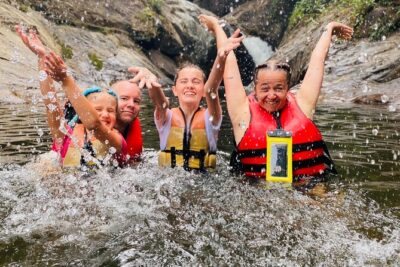
Day 3 shifts from hiking to paddling, and that change is a big part of why people like this tour. Morning starts with kayaking instructions, then you paddle down the Nam Ha River.
The schedule specifically mentions tackling rapids and visiting Nalan Tai village for lunch. That means you’ll be out on the water long enough to feel like kayaking is the main event, not a short photo stop.
After lunch, you continue kayaking in the afternoon, with more scenic jungle hills and more village time built into the plan.
This day rewards people who:
- enjoy movement but want a different kind of effort,
- feel comfortable being outside for longer stretches,
- and like the feeling of traveling by water instead of by trail.
What to consider: rapids add uncertainty. You don’t have to be an expert kayaker, but you should be ready for a physical, active ride and for splashes. Dry bags and proper clothing matter, even if you’re not told to bring advanced gear.
Sleeping: jungle camp one night, homestay another
Two lodging styles are included: a jungle camp and a homestay. That mix is more than a change of bed type. It changes how the trip feels at night.
Jungle camp nights tend to be about listening—rain on leaves, insects, and the kind of darkness that makes you notice your own breathing. A past experience note mentioned sleeping under banana leaves in the rain, which hints at how “real” the jungle can feel when you’re not in a standard hotel setup.
The homestay night is the other side of Nam Ha. It brings you closer to daily routines rather than staying in a controlled tourism space.
If you’re used to perfect amenities, you’ll need the right mindset. Think: adventure comfort, not luxury. But if you enjoy simple, human-scale travel, this lodging structure is one of the most meaningful values in the itinerary.
Guides make or break a jungle trek
This tour’s quality is heavily tied to guide skill and communication. The guides named in experiences people shared include Sone, Son, Nom, Phoumee, Pumi, and Phou Lu—and they come up for a reason: they make jungle time feel manageable and understandable.
Look for three things you’ll benefit from:
- Clear English explanations so you’re not guessing what you’re seeing
- Practical leadership so you move safely through rainforest terrain
- Respectful village interaction, so your questions feel natural and welcome
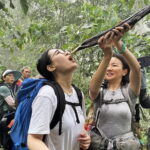
You also get hands-on activities. The tour description mentions things like fishing and frog hunting, plus traditional methods for cooking. Some experiences specifically mention catching and eating frogs and other jungle-style activities. You don’t have to treat this as a “challenge contest.” It’s more about being open to local ways of doing everyday life in a forest region.
One more subtle point: guides often shape the emotional tone. Experiences described as friendly, open exchange, and good care show that you’re not just being routed through spots—you’re being looked after.
Village activities and traditional meals: where learning becomes real
This trip isn’t just a sightseeing schedule. A big chunk is food and village time, and that’s where the Nam Ha NPA experience becomes tangible.
You’ll have:
- 3 lunches and meals across the three days
- breakfast twice and dinner twice
- time in villages tied to your hiking route
The Nalan and Nalan Tai village stops matter because they connect you to the Khmu and local life that sits alongside the forest. When someone explains the lifestyle as you arrive, it sticks better than reading about it later.
Food also does the same job. Traditional cooking and local specialties (including jungle foods mentioned in experiences) help you understand why people eat the way they do—what’s available, what takes less effort, and what fits the seasons.
If you have dietary needs, the tour data doesn’t spell out customization rules. So you’ll want to check with the operator when you book, especially if you need allergy-friendly meals.
What to pack for Nam Ha trekking and kayaking
The tour includes food, water, and most core trip items, but it doesn’t include the stuff that makes you comfortable and safe in wet jungle conditions.
Based on what’s not included, you should plan to bring:
- Snacks and fruit if you want them
- Your own personal water bottle
- Personal medicine
- Sandals or flip-flops (for practical water and camp use)
And because this is jungle + river, pack smart:
- A rain layer is a good idea (rain can show up fast)
- Fast-drying clothing helps with the kayaking day
- Simple shoes you trust on muddy or uneven ground
If you’re prone to blisters, bring a small blister kit. The hikes are long enough that small problems can become big problems.
Who this 3-day trek and kayak is best for
This experience is ideal if you want:
- a real rainforest trek with village time,
- an active day on the Nam Ha River with rapids,
- and two nights that feel grounded in the local setting (jungle camp + homestay).
It’s also well-suited for couples, solo travelers, and small groups who like guided structure but still want an authentic feel.
The tour says you need moderate physical fitness. If you can handle 4–5 hours of hiking on uneven ground and you’re okay with a kayaking day that includes rapids, you’re in the right lane.
If you dislike being wet, if you need predictable comfort levels, or if you’re looking for a short, low-effort nature stroll, you might find the pace too active.
Should you book this Nam Ha NPA adventure?
I’d book it if you want a balanced mix: trek + culture + a real water day. The value is strong because the price includes guide time, park entry, transport, lodging, and most meals—so you’re not piecing together a multi-day plan yourself.
I’d hesitate if:
- you’re not comfortable with moderate physical effort,
- you’re picky about amenities,
- or you need very specific dietary or medical support (since the only clear exclusions are personal medicine and general personal items).
Bottom line: this is the kind of trip where the details matter—small group size, guide leadership, village stops, and kayaking on the Nam Ha River. If that sounds like your idea of Laos, it’s a smart pick.
FAQ
FAQ
How long is the tour?
The tour runs for about 3 days (3 days total).
Where does the tour start?
It starts at Phou Iu Travel & Ecotourism in Phonexay Village, Luang Namtha, Laos.
What time does it start?
It starts at 9:00 AM.
How many people are in the group?
The maximum group size is 8 travelers.
Is pickup offered?
Yes, pickup is offered.
Is an English-speaking guide included?
Yes. An English-speaking/local guide is included.
What activities are included in the 3 days?
You’ll do 2 days of trekking and 1 day of kayaking down the Nam Ha River, plus village activities.
What meals are included?
Lunch is included 3 times, breakfast is included 2 times, and dinner is included 2 times. Food and water are also included.
Where do you sleep during the tour?
Accommodation is included as a jungle camp and a homestay.
What should I bring that is not included?
You’ll want to bring snacks (and fruit if you want it), a personal water bottle, personal medicine, and sandals or flip-flops.
Is free cancellation available?
Yes, you can cancel for a full refund up to 24 hours before the experience start time.