REVIEW · LAO CHAI VILLAGE
From Sapa: Full-Day Trekking Tour Lao Chai & Ta Van Villages
Book on GetYourGuide →Operated by Tinny Travel Co.Ltd · Bookable on GetYourGuide
Rice terraces start the day right in Sapa. This trek through the Muong Hoa Stream area and into Lao Chai and Ta Van is interesting because you move from rice terraces to real village life in just a few hours, with a guide who keeps the day organized. I love the small-group feel with an English-speaking guide, which makes it easier to ask about daily routines and traditions. I also love seeing traditional clothing and village architecture up close, not just from a distance. One possible drawback: the paths can turn muddy and slippery, especially with bad weather.
The day runs at a steady walking pace, with photo stops built in. You’ll get a picnic lunch and then a shorter walk back toward Sapa, so the whole outing feels focused rather than endless.
In This Review
- Key highlights and why they matter
- A classic Sapa route: rice terraces, then village life
- Pickup and timing: plan for a practical full morning
- 8:30 to late morning: Y Linh Ho and the Muong Hoa Stream terraces
- Lao Chai (Black H’mong) plus Red Dao livelihood: costumes and real routines
- Ta Van Village at 11:30: stilt houses and terraced fields
- Lunch around 12:30 and the return walk to the bus
- What you’re really paying for: price, inclusions, and value
- Mud, boots, and the crowding factor on wet days
- Village interactions and selling pressure: what to expect and how to stay comfortable
- Who should book this Sapa trek, and who should skip it
- Should you book this Lao Chai & Ta Van full-day trekking tour?
- FAQ
- FAQ
- What time does pickup happen in Sapa?
- How long is the trekking tour?
- Where does the trek go during the day?
- Is the guide available in English?
- What’s included in the $23 price?
- How much walking should I expect?
- What should I bring for the hike?
- Is it wheelchair accessible?
- What about cancellation or paying later?
Key highlights and why they matter
- Small-group pacing (up to 10 people) helps you keep a steady rhythm on narrow paths
- English-speaking guide means you can learn as you walk, not after the fact
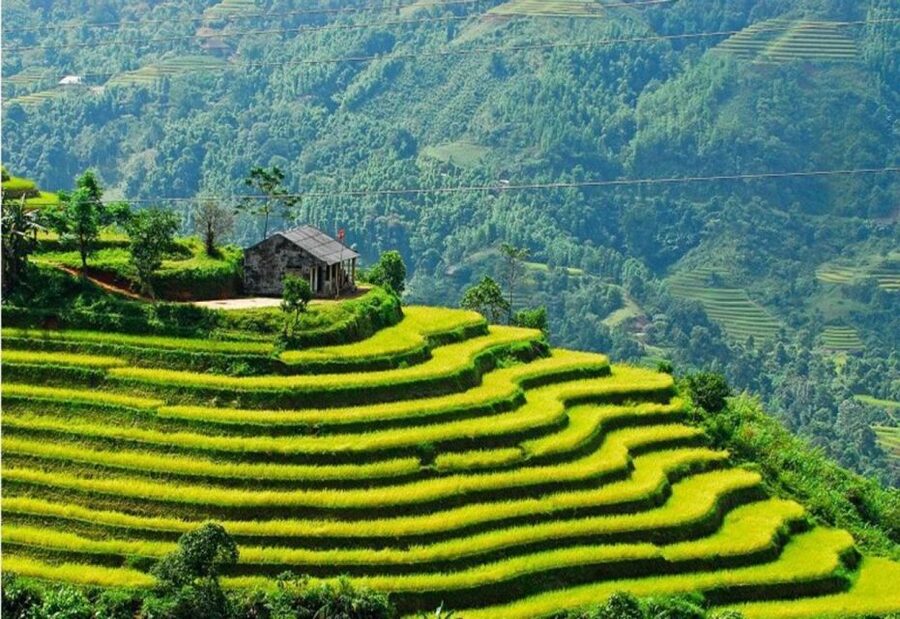
- Muong Hoa Stream rice-terrace photo stops set up the best scenery early in the day
- Lao Chai and Ta Van village visits bring you into Black H’mong and Red Dao communities
- Picnic lunch plus village entrance fees included makes the $23 price feel more honest
A classic Sapa route: rice terraces, then village life
This is one of Sapa’s best-known day treks because it does two things well. First, you spend time in the rice-terrace valley, with views of the Hoàng Liên Son mountain area. Second, you walk into two ethnic villages—Lao Chai and Ta Van—where you can see how people live, work, and dress.
What makes the route feel worth it is the flow. You start outside town, reach Lao Chai after hiking along the Muong Hoa Stream, and then continue on to Ta Van before looping back. It’s not just a viewpoint crawl. You’re walking through the valley while the villages sit in it, like the landscape was built around everyday life.
Pickup and timing: plan for a practical full morning

The tour is listed as about 6 hours, but the schedule on the ground is closer to a half-day hike with a morning start. Pickup typically happens around 8:15–8:30am in Sapa (either at your hotel, or at the tour office in Sapa Town, depending on where you’re staying). The day starts with a short walk to the departure starting point.
From there, the hiking portion begins around 8:30am. You should be ready for walking from the first leg onward. Even the early part—heading toward Y Linh Ho village and then into the terraces—sets the tone for the day: simple, scenic, and a bit uneven underfoot.
8:30 to late morning: Y Linh Ho and the Muong Hoa Stream terraces

The trek begins with a short approach from Sapa town—about 1.5km to reach the first destination, Y Linh Ho village. This matters because it gets you into the valley setting quickly, without wasting time.
From Y Linh Ho, you hike along the Muong Hoa Stream and pass through terraced rice fields. You’ll stop for photos and guided viewpoints along the way, and the overall goal here is to connect the scenery with the way the valley is used for farming.
This is usually where you feel the weather most. If it’s dry, the terraces can be surprisingly pleasant. If it’s wet, trails can become slick. That’s why the guide part is important: an English-speaking guide can help you judge footing in the moment and keep the group moving at a safe pace.
Lao Chai (Black H’mong) plus Red Dao livelihood: costumes and real routines
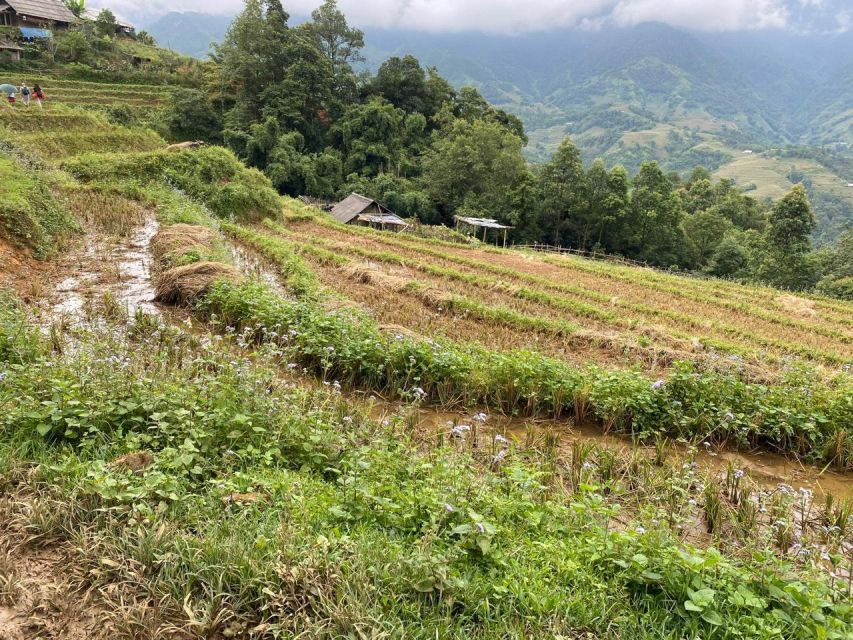
After about three hours of walking (the schedule puts it at roughly 8km), you arrive in Lao Chai village. The tour description calls this the home of the Black H’mong minority, and it also notes the livelihood of Red Dao people in the area. That combination is part of why Lao Chai feels different from just another photo stop—you get a sense of how multiple groups shape the same valley.
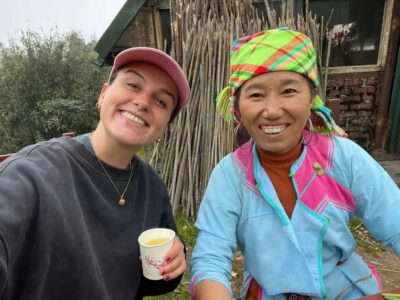
You can expect village entrance access, a guided visit, and time to observe traditional costumes. In Sapa, clothing often draws attention first, but what I think makes this stop valuable is that you’re in a place where the clothes are part of the day-to-day. You’re not just seeing outfits; you’re seeing how people live in the valleys and how work, community, and geography connect.
That said, village visits come with human interaction. You might find that some people want to talk or show crafts. If you enjoy that part, great—you can ask questions and browse with your own pace. If you prefer less interaction, just be firm and polite and stick close to the group.
Ta Van Village at 11:30: stilt houses and terraced fields
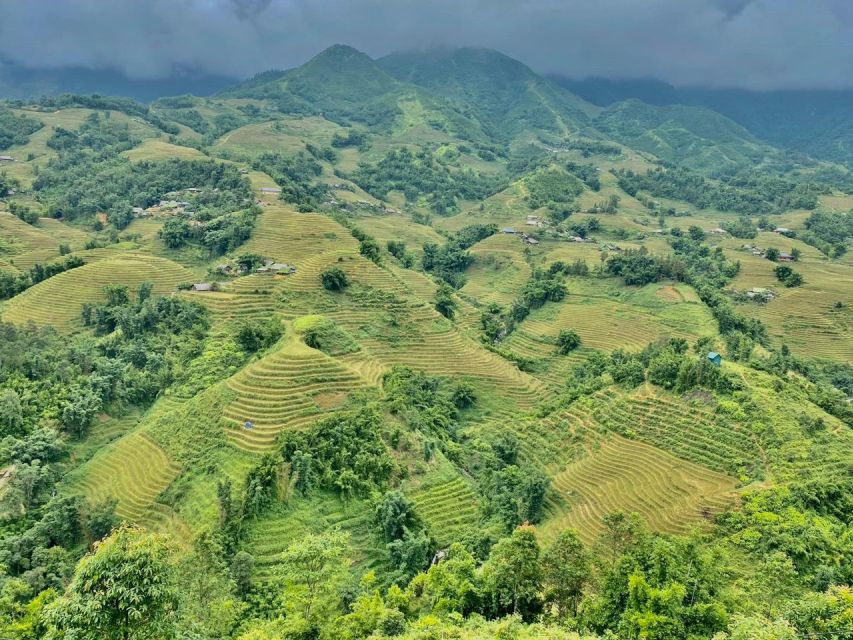
By 11:30am, the tour reaches Ta Van Village. This is another key moment on the route because Ta Van tends to show off a different side of the valley. The description highlights beautiful terraced fields and stilt houses, plus ethnic architecture that looks distinctive in person.
The visit includes photo stops and a guided look around, and you’ll get time to slow down here compared with the earlier hiking stretches. If you care about scenery that looks lived-in—not staged—Ta Van is often the stop that feels most memorable.
Timing also helps. Reaching Ta Van in late morning means the light is usually good for photos. It also sets you up for lunch shortly after.
Lunch around 12:30 and the return walk to the bus
Lunch is at a local restaurant around 12:30pm, and it’s structured to give you a break before the final stretch. The tour includes a picnic lunch, and the schedule also indicates a lunch break of about an hour.
After lunch, you walk about 1km to the bus back toward Sapa town. That part is deliberately shorter than the earlier hike, so you don’t feel like you’re signing up for a full-day marathon. By roughly 2:30–3:00pm, the car takes you back to your hotel or a spot you want to stop in Sapa.
This matters for planning. If you’re the type who likes an afternoon free to rest or explore town, this itinerary is built for it.
What you’re really paying for: price, inclusions, and value
The price is listed at $23 per person, and for that you get a few things that add up fast in northern Vietnam treks:
- Transport (pickup and return by car/bus)
- A live English-speaking guide
- Village entrance fees
- Picnic lunch
That combination is why this often feels like good value. The guide and entrance fees alone can cost a lot if you try to DIY it. And the transport makes the whole thing simpler than piecing together a ride plus a guide plus entry logistics.
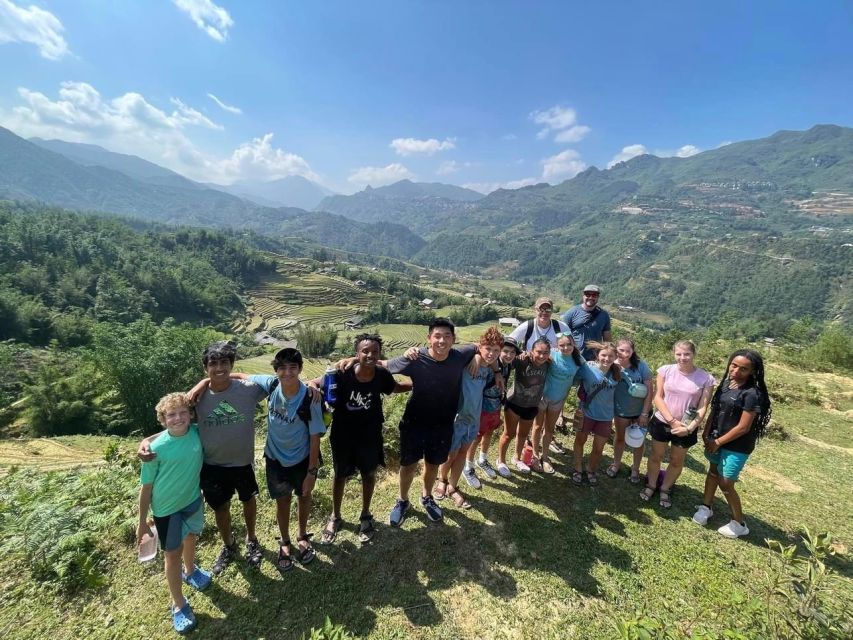
Also, the group size is limited to 10 participants. In a trekking environment where paths can be narrow, smaller groups usually mean less stopping and fewer bottlenecks. Still, keep expectations realistic: even with a small-group trek, you can share the valley with other groups, especially near common viewpoint areas.
Mud, boots, and the crowding factor on wet days
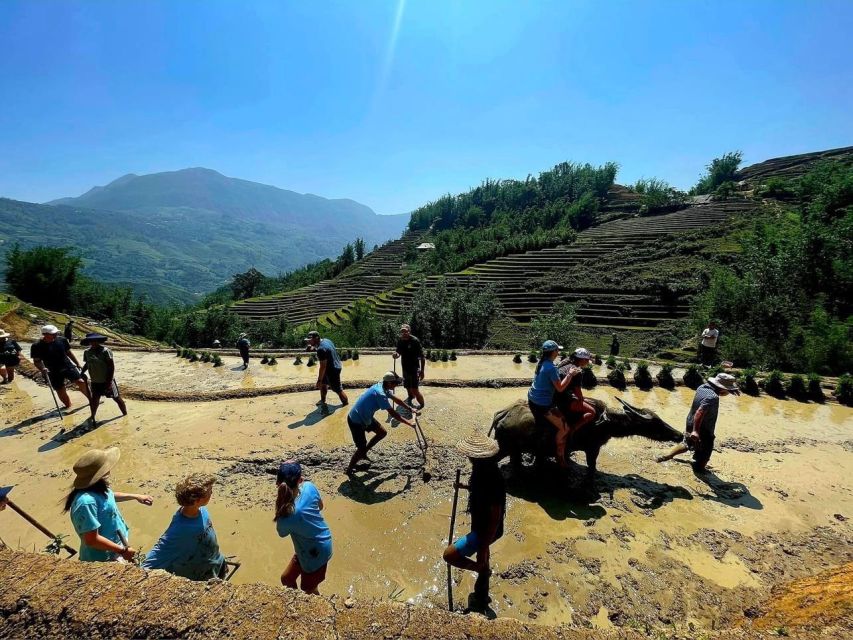
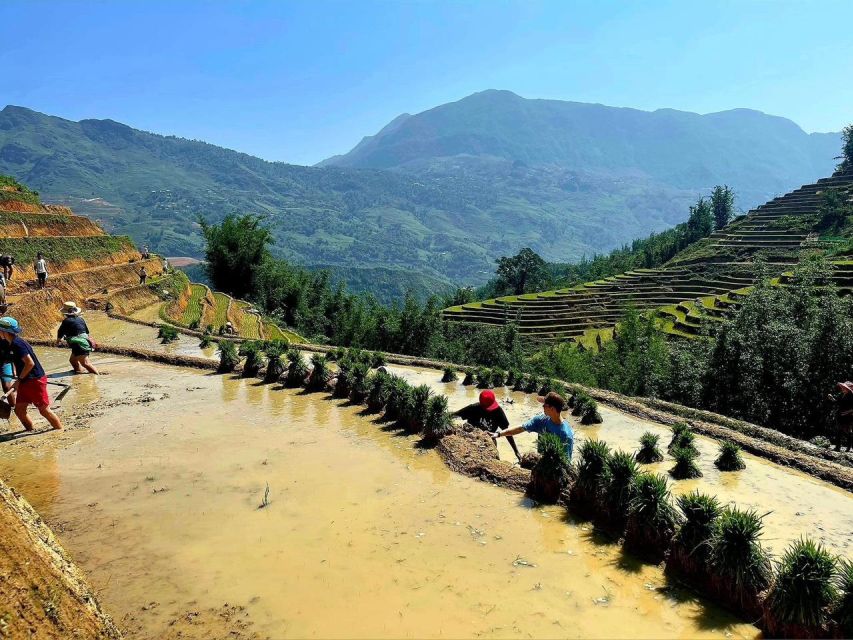
One of the most practical parts of this tour is also the most unpredictable: trail conditions. The itinerary includes a long stretch through terraces and paths that can be muddy. In wet conditions, slipping becomes the main risk, not distance.
Comfort advice you can take to the bank:
- Wear comfortable shoes with solid grip
- Bring a sun hat and sunscreen for dry days
- Use biodegradable insect repellent
- If you know you struggle with mud, consider packing thicker footwear
- Go slow on the slick parts and let the guide set the pace
A nice detail from how these tours run: guides sometimes help with practical problem-solving when the ground turns messy. For example, one group experience included the guide arranging rubber boots to keep feet dry. You may or may not get that exact help, but it’s a good sign that your guide is thinking about safety, not just pointing.
Crowding is the other reality. Some days, multiple groups can start around the same time, so you might see more people on overlapping sections. The small-group limit helps inside your own group, but the valley itself is shared.
Village interactions and selling pressure: what to expect and how to stay comfortable

This is the part people don’t always think about when booking a village trek: interaction doesn’t end when the visit ends. You may meet people offering help on the path or approaching to share and sell handmade items.
In some cases, the help and the craft-support angle can feel respectful and part of the visit. In other situations, interactions can become persistent—especially on muddy paths where people naturally want to assist you—and that can turn an otherwise relaxing walk into something you have to manage.
Here’s how I’d handle it:
- If someone offers help, decide quickly if you want it and keep moving once you’ve accepted
- If you want to look only, stay polite and repeat a calm no
- Stick with your group and follow your guide’s lead on where to go next
- If something feels off, you can ask your guide to clarify what is connected to the planned visit
This keeps the experience focused on why you came: terraces, villages, and learning what daily life looks like on the ground.
Who should book this Sapa trek, and who should skip it
This tour is a strong match if you want:
- an organized way to walk between Lao Chai and Ta Van
- guided cultural context in English
- a day plan that includes photo stops, village visits, and lunch
- a smaller group size for easier pacing
It’s less ideal if:
- you need wheelchair accessibility (the tour is not suitable for wheelchair users)
- you have limited ability to walk on uneven, muddy paths
- you strongly prefer a quiet, no-interaction hike (because village environments bring conversations and sales)
If you’re flexible, bring the right shoes, and go in with the mindset that village visits include people wanting to connect, you’ll get a lot from this day.
Should you book this Lao Chai & Ta Van full-day trekking tour?
If your goal is a classic Sapa day that mixes terrace walking with hands-on village visiting, I’d book it. The included English guide, transport, village entrance fees, and lunch make the price feel reasonable, and the route is well-paced for a half-day that still gives you real time in the villages.
Just go in prepared for the two things that can make or break the experience: footing and village interactions. Bring grippy shoes and insect repellent, and set your comfort boundaries early about crafts or money requests. Do that, and this trek is the kind of Sapa experience that sticks with you long after you leave the valley.
FAQ
FAQ
What time does pickup happen in Sapa?
Pickup is included around 8:15am to 8:30am in Sapa. You can be picked up at your hotel if you’re staying in Sapa, or at the tour office in Sapa Town.
How long is the trekking tour?
The activity is listed as 6 hours, and the daily plan runs from the morning pickup through the mid-afternoon return to Sapa.
Where does the trek go during the day?
The route includes Y Linh Ho village, a trek along the Muong Hoa Stream and rice terraces, a village visit in Lao Chai, and then Ta Van Village, before returning by bus to Sapa.
Is the guide available in English?
Yes. The tour includes a live English-speaking guide.
What’s included in the $23 price?
Included are transport, an English tour guide, picnic lunch, and village entrance fees.
How much walking should I expect?
You’ll start with a short approach from Sapa to the first destination, then hike through the valley. The schedule indicates about 3 hours and roughly 8km of walking before reaching Ta Van, plus additional shorter segments.
What should I bring for the hike?
Bring comfortable shoes, a sun hat, sunscreen, and biodegradable insect repellent.
Is it wheelchair accessible?
No. The tour is not suitable for wheelchair users.
What about cancellation or paying later?
You get free cancellation up to 24 hours in advance for a full refund, and there’s a reserve now & pay later option (you can book without paying immediately).