REVIEW · KATHMANDU
10 Days Annapurna Base Camp Trek from Kathmandu
Book on Viator →Operated by Couch Adventure Nepal (CAN) · Bookable on Viator
A sunrise view from the roof of Nepal beats most plans. This 10-day Annapurna Base Camp route links Kathmandu, Pokhara, Gurung villages, and the sanctuary hills into one organized trek. You’ll see big-name peaks like Annapurna South, Hiunchuli, and Machhapuchhare from some truly memorable angles.
Two things I really like are how the logistics reduce stress and how the trek itself keeps paying you back. The early 6:30am pickup and the bus transfers take the hard parts off your plate, and the itinerary is built around key viewpoints like Machhapuchre Base Camp and the sunrise at base camp.
One drawback to consider: meals and drinks aren’t included, so you’ll budget for food each day, and you should be ready for a moderate-fitness trek. Also, permits and TIMS are covered, but rescue costs aren’t, so sensible pacing and care matter on the mountain.
In This Review
- Key things to know before you go
- Annapurna Base Camp in 10 days: what this route really gives you
- Kathmandu morning to Pokhara: why the travel day is designed well
- Pokhara as your reset day: staying near Fewa helps
- Ghandruk and Chhomrong: Gurung villages and the kind of trail that teaches you pacing
- From Chomrung to Sinwa and Bamboo: suspension bridges and river-valley climbing
- Deurali to Doban-area days: when views and walking overlap
- Machhapuchre Base Camp to Annapurna Base Camp: the climb that earns the reward
- Sunrise at base camp: how to plan your morning so it actually feels special
- Jhinu Danda hot spring stop: the easy win on the way down
- Nayapul and Pokhara return: the private car part that makes the end feel civilized
- Back to Kathmandu: finishing with a clear plan
- Price and value: what $586.67 really covers, and what you’ll pay extra for
- Pace, fitness, and what to expect from the trail days
- Who should book this trek (and who might want a different style)
- Should you book with Couch Adventure Nepal (CAN)?
- FAQ
- How long is the trek?
- Where does the experience start?
- Do I need permits for the trek, and are they included?
- Is the trekking guide included?
- What about accommodation?
- Are meals included?
- What transportation is included besides trekking?
- Is this a private trip?
- Which major viewpoint moments are included?
- Can I cancel and get a full refund?
Key things to know before you go
- English-speaking trekking guide on the trek helps you navigate trail days with confidence.
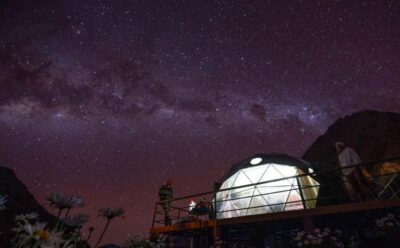
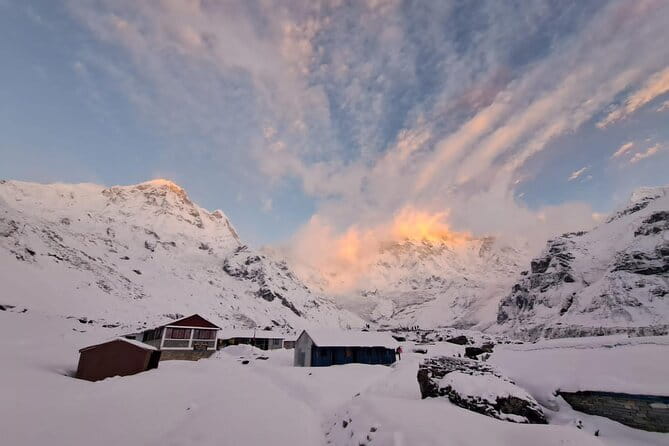
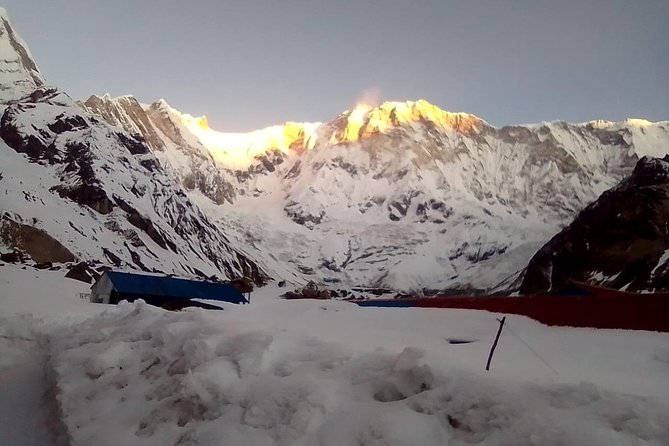
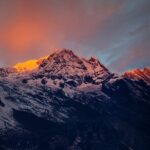
- Sunrise at Annapurna Base Camp turns the main peaks from white to orange.
- Pokhara lakeside hotel location puts you within walking distance of Fewa Lake.
- A private-trip setup means it’s only your group, not a random mixed crowd.
- Permits and TIMS included (so you’re not scrambling at the last minute).
- Guides with real people skills, including Prakash and Bisham, have made the difference for past groups.
Annapurna Base Camp in 10 days: what this route really gives you
If you’re drawn to Annapurna because it looks like a postcard and feels like an adventure, this trek format fits that sweet spot. You’re not just marching uphill in a line—you’re moving between villages, forests, river bends, and suspension-bridge crossings, then landing in the base camp area for big mountain drama.
This kind of trek works best when you can trust the basics: transportation to trailheads, permits, and day-by-day timing. Here, those parts are handled for you. That means you can spend your energy on what matters most—breathing steadily on climbs, enjoying the views when they show up, and getting a real sense of how life looks in Gurung villages along the way.
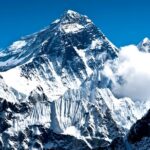
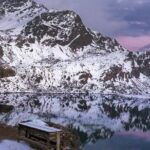
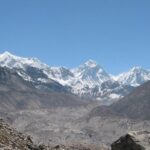
One more thing: Annapurna doesn’t just give you one hero peak. You’ll have repeated chances to spot several named peaks—Hiunchuli, Annapurna South, Ganagapurna, Annapurna III, and Machhapuchhare—and you’ll also get the full “big mountain bowl” feeling around the sanctuary and base camp areas.
You can also read our reviews of more tours and experiences in Kathmandu.
Kathmandu morning to Pokhara: why the travel day is designed well
Your day starts early. You get picked up from your Kathmandu hotel at 6:30am, then driven to the bus station for a tourist bus to Pokhara. This is a long ride—about 7 hours—so the value here is not the ride itself. The value is that you’re not trying to figure out local transport, directions, and timing on your own.
Once you arrive, you transfer to a lakeside-area hotel in Pokhara, and the Fewa Lake shoreline is walkable from there. That’s a small detail that matters. After a travel day, you want an easy place to stretch your legs without committing to another big activity.
Also worth knowing: one past guest mentioned they could request a sofa-seat style bus from Kathmandu and the team handled it. If comfort matters to you, it’s worth asking ahead of time rather than assuming. Small requests handled early can make a big difference when you’re about to do uphill hiking.
Pokhara as your reset day: staying near Fewa helps
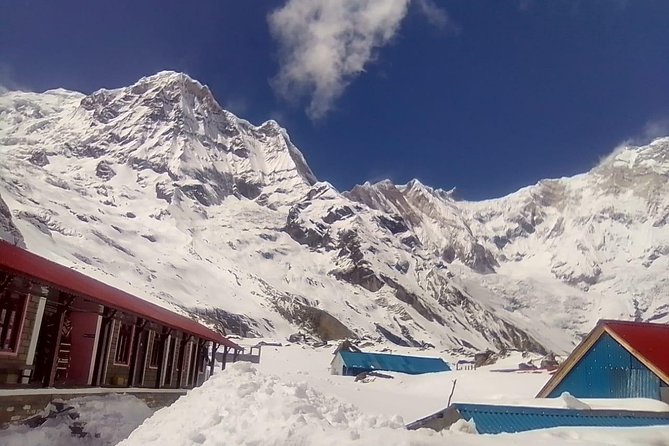
Pokhara isn’t just a staging point. It’s where you reset your body before trekking and where you can enjoy calmer Nepal time. You’ll have a two-star level hotel in Pokhara, then move into a guesthouse rhythm once the trekking starts.
Staying near the lakeside has practical perks:
- You can find simple meals close by before the trek begins.
- You can step outside for fresh air without planning a whole excursion.
- You get a familiar base when you’re carrying everything you’ll need for the trail.
You’ll also have a smoother transition into the trekking days because the team handles your movement from city life into hiking life.
Ghandruk and Chhomrong: Gurung villages and the kind of trail that teaches you pacing
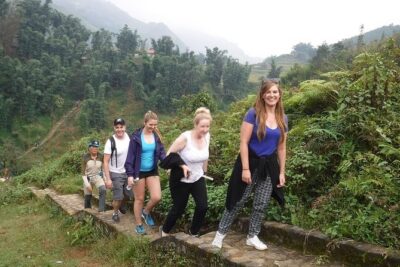
The trek begins in earnest on the second day with Ghandruk, a typical Gurung village. You’ll walk through a stone-paved trekking track for about 6 hours to reach Ghandruk Village. Stone paths can be easier than they sound—until you hit a steeper stretch. Still, this is the kind of trail day that helps you find a rhythm quickly.
Ghandruk is also a cultural stop, not just a dot on the map. If you enjoy meeting people, seeing how communities live at the foot of the Himalaya, and walking through villages rather than only passing them, this is one of the days that does the most for your overall memory of the trip.
On the next day, you continue through a forested section and down toward river terrain, then start climbing again toward Chhomrong. The route includes walking along a trekking trail through forest to Kimrung Khola, then uphill to Chere Hill and onward. That mix—up, down, forest, river bend—builds a good foundation for the longer days later.
A practical note: trails like this don’t reward rushing. Your best strategy is a steady pace, frequent short stops, and keeping your energy for the view moments later.
From Chomrung to Sinwa and Bamboo: suspension bridges and river-valley climbing
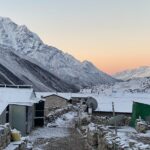
This is where the Annapurna trek feeling really clicks. You’ll start with a descent to the Chomrung river via thousands of stone staircases, then cross a suspension bridge before climbing back toward Sinwa Village. It’s about 6 hours total, and the day balances effort with scenery.
That stone-stair experience can be tough on the knees if you move too fast. My advice: shorten your stride and take your time on step-downs. It’s not glamorous, but it saves your legs for the next climb.
After Sinwa, you’ll go through a mild forest trail toward Bamboo, and you’ll reach Doban on the Modi River bank later. Doban-on-a-river-bank type of day has a nice payoff: you get that sense of being surrounded by valley life and changing weather as you move through the day.
Deurali to Doban-area days: when views and walking overlap
On the next trek day, you hike toward Deurali. This is described as a mountain trail with mountain views, and the walking time is about 5 hours.
Days like this matter because they’re not only about reaching a checkpoint. They’re about training your mind to notice details: changing light on ridgelines, the way the air feels cooler at elevation (even if you aren’t chasing technical science), and the way forests thin out as you approach more exposed country.
If your goal is Annapurna Base Camp for the peaks, these mid-trek days are how you get there with enough energy to truly enjoy the sanctuary and base camp areas.
Machhapuchre Base Camp to Annapurna Base Camp: the climb that earns the reward
The day you push toward Machhapuchre Base Camp is a big one. First you trek to Machhapuchre Base Camp and get views of multiple named peaks, including Mt. Hiunchuli, Annapurna South, Annapurna I, Annapurna III, Gandharvachuli, and Gangapurna. That moment—standing in the base camp area feeling surrounded by royalty—does what it’s supposed to do.
Then the trek continues with another uphill push to Annapurna Base Camp, about 2 hours more once you’re already in that higher zone. The total time given for this day is about 5 hours.
What makes this stretch worth it is the way the scenery stacks. You’re not just getting one panorama; you’re moving between viewpoints so your “wow” moments come in layers.
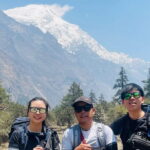
This is also where your trekking guide becomes extra valuable. If you’ve got an English-speaking guide, you can better understand route logic, weather behavior, and how to pace your effort. Two guide names show up in past experiences: Prakash and Bisham. Both are described as friendly and helpful, and that human factor matters when fatigue starts to play mind games.
Sunrise at base camp: how to plan your morning so it actually feels special
Day 7 is built around the payoff: enjoy the sunrise from base camp. The description is specific—the royal peaks shift from white to orange as the light moves.
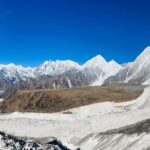
Then you get a 360-degree view of mountains such as Annapurna South, Hiunchuli, Annapurna I, Gangapurna, and Machhapuchhare (the Fishtail). After that, you start trekking back down to Bamboo for about 6 hours.
Sunrise hikes are one of those things that can go two ways: either it feels magical, or you’re half-asleep and grumpy. The way this day is scheduled gives you the structure to do it right. You just need to be sensible about sleep the night before, keep warm, and don’t waste energy on unnecessary rushing.
Jhinu Danda hot spring stop: the easy win on the way down
Not every trek needs a recovery activity, but this one gives you a great option. On the next day you trek toward Jhinu Danda, passing Chhomrung and heading down to the village. A hot spring is mentioned as being about 15 minutes from the village if you’re paying attention and want to take the dip.
This is the kind of stop that’s worth it if your body is feeling the impact of days on stone steps and uneven trail. Even if you don’t go all-in, it can take the edge off tired legs and reset your mood before the final travel segment.
Nayapul and Pokhara return: the private car part that makes the end feel civilized
After Jhinu Danda, you trek down to Naya Pul (about 6 hours), then you switch gears. From Naya Pul, you’ll have a transfer back to Pokhara by private car (about 1 hour 10 minutes), then a short transfer to your lakeside hotel in Pokhara.
This is a genuine quality-of-life inclusion. Long days on the trail can make transportation feel like punishment. Having a private car for the final step keeps your last day from turning into an endurance test.
Once you’re back in Pokhara lakeside, you’re not stuck waiting around all evening. You can eat, shower, and enjoy the fact that you’re done with the uphill part.
Back to Kathmandu: finishing with a clear plan
On your final day, you transfer to the bus station and take the tourist bus back to Kathmandu. The ride is about 7 hours, and you’ll end the trip once you’re back in Kathmandu.
Having this clearly handled is important. Trek fatigue has a way of making logistics feel larger than they are. A smooth finish helps you remember the trek for the right reasons—views, village moments, and that sunrise—rather than for stress.
Price and value: what $586.67 really covers, and what you’ll pay extra for
The price is $586.67 per person, for a trip listed as a private activity, with hotel pickup and drop-off, tourist bus transfers Kathmandu–Pokhara–Kathmandu, Pokhara accommodations, and trekking support.
What’s included that you would otherwise have to pay for or coordinate yourself:
- Trekking permits and TIMS
- An English-speaking trekking guide during the trek
- Basic guesthouse accommodation during the trek
- Pokhara hotel accommodation (two-star level)
- Pokhara–Nayapul–Pokhara transfer by private car
- Private trip setup and pickup/drop off
What you should plan to pay separately:
- All meals and drinks
- Rescue costs in an emergency
- Gratitude (optional)
So is it good value? For many trekkers, yes, because the hardest parts to DIY are the permits, the transport timing, and having a guide who can keep you on the right route. The price also lands in a reasonable zone for a trek that includes both road legs and a mix of guesthouses and a proper Pokhara hotel.
The other value angle is the way past guests described support: friendly guides, good management, and an experience that felt organized rather than chaotic. If you care about the human side of trekking—someone helping you with decisions on the mountain—that’s usually where value shows up.
Pace, fitness, and what to expect from the trail days
This trek is described as suitable for people with moderate physical fitness. That doesn’t mean it’s easy. It means the route is set up for steady hikers rather than technical climbers.
Expect a mix of:
- Stair-heavy sections (thousands of steps on at least one key day)
- Forest trekking trails
- River-valley walking and bridge crossings
- Uphill climbs after descents
- Long days that are timed around hiking hours of 5 to 6 hours most days
Your best move is to treat the trek like training for consistent effort rather than a race. Bring a comfortable walking rhythm and don’t wait until you’re exhausted to slow down. With the guide and group movement handled, you’ll still control how hard you push each day.
Who should book this trek (and who might want a different style)
This trek fits you best if:
- You want Annapurna Base Camp and sunrise as a central goal
- You like the idea of village walking, not only remote high-altitude scenery
- You prefer organized logistics: permits, transfers, guide, and accommodation are set
- You’re traveling with friends and would like a private group setup
You might consider a different format if:
- You hate budgeting for meals day by day (meals and drinks aren’t included)
- You’re looking for a low-effort walk—this route includes uphill and step-heavy hiking
- You want every day to end with a lot of free time built in; here, the schedule is structured around trail progress
Should you book with Couch Adventure Nepal (CAN)?
If you want an organized Annapurna trek without having to manage the moving parts yourself, I think this is a solid option to consider. The inclusions are the right ones: permits, an English-speaking guide, transport, and the key mountain days that make the whole experience feel complete.
I’d book if you value practical support and you’re comfortable handling meals separately. I’d also ask the team about bus-seat comfort if that matters to you, since at least one group successfully requested better seating.
If you’re unsure, ask yourself one question: do you want your energy to go into the mountain, not into planning? If the answer is yes, this 10-day ABC-style trip is designed for that exact goal.
FAQ
How long is the trek?
The trek is listed as 10 days (approx.).
Where does the experience start?
It starts with a pickup from your hotel in Kathmandu at 6:30am.
Do I need permits for the trek, and are they included?
Yes, you need trekking permits and TIMS. These are listed as included.
Is the trekking guide included?
Yes. You’ll have an English-speaking trekking guide during the trek.
What about accommodation?
You’ll stay in a two-star hotel in Pokhara and basic guesthouse accommodation during the trek.
Are meals included?
No. All meals and drinks are not included, and you can purchase them.
What transportation is included besides trekking?
You get tourist bus transfer Kathmandu–Pokhara–Kathmandu, plus Pokhara–Nayapul–Pokhara by private car.
Is this a private trip?
Yes. It’s listed as a private trip, meaning only your group participates.
Which major viewpoint moments are included?
You get sunrise viewing from Annapurna Base Camp, plus time at Machhapuchre Base Camp with views of several named peaks.
Can I cancel and get a full refund?
You can cancel up to 3 days in advance of the experience for a full refund, based on local time.