REVIEW · KATHMANDU
Everest Base Camp Trek with Helicopter Return – 10 Days
Book on Viator →Operated by Breakfree Adventures Pvt. Ltd. · Bookable on Viator
Everest Base Camp in 10 days is a bold plan. What makes this one interesting is the helicopter return, turning the hardest “get back there” part into a fast, high-altitude payoff, instead of a long shuffle down. I also like how the trip is built around small-group logistics, with flights into Lukla, permits handled, and your daily route stitched together so you can focus on walking and acclimatizing.
The possible drawback is timing. This plan depends on weather for both Lukla flights and the helicopter day, and the operator notes the experience requires good conditions. You’ll also want moderate fitness, because even with acclimatization days, the trekking days include long walking with steady ups and downs.
In This Review
- Quick hits I’d plan around
- Why the helicopter return from Kalapathar is the whole point
- Getting from Kathmandu to Lukla: the first “real” hurdle is smoothness
- Namche and the Everest gateway: acclimatization without feeling like a detour
- Tengboche and Dingboche: monasteries and villages keep you moving smart
- The Chola Lake to Lobuche stretch: where stamina gets tested
- Everest Base Camp and Gorakshep: the day the icefall feels close
- Kalapathar’s 360-degree views, then flying back to Kathmandu
- Price and logistics: what $3,400 really buys you
- Who this Everest Base Camp plan fits best
- Should you book this Everest Base Camp trek with helicopter return?
- FAQ
- What is the duration of the Everest Base Camp trek with helicopter return?
- Where does the tour start?
- What route is used to reach Everest Base Camp?
- Are flights included?
- Is accommodation included?
- Are meals included?
- What trekking gear is provided?
- Are permits included?
- Do I need a visa for Nepal?
- What happens if weather is bad?
- Is tipping mandatory?
Quick hits I’d plan around
- Helicopter return from the Everest region keeps you from hiking the route back the same way
- Small group size (max 15) usually means less waiting and more attention on timing
- Tea house / lodge accommodation plus set meals removes a lot of “what now?” stress
- Gear support included: down jacket, sleeping bag, and a walking pole
- Acclimatization built into the route with Namche and Dingboche stopping points
- Permits handled (Everest Trek permit and TIMS) so you’re not managing paperwork on the fly
Why the helicopter return from Kalapathar is the whole point
On a classic Everest Base Camp trek, you pay for distance twice: you go up, and then you go back. This version cuts the backtrack with a helicopter return after your last big viewpoint day. The result is a trip that feels more like an efficient “Everest loop” than a straight out-and-back hike.
Practically, that matters for two reasons. First, you save energy when your legs are already tired from altitude days and uneven footing. Second, you reduce the emotional grind of repeating the same ridgelines and bends in the trail while the weather shifts.
You should still be realistic: a helicopter is only great when the day works. The operator explicitly says the experience requires good weather. If conditions don’t cooperate, your day-to-day plan can be disrupted, and that’s the one variable you can’t out-plan with willpower.
You can also read our reviews of more tours and experiences in Kathmandu.
Getting from Kathmandu to Lukla: the first “real” hurdle is smoothness
Day 1 is arrival and reset in Kathmandu, with a hotel transfer and free time to explore or rest. That buffer is not fluff. Kathmandu traffic can be chaotic, and jet lag can turn a simple dinner walk into a nap request.
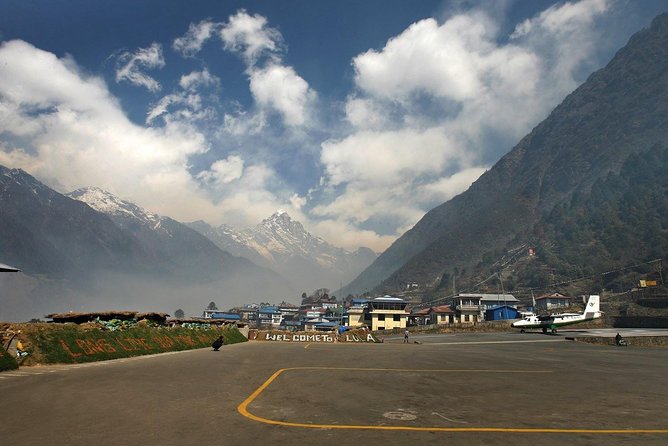
Day 2 is where the adventure locks in. You head to the domestic airport early and fly to Lukla, then start trekking toward Phakding. This is the moment where the trip’s pre-arranged logistics start paying off: you meet your trekking crew in Lukla and you’re not trying to coordinate flights, permits, and local arrangements on the fly.
Even though you’re not “high altitude yet,” Day 2 still has a long travel day feel. It’s listed as a day-length trek after the flight, and you’ll be moving through green scenery, along the Dudh Koshi River, and crossing the Hillary suspension bridge. That bridge is a memorable line in the journey—not because it’s dramatic for long, but because it signals you’ve entered the Khumbu flow where the mountains close in.
Namche and the Everest gateway: acclimatization without feeling like a detour
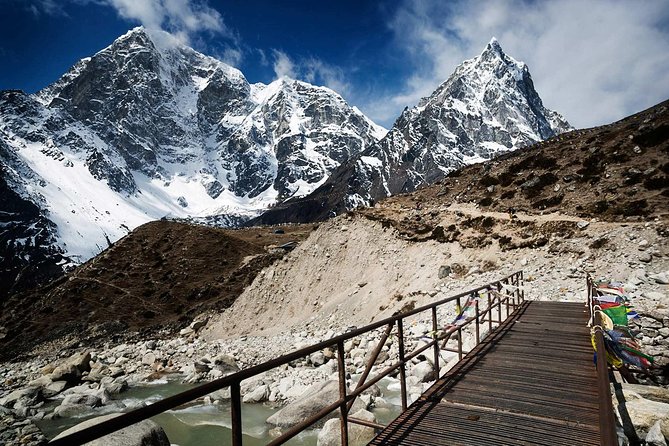
If you’ve done any altitude travel before, you know acclimatization is not optional. This itinerary handles it with “gateway” days that also double as culture and viewpoint stops.
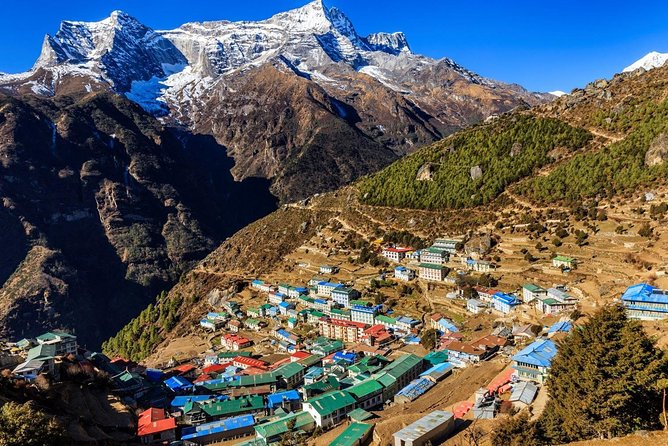
Day 3 brings you to Namche Bazaar, the Sherpa capital and a major gateway into the Everest region. The big practical win here is that Namche gives you a place to slow down. You also get Sherpa Museum time (optional, not included), which is useful if you want context for what you’re seeing beyond just big peaks. Knowing how Sherpa communities live, adapt, and support mountaineering culture helps the trek feel grounded.
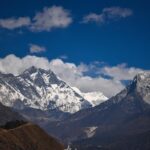
Day 4 is your acclimatization day in Namche. You hike up toward Everest View Hotel for views of Everest. This is the day where the route is designed to get you higher without pushing you too hard for a fast timeline. You also pass Syangboche on the way, which keeps the walk interesting rather than turning it into a single “sit and wait” day.
One consideration: this tour is built to fit Everest Base Camp in 10 days. That means your acclimatization days are scheduled tightly. If you’re the type who slows down in thin air, you’ll still do fine, but you’ll benefit from listening to your guide and not treating acclimatization as a sightseeing stroll.
Tengboche and Dingboche: monasteries and villages keep you moving smart
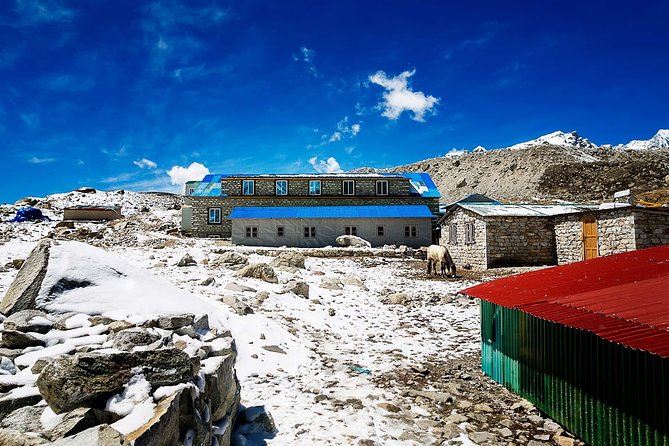
Day 5 takes you to Tengboche, known for a major monastery in the Khumbu region. The route has a classic mix of trail rhythm and effort: smoother sections early, then more climbs, including river crossings like the Dudh Koshi bridge and passing through smaller stops such as Kayangjuma, Sanasa, and Punki Tenga. Tengboche is also a good “reality check” day because the views and the spiritual calm of the monastery area make the altitude feel real.
Day 6 is about continuing higher while staying respectful of altitude. You move along an upper trail with chortens and mani walls, and you pass through small villages, including Pangboche village at about 3900m. Then you reach Dingboche, which functions as another acclimatization stop.
This is where your body gets its second chance to adjust. Dingboche being a planned stop is a big deal for a fast itinerary. If you’re prone to altitude discomfort, you’ll want to take these stop days seriously: eat well, hydrate carefully, and don’t turn every stop into a race to the highest point on the map.
The Chola Lake to Lobuche stretch: where stamina gets tested
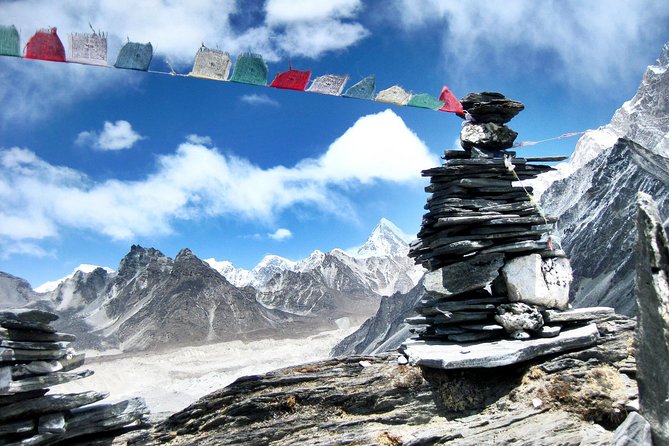
Day 7 heads toward Dughla (spelled Duglha in the notes) through the Khumbu Khola Valley. You pass through places like Dusa and Phulung Karpo, reach Chola Lake, then cross a small bridge and climb to Dughla. This is a day that feels like it’s building toward the final push, and it can include a lot of “work per view” (you work hard, you earn the payoff).
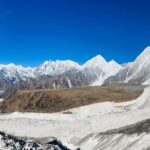
The notes also mention Lobuche peak being close to the Khumbu Glacier. Even if you don’t climb that peak, the overall feel shifts here: you’re moving into a more glacier-near zone, and the terrain starts signaling that Everest Base Camp is not far away.
This is a day I’d treat as a pace day, not a selfie day. Keep your effort steady and save energy for Day 8’s approach and Day 9’s viewpoint climb.
Everest Base Camp and Gorakshep: the day the icefall feels close
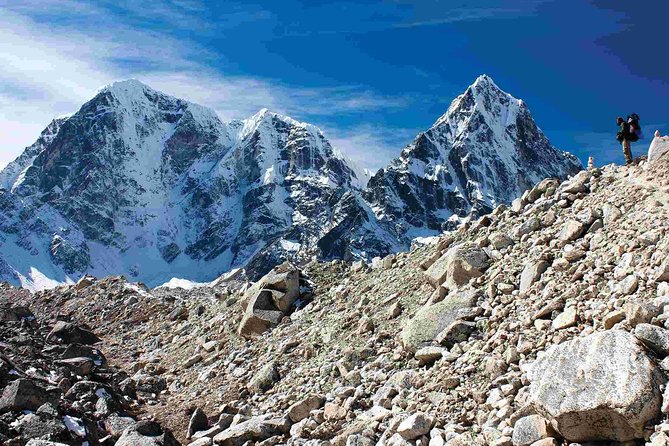
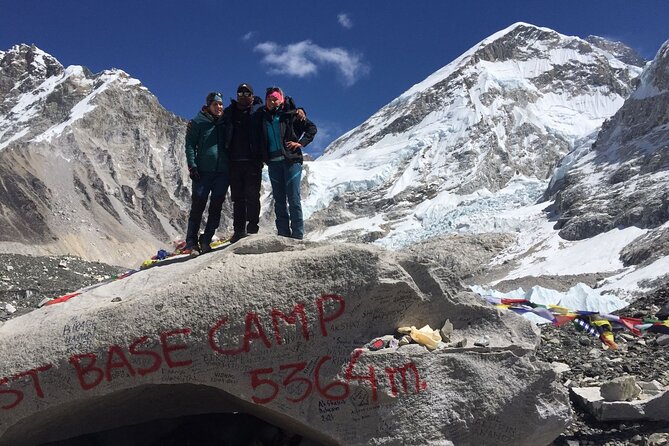
Day 8 is a big one: you go through multiple ups and downs, hike to Everest Base Camp, then return to Gorakshep. The schedule frames Everest Base Camp as the world’s highest trekking route, and the experience is tied directly to what you can see around you—especially the Khumbu Glacier and icefall.
What I like about the way this day is set up is that it gives you a full “be there” moment without forcing you to do everything at once. You get the Base Camp time, then you still make it back to Gorakshep for the next day’s push.
A small practical note: the trek is in tea house / lodge mode, so you’ll be relying on high-altitude basics. That’s not a problem, but it does mean you should plan to be flexible with meal timing and comfort. This is part of why the tour includes meals during the trek—it removes decision fatigue when you’d rather just sit and recover.
Kalapathar’s 360-degree views, then flying back to Kathmandu
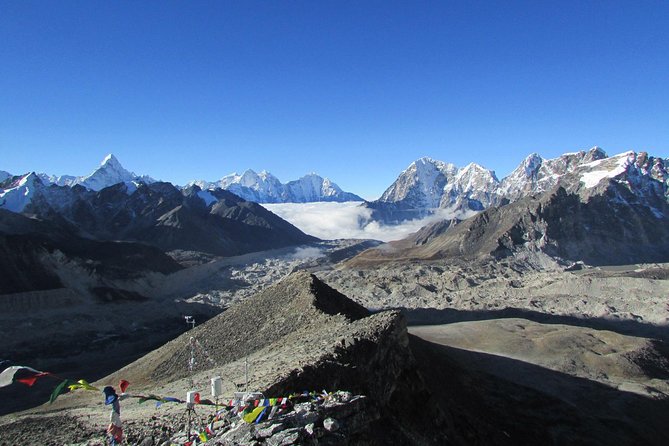
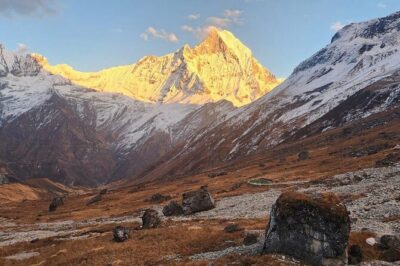
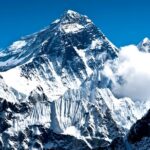
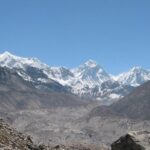
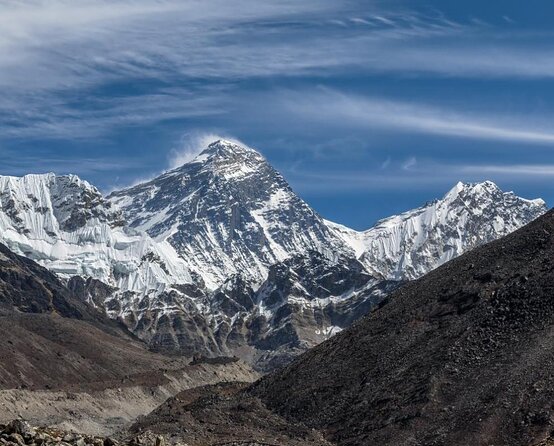
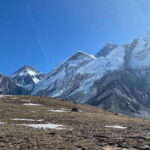
Day 9 is where your legs earn their reward. You hike to Kalapathar, known for 360-degree panoramic views of the Khumbu mountains, including Everest. That kind of viewpoint is exactly why people tolerate the altitude grind for days. The view also helps you place everything you walked past—ridges, valleys, and glacier zones—into one big mental picture.
Then the plan switches from walking to flying: after Kalapathar, you fly back to Kathmandu by group-sharing helicopter. This is the signature value point. Your final hours feel like a reset. You go from “high and cold and windy” to “back to civilization” on a schedule that’s controlled by your guide and the operator.
The one thing to keep in mind is that helicopter timing can still be weather-dependent. So even if you’re fit and ready, the real driver is always the sky.
Price and logistics: what $3,400 really buys you
At $3,400 per person for about 10 days, you’re not just paying for trekking. You’re paying for a lot of operational heavy lifting that can be a headache to DIY:
- Flights: Kathmandu to Lukla, plus helicopter back to Kathmandu
- Tea house / lodge accommodation during the trek
- Meals on the trek: breakfast, lunch, and dinner
- Guide and porters: including porter support (notably 1 porter for 2 trekkers)
- Permits: Everest Trek permit and TIMS are included
- Gear support: duffle bag, down jacket, sleeping bag, and walking pole
- Transfers and fees: airport pick-up/drop-off and landing/facility fees
From a value perspective, the helicopter is the big line item. You’re effectively paying to reduce the backtrack burden and compress your overall trip into 10 days. If you’ve got limited vacation time, that compression is hard to beat.
What’s not included matters too. In Kathmandu, lunch and dinner aren’t covered. Also, the Nepal entry visa fee is not included; you’re instructed to bring accurate USD cash and two passport photographs for faster service. And while the trek meals are included, drinks are not. That means tea, coffee, hot drinks, bottled water, and other extras are on you.
Tips for guide and porters are noted as expected but not mandatory. If you want a practical rule of thumb, decide your tip budget in advance so you’re not scrambling at the end of the trek when you’re tired.
Who this Everest Base Camp plan fits best
This itinerary works best if you want these things at the same time:
- A structured Everest Base Camp trek with acclimatization stops built into the route
- A hard cap on total trip length (about 10 days)
- The helicopter return so you don’t repeat the same hike down
- A team setup where someone handles permits, routes, and daily logistics
It may be less ideal if:
- You don’t handle altitude well and need lots of extra flexibility (because the schedule is intentionally packed for a 10-day finish)
- You strongly prefer to control every detail yourself (this is a guided, pre-arranged plan)
- You can’t be flexible if weather impacts flight/heli timing
One more thing: the max group size is 15 travelers. That’s small enough to keep things calm, but still big enough to feel like you’re supported rather than isolated.
Should you book this Everest Base Camp trek with helicopter return?
I’d book it if your priority is reaching Everest Base Camp and getting a fast, dramatic return without turning the trip into a long backtrack exercise. The helicopter from the Everest region is the clear signature, and the fact that flights, permits, meals on trek, and key gear (down jacket, sleeping bag, walking pole) are included makes it feel like a true “all-in plan” rather than a piecemeal one.
If you’re mainly hunting for the cheapest way up, this price will feel steep. But if you’re buying time, coordination, and a smoother overall experience, it starts to make sense.
Last practical thought: bring your energy, but also your patience for high-altitude weather. Everest is always in charge. This tour just gives you a way to meet Everest on your schedule, not the other way around.
FAQ
What is the duration of the Everest Base Camp trek with helicopter return?
The trip is listed as 10 days (approx.).
Where does the tour start?
It starts in Kathmandu. You meet in Kathmandu for the airport transfer and Day 1 hotel check-in, with the meeting time noted as 6:15 am.
What route is used to reach Everest Base Camp?
You fly from Kathmandu to Lukla, trek through stops including Phakding, Namche Bazaar, Tengboche, Dingboche, Dughla/Lobuche-area route, Everest Base Camp, and Gorakshep, then fly back to Kathmandu by helicopter after Kalapathar.
Are flights included?
Yes. The package includes the flight from Kathmandu to Lukla by plane and the return by helicopter in group-sharing basis from the Everest region back to Kathmandu.
Is accommodation included?
Yes. You get tea house/guest house/lodge accommodation during the trek, plus accommodation in Kathmandu including breakfast as per the itinerary.
Are meals included?
Yes. During the trek you receive breakfast, lunch, and dinner. Breakfast is also included in Kathmandu, while lunch and dinner in Kathmandu are not included.
What trekking gear is provided?
The tour includes a duffle bag, down jacket, sleeping bag, and walking pole.
Are permits included?
Yes. The tour includes the Everest Trek permit and TIMS card.
Do I need a visa for Nepal?
The Nepal entry visa fee is not included. You’re advised to bring accurate USD cash and two passport photographs for faster service.
What happens if weather is bad?
The experience requires good weather. If it’s canceled due to poor weather, you’ll be offered a different date or a full refund.
Is tipping mandatory?
Tipping for guide and porters is expected but not mandatory.