REVIEW · LUANG NAMTHA
Nam Ha NPA 3 Day Wildlife Jungle Camp and Village Homestay Trek
Book on Viator →Operated by Phou Iu Travel & Ecotourism · Bookable on Viator
Frogs, forests, and village cooking in Laos. This Nam Ha National Protected Area (NPA) 3-day wildlife trek mixes jungle walks with village life, including time in a banana leaf jungle camp, learning about medicinal plants, and hands-on bush cooking. You’ll base yourself around Luang Namtha and meet your group in the morning for a day-by-day rhythm that feels more local than tour-bus.
I love two things about this trip. First, you get small-group energy (up to 8 travelers) with an English-speaking/local guide, so questions don’t get lost. Second, it’s packed with practical culture—Khmu village activities like rice pounding and crossbow practice, plus plant lessons and jungle-resource cooking that go beyond quick photo stops.
One possible drawback: some activities are very hands-on, including fishing and hunting frogs. If that kind of survival-style learning isn’t your comfort zone, or if you don’t enjoy steady uphill walking, this may feel like more than a casual stroll—moderate fitness is the baseline.
In This Review
- Key Things That Make This Nam Ha Jungle Camp Trek Different
- Nam Ha NPA in 3 Days: What You’re Really Signing Up For
- Day 1: Tuk-Tuk to Market, Then Nam Ha Village Jungle Trek
- Day 2: Morning Wildlife Sounds, River Crossing, Khmu Village Time
- Day 3: Coffee or Tea, Crossbow Shooting, Rice Pounding, Then an Uphill Forest Hike
- Camp Cooking, Medicinal Plants, and the Survival-Skills Side of Nam Ha
- Your Guide Matters: Why Xiong and Nom Get Mentioned So Often
- The Value Question: Does $149 Cover What Matters?
- Fitness, Comfort, and Who This Trek Fits Best
- Should You Book This Nam Ha NPA 3-Day Jungle Camp Trek?
- FAQ
- How long is the Nam Ha NPA 3 Day Wildlife Jungle Camp and Village Homestay Trek?
- Where is the meeting point, and what time does it start?
- Is pickup included?
- What’s the group size limit?
- What accommodation do you stay in?
- What meals are included?
- What activities are included?
- What is not included in the tour price?
Key Things That Make This Nam Ha Jungle Camp Trek Different
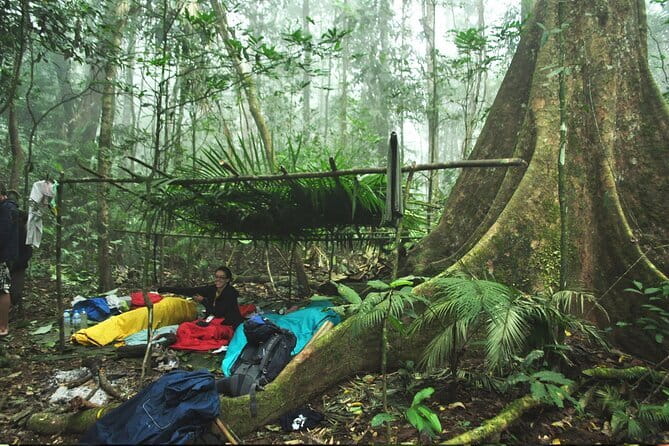
- Banana leaf jungle camp + hunter’s-camp style nights: you’re not just watching the forest life from the edge.
- Medicinal plant learning with real reasons for use: the focus is on what plants do, not just their names.
- River crossing to Nalan village: it’s a clear, physical route into village time, including a traditional lunch.
- Crossbow shooting and rice pounding in the village: these aren’t “look but don’t touch” moments.
- Small groups (max 8) with multiple local guides on some departures: you often get better attention and a calmer pace.
- Food, water, and Nam Ha NPA entry are included, plus community distribution and government taxes—fewer surprise add-ons.
Nam Ha NPA in 3 Days: What You’re Really Signing Up For
Nam Ha NPA is the kind of place where a 3-day schedule can actually feel like a change of world. The trek is built around two connected themes: the forest (walking routes, plant learning, basic survival-style routines) and the people (village life activities tied to the local Khmu community and indigenous practices).
That structure matters for your expectations. You’re not doing one big “sightseeing” loop. Instead, the days alternate between active jungle time and village time, with camp life in between. The camp portion includes food prep and cooking using jungle resources, and you’ll also hear about medicinal plants during the walk.
You can also read our reviews of more tours and experiences in Luang Namtha.
Day 1: Tuk-Tuk to Market, Then Nam Ha Village Jungle Trek
Day 1 starts at 9:00 AM at Phou Iu Travel & Ecotourism in Phonexay Village (Luang Namtha). You’ll travel by tuk-tuk, and there’s a market stop to grab supplies. That tiny detail is useful: it usually means you’re not wandering around guessing what you’ll need later.
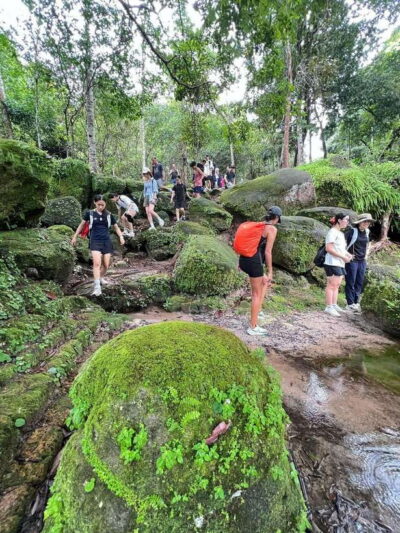
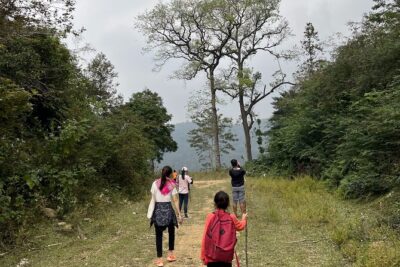
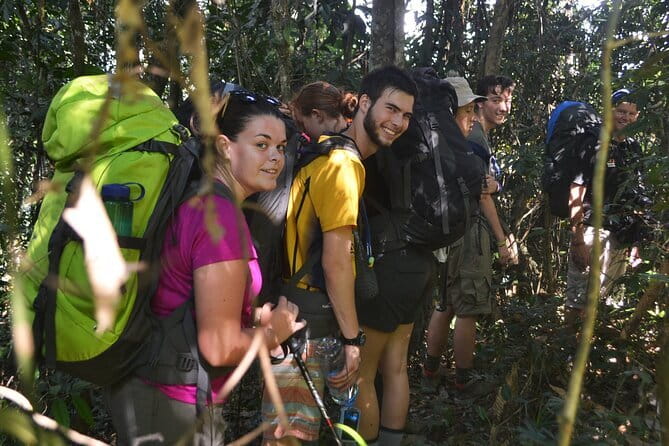
After that, you start the trek from Nam Ha village with a local guide. The route includes deep jungle walking and a picnic lunch in the forest. This is a strong first day because it gently introduces you to the rhythm of the trip: keep moving, take breaks, eat well, and learn as you go.
What to watch for on Day 1:
- The jungle walking is real. Even if you feel energetic early, plan on the pace slowing naturally once the ground turns uneven.
- You’ll want to bring the basics you’re missing—personal sandals/flip-flops aren’t included, and your personal water bottle isn’t included either. (The tour provides food and water, but the item list is clear about what you must bring.)
Day 2: Morning Wildlife Sounds, River Crossing, Khmu Village Time
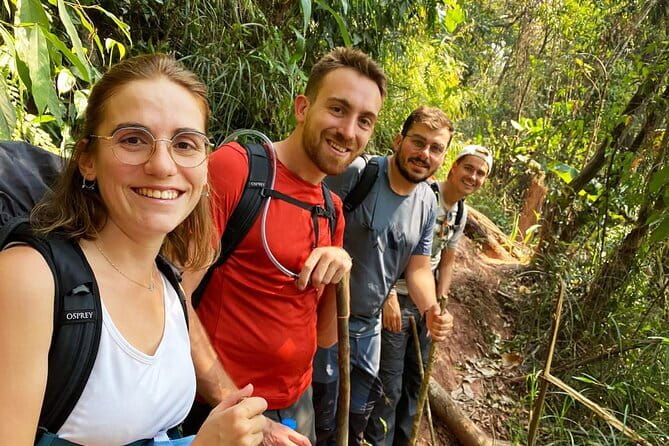
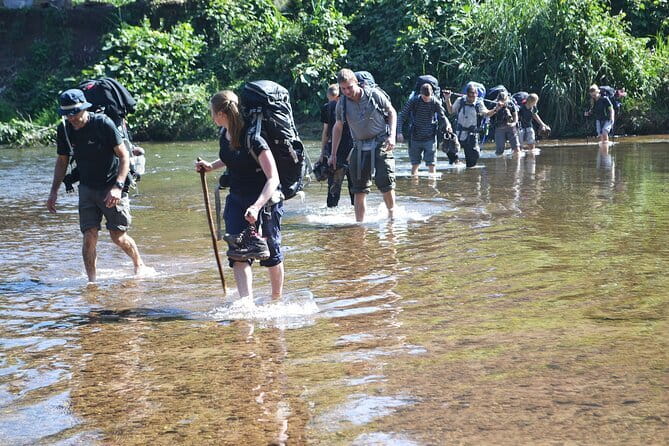
Day 2 begins after breakfast with sounds of wildlife—then you move into one of two hike options. The itinerary details Option 1: a 3-hour hike that crosses the Nam Ha River and continues to Nalan village for a traditional lunch. On that route, you also learn about Khmu lifestyle.
This is the day that’s most likely to feel like a “real switch” in scenery and pace. River crossings tend to force you into a slower, more careful travel mode, and that helps you notice the small things: footing, water movement, and how the guide manages timing so lunch still lands when it should.
The value of going to Nalan village on Day 2 is that it connects the walking with culture in a logical way. You don’t just visit a village as a stop—you arrive via trek, then eat and learn as part of the day’s flow.
Practical note: your Day 2 choice affects walking time and emphasis. The data only spells out Option 1 clearly, so if you’re booking and want a specific experience level, ask what the other option focuses on before you go.
Day 3: Coffee or Tea, Crossbow Shooting, Rice Pounding, Then an Uphill Forest Hike
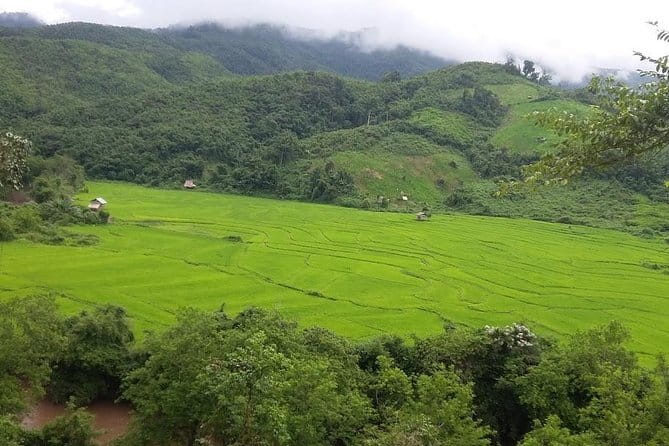
Day 3 starts in the village. You’ll be able to try Lao coffee or local tea, and then you practice crossbow shooting and rice pounding. Those activities are the kind that usually stick in your memory because they’re physical and specific. They’re also a decent reality check: this trek isn’t only about looking at culture. It includes learning tasks tied to daily life.
After breakfast, you choose between two hike options. Option 1 is a 3–4 hour hike uphill through the forest, and it’s described as a real climbing route. That means you should prepare your body for the kind of leg burn that makes you grateful for breaks—and for a guide who knows when to pause.
If you want the best “finish,” I’d pick the uphill option only if you feel good with moderate hiking. The trek overall is rated for moderate physical fitness, but the last day’s hill will be the one you feel most.
Camp Cooking, Medicinal Plants, and the Survival-Skills Side of Nam Ha
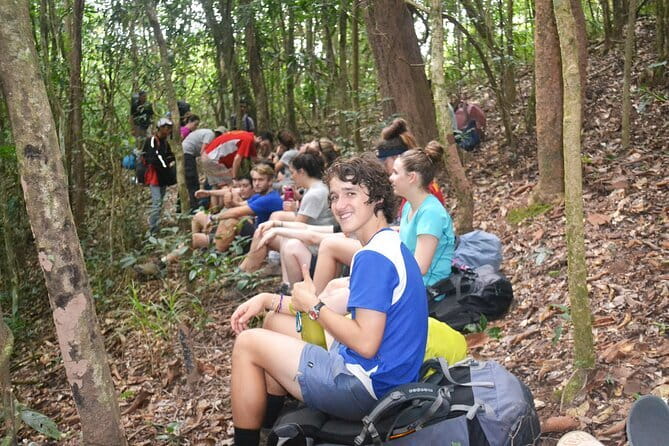
One reason this tour feels different from many jungle treks is the camp-and-cooking component. The experience includes staying in a banana leaf camp and a traditional hunter’s camp, plus activities like fishing and hunting frogs. You also cook using jungle resources and learn about medicinal plants during deep jungle walks.
Here’s the important part for your comfort and expectations: this is not a “nature walk with optional fun facts.” It’s closer to field education—how people in the area live with the forest, how food and plants are used, and what skills matter for daily survival.
That doesn’t automatically mean it’s difficult. It does mean the experience is hands-on. If you’re squeamish about frog hunting or want your experience to stay strictly observational, this is where you should think twice before booking.
On the upside, the medicinal plant teaching is a highlight. In guide feedback, several people called out that they tasted plants and learned why they’re used for cooking or medicine. Even if you don’t remember every plant name, you’ll likely remember the logic behind it—what it does and why people rely on it.
Your Guide Matters: Why Xiong and Nom Get Mentioned So Often
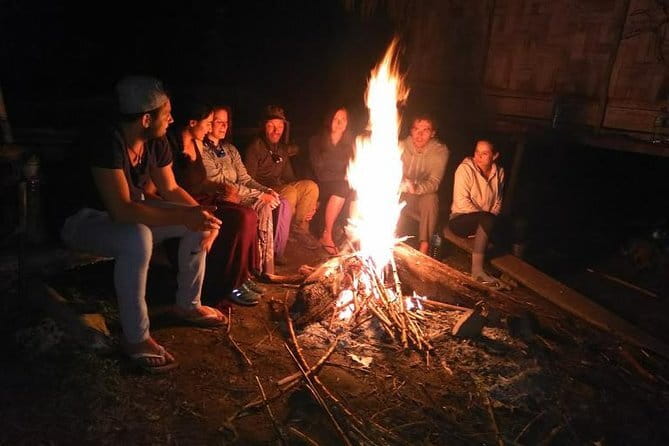
Small-group treks live or die by the guide, and this one has strong signals in the reviews. Names that come up repeatedly include Xiong and Nom, and also Sai, Deang, Deng, and Sing.
Here’s what those guide stories tell you, in practical terms:
- Xiong is described as highly experienced, with over 400 treks under his belt.
- Nom gets praise for excellent English and for being connected with local people—meaning you’re not just walking; you’re being introduced.
- More than one guide is described as being friendly and attentive, helping the group stay comfortable during challenging sections.
- One pre-trek meeting detail came up: Deang contacted guests the afternoon before via WhatsApp to discuss the plan. That’s a small touch that can help you get your bearings fast and arrive with fewer nerves.
Also pay attention to the “pace” theme. One review described the day as relaxing, with lots of breaks and food preparation between hiking bouts. That’s exactly what you want when the terrain gets steep or muddy.
The Value Question: Does $149 Cover What Matters?
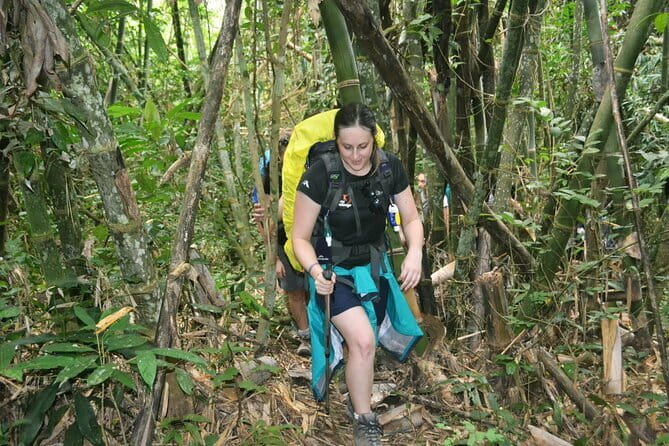
The price is $149 per person for about 3 days. That’s the headline, but the real value is what’s bundled.
Included items cover:
- English-speaking/local guide
- Accommodation in jungle camp/homestay
- Transportation
- All village activities
- Food and water
- Nam Ha NPA entry fee
- Community distribution and government taxes and charges
- Meals: 2 breakfasts, 3 lunches, 2 dinners
Not included:
- Snacks and fruit
- Personal water bottle
- Personal medicine
- Sandals/flip-flops
When you look at it this way, you’re paying for the whole structure: guides + park access + basic lodging + meals. If you tried to piece that together separately, you’d spend time and money coordinating it yourself—and you’d likely still end up negotiating guide rates and logistics.
Two more details nudge this toward good value:
- The group size max is 8 travelers, which usually means more attention.
- There’s pickup offered, so you don’t have to stress about every last part of getting to the starting area.
One more budgeting angle: because snacks/fruit aren’t included, you may want to plan for extra calories between meals. The official meal plan is there, but jungle days can burn more than you think.
Fitness, Comfort, and Who This Trek Fits Best
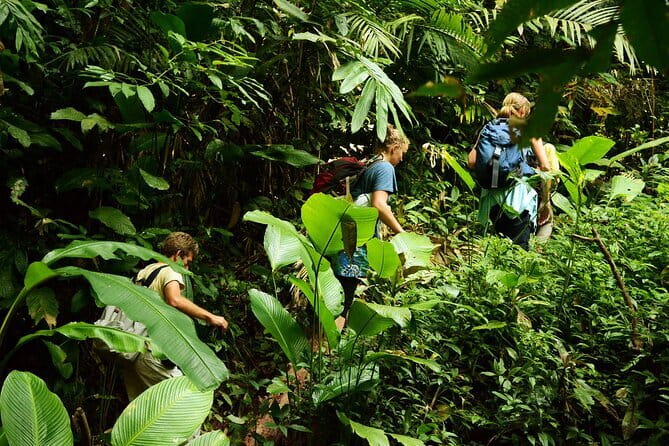
This trek is rated for moderate physical fitness. In plain terms: you’ll likely be doing uneven walking, and you should be ready for a couple of hours of steady movement on some days, plus an uphill finish on Day 3 Option 1.
It fits best if you:
- Like learning from local guides and want hands-on village activities
- Don’t mind basic camping or homestay conditions
- Can handle jungle walking that includes hills and river crossing
Think twice if you:
- Dislike animal-focused survival activities (the plan includes fishing and hunting frogs)
- Want a gentle, mostly flat hike with minimal physical effort
- Need very predictable comfort with no outdoor cooking or camp routines
Should You Book This Nam Ha NPA 3-Day Jungle Camp Trek?
I’d book it if your idea of a great trip is equal parts forest skills and village life, not just a checklist of viewpoints. The biggest selling points are the guide-led learning (especially medicinal plants) and the fact that Day 3 includes very practical culture activities like crossbow shooting and rice pounding.
I’d skip or reconsider if you’re not comfortable with the survival-skills angle, especially fishing and hunting frogs. And if you’re on the low end of fitness, the uphill hiking on Day 3 Option 1 could be a tough match—though you do get choices on Days 2 and 3.
FAQ
How long is the Nam Ha NPA 3 Day Wildlife Jungle Camp and Village Homestay Trek?
It lasts about 3 days.
Where is the meeting point, and what time does it start?
You meet at Phou Iu Travel & Ecotourism in Phonexay Village, Luang Namtha, starting at 9:00 AM.
Is pickup included?
Pickup is offered.
What’s the group size limit?
The maximum group size is 8 travelers.
What accommodation do you stay in?
Accommodation is provided in a jungle camp/homestay setting.
What meals are included?
Breakfast is included for 2 days, lunch for 3 days, and dinner for 2 days, plus food and water during the trek.
What activities are included?
The experience includes jungle walks, learning about medicinal plants, jungle-resource cooking, staying in jungle/hunter-style camps, village activities, and activities such as crossbow shooting and rice pounding. Fishing and hunting frogs are also part of the experience.
What is not included in the tour price?
Not included are snacks and fruit, a personal water bottle, personal medicine, and sandals or flip-flops.