REVIEW · KATHMANDU
Annapurna Base Camp Trekking
Book on Viator →Operated by Destination Unlimited Treks Expeditions Pvt Ltd · Bookable on Viator
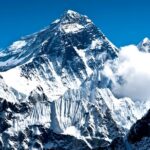
Annapurna Base Camp hits fast. In just 10 days, you climb to 13,550 ft (4,130 m) and spend the night at a guesthouse at Annapurna Base Camp, with food and lodging handled along the way. It’s a time-efficient way to see the Annapurna region up close, from viewpoints to high mountain valleys.
I like how this trip builds in major scenery moments without turning your whole vacation into a suffering contest. I also love the Poon Hill stop for that early taste of big Himalayan views. The main thing to consider: the meal menu can feel fairly basic, so if you’re picky or want lots of variety, you might find yourself paying extra for add-ons.
In This Review
- Quick hit checklist: what’s especially strong about this ABC trek
- Altitude goals: 13,550 ft and what that means for your pace
- Kathmandu to the trail: the 6:15am start and transfer that saves energy
- Day 1: the move from city altitude to trail life (Pokhara and Nayapul)
- Day 2: Poon Hill and the Ghorepani approach—your first real payoff
- Day 3: Machhapuchhare Base Camp to Tadapani—more forest, more mood
- Day 4: Chhomrong—where the trail turns more serious
- Days 5–6: Doban and Deurali—the middle trek grind that’s actually useful
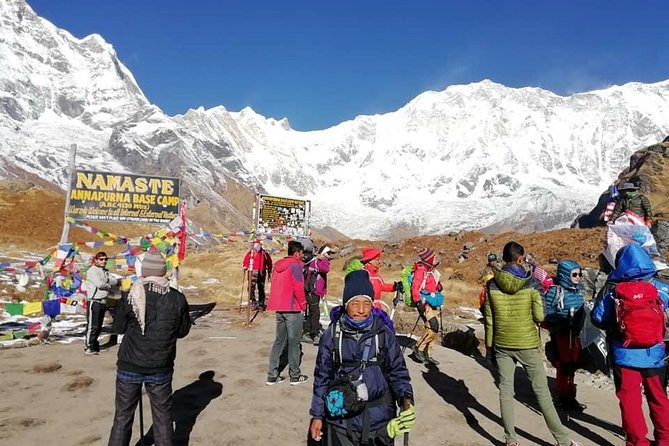
- Day 7: the ABC day—reaching Annapurna Base Camp and slowing down
- Days 8–9: Bamboo and Jhinu—descending for comfort, not just distance
- Day 10: Pokhara Museum and the end of the trek
- Price and value: what $1,180 really buys you (and what it doesn’t)
- The human side: guides, porters, and the kind of organization that matters
- Spring timing: rhododendron bloom can change the whole feel
- Who should book this ABC trek?
- Should you book this Annapurna Base Camp experience?
- FAQ
- How long is the Annapurna Base Camp trek in this experience?
- What is the highest altitude reached on this trek?
- Where do I meet the tour in Kathmandu?
- What time does the experience start?
- How do you get to the trailhead on Day 1?
- What kind of accommodation is included?
- Are meals included?
- Are tents included?
- Is this a private tour?
- Is there any refund if I cancel?
Quick hit checklist: what’s especially strong about this ABC trek
- Overnight at Annapurna Base Camp so you’re not just racing through
- 13,550 ft high point on a 10-day, moderate-pace schedule
- Teahouse trekking that keeps you off tents and camping gear
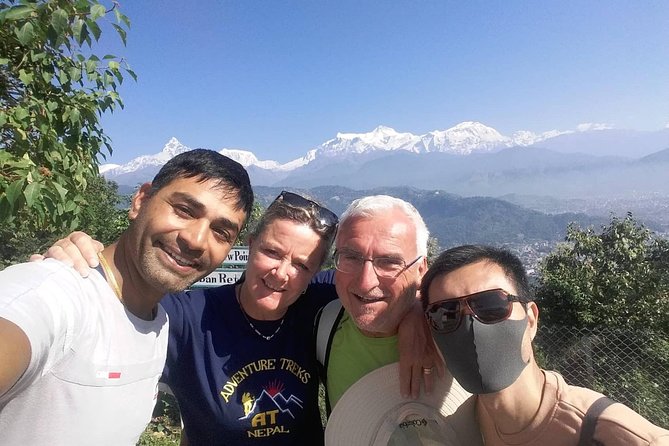
- Poon Hill viewpoint included for early light and wide mountain views
- Spring rhododendron potential if your dates line up with bloom season
- Private departure with a guide and support crew for a tighter, more personal feel
Altitude goals: 13,550 ft and what that means for your pace
This is a “big mountain” trek even though it’s only 10 days. The advertised high point is 13,550 ft (4,130 m), and that altitude change is the real main character here. You’ll feel it in the usual ways: slower breathing on climbs, lighter appetite, and the temptation to take more breaks than you planned.
The itinerary is built like a training plan. You’re not doing one endless staircase day after another. Instead, you gain height in chunks, sleep in teahouses along the way, then keep moving. That matters because with altitude, consistency beats heroics.
If you have a moderate fitness level, you’re in the right zone—just don’t confuse “moderate” with “easy.” The trail still asks for steady legs, good trekking shoes, and patience with your own pace.
You can also read our reviews of more tours and experiences in Kathmandu.
Kathmandu to the trail: the 6:15am start and transfer that saves energy
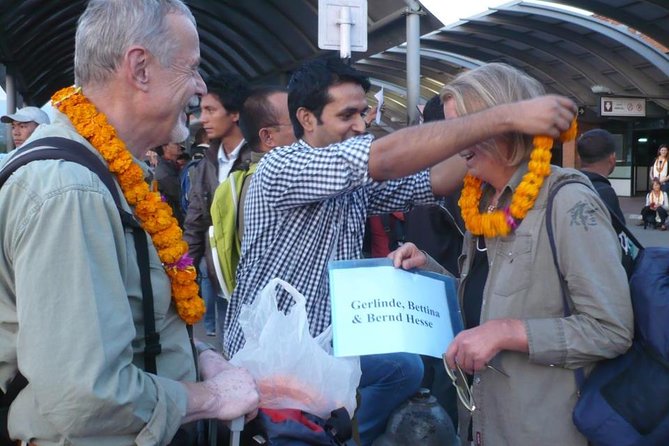
You meet the operator at Destination Unlimited Treks and Expeditions Pvt Ltd near Thamel Road in Kathmandu, with a 6:15am start time. Thamel is handy because it’s central and generally convenient for getting around before your flight.
Then the schedule does something smart for time: it uses a morning flight to Pokhara, followed by a drive to Nayapul. That transfer approach reduces the days you’d otherwise spend just getting to the trailhead. For a 10-day trek, saving time on logistics is not a small detail—it’s the difference between arriving fresh enough to enjoy the trek and arriving already tired.
At the end, you finish in Pokhara and drive onward to your hotel. It’s a clean loop: mountain days, then recovery days on comfortable streets.
Day 1: the move from city altitude to trail life (Pokhara and Nayapul)
Day 1 is mostly about transition. You fly from Kathmandu to Pokhara in the morning, then drive from the airport area to Nayapul. The point of this day isn’t a big summit push. It’s getting you positioned correctly so Day 2 can start the real trekking work.
This matters more than it sounds. If you’re coming from sea-level routines, the first day sets your rhythm. You’re better off staying focused on hydration, warm layers, and an easy pace once you begin walking.
Day 2: Poon Hill and the Ghorepani approach—your first real payoff
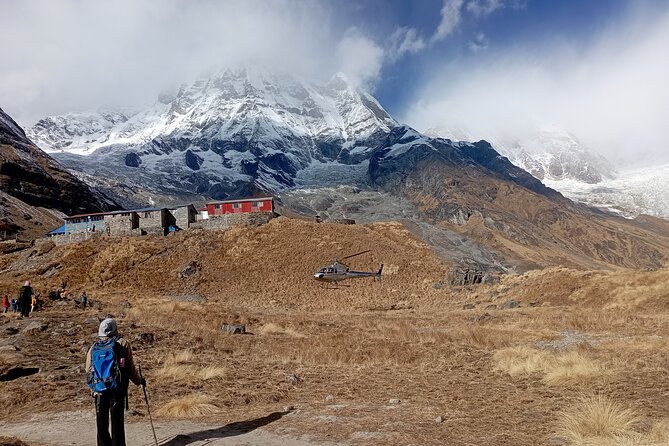
Day 2 includes Poon Hill as a highlighted stop and ends with trekking to Ghorepani. Even if you’re not a sunrise person, Poon Hill tends to be one of those viewpoint moments that makes the whole trek feel real.
Here’s what I’d watch for: the air can feel crisper and colder as you climb and as the day shifts. Layering matters early. If you’re the type who hates stopping, you’ll still want a few short breaks—this is one of the ways you avoid feeling wrecked later.
Also, Ghorepani is a good “base-feeling” location. It’s not just a waypoint; it’s where the trek starts to feel like a small mountain circuit with other trekkers, teahouses, and trail chatter.
Day 3: Machhapuchhare Base Camp to Tadapani—more forest, more mood
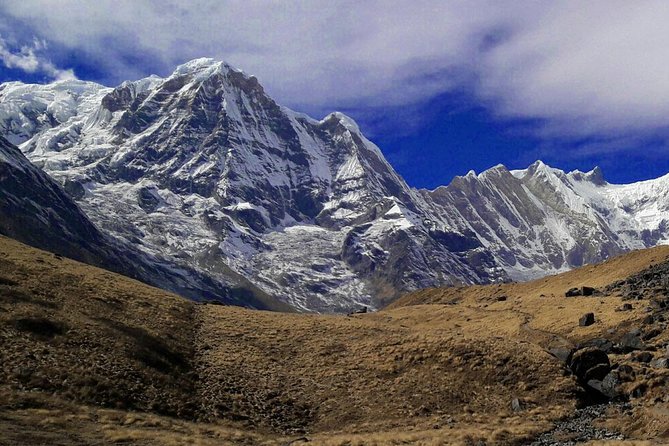
On Day 3 you trek to Tadapani, with Machhapuchhare Base Camp on the way. Machhapuchhare, better known as the Fishtail peak, is one of those mountains that looks iconic from many angles—sharp, dramatic, and slightly unreal.
This day also tends to bring you deeper into the rhythm of Annapurna’s trekking landscapes, including forest sections. The spring highlight is directly relevant here: if you go in spring, you can catch rhododendron forest in bloom. In plain terms, that’s one more reason this trek isn’t just about height—it’s about seasons, too.
A practical note: forests can mean damp ground and slippery patches. Take your time where roots or loose stones show up.
Day 4: Chhomrong—where the trail turns more serious
Day 4 brings you to Chhomrong, a classic “serious trekking” step in the Annapurna region. This is typically when the hike starts to feel more committed. Less sightseeing wandering, more purposeful marching.
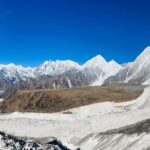
Chhomrong is also a morale boost. By now you’ve already had your first big viewpoint hit, and now the trail starts guiding you toward the higher interior valleys. You’ll likely feel the altitude more on this stretch, so plan fewer big ambitions and more steady footwork.
This is also a good day to check your gear without panic: straps secure, socks dry enough, water easy to access.
Days 5–6: Doban and Deurali—the middle trek grind that’s actually useful
Day 5 takes you to Doban. Day 6 continues to Deurali. Together, these days are where the trek’s pacing starts making sense.
Why? Because you’re gradually working toward base camp without spiking your effort in a single blow. The middle days let you settle into the rhythm of teahouse life—eat, rest, hydrate, walk again—rather than treating the trek like one long sprint.
If you’re someone who gets antsy on slow days, this is where you learn a useful skill: managing effort. Your body often improves once you stop asking it to keep up with your ego.
You might also notice a shift in weather and temperature across the day. That’s normal at elevation. Keep your layers flexible.
Day 7: the ABC day—reaching Annapurna Base Camp and slowing down
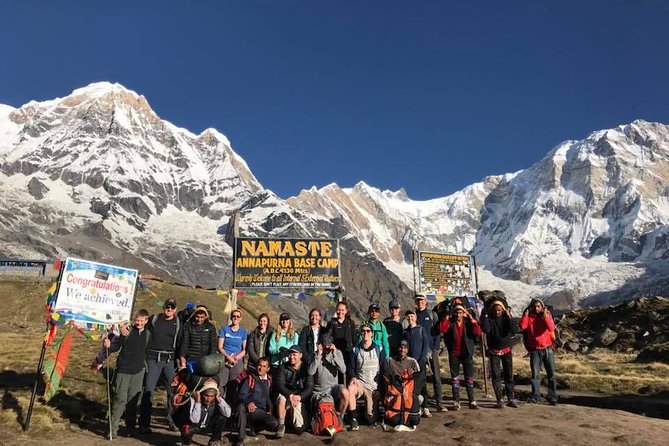
Day 7 is the big one: Annapurna Base Camp (ABC). The schedule gives you a trek time that’s short enough to feel achievable while still respecting the altitude.
When you finally arrive, the change is usually mental as much as physical. The hard part isn’t only climbing; it’s reaching that point where you stop thinking about the next bend and start absorbing the reality around you.
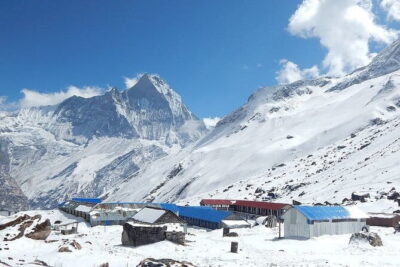
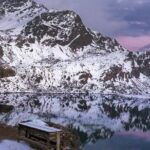
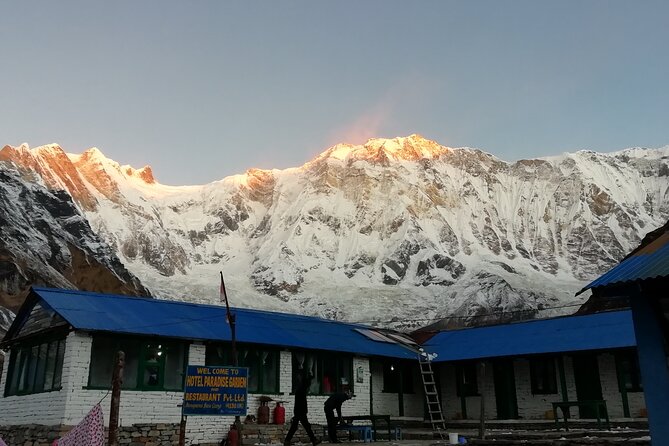
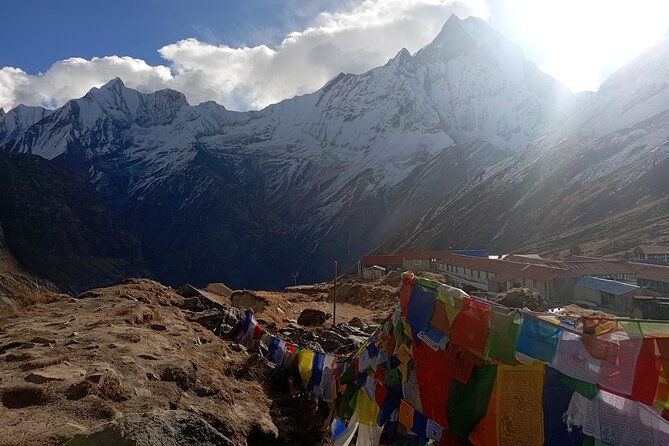
You also get the best prize of this style of trek: an overnight at base camp. That means you’re not just there for a quick photo and then gone. You get time for the mountain light changes, and you get the deep quiet feeling that comes with sleeping high in the Himalayas.
Days 8–9: Bamboo and Jhinu—descending for comfort, not just distance
After ABC, Day 8 takes you to Bamboo. Day 9 brings you to Jhinu. This is the “descending relief” part of the trek, but it’s still work. Going downhill can be tougher on knees than you expect, especially if you rush.
So take a slower approach on the descents. Short steps, deliberate footing, and steady breaks make the next day easier.
Jhinu is a good finishing village feel within the route. By now you’ll probably appreciate simple routines: eat when you can, rest when you need to, and don’t treat every climb like a race.
Day 10: Pokhara Museum and the end of the trek
On Day 10, you end in Pokhara with a stop at Pokhara Museum before continuing on to your hotel. This is a nice soft landing. You’re not immediately jumping into more “go go go” travel.
Instead, it gives you a chance to shift gears: let your body come down from the trek pace, then enjoy a bit of city context before you head home or onward.
And yes, after days of mountains, even a museum stop can feel like a welcome change.
Price and value: what $1,180 really buys you (and what it doesn’t)
At $1,180 per person for a ~10-day trek, the value here comes from what’s included: teahouse accommodation along the way and meals—breakfast (10), lunch (10), and dinner (9). You’re also not responsible for tents, which would push you into a different style of trekking entirely.
This isn’t cheap-budget travel, so you should think of it as paying for:
- less stress on day-to-day logistics
- the time saved by the Kathmandu–Pokhara–Nayapul transfer setup
- consistent fueling with meals included
- a private experience where your group stays together
The trade-off is that the trekking pace and high-altitude reality still belong to you. No price tag can make 4,000+ meters feel like 500 meters.
The human side: guides, porters, and the kind of organization that matters
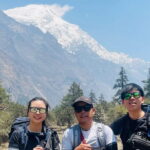
One of the standout themes from the operator’s team is responsiveness and care. Names that come up often include Ashok (clear communication from the start), plus guides such as Hari, Homprakash, Prakash/Prakesh, and Rai Badal. You may also work with porters named Surendra, Durga, Bobinda, and others.
Why does this matter? On an ABC trek, the difference between a smooth trip and a chaotic one isn’t the view. It’s how quickly problems get handled: pace questions, small confusion, weather concerns, and the day-to-day decisions you make when you’re tired.
Organization also shows up in the end-of-trek vibe. Multiple trips described a farewell dinner with dancing and singing, plus staff that genuinely join the moment—turning the final evening from a transaction into a shared memory.
Spring timing: rhododendron bloom can change the whole feel
If you’re able to travel in spring, you have a special bonus. This trek is known for the chance to see rhododendron forest in bloom. That means the trail can look and feel different than in other seasons—more color, more texture, and a softer, more alive atmosphere in the forest stretches.
If your dates aren’t in spring, you still get the main draw: views and high-mountain walking. But spring is the season where that “extra beauty” factor can show up more strongly.
Who should book this ABC trek?
This trek fits best if you want:
- a 10-day schedule that doesn’t waste time getting to the trailhead
- teahouse comfort (no tents needed)
- a private group experience
- the big ABC goal plus a Poon Hill add-on
It also suits mixed ages and experience levels because it’s paced for moderate fitness. If you’re someone who likes structure and support—someone who wants help without babysitting—this is a strong match.
If you’re extremely sensitive to cold or altitude, or you dislike basic meal menus, plan carefully. Bring extra snacks you genuinely like, and focus on a steady pace rather than pushing to prove anything.
Should you book this Annapurna Base Camp experience?
Yes, if you want an efficient, organized ABC trek with real mountain time and an included base camp overnight. The combination of teahouses, included meals, private attention, and a Poon Hill viewpoint makes it a practical way to see a lot of Annapurna without turning your days into logistics puzzles.
Before you book, decide two things. First: are you comfortable with 4,130 m altitude and a steady hiking rhythm? Second: are you okay with food that can be simple? If both answers are yes, this is an easy choice.
FAQ
How long is the Annapurna Base Camp trek in this experience?
It runs for about 10 days.
What is the highest altitude reached on this trek?
The trek climbs up to 13,550 ft (4,130 m).
Where do I meet the tour in Kathmandu?
You meet at Destination Unlimited Treks : Trekking in Nepal, Thamel Rd, Kathmandu 44600, Nepal.
What time does the experience start?
The start time is 6:15 am.
How do you get to the trailhead on Day 1?
You take a morning flight to Pokhara, then drive from the airport to Nayapul.
What kind of accommodation is included?
Accommodation is in teahouses along the route, including an overnight guesthouse at Annapurna Base Camp.
Are meals included?
Yes. Breakfast is included for 10 days, lunch for 10 days, and dinner for 9 days.
Are tents included?
No. Tents are not included.
Is this a private tour?
Yes. It is a private tour/activity, so only your group participates.
Is there any refund if I cancel?
No. The experience is non-refundable and cannot be changed for any reason.