REVIEW · MOSHI
Kilimanjaro 7 Day Private Trekking Experience
Book on Viator →Operated by Tanzania Escapade · Bookable on Viator
A midnight start on Kilimanjaro changes you fast. This 7-day private climb from Moshi focuses on strong local planning, a structured route for acclimatization, and a team that runs camp life so you can focus on walking. You also get practical perks like pickup and help with what to store before you hit the mountain.
I like two things most: the private, on-your-group feel (not a free-for-all), and the way the pace is built around acclimatization points like Lava Tower before you push toward the summit days. My main consideration is simple: you still need strong fitness, and the summit night is long and cold even when everything is well organized.
If you want the classic Kilimanjaro experience without the stress of logistics, this plan is designed for that. It’s also priced at a level that feels “full service,” so you’ll want to check what’s included (meals, tents, crew salaries, pre/post stays) and what’s on you (tips, personal gear, insurance).
In This Review
- Key things I’d plan around
- Private 7-Day Kilimanjaro from Moshi: What You’re Really Paying For
- Day 1: Machame Gate to Machame Camp—Rainforest Walking and Clean Setup
- Day 2: Shira Camp One—Leaving the Forest for Moorland and First Big Views
- Day 3: Lava Tower Acclimatization Before Barranco—The Tough Day That Helps
- Day 4: Barranco Wall to Karanga Valley—Hands-On Climbing and Greener Breathing
- Day 5: Barafu Camp and South Circuit Rhythm—Glaciers, Then Head Down for the Push
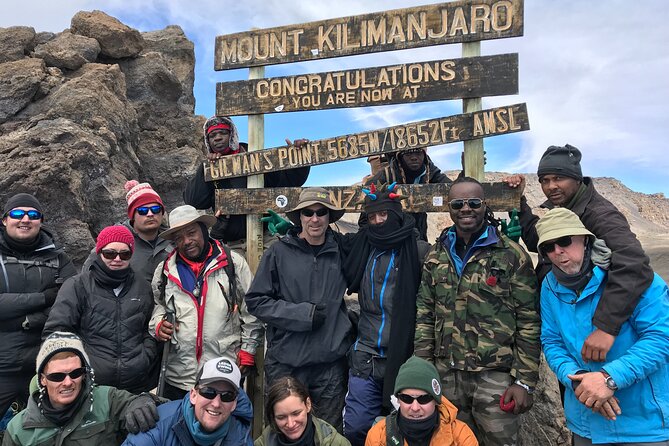
- Day 6: Midnight Summit to Uhuru Peak—Headlamps, Glaciers, and the Sunrise Moment
- Day 7: Mweka Gate Descent, Beer/Champagne, and the Hot Shower in Moshi
- Crew, Food, and Camp Life: The Real Secret Sauce
- Packing, Fitness, and Acclimatization Reality Check
- Price and Logistics: How to Judge Value Like a Pro
- Should You Book This Kilimanjaro Private Trek with Tanzania Escapade?
- FAQ
- What route does this 7-day Kilimanjaro trek follow?
- Is pickup from Moshi included?
- What kind of camping support is included?
- Are park admission tickets included?
- Do I need to bring my own climbing gear?
- How does the summit day work time-wise?
Key things I’d plan around
- Machame-to-Mweka South Circuit gives you varied ecosystems without wasting time.
- Lava Tower stop is the acclimatization gear-check moment you’ll be glad you have.
- Midnight summit bid is scheduled for a sunrise payoff, but it demands mental prep.
- Camp setup and meals are handled (tents, cooking, and daily food included).
- Park access is managed across the trekking days based on what’s shown for each day.
- Your team includes guides, porters, chefs, and camping crew, with strong communication reported by customers.
Private 7-Day Kilimanjaro from Moshi: What You’re Really Paying For
This is a private trekking experience out of Moshi, and that matters more than people think. When it’s private, you avoid the awkward spacing issues that happen when groups mix or move at mismatched speeds. Your crew can also fine-tune timing based on how you’re feeling, which is useful on steep or cold days.
The price is $3,120 per person, and “value” here isn’t about cutting corners. It’s about what’s already built into the deal: food for the trek days, tents, the full mountain team (guides, porters, chefs, camping crew) and their salaries, and pre and post climb accommodation. You’re also told you’ll get pickup offered and a mobile ticket.
What you should budget for separately is the stuff that’s personal or optional: gratuities for guide/porters, travel and baggage insurance, and personal gear (with local hire possible if needed). If you’re trying to keep costs down, those missing items can add up.
One more practical thing: good weather is required, and if the climb is canceled due to poor weather, you’ll be offered a different date or a full refund. If you cancel for your own reasons, the deposit you paid won’t be refunded and changes aren’t allowed—so plan your flights and leave buffer time.
You can also read our reviews of more tours and experiences in Moshi.
Day 1: Machame Gate to Machame Camp—Rainforest Walking and Clean Setup
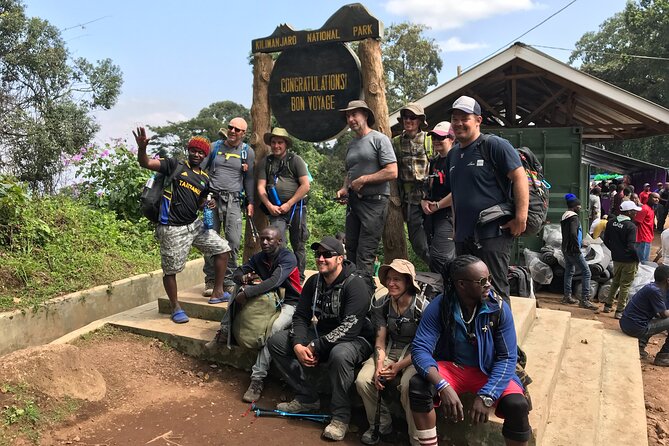
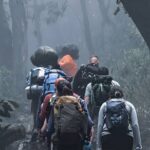
Day 1 starts around 1,800m to 3,000m, with roughly 11 km and about 6 hours of trekking through rainforest. You’ll meet the rest of the guide and porter team around 9:00am, do a final equipment check, and then drive to the Machame Gate.
A small but important comfort: you can leave anything you don’t want to carry in a hotel lock-up before you go. After you register at the Kilimanjaro Park office, you get a packed lunch and begin climbing. This is one of those days where the work is physical but the schedule feels manageable, because you’re not yet in the thin-air grind.
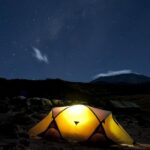
You’ll reach Machame Camp late afternoon. Camp life starts right away: settling in, getting oriented, and setting up for a night at altitude. The plan notes a packed-lunch break midway, which is helpful because you’ll be burning energy before you’re even thinking about camp.
Day 2: Shira Camp One—Leaving the Forest for Moorland and First Big Views
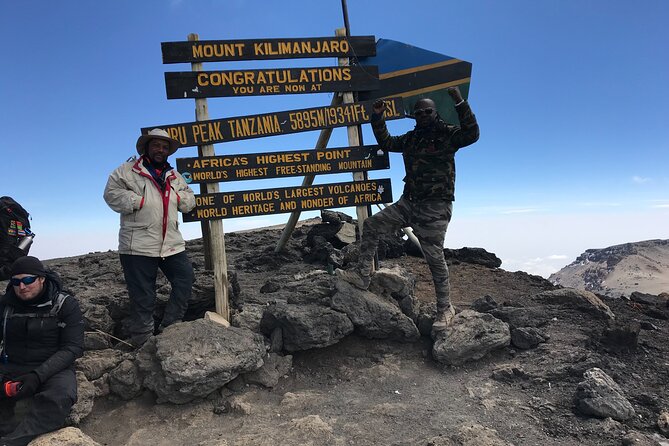
On Day 2 you shift up to 3,000m to 3,850m, trek about 9 km in ~6 hours, and move from rainforest into moorland. You wake up at 6:30am with hot drinks in your tent—coffee, tea, or hot chocolate—then breakfast comes before you start walking.
The route leaves the forest and crosses a small valley into open moorlands. Vegetation thins out, and you’ll feel the change in the air and the light. At times you’re looking at rocky ridge terrain and steeper sections, so your legs work differently than in Day 1.
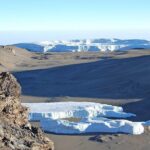
Here’s what many people remember: a view toward the Western Breach and glaciers as you reach the Shira Plateau area. Then you continue to Shira Camp, where the cook welcomes you with boiled drinking water and hot washing water (as noted in the plan). That little routine—food, water, warmth—adds up over days on the mountain.
A consideration: this is still climbing, but it’s also the first day where you’ll likely feel cold more than you expect. Layers matter, and you’ll be grateful the camp crew keeps routines consistent.
Day 3: Lava Tower Acclimatization Before Barranco—The Tough Day That Helps
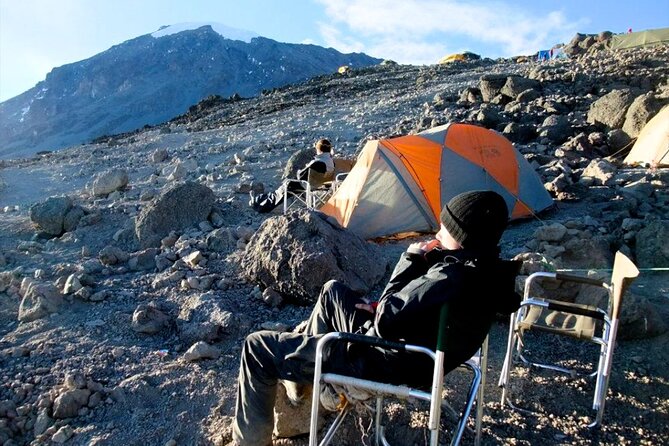
Day 3 brings you up to a high point around 4,600m (via Lava Tower) and includes a 650m descent to Barranco Camp. Expect about 12 km and roughly 7 hours of trekking. The plan follows the “climb high and sleep low” rule, which is exactly what you want if you’re serious about reducing altitude risk.
You start with a hot drink and breakfast, then leave Shira for a 4–5 hour trek toward Lava Tower for acclimatization. Once you reach the tower, there’s a short break for lunch and more acclimatization before you begin your descent by about 650m to Barranco Camp.
The day is described as the toughest so far. That tracks with what this kind of acclimatization day feels like: you’re not pushing for the top, but the effort is still real. The good news is that the payoff comes in moments—photo chances and that sense of stepping into the higher zones where the mountain starts looking unmistakable.
You end in semi-desert terrain and settle into Barranco Camp for the night, which sets you up for the next day’s scrambling.
Day 4: Barranco Wall to Karanga Valley—Hands-On Climbing and Greener Breathing
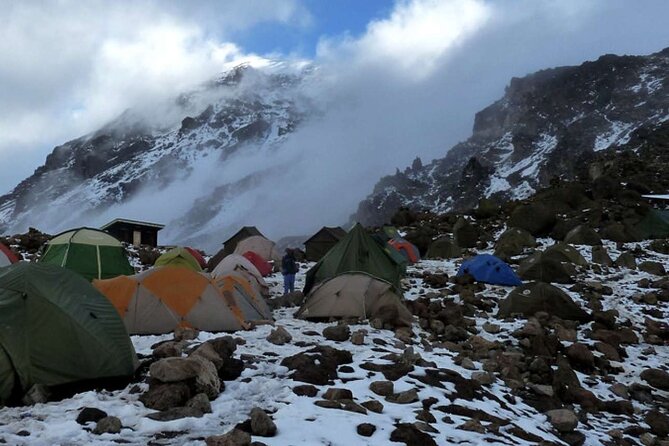
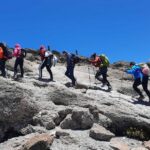
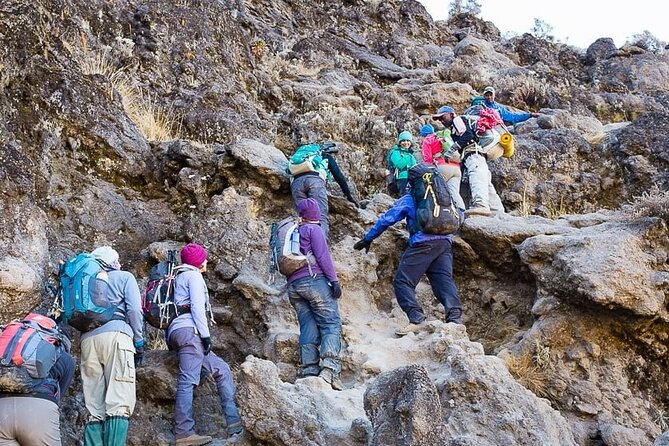
After breakfast, you leave Barranco Camp for the Karanga Valley. This day is about 7 km and around 7 hours, with about 250 meters of elevation gain listed. The headline here is the Barranco Wall scramble—about 1.5 hours and described as the hardest part of the day, with places where you’ll use your hands to pull yourself up.
If you picture Kilimanjaro as mostly “hiking,” this day corrects that in a good way. It’s still part of the trekking experience, but the scrambling makes your progress feel more intense. The trail also moves you into greener surroundings once you reach the top and descend into Karanga Valley.
The plan says camp is generally on a ridge above the valley for better acclimatization. That’s practical: ridges often let you get better airflow and a clearer sense of temperature changes at night. You’ll probably feel the shift in vegetation and that “almost there” energy—while still knowing you’ve got the long push toward Barafu and summit night ahead.
Day 5: Barafu Camp and South Circuit Rhythm—Glaciers, Then Head Down for the Push
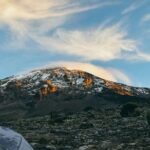
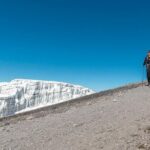
Day 5 is about 6 km and roughly 7 hours. You’ll climb to Barafu Camp after breakfast. Along the way you get views of Kibo’s glaciers, plus the junction that connects the Mweka descent route with the Machame trail.
The plan also notes a moment just below the Heim Glacier where you can appreciate how beautiful Kilimanjaro looks. That’s a short, high-impact experience—because once Barafu is in sight, the focus turns from “wow” to “prepare.”
The route then heads down through the Karanga Valley and over ridges and valleys, eventually joining the Mweka Route, which will be your descent route. The plan calls this the point where you’ve completed the South Circuit, and that’s a mental milestone: you’ve done the climb up, and now you’re gearing for the summit and the way back down.
A consideration: this is one of those days where you might feel both strong and tired at the same time. You’re moving through varied terrain, and your body is adjusting to the rhythm of higher altitudes.
Day 6: Midnight Summit to Uhuru Peak—Headlamps, Glaciers, and the Sunrise Moment
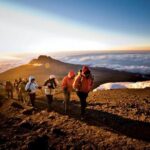
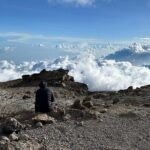
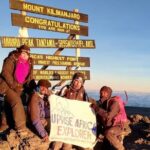
Day 6 is the big one. The plan schedules a wake-up tea at 11:30pm and departure at midnight. You climb in the dark for about 6 hours with headlamps, following winding pathways around Ratzel and Rebmann Glaciers, then reaching Stella Point.
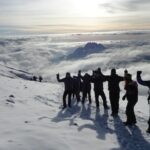
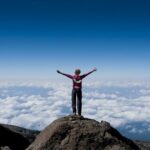
This section is described as perhaps the most challenging part of the entire climb. That makes sense: you’re starting cold and tired, and you’re walking into thin air while holding your focus for hours. But it also sets up the day’s emotional payoff: the plan promises an emotional and beautiful sunrise, which is widely known as one of the main reasons people suffer through summit night.
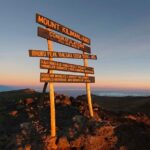
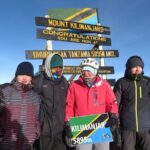
After Stella Point, you continue to Uhuru Peak. The elevation range is listed from about 4,600m to 5,732m and then down toward 3,100m, with the day’s structure including a big ascent and a big descent. Trekking time is listed as 6–8 hours ascent and 7–8 hours descent, and that’s a fair description of how the day feels on your legs.
What I like about this schedule is that it doesn’t pretend summit night is easy. It’s framed as hard, with a clear “you will earn this” promise through the sunrise timing. What you need to bring is patience, steady breathing, and the mindset that slow progress counts.
Day 7: Mweka Gate Descent, Beer/Champagne, and the Hot Shower in Moshi
Day 7 is a lighter-feeling finish: wake for a final celebratory breakfast, then descend toward Mweka Gate in about 3–4 hours. The elevation listed moves from around 3,100m to 1,800m over about 10 km, and the terrain returns to rainforest.
At the gate you get a celebratory beer/champagne while your equipment is loaded into the van. Then you head to a Kilimanjaro Wonders Hotel in Moshi for the hot shower and lunch. After dinner, you’re presented with your certificate of achievement.
This is the day you’ll notice how much camp routines helped. Your body is still recovering, but you’re also breathing easier with lower altitude. The hot shower and real meal aren’t just comforts; they help you fully reset so you don’t feel wrecked the moment you get home.
It’s also the moment where you’ll see how the crew matters. The plan specifically invites you to say thanks and show appreciation by tipping each team member or the team.
Crew, Food, and Camp Life: The Real Secret Sauce
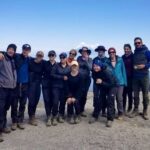
On Kilimanjaro, the gear matters, but the people matter more. This experience is built around a mountain crew that includes guides, porters, chefs, and camping staff, and their salaries are included. That means the camp doesn’t feel like a random side setup—it’s a functioning system.
Food is covered across trekking and camp days: lunch and dinner are included (6 dinners, 6 breakfasts, and 7 lunches are listed), plus breakfast and other camp meals. You’ll also have routines like hot drinks at wake-up times on specific days. These aren’t luxuries when you’re cold; they’re fuel and morale.
In the feedback you’ll see patterns of appreciation for the team dynamic. Names like Oscar (owner and organizer), Saul (guide), Jonas (head guide), and crew members like Jackie/Jac, Emmanuel, and Mvungi pop up alongside notes about friendly porters and helpful communication. Even if you don’t meet the same people, it signals the company’s emphasis on staffing and responsiveness.
A realistic note: you still need to manage your energy, follow guide instructions, and take water seriously. But the camp system should reduce the logistical stress that can sabotage people on a multi-day climb.
Packing, Fitness, and Acclimatization Reality Check
This trek is for people with a strong physical fitness level. The plan also lists no specific age cutoff for adults, but it does mention that children under 15 need special requirements before trekking Mt. Kilimanjaro. So if you’re planning as a family, you’ll want to ask early what’s required.
Acclimatization is built into the days. Day 3’s Lava Tower work and Day 4’s structure are designed around that climb-high-sleep-low logic. Day 2 is about getting into altitude rhythm as you move from rainforest to moorland. Day 5 is about moving toward Barafu while setting up the next phase. And Day 6 is the summit push with headlamps, glaciers, and a sunrise window.
What you should consider for your own success:
- You’ll be walking for hours even on “shorter” days, because altitude makes every step feel heavier.
- You’re in cold conditions at night on summit night, so layers and a plan for warmth matter.
- You should expect the toughest efforts on days like the Lava Tower push and the Barranco Wall scramble.
Also, don’t skip practical checks. The plan mentions that personal gear isn’t included, but it can be hired locally if required. That’s useful if you forgot something, but it’s not a reason to arrive unprepared.
Price and Logistics: How to Judge Value Like a Pro
At $3,120 per person, this is not a budget hike. It’s priced like a real expedition-style service. For many people, the value is that you’re not paying “for an idea”—you’re paying for a team and camp infrastructure: tents, chefs, daily meals, and the crew’s time and salaries.
It’s also private, so you’re not sharing decision-making with a mismatched group speed. That can reduce stress on steep sections and help you keep a steadier pace for acclimatization.
Things to double-check before you commit:
- Tipping is not included, so plan an amount for guide and porters.
- Insurance isn’t included. If something happens, you want coverage that fits high-altitude trekking.
- Personal gear and items like laundry and phone bills are listed as not included.
For a smooth trip, time your arrival into Moshi well. One of the feedback themes is that the company handles transfers and keeps communication responsive through the owner (Oscar). Still, you’re the one managing your flights, so give yourself buffers.
Should You Book This Kilimanjaro Private Trek with Tanzania Escapade?
I’d book this if you want a full-service private climb from Moshi with a structured route for acclimatization, clear camp routines, and a team that’s used to running the show. It’s a good match if you like knowing what happens next: meet at the gate, register, packed lunches, camp arrivals, hot drinks, and the big summit night timed for sunrise.
I’d hesitate if you’re unsure about your fitness level or you want a casual experience. Even with strong support, Day 3’s Lava Tower push and Day 4’s Barranco Wall scramble are hard work. And Day 6 is long, cold, and emotionally intense.
If you can handle steep days, follow instructions closely, and plan for tips and personal gear, this climb is a smart choice. The mix of ecosystems (rainforest, moorland, semi-desert, back to rainforest), plus the classic summit structure via Stella Point, makes it feel like the real deal.
FAQ
What route does this 7-day Kilimanjaro trek follow?
It starts on the Machame side and works through higher camps toward the summit, then returns via the Mweka descent. The plan includes stops such as Shira Camp One, Lava Tower, Barranco Camp, Karanga Valley, Barafu Camp, Stella Point/Uhuru Peak, and Mweka Gate.
Is pickup from Moshi included?
Pickup is listed as being offered, and pre and post climb accommodation is included as well.
What kind of camping support is included?
The experience includes tents and camping crew support, plus food cooked for you during the trek.
Are park admission tickets included?
The trekking days shown mark admission ticket costs as included or free across the schedule, depending on the day.
Do I need to bring my own climbing gear?
Climbing personal gears are not included, but the plan says they can be hired locally if required.
How does the summit day work time-wise?
You’ll have wake-up tea at 11:30pm, then depart at midnight. You climb in the dark to reach Stella Point and continue on to Uhuru Peak for the sunrise payoff.