REVIEW · MARRAKESH
From Marrakech:Trekking in Atlas mountains 2 days
Book on GetYourGuide →Operated by Omar Adventures-morocco · Bookable on GetYourGuide
Two days in the High Atlas changes your pace. You’ll hike between Berber villages and climb high enough to catch views of Toubkal, then sleep in a mountain guesthouse with real local food.
The trade-off: it’s short, not easy-easy. You’ll face steep bits and long walk days, so good shoes matter.
On the upside, the trip is built for comfort on a trail: a van brings you out of Marrakech, mules carry your bags, and the guided route keeps you moving without getting lost. On the downside, you’re mostly hiking at altitude—so if you hate stairs, rocks, or cold morning air, be ready to adjust expectations.
In This Review
- Key things I’d circle before you go
- Marrakech to the High Atlas: why this trek feels so doable
- The Berber villages stop isn’t just scenery
- Day 1: Aguersiwal (1500m) to Tizi Oussem (1800m)
- The one thing to watch on day one
- Day 2: Tizi Mzik Pass (2300m), Igholidn Waterfalls, and down to Imlil
- The one drawback to keep in mind
- Where Toubkal (4167m) fits into your experience
- Food and tea breaks: more than a nice perk
- Price and value: is $127 for 2 days a fair deal?
- What you should pack (and what people forget)
- Pace, difficulty, and who this trek suits best
- Languages and the guide role you actually feel on the trail
- Should you book this Atlas Mountains 2-day trek?
- FAQ
- Where is pickup for this trek?
- How long are the hikes each day?
- What difficulty level is it?
- Is an overnight stay included?
- What meals are included?
- Are trekking equipment and drinks included?
- Are mules provided to carry bags?
- How big is the group?
- Is this trek wheelchair accessible?
- Notes on timing and your best comfort move
Key things I’d circle before you go
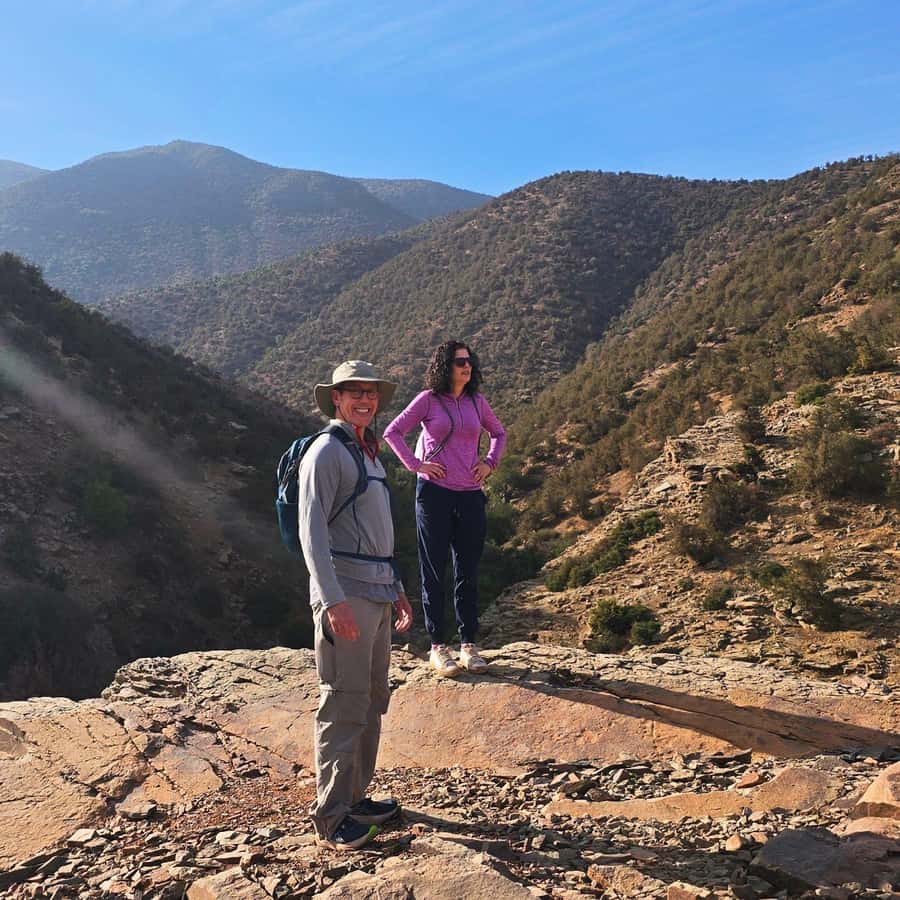
- Small group, max 14 people means the guide can actually manage pace and stops.
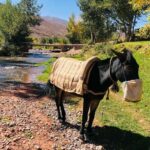
- Mules carry your gear so you can focus on your own legs, not a heavy pack.
- Tizi Odid Pass and Tizi Oussem village are a great taste of mountain life in a short window.
- Tizi Mzik Pass (2300m) plus Igholidn Waterfalls gives you big photo moments without a full-day detour.
- Toubkal (4167m) views from a distance can reward you if the weather cooperates.
- Homemade meals in remote spots keep energy up in a way that feels very Moroccan, very practical.
Marrakech to the High Atlas: why this trek feels so doable
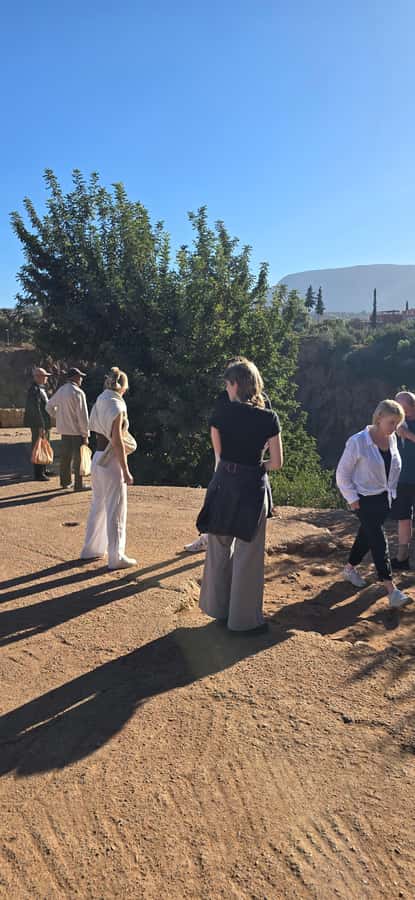
This trek is made for people who want the Atlas Mountains, but don’t have a week to burn. You’re not stuck in a long bus day before you start walking. You get moving toward the village route fast, and then you spend your time where it counts: on foot, between mountain communities.
I also like the structure. You’re doing one solid climbing day and one longer day that includes a pass, a waterfall stop, and a downhill finish into Imlil. In other words, you’ll feel like you traveled through the mountains, not just around them.
The moderate label is fair—but don’t let it fool you. Moderate doesn’t mean flat. It means you can do it if you prepare like it’s real hiking.
The Berber villages stop isn’t just scenery
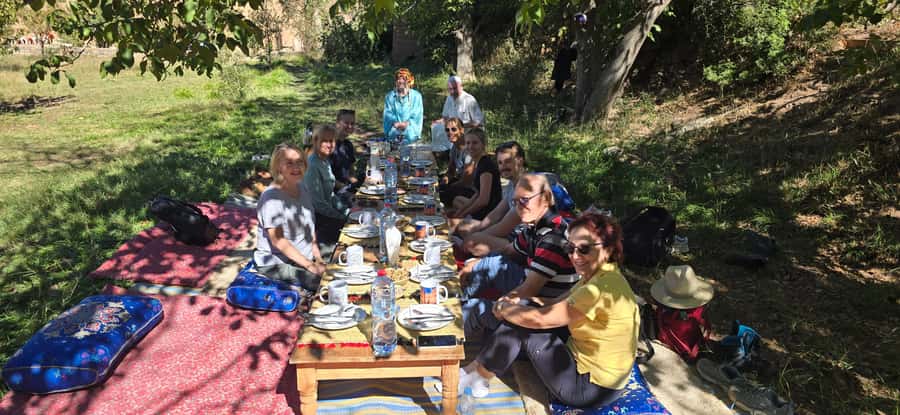
The big “why” here is that the route passes through places where people actually live—Aguersiwal, Tizi Oussem, and the Imlil area. That changes the vibe. Tea stops and meals feel less like tourist performance and more like daily rhythm.
You’ll meet local people through the guide-led flow of village life. And because you stay overnight in a mountain guesthouse, you get more than passing glimpses. You’re in the setting after the walking is done, when the day’s heat fades and village sounds settle down.
One more practical point: the overnight is simple accommodation, but it’s part of the value. You’re paying for the experience of sleeping up high and waking up in the mountains, not for hotel amenities.
Day 1: Aguersiwal (1500m) to Tizi Oussem (1800m)
Day one starts with pickup in Marrakesh, then a van ride out toward the Atlas Mountains. Once you reach Aguersiwal (1500m), you meet your local guide and set up for the hike.
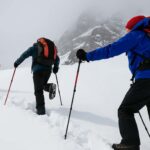
Then comes the core walk: you’ll hike up toward Tizi Odid Pass, where the effort is rewarded with wide mountain views. This is one of those climbs where your breathing tells you the elevation is real. Take your time on the uphill sections. The guides are used to pacing groups so you don’t sprint yourself into fatigue.
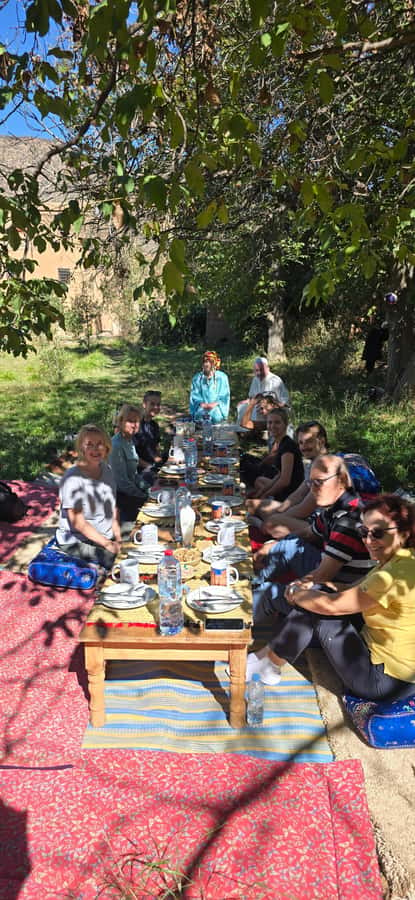
You’ll stop for a cooked lunch during the day—served in a natural setting rather than a restaurant box. That matters more than you might think. It keeps your energy steady for the rest of the walk.
After lunch, you continue onward to Tizi Oussem (1800m). This is where the overnight guesthouse comes in. You check in, then the day ends with dinner and that classic Atlas-style hospitality: warm food, conversation, and a sense that you’re part of the day’s flow—even if only for a night.
How long is the day? About 4–5 hours of hiking time, plus breaks for tea and photos.
The one thing to watch on day one
The climb is short, but it can feel steep. If your shoes are worn out or you usually do city sidewalks only, day one will be your wake-up call.
Day 2: Tizi Mzik Pass (2300m), Igholidn Waterfalls, and down to Imlil
After breakfast at the guesthouse, day two asks a bit more of you. Your route heads over the mountains and reaches Tizi Mzik Pass (2300m), where you’ll get panoramic views.
This is the classic “pause, look around, then keep going” moment. Passes are where the Atlas opens up. You’ll likely understand why Toubkal (4167m) is such a big deal here. Even if you’re not standing beside the peak, you’re seeing the mountain system that surrounds it.
From the pass, you visit Igholidn Waterfalls for a photo opportunity. Even if you don’t spend ages there, the stop gives you a change of scene. And you’ll likely feel the contrast: high pass air, then water and greenery in the valley.
Lunch is at the waterfalls. That’s a smart setup because it prevents you from reaching your downhill miles starving. After lunch, you continue the descent to Imlil (1750m).
The end of the day is a return transfer back to Marrakech. Your legs may feel like they’ve been through a workout class. But your mind usually feels calmer, like you finally got outside the city’s noise.
How long is the day? About 6–7 hours of hiking time, depending on pace and how long you linger for views.
The one drawback to keep in mind
Day two is longer. If you’re carrying extra tension in your body—like you slept badly or didn’t hydrate enough—day two will feel harder. I’d plan to slow your pace earlier rather than trying to make up time later.
Where Toubkal (4167m) fits into your experience
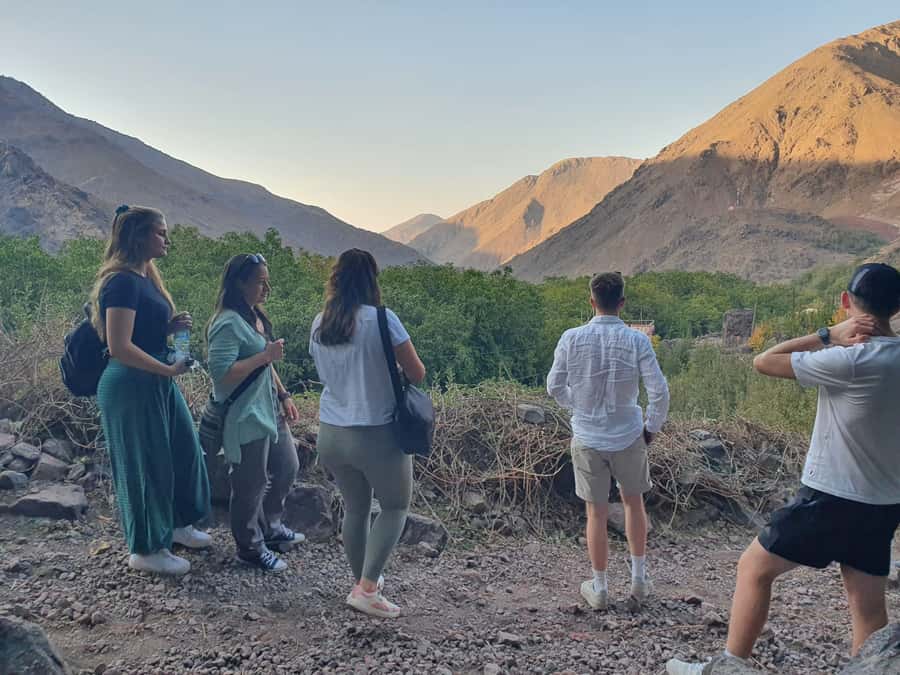
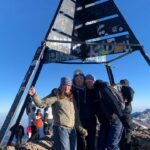
The highlight says you can see Mount Toubkal (4167m) from a distance, and that makes sense for this style of trek. You’re not attempting the summit. Instead, you’re hiking to vantage points where the mountain shows itself within the bigger Atlas picture.
That’s valuable for two reasons:
- You get the feeling of Toubkal without needing full-on technical mountaineering skills.
- You can appreciate the scale of the High Atlas system—passes, valleys, and village routes all connect to the mountain mass.
If skies are clear, this is where your patience pays off. If the weather’s hazy, you still get the walking and the cultural experience. Just don’t book it expecting every single person to have a postcard-perfect view at the exact same moment.
Food and tea breaks: more than a nice perk
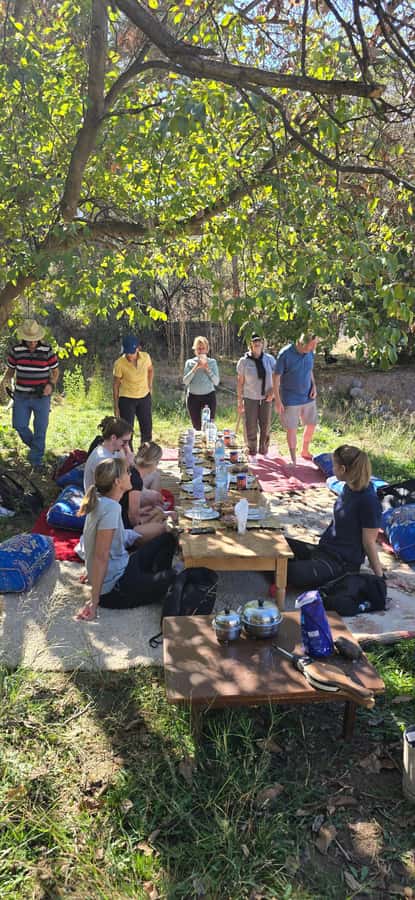
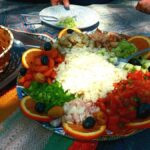
This trek is heavy on meals, and that’s not random. After a climb, food is your recovery plan. And after long walking hours, it also becomes part of the story.
You’ll enjoy:
- breakfast (included)
- lunches (included, including the day-two waterfall meal)
- dinner (included)
- plus multiple tea and snack stops along the way
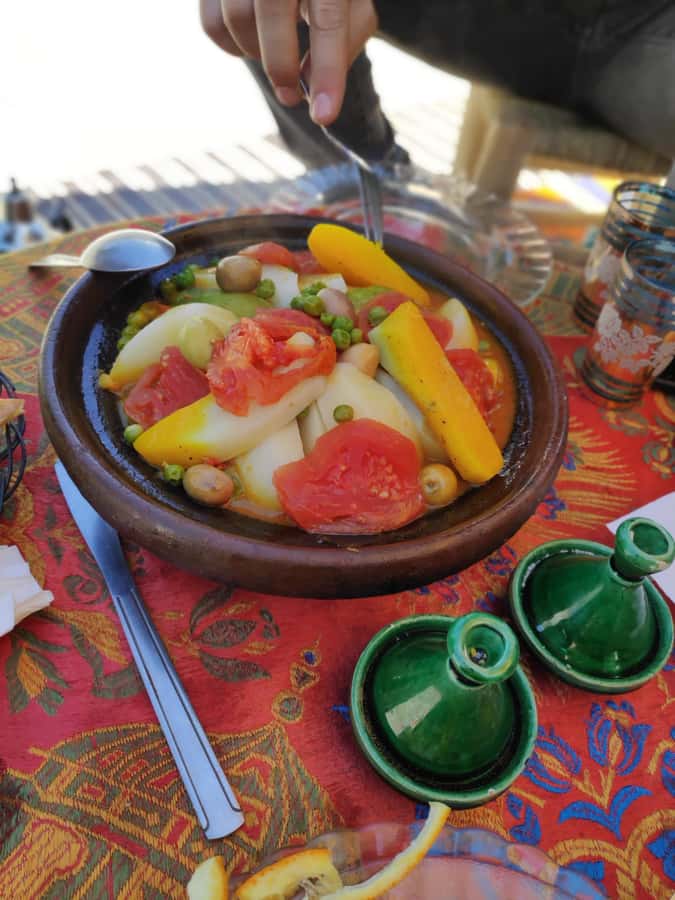
Several past trekkers praised the cooks and the quality of meals. Names like Hicham and Hassin have come up in people’s experiences on similar Atlas trips, along with Mustafa and Omar for the trail cooking side. The point you should take from that is simple: food is treated as serious work here, not a last-minute afterthought.
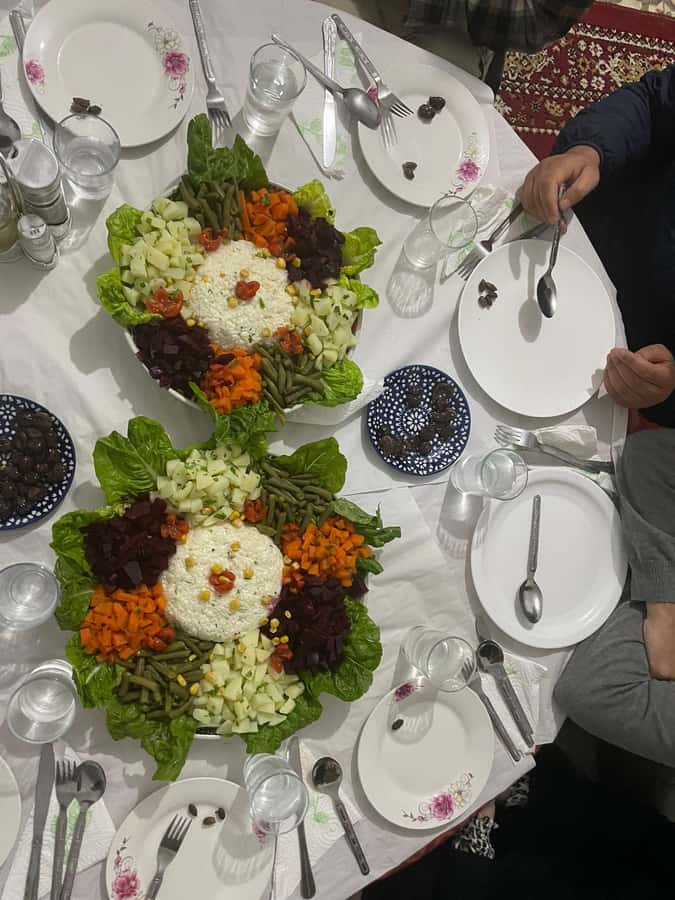
Also, tell the team ahead of time if you’re vegetarian, gluten-free, or have allergies. They say they can prepare different meal options, which is a big deal when you’re eating at remote places and not ordering off a menu.
Price and value: is $127 for 2 days a fair deal?
At $127 per person for 2 days, the value mostly comes from what’s bundled together. You’re not just paying for a guide and a walk.
You’re also getting:
- pickup and return transfer between Marrakech and the mountains
- a guide for 2 days
- one night in a mountain guesthouse
- mules to carry your gear
- meals (breakfast, lunches, dinner)
If you tried to build this yourself, you’d quickly find that transport + lodging + a local guide + packed-in meals is the hard part. Those are exactly the things included here.
So I’d call it solid value for a short trek that still feels like real time in the Atlas—especially with the mule support, which protects your legs and helps keep packs manageable.
What you should pack (and what people forget)
You’ll be happier if you pack for mountains, not for Morocco city strolling.
Bring:
- hiking shoes (not just sneakers)
- hat and sunscreen (if skies are clear)
- rain gear (weather can change fast)
- change of clothes for the guesthouse
- outdoor clothing and hiking pants
- a camera
- cash (so you aren’t stuck if you want extra snacks or small items)
- passport
- reusable water bottle
- outdoor layering for morning and evening chill
Two practical notes from the trail reality:
- Drinks are not included (water too), so don’t arrive empty.
- Trekking equipment isn’t included, so bring what you need for your own comfort and safety.
Pace, difficulty, and who this trek suits best
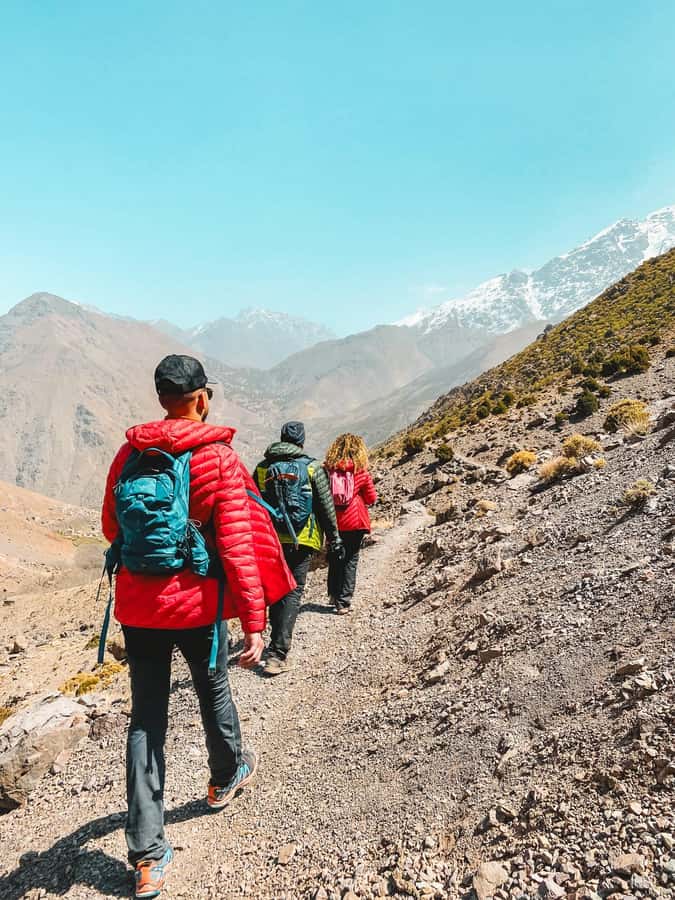
This hike is rated moderate, and that’s accurate if you:
- can walk 4–5 hours on day one and 6–7 on day two
- handle steep sections without drama
- accept that trails can be rocky and uneven
It’s a great fit for:
- people who want Atlas villages + Toubkal views in a short time
- first-time trekkers who want a guided route with mule support
- anyone who prefers local life over just photo stops
It might not be ideal if:
- you’re expecting a fully flat walk
- you need hotel-grade comfort and uninterrupted convenience
- you hate longer downhills (day two includes a real descent)
Also, group size is capped at 14 participants, which helps keep things relaxed and less chaotic than big tour buses.
Languages and the guide role you actually feel on the trail
You’ll have a guide for the full trek, and the language options include English, French, Spanish, and Arabic. That matters because the guide isn’t only translating signs. They’re helping you understand what you’re seeing—village life, routes, and what’s coming next.
Some people specifically praised guides like Khalid and Ayoub for pacing and personality, plus cooks who handled remote meal setups smoothly. Even without name-brand certainty, the takeaway is consistent: the guide’s job here is to keep you comfortable, fed, and moving.
So on this kind of trek, it’s worth being a bit proactive. Ask your guide how the day’s timing looks and whether there’s a good moment for photos.
Should you book this Atlas Mountains 2-day trek?
I’d book it if you want a short, high-reward trek that still feels genuinely Moroccan. The mix of village walking, pass views, waterfall lunch, and an overnight guesthouse makes it more than a half-day sightseeing trip.
You should also consider booking if you’re the type who enjoys practical travel—good shoes, steady pace, real food, and guided context.
If you’re sensitive to steep walking or you’re hoping for a totally easy stroll, you might feel challenged by day two. Also, if you hate basic accommodation, think carefully about the mountain guesthouse part.
If your schedule is flexible, the provider offers free cancellation up to 24 hours and a reserve now, pay later option, which can make planning from Marrakech a lot less stressful.
Bottom line: for most people, $127 buys you a real taste of the High Atlas—enough time to feel the mountains, without forcing you into a massive expedition.
FAQ
Where is pickup for this trek?
Pickup is included from Marrakech. You choose your location for pickup when booking.
How long are the hikes each day?
Day 1 hiking time is about 4–5 hours. Day 2 hiking time is about 6–7 hours.
What difficulty level is it?
The trek is rated moderate.
Is an overnight stay included?
Yes. You stay 1 night in a Berber local guesthouse in the mountains.
What meals are included?
You get 1 breakfast, 2 lunches, and 1 dinner.
Are trekking equipment and drinks included?
No. Trekking equipment is not included, and drinks (like water) are not included.
Are mules provided to carry bags?
Yes. Mules are included to carry your gear and bags.
How big is the group?
The group is limited to 14 participants.
Is this trek wheelchair accessible?
The activity is listed as wheelchair accessible.
Notes on timing and your best comfort move
If you want the best experience, aim to start each day calm and unhurried. Hydrate, keep your pack light, and save your energy for the pass viewpoints and village moments. That’s when this trek earns its reputation.