REVIEW · MOSHI
6 Days Machame Route Kilimanjaro Climbing Trekking Tour
Book on Viator →Operated by Macpace Tours and Safaris · Bookable on Viator
Kilimanjaro feels real fast. I like this 6-day Machame Route because it gives you time to adjust to altitude while still pushing you toward Uhuru Peak, and the plan keeps you moving through several distinct zones. Two things I especially like: the included emergency oxygen cylinder, and the team setup (guides, porters, cook) that lets you focus on walking instead of logistics.
That said, this is not a stroll. You’ll rack up long days, cold nights in tents, and real altitude work—so if moderate fitness is your upper limit, you’ll want to be honest with yourself about pace and hydration.
Machame’s step-up acclimatization: You climb into new altitude zones without rushing straight to high camps.
Tent camping with real comforts: Waterproof, four-season tents plus mattresses and mess tents with table and chairs.
Summit night is scheduled early: You’ll start the push around 12:00 and aim for sunrise from Uhuru Peak.
Support is built in: Guides, porters, and cooks are included, with salaries covered.
Safety basics included: Emergency oxygen cylinder is part of the package.
Food and water reduce mental load: Large portions, purified drinking water, and full daily meals are handled for you.
In This Review
- Why the Machame Route makes sense for a 6-day summit push
- Getting from Moshi to the climb: a smooth start at Machame Gate
- Day 1: Machame Gate to Machame Camp (9,301 ft)
- Day 2: Shira Cave Camp and the rainforest-to-moorland shift
- Day 3: Lava Tower (15,223 ft) to Barranco Camp (12,959 ft)
- Day 4: Cross the Barranco wall to Karanga and Barafu (15,354 ft)
- Day 5: Uhuru Peak and the Stella Point scree reality
- Day 6: Millenium Camp to Mweka Gate and summit certificates
- What you’re actually paying for: value check at $1,950 per person
- Comfort, food, and the behind-the-scenes team that keeps you moving
- Safety and pacing: how to give yourself the best chance
- Who this trek fits best (and who might want a different plan)
- Should you book this 6-day Machame Route Kilimanjaro tour?
- FAQ
- How long is the Kilimanjaro trek on the Machame Route?
- Where does the tour start and where do you end?
- What does the tour include?
- What is not included in the price?
- Do you provide tents and sleeping items?
- Is oxygen provided?
- What time does the summit attempt start?
- What is the cancellation and refund policy?
Why the Machame Route makes sense for a 6-day summit push
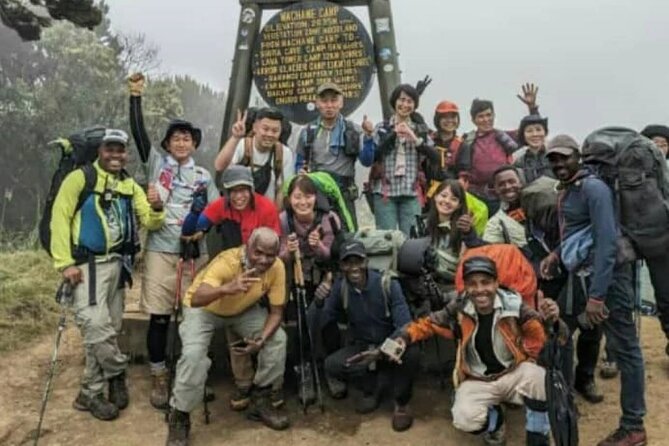
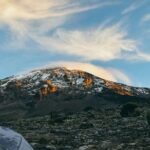
Kilimanjaro is big in every way—time, effort, and weather. The Machame Route is popular for a reason: it gives you that classic mix of altitude gains and recovery built into a tight 6-day format. You’ll spend a day transitioning out of rainforest into moorland, then another day that really tests your stamina on the way toward Lava Tower and the crater rim area. It’s a route that asks for effort, but it also helps you avoid the worst mistake on Kili: going too high too fast.
From Moshi, the trek starts with a short drive (about 45 minutes) to Machame Gate. That matters because it helps you get oriented without wasting your first day on travel stress. Once you’re on the mountain, the itinerary is structured so you can keep showing up for the next day’s climb, even when your legs start complaining.
I also like the way the tour spells out the altitude progression. You’re not guessing. You have clear camp altitudes on most days—Machame Camp, Shira Cave Camp, Barranco Camp, Karanga Camp, Barafu Camp, Millennium Camp, and finally the descent route from the Mweka side.
Getting from Moshi to the climb: a smooth start at Machame Gate
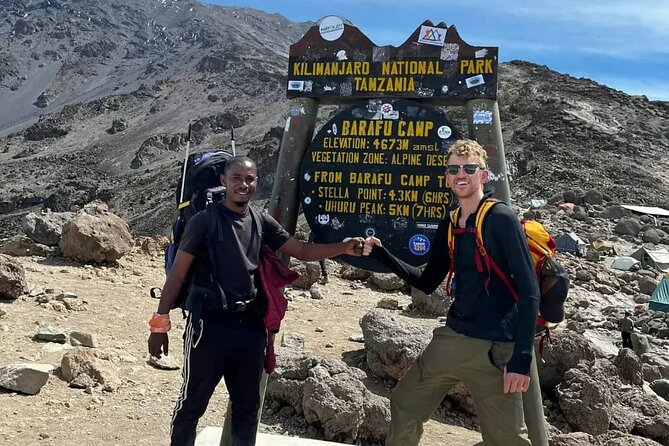
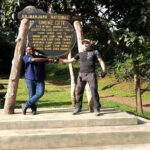
You’ll base in Moshi, Tanzania, then transfer to the mountain. On Day 1, the drive from Moshi to Machame Gate takes about 45 minutes. Machame Gate sits at 5,381 ft—high enough that you’ll feel the elevation right away, but not so high that you need to treat your first hours like a summit attempt.
Then comes the first serious climb: Machame Gate to Machame Camp. You’re looking at a steep ascent of about 5–7 hours, with the camp at 9,301 ft. That first day is where you learn how your body handles exertion at altitude.
If you’re planning your strategy, I’d treat Day 1 like a warm-up you can’t ignore. Go steady. Let the guides handle the pace decisions. The group may be private (only your group participates), but you still climb as a team, and your speed matters most early.
You can also read our reviews of more tours and experiences in Moshi.
Day 1: Machame Gate to Machame Camp (9,301 ft)
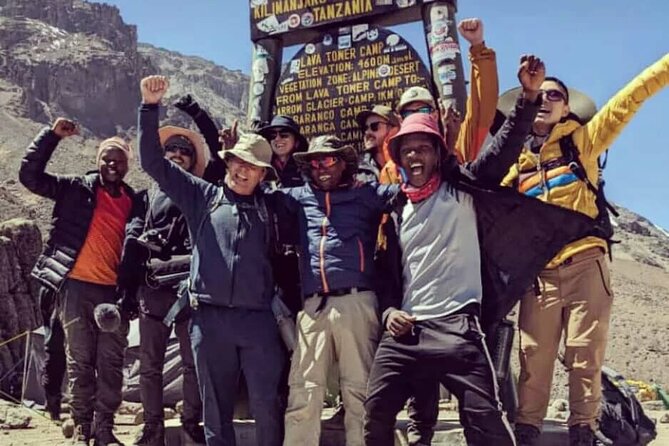
This is the “get it done” day. You start at Machame Gate (5,381 ft), then climb to Machame Camp (9,301 ft) over 5–7 hours. The key is not speed—it’s consistency. When you walk high, your breathing changes. The goal is to keep that breathing calm enough that you can sleep and recover.
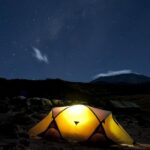
At camp, you’ll get tent setup and your sleeping setup: waterproof, four-season tents on a twin sharing basis, plus a mattress. There are also mess tents with table and chairs, which is a small detail that makes a big difference after a long day.
Practical note: the itinerary mentions 8–9 hours of sleep on Day 1. That’s a hint that you’ll be expected to actually use the downtime to recover, not just scroll and stay awake.
Day 2: Shira Cave Camp and the rainforest-to-moorland shift
Day 2 runs from Machame Camp (9,301 ft) up to Shira Cave Camp (12,598 ft), and it’s described as a transition from the last rainforest section into moorland. The hike includes several hours along a rocky ridge before reaching camp, and the schedule puts it at about 4 hours.
That combination—ridge walking plus a shorter day time—often helps people reset mentally. Your legs still work, but you don’t feel crushed by the hours. This is one of those days where your hydration and food routine pay off. If you want a smoother Day 3, Day 2 is where you set that up.
Also, “camps at altitude” is not just scenery. Shira Cave Camp is already at 12,598 ft, so your body is learning to function in thinner air. Sleep becomes part of the training whether you want it or not.
Day 3: Lava Tower (15,223 ft) to Barranco Camp (12,959 ft)
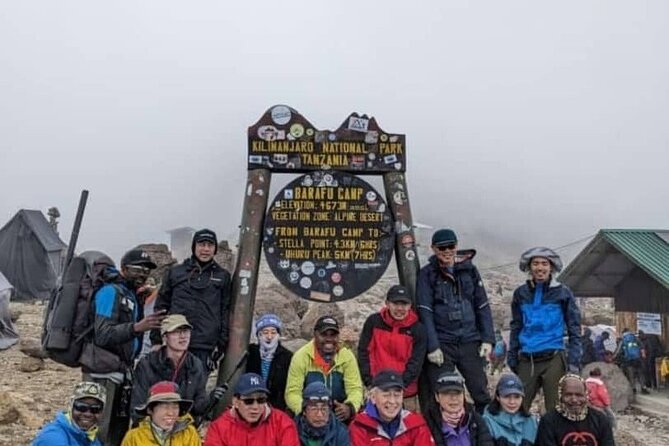
This is the day with the “tough one” label for a reason. You’ll climb from Shira Cave Camp (12,598 ft) up to an altitude around 15,223 ft at Lava Tower, then descend to Barranco Camp (12,959 ft) for overnight. The trek is listed at roughly 5–8 hours.
This day often feels like a two-part effort: the climb up toward Lava Tower, then the downhill work back toward Barranco. Downhills on Kili are no joke. They can strain knees and burn energy in a different way than the uphill.
I’d plan to focus on technique: shorter steps, firm footing on rocky ground, and steady breathing. If you’re the type who gets tunnel vision, remind yourself to look where you place your feet. Your summit night depends on leg quality.
Barranco Camp at 12,959 ft is a good “breather” altitude after Lava Tower. You’re not dropping to comfort-level, but you are lowering enough to regain some control.
Day 4: Cross the Barranco wall to Karanga and Barafu (15,354 ft)
Day 4 is where Machame starts feeling like a real summit climb plan. You’ll go from Barranco Camp (12,959 ft) to Karanga Camp (13,238 ft), then continue to Barafu Camp at 15,354 ft. That sounds like one long day, and the schedule supports it: about 7 hours total.
The itinerary calls out two big terrain moments: you’ll cross over the Baranco wall and the Karanga Valley ridges, including a named spot at Kiss Stone Point on the Barranco wall. If that sounds intimidating, don’t worry—this is exactly where having guides and route knowledge matters. The plan specifically notes that climbers typically conquer this section with help from professional guides.
Then you get the climb to Barafu Camp, described as moderate, around 3–4 hours. Barafu is your summit base for the night, at 15,354 ft. You’ll spend the rest of the day at Barafu Camp with an early dinner and preparation for the summit attempt.
One detail to underline: the summit start is described as starting in the mid-night at 12:00. In practical terms, you’re preparing for a very early wake-up and then a long uphill slog in cold conditions.
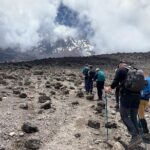
Day 5: Uhuru Peak and the Stella Point scree reality
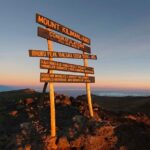
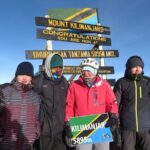
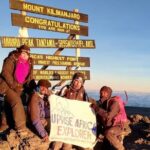
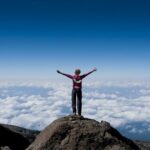
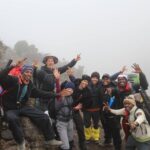
Day 5 is your summit day. You’ll move from Barafu Camp (15,354 ft) to Uhuru Peak (5,895 m / 19,341 ft), then descend back to Barafu Camp. The trek time listed is about 6 hours, and it’s scheduled to start around 12:00.
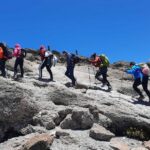
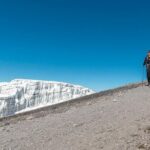
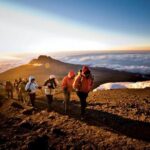
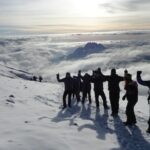
The ascent is described as heavy scree toward the crater rim area, with a stop at Stella Point and about a 15-minute break before heading to Uhuru Peak. You’ll reach Uhuru Peak for the summit moment, then enjoy a sunrise reward before descending.
A few practical thoughts here:
- Heavy scree means footing is everything. Slow is not weakness on this mountain.
- The break at Stella Point can be short, so don’t go into it with a plan to talk your way through exhaustion. Use the break for breathing and a quick check of how you’re feeling.
- Sunrise from Uhuru Peak is one of those things you don’t forget. It’s also a reminder that the work starts long before you see the light.
After the summit and descent to Barafu, you’ll rest for about 2 hours, take lunch, then descend to Millennium Camp for the last dinner and last overnight on the mountain.
The switch from peak emotions back to the “walk again” reality can be tough. This final camp is often where people feel the day’s total effort. Still, you’re close to the end.
Day 6: Millenium Camp to Mweka Gate and summit certificates
Day 6 is the finish—Millenium Camp down to Mweka Camp (10,104 ft), then a descent through the rainforest zone to Mweka Gate (5,380 ft). Total hiking time is about 3–4 hours.
That’s a short walking day compared to the rest, and it often feels like a victory lap mixed with relief. You’ll also get your summit certificate upon arrival at Mweka Gate, then you’ll be driven back to Moshi for overnight.
On Kili, finishing well matters as much as starting fast. A shorter Day 6 can fool people into forgetting proper stepping technique. Take it slow, especially on any damp or uneven rainforest sections.
What you’re actually paying for: value check at $1,950 per person
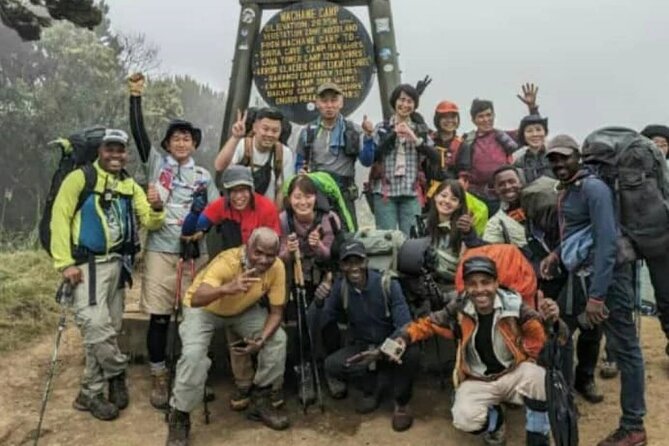
At $1,950.00 per person, you’re paying for more than just guide time and a permit window. The included items are substantial:
- Transfers to and from the mountain and back to your Moshi hotel
- Airport pick-up and drop-off
- Professional mountain guides, porters, and cook salaries
- Waterproof four-season tents (twin sharing) plus sleeping mattress
- Emergency oxygen cylinder
- Large portions of fresh, healthy meals, plus purified drinking water
- Conservation fees, camping/hut fees, and rescue fees (handled as part of park fees)
- VAT (18%)
- Kilimanjaro summit certificate
- Hotels and all meals listed (6 breakfasts, 6 lunches, 6 dinners)
What’s not included is also clearly stated:
- Tanzania visa
- International and domestic flights
- Personal trekking equipment like sleeping bags and hiking boots (available for renting)
- Tips/gratuities
- Travel insurance
This mix tends to be good value if you want a guided climb where core logistics are handled. You’re not buying a bunch of separate pieces in the dark. Still, you’ll want to budget for what’s missing (visa, flights, gear, and tips). And don’t treat travel insurance as optional in your mind—Kilimanjaro is high, and you’re dealing with altitude risk.
Comfort, food, and the behind-the-scenes team that keeps you moving
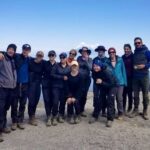
One of the strongest signals from past experiences with this company is the support feel: guides and porters who show up on time, plus cooking that keeps you fueled for the next day. Names that come up in successful summit efforts include Elipokea, Victor, Baraka, Maneno, and others from the crew.
You don’t climb alone. The entire operation—porters moving loads, cook planning meals, guides managing route and pace—turns the climb into something you can focus on. And that helps when your motivation dips at Day 3 or Day 4.
Comfort is also not treated like an afterthought. You’re sleeping in waterproof tents designed for mountain conditions and getting a mattress. Mess tents with table and chairs can feel almost luxurious after a cold day of walking.
If you’re new to tent camping, this matters. It’s not the same as a casual campground setup. But it’s also not survival mode. You’ll have structure, food, and a working team around you.
Safety and pacing: how to give yourself the best chance
A Machame 6-day plan works only if you respect your body. This itinerary includes emergency oxygen, plus rescue fees are covered in park fees. That’s good baseline coverage.
Still, the real safety lever is pacing and hydration. The tour data stresses that travelers should have moderate physical fitness. So I’d interpret that as: come prepared to walk, and then let the climb be controlled by consistent effort, not adrenaline.
Here’s the practical way I’d think about it:
- Start slower than you want to.
- Drink regularly when you can.
- Use the breaks for breathing, not for abandoning your energy plan.
- When the route gets rocky (Lava Tower zone, scree toward the crater rim, and summit ascent), slow down enough to place your feet well.
Also, because this is a private tour/activity for your group, you may have more consistent support and coordination. That can make a difference when you’re adjusting to altitude.
Who this trek fits best (and who might want a different plan)
This Machame Route 6-day climb fits you if:
- you want a structured acclimatization approach rather than a rushed route
- you’re okay with camping (tents, cold nights, and early summit prep)
- you want a guided experience where meals, tents, and transfers are handled
- you’re aiming for sunrise on Uhuru Peak
It may not be the best fit if:
- you want a low-effort hike or a fully comfortable lodge-based trip
- you’re unsure about moderate fitness and how your body handles altitude
- you’re not willing to handle missing basics like personal trekking equipment and travel insurance
If you’re also planning safari in Tanzania, some people pair this climb with Serengeti or Ngorongoro in the same general trip style through the same operator. That can be a nice combo: one big physical challenge, then wildlife time. Just keep your schedule realistic.
Should you book this 6-day Machame Route Kilimanjaro tour?
I’d book it if you want a proven route, strong logistics, and a team that handles the heavy lifting (literally) behind the scenes. The value feels strongest in what’s included: tents, mattress, purified water, full meals, emergency oxygen, and the fees that usually trip people up later.
Before you commit, do three quick checks:
- Are you truly comfortable with early summit-night timing and cold tent nights?
- Do you have a plan for the gear that’s not included (or you’ll rent what you need)?
- Are you budgeting for visa, flights, tips, and travel insurance?
If you want a realistic shot at Uhuru Peak with the Machame Route structure—and you’re ready for the work—this tour is a solid, well-supported choice.
FAQ
How long is the Kilimanjaro trek on the Machame Route?
The trek runs about 6 days.
Where does the tour start and where do you end?
It starts in Moshi, with the climb beginning at Machame Gate, and it ends back at the meeting point after you return from Mweka Gate.
What does the tour include?
It includes transfers to and from the mountain, airport pick-up and drop-off, guides, porters and cooks, tents and mattresses, sleeping arrangements (twin sharing), emergency oxygen cylinder, mess tents, purified drinking water, and meals (6 breakfasts, 6 lunches, 6 dinners). It also includes conservation fees and a Kilimanjaro summit certificate.
What is not included in the price?
Not included are Tanzania visa, international and domestic flights, personal trekking equipment (sleeping bags, hiking boots, clothes, etc.), tips/gratuities, and travel insurance.
Do you provide tents and sleeping items?
Yes. You’ll have quality waterproof four-season mountain tents for twin sharing, plus sleeping mattresses.
Is oxygen provided?
Yes. An emergency oxygen cylinder is included.
What time does the summit attempt start?
The summit attempt starts in the mid-night at 12:00 (as stated in the schedule for Day 4/Day 5 transition).
What is the cancellation and refund policy?
Free cancellation is available if you cancel at least 24 hours in advance for a full refund. If you cancel less than 24 hours before the experience start time, the amount paid will not be refunded.