REVIEW · MARRAKECH
Trekking in Morocco / 3 Days Valley Trek in the Atlas Mountain & Waterfalls
Book on Viator →Operated by Trekking in Morocco · Bookable on Viator
A few hours in, you feel the High Atlas change your pace. This 3-day trek into Toubkal National Park pairs real Berber village paths with mule support, so you hike far without hauling everything yourself. I especially love the small-group feel (up to 15) and the way the route crosses mountain passes instead of staying in one valley. One thing to plan for: you’ll still walk 5–7 hours a day on uneven paths and at altitude, and you’ll need to buy your own water along the way.
I like that the itinerary is specific about what you’ll do each day, from the first climb to Tizi n’ Tamterte to the big waterfall visit on day three. You also get the practical stuff covered: round-trip transport from Marrakech, two nights in local accommodation, and meals cooked for you during the trek. It’s not a luxury hike, but it feels well organized and grounded in how people actually live and travel in the Atlas.
If you want a hands-on trek with a guide—someone who can explain what you’re seeing while you’re walking—this is a good fit. The start time is 8:30 am, so you’ll want an early breakfast and a calm head. Bring walking shoes, warm layers, and a willingness to take it one pass at a time.
In This Review
- Key highlights and why they matter
- The route: High Atlas valleys, not a straight-line hike
- From Marrakech to Imlil: transfers that protect your energy
- Day One: Imlil to Tizi n’ Tamterte and the Tachddirt guesthouse
- Your first night: local guesthouse lodging
- Day Two: Oudit Pass around 2200 m to Ait Aissa
- Ait Aissa evening: guest gite and optional hamam
- Day Three: waterfalls, Mzik Pass at 2500 m, then back to Imlil
- Why the waterfall stop matters
- The pass viewpoint: where you’ll remember the effort
- Food and comfort: how the trek actually feels day to day
- Accommodation style: local houses, not chain hotels
- Packing and gear: what you should bring for an Atlas trek
- Price and value: where your money goes
- Who should do this trek (and who might want a different plan)
- Should you book this Atlas valley trek?
- FAQ
- How long is the trek?
- What time does the trek start?
- How many hours do you hike each day?
- Does the tour include transport from Marrakech?
- Are meals included?
- Do you provide mules for luggage?
- Where do you sleep on the trek?
- Is water included?
- Is there a fitness requirement?
- What is the cancellation policy?
Key highlights and why they matter
- Mules and handlers carry your bag: you hike more comfortably and keep energy for the passes
- Small group, max 15: easier to manage pace, questions, and photo stops
- Pass-to-pass valley trekking: scenery changes daily, with dramatic viewpoints
- Waterfall morning on day three: a memorable payoff after two trekking days
- Meals included by a cook: you eat well without spending trekking time on logistics
- Optional hamam in Ait Aissa: a warm reset for tired legs
The route: High Atlas valleys, not a straight-line hike
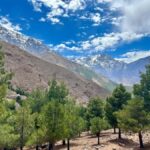
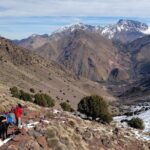
This is a classic High Atlas valley trek style: you walk between villages, climb to passes, and drop down through changing terrain. The big win is that the scenery keeps evolving. Day one builds you up from Imlil into higher terrain; day two connects multiple villages and crests another pass; day three adds waterfalls plus a top viewpoint on the way back.
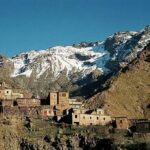
You’re also not just “walking in nature.” You’re walking through lived-in spaces—small settlements, mule paths, and guesthouses where meals and rest are part of the rhythm of mountain life. That’s why guides matter here. A good guide helps you understand why a ridge or village spot feels important, beyond just admiring it from the trail.
A small caution: even though it’s called a valley trek, you do cross valleys and passes. Think steady effort, not a flat stroll.
You can also read our reviews of more tours and experiences in Marrakech.


From Marrakech to Imlil: transfers that protect your energy
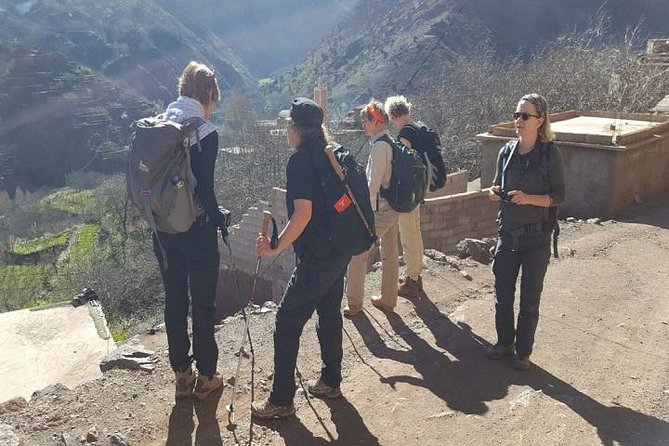
You get round-trip transport from Marrakech, which matters more than it sounds. When you’re starting a multi-day trek at altitude, you don’t want to spend your morning bargaining for the right rides or figuring out timing. With pickup offered, you’re already set up for an easier first day.
Plan for the early start (8:30 am), and consider this: the first day is 5–6 hours of walking. If you arrive scattered or late, you’ll feel it fast. If you arrive calm, the day feels manageable and even enjoyable.
Once you reach Imlil, you’re at about 1740 meters, which is a reasonable altitude for starting—just high enough to notice the mountain air. This trek is designed for moderate physical fitness, but you should still expect uphill stretches and a trail surface that’s more “mountain path” than “countryside sidewalk.”
Day One: Imlil to Tizi n’ Tamterte and the Tachddirt guesthouse
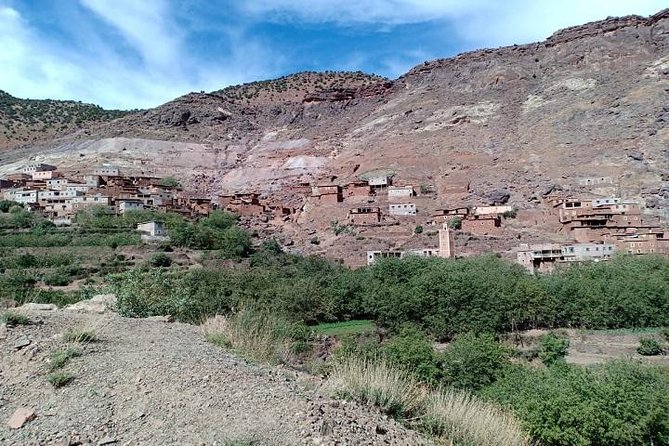
Day one is your warm-up with altitude. The walk runs about 5–6 hours, from Imlil (1740 m) up toward Tizi n’ Tamterte (2300 m), then onward to Tachdirt (or Tinghourine, depending on conditions and route flow). You’ll stop for lunch on the pass after Tizi n’ Tamterte, then finish at your end-of-day village guesthouse.
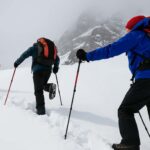
What makes this day special is the ladder-like feel of the climb. You start in the Imlil valley environment, then the trail climbs toward open mountain views. Once you’re on the pass, you’ll get that classic Atlas moment: wider sightlines, sharper light, and a sense of scale.
A practical consideration: your lunch is scheduled on the pass. That’s good planning, because you’re not searching for food mid-climb. Still, bring water (you’ll buy it), and dress for temperature swings. On higher trails, it can feel cool even when Marrakech is warm.
Your first night: local guesthouse lodging
You’ll sleep in local accommodation for night one. It’s not listed as a hotel experience, and that’s the point: you’re resting where the trek’s community life continues. Reviews tend to highlight comfy lodging and good care from the team, but keep expectations realistic. This is trekking comfort, not five-star bedding.
Day Two: Oudit Pass around 2200 m to Ait Aissa
Day two ramps up slightly with 6–7 hours of trekking. The route takes you from Tinghourin or Tachdirt through Ikkis, then toward Aguersiwal (around 2100 m), then Matat, and finally to Ait Aissa. Along the way you crest the Oudit Pass (about 2200 m).
This is the day where you’ll feel the trek’s rhythm: village to village, with passes as the punctuation marks. You’re constantly adjusting your effort—short climbs, stretches of walking on changing surfaces, then viewpoints that make you stop without needing anyone to tell you to stop.
You’ll likely pass through other picturesque villages (the exact order can vary based on how you’re routed). The key is that the terrain isn’t one-note. Pines and juniper areas show up in different pockets, and you’ll feel the shift between valley floor life and higher ridgeline air.

Ait Aissa evening: guest gite and optional hamam
Night two is at Ait Aissa, where there’s a gite and an optional hamam (steam bath) if you want it. After a day of trekking, it can be a smart choice for leg recovery—especially if the weather turns cool or damp.
If your legs are protesting, this is also the point where your guide and mule team become extra valuable. When your load is already handled, you can focus on walking well and moving safely over rocky sections and pass edges.
Day Three: waterfalls, Mzik Pass at 2500 m, then back to Imlil
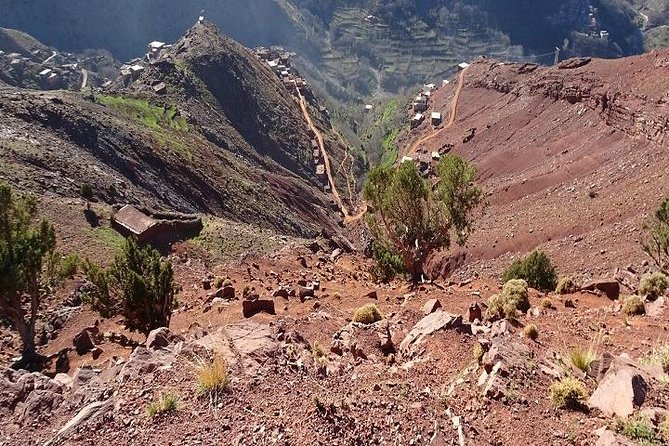
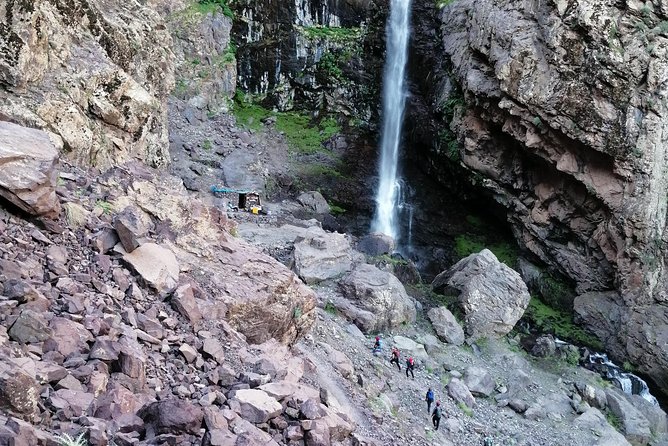
Day three is built for a strong finish. Your day begins with a visit to the biggest waterfalls in Toubkal National Park, then you head over Mzik Pass (2500 m). You’ll have lunch in Mzzik, then trek down to Imlil for end of trek and transfer back to Marrakech.
Timing is about 6 hours, and it works because it strings together three payoff moments:
1) Waterfalls to wake up your senses
2) Mzik Pass for a high viewpoint over the Ait Mizan valley
3) The downhill return that feels earned after two earlier days
Why the waterfall stop matters
A waterfall day adds emotion to a trek that’s otherwise mostly about walking. It breaks up the physical grind with a real scene change. Even if you’ve seen water in photos, standing near a real waterfall in the Atlas feels different because you’re seeing it in context—mountain walls, wind, and shifting light.
The pass viewpoint: where you’ll remember the effort
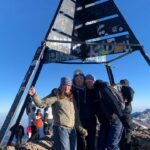
At around 2500 m, the air feels thinner and your legs feel that altitude. But this is also the moment where the ridge opens up. If you’re the type who loves photos, this is where you’ll want to slow down and actually look, not just snap and rush.
Food and comfort: how the trek actually feels day to day
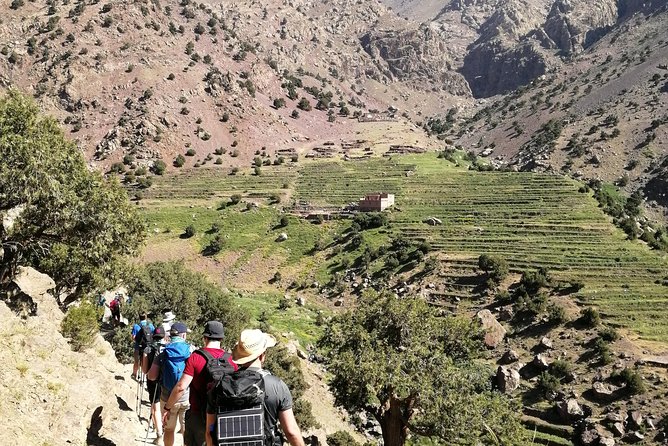
This trek includes meals in a way that makes a big difference on multi-day walking trips. You get three lunches, two breakfasts, and two dinners, plus all food during the trek. There’s also coffee and/or tea, and a cook prepares the meals.
In practice, that means you’re not scrambling for snacks or bargaining for food at inconvenient times. You’re walking, stopping, eating, then walking again. It’s simple and it protects the flow of the hike.
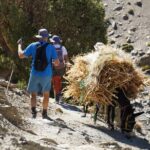
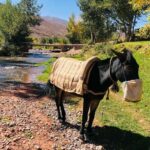
One of the most praised parts of similar Atlas valley treks is the support team: guides and the cook working together, plus mule handlers who keep arrivals smooth. On this trip, mules carry your baggage and food, and that is huge. Carrying less helps you keep a steady walking pace instead of getting “bag fatigue” that ruins the last part of each day.
Accommodation style: local houses, not chain hotels
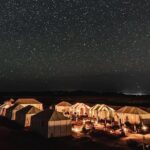
You sleep in local houses/guesthouses for two nights. That’s what keeps the trek authentic and good value, and it’s also what keeps you close to where villagers actually host travelers. Expect simple mountain lodging. If you’re flexible about comfort and care more about the route than the room, you’ll be happy.
Packing and gear: what you should bring for an Atlas trek
The trek gives you clear guidance on what to pack:
- Sleeping bag
- Walking shoes
- Jackets
- Warm and light cloths
- Hats
- Sun cream
- Sun glasses
- Towels
Also note: there’s mention that you can rent items in an equipment shop if you can’t bring everything. If you’re traveling light or flying in, that can save you from buying a whole new kit.
A practical packing tip: treat layers as non-negotiable. Mountain weather can shift quickly, and higher passes mean you’ll often feel cold before you feel hot. Bring clothing that works for wind as well as sun.
Finally, remember that water is not included. You buy it from locals’ shops. That’s not a dealbreaker, but it affects what you carry each day. Plan to have enough to start your hike comfortably, then top up as you pass through villages.
Price and value: where your money goes
At $267.13 per person for about three days, the value comes from what’s bundled. This isn’t just “a guide and a trail.” You’re paying for:
- Round-trip transport from Marrakech
- A local guide for the full trek
- Mules to carry baggage and food
- Accommodation for two nights in local houses
- A cook who prepares meals (plus coffee/tea)
- Meals covering the trek days (two breakfasts, two dinners, three lunches)
If you tried to piece this together yourself, you’d likely spend time and effort coordinating transport, lodging, and food—and you’d still need reliable mule support. Here, those logistics are organized for you.
Also, the group size cap of 15 helps protect the experience. Smaller groups get better pacing control, and you’re less likely to feel like you’re being rushed through the scenery.
One more value note: the trek is “small-group,” but it’s still active. You’ll earn your views. This is a good option if you want authentic mountains without turning it into a do-it-yourself project.
Who should do this trek (and who might want a different plan)
This trek is aimed at people with moderate physical fitness. You should be comfortable walking 5–7 hours daily on mountain paths, including uphill sections to passes around 2200–2500 meters.
You’ll probably love it most if you:
- Want Berber village trekking with real local meals
- Prefer a guided route instead of navigating alone
- Enjoy the payoff of passes and viewpoints more than just sitting at a single viewpoint
- Like that your pack is handled by mules and mule handlers
It may be less ideal if you:
- Want fully flat hiking (you won’t get it)
- Are uncomfortable with altitude or uneven trails
- Expect all water to be included (you’ll buy water locally)
Should you book this Atlas valley trek?
If you want an organized Atlas experience that still feels human and local, I’d book it. The mix of mule support, small-group guiding, and meals cooked for you makes the trek feel doable, even though you’re working for those views. Day three’s waterfall stop plus the Mzik Pass viewpoint is a strong finish, and the optional hamam in Ait Aissa gives you a nice recovery moment.
My main check before booking: be honest about your walking ability. This is a real three-day hike with 5–7 hours of movement daily. If you’re ready for that, the experience is very likely to match what you came for—mountain walking, village life, and scenery that rewards every steady step.
FAQ
How long is the trek?
The trek is about 3 days (approximately), with three walking days and transfers from Marrakech.
What time does the trek start?
The start time is 8:30 am.
How many hours do you hike each day?
Day one is about 5–6 hours, day two about 6–7 hours, and day three about 6 hours.
Does the tour include transport from Marrakech?
Yes. Round-trip transfers from Marrakech are included.
Are meals included?
Yes. All food during the trek is included, including three lunches, two breakfasts, and two dinners, plus coffee and/or tea.
Do you provide mules for luggage?
Yes. Mules are included to carry baggage and food, along with mule handlers.
Where do you sleep on the trek?
You stay for two nights in local houses/guesthouses (including a gite in Ait Aissa on the second night).
Is water included?
No. You buy water from local shops.
Is there a fitness requirement?
You should have moderate physical fitness, since the trek includes several hours of walking and mountain passes.
What is the cancellation policy?
You can cancel for a full refund up to 24 hours before the experience’s start time. If you cancel less than 24 hours before, the paid amount is not refunded.