REVIEW · MOSHI
Top 6 Days Mt. Kilimanjaro Bike trek Tour by Marangu-Kilema Route
Book on Viator →Operated by #1 Best Kilimanjaro Bike Tour Operators | BURIGI CHATO SAFARIS C.O L.T.D · Bookable on Viator
Two wheels can reach Uhuru Peak. On this 6-day Kilimanjaro bike trek from Moshi, you pedal the Kilema Route, sleep in mountain huts, and trade slow foot traffic for big altitude views and fast, controlled downhills.
I love the hassle-free gate transfers from Moshi, including park gate handling and the setup that keeps you focused on riding. I also like the clear rhythm of hut stays and cycling stages that help you adapt to altitude without turning every day into a death march.
One consideration: this is not a casual spin. You need real mountain-bike confidence for rocky sections and you have to respect altitude and cold from early mornings through summit night.
In This Review
- Key things to know before you ride
- Price and what you actually get for $3,668
- Moshi logistics: transfers, gates, and registration
- Day 1: from Kilema Gate to Horombo Hut on 16 km of climb
- Day 2: alpine desert riding and the Mawenzi stretch
- Day 3: rocky first 3 km, the Saddle, then a cold push to Kibo
- Day 4: Kibo hut rebound, optional summit-path orientation, then summit-night prep
- Day 5: 4:00 am zigzags, Hans Meyer’s Cave, and the Uhuru Peak bike ride
- Day 6: the final ride to Kilema gate, then back to Moshi
- Bikes, gear, and the cold-weather reality you should plan for
- Fitness check: who should book and who should reconsider
- Is the Kilema-Marangu setup worth it?
- Should you book this Kilimanjaro bike trek?
- FAQ
- FAQ
- How long is the Kilimanjaro bike trek and what’s the schedule feel like?
- What time does the tour start, and where does it end?
- Do you get transfers from Moshi, and how are the park gates handled?
- Where do you sleep during the trek?
- Is Uhuru Peak included in this itinerary?
- Do I need special biking skills?
- What’s included in the cost?
- What’s not included in the price?
- What should I put in my daypack on Day 1?
- What happens if weather is bad?
Key things to know before you ride
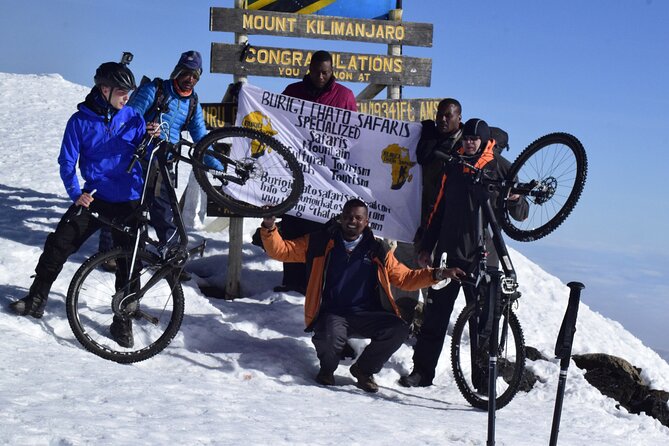
- A true bike-on-Kilimanjaro experience: you’ll cycle through multiple habitat zones, not just ride to a viewpoint.
- Gate-to-hut planning: the route is built around park gates and hut stops, so you’re not guessing logistics at altitude.
- Summit day is an early-start bike ride: the climb begins at 4:00 am, and your bike comes into play for the final push.
- Cold-weather prep matters: headlamps and camera battery replacement are part of the summit-night routine.
- Crew support is part of the deal: porters and guides take on key camp/route tasks so you can ride and acclimatize.
Price and what you actually get for $3,668
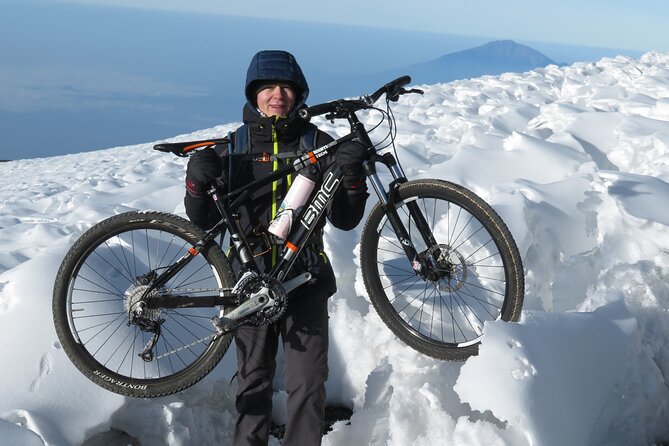
At $3,668 per person, this is a premium Kilimanjaro trip. The good news is the price isn’t just for the view. You’re paying for a package that covers a lot of the hard-to-price-in pieces: private transportation, park gate transfers, hut support, and the staff side (crew wages and porter help).
What’s included, based on the trip setup you provided:
- Hotel accommodation before and after the trek
- Breakfasts, lunches, and dinners during the trek window (breakfast 5, lunch 6, dinner 6)
- All fees and taxes
- Gate transfers plus airport pickup/drop-off
- Crew wages and porter support, with accommodations and meals handled
What’s not included:
- Flights
- Tipping the crew
- Visa costs (if applicable)
- Mountain bike hiring (listed as not included)
- Personal trekking gear
So the value question becomes simple: if you want someone else to handle permits/fees, gate timing, meals, and the staff logistics, this package can feel like “less work, more climbing.” If you’re hoping to bring your own bike and handle permits yourself, the cost may feel steeper than you’d like.
You can also read our reviews of more tours and experiences in Moshi.
Moshi logistics: transfers, gates, and registration
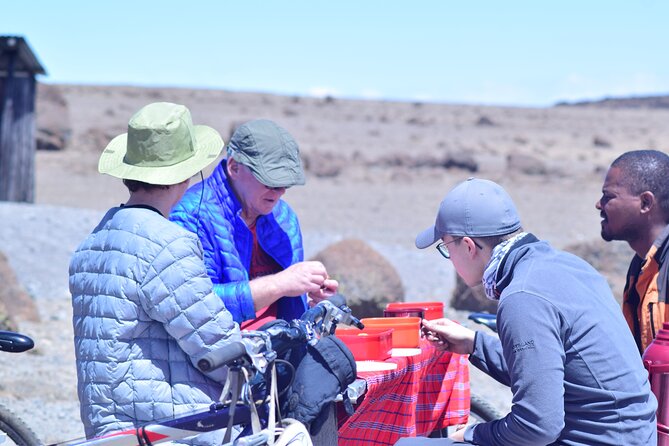
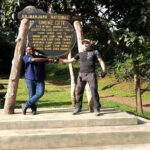
This trek starts in the Moshi area with round-trip transfers. On Day 1, you’ll transfer to the Marangu gate first. At the Marangu gate, hikers are required to register at the park office, and then you drive to the Kilema gate for your biking start.
That two-gate flow matters more than it sounds. It means you’re not walking into the national park and trying to figure out where the correct office is while your legs and brain are already in altitude mode. It also keeps the schedule moving, which is a big deal on a trip where summit timing is fixed.
Group size is capped at a maximum of 200 travelers. Real-world groups on Kilimanjaro often run smaller, but your reliable takeaway here is that this operator’s trip is organized with a capacity limit and structured support.
Day 1: from Kilema Gate to Horombo Hut on 16 km of climb
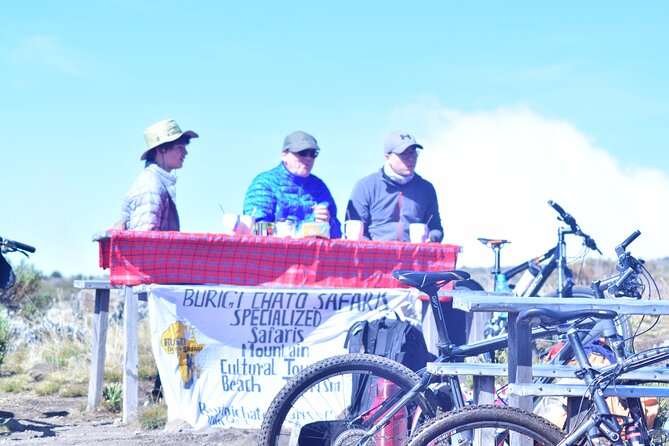
Day 1 kicks off at the Kilema gate (1,950 m). After a final bike check (and time to sort your daypack), you ride the first major leg: 16 km to Horombo hut (3,705 m), about a 6-hour riding day.
Two things make this day important:
- You’re learning how your body responds while staying in “guided pacing.” A guide on a bike helps keep you aligned with the route and road conditions.
- You’re also setting up your habits early: proper hydration, daypack discipline, and realistic effort.
What you should carry in your daypack is specifically spelled out: at least drinking water, your lunch pack, and extra clothing. That last part is easy to underestimate. Even when the sun is out, mountain weather can swing hard.
At Horombo hut, you’ll settle into the hut rhythm. In Kilimanjaro terrain, hut nights aren’t comfortable like a hotel bed. Still, they’re part of the rhythm that makes the summit attempt possible.
Day 2: alpine desert riding and the Mawenzi stretch
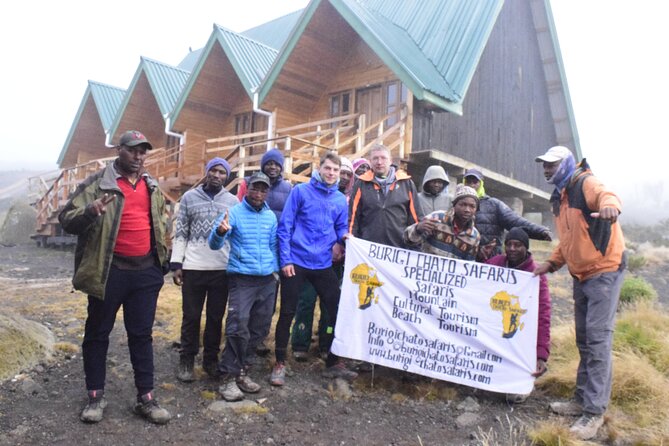
Day 2 starts with breakfast, then moves you into alpine desert cycling. The day is described as 90% riding, with a 10 km cycling distance, passing through alpine desert vegetation and going toward Mawenzi hut and back to Horombo.
This is the “get your legs sorted” day. The terrain isn’t a flat trail, but it’s designed to keep you moving so your muscles and breathing adapt. If you’re the type who worries about altitude, this day often helps because you’re not jumping straight into the hardest technical/steep segments. You get time to practice steady effort and bike control.
One practical note: alpine desert environments can feel deceptively dry and bright. That’s why your earlier hydration habits from Day 1 really matter.
Day 3: rocky first 3 km, the Saddle, then a cold push to Kibo
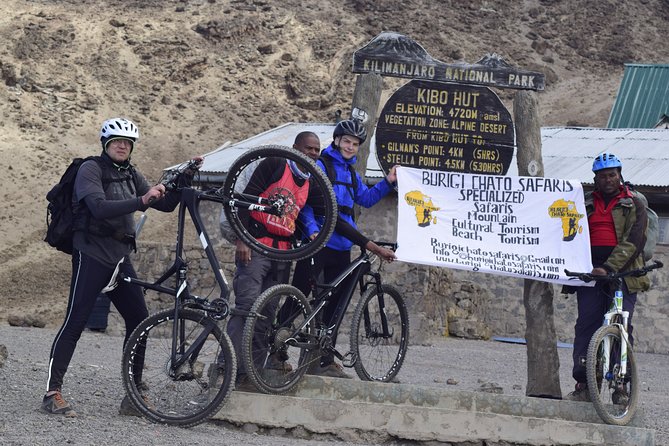
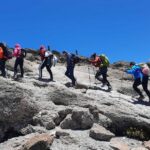
Day 3 is where the trip starts demanding more from your cycling skills. After an early breakfast, you’re riding into the alpine desert habitat, but the first 3 km are described as very rocky and difficult because the trail is stony and eroded.
Then things ease up. After about 3 km, the trail improves and cycling becomes possible again. The Saddle area between Mawenzi and Kibo is relatively flat, and that’s the section that can feel like a rare gift: a chance to move at a smoother cadence.
After that comes the altitude test. The 7 km toward Kibo hut are described as strenuous due to low oxygen and cold conditions. The final km before Kibo hut is especially tough, with repeated reminders to slow down and drink water.
If you’re wondering why bike trekking can feel harder than walking sometimes, this day is a big answer. When the ground is jagged, you’re not just climbing—you’re also stabilizing your bike, steering through uncertainty, and managing fatigue in your arms and core. And at high altitude, your body has less margin for mistakes.
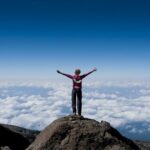
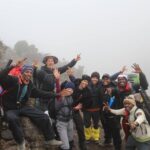
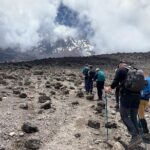
Day 4: Kibo hut rebound, optional summit-path orientation, then summit-night prep
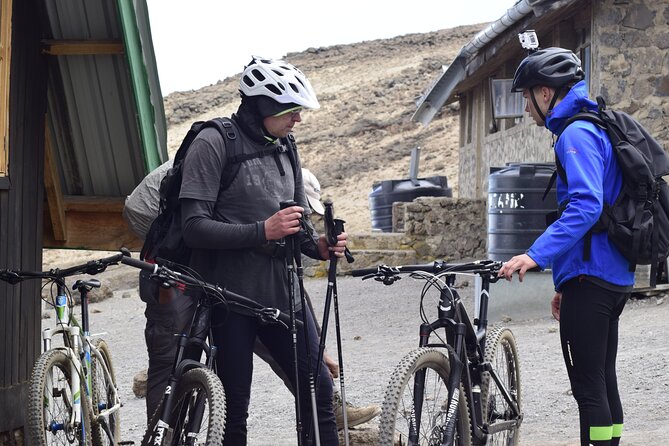
Day 4 begins early, with packing your duffel bags and getting ready to head back up to Kibo hut. The final 7 km to Kibo is described as having a good biking trail, then you’ll have lunch and aim to rest.
There’s an optional smart move here: around 16:00, depending on how you feel, you may hike partially up the summit path to get oriented for the summit attempt later that night. That orientation matters. Even if you’re not reaching the summit path far, being familiar with what the next darkness might feel like can reduce mental friction during the hard hours.
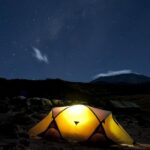
Then it’s summit prep mode. The summit (Uhuru Peak) is a further 1,195 m up, and the final ascent happens the same night. You’re specifically asked to prepare thermal clothing and to handle a key gear detail: replace headlamp and camera batteries, and make sure you have spares to prevent freezing.
This is one of the places where “good trip design” shows. Summit night fails for dumb reasons all the time—dead headlamps, low batteries, rushed packing. The itinerary actively forces you to check those items before you’re exhausted.
Day 5: 4:00 am zigzags, Hans Meyer’s Cave, and the Uhuru Peak bike ride
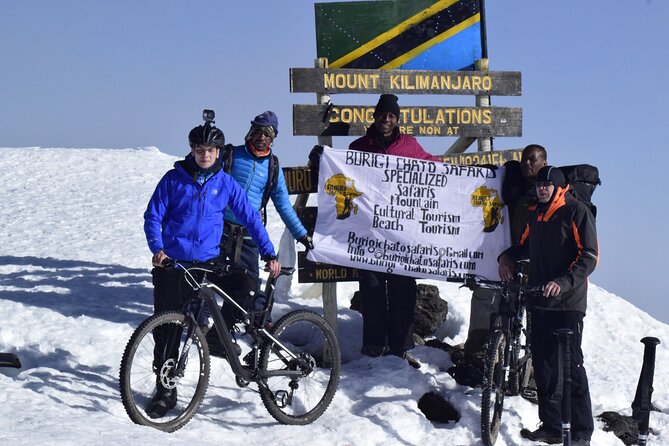
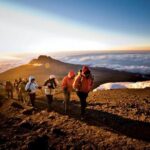
Day 5 starts at 4:00 am. Guides wake you, and you begin the zigzag trek up the long scree slope. After about 2 hours, you reach Hans Meyer’s Cave, where the gradient gets steeper.
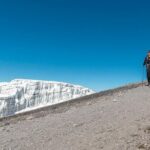
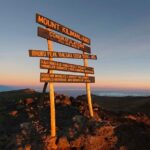
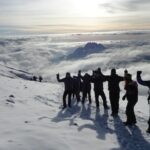
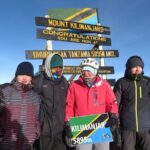
From there, you continue for about 3 more hours to Gilman’s Point. Then the bike part finally comes fully back into play: you take your bike from porters and ride to Uhuru Peak, spend a few minutes there (and photos), then ride down to Stella Point.
After lunch, you ride down to Horombo.
This is the core “only on a bike” thrill of the Kilema approach. You’re not just trekking the summit night; you’re also getting that moment where your effort turns into a controlled, high-speed descent experience.
A useful detail from the trip style and support structure: the crew keeps riders motivated, and there has been first-aid support when altitude symptoms show up. That doesn’t mean you can ignore altitude risk, but it does mean you should feel confident you’re traveling with people who’ve handled the situation before.
One guide name that comes up in the Kilimanjaro bike context from your supplied experiences is Gabriel. You may not ride with him, but it’s a reminder that the guiding is personal, and motivation/pace control matters on a trip like this.
Day 6: the final ride to Kilema gate, then back to Moshi
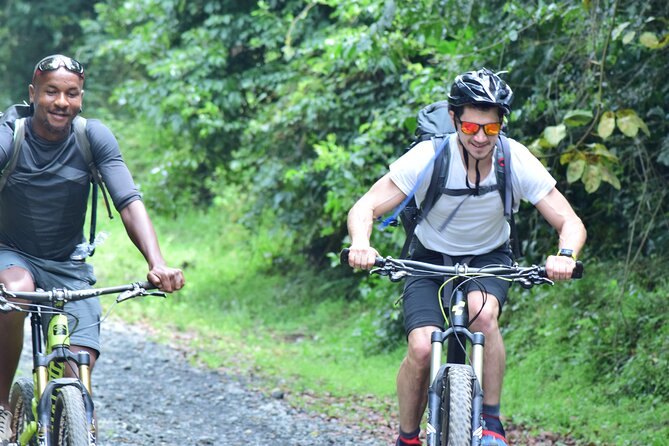
Day 6 is your release day, but it’s still planned. After breakfast, you ride down to the Kilema gate across alpine and rainforest areas. Once you reach Kilema gate, you’re transferred back to the Marangu gate for check out, then head to your hotel in Moshi.
This downhill day can feel like a victory lap, but don’t let your focus slip. When you’re tired, your steering and braking habits can degrade fast, and mountain descents aren’t forgiving. The itinerary’s design gives you a full final day to enjoy the scenery and still get back in time for a proper hotel finish.
Bikes, gear, and the cold-weather reality you should plan for
This trek is built around mountain biking, but bike comfort and bike reliability aren’t optional. Your itinerary includes a bike check at the start, and it also calls out the importance of cold-weather battery management during summit prep.
Here’s what I’d treat as non-negotiable gear planning, based on what the trip itself flags:
- Thermal layers for summit night and cold hut mornings
- A headlamp with spare batteries (the plan explicitly calls for battery replacement and spares)
- Extra camera batteries if you’re documenting the summit
- Extra clothing inside your daypack from Day 1
- Drinking water discipline throughout the difficult altitude days
One caution from the inclusions list: mountain bike hiring is not included. That means you should confirm what your booking includes regarding the bike itself. If the trek expects you to provide a bike rental, you’ll want to plan that well before you arrive in Moshi.
Helmets are also a theme in the biking experiences associated with this operator. For any rough rocky sections, head protection is smart. At altitude, dust, loose stone, and cold hands can all make control harder, so protect the one thing you can’t afford to injure.
Fitness check: who should book and who should reconsider
The trip says travelers should have moderate physical fitness level, but that’s only half the story. The itinerary also asks for good biking fitness and skills, plus awareness that some sections depend on road and trail conditions.
So I’d frame the fitness requirement like this:
- If you can ride a mountain bike over uneven terrain for several hours, you’ll likely handle the technical days better.
- If you’re comfortable pushing steadily at altitude (even if you slow down), this itinerary’s pacing makes sense.
- If you hate cold mornings, steep rocky climbs, or you’re easily overwhelmed at night, you’ll probably struggle more than the “moderate” label suggests.
Also, non-summit itineraries are available. If you want the route experience but would rather not commit to Uhuru Peak, ask your operator how that’s handled and what it changes for the biking legs.
Is the Kilema-Marangu setup worth it?
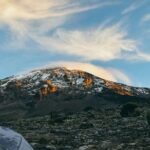
The route’s value is that it leans into what bikes do best: you get a fast, tangible sense of moving across altitude zones—alpine desert, colder sectors toward Kibo, then a final cut through alpine and rainforest on the way down.
It’s also a practical choice for summit-minded riders because the bike plan is staged to give you a summit attempt on schedule. Summits live and die on time, and this itinerary builds in that expectation from Day 4 onward.
At the same time, you’re still on Kilimanjaro. The summit is the summit. Altitude, cold, and fatigue are real on a bike as much as on foot. The “bike advantage” doesn’t eliminate the hard parts; it just changes how you experience them.
Should you book this Kilimanjaro bike trek?
If your dream is Kilimanjaro but you want it with wheels—proper cycling time, hut stays, and a real summit-night challenge—this is a strong match. The package is also structured to reduce the common pain points: transfers, fees, meals, and staff support are built in, so your stress drops and your focus rises.
I’d book if:
- You’re a mountain biker with solid control on rocky terrain
- You want a guided, scheduled route with huts, meals, and logistics handled
- You’re willing to do the cold, early starts, and battery checks without cutting corners
I’d rethink it if:
- You’re looking for an easy scenic bike trip (this has rocky and steep altitude days)
- You haven’t confirmed whether bike hiring is included or you lack cold-weather gear
- You’re not comfortable with the idea of a night summit attempt, even with optional adjustments like non-summit routes
FAQ
FAQ
How long is the Kilimanjaro bike trek and what’s the schedule feel like?
The trek runs about 6 days. Each day has a specific rhythm, from the gate rides and hut transitions to a summit attempt that starts very early on Day 5.
What time does the tour start, and where does it end?
The start time is 9:00 am, and the activity ends back at the meeting point.
Do you get transfers from Moshi, and how are the park gates handled?
Yes. You get private transportation and gate transfers, including pickup and drop-off tied to the park gates. On Day 1 you’ll drive to the Marangu gate for registration, then continue to the Kilema gate to begin cycling.
Where do you sleep during the trek?
You sleep in mountain huts on the route, and you also have hotel accommodation before and after the trek.
Is Uhuru Peak included in this itinerary?
Yes. The summit is part of the plan, with Uhuru Peak reached on Day 5. Non-summit itineraries are also available.
Do I need special biking skills?
You should have good fitness and mountain biking skills. The itinerary also notes that some sections depend on road and trail conditions, so comfort on uneven terrain matters.
What’s included in the cost?
Included items are private transportation, gate transfer plus airport pickup/drop-off, crew wages, all fees and taxes, and accommodation and meals (with breakfast, lunch, and dinner provided during the trek). Porter support is also part of what’s described.
What’s not included in the price?
Not included: flights, tipping the crew, visa costs, trekking mountain bike hiring, and personal trekking mountain bike gear.
What should I put in my daypack on Day 1?
You’re instructed to make sure your daypack includes at least drinking water, your lunch pack, and extra clothing, plus do a final check before starting the ride.
What happens if weather is bad?
The trek requires good weather. If it’s canceled due to poor weather, you’ll be offered a different date or a full refund.