REVIEW · MOSHI
Mt Kilimanjaro 360° Trek with Once-in-a-Lifetime Crater Camping
Book on Viator →Operated by PINNACLE ADVENTURES & SAFARIS LTD. · Bookable on Viator
One night on Kilimanjaro can change your brain. This trek aims for panoramic northern views and finishes with the rare thrill of crater camping beneath the glaciers. The route stays calmer than the busiest approaches, so you spend more time focused on the climb and less time in traffic.
I love the emphasis on a smart climb plan that supports acclimatization, especially with the day that links Shira high points to Barranco. I also like the way the logistics are handled end-to-end, from Moshi pickup and a post-climb hotel night to meals and camp setup. The one real drawback to weigh is the altitude and cold: even with the gentler northern path, exposed sections and summit-night weather can still feel serious.
In This Review
- Northern Circuit 360: Why This Kilimanjaro Route Feels Different
- Moshi to the Park Gate: Day Zero Setup and Mud You’ll Earn
- Shira Plateau Rise: Big Views, Fast Temperature Drops
- The Acclimatization Day That Matters: Ridge Work Toward Lava Tower
- Moir Valley to Buffalo Ridge: Northern Slopes, Plains Views, and a Steadier Pace
- Summit Night to Uhuru Peak at Dawn: Your Body’s Real Test
- Crater Morning at Ash Pit, Then Mweka Gate: Finishing in Rainforest Green
- Price and Value: What $4,211.27 Buys on This Trek
- Gear and Acclimatization Tips That Keep You Safer and Happier
- Who Should Choose This Kilimanjaro 360° Crater Camping Trek?
- Should You Book It? My Decision Guide
- FAQ
- How long is this Kilimanjaro trek?
- Where does the trek start and end?
- What route and main highlights are included?
- Is pickup included?
- What difficulty level is this?
- Do I need to bring camping equipment?
- Is emergency oxygen included?
- Are meals included?
- What vaccinations or insurance are required or recommended?
- What is the cancellation window for a full refund?
- What gear is recommended for the trek?
Northern Circuit 360: Why This Kilimanjaro Route Feels Different
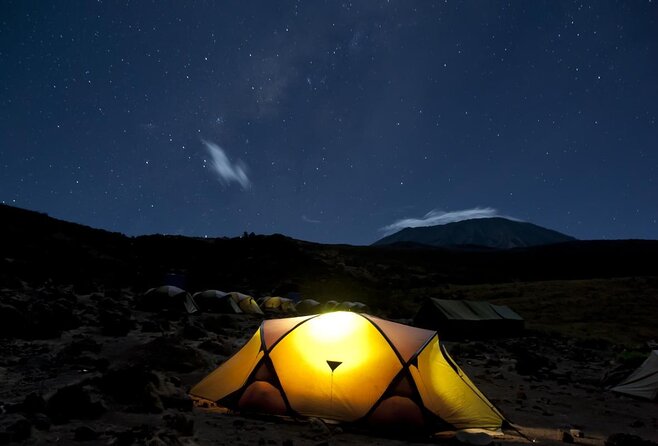
Kilimanjaro is big no matter how you climb it. What changes the experience is the shape of the journey—how much time you spend above the tree line, how often you get a dramatic view, and how much time you spend walking where fewer people have walked this week.
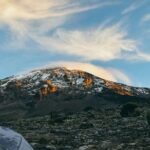
This route takes you through the northern slopes, which are famous for wide perspectives and fewer crowds. You’ll go from rainforest trails into the open Shira Plateau, then over high ridges toward the crater zone. That progression matters. Early on, the air is warmer and the ground can be muddy; later, nights get brutally cold, and the landscape becomes rock, wind, and thin air.
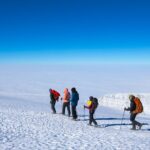
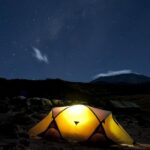
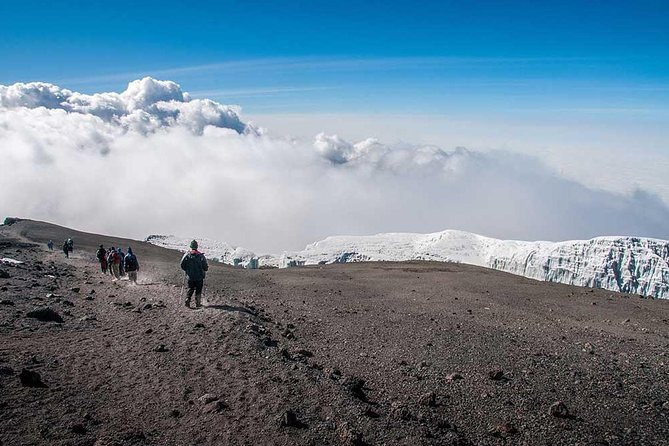
The standout is the crater-camping idea. After the dawn push to the summit, you don’t just turn around and head down. You descend into Kilimanjaro’s crater and spend the night at Crater Camp, near the glaciers. That’s the kind of moment that stays vivid: a summit victory followed by a close-up view of the mountain’s most surreal “otherworld” zone.
Moshi to the Park Gate: Day Zero Setup and Mud You’ll Earn
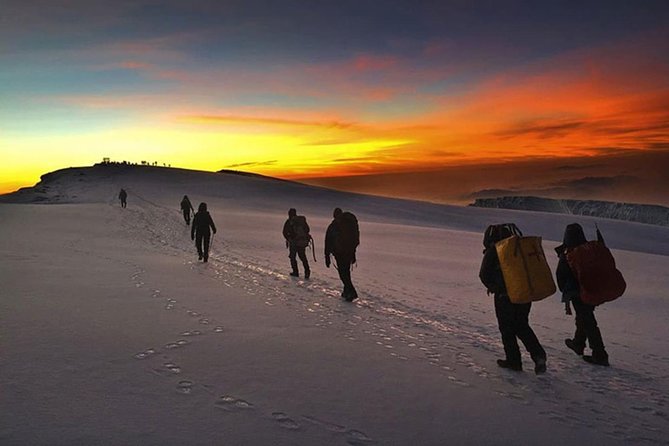
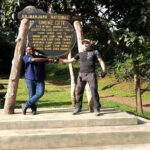
You start in Moshi, then drive about 45 minutes to the Kilimanjaro National Park gate through mountainside villages. This is one of those small-but-important parts of a summit climb: permits, schedules, and getting everyone organized before you hike.
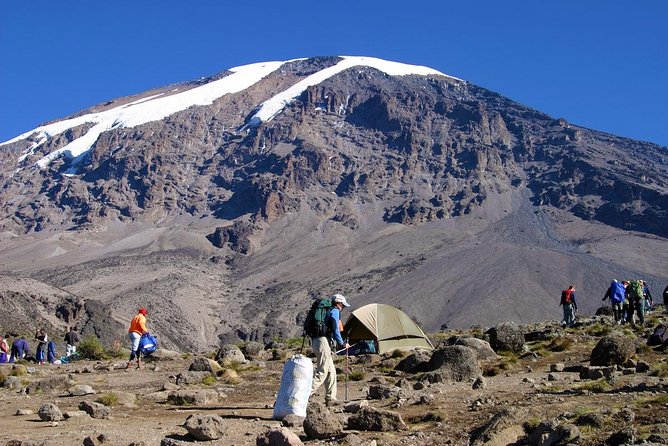
Once you enter the park area, you’ll start with a rainforest section toward Mti Mkubwa Camp. This is lower elevation than the big-altitude days, but it’s not “easy.” The trail can be muddy and slippery, especially in wet conditions. That’s where gear choices pay off. I’d plan on trekking poles and gaiters for this first stretch, because tripping here wastes energy you need later at altitude.
What I like most is how this day sets expectations. You’re surrounded by rainforest scenery and you’ll learn about local flora and fauna through your guide. You’re also watching how camp life starts—staff and systems moving quickly behind the scenes so your walking day stays focused.
You can also read our reviews of more tours and experiences in Moshi.
Shira Plateau Rise: Big Views, Fast Temperature Drops
The transition from the rainforest up toward Shira is where Kilimanjaro starts to feel like a mountain with weather of its own. You move from Shira Camp One up to Shira Camp Two, crossing a plateau that’s exposed and high enough to test you even when the walking time isn’t the longest.
Shira Camp One sits on the rim area, and the day climb is steady. As you gain elevation, temperatures begin dropping. If you’ve only climbed in warmer mountains before, this is where you’ll notice a key difference: cold hits earlier than you expect, and it lingers. Your comfort at these heights comes down to how well you dress in layers and how quickly you manage wind and damp.
At Shira II Camp, you’ll have a strong reason to go a bit higher on the plateau for views over the valley below and toward the Western Breach. That extra effort is often the difference between a trek you remember and a trek you remember clearly. Just be ready for a cold night: the plateau is exposed and temperatures can go below zero.
The Acclimatization Day That Matters: Ridge Work Toward Lava Tower
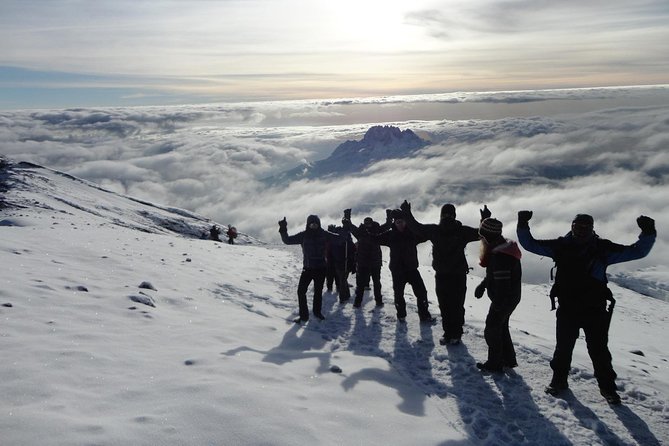
There’s a day on this route that feels like it could be boring on paper because the net elevation doesn’t rise much. But that’s exactly why it’s valuable. You’re moving from the Shira high country toward Kibo junctions and continuing along a ridge that supports acclimatization, not just “topping out” as quickly as possible.
You’ll pass junctions toward Kibo peak, then continue southeast past the Lava Tower area, often called the Shark’s Tooth. From there you’ll reach the Arrow Glacier junction and keep traveling onward before descending to Barranco Camp.
Here’s the practical point: acclimatization days aren’t just about numbers. They’re about letting your body adapt while keeping the trekking schedule reasonable. Barranco Camp then sets you up for the more northern-slope walking that comes next.
One caution: even if the walking isn’t the longest day, expect thinner air and colder conditions at these elevations. Dress for cold, not for exertion. When you stop moving, the cold wins fast.
Moir Valley to Buffalo Ridge: Northern Slopes, Plains Views, and a Steadier Pace
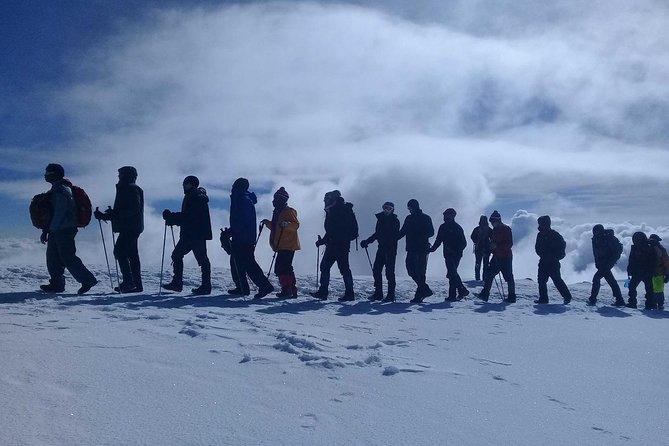
Later in the journey, you’ll climb out of Moir Valley and follow a series of inclines and declines around the northern slopes of Kibo. When you hit Buffalo Camp, you’ll be arriving just after midday, which gives you time to rest and eat before continuing.
The views from this part of the trek are often what make people fall in love with Kilimanjaro. You get broad sightlines over the northern plains stretching as far as the Kenyan/Tanzanian border area. It’s not the dramatic “only rocks and snow” look you might imagine—it’s more like standing on a giant viewpoint platform.
A day later you’ll head toward Rongai-style territory, including a stop near the Rongai Third Cave. You climb up the Buffalo Ridge and down into Pofu Camp for lunch, then continue east around the northern slopes. This day is shorter than the previous one, and that matters for how you feel. At this stage, you should start feeling better about altitude if your body has been adapting.
Still, don’t treat it like a recovery hike only. You’re in the high-altitude zone, and a “shorter” day at Kilimanjaro is still a day at altitude. Keep pacing steady, and keep drinking water.
Summit Night to Uhuru Peak at Dawn: Your Body’s Real Test
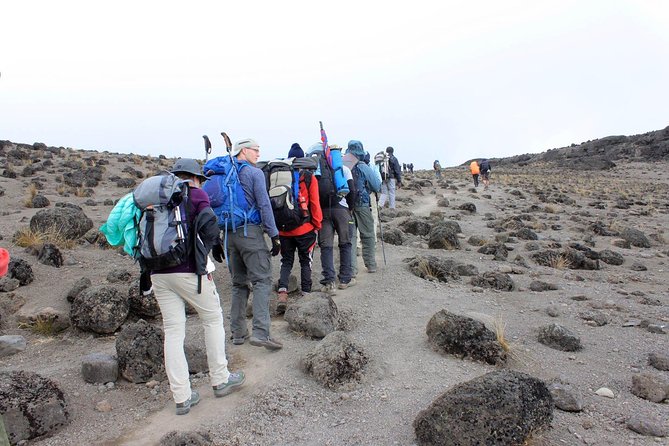
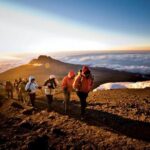
This is the moment you train for, and also the moment that can humble you. The route pushes you from the high saddle area to School Hut, where you’ll have early dinner and then rest. You begin the summit attempt just before midnight.
This is a logistics-heavy phase, and preparation isn’t optional. Get your warm clothes staged, your insulated water bottle sorted, and your snacks and headlamp ready before you sleep. Your camera plan should also be practical: summit lighting can be brilliant, but your hands will be cold and slow.
The climb goes from the saddle between Kibo and Mawenzi, then southwest toward School Hut, and then up again on the actual summit push. You’ll cover long hours in darkness and thin air. The goal isn’t speed. The goal is constant rhythm.
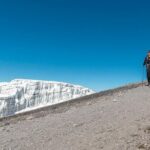
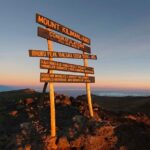
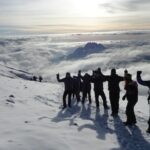
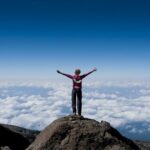
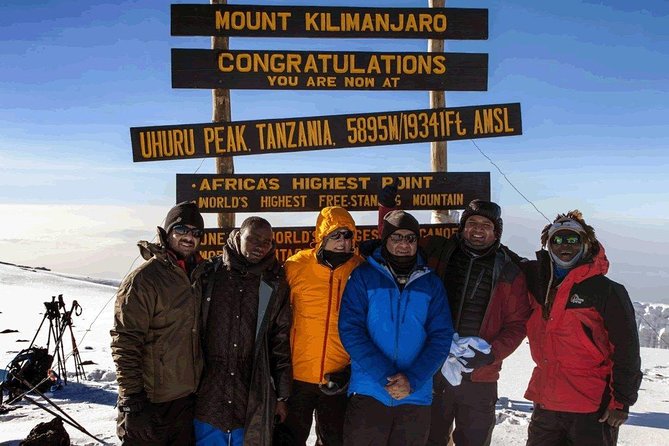
Then comes Uhuru Peak. You’ll reach the highest point in Africa around dawn. After celebrating at the summit, you descend into Kilimanjaro’s crater for an unforgettable night at Crater Camp just beneath the glaciers.
If you like your travel moments to be unusual, this is unusual in the purest way. Summit day is already rare. Adding a crater night turns it into something you can’t really replicate anywhere else.
Crater Morning at Ash Pit, Then Mweka Gate: Finishing in Rainforest Green
Day nine slows down the intensity. In the morning you explore the Ash Pit in the crater, then descend to Millennium Camp. This is the part where your legs will feel it—because you’ve just done the hardest effort on the whole mountain.
But it’s not just about resting. It’s also about processing what you’ve done. You’ll feel the altitude fatigue and still have to move carefully down on loose ground and through big altitude changes.
On the final day, you continue descending through lush rainforest to Mweka Gate. There’s also a sense of closure here: you’ll get your certificate of achievement. Then you drive back to Moshi for celebration and relaxation.
That last rainforest section is more than a scenic bonus. It’s a psychological reset. You swap the stark high-mountain feel for trees, moisture, and normal breathing rhythm. For many people, this is when the trip finally catches up emotionally.
Price and Value: What $4,211.27 Buys on This Trek
At $4,211.27 per person, this isn’t a budget hike. But it’s not priced like a bare-bones adventure either.
Here’s what you’re actually paying for, based on what’s included:
- Permits and all fees and taxes
- Return transfers between Kilimanjaro airport and Moshi (and back)
- A hotel night after the climb, with breakfast included
- A qualified team: mountain guide, assistant guides, porters, and cook, with wages covered to standard set by KINAPA
- Emergency oxygen (for emergencies only, not a summit aid) plus a basic first aid kit
- Camping equipment: tents, camp chairs, tables, and sleeping mattress
- Water support: fresh water for drinking and hot water for a wash daily
- Meals: breakfast, lunch, and dinner during trek days
- Admission tickets included throughout the route
That bundle matters because Kilimanjaro is labor-heavy. You’re supported by a large team, and your camp isn’t just a sleeping spot—it’s your warm base between cold trekking days.
What may also affect value for you: this is a private tour/activity, meaning it’s set up for your group rather than mixing with random strangers. That often improves communication and how your team manages pace, breaks, and gear checks.
Gear and Acclimatization Tips That Keep You Safer and Happier
Kilimanjaro success isn’t just grit. It’s also timing, comfort, and small choices you make early.
Gear priorities that fit this route
- Gaiters and trekking poles are especially useful early on muddy sections.
- Bring a warm layering system. Shira Plateau nights can go below zero.
- A headlamp is essential for the summit start just before midnight.
- An insulated water bottle helps reduce freezing and keeps you drinking enough.
Water and hygiene
You’ll have fresh drinking water support and hot water for a wash daily. Still, bring your own water purification if you need it, since personal choices around taste and safety differ. You’ll also want to think about how you’ll handle toilet needs. A portable toilet is optional but highly recommended.
Acclimatization mindset
This route includes acclimatization logic—slow changes, a ridge day that supports adaptation, and a summit push timed after multiple high points. Your job is to follow the pacing and keep exertion steady. If you’re feeling off, tell your guide early. Altitude issues don’t get better from silent suffering.
Who Should Choose This Kilimanjaro 360° Crater Camping Trek?
This trek fits best if you:
- Have a moderate physical fitness level and can handle multi-hour days at altitude
- Want the classic Kilimanjaro challenge, but prefer a route with low traffic and lots of changing scenery
- Are excited by camp life and the idea of sleeping at Crater Camp after Uhuru Peak
It’s not ideal if you want a casual walk. Even on a medium-difficulty plan, the summit night is long and cold, and weather can change how you feel hour to hour.
If you’re traveling with someone who gets nervous about logistics, this is also a good choice. Transfers, camp setup, meals, and guides are all handled. That leaves you more mental space to focus on walking and breathing.
Should You Book It? My Decision Guide
If your dream is Kilimanjaro with crater camping, this trek is one of the more compelling ways to do it. The combination of Shira Plateau exposure, the northern-slope panoramic feel, Uhuru Peak at dawn, and then a night in the crater makes the story feel complete instead of stop-and-go.
I’d book if you want:
- Drier, calmer northern-route pacing with great views
- A structured acclimatization approach
- Full-service support (guides, porters, cook, tents, meals, water, and an emergency oxygen plan)
I’d pause if:
- You’re sensitive to cold and exposed conditions, especially at high camps
- You’re not comfortable with a summit night that starts before midnight
- You’re looking for a lower-cost option with fewer included services
FAQ
How long is this Kilimanjaro trek?
It’s listed as about 10 days (approximately). The trek route includes a crater night and ends with a descent to Mweka Gate and the drive back to Moshi.
Where does the trek start and end?
It starts in Moshi Urban, Tanzania, and ends back at the meeting point.
What route and main highlights are included?
You’ll trek the Northern Circuit with stops through Shira Plateau areas, Barranco, Buffalo Camp, high camps toward the summit, Uhuru Peak at dawn, and an overnight crater camp beneath Kilimanjaro’s glaciers.
Is pickup included?
Return transfers are included between Kilimanjaro airport and Moshi, and Moshi and Kilimanjaro airport.
What difficulty level is this?
The difficulty is listed as medium, and travelers should have a moderate physical fitness level.
Do I need to bring camping equipment?
Camping equipment is included, including tents, camp chairs, tables, and a sleeping mattress.
Is emergency oxygen included?
Yes. Emergency oxygen is included for emergencies only (not as summit aid), along with a basic first aid kit.
Are meals included?
Yes. Breakfast, lunch, and dinner are included during the trek days. A hotel night after the climb includes breakfast too.
What vaccinations or insurance are required or recommended?
Travel and health insurance aren’t included, and Yellow fever vaccination is compulsory. Personal medicine, water purifying tablets, and some personal items aren’t included.
What is the cancellation window for a full refund?
You can cancel up to 3 days in advance for a full refund. If you cancel less than 3 full days before the experience’s start time, the amount paid is not refunded.
What gear is recommended for the trek?
For early muddy and slippery trails, gaiters and trekking poles are highly recommended. For the summit night, you should also prepare warm clothes, insulated water bottles, snacks, and a headlamp. A portable toilet is optional but highly recommended.