REVIEW · MOSHI
Kilimanjaro Trek 6 Days Marangu Route
Book on Viator →Operated by Kilitwende Adventures · Bookable on Viator
Hut sleeping makes Kilimanjaro feel doable. This Marangu Route climb from Moshi mixes classic scenery with no tents required hut stays, plus a straightforward 5-day plan that can be stretched to 6 for extra acclimatization. You get the convenience of organized transfers, cooked meals, and a team that handles the heavy lifting.
Two things I really like: you sleep in shared huts along the way, and the climb runs with an actual support system of guides and porters (not just a guide telling you to go slow). If you’re lucky, you may be with guides such as Robert or Donovan, who were noted for motivation and hands-on support. Also, the package includes an oxygen tank in case of emergency, which matters when altitude turns confidence into a question.
The main drawback is that the 5-day schedule still puts a lot on your body—especially cold, steep Day 4 summit timing. If you can, the optional extra day (6 days) can be the smarter move for acclimatization, even if you feel strong on paper.
In This Review
- Key Things I’d Prioritize Before You Book
- Marangu Route Huts: Comfort You’ll Feel After Day 2
- Price and What You’re Really Buying for $1,846.16
- Moshi Setup: Timing, Pickup, and the Calm Before the Climb
- Day 1: From Marangu Gate Through Montane Forest (+720m in ~5 Hours)
- Day 2: Mandara to Horombo, Moorland Walking, and the Maundi Crater Rim
- Day 3: Alpine Desert and the Saddle Choice (+980m, ~6 Hours)
- Day 4: Midnight Start, Hans Meyer Cave, Gillman’s Point, and Uhuru Peak
- Day 5: Down to Marangu Gate and Your Green or Gold Certificate
- Gear That Prevents the Usual Kilimanjaro Headaches
- The 5-Day Plan vs the Optional 6-Day Boost
- Who This Trek Suits Best
- Should You Book the Kilimanjaro Trek 6 Days Marangu Route?
- FAQ
- How long is the Kilimanjaro trek on the Marangu route?
- Where does the trek start?
- Is pickup available?
- Do you sleep in huts or tents on the Marangu route?
- Are meals included during the climb?
- Is an oxygen tank included?
- What trek distances and hiking times should I expect?
- What certificate do you get if you reach Gillman’s point or Uhuru Peak?
- What gear is not included, and can I rent it?
- Is free cancellation available?
Key Things I’d Prioritize Before You Book
- Hut sleeping on the Marangu Route means less gear stress than tent-based routes
- Guides, cooks, and porters are built into the plan, so you focus on moving, not packing
- A real emergency setup includes an oxygen tank with the trek
- Maundi Crater detour offers a strong photo moment toward Kibo and glaciers on clear days
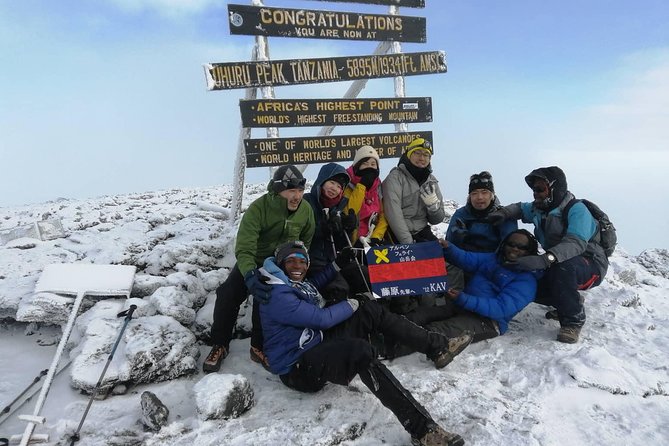
- Summit certificate system rewards effort with green (Gillman’s) and gold (Uhuru Peak)
Marangu Route Huts: Comfort You’ll Feel After Day 2
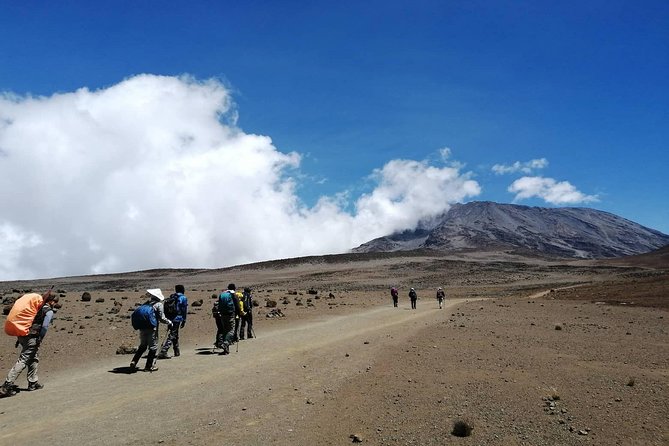
On Kilimanjaro, comfort is not about luxury bedding. It’s about reducing the number of things that can go wrong. The Marangu Route is the only one in this style where you sleep in shared huts along the trail. That shifts your preparation away from tent logistics and toward simple, practical packing.
In real terms, hut nights can mean:
- Less time fiddling with shelter in bad weather
- Fewer bulky items you need to carry
- A more predictable setup at each camp
That said, “hut” does not mean warm. You’re still going up into cold air, and by the time you’re near summit altitude, your clothing and pacing matter more than the building you sleep in. I’d go into this knowing that the biggest “comfort win” is reduced gear hassle, not a cozy spa.
You can also read our reviews of more tours and experiences in Moshi.
Price and What You’re Really Buying for $1,846.16
At $1,846.16 per person, this is not a bargain trek. But it’s also not just a guide fee. The included package covers a lot of the stuff most first-time climbers end up paying for separately.
Here’s where your money likely goes:
- Hotel accommodation: 1 night before and 1 night after the trek (bed and breakfast)
- Transfers: to and from the mountain gates
- Park and hut fees, plus forest and rescue fees (with 18% VAT on tour fees and services)
- A full climbing team: expert guides, cook, assistant guides, and porters
- Meals: three meals a day during the climb (with detailed breakfast/lunch/dinner counts listed)
And there are two “small but important” inclusions:
- Bottled water on the first day, boiled and filtered on the mountain
- An oxygen tank in case of emergency
What’s not included is also worth noting: sleeping bag, duffle bag, boots, and hiking sticks cost extra if you don’t bring them (or you can rent some gear in Moshi). Tips for guides and porters are also not included, and that’s usually part of the real-world culture on these treks.
My value take: this looks like a fair price if you want an organized, hut-based climb with meals and staff support built in, and you don’t want to manage the operational side yourself.
Moshi Setup: Timing, Pickup, and the Calm Before the Climb
This trek is based out of Moshi, Tanzania, and it starts with a meeting time of 8:30 am. Pickup is offered, and you’ll likely connect with your team early so you can get organized without stress.
You’ll then be transferred to Marangu gate, about 45 minutes away, arriving around 9:00 am for registration and the final check-in rituals. That timing matters. Kilimanjaro is one of those places where “we’ll figure it out later” can turn into wasted energy before you even start climbing.
Because this is a private tour/activity, it’s only your group. That’s a plus if you want your pace to match your team instead of a mixed group schedule. It also usually helps with logistics like water, snack timing, and when you stop for photos.
Day 1: From Marangu Gate Through Montane Forest (+720m in ~5 Hours)
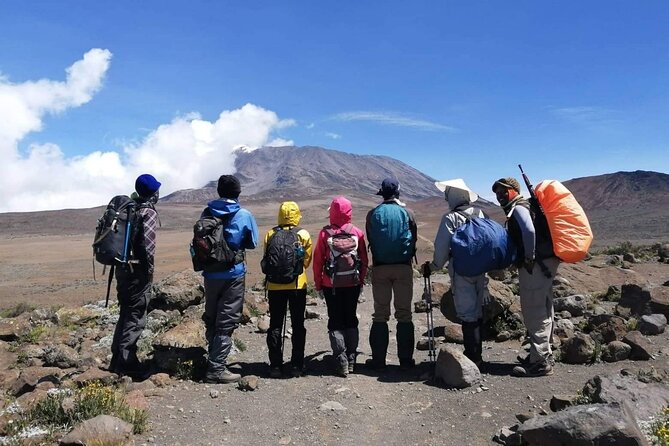
Day 1 starts with a briefing after breakfast, then your transfer to Marangu gate for registration. After that, you climb through montane forest for about 5 hours and roughly 12 km, gaining around +720 m.
The vibe on day one should be steady and controlled. You’re not trying to prove fitness. You’re teaching your body how to work at altitude’s early edge. Forest trails can feel deceptively pleasant, which is exactly why I recommend you keep your effort conservative here.
What you should carry in your day backpack (and what’s called out in the plan) is practical:
- Camera
- Extra clothing layers
- Skin oil
- Rain jacket
- A few small essentials
Also, pay attention to the fact that your heavier gear is handled by the support team. That reduces the temptation to overload your personal pack.
Possible day-one downside: if you rush the forest section, you’ll likely feel it later when the air turns thinner.
Day 2: Mandara to Horombo, Moorland Walking, and the Maundi Crater Rim
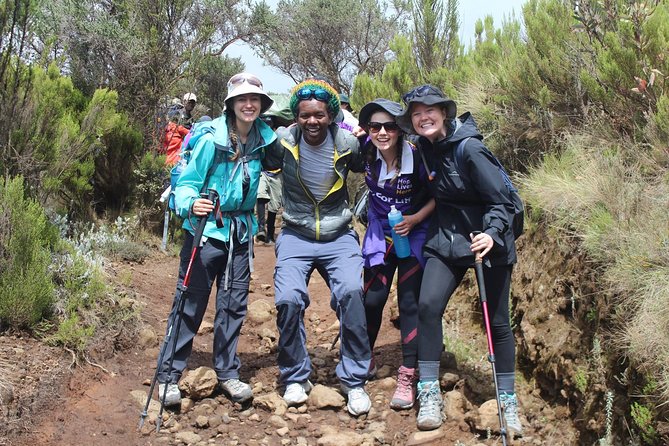
Day 2 is a longer day: about 6 hours, around 15 km, gaining +1020 m. You’ll move from Mandara hut into moorland.
The trail starts with a short stretch of forest, then you leave the trees behind and enter open moorland. This is a big shift in both feel and photography. You’ll go from “cool shade” to “weather and sky” fast.
One of the best moments here is the suggested detour up toward the Maundi Crater rim. The payoff can be huge:
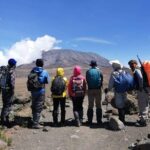
- Impressive views toward Kibo crater
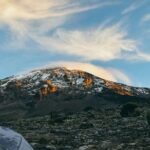
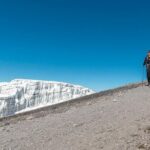
- On clear days, you may even see glaciers of Kibo
- A strong photo stop when your timing is right
You’ll also have a picnic lunch during this day, which keeps you moving without a lot of fuss.
Key consideration for day 2: moorland can be windy and colder than the trail suggests. Dress in layers you can adjust without stopping too long.
Day 3: Alpine Desert and the Saddle Choice (+980m, ~6 Hours)
Day 3 is where altitude starts to feel real. The route moves into alpine desert, and the plan notes that oxygen thins considerably at these heights.
This day is about +980 m over roughly 15 km in about 6 hours. You’ll likely head toward the area called the Saddle, which sits between Mawenzi and Kibo.
The plan gives you a choice early in the day: you can take one of the two trails to the Saddle. You’ll be advised to stick to the lower route, which is easier and also helps you pass the last watering point (so you can plan hydration before the next stretch).
Here’s what I’d focus on:
- Slow steps over fast ones
- Steady drinking rather than occasional chugging
- Patience when you feel like you’re working harder than you “should”
Because the next clear water point is described as being back at Horombo hut on your return, hydration planning matters.
Possible drawback: if you came in pushing hard on day two, day three can feel like a wake-up call. This is a “listen to your body” day.
Day 4: Midnight Start, Hans Meyer Cave, Gillman’s Point, and Uhuru Peak
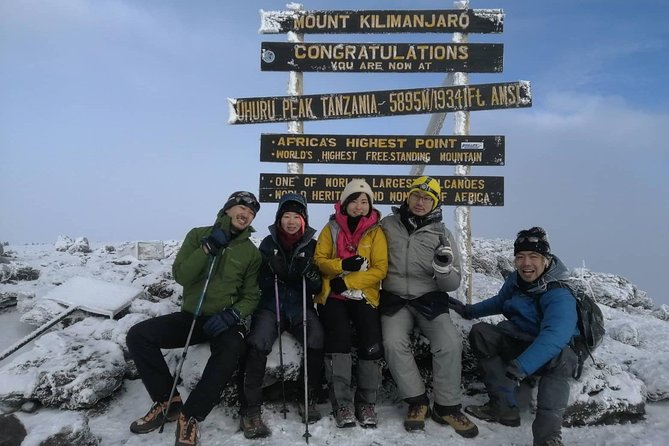
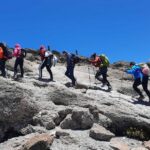
Day 4 is the big one. You’ll be woken just before midnight, then head out cold and dark on a rocky ascent. The plan describes this as the toughest section, with steep, stony walking.
Hiking time is about 10 hours, covering about +1195 m and then later shifting to a descent total of –2175 m for the day’s overall arc.
You’ll pass key waypoints:
- Hans Meyer Cave at around 5150 m (you can pause briefly)
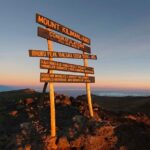
- Gillman’s point at around 5680 m
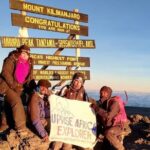
- Summit target: Uhuru Peak at around 5895 m (the day notes you’ll reach it around 5-something)
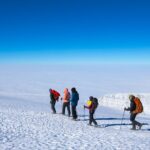
The walking after Gillman’s point is described as likely involving snow for about 2 hours. That means you need to be ready for slipping, cold hands, and slowed movement.
This is also where the included oxygen tank in case of emergency offers reassurance. It’s not a cheat code, but it’s a real safety component.
Practical note: on summit day, “my pace” becomes “the pace.” If you get pulled by adrenaline early, you’ll pay for it later in fatigue.
Day 5: Down to Marangu Gate and Your Green or Gold Certificate
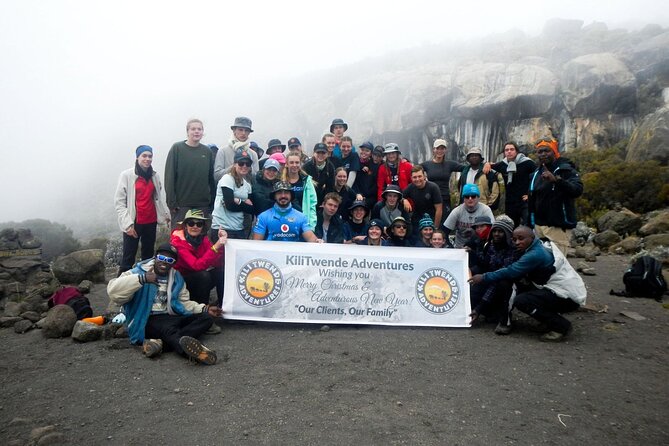
After the hard part, day five is a long, satisfying descent. You’ll have early breakfast, then continue down from the higher area, passing Mandara hut, and all the way to Marangu gate.
This day takes about 6 hours over roughly 27 km, with an overall change of about –1740 m.
At the Marangu gate, you’ll sign in again in a register, and you’ll get your summit certificate:
- Green certificate if you reached Gillman’s point
- Gold certificate if you made it to Uhuru Peak
That color system is a nice touch because it recognizes major altitude achievements even if conditions stop you from the very top. It can help keep the day grounded when summit attempts don’t go exactly as planned.
After you finish at the gate, you’ll get a road transfer back to your hotel in Moshi for a hot shower and time to recover in a comfortable bed. That first warm shower is not a metaphor. It’s a real reward.
Gear That Prevents the Usual Kilimanjaro Headaches
The plan is clear that personal gear is not included. It also gives rental prices in Moshi for common items like:
- Sleeping bag ($40)
- Duffle bag ($35)
- Hiking boots ($40)
- Walking sticks ($10)
You can rent missing gear in Moshi before the trek, which is useful if you’re arriving without trekking-specific equipment.
Based on what’s emphasized for day trekking, you’ll want to plan for:
- A rain jacket (weather changes fast)
- Extra clothing layers (cold starts early and lingers)
- Skin protection (skin oil is specifically mentioned)
- A camera (for crater and summit views)
I’d also suggest you practice with your boots before you come. Rental boots are fine for many people, but fit issues show up as blisters when you least want them.
The 5-Day Plan vs the Optional 6-Day Boost
The core trek is listed as 5 days (approx.), and there’s an option to add an extra day for acclimatization. The reason is simple: more time at altitude generally helps your body adjust.
Because this climb includes a midnight summit start and a demanding day four profile, I like the idea of choosing the 6-day option if you can spare the time. You’ll likely feel less rushed between altitude steps, and that can translate into better decision-making on summit day.
Nobody can promise a summit. But acclimatization time is one of the only variables you can control before you’re already in the cold air.
Who This Trek Suits Best
This tour fits best if you want:
- A hut-based Marangu experience (shared huts instead of tent camping)
- Real logistical support: guides, cook, assistant guides, and porters
- A structured climb with three meals a day and bottled water handling early on
- The chance to add a day if you want extra acclimatization
It also asks for moderate physical fitness. If you can handle long hikes and you can walk steady for hours while breathing through altitude changes, you’ll be in the right zone.
If you hate carrying gear, this style helps. If you’re the type who wants maximum independence and you love self-planning, this may feel too structured. But for most people doing Kilimanjaro for a major life goal, structure is comfort.
Should You Book the Kilimanjaro Trek 6 Days Marangu Route?
I’d book if you want a Marangu climb that feels organized from Moshi to the gate, with meals, hut sleeping, porters, and a safety-minded team. The included emergency oxygen tank and the focus on support staff are real value points, not marketing fluff.
Skip or reconsider if you’re looking for an easy walk. Day four is long, steep, and cold, with a midnight start and potential snow. And while the shared hut setup reduces gear pain, it doesn’t erase altitude reality.
If you’re torn between 5 and 6 days, I’d lean toward the 6-day option when your schedule allows. It’s the simplest way to give your body more time before summit day asks everything of you.
FAQ
How long is the Kilimanjaro trek on the Marangu route?
The experience is listed as 5 days (approx.), with an option to add an extra day for acclimatization (making it 6 days).
Where does the trek start?
The start time is listed as 8:30 am, with transfers to the mountain gates.
Is pickup available?
Yes, pickup is offered.
Do you sleep in huts or tents on the Marangu route?
This is the Marangu Route, which uses shared hut accommodations, and there are no tents required.
Are meals included during the climb?
Yes. Three meals a day are included during the climb.
Is an oxygen tank included?
Yes. An oxygen tank is included in case of emergency.
What trek distances and hiking times should I expect?
The itinerary lists day hikes of about 5 hours (about 12 km), 6 hours (about 15 km), 6 hours (about 15 km), about 10 hours (about 27 km), and about 6 hours (about 27 km).
What certificate do you get if you reach Gillman’s point or Uhuru Peak?
You receive a green certificate if you reached Gillman’s point, and a gold certificate if you made it to Uhuru Peak.
What gear is not included, and can I rent it?
Personal gear is not included. The plan notes that you can rent missing gear in Moshi, including items like a sleeping bag, duffle bag, hiking boots, and walking sticks.
Is free cancellation available?
Yes. Free cancellation is available up to 24 hours in advance for a full refund.