REVIEW · GREECE
River Trekking in Neda
Book on Viator →Operated by Explore Messinia · Bookable on Viator
One day in the Peloponnese can feel like you left the map behind. This guided river hike through the foothills of Mount Lykaion follows the Neda River to waterfalls, turquoise natural pools, and caves, with Neda Waterfalls as the big finale. I especially like that the guides name Greek myths and local ecosystem details as you walk, including Georgos and Foivos, so the day feels both active and story-filled.
I also love the built-in rhythm: hike, stop, swim, eat, repeat. You get a picnic lunch with local products plus snacks, and you’re handed key gear like a helmet for the route sections that call for it.
The main drawback to plan around is simple: this is a hike with water stops, including swimming. If you do not like getting cold, wet, and moving on uneven terrain, you’ll probably feel it.
In This Review
- Key highlights to know before you go
- River Trekking in Neda: why this stretch of the Peloponnese feels different
- Meet at Trifillia and get oriented for a 4-hour active day
- Your guides: why Georgos and Foivos make the day click
- Gear and what’s actually included in your ticket
- Neda Waterfalls: the 25 m climax and turquoise pool time
- The rope option and the Stomion cave opening
- Picnic lunch with local products: why food here is a feature, not an afterthought
- Fitness, shoes, and the reality of walking on wet terrain
- Small-group value: better control, better pacing, more time outside
- Weather can make or break the plan
- Where this tour fits in your Greece plan
- Should you book River Trekking in Neda?
- FAQ
- How long is the river trekking experience on the Neda?
- What level of fitness do I need?
- How big is the group?
- What do I get with the ticket?
- What is the main stop during the hike?
- Is transportation to and from my hotel included?
- What happens if the weather is poor?
Key highlights to know before you go
- Small group size (max 15) keeps the day from feeling crowded on the riverbanks
- Georgos and Foivos-style guiding brings history and ecosystem stories while you hike
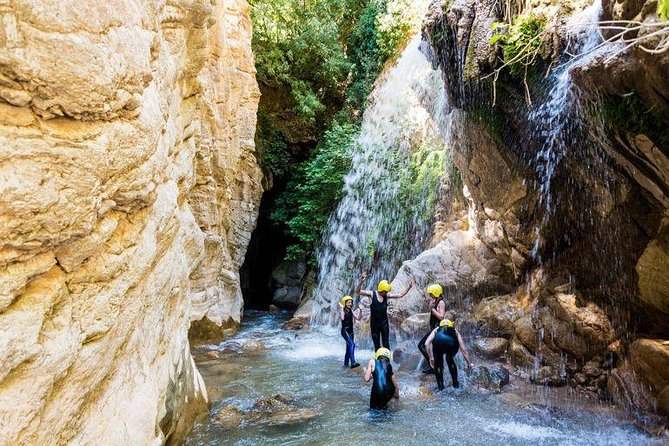
- Swim stops at waterfalls and natural pools are part of the experience, not just scenery
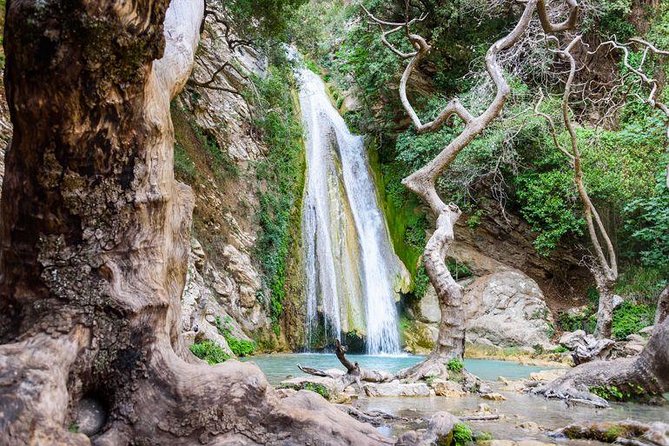
- 25 m Neda main waterfall ends the hike with turquoise water and pool time
- Optional rope descent to the Stomion cave opening for the more daring
- Included picnic + snacks means less time thinking about food and more time outside
River Trekking in Neda: why this stretch of the Peloponnese feels different
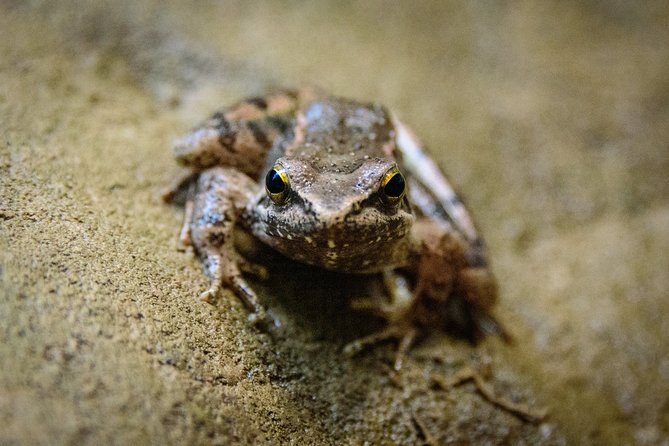
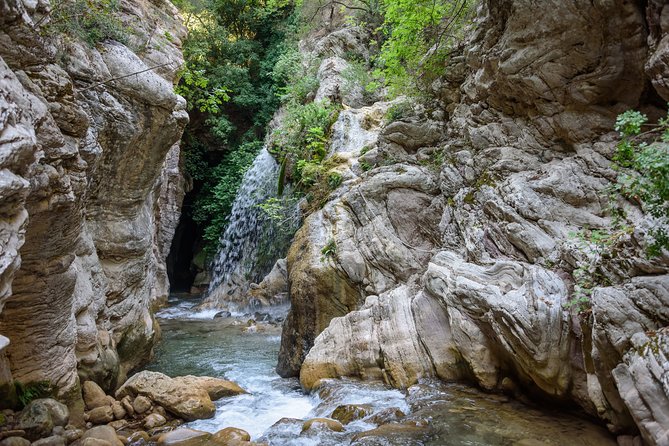
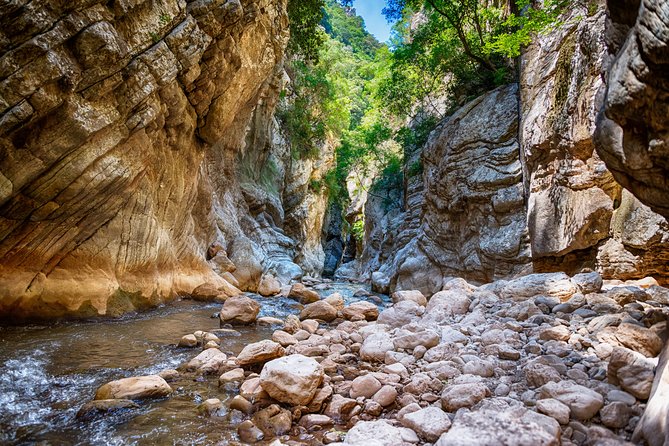
If you have already done the classic Greek checklist, this kind of half-day outing scratches a different itch. The Neda River runs through the inland wilderness of the Peloponnese Peninsula, where you trade roadside views for an actual walking route beside water. The feeling here is practical and real: wet rocks underfoot, cliffs and waterfalls you experience at close range, and pools with that bright turquoise look that only happens when the water is clean and shallow enough to glow.
What makes this outing work well is that it is guided. You are not wandering around trying to connect viewpoints or guessing which path reaches the waterfall and swimming areas. The guide keeps the group moving, shares context, and helps you understand why this river system matters. And because the group is capped at 15, it stays conversational rather than chaotic.
Value-wise, the price is about $93.09 per person for roughly 4 hours. For many activities in Greece, you pay similar amounts for a basic walk with no gear or food. Here, the bundle includes a guide, picnic with local products, snacks, helmet, and photos from the tour, plus the day is designed around swimming and waterfall access.
Meet at Trifillia and get oriented for a 4-hour active day
The tour starts at an unnamed road in Trifillia (240 21, Greece) and ends back at the meeting point. That round-trip structure matters because it keeps your logistics straightforward for a half-day. You do not need to plan a second ride to catch a different endpoint.
The time commitment is listed at around 4 hours. In real terms, expect walking time plus breaks for swimming and eating. You’ll want to think of this as an active outdoor block, not a casual stroll. Even with a guide, you are on your feet for most of the day, and water stops can slow the group down because everyone takes a turn and helps with flow and safety.
You also need to show up ready for the actual terrain. The tour asks for moderate physical fitness, which usually means steady hiking effort, not extreme climbs. But it does mean your body should be comfortable walking on uneven ground while wearing shoes that can handle wet rocks.
Your guides: why Georgos and Foivos make the day click
One thing that comes through strongly from the experience is the guiding. In particular, Georgos and Foivos are highlighted as helpful and invested in sharing information. That matters because river trekking can turn into a simple checklist of places if you do not know what you are looking at.
Here’s what a good guide changes. As you move along the Neda River, you learn about the area’s history and ecosystem while you see it directly. Instead of just stopping for photos, you understand what makes the cliffs, caves, and waterfalls part of the river story. That turns the day into something you’ll remember longer than a snapshot.
Guides also make the practical difference when water is involved. When you’re switching between walking sections and swimming pools, a guide helps keep the group synchronized. They also help you judge what to do safely, whether you are sticking to the easier route or considering the rope section.
Gear and what’s actually included in your ticket
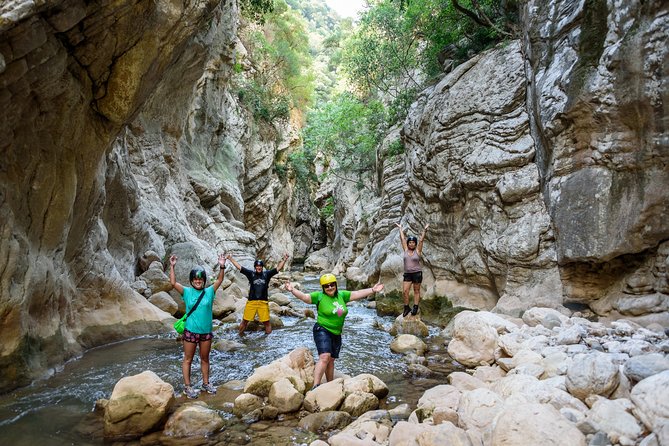
This experience includes more than just a leader with a whistle. Your ticket covers:
- Guide
- Tour planning and sightseeing
- Picnic with local products
- Helmet
- Transportation to and from the start and finish points if necessary
- Photographs from the tour
- Snacks and all taxes
Not included is transportation to and from attractions. So if you are staying far from Trifillia or starting your day outside the pickup area, plan on arranging your own way to the meeting point.
One small detail that helps in the field: helmets. That’s not something you see on every Greece hike. It’s a clue that some sections of the route need extra protection, and you should treat the day like an active trail with safety procedures rather than a casual walk.
You also get a mobile ticket, which is convenient. Instead of hunting through paper confirmations, you can keep your confirmation on your phone.
Neda Waterfalls: the 25 m climax and turquoise pool time
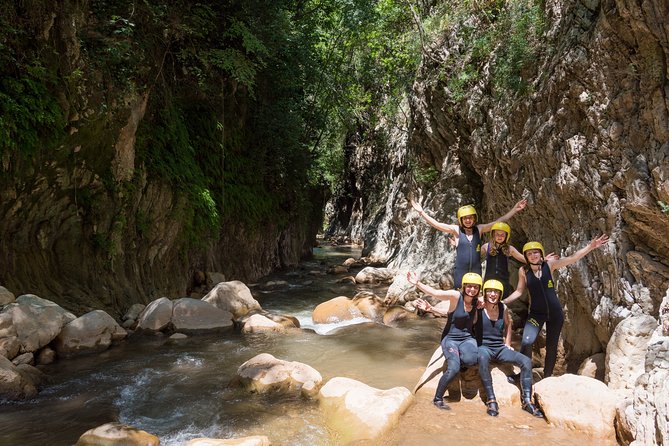
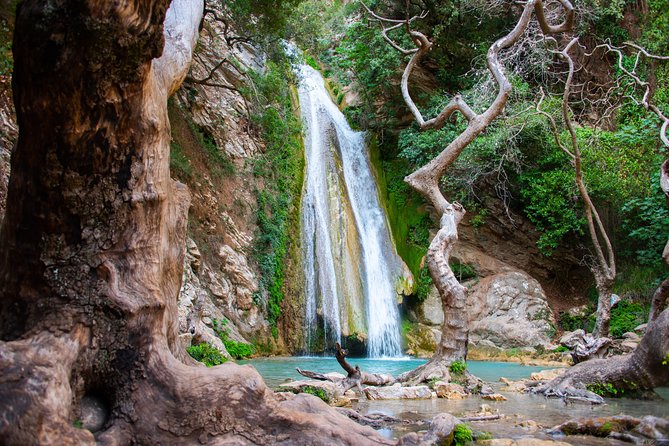
At the end of about 4 hours of walking and swimming stops, you reach the main attraction: the Neda Waterfalls. This is where the river delivers the wow-factor. The main waterfall drops about 25 meters and feeds a large pond with crystal clear turquoise water.
What you do here is the payoff: you swim in the pool near the waterfall. The experience description also notes that the more daring can descend by rope until the opening of the Stomion cave. That means the day isn’t only about looking at nature from the edge. It’s about experiencing the river directly, up close, while still having guidance and gear.
A practical note: waterfall pools can be cold and change how your comfort level feels fast. If you usually avoid cold water, you may still enjoy it, but set expectations. For me, the best way to enjoy this kind of swim is to treat it as a short reset rather than an endurance challenge—get in, cool down, take in the view, and get out when it stops being fun.
Also, the waterfall setting is dramatic. If you care about photos, this is the moment to slow down and let your eyes adjust. Waterfall light can be tricky, and turquoise water can look different depending on cloud cover and how close you are to the spray.
The rope option and the Stomion cave opening
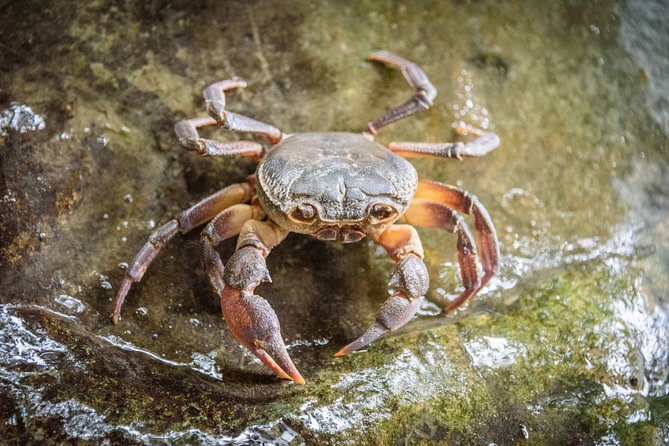
The rope section is described as for the more daring, ending at the opening of the Stomion cave. That phrasing matters: it suggests a choice rather than a requirement for everyone.
If you are tempted, think about two things:
- Your comfort with controlled descent while secured
- Your willingness to do one slightly more technical segment in a wet environment
If you are not, you can still enjoy the waterfall and pools without committing to that part. The main point is that the tour includes different levels of adventurous options, rather than forcing one approach.
And because a helmet is included, you should assume safety gear and procedures are part of the experience. Take advantage of that. Even if you consider yourself a confident outdoor person, the safest approach is to follow the guide’s instructions precisely.
Picnic lunch with local products: why food here is a feature, not an afterthought
This tour includes a picnic lunch with local products, plus snacks. That is a big deal on a river day because there are two common problems with self-planned hikes: either you eat too early and get tired, or you eat too late and you’re starving when you want to swim.
Instead, your meal fits the timing of the day. You’ll have a planned break where you can dry off a bit, refuel, and take a breather before the final stretch or the next swim stop.
Local products also add meaning. You’re not just bringing sandwiches and calling it lunch. You’re eating as part of the excursion, in the same natural setting the hike is built around.
Fitness, shoes, and the reality of walking on wet terrain
This experience calls for moderate physical fitness. That usually means you should be able to hike at a steady pace for several kilometers, handle stops and starts, and stay balanced on uneven surfaces—especially when they’re wet.
Shoes matter here. From what people have described, sturdy shoes are a common practical recommendation because the riverbanks can be slick. You want traction and stability more than fashion. Bring something that you don’t mind getting wet and that supports your feet when you step off and back onto rocks.
Clothing is the next reality check. The day involves swimming in river pools and waterfall areas. So plan to wear a quick-dry approach and accept that you will end up wet at some point. If you hate the feeling of cold water, consider whether you want to pay for comfort elsewhere or if you’re okay with a cold plunge for the scenery payoff.
Small-group value: better control, better pacing, more time outside
A max group size of 15 can change your entire experience on a river trek. You get better pacing, fewer bottlenecks around swim points, and more personal interaction with the guide. It’s easier to ask questions, easier to hear directions, and easier for the group to stay safe.
That group size also helps with the guide’s storytelling. When you walk with a smaller number of people, your attention doesn’t keep getting pulled away by crowd management. You can take in the caves, the cliffs, the water sounds, and the shift in vegetation without constantly turning your head to navigate.
This is where the price feels more justified. You are paying for a structured route and a guide-led day that can keep the group organized in a setting that would be frustrating to figure out solo.
Weather can make or break the plan
The experience notes that it requires good weather. If conditions are poor, it may be offered on a different date or you’ll receive a full refund.
On a river-and-waterfalls day, “bad weather” can mean things like rough visibility or unsafe conditions on wet rocks. So watch the forecast, and if your schedule is tight, build in flexibility. It’s not a tour you want to schedule like a rigid appointment when the forecast could change.
Where this tour fits in your Greece plan
This is a great choice if you want inland Greece nature without committing to an all-day expedition. It pairs nicely with a Messinia or Peloponnese route where you’re already driving through countryside towns and want a break from ruins and beach time.
It’s also a good match for people who:
- Want a guided outdoor route so you don’t waste time figuring things out
- Enjoy swimming and do not mind cold water
- Like hiking that includes a payoff in one clear highlight (the 25 m waterfall)
- Prefer smaller groups and guided context over pure sightseeing
If you are traveling with someone who loves dry, easy walks and avoids swimming, this might be a tough sell. The core of the experience is moving along the river and getting into the water at stops.
Should you book River Trekking in Neda?
Book this tour if you want an active, guide-led river day with real swimming time, a picnic included, and a clear highlight at Neda Waterfalls. I’d especially lean yes if you appreciate explanations tied to what you’re seeing, since Georgos and Foivos are known for being helpful and for sharing history and ecosystem details along the way.
Skip it if you dislike cold water, if wet rocky footing makes you nervous, or if you want a mostly seated, low-activity experience. This one is meant for people who like being outdoors and moving through nature, not just watching it from the edge.
If you’re on the fence, think about this: you’re not only paying for a view. You’re paying for access to swimming pools, waterfall time, and a guided route that keeps you safe and oriented—plus a picnic so you do not have to plan food mid-adventure.
FAQ
How long is the river trekking experience on the Neda?
The tour is listed at about 4 hours.
What level of fitness do I need?
You should have a moderate physical fitness level.
How big is the group?
The experience has a maximum of 15 travelers.
What do I get with the ticket?
It includes a guide, picnic lunch with local products, helmet, snacks, and photographs from the tour. Transportation to and from the start and finish points is included if necessary.
What is the main stop during the hike?
The highlight is the Neda Waterfalls, including a 25 m waterfall and swimming in the turquoise pool it creates. The route also includes the possibility of a rope descent to the Stomion cave opening for those who want it.
Is transportation to and from my hotel included?
Transportation to and from attractions is not included. Transportation to and from the start and finish points may be provided if necessary.
What happens if the weather is poor?
The tour requires good weather. If it’s canceled due to poor weather, you’ll be offered a different date or a full refund.