REVIEW · KATHMANDU
Multi-Day Sites of Nepal Tour from Kathmandu with Poon Hill Trek- 9 Days
Book on Viator →Operated by Alpine Club of Himalaya · Bookable on Viator
Poon Hill sunrise feels unreal. This nine-day trek from Kathmandu mixes Himalayan views with village life around the Annapurna foothills, where Machhapuchhare (Fishtail Peak) watches you from the trail. You’ll hike through rhododendron forests, cross quiet sub-tropical valleys, and spend nights in teahouses that keep the days practical.
I love the way the trip balances comfort and effort: AC tourist bus travel between Kathmandu and Pokhara, then day hikes that are doable at a steady pace. I also like the support built into the plan—an English-speaking, government-licensed guide, plus a porter system (2 trekkers for 1 porter) that helps you move lighter. One past guest even called out the friendliness of guide Sujan, which matches the overall focus on a smooth, human-scale experience.
The one real consideration is altitude timing. You’ll start early for Poon Hill and reach a high point around 3232m, so you need moderate fitness and patience with uphill days. If you’re not comfortable with early mornings and steep switchbacks, plan to train beforehand and keep your pace slow.
In This Review
- Key Highlights You’ll Actually Care About
- Kathmandu to Pokhara: the trip’s first easy win
- Ulleri on the first trekking night: setting the rhythm
- Ghorepani at 2874m: rhododendrons, birds, and a real payoff
- The Poon Hill sunrise day: timing, altitude, and big views
- Tadapani to Ghandruk: forests to village atmosphere
- Ending at New Bridge, then back to Pokhara and Kathmandu
- Meals, teahouses, and what is really included
- Price and value: what you should compare before you book
- Who this trek is best for
- Should you book this Poon Hill trek from Kathmandu?
- FAQ
- What time does the tour start?
- Does the trip include airport transfers?
- How do you get between Kathmandu and Pokhara?
- Where do you stay during the trek?
- Is a porter included?
- What meals are included?
- Is the Nepal visa included?
Key Highlights You’ll Actually Care About
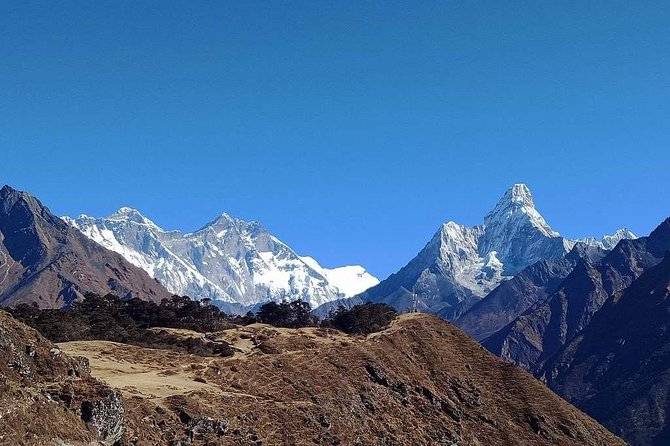
- Poon Hill sunrise with a lineup of big-name peaks like Dhaulagiri and Annapurna
- Rhododendron forests and bird-filled trail sections as you gain altitude toward Ghorepani
- Gurung and Magar village flavor along the Annapurna foothills and in towns like Ghandruk
- Porter support built in (2 trekkers: 1 porter), so your trek feels more manageable
- AC buses for long transfers between Kathmandu and Pokhara, plus private vehicle hops near the trailhead
- Teahouse nights and all trek meals included, so budgeting during the trek is simpler
Kathmandu to Pokhara: the trip’s first easy win
You begin with a simple arrival setup. After you land at Tribhuvan Airport, a representative picks you up and transfers you to your hotel in Kathmandu. Then you sleep, reset, and let someone else handle the early logistics.
On day two, you head to Pokhara by AC tourist bus. The drive is about six hours and it’s one of those days where you can just watch Nepal roll by and save your legs for the mountains. Pokhara is a smart staging point for this trek because it’s close enough to move quickly into the Annapurna foothills, but it also gives you a proper night to settle.
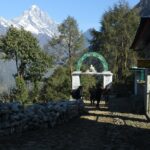
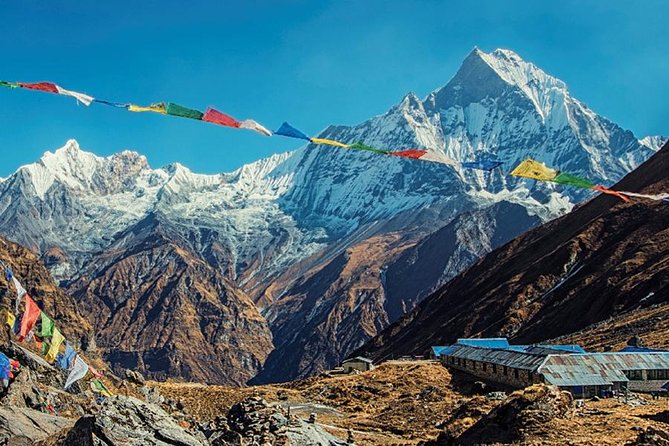
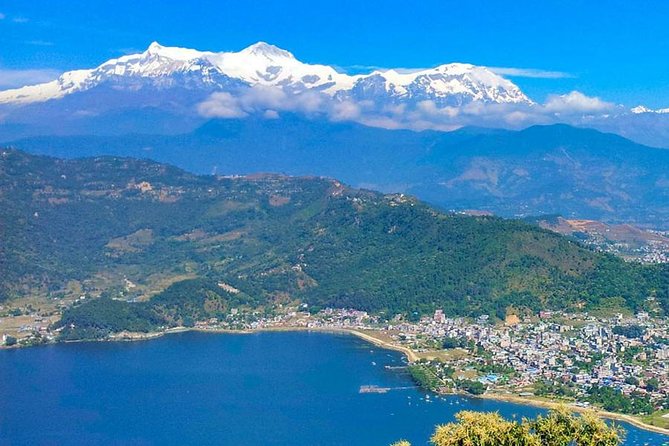
On the third morning, you drive to Nayapul, the trek starting point. The ride is short—about 45 minutes—and as you go, you get that steady visual reminder of the route: Machhapuchhre (Fishtail Peak) looking down on you. That view matters more than you’d think. It helps you connect the dots between the trail you’ll walk and the peaks you’ve been imagining.
What to watch for: this itinerary starts the trek day with early mornings. If you’re the type who needs time to wake up slowly, make sure you sleep well the night before and keep breakfast quick.
You can also read our reviews of more tours and experiences in Kathmandu.
Ulleri on the first trekking night: setting the rhythm
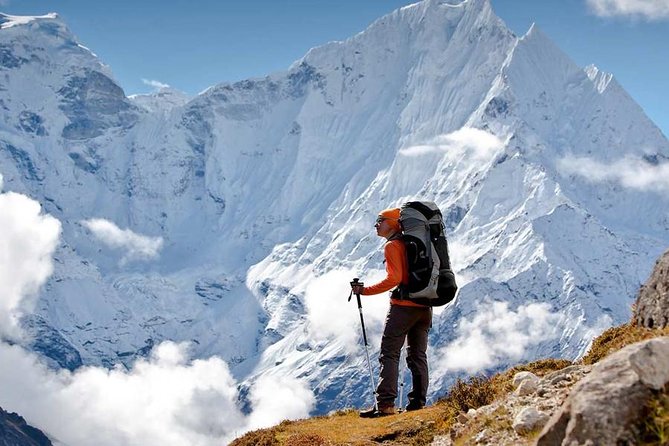
You reach Ulleri after the short drive to Nayapul. Ulleri is your first overnight stop on foot, and it’s a good way to ease into the rhythm without rushing. Even with limited time here, it’s enough to shift from city time to trail time.
This part of the trek is also where the scenery starts doing its job. The description emphasizes dense forests, birds, and sub-tropical valley vibes under the Annapurnas. Even if the details can vary by season, the broad idea is consistent: you’re stepping into the kind of mountain environment where the trail feels alive.
Why this stop is valuable: getting that first teahouse night makes the hike feel like a real journey instead of just an early start and a long day. It also gives you a chance to figure out your walking pace and gear comfort while the route is still gentle.
Practical note: your trek days later include higher altitude and a sunrise climb. Ulleri helps you mentally prepare for that, without throwing you into the hardest parts immediately.
Ghorepani at 2874m: rhododendrons, birds, and a real payoff
Day four pushes you toward Ghorepani, at about 2874m. The hiking time is roughly six hours, and it’s described as gentle. That’s a helpful detail because Ghorepani is often treated like a stepping stone. Here, it’s the trail’s breathing space—time to notice what’s around you.
The route between Ulleri and Ghorepani is known for fauna and flora, including rhododendron and forested sections where bird songs stand out. It’s also the kind of day where you can keep your effort steady rather than burning out early. If you like hiking that feels like movement plus nature watching, this is the sweet spot.
And yes, there’s the sunset option from Poon Hill if you have time. Sunrise is the headline, but sunset can be a nice bonus when timing works out.
Why Ghorepani matters: it’s the base camp for your big morning climb. Staying here the night before means you’re not doing a complicated pre-sunrise scramble from a farther location.
Possible drawback: the whole Poon Hill concept depends on early starts. Ghorepani sets you up for it, but you still need to accept that you’ll be up before you’re fully awake.
The Poon Hill sunrise day: timing, altitude, and big views
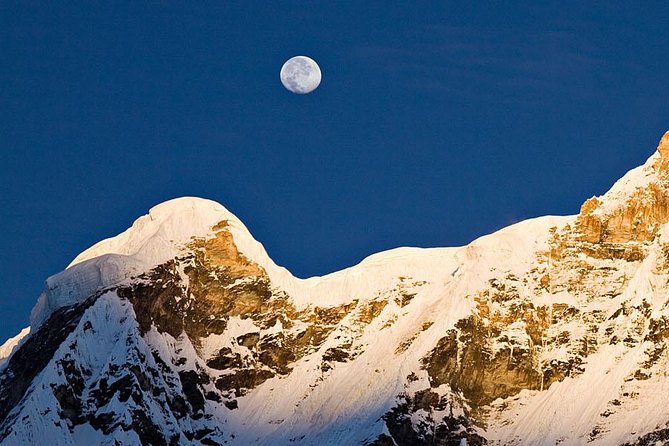
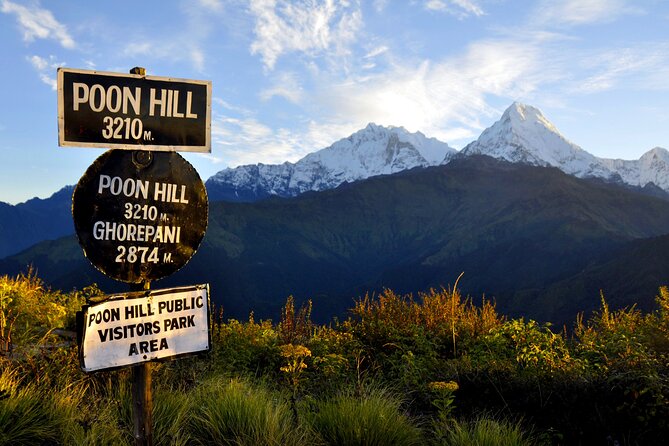
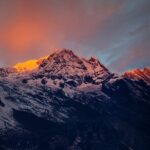
This is the day with a simple instruction: get up early, then walk steadily. Before breakfast, you hike to Poon Hill, which sits around 3232m. The trip is structured around sunrise because the whole magic is how the light hits the Himalayan giants as the day wakes up.
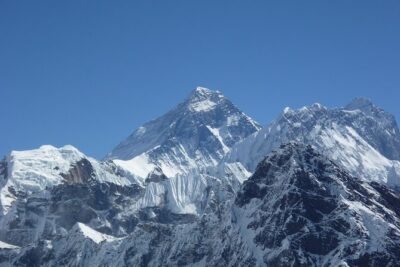
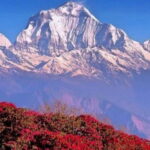
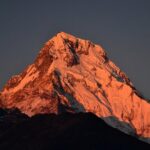
The view lineup described here is specific: Dhaulagiri (about 8167m) and Annapurna (about 8091m), plus a “maze of other peaks.” You’ll also see Machhapuchhare’s presence shaping the skyline, since it dominates the region visually and helps orient the entire trek.
After the sunrise and morning views, you hike back down to Ghorepani, then continue toward Tadapani at about 2650m. That next stretch takes about five hours, and it’s a classic transition day: you go from summit-style morning excitement to a more regular mountain hike.
Why you’ll probably love this day: Poon Hill is short enough to be achievable, but the payoff feels huge. It’s the rare trek segment where your effort and the view relationship feels fair.
What to consider: if clouds roll in, sunrise views can be limited. The itinerary can’t control weather, so go in expecting it might be stunning, and stay flexible if it isn’t perfect.
Tadapani to Ghandruk: forests to village atmosphere
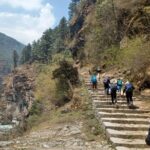
Day six moves toward Ghandruk after breakfast, with a trek described as easy at first and then increasingly steep. You’ll pass through dense rhododendron, oak, and Sal forests along the Kimrung Khola. This is the part of the trek that’s less about a single “look here” viewpoint and more about sustained walking through changing terrain and soundscapes.
Birdlife is called out again, and that’s a recurring theme on this route. It’s the kind of trek where you’ll want to pause occasionally—not for long photo stops, but because the environment is active and you might miss it if you rush.
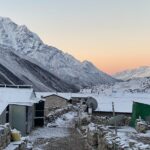
Then you gain elevation steeply toward Ghandruk, where you stay overnight. Ghandruk is one of the village stops that gives the Annapurna foothills their character: communities of Gurungs and Magars, stone-and-wood teahouse life, and a more settled feel than the higher, smaller waystations.
Why this stop is valuable: it’s not only about moving toward altitude. It’s also where the trek becomes culturally readable. You’ll feel like you’re visiting places where people live year-round, not just passing through tourist nodes.
Watch your legs: after the early Poon Hill day, the steep section to Ghandruk can feel heavier. Keep your pace controlled and take short breaks.
Ending at New Bridge, then back to Pokhara and Kathmandu
Day seven wraps the trek with a gentle hike toward New Bridge. From there, you drive back to Pokhara. This is a good reset after days of mountain walking. You’re getting movement without the intensity of the high points, and the car ride lets your body recover while your mind keeps the views fresh.
On day eight, you return to Kathmandu by AC tourist bus early in the morning. This is a long travel day, but it’s still easier than driving the whole thing on local roads. It also sets you up well for your final night in the city.
Day nine is your last day. After breakfast, you transfer to the airport for your final departure. The whole sequence is straightforward: trek, car, bus, airport—no last-minute surprises built into the plan.
A small but important tip: bring a little extra cash and a couple of quiet hours of buffer in Kathmandu if your flight schedule allows it. The trek ends with recovery and shopping energy, and it helps to not feel rushed.
Meals, teahouses, and what is really included
One of the best value parts of this experience is how it handles daily food. During the trek, you get all meals (breakfast, lunch, and dinner), and you also get coffee and/or tea. Teahouse accommodation is included for the trekking nights, which matters because it cuts out a chunk of decision-making while you’re tired.
You’ll also have welcome or farewell dinners. That’s more than a nice touch. It typically means you’re not eating alone or improvising meal plans at the start and end of the trek.
On the non-trek sides, Kathmandu and Pokhara include two nights in each city with breakfast, plus airport pickups and drops in private vehicle(s). Tourist bus transportation Kathmandu to Pokhara and back is included, and you also get private vehicle transport for the segments around Nayapul.
What to remember because it’s not included: the plan lists personal expenses like bottle or boiled water, battery recharge, phone calls, laundry, and even shower costs if you want them. It also excludes travel and rescue insurance. So pack with the expectation that there will be small payments along the way, even if meals and lodging are handled.
My practical take: if you want less hassle, this itinerary is built for that. If you love full freedom to eat wherever you want every day, you may find the included structure limiting.
Price and value: what you should compare before you book
The price shown here is listed as $0.00 per person, which is usually a placeholder on some pages. So I’d treat it as a prompt to check the real total you’re being offered.
Still, the value logic is clear from what’s included. You’re getting guide services, porter support, teahouse lodging, and all trek meals, plus AC buses for major transfers. That combination is often where trekking costs quietly add up when you book components separately.
Also, the porter ratio (2 trekkers to 1 porter) is meaningful. It helps you carry less and reduces the “I overpacked because I didn’t want to be stuck” problem.
What’s not included is equally important to factor in your budget:
- Nepalese visa fee
- International airfare to and from Kathmandu
- Travel and rescue insurance
- Tips for guide(s), porter(s), and driver(s)
- Excess baggage charges
- Extra nights in Kathmandu or Pokhara if plans change
The smart comparison: price isn’t the only number. Compare what’s covered versus what you’ll pay anyway once you land—especially insurance and tips.
Who this trek is best for
This works best if you want a classic Annapurna foothills trek with a high-impact highlight day. You’ll enjoy it if you like:
- early-morning mountain goals (the sunrise climb)
- village-to-village trekking with teahouse stays
- structured meals and support so you can focus on walking
It also suits couples, small groups, and friends traveling together because it’s a private tour/activity where only your group participates. That often means less waiting around and more control over your pace, especially on the trail.
The itinerary is marked for moderate physical fitness. If you’ve trekked before, you’ll likely find it manageable. If you haven’t, you can still succeed, but you’ll want a steady training plan—walking hills, practicing early starts, and getting used to sustained ascents.
Should you book this Poon Hill trek from Kathmandu?
If you want a trek where the effort-to-reward ratio is strong—especially for a first trip—this one makes sense. The Poon Hill sunrise plan is built around a clear, well-known payoff, and the rest of the days do the job of getting you there through rhododendron forests, bird sounds, and village atmosphere.
Book it if:
- you’re okay with early mornings
- you want all trek meals and teahouse lodging included
- you like having a guide and porter support instead of planning everything solo
- you’re excited to see Machhapuchhare shaping the scenery from the start
Skip it or pick a different version if:
- you dislike altitude climbs around 3232m
- you want maximum flexibility to eat and sleep your way each day
- you’re not ready for several days of uphill walking, even if the hardest segments are time-limited
If you check the real total price, confirm your fitness prep, and come with the right attitude for sunrise timing, you’ll likely end the trip with that rare feeling: you did real trekking, not just a sightseeing tour.
FAQ
What time does the tour start?
The start time is listed as 6:15 am.
Does the trip include airport transfers?
Yes. It includes airport pickups and drops in a private vehicle.
How do you get between Kathmandu and Pokhara?
You travel by AC tourist bus from Kathmandu to Pokhara, and return the same way.
Where do you stay during the trek?
You stay in teahouses during the trek nights.
Is a porter included?
Yes. Porter service is included with a ratio of 2 trekkers to 1 porter.
What meals are included?
During the trek, breakfast, lunch, and dinner are included, along with coffee and/or tea. Kathmandu and Pokhara include breakfast on the hotel nights as well.
Is the Nepal visa included?
No. The Nepalese visa fee is not included.