REVIEW · POKHARA
Pokhara: 4-Day Poon Hill and Ghandruk Guided Trek
Book on GetYourGuide →Operated by MTA Trekking Pvt. Ltd. · Bookable on GetYourGuide
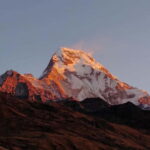
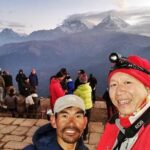
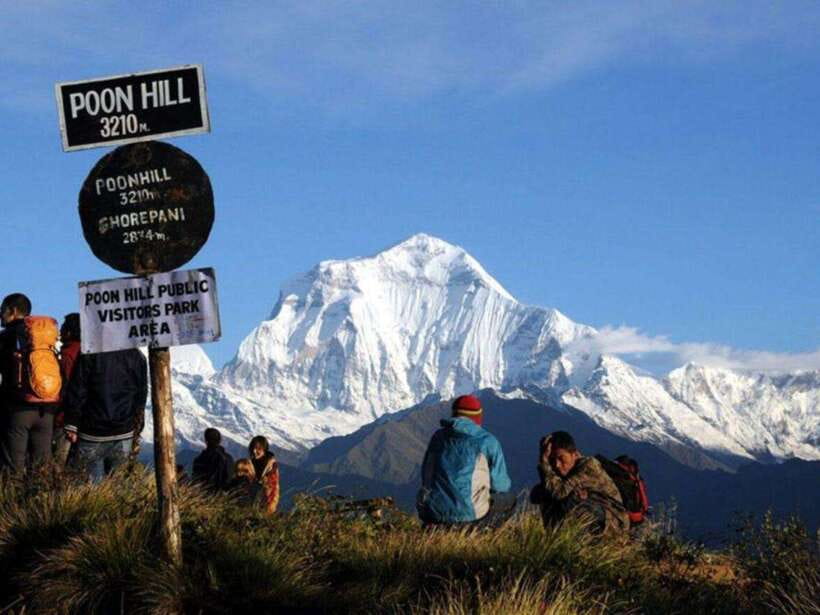
Poon Hill is small, but it hits hard. This 4-day trek in Nepal’s Western Region blends big Annapurna panorama time with village life in Ghandruk, all guided and organized end to end. You’ll climb to around 3,210m, then watch the mountains change color as the day starts.
Two things I really like: the magical sunrise over the Himalayas at Poon Hill, and the human side of the trip in Ghandruk with Gurung community hospitality and culture. The day-to-day pacing also feels realistic for a short trek, with tea house stops built into the plan.
One possible drawback: it’s a step-heavy route. Day 1 (Pokhara to Ulleri) and Day 2 (Ulleri to Ghorepani) both involve lots of climbing stairs, so you’ll want legs that can handle slow, steady work.
In This Review
- Key points to know before you go
- The Big Idea: Why This Short Trek Feels Like More Than Four Days
- Price and Value: What $226 Gets You (and What You Still Need to Pay)
- March to November Timing: When Rhododendrons and Clear Skies Matter Most
- How the Trek Works Day by Day (and What Each Day Feels Like)
- Day 1: Pokhara to Ulleri via the trail starting point (Nayapul)
- Day 2: Ulleri to Ghorepani, rhododendron forests and more step climbing
- Day 3: Ghorepani wake-up for Poon Hill sunrise, then on to Ghandruk
- Day 4: Explore Ghandruk, then return to Pokhara
- Guides Make This Trip Feel Smooth (Especially at Sunrise Time)
- Tea Houses, Meals, and the Comfort Advantage of a Guided Package
- Ghandruk Culture: Gurung Food, Dress, and Village Life
- What to Pack and Plan for (Without Overthinking It)
- Who This Trek Fits Best (and Who Should Consider Something Else)
- Should You Book the 4-Day Poon Hill and Ghandruk Trek?
- FAQ
- Is this trek private, and is the guide in English?
- What’s included in the price?
- Do I need permits for this trek?
- How long is the trek, and what altitude will I reach?
- Where does the trek start and end?
- When is the best time to go?
- What’s not included that I should bring?
Key points to know before you go
- Poon Hill sunrise is the main event, with a strong payoff for the early wake-up
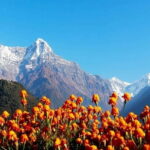
- Rhododendron forests can be spectacular in spring (March–May)
- Ghandruk village brings a different pace: culture, local food, and Gurung traditions
- Tea house nights keep this short trek comfortable and logistically simple
- A private group with an English-speaking licensed guide means less guesswork on the trail
- Permits and TIMS handled take one stressful task off your plate
The Big Idea: Why This Short Trek Feels Like More Than Four Days
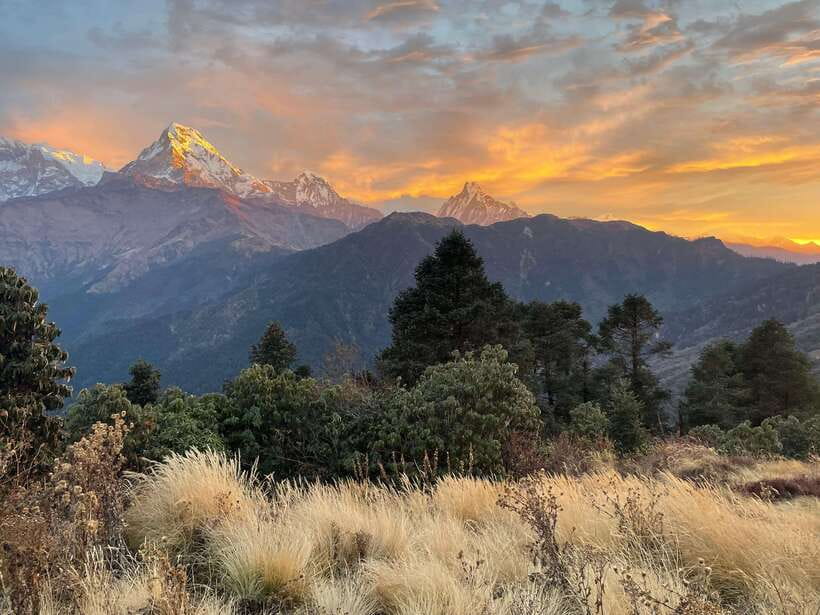
If you want a Himalayan trek without committing to weeks, this route makes smart use of time. You start from the Pokhara area, walk into the foothills, then reach the viewpoint moment that most people come for: sunrise at Poon Hill. After that, you move into a slower, more village-focused day in Ghandruk, where the “where you are” matters as much as the “what you see.”
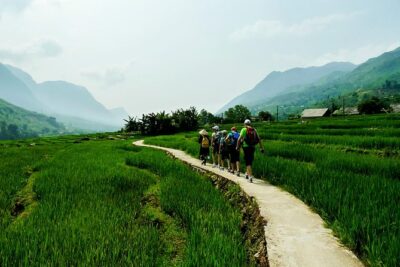
This trek also has variety baked in. You’ll spend time on trails through forests (including rhododendrons in the right season), then switch gears to stone-and-stair walking between settlements. It’s not just scenery. It’s also the rhythm of local life: tea houses, small paths, and conversations that don’t feel staged.
And you get real altitude context. The tour is described as trekking up toward about 3,210m, which is high enough to make the air feel thinner, but not so high that you’re dealing with a multi-week acclimatization plan.
You can also read our reviews of more tours and experiences in Pokhara.
Price and Value: What $226 Gets You (and What You Still Need to Pay)
At $226 per person for a 4-day guided trek, you’re paying for three things that matter on Nepal treks: route support, logistics, and paperwork.
Here’s the value angle:
- You’re not just buying a “map.” You’re getting round-trip transportation, a local licensed guide, and help with permits and TIMS.
- Your trekking days come with accommodation and meals during the trek for the full package, which is a huge cost saver compared to doing it independently and figuring out tea house bookings on the fly.
- There’s emergency rescue assistance, plus the guide is there to help you respond if conditions change.
What you still need to budget for is clearly your own gear and personal choices. The tour notes personal trekking equipment is not included, and it also excludes costs related to accidents or natural disasters during the trek. In plain terms: bring your basics, and assume you’ll have some incidental spending during the trip.
If you’re the type who wants sunrise at Poon Hill and a smooth return to Pokhara without juggling details, this price usually feels fair. If you already know how to self-organize tea houses, permits, and guide support, then the value depends on how much you’d pay to remove that hassle.
March to November Timing: When Rhododendrons and Clear Skies Matter Most
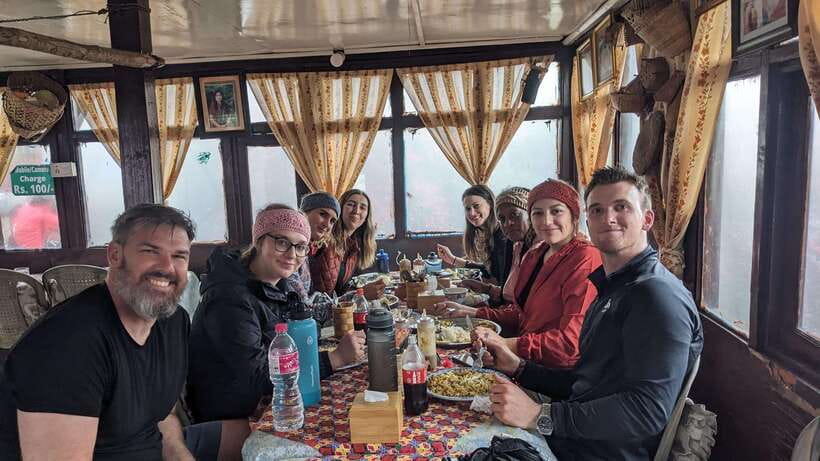
The tour gives you two strong seasonal targets:
- Spring (March–May): better odds for rhododendron blooms, especially along forested sections.
- Autumn (September–November): generally clearer skies, which helps with sunrise viewing.
Why this matters for your experience: Poon Hill is a sunrise trek. If clouds roll in, the views can be muted. You can’t control weather, but you can choose a season that stacks the odds in your favor.
If you’re flexible, I’d think of it like this:
- Go spring for the “walking through living color” feeling.
- Go autumn for higher odds of crisp mountain visibility.
How the Trek Works Day by Day (and What Each Day Feels Like)
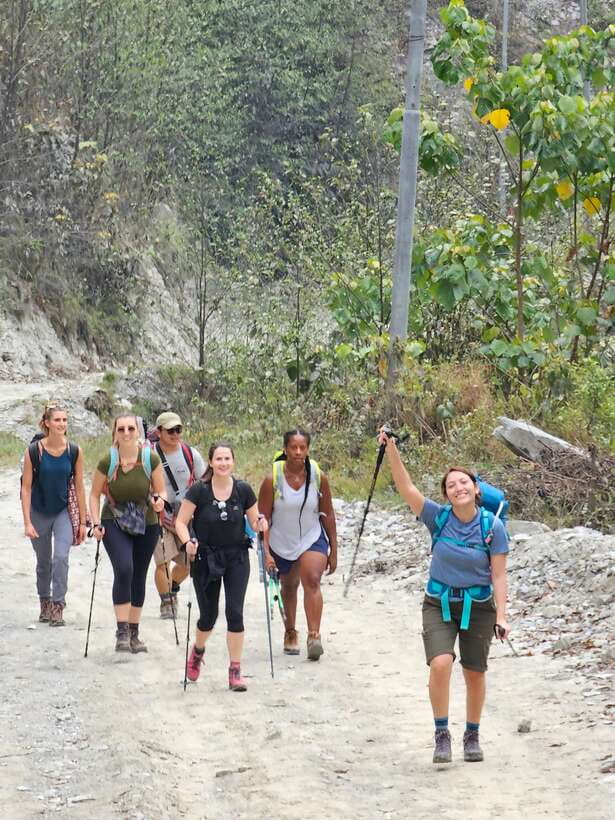
Day 1: Pokhara to Ulleri via the trail starting point (Nayapul)
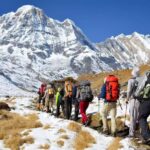
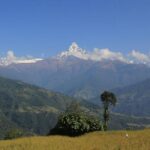
You begin in Pokhara, then drive to Nayapul for a fresh start. From there, you walk along the Modi River, with views that can include Annapurna South. It’s a nice way to ease into the trek before the hard work starts.
The big effort is climbing lots of steps up to Ulleri. This is one of those days where it’s less about speed and more about rhythm: slow, steady, and consistent. You end at a tea house in Ulleri, where the goal is recovery and a comfortable night before the next day of stair climbing.
What to watch for: if you’re not used to long stair sections, Day 1 is where your legs decide what kind of trek you’re going to have. Take it easy. Hydrate. You’re building stamina for sunrise later.
Day 2: Ulleri to Ghorepani, rhododendron forests and more step climbing
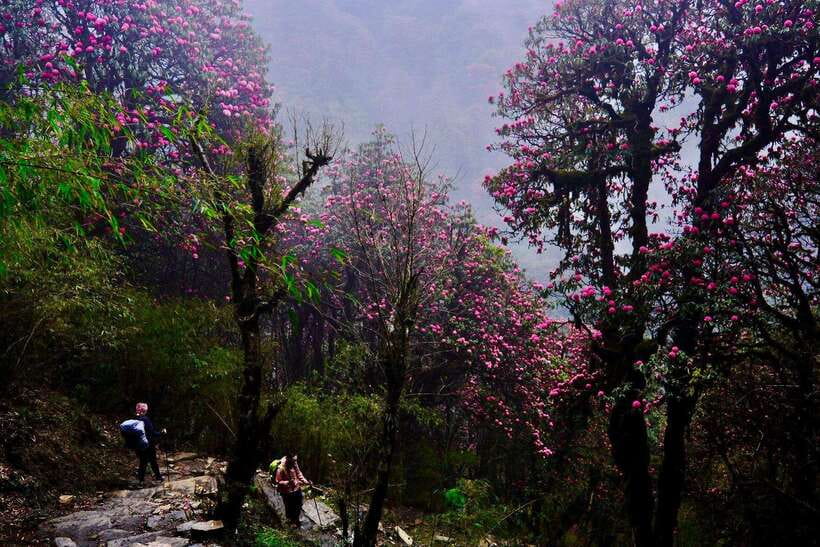
Day 2 is another leg day, again described as climbing steps and moving through beautiful rhododendron forests. If you’re traveling in spring, this is one of the better chances for those blooms that make the trail feel alive.
You’ll spend the night at a tea house in Ghorepani. This matters because Ghorepani is the jump-off area for the early morning push toward Poon Hill.
What to expect emotionally: by now, the trek has a steady “up, up, up” feeling. That’s normal. The payoff comes early on Day 3.
Day 3: Ghorepani wake-up for Poon Hill sunrise, then on to Ghandruk
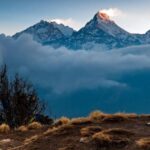
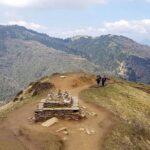
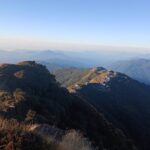
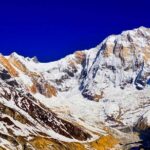
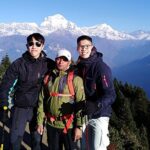
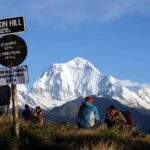
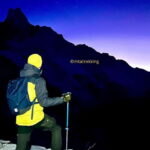
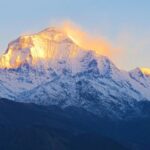
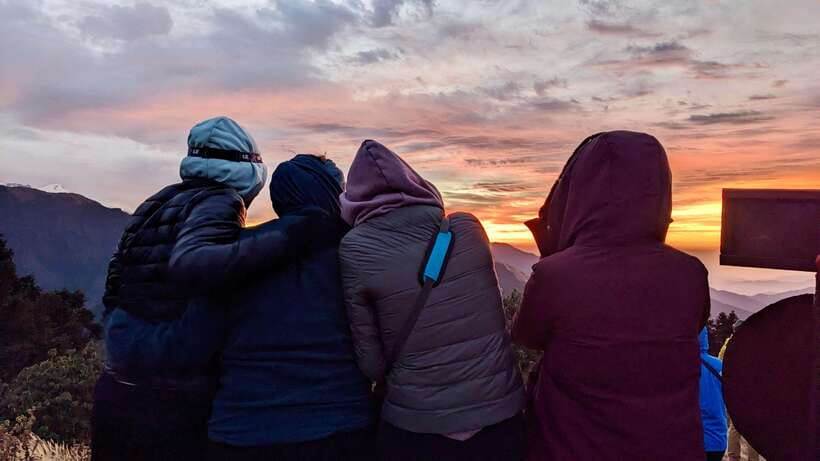
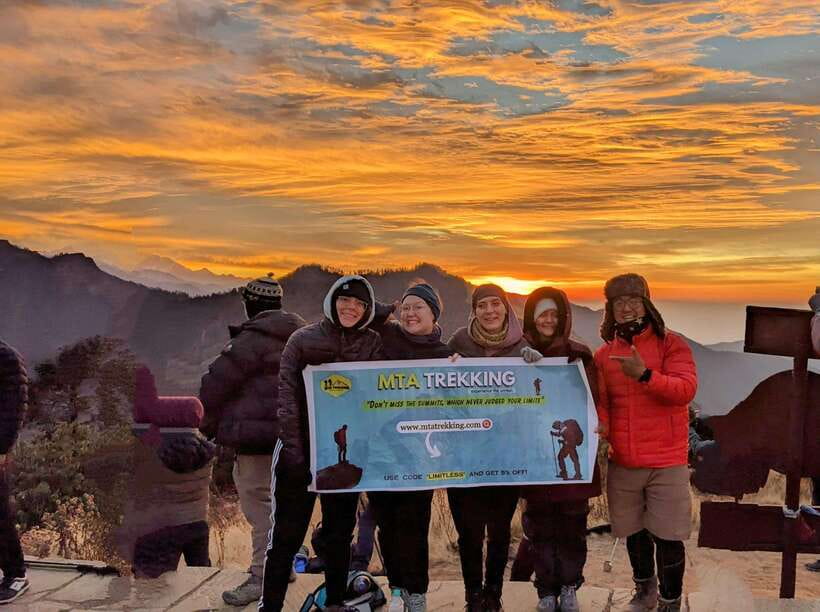
This is the day with the most dramatic timing. You wake up early to get the sunrise at Poon Hill, with Himalayan views that can include Annapurna and Dhaulagiri.
After you take in the sunrise, you continue trekking down and forward to Ghandruk village. The plan calls this a longer day, and it specifically notes you’ll want a solid breakfast because the trek is long. In practice, that’s good advice for anyone who has learned the hard way that hunger makes steep hiking miserable.
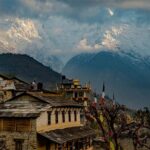
What makes Ghandruk special here is the shift. You’re no longer just climbing to viewpoints. You’re arriving in a place known for Gurung culture, with warm hospitality and a real village atmosphere. There’s also time later in the itinerary for a guided cultural look at the village traditions.
Day 4: Explore Ghandruk, then return to Pokhara
On the final day, you slow down again. You spend time exploring Ghandruk and its traditions, then walk back toward Nayapul and drive to Pokhara.
There’s also a note for a guided tour time in Ghandruk (about 2 hours), which is your window to connect the scenery to the people who live there. It’s not just about checking boxes. It’s about understanding how a community shapes daily life around trekking paths and mountain seasons.
Guides Make This Trip Feel Smooth (Especially at Sunrise Time)
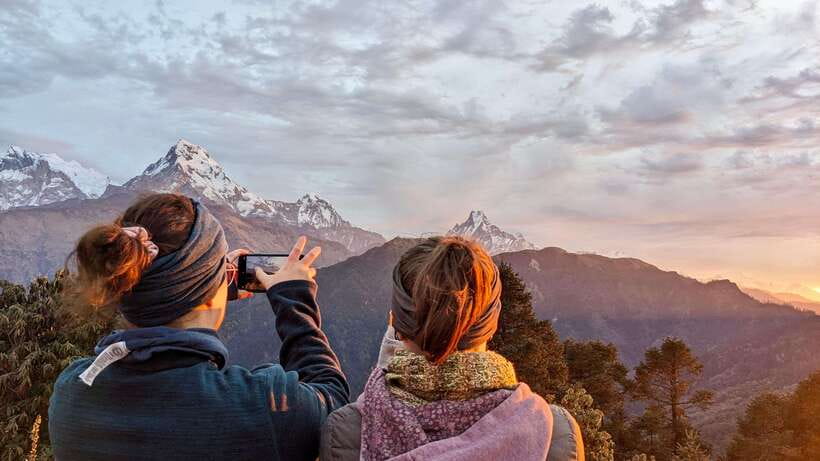
This trek is private group with an English-speaking live guide, and the guide role is bigger than just pointing the way. Multiple guide names show up in the experience history you provided, including Prabit, Ramit, and Sishir—and the consistent theme is attentiveness.
Here’s what that means for you on the ground:
- You’re better set up for sunrise timing at Poon Hill, when a small mistake costs you the best light.
- You get practical support when the trail gets repetitive and tiring (those steps can wear you down fast).
- You’ll likely get help with photos. At least one guide is specifically noted as good at taking photos, and if you’re carrying a camera, it can be worth handing it to them for the classic mountain shot.
If you like having a person who can read the pace you need, a guided private setup is a strong match. It’s also helpful if you want a calmer trekking rhythm instead of “figuring it out” every step.
Tea Houses, Meals, and the Comfort Advantage of a Guided Package
The tour uses tea houses as your overnight base on the trek. That matters because it keeps the trip within a manageable range for a short schedule. Instead of searching for lodging every night, you’re guided to stays that fit the itinerary.
Food is also part of the package (again, for the full package), which helps you avoid the “what are we eating tonight?” stress. On trekking days, that’s important. You need fuel for stair climbing and early mornings, not just a place to sleep.
One thing to keep in mind: tea house comfort varies from place to place. This route is designed for doable comfort, but it’s still in trekking country, so don’t expect hotel-level details.
Ghandruk Culture: Gurung Food, Dress, and Village Life
The most memorable part for many people here is the switch from mountains to culture. Ghandruk is described as a charming village with Gurung hospitality, and the experience notes include opportunities to see and understand local ways of life.
In the material you shared, there’s specific mention of experiencing Gurung culture, including trying cultural dress and Gurung food. Even if you don’t go deep into cultural activities, the village setting gives you a different kind of memory than a viewpoint alone.
A practical note: once you’re in Ghandruk, the walking becomes more about moving through village spaces than grinding uphill. That makes Day 4 feel like closure, not just the finish line.
What to Pack and Plan for (Without Overthinking It)
The tour says personal trekking equipment isn’t included, so you’ll want to show up ready for real walking. You’ll be dealing with:
- repeated step climbing on Day 1 and Day 2
- a very early start for sunrise at Poon Hill
- higher altitude than Pokhara, around 3,210m
So plan around comfort and basic safety:
- Wear shoes you already trust for uneven stone and stairs.
- Bring layers for early mornings (temperature drops at altitude).
- Have a way to keep yourself hydrated during long walking segments.
One more tip based on the schedule: you’re asked to make sure breakfast is good for the long day from Ghorepani toward Ghandruk. That’s not just a motivational line. On longer hikes, your energy depends on what you ate before you started walking again.
Who This Trek Fits Best (and Who Should Consider Something Else)
This is a great fit if you:
- want a short trek with big sunrise payoff at Poon Hill
- enjoy meeting people and learning local culture in a real village setting
- prefer a guided experience with permits, transportation, and meals handled
You might think twice if you:
- have knee issues or low tolerance for stair-heavy routes
- expect a fully restful vacation with minimal walking
- are sensitive to early wake-ups, since sunrise timing drives the schedule
Should You Book the 4-Day Poon Hill and Ghandruk Trek?
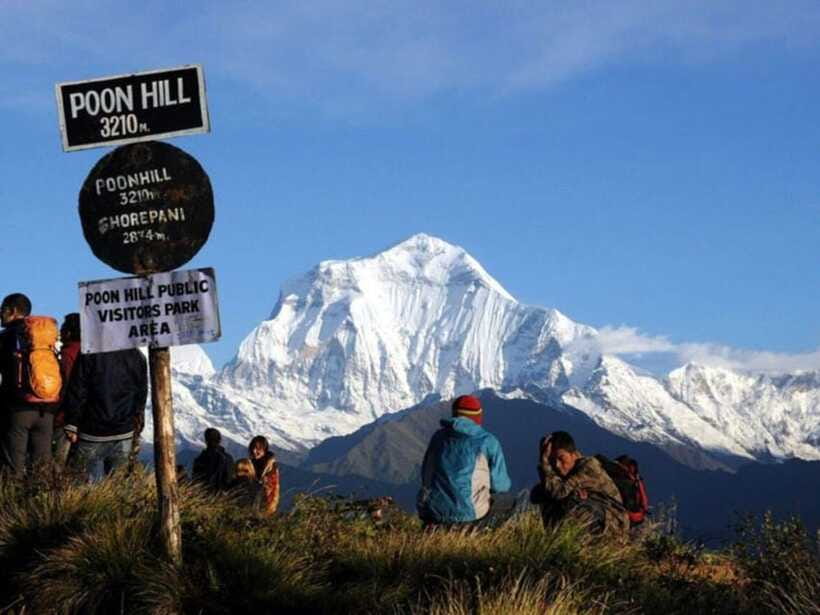
If your dream Nepal moment includes a sunrise over the Himalayas and you also want real human connection in a mountain village, I’d say yes. The itinerary is built around two strong peaks of value: Poon Hill sunrise and Ghandruk Gurung culture. Between them, the rhododendron trail sections and tea house nights keep the trip feeling structured rather than chaotic.
Book it if you want:
- an organized route with a local licensed guide
- manageable days built around a 4-day timeline
- permits and TIMS taken care of
- private group comfort with English guidance
Skip it or consider alternatives if your main goal is a totally gentle walk. The number of steps is a core feature here, not a side detail.
If you’re ready to work a little in exchange for mountain light and village warmth, this is one of the best ways to do it on a short Nepal schedule.
FAQ
Is this trek private, and is the guide in English?
Yes. The tour is described as a private group with a live tour guide in English.
What’s included in the price?
Included items are round trip transportation, a local licensed guide, permits and TIMS, emergency rescue assistance, and accommodation and meals during the trek for the full package.
Do I need permits for this trek?
Yes. The tour notes that permits and TIMS are included, meaning your guide/operation handles them.
How long is the trek, and what altitude will I reach?
The duration is 4 days. The experience description mentions trekking at about 3,210m.
Where does the trek start and end?
You start in Pokhara, drive to the trail starting point around Nayapul, and the trek returns to Pokhara at the end.
When is the best time to go?
The tour guidance says spring (March–May) is best for rhododendron blooms, and autumn (September–November) is best for clearer skies.
What’s not included that I should bring?
The tour lists personal trekking equipment as not included. It also notes expenses due to accidents or natural disasters are not included.