REVIEW · SAPA
Private Trekking through Terraces Rice Fields in Sapa
Book on Viator →Operated by Sapa Trekking Hiking Tours · Bookable on Viator
Rice terraces in Sapa have a way of stealing your attention. This private trek brings you through Y Linh Ho, Lao Chai, and Ta Van with a local guide who shares real stories of Hmong and minority life. I like the mix of slow walking for views plus cultural context, and the included lunch helps you keep your energy up; a small drawback is the route still needs a moderate fitness level, since you’ll be trekking down through village areas.
You start from Sapa Church at 9:00 am, then work your way through the Muong Hoa Valley area with time at each village. The price is $45, and it’s not just for “walking and looking”: you also get village entry fees, an English-speaking guide, lunch (vegetarian available), water, and a raincoat if weather turns.
In This Review
- Key highlights to notice before you go
- Why this trek feels personal, not just scenic
- The route: Y Linh Ho, Lao Chai, and Ta Van
- Stop 1: Y Linh Ho and the Muong Hoa stream terraces
- Stop 2: Lao Chai, Black Hmong village life, and silk-ribbon terraces
- Stop 3: Ta Van village for Giay culture and quick impressions
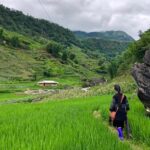
- Rice terrace views you can actually enjoy (not just speed past)
- Lunch and small comforts that keep the day smooth
- Price and value: $45 for a guided cultural trek
- Logistics that matter: timing, pickup, and what to expect
- When to plan it and how to pack smart
- Should you book this private Sapa rice terrace trek?
- FAQ
- What time does the trek start in Sapa?
- Where do I meet for the tour?
- How long is the trekking experience?
- Is lunch included, and is vegetarian food available?
- Are village entry fees included?
- What’s included besides the guide and trekking?
- What happens if weather is poor?
Key highlights to notice before you go
- A local Black Hmong guide shares stories tied to weddings, funerals, and Lunar New Year traditions
- Three village stops in a single loop: Y Linh Ho, Lao Chai, and Ta Van
- Rice terraces with different viewpoints as you move along the Muong Hoa stream and valley
- Lunch included with a vegetarian option, so the day stays easy on your schedule
- Smooth logistics: pickup option, mobile ticket, and transport back to Sapa from the last village
Why this trek feels personal, not just scenic
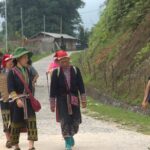
Sapa tours can turn into a checklist: stand here, snap a photo, move on. This one is different because your guide is part of the local ethnic community and tells life stories rooted in the villages around Sapa. You’re not only looking at terraces; you’re hearing how people live with the land, seasons, and ceremonies.
I also like that the pace is matched to the scenery. You’re trekking down from the center of Sapa, then spending meaningful time at each place instead of rushing through. That means you’ll have a better chance to notice terrace patterns, footpaths, and how homes fit into the valley.
One practical thing to keep in mind: while the tour is private, it’s still a trek. Even with cultural storytelling on the way, you should be ready for uneven walking and a moderate fitness level.
The route: Y Linh Ho, Lao Chai, and Ta Van
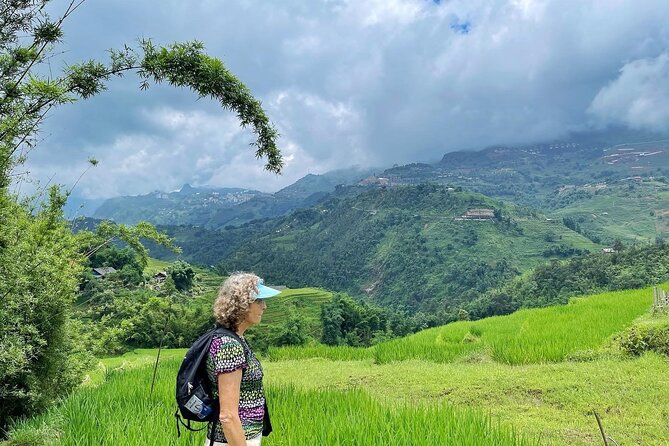
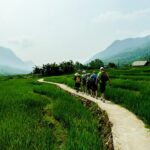
This tour is built as a downhill day through rice terrace areas, with three stops that each have their own character. You’ll move from Y Linh Ho to Lao Chai, then finish at Ta Van, with transport back to Sapa after the last village.
Stop 1: Y Linh Ho and the Muong Hoa stream terraces
Y Linh Ho is a small village along the Muong Hoa stream, with terraced fields pressing up against the dramatic backdrop of Mount Fansipan. This is where the terraces feel especially “complete,” because the view has depth: stream water, layered rice steps, and the mountain line pulling the eye.
You’ll spend about 3 hours here, and village entry is included. That time matters. It gives you enough room to walk along paths, pause for photos, and still have time to take in the village setting instead of sprinting from viewpoint to viewpoint.
Possible consideration: because this is the longer stop, if you’re the type who wants constant motion, you might find yourself at first thinking, Now we’re here again? But slow time is what makes this area click.
Stop 2: Lao Chai, Black Hmong village life, and silk-ribbon terraces
Next comes Lao Chai, an ancient village of the Black Hmong. It sits between the Muong Hoa valley and the terraced fields, so your perspective shifts: terraces become winding ribbons that run in front of homes.
You’ll spend about 2 hours here, and the village entry is free. The tour highlights family houses from the Ly, Lo, and Giang families. Even if you don’t catch every detail, seeing the terrace lines interact with the living spaces is the point. This is where the geography stops looking like a postcard and starts looking like a working system.
What I like about this stop is the balance. You get a cultural village setting without losing the terrace focus. It’s the best place on the day to notice how the farming shapes the daily view.
Stop 3: Ta Van village for Giay culture and quick impressions
Finally, you reach Ta Van, a village of the Giay people. This stop is shorter, about 30 minutes, and it includes a village admission ticket.
The emphasis here is culture and everyday life: the area is described as having unique cultural features, including food and music. With only half an hour, you won’t get a deep training session in their traditions, but you will get a feel for the community’s vibe and what makes it distinct from the earlier Black Hmong village stop.
Practical note: since this is the final village stop, the timing can feel a bit like a “quick hello.” If you want longer cultural contact, this tour is still a solid choice, but you may want a separate day for deeper village time.
Rice terrace views you can actually enjoy (not just speed past)
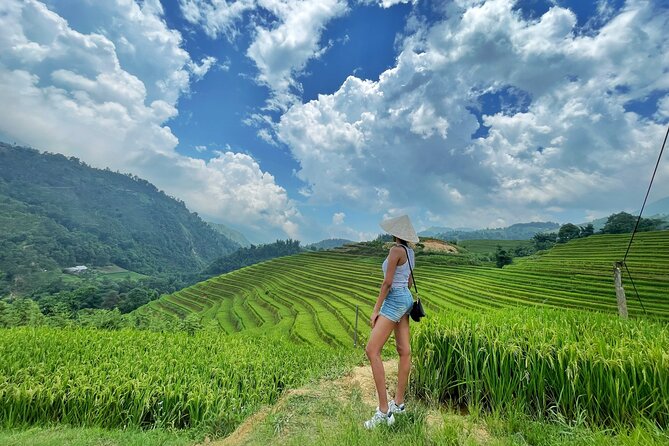
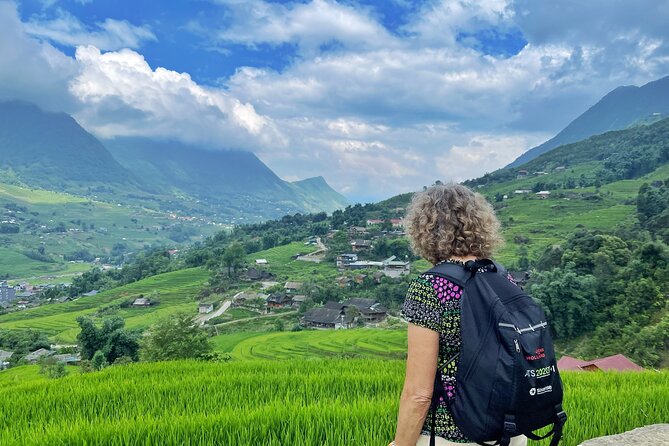
The big reason people do a Sapa terrace trek is the views. But the real value is how the route reveals those views in steps. On this tour, the terraces don’t appear all at once. You see them change as you move between villages and viewpoints, from Muong Hoa stream edges to valley ribbons.
Also, terraced rice fields have a different look depending on weather and time of day. The day is run with an awareness of conditions—there’s a raincoat provided if weather turns—so you’re less likely to feel stranded if clouds roll in.
And because this is a private setup, you can ask your guide questions while you walk. That’s where the scenery turns into understanding: why terrace shapes are the way they are, how people talk about seasons, and how traditions show up around community life.
Lunch and small comforts that keep the day smooth
A lot of short trekking days fall apart because you forget the basics: food, water, and rain handling. Here, lunch is included, and it’s traditional food with a vegetarian option if you need it. That’s huge for value, because it means you don’t scramble for meals mid-trek or pay extra for something that barely fills you.
You also get water (one small bottle). It’s not meant to last the whole day, but it covers the immediate need right after starting and during the walk.
You’ll also get an English-speaking tour guide, which helps you get real meaning from the stories you hear. If language is a worry for you, this is a good point to prioritize.
Price and value: $45 for a guided cultural trek
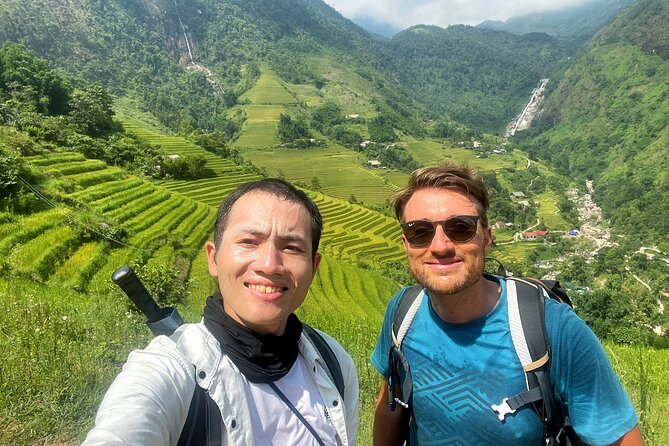
At $45 for about 5 hours 30 minutes, this is one of those deals where the value is in what’s bundled. You’re paying not only for guiding but also for:
- Village entry fees
- Lunch
- Transportation back to Sapa from the last village
- Raincoat for bad weather
- Water and a mobile ticket
It’s also private, meaning you’re not sharing your guide’s time with a busload of people. That matters in a trek like this, where your best moments come from asking questions and taking breaks when something catches your attention.
The one thing to weigh is time expectations. The tour is listed as roughly 5.5 hours, so it’s a tighter day than longer multi-village hikes some people look for. If you want a longer walk with more village immersion, you might look at longer options—but for a first Sapa trek, this length is a practical sweet spot.
Logistics that matter: timing, pickup, and what to expect
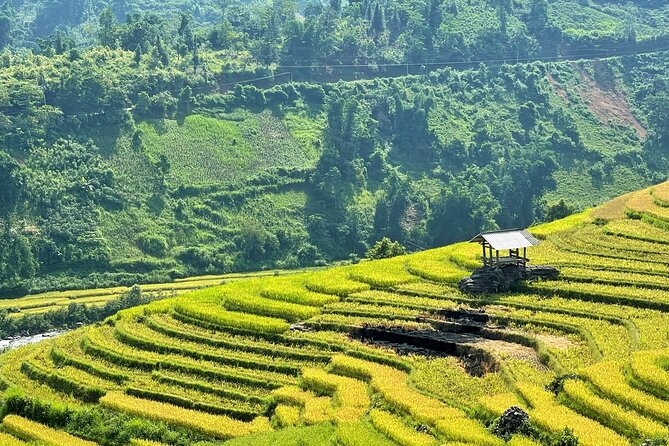
This trek starts at 9:00 am. The meeting point is Sapa Church on P. Hàm Rồng in the Sapa center area. The activity ends back at the same meeting point, and transportation back is included from the last village.
Pickup is listed as offered, which is helpful if you don’t want to time your morning walk into position. If you’re staying near the center, getting to Sapa Church should be straightforward.
The tour is designed for a moderate physical fitness level. That’s the right way to describe trekking days in this terrain: you don’t need to be an athlete, but you do need to be comfortable walking on uneven paths and taking breaks when asked.
And since it’s a private tour for your group only, you can expect your schedule to match your group rather than a fixed pace for a larger crowd.
When to plan it and how to pack smart
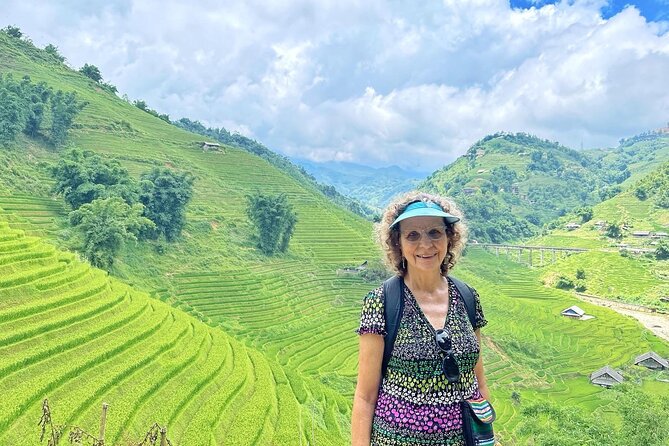
Because this experience depends on good weather, it’s worth planning with flexibility. Rain can change the feel of the trails, and slippery conditions are a real possibility in rainy mountain areas. The tour provides a raincoat, which helps, but it won’t replace solid footwear.
For packing, I’d focus on the essentials:
- Comfortable shoes with grip (traction matters more than style)
- A light layer for morning temperatures
- A small day bag for personal items
- If you’re prone to cold, consider something thin you can wear under the rain layer
Also, consider your comfort level with walking down and then moving between village paths. Even if the day doesn’t feel extremely long on paper, the ground is uneven and you’ll want to stay relaxed and steady.
Should you book this private Sapa rice terrace trek?
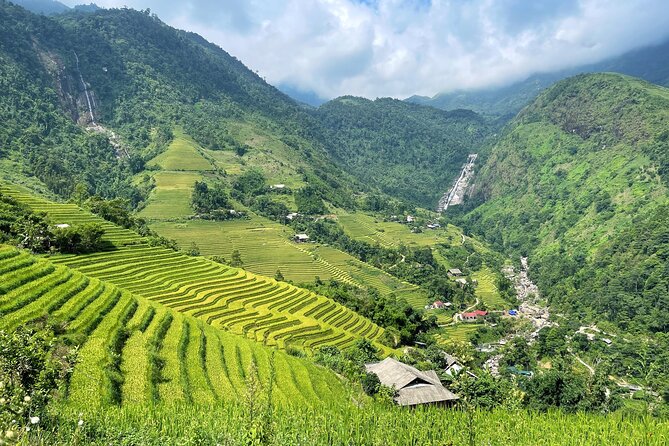
If you want Sapa terraces with real cultural storytelling, this is a strong choice. The route makes sense: you get three village settings rather than one viewpoint-repeat day, and lunch is included so you don’t turn the trek into an accidental hunger test.
Book it if:
- You like private guiding and question time
- You want to hear how Hmong and minority communities observe life events
- You want terrace views plus family and village context
- You prefer a morning start and a half-day feel (around 5.5 hours)
Skip it or swap for something else if:
- You’re aiming for a very long hike (this is shorter than some valley adventures)
- You don’t do well with uneven walking and moderate trekking conditions
- You’re hoping for a deep homestay-style cultural immersion in the evening (this tour, as described, centers on village stops during the day)
FAQ
What time does the trek start in Sapa?
The tour starts at 9:00 am.
Where do I meet for the tour?
Meet at Sapa Church (P. Hàm Rồng, TT. Sa Pa, Sa Pa, Lào Cai 333100, Vietnam). The tour ends back at the same meeting point.
How long is the trekking experience?
It runs for about 5 hours 30 minutes (approx.).
Is lunch included, and is vegetarian food available?
Yes. Lunch is included, and the tour provides vegetarian food if needed.
Are village entry fees included?
Yes. Village entry fees are included, with specific stops including tickets (Y Linh Ho and Ta Van) and Lao Chai listed as ticket-free.
What’s included besides the guide and trekking?
Included items are transportation back to Sapa from the last village, 1 small bottle of water, an English-speaking tour guide, and a raincoat if the weather is bad. You also receive a mobile ticket.
What happens if weather is poor?
This experience requires good weather. If it’s canceled due to poor weather, you’ll be offered a different date or a full refund.