REVIEW · RISHIKESH
Nagtibba Trek (Dehradun to Dehradun)
Book on Viator →Operated by Kaushik's Cafe & Trek · Bookable on Viator
Two days, one serious Himalayan sunrise. This Nagtibba trek turns a drive from Dehradun into an overnight hike, with your second day spent pushing up to the Nag Tibba summit for sunrise if timing and weather cooperate.
I love that round-trip transfers from Dehradun to the trail area at Pantwari and back are included, so you’re not juggling extra transport. I also like that you sleep in a tent with sleeping mats and sleeping bags, plus all meals, which makes this feel like a complete package for the price.
The main consideration is timing and terrain: you’ll be up around 3:30 am for the summit push, and the descent can feel tough on tired legs, especially if conditions turn snowy or slippery.
In This Review
- Quick hits before you go
- Getting from Dehradun to Pantwari: the ride you should mentally budget for
- Day 1 trail to camp: sunset views, hot tea, and the comfort of being fed
- Day 2 Nag Tibba sunrise summit: why 3:30 am is part of the deal
- Tent camp life: triple sharing, sleeping bags, and what you’ll really notice
- Meals on trek: included food that keeps the plan moving
- Guides and group size: why 16 people changes the feel
- Price and value: what you’re paying for (and what you aren’t)
- Who should book this trek (and who should adjust expectations)
- How to prepare so day two feels worth it
- Should you book the Nagtibba Trek?
- FAQ
- FAQ
- What’s included in the Nagtibba Trek price?
- How long is the trek?
- Where do we meet in Dehradun?
- What time do we wake up for the Nag Tibba summit?
- Is sunrise included, and is it guaranteed?
- How many people are in a group?
Quick hits before you go
- Round-trip Dehradun–Pantwari transfers are included, so the trip starts with less hassle
- Tent camping (triple sharing) comes with sleeping mats and sleeping bags
- All meals included, with simple but energizing trail food along the way
- Sunrise is the big goal on day two, so start times matter
- Small group size (max 16) helps things feel more manageable on trail
- Optional snacks like Maggi are available during the first evening (extra cost)
Getting from Dehradun to Pantwari: the ride you should mentally budget for
Most of your “hard work” before the hike is done on the road. You meet at Kwality Hardware Agencies in Dehradun (near the Clock Tower area), and the day starts early—service runs daily, and the meeting window lists 6:00 AM to 7:00 AM.
Once you’re in the van/taxi, expect a long ride. One past trip noted about 3–4 hours each way along windy roads, which is exactly the kind of journey that can make you feel car-sick if you’re prone. If that’s you, pack motion-sickness basics (and sit where the view is easiest on your stomach).
Why this matters: if you’re hoping for an easy, relaxed day one, remember that the drive is part of the experience. You’re paying for guided hiking and camping, but you’re also buying time—so plan to be ready for a slow start, not a quick hop into the mountains.
You can also read our reviews of more tours and experiences in Rishikesh.
Day 1 trail to camp: sunset views, hot tea, and the comfort of being fed
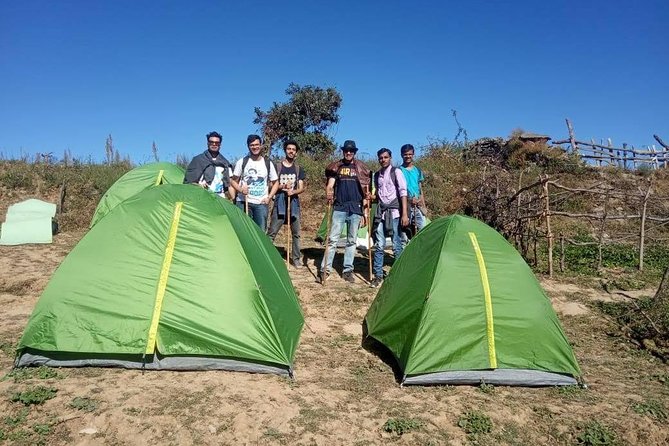
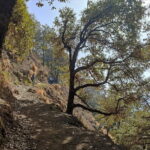
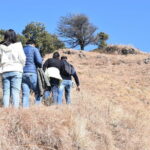
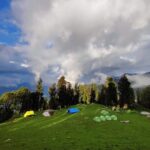
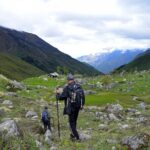
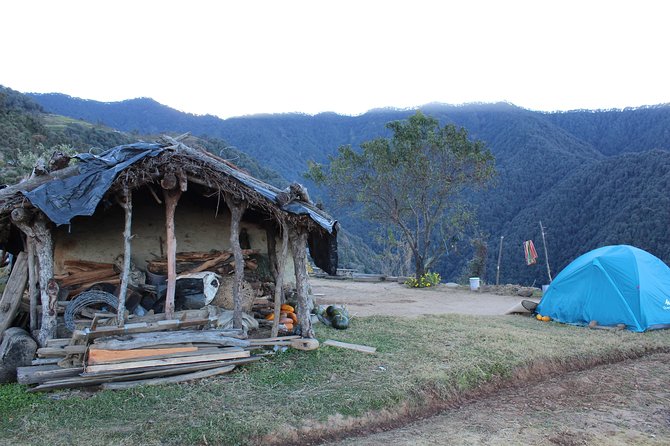
Day one is your warm-up trek. You hike up from the trailhead area toward a tent camp, and at the end of the day you actually get to rest in the mountains instead of coming straight back.
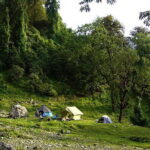
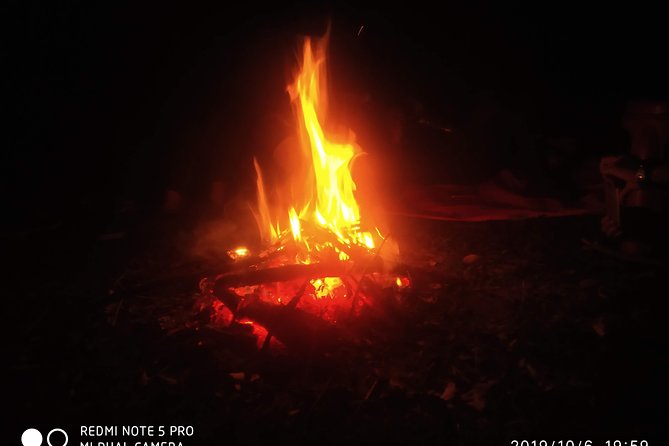
When you arrive, the evening setup is built for keeping you comfortable and fed fast. You’ll settle into your tent on a triple-sharing basis, then there’s a proper first-night welcome: hot tea and pakoda are mentioned as part of the vibe. If you want something extra, Maggi is also offered (listed as INR 40), which is the kind of trail-food morale boost that makes the day feel less like “just surviving” and more like “I’m on a real trek.”
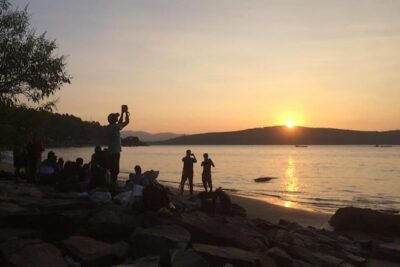
Timing tip: sunsets in the foothills can arrive quickly. If you want photos and time for the view, don’t spend that first hour unpacking everything. Get your layers sorted, then spend your energy where the light is best.
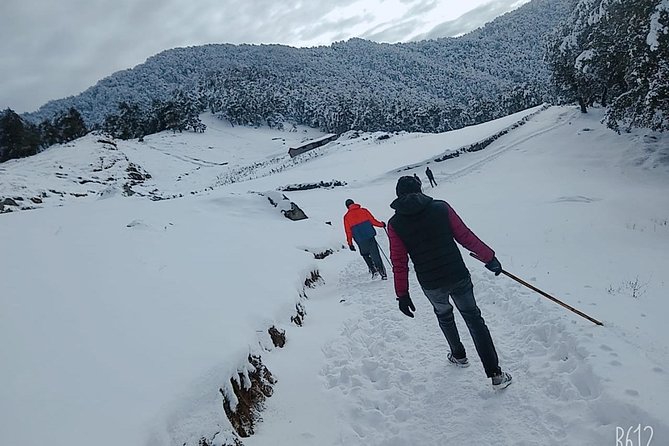
What can disrupt your evening? Weather. The trek runs only when conditions cooperate, and heavy rain before the hike has caused minor organizing challenges in some cases. That doesn’t mean the whole trip falls apart, but it’s a good reason to keep your expectations flexible on day one.
Day 2 Nag Tibba sunrise summit: why 3:30 am is part of the deal
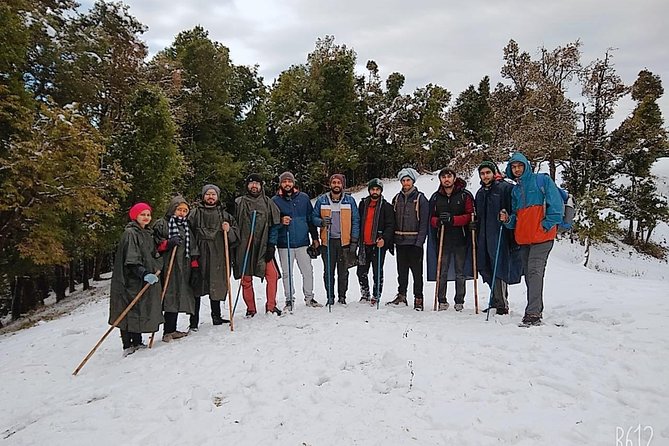
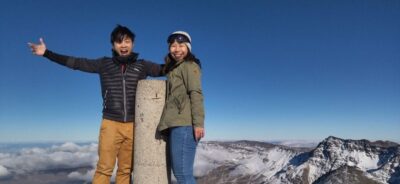
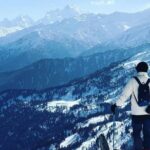
Day two is the reason most people sign up: the summit push at Nag Tibba before sunrise. The schedule calls for waking up at 3:30 am, then heading out prepared for a pre-dawn hike.
On the way, you’ll be served fruit and biscuits—simple fuel that helps your energy without slowing the group down. Reaching the summit early gives you a chance to watch sunrise (the trip notes that sunrise visibility depends on being on time).
Here’s what you should mentally prepare for: cold + darkness + early effort. Even if you’re feeling fine when you start, that doesn’t last once you’re climbing steadily. Bring warm layers you can adjust, and keep water access in mind—thirst doesn’t always feel obvious when you’re busy focusing on footing.
Also: the descent can be rough. One earlier account notes going down can be hard on legs. That lines up with how most mountain treks feel—your quads do the negotiating on the way back, not your motivation.
Tent camp life: triple sharing, sleeping bags, and what you’ll really notice
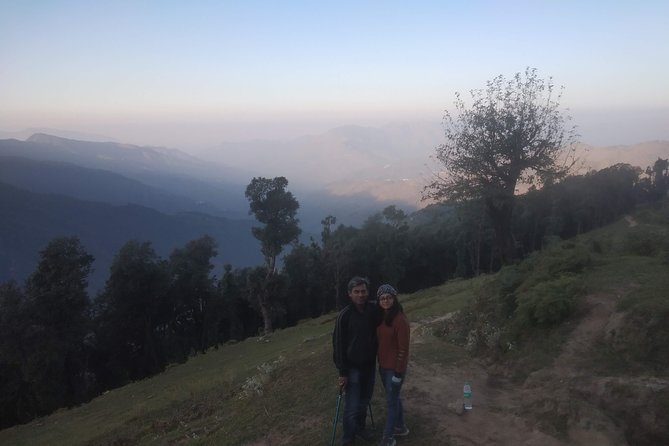
This trek includes sleeping mats and sleeping bags, which is a huge value point. You’re not trying to rent or source your own gear last minute, and that makes a bigger difference than people think.
You’ll sleep in tents on a triple sharing basis. That means you’ll be sharing space with two other people, and the “noise factor” depends on your group. The good side: having proper sleeping gear reduces the biggest camping complaints (cold and uncomfortable ground). The tradeoff: you’ll be at the mercy of mountain conditions—breeze, dampness, and temperature swings can show up even when everything is “organized.”
During the night, your focus should be practical:
- Keep your essentials accessible (torch/phone, water, a warm layer)
- Don’t overpack your tent setup; you’ll be changing quickly in the dark
- Expect that rest is lighter than a hotel night
The camp is also where the trek feels social. Past trips credited guides and staff with keeping things friendly and supportive, which helps when you’re waking up early and moving through the dark.
Meals on trek: included food that keeps the plan moving
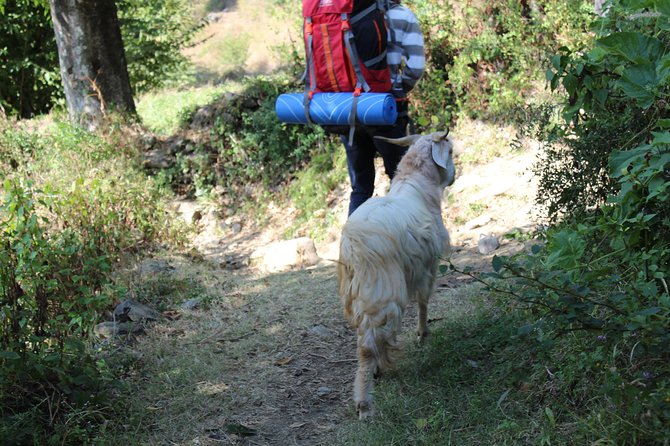
All meals are included. That covers what you need to get through day one evening and day two hiking without constantly stopping to buy food.
The first evening includes tea and pakoda, and Maggi is available if you want it. On day two, you’ll get fruit and biscuits before the summit. Dinner and additional included meals keep you from burning extra money on the road.
What I like about meal inclusions on a short 2-day trek: it removes decision fatigue. You’re already managing early mornings and gear. When meals are handled, you can spend your brain on pace, footing, and enjoying the view.
One more practical point: since Maggi is listed with a cost (INR 40), treat that as an optional add-on, not part of the core included meals.

Guides and group size: why 16 people changes the feel
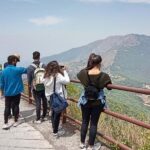
The group size caps at 16 travelers, which is small enough that you’re less likely to feel lost in a crowd. It also tends to make instructions clearer and slower moments less chaotic.
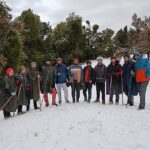
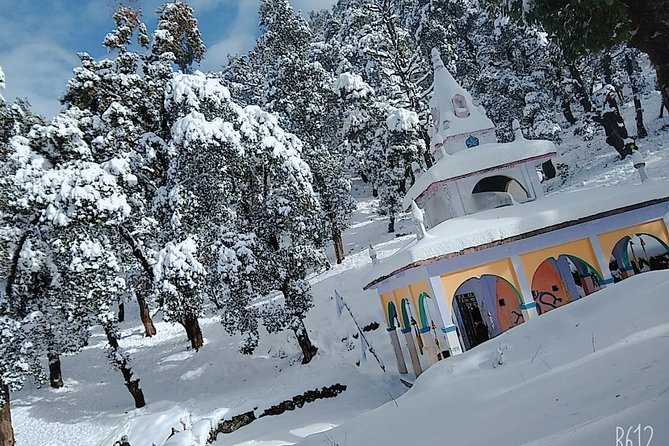
The guide role matters here because the summit day starts in the dark and has a physical rhythm. In past experiences, guides such as Sanjay bhaiya, Amit singh, and Sardarji were specifically mentioned for being helpful and for handling issues on the trail—like supporting someone dealing with shoe problems when snow showed up.
You might not get the exact same guide every time, but you can take the pattern: the people running this trek are used to real conditions, not just perfect-sky hiking.
Price and value: what you’re paying for (and what you aren’t)
At $113.48 per person for roughly 2 days, the value is mostly about what’s bundled. You’re getting:
- Round-trip transport from Dehradun to the trail area at Pantwari and back
- A night in a tent (triple sharing)
- Sleeping mats and sleeping bags
- All meals
For a short trek, that’s the big deal. If you had to source transport, camping gear, and multiple meals yourself, the price usually climbs fast.
What’s not included is private transportation. So if you’re thinking of rolling up at a different location or want a custom drop-off, you’ll need to handle that separately.
Another value signal: free cancellation is offered with enough notice, and the trek is tied to weather. If conditions are poor, you’ll be offered a different date or a refund. That helps reduce the stress of booking something weather-dependent.
Who should book this trek (and who should adjust expectations)
This trek fits best if you want a taste of the Himalayas without committing to a full multi-day expedition. It’s also a nice option if you like structure: you’re hiking a planned route, meals are included, and you’re sleeping with provided gear.
You’ll likely enjoy it most if you:
- Can handle an early wake-up (around 3:30 am)
- Like the idea of a summit-and-sunrise goal
- Want a supported group trek with a small cap
- Don’t mind tent camping basics
You might think twice if you:
- Expect a leisurely pace with lots of free time
- Have very sensitive knees for steep descents
- Struggle with windy-road car rides (especially if you’re car-sick)
- Are uncomfortable sleeping in shared tents, even with a sleeping bag and mat
How to prepare so day two feels worth it
Even with included gear and meals, your comfort comes from your own preparation.
Footwear matters most. One past trek story involved someone dealing with shoe issues in snow, and the guide helped solve it so the person could continue. That’s a reminder to bring shoes that grip well and socks you can trust.
Pack layers. Since you’re starting before sunrise, you’ll likely move from cold waiting into warmer exertion, then back to cooler air later. Bring a warm top and a layer you can remove.
Bring a small “sunrise kit.” A headlamp or torch (not mentioned, but useful in general for 3:30 am starts), water, and something warm for after the summit are the practical pieces you’ll be glad you have.
Keep your schedule flexible. Weather can affect the experience, and heavy rain before a trek has led to minor organizing challenges before. That doesn’t mean the trek stops being good; it just means you should let the guide steer the plan if conditions shift.
Should you book the Nagtibba Trek?
Book it if you want a compact trek with a real highlight: a pre-dawn climb to Nag Tibba for sunrise, capped by an overnight tent camp and included meals. The transport being built in from Dehradun and the sleeping gear being provided make this one of those “pay once, show up, and go” mountain trips that actually works.
Don’t book it if you’re searching for a relaxed, late-start getaway or you’re not comfortable with cold early mornings and a potentially tough descent. If you’re okay with that trade—then this is a solid value way to get Himalayan viewpoints without turning it into a huge logistics project.
FAQ
FAQ
What’s included in the Nagtibba Trek price?
Round-trip shared transport from Dehradun to Pantwari and back is included, along with tent camping (triple sharing), sleeping mats and sleeping bags, and all meals (breakfast, lunch, dinner).
How long is the trek?
The trek is about 2 days (approximately).
Where do we meet in Dehradun?
The meeting point is Kwality Hardware Agencies 14, Gandhi Rd, near Clock Tower, Tehsil Chowk, Harrawala, Dehradun, Uttarakhand 248001, India.
What time do we wake up for the Nag Tibba summit?
You wake up at 3:30 am on day two for the summit.
Is sunrise included, and is it guaranteed?
Sunrise is a goal on the summit day. The trip notes that sunrise depends on being on time, and the experience requires good weather.
How many people are in a group?
The trek has a maximum of 16 travelers.