REVIEW · RISHIKESH
Dodital Himalayan Trek and Camping
Book on Viator →Operated by Yeti Outdoors · Bookable on Viator
Dodital feels like a reset in the Himalaya. This 5-day easy trek takes you from the Rishikesh area up to crystal-clear Dodital Lake and then over to Darwa Top, with forests, big peaks, and camp life built in.
What I like most is the focus on natural beauty that doesn’t require climbing gear, and the way the lake area connects you to local faith and the wider pilgrimage route through Uttarakhand. One thing to keep in mind: you’re going up to 4,200m, so you’ll still need to take altitude seriously even if the trek is rated easy.
I’m also drawn to how the trip treats logistics as part of the experience, not an afterthought: tents and sleeping bags, meals on trek, and a team that’s there to handle the work. If you want a relaxed first Himalayan trek, this fits well. A possible drawback is that monsoon timing can be tricky because the experience depends on good weather.
In This Review
- Quick hits on Dodital and Darwa
- Where this trek fits: Rishikesh, Uttarkashi, and the Dodital Lake area
- Trek basics you should know before you commit
- Following the trail to Dodital Lake: forests, faith, and fish-filled water
- Darwa Top summit day: why this extra climb is worth it
- Camping life: tents, sleeping bags, and what that means for your comfort
- Guides and team support: Manish and Rishabh set the tone
- Price and value: what $191.70 covers (and what it doesn’t)
- Timing and weather: all year, but monsoons change the rules
- What a private group feels like on this route
- Practical tips to get the most out of Dodital and Darwa
- Should you book Dodital Himalayan Trek and Camping?
- FAQ
- How long is the Dodital Himalayan Trek and Camping?
- What’s the highest altitude on this trek?
- Is this trek difficult?
- Where do I meet the group and what time does it start?
- Is pickup included?
- What’s included in the price?
- What’s not included?
- What’s the best time to go?
- What happens if the trek is canceled due to weather?
Quick hits on Dodital and Darwa
- Crystal-clear Dodital Lake at 3,024m, known for Himalayan Golden trout
- Easy trek rating but still a proper climb to 4,200m
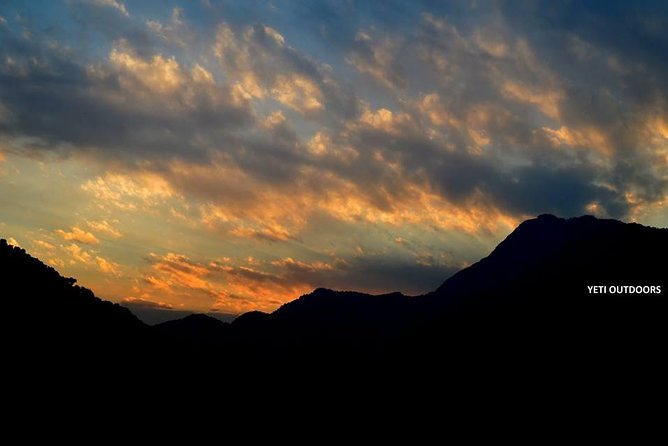
- Darwa Top for spectacular views of peaks like Banderpunch and Kala Naag
- Forest walking through oak, pine, and deodar country with good bird-and-nature potential
- Real local route: the trail is traditionally used by herdsmen and by holy men moving between Yamunotri and Gangotri
- Camp support included: guides, cooks, helpers, and all needed camping and kitchen gear
Where this trek fits: Rishikesh, Uttarkashi, and the Dodital Lake area
This experience is based around Rishikesh, with the trek itself in Uttarakhand’s Uttarkashi District. You start at Yeti Outdoors at 9:00am, and the activity ends back at the same meeting point.
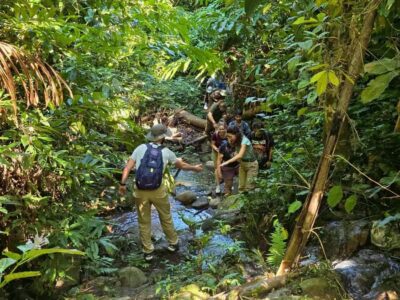
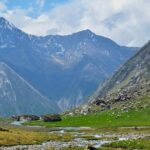
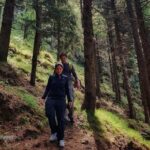
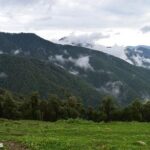
The reason Dodital stands out is simple: it’s a high-altitude lake tucked under big Himalayan terrain. The trail leads into dense oak, pine, and deodar forests, so your walking isn’t just “up and out.” It’s more like a gradual change in air and scenery, with shade early on and wider views later.
Another strong pull is what surrounds the lake. Dodital is considered the place of birth of Lord Ganesha, and that spiritual connection shows up in how people think about the area and the trail. On top of the cultural angle, you get an honest nature draw: the lake has an abundance of Himalayan Golden trout, which makes the water feel like part of the landscape, not just a photo stop.
You can also read our reviews of more tours and experiences in Rishikesh.
Trek basics you should know before you commit
This is a level: easy trek with a total duration of about 5 days. The top altitude listed is 4,200m. Even with the easy rating, you’re dealing with thin air, so pace and hydration matter.
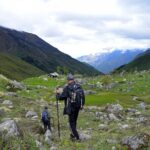
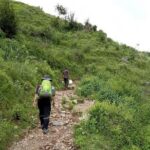
What “easy” means in practice is that you’re not signing up for technical climbing. You’ll still walk day after day on mountain trails, and some sections can feel tiring when the air gets lighter. The plan works best when you go steady, keep your effort consistent, and don’t treat the route like a speed challenge.
Best time to go is all year round, but monsoons are a little tricky. That’s not just about comfort. Rain affects trail conditions, footing, and the timing of safe travel. If you’re flexible on dates, you’ll have an easier time finding the weather window that makes camping and summit-style walking feel manageable.
Following the trail to Dodital Lake: forests, faith, and fish-filled water
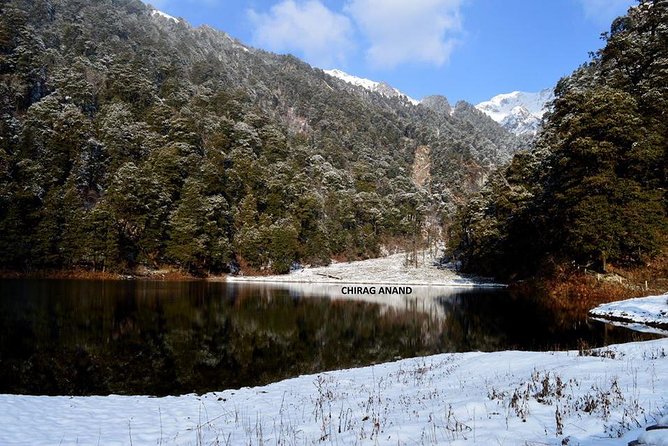
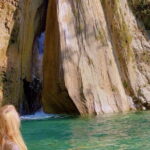
At the heart of the trek is Dodital Lake, listed at 3,024m. The water is described as crystal clear, surrounded by dense oak, pine, and deodar forests. For you, that matters because it usually translates into a “change of mood” on arrival: the forest canopy gives way to open views and reflective water that feels brighter than you expect at altitude.
Two of the most distinctive things you’ll encounter here are the cultural and natural elements that overlap. Dodital is associated with Lord Ganesha’s birthplace, and the trail is traditionally used by herdsmen for cattle grazing and by holy men traveling between Yamunotri and Gangotri. So even on days that feel purely like walking, you’re not far from a living mountain route—used by local people for practical and spiritual reasons.
Then there’s the lake’s wildlife detail: Himalayan Golden trout are mentioned as abundant. You can’t count on fishing as part of your plan unless it’s explicitly stated (it isn’t here), but knowing the fish are there is still useful. It signals that the lake environment is genuinely “alive,” and it explains why people pay attention to the water rather than rushing past it.
Possible consideration: if you’re expecting a mostly flat, stroll-in-nature trek, be mentally ready for elevation and long walking days. You’ll earn the lake time with effort.
Darwa Top summit day: why this extra climb is worth it
One of the advertised highlights is summiting Darwa Top for spectacular views. Even though details like the exact summit timeline aren’t spelled out here, you should expect a day built around a climb up toward the top and then a return toward camp or the descent route.
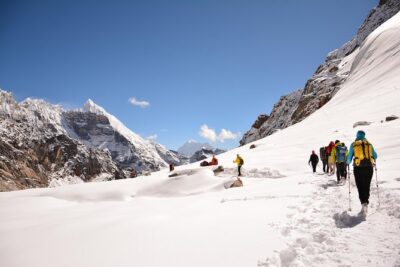
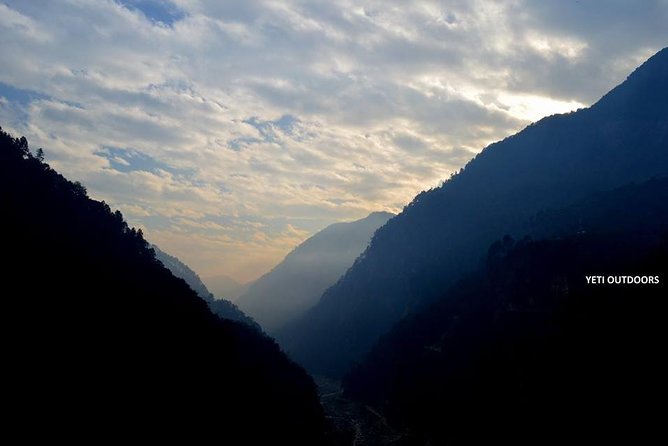
The payoff is tied to the wider peak group mentioned: Banderpunch and Kala Naag are referenced as being seen in all their glory. That’s your visual reward: from higher ground, the trekking route stops feeling like a line in the forest and becomes a set of views you can track—valleys, ridgelines, and neighboring peaks.
For you, the practical takeaway is simple: summit days feel steeper than they look on a map. Even with an easy rating overall, treat the top approach as your main workout. Keep your breathing controlled, pause before you feel gasping, and don’t force pace to “catch up.” If you want good photos, you’ll also want to plan for short stops instead of long breaks that make you cold.
Weather matters. The experience notes it requires good weather. On cloudy, wet days, summit visibility can drop, and trail footing can change quickly. If you’re traveling in monsoon season, go in with flexibility.
Camping life: tents, sleeping bags, and what that means for your comfort
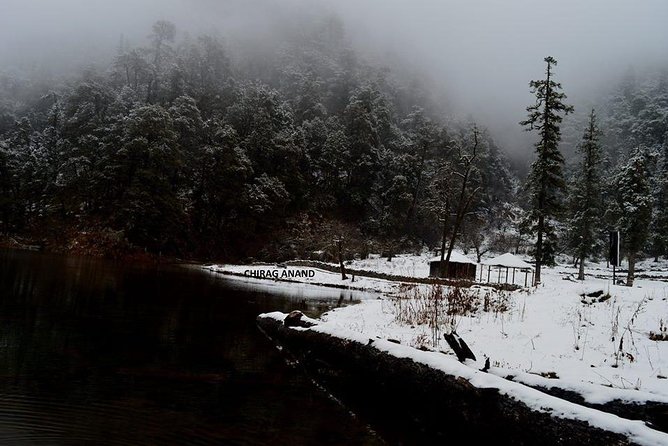
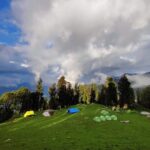
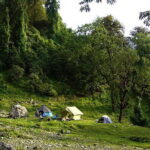
Camping is part of the experience, and the good news for first-timers is that you’re not on your own for the basics. Included is the use of technical/kitchen/central equipment, including tents and sleeping bags. Meals on trek are also included.
That means your biggest comfort variables become clothing, sleep setup choices you make, and how you manage warmth. At these altitudes, nights can feel colder than you expect even when daytime feels fine. The sleeping bag inclusion helps, but it’s still smart to wear dry layers to bed and keep a little system for your personal gear so you’re not scrambling when you’re tired.
Food is another included piece: all meals on trek are part of the package. One of the strongest impressions from people who’ve done this route is camp food that’s actually tasty, not just “survival fuel.” That matters more than you’d think because good meals help you keep energy up for the next walking day.
What to pack mindset: since the plan includes equipment and tents, you can focus your packing on personal clothing and comfort items rather than bulky camp gear. You’ll still want good trekking footwear and weather-ready layers.

Guides and team support: Manish and Rishabh set the tone
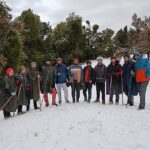
This trek isn’t a do-it-yourself mountain walk. It’s run with a team that includes guides, cooks, helpers, and porters/mules. That support system is what keeps the trek smooth—especially when you’re carrying less, and when you want someone to manage pace, camp setup, and the day’s decisions.
The guide names that come up clearly here are Manish and Rishabh. People highlighted friendly local knowledge, and one message specifically praised Manish as an excellent trek leader and a pleasant person to talk with. Another note said the team went the extra mile to listen to requests, which is a big deal on a trek where small needs—stopping to rest, adjusting pace, or handling comfort questions—make the whole day feel better.
There’s also a recurring theme: equipment quality and camp organization. When you’re trekking in a remote area, the difference between an OK setup and a solid setup is real. Better gear means more sleep, and more sleep means better walking the next day.
If you want an organized, human-led experience rather than just a route, this is the right kind of operation.
Price and value: what $191.70 covers (and what it doesn’t)
The price listed is $191.70 per person, for an experience of about 5 days. On paper, that could sound “budget,” but the value comes from what’s included.
What you get included:
- tents and sleeping bags (camp gear)
- all entry fees and permits
- all meals on trek
- guide, cook, helpers, and porters/mules
- all fees and taxes
What you don’t get included:
- insurance and claims related to natural events like landslides or road blockage
- personal expenses
- stay and food in Mussoorie (this is specifically mentioned) and food during transit
- transportation can be arranged on request for an extra charge
So you’re paying for the trek package itself and the core mountain labor. That’s the biggest reason the price can feel fair: the heavy lifting logistics are taken care of, so you don’t need to source gear, permits, or camp staffing on your own.
Also worth noting: there are group discounts and pickup is offered. Your exact pickup details aren’t fully spelled out here, so if that matters, confirm what pickup covers and from where.
Practical thought: if you already have trekking basics and you can handle your own travel to the region, you may find this is one of the simpler ways to get a first Himalayan trek without drowning in planning.
Timing and weather: all year, but monsoons change the rules
Best time is listed as all year round, with monsoons a little tricky. That’s the honest line you need to hear. Even when a trek can run in monsoon season, the experience depends on conditions on the ground.
The note about the experience requiring good weather also matters for how you plan. If weather is poor, you’ll be offered a different date or a full refund. That reduces risk if you’re flexible.
If you’re choosing dates, here’s how I’d think about it:
- In clearer seasons, you’ll likely enjoy easier trail visibility and more comfortable camp rhythms.
- In monsoon periods, plan for wet trails, slower walking, and a higher chance of schedule changes.
The trek is rated easy, so it’s a great candidate for first-timers—just don’t assume easy means risk-free. Weather is part of the deal in Uttarakhand.
What a private group feels like on this route
This is labeled as a private tour/activity, meaning only your group participates. You start and end at the same meeting point, with services designed around your group.
For you, private can be a comfort win. You aren’t negotiating with strangers for pace, bathroom breaks, or photo stops. It also makes guide communication easier, especially when you have questions about altitude, rest timing, or how the next day’s walking will feel.
If you’re coming with friends or a small team, this structure usually helps the trip feel more personal. If you’re traveling solo, you might still enjoy it, but you’ll want to check how the private grouping works with your dates since the confirmation is subject to availability.
Practical tips to get the most out of Dodital and Darwa
You’ll have a better time if you plan like this is a walking-focused trip, not a “sit and watch” holiday.
- Take it slow early. Altitude sneaks up. Even on easy terrain, your heart and breathing notice the change.
- Keep your layers simple and dryable. A rain layer helps, and dry socks at camp can be a big mood upgrade.
- Bring small patience. Forest trails and camp days reward calm pacing more than hurry.
- Respect the setting. You’re walking through a route used by herdsmen and holy men, not a sealed tourist corridor.
If you’re a bird and nature lover, the forest mix—oak, pine, deodar—plus the lake environment should give you plenty of quiet moments. You may not need to “hunt” for wildlife; just slow down and look around when the trail isn’t demanding your full focus.
Should you book Dodital Himalayan Trek and Camping?
You should book this if you want:
- a first Himalayan-style trek that’s not technical
- camp support with tents and sleeping bags handled
- a route with both natural beauty (Dodital Lake, trout, forests) and cultural meaning (Lord Ganesha birthplace and the Yamunotri–Gangotri trail connection)
- a team vibe that’s attentive, with guides like Manish and Rishabh highlighted for local knowledge and extra care
Skip it or rethink your dates if:
- you’re traveling in the thickest monsoon weeks and you hate weather uncertainty
- you’re looking for a lightweight day-hike only, with no altitude commitment
- you need all-inclusive travel to and from the region, since transportation is available on request and personal transit food/stay isn’t included
If your goal is a genuine Himalayan introduction with good organization and a memorable lake-and-summit arc, this trek makes a lot of sense for your next trip.
FAQ
How long is the Dodital Himalayan Trek and Camping?
It’s listed as 5 days (approximately).
What’s the highest altitude on this trek?
The maximum altitude reached is 4,200m.
Is this trek difficult?
The trek is rated easy. Most travelers can participate, but you’ll still be walking at altitude.
Where do I meet the group and what time does it start?
The start point is Yeti Outdoors, and the start time is 9:00am. The activity ends back at the meeting point.
Is pickup included?
Pickup is offered, and transportation can also be arranged on request for an additional charge.
What’s included in the price?
Included are tents and sleeping bags, kitchen/technical/central equipment, entry fees and permits, all meals on trek, and the services of guides, cooks, helpers, porters, and mules. Fees and taxes are also included.
What’s not included?
Not included are insurance and claims related to natural calamity, personal expenses, stay and food in Mussoorie, food during transit, and any transportation arranged on request.
What’s the best time to go?
It’s all year round, though monsoons are noted as a little tricky.
What happens if the trek is canceled due to weather?
If it’s canceled due to poor weather, you’ll be offered a different date or a full refund.