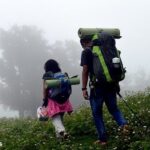
Snowline ambitions without the hard grind. Kedarkantha is a classic 5-day Himalayan camping trek that tops out at 3,810m inside the Govind wildlife sanctuary and national park. I love how the same trail can feel completely different depending on the season: thick winter snow and frozen lakes in the colder months, or lush green meadows when the snow melts.
I also like that you are not stuck sourcing gear and meals. Tents, sleeping bags, kitchen equipment, and all meals on trek are included, so your planning time drops fast. One consideration: this is a weather-based high-altitude trek, so in poor conditions your schedule can shift, and cold nights are part of the package.
If you want a trek that feels beginner-friendly without being boring, this is a strong fit. The trek runs all year except monsoons, and the total distance is about 20 km, split across the days so you can pace yourself.
In This Review
- Key things to love about Kedarkantha
- Kedarkantha in one breath: snow peaks and a manageable 20 km trek
- Getting to the mountains: Rishikesh start, Sankri drive, and why it matters
- Five days of trekking: forests, meadows, lakes, and the summit day feel
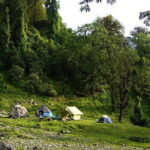
- Camping setup you do not have to think about
- The team behind the trek: guides, history, and calm focus
- When you go changes the trek’s personality (and your photos)
- Price and value: what $156.02 covers (and what you need to plan for)
- Who should book this Kedarkantha trek?
- Final call: should you book with Yeti Outdoors?
- FAQ
- Where does the Kedarkantha trek start?
- How long is the trek?
- What is the highest altitude reached?
- What trek level is this?
- What’s included in the price?
- What is not included?
- Is pickup available?
- What are the best months to go?
- Is this a private group experience?
- What is the cancellation policy if weather turns bad?
Key things to love about Kedarkantha
- 3,810m summit views in Govind wildlife sanctuary and national park
- Snow in winter, meadows in summer on the same classic route
- All camping and kitchen gear included, so you travel lighter
- Meals covered on trek, which makes days far easier to manage
- Small-distance pacing that fits an easy-moderate level
- A scenic start via Sankri with drive stops through hill towns like Mussoorie, Purola, Mori, and Natwar
Kedarkantha in one breath: snow peaks and a manageable 20 km trek
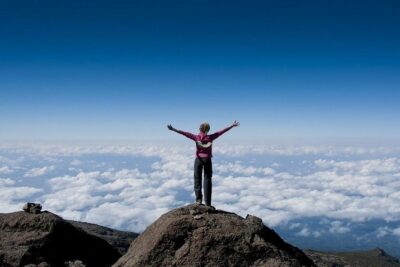
Kedarkantha sits at the kind of altitude that changes your whole body rhythm. At the summit, you’re at 3,810m / 12,500 feet, which means crisp air, big views, and nights that require real warmth. The good news is the route is built for steady progress. With about 20 km total trekking distance across roughly 5 days, you are not doing huge slogs in one go.
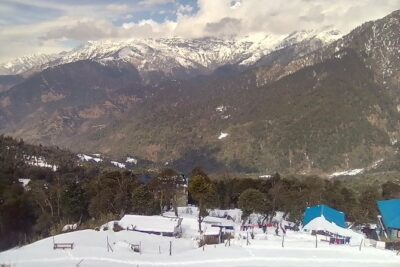
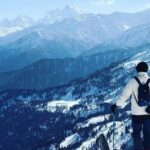
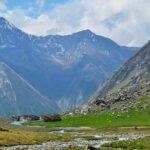
What makes Kedarkantha special is how it keeps its promise across seasons. In Nov–June (and also Sept–Nov), you get thick snow cover. In the right summer window, you trade that snow for lush green meadows and active wild plant life. You also move through varied terrain: forests at lower elevations and open expanses as you climb toward the higher lookouts. That mix is part of why people love this trek for both first-timers and repeat visitors.
You can also read our reviews of more tours and experiences in Rishikesh.
Getting to the mountains: Rishikesh start, Sankri drive, and why it matters
This trek is based out of Rishikesh, and the start point is Yeti Outdoors. The start time is 9:00 am, with the activity ending back at the same meeting point. Pickup is offered, which helps if you do not want to deal with local transport on the first day.
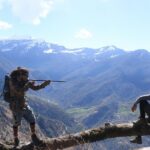
Before you even start trekking, there’s a scenic road stage: you drive toward the trek road head at Sankri. Along the way, you pass through hill towns including Mussoorie, Purola, Mori, and Natwar, many of them on the banks of the Tons River. For me, that drive is not just “getting there.” It is your warm-up. You start seeing the rhythm of Uttarakhand’s hill life, the steep valley shapes, and the way weather changes as you go higher.
If you hate sitting in a vehicle, plan to treat this as part of the experience, not a delay. Bring something to keep you comfortable in transit, and expect the roads to feel like roads in the hills: winding, slow at times, and very scenic.
Five days of trekking: forests, meadows, lakes, and the summit day feel
The trek is rated easy-moderate, and it’s designed for beginners who want a real mountain moment without training for weeks. A big reason it works is the pacing. Shorter daily effort means you can focus on breathing, footing, and taking in the view instead of racing the clock.
Over the course of the trek, you move through:
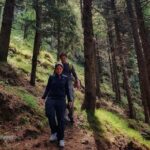
- Thick forests on the way up, where the route feels shaded and grounded
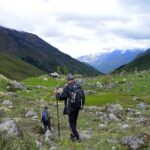
- Vast meadows, where the air opens and the sky becomes your compass
- Lakes, which are especially interesting in winter when they can be frozen
- Snowcapped peaks and Himalayan giants, depending on the season and visibility
You should expect the summit day to be the most intense. Even if the distance is not extreme, climbing to 3,810m asks for a slower pace. Take breaks before you feel forced to. In cold conditions, you’ll also feel “battery drain” faster, so keeping a steady rhythm matters.
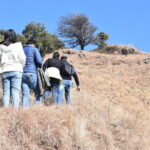
I like that Kedarkantha does not only rely on altitude for wow factor. The trail itself delivers. Forest-to-meadow changes keep your eyes busy, and the open areas help you understand the mountain scale around the Govind sanctuary.
Camping setup you do not have to think about
This is a camping trek, but it is not a DIY one. The experience includes tents, sleeping bags, and all technical/kitchen/central equipment. That matters more than people think.
If you have ever tried to plan a trek like this with limited local sourcing, you know the stress factor: getting the right tent, figuring out what “warm enough” means, and making sure your gear does not turn into dead weight on the approach. Here, the core camping pieces are already handled. You can focus on fitting in your clothing layers and keeping yourself comfortable during the day.
Also, you get all meals on trek. When food and basic camp needs are covered, hiking feels lighter. You’re not rationing your energy to stretch budget or searching for hot meals at random points. Meals help you maintain warmth and recovery, which is essential at high altitude and during cold nights.
One more practical point: the experience is run as a private tour/activity, so it is only your group. That usually helps keep logistics smoother and the pace more consistent.
The team behind the trek: guides, history, and calm focus
This is one of those trips where the guide can shape the whole mood. In a solo experience, the guide named Manish was specifically praised for explaining the place with history and geography, turning the journey into something like mental quiet, not just physical effort.
That kind of guiding is valuable because Kedarkantha is not only about reaching a point on a map. You’re trekking inside protected land, and having context for what you’re seeing can make the forests and meadows feel more meaningful. You get a better sense of why the route works, what kinds of nature live there, and how to watch for changes as the altitude rises.
If you prefer a trek that feels peaceful and intentional, this is the kind of atmosphere you should look for. The camping days also tend to be more than just sleep and repeat; one account highlighted the team’s care and small camp comforts like cozy bonfires, which is exactly the sort of thing that makes cold nights feel social instead of miserable.
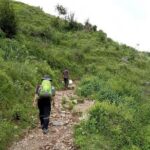

When you go changes the trek’s personality (and your photos)
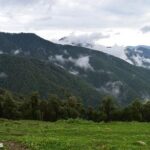
Kedarkantha can look wildly different across seasons, which is a big part of its appeal. The best time to go is listed as Nov–June and also Sept–Nov. The overall trek can be done all year around apart from monsoons.
Here’s how to choose based on what you want:
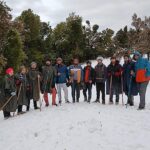
- Winter style (Nov–June): Expect thick snow cover. Frozen lakes are part of the scenery when the weather cooperates. Your days feel bright and crisp, and your night routine becomes all about staying warm.
- Shoulder season (Sept–Nov): Often a sweet spot for snow drama without the most intense mid-winter conditions. You still get that mountain “edge” in the air.
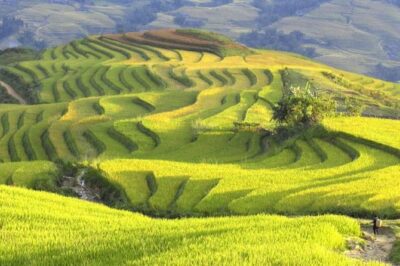
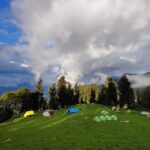
- Summer style: Expect lush green meadows instead of deep snow. The trek becomes more about flora and open views as the snowline retreats.
One practical warning: the experience requires good weather. If conditions are poor, you should expect a different date or a full refund, depending on what the operator can arrange.
Price and value: what $156.02 covers (and what you need to plan for)
At about $156.02 per person for a trek of roughly 5 days, the value comes from what’s bundled. This price includes:
- All entry fees and permits
- All meals on trek
- Guides, cooks, and helpers, plus porters/mules
- Tents and sleeping bags, along with the technical and kitchen equipment
- All fees and taxes
That’s a lot of “hidden costs” that usually add up on trekking trips. Here, many of the big variables are already handled.
What is not included is also important:
- Insurance and claims due to natural events like landslide/road blockage
- Personal expenses
- Stay and food in Mussoorie / food during transit
- Transportation can be arranged on request, but it’s extra
So I think the best way to judge price is simple: if you would otherwise have to rent a tent and sleeping bag, buy meals daily, and pay for permits and guide support separately, the package looks fair. If you already have your own camping gear and you’re traveling with someone who covers permits and meals, you might find it less compelling. But for most people, this bundle is exactly why the trek works.
Who should book this Kedarkantha trek?
This trek is built for people who want a real mountain experience with structure, not chaos. “Most travelers can participate,” and the trek level is easy-moderate, which usually means your days are challenging but not reckless.
I’d especially recommend it if you:
- Want a beginner-friendly pace with small daily distance
- Enjoy camping and want the mountains with basics handled for you
- Like the idea of a trek that can be snowy or green, depending on month
- Prefer a guided trip where someone explains what you’re seeing
You might rethink if you:
- Hate cold nights and are not willing to pack layers for winter conditions
- Are uncomfortable with weather dependence at higher altitudes
- Need a guaranteed schedule regardless of road and mountain conditions
Final call: should you book with Yeti Outdoors?
If you want an organized Kedarkantha trek that covers the heavy logistics—permits, meals, camping gear, and a guiding team—this is a strong option. The included sleeping setup alone is a big deal, and the trek’s pacing makes it feel doable without stripping out the summit reward.
The only real downside is also the nature of the mountains: weather and road conditions matter. But the operator’s weather-based approach (offering a different date or refund) is the right response for a trek like this.
If your dream is snow peaks in winter or green meadows in warmer months, Kedarkantha hits that switch without changing the whole plan.
FAQ
Where does the Kedarkantha trek start?
It starts at Yeti Outdoors in Rishikesh at 9:00 am, and the experience ends back at the same meeting point.
How long is the trek?
The duration is 5 days (approx.).
What is the highest altitude reached?
The maximum altitude reached is 3,810m / 12,500 feet.
What trek level is this?
The trek is rated easy-moderate.
What’s included in the price?
Included items are tents and sleeping bags, all entry fees and permits, all meals on trek, and the services of guides, cooks, helpers, and porters/mules, plus fees and taxes.
What is not included?
Not included are insurance, personal expenses, stay and food in Mussoorie, food during transit, and additional transportation unless arranged on request.
Is pickup available?
Yes, pickup is offered.
What are the best months to go?
The best time to go is Nov–June and also Sept–Nov.
Is this a private group experience?
Yes. It is listed as a private tour/activity, so only your group participates.
What is the cancellation policy if weather turns bad?
You can cancel for a full refund up to 24 hours before the experience’s start time. The trek requires good weather, and if it’s canceled due to poor weather, you’ll be offered a different date or a full refund.