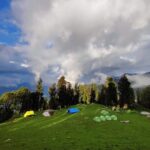
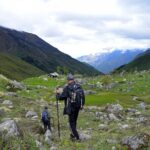
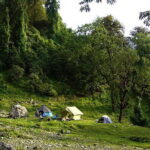
Benog Hill is a fast way to change scenery. This day trek out of Clouds End takes you through the Mountain Quail forest and up toward Benog Tibba’s 2,250m summit, with 360-degree Himalayan views and time at the Benog Wildlife Sanctuary. I also like the practical pacing: you get lunch, snacks, and bottled water built into the plan, so you’re not stuck figuring it out mid-hike. One thing to consider is that the views can depend on weather, so plan for a day that stays flexible if the clouds roll in.
The best part for me is that it feels like real time in the hills, not a rushed sightseeing circuit. Still, this is about 10–11 km of hiking and a real climb, and the 9:30 am to 3:30 pm window is “tentative” in mountain conditions. If you’re new to slopes or you’re traveling with kids, I’d go slow and treat the first hour as your warm-up rather than a race.
In This Review
- Key things I’d watch for before you go
- A short day trek from Mussoorie’s edge
- Benog Wildlife Sanctuary: where the views start doing work
- Up to Benog Tibba (2,250m) and the Jwala Devi temple
- What the $26 price really covers (and what it doesn’t)
- Weather and timing: the day runs on mountain reality
- Photography and wildlife-leaning moments (without the stress)
- Who should book Benog Hill, and who might want a different day
- Should you book this Benog Hill Trek?
- FAQ
- FAQ
- Where does the Benog Hill Trek start and end?
- How long is the Benog Hill Trek?
- How far will you hike?
- What altitude do you reach on the trek?
- What’s included in the price?
- What’s not included?
- What happens if the weather is poor?
Key things I’d watch for before you go
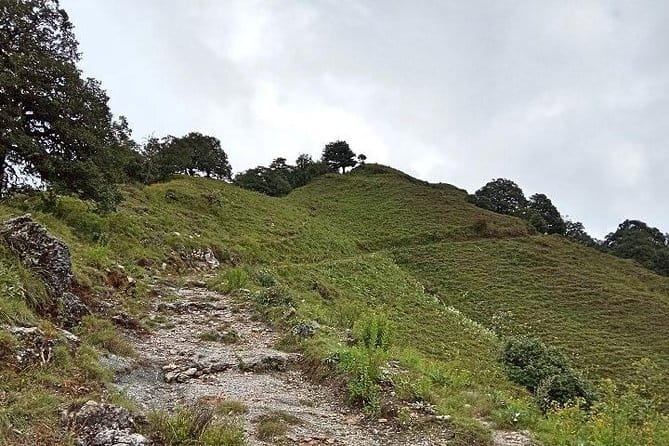
- Clouds End start point: simple meet-up in the Mussorie hill zone, and the trek loops back to the same place.
- Benog Tibba summit at 2,250m: your pay-off altitude is high enough to make the air and light feel different.
- Benog Wildlife Sanctuary time: expect a real nature setting, plus major viewpoint moments.
- What you get for the price: lunch, snacks, bottled water, and an admission ticket for about 45 minutes.
- Weather-dependent day: the operator notes you’ll be offered a new date or a full refund if conditions are too poor.
- Not everything is included: GST, forest entry permits, and private transport are listed as separate items.
A short day trek from Mussoorie’s edge
Benog Hill Trek is built for people who want mountain views without the drama of multi-day travel. You start and finish around Clouds End (west of Mussoorie), and the trek runs roughly 5 to 6 hours in total, depending on how your group moves. It’s also a private tour/activity, so you don’t get mixed into a random crowd.
The route covers about 10–11 km, which sounds doable on paper. In practice, the “feel” comes from the climb to Benog Tibba (2,250m) and the fact you’re hiking in forest terrain. The good news: the plan is structured around that climb, with breaks and food included.
I like that the meeting is close to public transportation. If you’re already in Mussoorie and you don’t want to hire a full private car just to reach a trailhead, this makes the day much easier to pull off. And since you’ll get a mobile number to coordinate with your guide, you’re not left guessing at the start.
You can also read our reviews of more tours and experiences in Rishikesh.
Benog Wildlife Sanctuary: where the views start doing work
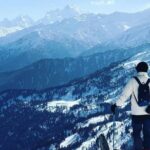
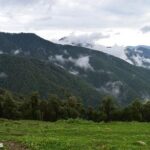
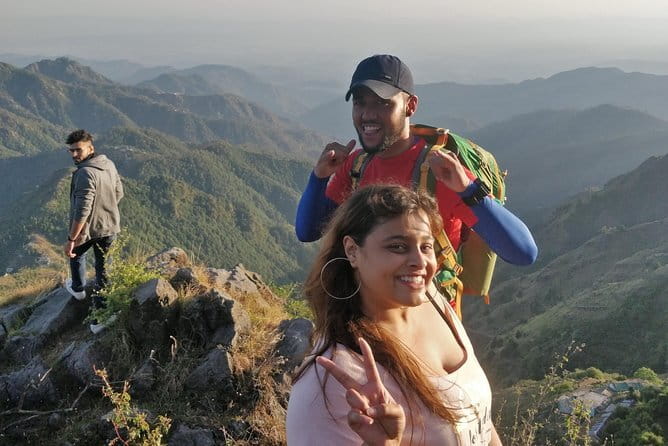
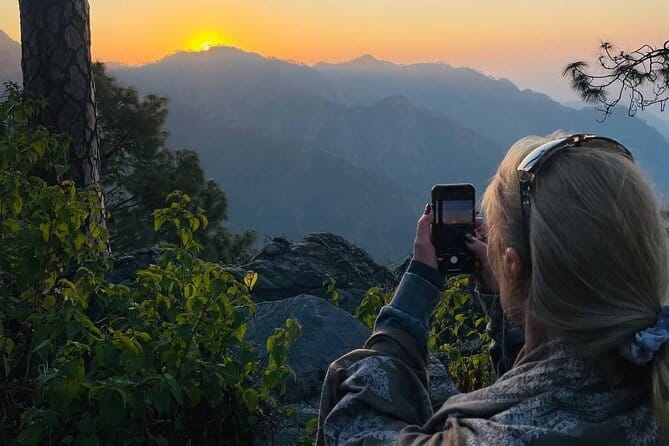
Your first big stop is the Benog Wildlife Sanctuary area. This is where the experience shifts from “trail walk” into “mountain day.” You can expect 360-degree Himalayan views, which is the kind of payoff that changes how you feel about the climb—suddenly you’re not just walking, you’re earning a panorama.
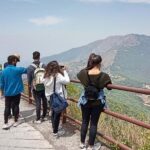
The tour plan gives time for the sanctuary experience. You’re included for an admission ticket for about 45 minutes, which is long enough to soak in the lookout without feeling trapped. It’s also enough time to reset your camera grip and check the light, which matters on hill treks when clouds pass through fast.
What to do with this viewpoint window:
- Take a moment to look far first, then closer. You’ll notice how valleys and ridgelines stack up.
- If you shoot photos, bring a lens you can switch quickly. Distance and foreground both matter here.
- If you’re sensitive to temperature swings, layer up before you start the main ascent.
The downside to big viewpoint moments is crowd behavior, but since this is private and your group is only your group, you should have less of that headache. Still, do expect a bit of wind up high, because the open view can pull it right through.
Up to Benog Tibba (2,250m) and the Jwala Devi temple
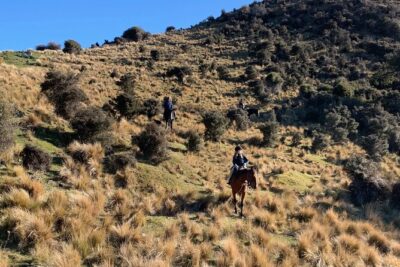
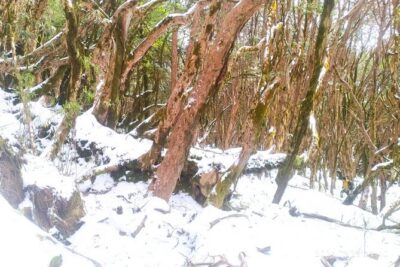
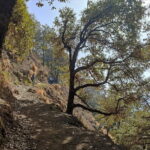
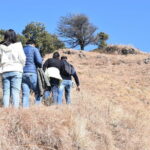
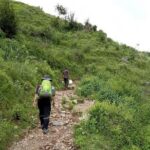
The heart of the day is the hike up to Benog Tibba, reaching 2,250m. The trail is described as a forest nature route in the Mountain Quail Sanctuary, so you’re not just doing a straight-line climb. Think of it as steady walking with changing scenery: shade early, more exposed moments as you gain elevation, and a final push toward the top.
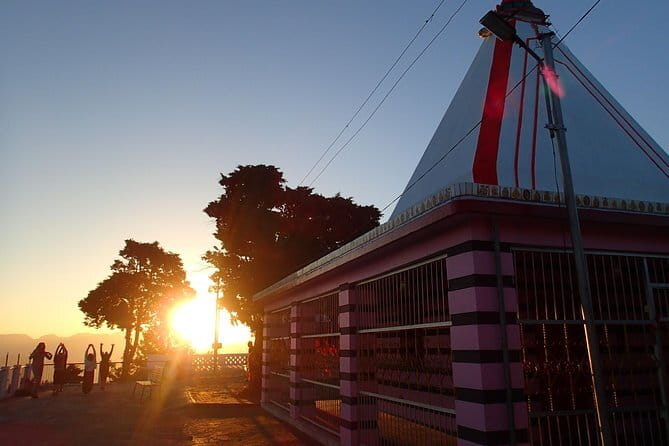
At the summit area, the hike links you with the Jwala Devi temple at Benog Hill top. That matters more than you might expect. Temples on hill tops aren’t just “extra.” They give the hike a finish line that feels meaningful, and they often slow people down in a good way. You’re not rushing past a spot; you’re arriving somewhere.
This portion also tells you a lot about how you’ll enjoy the trek:
- If you like forests and quiet, you’ll enjoy the shaded stretches.
- If you prefer constant scenery, you might find yourself waiting for those viewpoint moments, so keep your eyes up for changing angles.
- If you’re doing this with kids or older hikers, the climb will matter more than the distance. Go slow and take breaks, because the route is rewarding when you’re not breathless.
Food timing helps here. The plan includes lunch, snacks, and bottled water, which gives you a real buffer for the climb. I’d still bring a small personal snack too, just in case you’re the type who burns energy faster than the schedule expects.
What the $26 price really covers (and what it doesn’t)
For $26, this trek is surprisingly value-forward if you’re staying in Mussoorie and want a guided hill day. The most important included items are practical: bottled water, lunch, and snacks. You’re also getting an admission ticket for the sanctuary portion, which saves you from hunting down pay gates mid-day.
You’re not just paying for walking time. You’re paying for a guide and for the structure that makes a near-day trek work. That structure is where you feel the difference: you know when you meet, where you return, and you’re not stuck figuring out trail timing while you’re already tired.
It’s also worth noting what’s not included. The listing specifies GST, private transportation, and forest entry permits are not included. In other words, you’ll want to plan how you’ll reach Clouds End on your own, or clarify the forest permit situation with the operator before you go. If you show up expecting everything to be handled, you might get surprised at the last moment.
If you’re traveling solo, this setup can be a relief. Past trekkers highlighted how accommodating the team was, and that kind of support matters when you’re navigating a new area without a group behind you. Names mentioned in prior experiences include Anurag and Raman’s team, both tied to the way the guides communicate and care about the land.
Weather and timing: the day runs on mountain reality
This experience requires good weather. If conditions are too poor, the operator states you’ll be offered a different date or a full refund. That’s a big deal on a hill trek, because bad weather doesn’t just cut views—it can change footing and comfort.
The scheduled timing is 9:30 am to 3:30 pm, but it’s explicitly tentative. Mountain days shift based on weather (sunny, cloudy, cool), fitness level, and age groups. So don’t treat the clock like a prison. Treat it like a planning tool.
For your packing checklist, I’d plan for temperature swings. Even if Mussoorie feels mild, hill treks at 2,250m can feel cooler, especially when clouds cover the sun. Wear shoes with grip you trust, and bring a light layer you can throw on when the wind shows up near viewpoints.
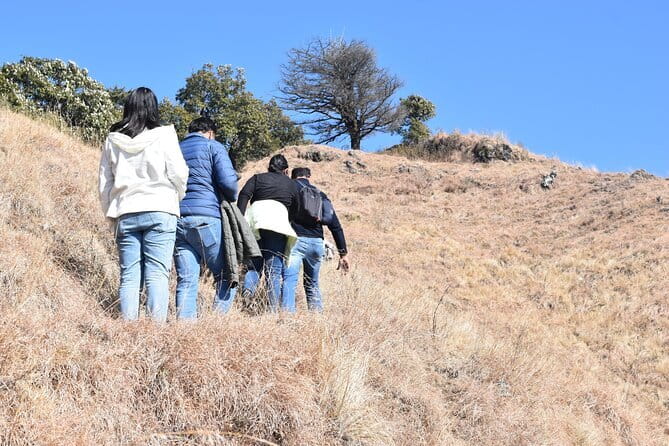
Also, aim to keep the first part relaxed. The trail starts as a nature walk from Clouds End, giving scenic looks at the hill village area. That first segment is a great time to warm up and get your pace right so the later climb doesn’t feel like punishment.

Photography and wildlife-leaning moments (without the stress)
This is marketed for wildlife photographers and nature lovers, and the forest setting gives you a chance to slow down and look. You’re not guaranteed to see something rare every minute, but you are in the right habitat for noticing birds, movement, and the way light changes under canopy.
A practical way to handle photography on a day like this:
- Spend your first 15 minutes looking up and scanning. Then you’ll know how the light is behaving.
- At the 360-degree views, pause longer than you think. The best angles often take two tries because wind and clouds change framing.
- If you like portraits, the shrine area at the top tends to provide a clear “arrive-and-compose” moment, which is better than fighting for shots while you’re still climbing.
One more thing: the trek is also described as suitable for hikers of all age groups. That doesn’t mean it’s effortless; it means the route is approachable when you respect pace. You’ll have the most fun if you treat it as a nature walk with a climb, not a fitness test.
Who should book Benog Hill, and who might want a different day
This trek fits best if you want:
- A day hike near Mussoorie that feels outdoors-first
- Big viewpoints without a long travel day
- A mix of forest walking, summit arrival, and a temple finish
- Included meals so your day stays simple and predictable
You might want a different option if you need a very flat walk. With 10–11 km and a climb up to 2,250m, your knees and lungs will notice the difference. The route can still work for many people, but if your comfort level is limited, pick a slower group pace and be honest about what you can handle.
I also think it’s a strong choice for people who care about the guide experience. Prior trekkers praised the team for being helpful, professional, and connected to the land, with standout mentions of guide Anurag and Raman’s team. When a guide understands the place, you tend to walk with more purpose, not less.
Should you book this Benog Hill Trek?
Book Benog Hill Trek if you want an organized, value-friendly mountain day from Mussoorie with real views and real breaks. At $26, the included lunch, snacks, and bottled water do a lot of the heavy lifting for value, and the plan keeps you from dealing with messy logistics mid-hike.
Skip or consider carefully if you’re traveling when weather is uncertain. Because the operator flags good weather requirements, your comfort and viewpoint payoff depend on the sky. Also double-check the parts listed as not included: GST, private transport, and forest entry permits.
If your goal is a satisfying half-day-to-day outdoors reset—forest air, a summit finish at a hill temple, and wide-open views—this trek is a very sensible bet.
FAQ
FAQ
Where does the Benog Hill Trek start and end?
The trek starts and ends at Clouds End, west of Mussoorie. You’ll meet your adventure trek leader there at 9:30 am, and the activity ends back at the meeting point.
How long is the Benog Hill Trek?
It runs about 5 to 6 hours in total, with a scheduled window of 9:30 am to 3:30 pm. The exact time can change based on weather and group pace.
How far will you hike?
Distance covered is listed as approximately 10–11 km.
What altitude do you reach on the trek?
The hike includes reaching Benog Tibba peak at about 2,250m, near the Jwala Devi temple at the hill top.
What’s included in the price?
Included items are bottled water, lunch, snacks, and an admission ticket (for about 45 minutes).
What’s not included?
Not included items are GST, private transportation, and forest entry permits.
What happens if the weather is poor?
This experience requires good weather. If it’s canceled due to poor weather, you’ll be offered a different date or a full refund.