REVIEW · RISHIKESH
Bhadraj Forest Trek
Book on Viator →Operated by TrailHikers · Bookable on Viator
A good day walk starts with a view. This Bhadraj Forest Trek in the Himalayan foothills links scenic villages, forest trails, and big Doon Valley outlooks, then rewards you with an open-air summit picnic. I especially like two things: the route’s sweeping panoramas, and the fact that your summit lunch is included so you don’t have to plan food on the fly.
You should consider one drawback: the timing is flexible and depends on weather and fitness levels, so a cloudy day can mean slower pacing and less sky for those far-off peaks. Still, it’s a solid full-day trek format if you show up ready to walk. You’ll start at Clouds End and work your way toward Bhadraj Hill on a day that runs roughly 9:30 am to 4:30 pm.
In This Review
- Key Things I’d Put at the Top of Your Checklist
- Clouds End to Bhadraj Hill: The trek in plain terms
- Entering the trail at Clouds End: cliffs, Chhaskhet, and an easy start
- Bulyat Village outlook: the Doon Valley moment after ~2 km
- Village Dudhli by 11 am: juice break and a smarter mid-point
- Bhadraj Hill summit: picnic lunch, snacks, and 360-degree views
- Timing that adjusts: private guiding with real-world flexibility
- Price and logistics: what $50 buys you (and what it doesn’t)
- TrailHikers day trek: where the route leads (and why that matters)
- Potential hiccups to plan for
- Who should book this trek, and who should skip it
- Should you book the Bhadraj Forest Trek?
- FAQ
- What time do I need to report for the Bhadraj Forest Trek?
- How far is the trek?
- What’s included for food and drinks?
- Are forest trekking permits included?
- Is this a private tour?
- What happens if the trek can’t run due to poor weather?
Key Things I’d Put at the Top of Your Checklist
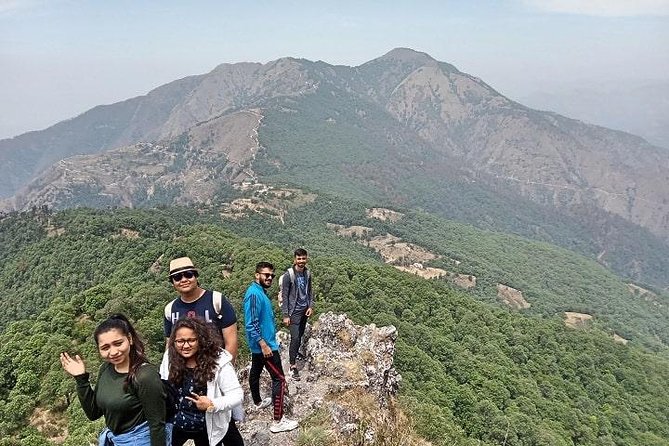
- Clouds End sets the tone fast with limestone cliffs and early village views right from the start
- Bulyat Village brings Doon Valley panoramas after about 2 km of easy-to-manage trail
- A Dudhli juice break keeps you fueled before the route turns more trekking-focused
- Summit lunch is part of the deal with snacks and bottled water included
- You’re not locked into one rigid pace since the schedule adapts to conditions
Clouds End to Bhadraj Hill: The trek in plain terms
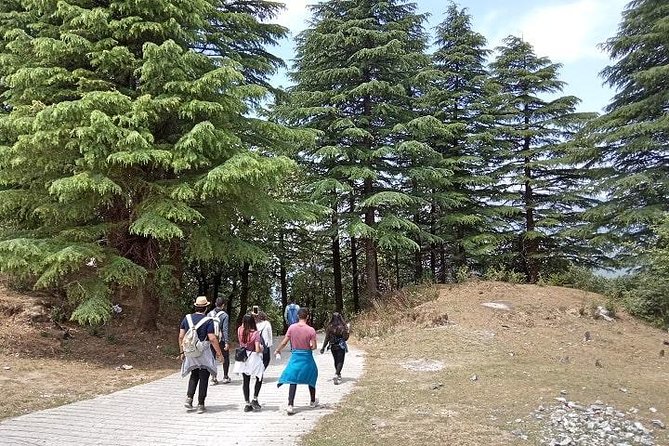
Think of this as a full-day hike in Mussoorie’s foothills aimed at views and a temple-summit payoff, not a marathon. The walking distance is about 15–16 km, and the day is designed to fit a group schedule from 9:30 am to 4:30 pm. You’ll report at Clouds End (west of Mussoorie) and finish at/near Village Dudhli on the trek side, then the activity wraps back at the meeting point.
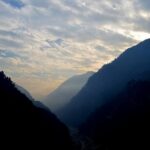
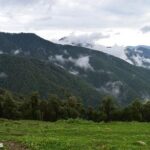
You’ll also want to know the elevation payoff. One description of the Bhadraj area puts the temple/summit area around 7,500 feet, and on a clear day that’s when those far-off snowy Himalayan peaks show up in the view. In other words, this isn’t just “walk and hope.” The route is arranged so the best looking parts come at multiple moments: early outlooks, mid-trek Doon Valley views, then the big summit panorama.
You can also read our reviews of more tours and experiences in Rishikesh.
Entering the trail at Clouds End: cliffs, Chhaskhet, and an easy start
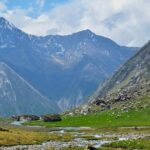
Your day begins at Clouds End Forest Resort area in the Hathipaon region. From the first stretch, the trail behaves like a nature walk before it becomes full trekking. One of the most memorable early pieces is how the scenery is split in two directions: you get village views toward Chhaskhet on one side, and huge limestone cliffs on the other.
This matters because it helps you warm up mentally as much as physically. If you start feeling stiff, you’ll be distracted by the view instead of just counting your steps. It’s also a good moment to spot footing conditions—because later trail sections include a mix that can feel more uneven.
Practical tip: since your day starts at 9:30 am, bring sunscreen and a light layer. Foothill trekking weather can shift quickly, and you’ll be moving from outlooks to forest shade.
Bulyat Village outlook: the Doon Valley moment after ~2 km
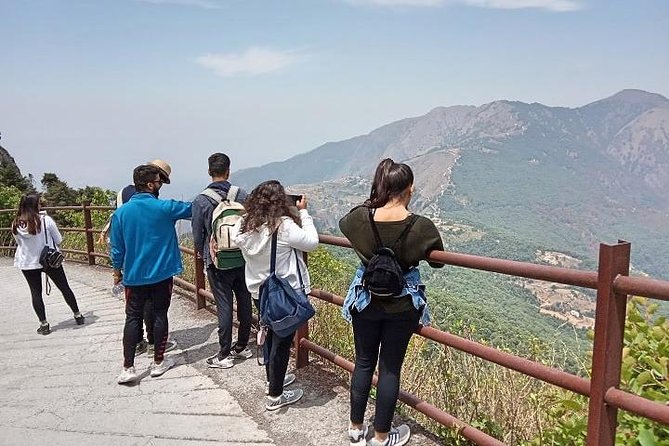
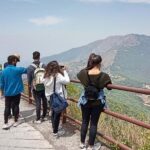
After about 2 km, you reach Bulyat Village, and this is where the route turns into a dedicated viewpoint phase. The panoramic view described here is of the Doon Valley, and that’s a key reason this trek feels worthwhile even if you don’t love long climbs.
From a practical standpoint, the timing is also friendly. You’re not forced to wait hours for your first real view. You get that “okay, this is why I’m walking” feeling while you’re still fresh, which makes the rest of the day easier.
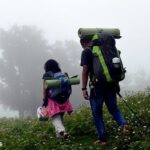
Then comes the transition: after Bulyat, the trail becomes narrower and more forested as you head toward Village Dudhli. This shift is normal, but it’s worth knowing so you don’t assume the whole trek will be wide and scenic. Some sections are more about steady walking than constant photo stops.
Village Dudhli by 11 am: juice break and a smarter mid-point
By around 11:00 am, the route reaches Village Dudhli. This is when you take a juice break. I like this kind of planned pause because it gives you a clear checkpoint in a day that otherwise can feel like one long sequence of moving.
And it’s not just comfort. A mid-trek break helps you pace the rest of the hike. If you’re carrying energy the “all at once” way, you can end up tired when the route starts asking more of your legs. Stopping at Dudhli early enough keeps you from burning out before the summit.
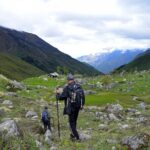
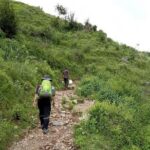
From here, you begin the next stage of the trek toward Bhadraj Hill. While the exact second-half terrain details aren’t listed step-by-step, descriptions of the overall day include contrasts in trail surface—cemented stretches, rocky segments, and forest trail—so your best strategy is simple: steady steps, short breaks when offered, and don’t sprint between viewpoints.
Bhadraj Hill summit: picnic lunch, snacks, and 360-degree views
The headline payoff is the summit lunch. Your package includes an open-air picnic lunch at the top, plus snacks and bottled water. That’s real value on a trek like this, because it removes the most annoying planning problem: figuring out what to eat once you’re out on the trail.
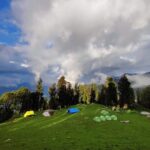
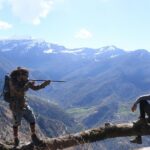
This is also where you’ll want to shift your mindset from walking to looking. One of the best-known benefits of this area is the 360-degree view from the Bhadraj Hill top. On a clear day, people describe seeing snow-clad Himalayan peaks far in the distance, which is the kind of skyline you don’t get from many urban vantage points.
Also, the trek is described as having different trail textures. That variety can be a plus if you get bored on one kind of path the whole day. It can also be a small challenge if your knees dislike rocky footing—so bring shoes with real grip.
Simple packing advice (based on what’s included and what isn’t): since food and water are provided, you don’t need a big lunch pack. But it’s still smart to bring a small personal layer, a cap, and anything you need for your comfort—like blister care.

Timing that adjusts: private guiding with real-world flexibility
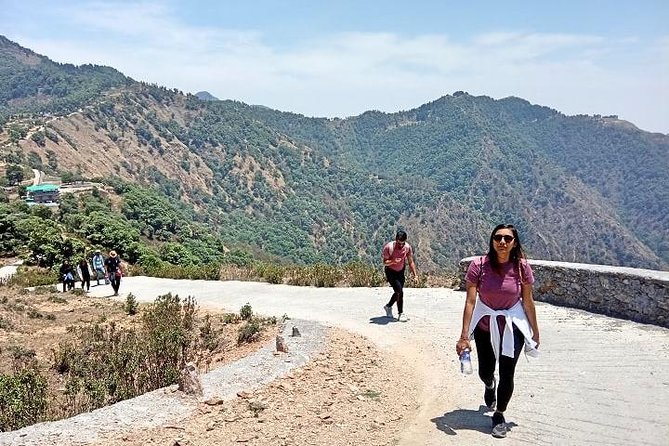
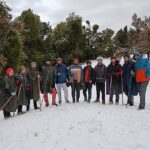
This is a private guided trek for your group, led by a trek leader you coordinate with at the start (you’re given a mobile number). Even though the day is scheduled from 9:30 am to 4:30 pm, the timing is described as flexible based on weather and fitness levels.
That flexibility matters. In foothill trekking, weather affects everything: visibility, footing (especially if paths feel slick or damp), and how long you’ll want to spend at lookouts. If clouds roll in, you’ll usually get better value from shortening photo-time and keeping the group moving rather than waiting for skies that may not open.
In past experiences, a guide listed as Mr. Sudee has been specifically praised for services and the overall quality of the day. That’s a good sign that you’re not just walking with a tracker app—someone is managing the flow, the pacing, and the small moments that make a route feel organized.
Price and logistics: what $50 buys you (and what it doesn’t)
At about $50 for a 7–8 hour day, the value is mainly in the inclusions:
- Snacks
- Lunch
- Bottled water
- Forest trekking permits
That’s a lot of “day-trek essentials” rolled into the price. If you’ve ever tried to do a similar foothill hike on your own, you know the cost creeps up fast once you factor in permits and the hassle of securing food along the way.
Logistics note: the package says transfers to and from the meeting point are provided, but it also states that transport/travel and lodging are not included. The practical takeaway is: you should plan to get yourself to the Clouds End meeting area, then rely on the trek’s start/end movement for the day’s flow.
Also, you’ll get a mobile ticket, and confirmation is received at booking. This is especially useful if you don’t want uncertainty hanging over your morning.
TrailHikers day trek: where the route leads (and why that matters)
This Bhadraj trek from the Clouds End side is organized around a progression of environments:
1) open outlooks near Clouds End (cliffs and village views)
2) Bulyat Village panoramas of Doon Valley
3) a forested narrow trail toward Dudhli
4) a summit phase with the open-air picnic and wide 360 views
Why this design is smart: it reduces the feeling of repetition. Even if some trail stretches are simply about walking, you’re usually walking toward another visual reward. It’s the difference between a trek that feels like a chore and one that stays interesting because the scenery changes.
One more detail worth holding in your head: the trek portion ends around Village Dudhli, but the activity ends back at the meeting point. So you’re not doing a one-way wilderness hike where you’re stuck arranging your own return.
Potential hiccups to plan for
I’ll be honest with you: the biggest risk with any guided day trek is an expectation mismatch. In one case, someone reported a route that didn’t match what they believed they booked, and that kind of confusion can wreck the day even if the walking itself is good.
How do you prevent this? Do two things:
- Confirm the hike is specifically the Bhadraj Forest/Trek route you want (Clouds End start, Bulyat and Dudhli progression, and summit lunch at the top).
- Ask how weather flexibility affects the exact sequence on your day. Since the schedule adapts to weather and fitness levels, the order and timing may shift.
Also keep in mind: this experience requires good weather. If conditions are poor, you’ll be offered another date or a full refund.
Who should book this trek, and who should skip it
This hike is designed so that most travelers can participate, but it’s still a real walking day. With 15–16 km on the schedule and a terrain mix that can include rocky and uneven parts, it’s best for people who:
- can comfortably walk most of the day
- enjoy viewpoints and photo breaks that are built into the route
- want a guide-led day that doesn’t require permit hunting or meal logistics
It may not be the right choice if you:
- want a super easy walk with minimal climbs or uneven footing
- hate schedule changes caused by weather
- need a very strict temple-only itinerary with zero flexibility
Should you book the Bhadraj Forest Trek?
If you want an affordable day out of Mussoorie with big viewpoint payoff, included food, and a guided route that makes sense, I’d say yes. The combination of Clouds End cliffs, Bulyat Doon Valley panoramas, and a summit picnic at Bhadraj Hill is a strong value package for people who like hiking and open air.
Book it if you’re flexible on timing and you understand that conditions can change. Skip it if you need an exact, unchangeable itinerary down to every stop. With that mindset, this trek has the right ingredients for a memorable Himalayan foothills day.
FAQ
What time do I need to report for the Bhadraj Forest Trek?
You report at Clouds End, west of Mussoorie at 9:30 am to meet your trek leader. The activity schedule is listed for 9:30 am to 4:30 pm for the day.
How far is the trek?
The distance covered is approximately 15–16 km.
What’s included for food and drinks?
Your package includes snacks, lunch, and bottled water.
Are forest trekking permits included?
Yes. Forest trekking permits are included in the trek.
Is this a private tour?
Yes. This is a private tour/activity, meaning only your group participates.
What happens if the trek can’t run due to poor weather?
This experience requires good weather. If it’s canceled due to poor weather, you’ll be offered a different date or a full refund.