REVIEW · RISHIKESH
Kuari Pass Trek- 8 Days
Book on Viator →Operated by Red Chilli Adventure · Bookable on Viator
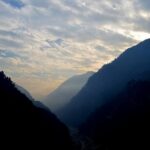
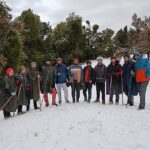
Cold morning. Big mountains.
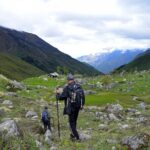
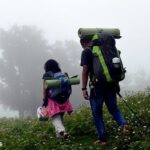
The Kuari Pass trek near Rishikesh is the kind of walk where a day’s effort buys you real payoffs: Himalayan giants, village life, and wilderness that feels far from the road. I especially like that it’s pitched as moderate for the Himalayas, with trek days that range from short climbs to one long altitude day—so you can pace it without sprinting.
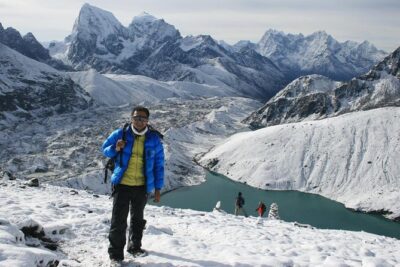
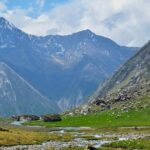
What I like most is the combination of wild views and human-scale walking. On a clear day, you can see peaks such as Nanda Devi (around 7816–7817m), Dunagiri (7066m), Kamet (7756m), and more, and the pass crossing day is timed for a morning summit-style moment. One consideration: this is a high-altitude trek (the Kauri Pass is at 3800m), so you need steady fitness and patience, and you also need good weather for the views.
In This Review
- Kuari Pass: the best reasons this trek gets recommended
- Kuari Pass with Red Chilli Adventure: what the trip really feels like
- Day 1: Rishikesh to Chefna (around 2000m) and your first mountain camp
- Days 2 to 4: Chefna to Ghuni, Semkherk Meadow, and Kaliaghat
- Day 5: Dhakauni at 3400m via Sartoli (3000m) — the long day you plan for
- Day 6: Kauri Pass crossing to Tali (3800m at Kauri Khal)
- Day 7: Dakbend or Auli (about 2500m), then drive to Joshimath
- Day 8: drive back to Rishikesh (about 9–10 hours)
- The views: what you should expect on clear days
- Guides and camp support: where trips like this succeed
- Price and value: is $2,000 per person worth it?
- When to go and what weather really means for this trek
- Packing and pacing tips that make a difference
- Should you book Kuari Pass Trek with Red Chilli Adventure?
- FAQ
- FAQ
- Where does the trek start and what time do we begin?
- How long is the Kuari Pass Trek?
- Is it suitable for someone with moderate fitness?
- Where is the highest point on the route?
- What elevations do we walk through on the main trek days?
- What does the itinerary include in terms of camping and food?
- Is this a private group experience?
- Are there any weather-related rules?
- Is free cancellation available?
- How is ticketing handled?
Kuari Pass: the best reasons this trek gets recommended
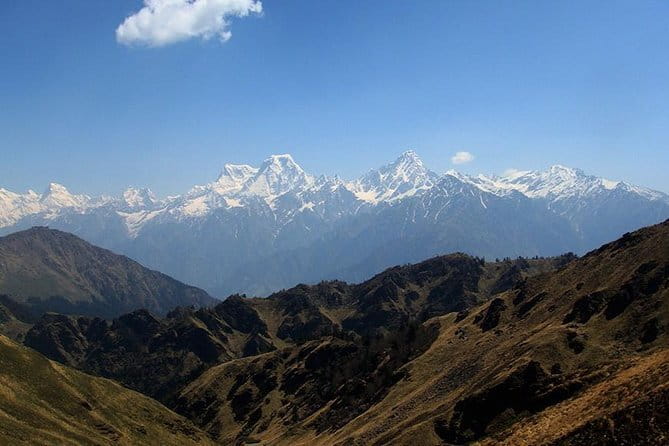
- The pass-day panorama: crossing at Kauri Khal (3800m) is the trip’s headline moment, especially on a clear morning.
- A balanced trek rhythm: you don’t just do steep climbs; you also get meadow and village-style walking.
- High-altitude peaks you can name: Nanda Devi, Dunagiri, Kamet are specifically part of the view picture when conditions cooperate.
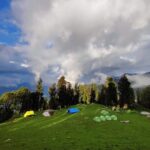
- Camps, tents, and real mountain nights: you start camping from day one and sleep in tents throughout the trek nights.
- Support that feels personal: guides and cooks have been praised in feedback for making the trip feel safe and well run.
Kuari Pass with Red Chilli Adventure: what the trip really feels like
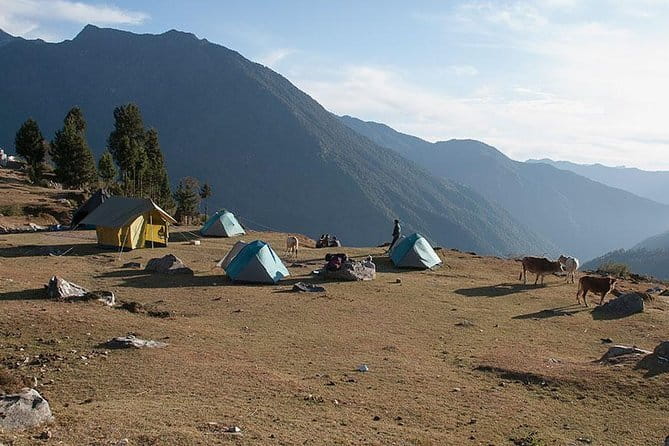
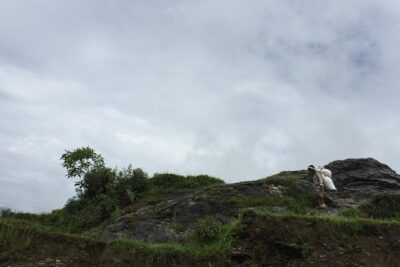
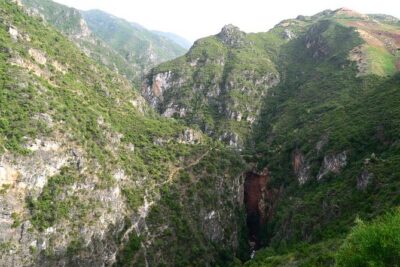
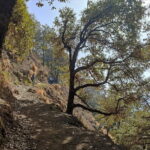
Kuari Pass has a reputation in Indian trekking circles for good reason. It’s not just about ticking a high point on a map. The route puts you through a mix of environments: Himalayan terrain, village routines, and stretches that feel quiet and remote. If you enjoy trekking because you want to see how mountains shape daily life, this one hits that balance.
You also start right where most people like to begin mountain trips in Uttarakhand: Rishikesh. Even before your first real walking day, you’re pushed into the trip mode—early start, long drive, and immediate immersion in the mountain setting.
And because this is offered as a private group activity (only your group participates), you’re not sharing the experience with strangers if you book as a small group. That can matter on a trek, where small differences in pace and expectations are easier to manage.
You can also read our reviews of more tours and experiences in Rishikesh.
Day 1: Rishikesh to Chefna (around 2000m) and your first mountain camp
On day one, you start with an early morning drive out of Rishikesh. The plan is roughly 9–10 hours of travel to reach Ghat (2000m) and then continue toward Chefna, which is the trek starting point.
Once you arrive, you don’t waste time. Dinner is served at the campsite, and you sleep in a tent. I like this setup because it turns day one into a clean transition: you’re moving toward altitude and trekking conditions, but you’re not asked to “start walking” as soon as you arrive.
The practical upside: you get your bearings on the ground before the real hiking begins. The downside: it’s a long travel day, so if you’re the type who hates big transit days, you’ll want to manage energy early—hydration, snacks, and a calm mindset help.
Days 2 to 4: Chefna to Ghuni, Semkherk Meadow, and Kaliaghat
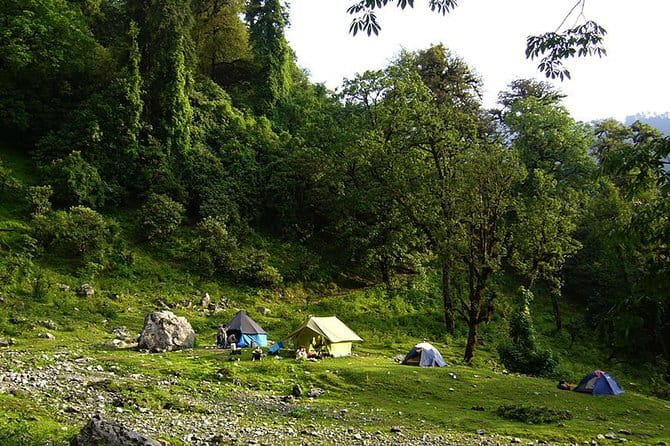
Day two takes you from Chefna to Ghuni (2550m) in about 3–4 hours. That’s a “wake up” day—enough walking to get your legs working, but not so long that you arrive exhausted. It also helps your body adjust to climbing elevation without punishing you.
Day three continues the gentler rhythm. You trek to Semkherk Meadow (2600m) in about 5–6 hours. Meadows in trekking routes often do two things: they spread the walking into a more readable pace, and they give you open-air breathing space—mentally and physically. If you want a trek where your day doesn’t feel like one long grind, this stretch supports that.
Day four climbs to Kaliaghat (2700m) in around 6 hours. This is where the routine starts to feel more “proper trek” than “getting started.” Expect steady progress and a growing focus on conserving energy for the later big day.
Day 5: Dhakauni at 3400m via Sartoli (3000m) — the long day you plan for
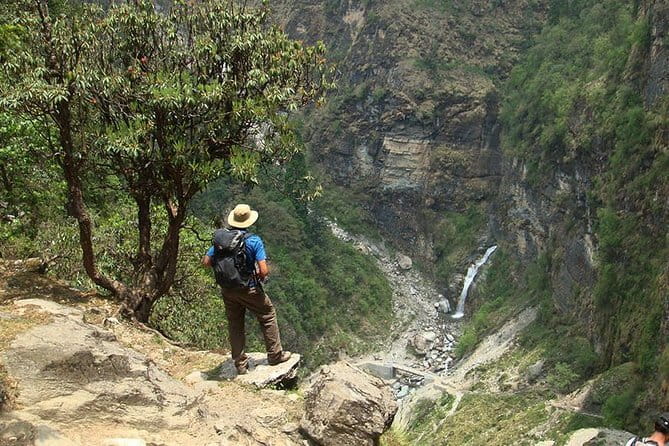
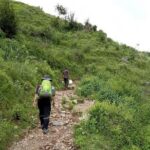
Day five is the schedule’s reality check. You’ll trek from the Sartoli (around 3000m) area up to Dhakauni (3400m), and the walk is about 8–9 hours.
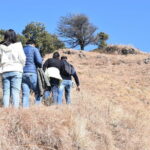
This is the day I’d mentally prepare as your main stamina test. You’re gaining altitude, and you’re also spending more hours on your feet than earlier days. If you pace well, it becomes an “earned altitude” day—slow breaths, steady footing, and time to adjust.
A few things to keep in mind:
- Long days at altitude feel harder than the numbers suggest.
- Good pacing matters more than speed.
- Don’t assume you can “make it up” later if you spend extra energy on day five.
The good news is that this route design includes earlier days that ease you into effort, so day five doesn’t come out of nowhere.
Day 6: Kauri Pass crossing to Tali (3800m at Kauri Khal)
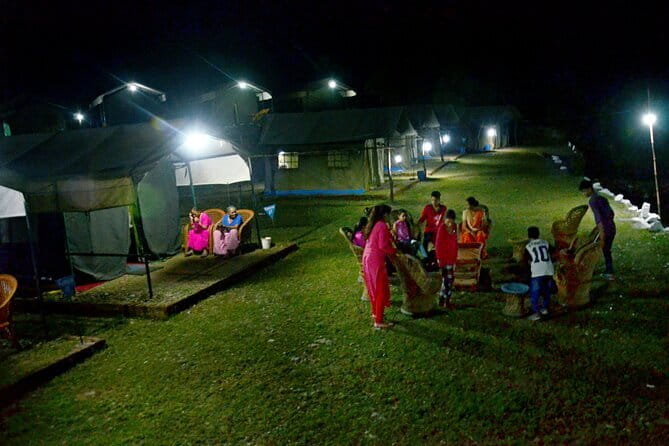
Day six is the highlight because it includes the Kauri Pass crossing. The pass point—Kauri Khal (3800m)—is the high marker, and the day’s trekking time is about 5–6 hours to reach Tali.
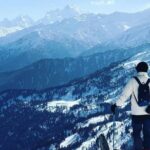
This is the day where the famous mountain-view logic kicks in. There’s a long-standing trekking narrative around reaching the pass early in a cold, clear morning to see vast mountain ranges spread out below and beyond. Even if you don’t chase myths, the timing matters for practical reasons: mornings are often sharper for visibility, and you’ll generally want to handle cold temperatures before they intensify later in the day.
In plain terms: you’re not just climbing a number. You’re walking into one of the trip’s biggest view windows.

Day 7: Dakbend or Auli (about 2500m), then drive to Joshimath
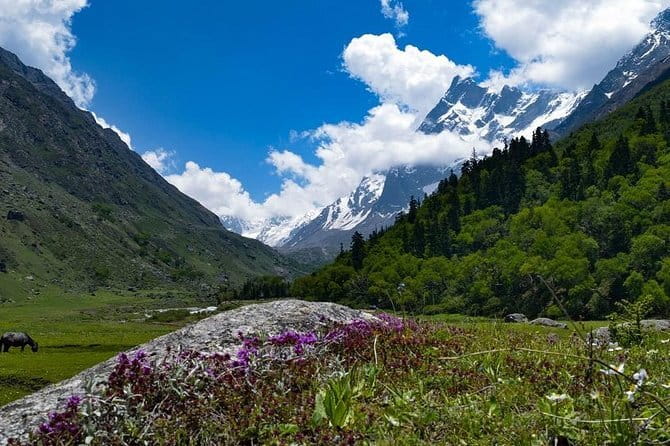
After the highest point day, day seven drops you back down to a trekking elevation around 2500m—either Dakbend or Auli—then you transition into a drive to Joshimath.
This “down and move” structure is smart. It gives your body a change of pace after the pass-day altitude, and it turns the day into a mix of walking and transportation rather than another all-day climb.
If you like trekking days that end with a sense of progress, this one works well: you’re still hiking, but you’re also getting into the post-trek rhythm.
Day 8: drive back to Rishikesh (about 9–10 hours)
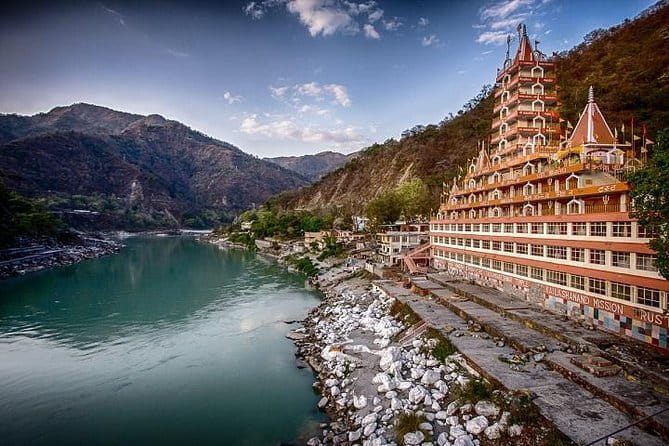
Day eight is the long return drive. After breakfast, you travel back to Rishikesh for roughly 9–10 hours, with lunch along the way.
It’s the kind of ending that’s both satisfying and a little bittersweet. Trekking days build a tight routine, and then the road brings you back to noise and traffic. If you’ve got the energy, enjoy it. If you’re worn out, plan for a low-key day when you arrive.
The views: what you should expect on clear days
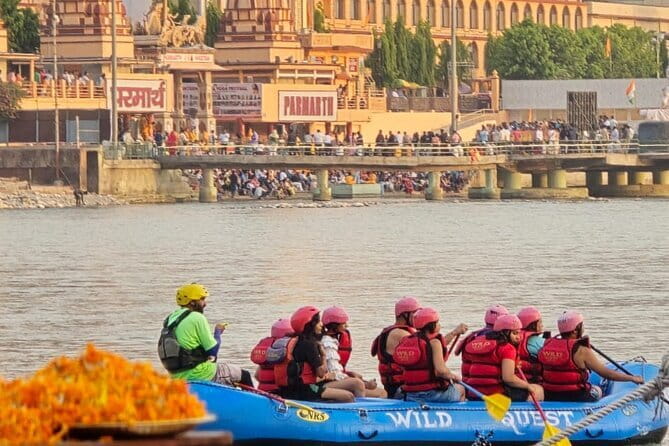
The trek is strongly built around visibility. On a clear day, the route is described as offering views of major peaks like Nanda Devi, Dunagiri, and Kamet, plus other Himalayan high points.
One review note also highlights that you can get big “360-degree style” sightlines from near the top. That kind of panoramic feel is exactly why people talk about this trek as more than a hiking chore. You’re walking through layers of scenery, and then the pass day opens the view wide.
Important reality check: the experience requires good weather. If visibility is poor, you’ll still hike the route, but the payoff can be muted.
Guides and camp support: where trips like this succeed
This trip runs through Red Chilli Adventure, and feedback on past groups has praised the team’s ability to keep things organized and supportive. Names that come up include guides like Tenzin and Kiran, with camp food support credited to cooks such as Calo, plus other staff such as Aakash. The owner Vipin also gets mentioned in feedback for quick responsiveness and smooth coordination.
Why that matters: on a trek like this, it’s not just about the route. It’s about pace-setting, safety decisions, and making sure you’re comfortable enough to keep going. A good guide also helps you read the day—when to push, when to slow, and what to expect from the weather.
Even if you’re experienced, a strong local team can turn a tough day into a manageable one.
Price and value: is $2,000 per person worth it?
At $2,000 per person, you’re paying for a guided, multi-day high-altitude trek with structured timing, camp logistics, and team support. You’re also getting things like group discounts and a mobile ticket.
Is it “cheap”? No. But value in trekking isn’t just about cost. It’s about:
- Having a team to handle the day-by-day flow
- Camp organization (you’re in tents, starting immediately)
- Route guidance at altitude
- Support if weather shifts
If you’ve ever priced trekking with Western-style operators, you’ll see the budget logic isn’t the same. This program is positioned for solid trekking execution at a premium that reflects logistics, guide staffing, and the fact that you’re operating in a remote high-mountain environment.
If you’re traveling solo on a tight budget, you might compare group schedules. But if you want a well-run guided trek with camp structure, the price starts making more sense fast.
When to go and what weather really means for this trek
This experience requires good weather, and if conditions are poor, the plan offers a different date or a refund. That’s not just fine print. For Kuari Pass, weather controls the entire payoff.
Even one day can change visibility and temperature. Clear cold mornings are a big part of the trek’s story, and cloudy skies can reduce the view impact.
If you’re flexible on dates, you’ll usually have a better shot at the kind of visibility people dream about. If you’re locked into a single window, you’ll still trek—but keep expectations grounded.
Packing and pacing tips that make a difference
The listing calls for a moderate physical fitness level, but your comfort will depend on how you handle altitude and cold mornings. I recommend you focus on practical basics:
- Layering for cold starts (you’ll be higher and colder than you expect)
- Comfortable trekking shoes with reliable grip
- Water and snacks you can manage without rushing
- A steady pace on the long day (day five) so you arrive functional, not finished
Also, keep your expectations realistic: the pass day is the peak effort day, and you’ll want enough energy left to enjoy the views rather than just survive the climb.
Should you book Kuari Pass Trek with Red Chilli Adventure?
If you want a trek that mixes village life, wilderness, and big named Himalayan peaks, this is a strong choice. The route design gives you a buildup: shorter days early, a major long climb on day five, then a true pass crossing on day six. That pacing helps most people succeed.
I’d say book it if:
- You’re comfortable with a moderate fitness challenge and altitude in the 3000–3800m range
- You care about views and can be flexible with weather timing
- You want a guided setup with structured camp nights in tents
I’d think twice if:
- You dislike long travel days (day one and day eight are both 9–10 hours)
- You’re not ready for cold mornings and long high-altitude effort
- You’re chasing guaranteed panoramic views regardless of weather
FAQ
FAQ
Where does the trek start and what time do we begin?
The trek starts at Red Chilli Adventure, Laxman Jhula Rd, Tapovan, Rishikesh, Jonk, Uttarakhand 249192, India. Start time is 8:00 am.
How long is the Kuari Pass Trek?
It runs for 8 days (approx.).
Is it suitable for someone with moderate fitness?
Yes. The experience notes that travelers should have a moderate physical fitness level.
Where is the highest point on the route?
The itinerary includes crossing Kauri Pass (Kauri Khal) at 3800m.
What elevations do we walk through on the main trek days?
The trek includes elevations such as Ghuni (2550m), Semkherk Meadow (2600m), Kaliaghat (2700m), Sartoli (~3000m), Dhakauni (3400m), and then down toward Tali after the 3800m pass.
What does the itinerary include in terms of camping and food?
You arrive at the campsite on day one and dinner is served, with overnight stay in tents. The itinerary continues with trekking to different stops before reaching the next camp.
Is this a private group experience?
Yes. It’s listed as a private tour/activity, meaning only your group will participate.
Are there any weather-related rules?
Yes. The experience requires good weather. If it’s canceled due to poor weather, you’ll be offered a different date or a full refund.
Is free cancellation available?
Yes. There is free cancellation, and you can cancel up to 24 hours in advance for a full refund.
How is ticketing handled?
It includes mobile ticket as a feature. Confirmation is received at the time of booking.