REVIEW · KATHMANDU
Annapurna Luxury Circuit Trek
Book on Viator →Operated by Nepal Trek Adventure and Expedition P.Ltd · Bookable on Viator
Luxury and altitude come together on the Annapurna Circuit. This 13-day Annapurna Luxury Circuit Trek pairs comfortable lodging with a serious mountain send-off, including a guided plan through communities, monasteries, and the big high pass moment at Thorong La.
Two things I really like: first, the trip is built around acclimatization and safety, not just check-the-box hiking, with extra time in Manang and a stop that connects you to the Himalayan Rescue Association’s acute mountain sickness education. Second, you get 4-star hotels in Kathmandu and Pokhara, plus porter help (2 guests share 1 porter) so you’re not stuck carrying everything on rough days.
One possible drawback: the route still climbs high. The Thorong La Pass (5,416 m) day is hard by any standard, and you’ll want solid fitness for steep, thin-air hiking—even with a “luxury” comfort level. Also, the included-flight note mentions Kathmandu–Lukla–Kathmandu, while the route details also include domestic flights tied to Jomsom and Pokhara, so I’d confirm the exact flight plan before you pay.
In This Review
- Key Highlights Worth Knowing
- What “Luxury” Means on This Trek (and What It Doesn’t)
- Value and Pricing: Why $2,000 Can Be Fair (If Flights Match)
- Day-by-Day: The Annapurna Circuit in Real Terms
- Day 1: Kathmandu Arrival and a Transfer That Gets You Oriented
- Day 2: Drive to Besisahar and Start Living on Mountain Time
- Day 3: Road to Chame and the Gateway Feel at 2,670 m
- Day 4: Upper Pisang and Teahouse Quiet with Annapurna Views
- Day 5: Into Manang (3,540 m) via Marsyangdi Valley
- Day 6: A Real Acclimatization Day in Manang (Plus Mountain Health Education)
- Day 7: Manang to Ladar at 4,230 m and Tibetan-Style Village Atmosphere
- Day 8: Up Toward Thorong High Camp and Above-Tree-Line Walking
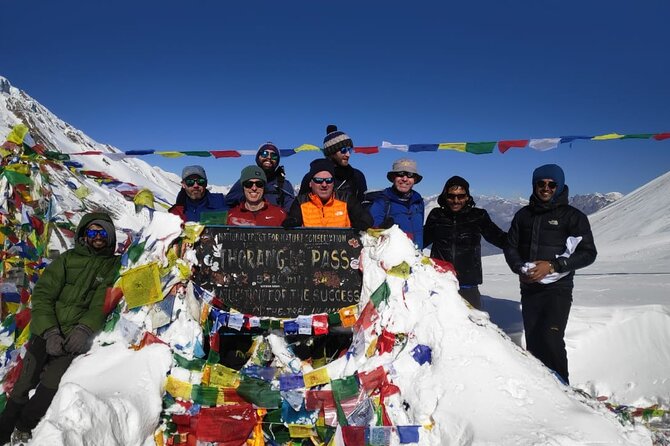
- Day 9: Cross Thorong La Pass (5,416 m) to Muktinath
- Day 10: Marpha to Jomsom via Kali Gandaki and Wind-Ready Nights
- Day 11: Fly Jomsom to Pokhara, Then Enjoy Lakeside Life
- Day 12: Fly to Kathmandu and Close with a Farewell Dinner
- Day 13: Airport Transfer and a Clean Exit
- Accommodations, Meals, and the Porter Reality
- Safety and Altitude: The Part You Should Actually Trust
- Who This Trek Suits Best
- Should You Book the Annapurna Luxury Circuit Trek?
- FAQ
- What is the group size for this trek?
- Where is the meeting point and what time does it start?
- Does the package include porter service?
- What kind of accommodation is included?
- Are flights included, and what route are they for?
- How does the trek handle altitude sickness risk?
- Is travel insurance required?
- Can I cancel for a refund if plans change?
Key Highlights Worth Knowing
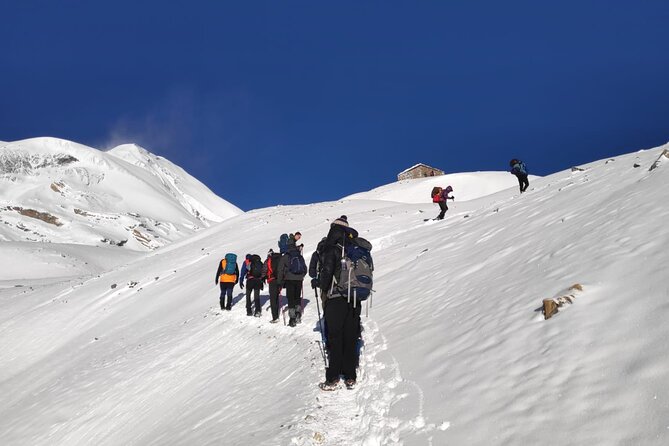
- Thorong La Pass (5,416 m) is the centerpiece, with stunning downhill payoff toward Muktinath
- Manang acclimatization day plus a visit connected to the Himalayan Rescue Association’s mountain health education
- Real porter support: 2 guests share 1 porter to carry your luggage
- 4-star comfort before and after: Kathmandu and Pokhara each include 2 nights in a 4-star hotel
- Small group size (max 10), which usually makes communication and pacing easier
- Guides with local culture context, with names like Binod and Shiva showing up in operator feedback
What “Luxury” Means on This Trek (and What It Doesn’t)
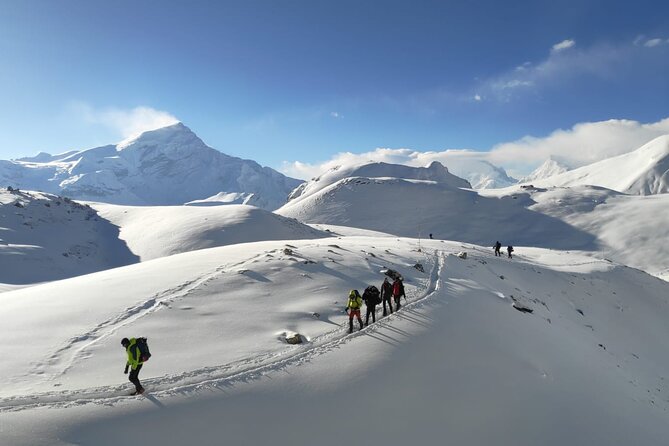
This is not luxury like you’d see on a beach resort. Here, luxury is the reduction of friction. You still trek, and you still earn every view—but you’re sleeping in lodges and teahouses on route, then moving into 4-star hotels in Kathmandu and Pokhara when you’re off the trail.
That matters because the Annapurna Circuit works best when your days can flex a bit. Long driving segments (Kathmandu to Besisahar, then onward toward Chame) help set the rhythm, and the plan includes a real acclimatization pause in Manang. When your body needs time, you’re not forced into a punishing schedule with no cushion.
One more practical point: the package explicitly includes a trekking porter. Since you’re sharing 1 porter between 2 people, you should expect to pack smarter—light daypacks for you, most of the weight handled by your porter. It won’t erase altitude, but it can make steep segments feel more doable.
You can also read our reviews of more tours and experiences in Kathmandu.
Value and Pricing: Why $2,000 Can Be Fair (If Flights Match)
At $2,000 per person, you’re paying for more than a guide. You’re covering permits, porter support, multiple nights in 4-star hotels, plus flights that connect you between Nepal’s trekking and city hubs.
That value gets stronger when you look at what’s included:
- 4-star hotels: 2 nights in Kathmandu and 2 nights in Pokhara
- Porter support: luggage carrying for 2 guests per porter
- Pre-briefing so you’re not guessing how the trek is handled
- Guiding and planning, with an operator team that has built a reputation for hospitality and safety
The one thing I can’t ignore is a potential mismatch in flight details. The inclusions list flights as Kathmandu–Lukla–Kathmandu, yet the day-by-day outline points to a flight Jomsom to Pokhara and then Pokhara to Kathmandu. This isn’t the moment to assume. Send a quick message and confirm the exact flights you’ll take and which airports are involved, so the $2,000 truly lines up with what you’re expecting.
Day-by-Day: The Annapurna Circuit in Real Terms
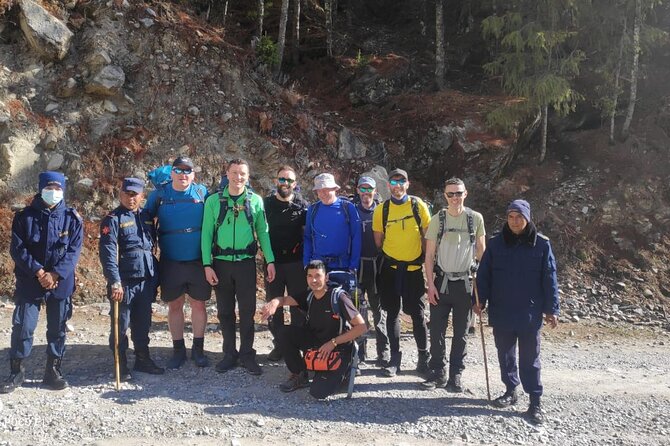
This route is famous for a reason: you get rapid changes in altitude, weather feel, and village culture. The “luxury” part is how the trip handles comfort and support, not that the mountains get easier.
Day 1: Kathmandu Arrival and a Transfer That Gets You Oriented
You’ll be met at the airport by a representative holding a Nepal Trek Adventures sign and taken to your hotel by vehicle. It’s a small touch, but it helps you get your bearings fast after a travel day.
This first night sets up the whole trek: you’ll want an early sleep and a quiet plan for tomorrow morning.
Day 2: Drive to Besisahar and Start Living on Mountain Time
A scenic 6–7 hour drive takes you from Kathmandu to Besisahar. This day is about transition. You’re watching the hills, towns, and river valleys come alive, then resting and eating locally before you head toward the trekking corridor.
In practical terms, treat this day like a reset. Hydrate, keep your pace calm, and don’t overdo dinner—tomorrow brings a longer travel day.
Day 3: Road to Chame and the Gateway Feel at 2,670 m
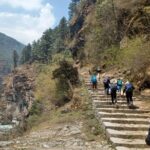
You drive from Besisahar to Chame (again about 6–7 hours), passing lush woods, terraced fields, and small settlements. You’ll cross suspended bridges and rivers along the way, which can feel exciting—but also a reminder that this is active travel, not sightseeing from a bus window.
Chame sits at 2,670 meters, and the trip frames it as a gateway area. You’ll sleep in a lodge here, which is a nice middle step: enough comfort to recover, before higher-altitude days start asking more of your legs.
Day 4: Upper Pisang and Teahouse Quiet with Annapurna Views
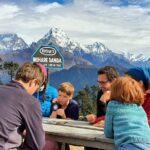
The plan takes you toward Upper Pisang through scenery like dense forests, streams, and big rocks. When you reach the town, you’re in position for views of the Annapurna range and the valley below.
Upper Pisang is also described as having a unique local culture. You can visit local monasteries and chat with people to understand how life looks here. Then you sleep in a cozy teahouse—exactly the kind of night that helps you fall asleep without the mental noise of logistics.
One note: the schedule text includes some confusing remnants in the description, so I’d trust the overall direction (Upper Pisang, then onward) and confirm details with your guide team before departure.
Day 5: Into Manang (3,540 m) via Marsyangdi Valley
You hike to Manang through the Marsyangdi Valley, where the vegetation shifts as you gain altitude—lush woods and villages gradually give way to harsher terrain. Manang itself is at 3,540 meters, and the trip positions it as a major trade center surrounded by huge peaks like Annapurna III and Gangapurna.
In town, you can spend time around traditional Tibetan-influenced buildings, then rest and acclimatize. This is also where a “luxury trek” still needs you to be realistic: your body is the limiting factor now, not the comforts of your lodge.
Day 6: A Real Acclimatization Day in Manang (Plus Mountain Health Education)
This is one of the smarter design elements of the itinerary. You stay in Manang at 3,540 meters to adjust. The route also mentions looking toward Gangapurna and ice lakes, and you visit Vraja village connected to the Himalayan Rescue Association.
The big value here isn’t the badge of an organization—it’s the health angle. You’ll learn about acute mountain sickness and what it takes to prevent problems from escalating. That knowledge helps you make better decisions later, especially on high, steep days.
You’ll still have time to explore at a gentle pace and keep your energy for tomorrow.
Day 7: Manang to Ladar at 4,230 m and Tibetan-Style Village Atmosphere
Today’s hike goes from Manang to Ladar (listed at 4,230 meters). You move through a juniper and pine forest, and the route suggests you might see animals along the way.
As altitude rises, the village character changes too. Tibetan culture influences the architecture and daily life, so even short walks can feel like a culture lesson—without forcing it.
The hike is described as not too hard, about 5–6 hours. I like this kind of day because it gives you forward progress without draining you completely.
Day 8: Up Toward Thorong High Camp and Above-Tree-Line Walking
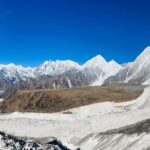
You move toward Thorong High Camp. The description emphasizes that above the tree line you’ll see snow-covered paths, with fewer green slopes and more stark terrain.
It’s described as a hard-feeling day due to steeper ground and higher altitude, with about 5–6 hours on the trail. This is where proper breathing and pacing matter. Even if your legs feel okay, your body may not feel “used to” thin air yet.
Day 9: Cross Thorong La Pass (5,416 m) to Muktinath
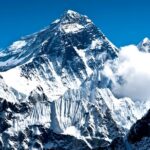
This is the toughest headline day: Thorong La Pass at 5,416 m. The climb to the pass can be hard, but the reward is described as stunning views of mountains and rivers.
Then you get the big downhill moment toward Muktinath, a holy site with both Hindu and Buddhist churches and natural spring water sources. The trek segment is listed as about 6–7 hours, and it’s framed as part of a spectacular Mustang-area experience.
If you’re going to respect one day on this itinerary, make it this one. No heroic pacing. Just steady.
Day 10: Marpha to Jomsom via Kali Gandaki and Wind-Ready Nights
You trek from Marpha to Jomsom, crossing the Kali Gandaki River and following the riverbank. The route mentions charming towns, traditional stone houses, and apple orchards.
Jomsom is the administrative center for Mustang. You’ll find stores, hotels, and places to eat, plus options like the Jomsom Museum and hot springs (if conditions allow and you have time).
And yes: Jomsom is known for strong winds, so be ready for weather mood swings. This is a day where packing for wind matters more than packing for sunshine.
Day 11: Fly Jomsom to Pokhara, Then Enjoy Lakeside Life
You take a morning flight from Jomsom to Pokhara. The schedule highlights panoramic views of Dhaulagiri and Annapurna during the flight. Once in Pokhara, you can enjoy the city’s lake atmosphere—especially Fewa Lake—and also take in nightlife if you want it.
This is framed as the last day of hiking, so you’re in recovery mode. It’s also the perfect time to think about what you actually learned on the trail—how your body responded, what surprised you, and which communities felt most real.
Day 12: Fly to Kathmandu and Close with a Farewell Dinner
You take a short 30-minute flight from Pokhara to Kathmandu. After landing, you transfer to your hotel to rest.
In the evening, the company hosts a farewell dinner, which is a nice way to debrief before you head out the next day. If you’re traveling as a couple (and especially if you share a porter), it can be a relaxed moment to compare notes.
Day 13: Airport Transfer and a Clean Exit
The final day is straightforward: an airport representative takes you to Tribhuvan International Airport so you can fly out of Nepal.
This is the kind of ending that prevents your last morning from turning chaotic.
Accommodations, Meals, and the Porter Reality
Here’s how the comfort level shows up on the ground:
- Kathmandu and Pokhara: 2 nights each in 4-star hotels
- On trek: lodges and teahouses (with examples like a cozy teahouse stop in Upper Pisang)
Meals are partly included. The provided package lists dinner (11), breakfast (12), and lunch (11), and it also notes that drinks with alcohol aren’t included. Tips for your guide and porter are also expected, and travel insurance is required.
Porter setup is clear: 2 guests sharing 1 porter. That’s helpful for value and fatigue management, but it also means you should coordinate packing—keep your day essentials with you and let the porter handle the rest.
Safety and Altitude: The Part You Should Actually Trust
The trip is openly focused on acclimatization to reduce altitude sickness risk. The schedule includes:
- extra time in Manang (3,540 m)
- a health education stop tied to the Himalayan Rescue Association in Vraja village
- a structured approach to progressing toward Thorong La Pass
This matters because the worst altitude mistakes are usually the “I felt okay yesterday” kind. By building in a proper adjustment day and by pairing it with health education, you give yourself more tools to recognize symptoms early and respond.
Also, this is a guided trek with experienced support, and the operation’s feedback highlights attention to safety and planning clarity. Still, nothing replaces smart behavior: hydrate, move slowly, and don’t ignore warning signs.
Who This Trek Suits Best
This Annapurna luxury version fits you if you want:
- a top-tier classic trek route with comfort upgraded through better hotels
- a guided plan that emphasizes acclimatization
- reduced load thanks to a porter and a small group (max 10)
It’s less ideal if you want an easy walk with zero discomfort. Even with luxury touches, you’re going to be working at altitude, especially on the Thorong La day.
Should You Book the Annapurna Luxury Circuit Trek?
I’d book it if you’re comfortable with one very hard day (Thorong La at 5,416 m) and you value the balance of 4-star downtime + guided safety planning. The included porter support and the Manang acclimatization structure make the overall experience feel controlled, not chaotic.
Before you commit, do two things:
- confirm the exact flight routing (the inclusions mention Kathmandu–Lukla–Kathmandu, while the route details describe Jomsom–Pokhara and Pokhara–Kathmandu)
- be honest about fitness for steep, thin-air hiking, especially after travel days
If that checks out, this is a strong pick for anyone who wants the Annapurna Circuit’s big moments without giving up real comfort when the trail ends.
FAQ
What is the group size for this trek?
The trek has a maximum group size of 10 travelers.
Where is the meeting point and what time does it start?
The meeting point is Nepal Trek Adventure and Expedition P. Ltd., Thamel Marg, Kathmandu 44600, Nepal. The start time is listed as 6:15 am.
Does the package include porter service?
Yes. It includes a trekking porter, with 2 guests sharing 1 porter to carry your luggage.
What kind of accommodation is included?
You get 2 nights in a 4-star hotel in Kathmandu and 2 nights in a 4-star hotel in Pokhara. During the trek, the route uses lodges and teahouses.
Are flights included, and what route are they for?
The included section lists flight (Kathmandu–Lukla–Kathmandu). The itinerary details also mention flying from Jomsom to Pokhara and then from Pokhara to Kathmandu. You should confirm the exact flight plan with the provider.
How does the trek handle altitude sickness risk?
The plan emphasizes proper acclimatization, including an extra day in Manang. It also includes a visit connected to the Himalayan Rescue Association for acute mountain sickness education.
Is travel insurance required?
Yes. Travel insurance must be covered in both medical and emergency evacuation.
Can I cancel for a refund if plans change?
Yes. Free cancellation is offered up to 24 hours in advance for a full refund. If it’s canceled due to poor weather, you’ll be offered a different date or a full refund.