REVIEW · GONDER
3 Days Simien Mountains Trekking
Book on Viator →Operated by Simien Tour and Travel · Bookable on Viator
Three days in the Simien world beats photos. The trek through Simien Mountains National Park mixes serious mountain walking with chances to spot wildlife, and I like how the camps are run with gear, food, and even hot-water bottle comforts. The one thing to think about is the altitude and the uphill rhythm on most days, so you’ll want a steady pace from the start.
I also like the planning behind the scenes: you get the park permit and an obligatory scout, plus a small group size (up to 20) that keeps the day feeling organized instead of chaotic. Local guide and scout matter here, because you’re not just hiking—you’re interpreting what you’re seeing as you climb and descend.
At $387 per person for three days with transport, park access, meals, and support staff, this is a practical value if you want authentic Simien time without building logistics from scratch. If you’re the type who wants dramatic viewpoints and clear trail direction, this route fits.
In This Review
- Key highlights to look for
- Getting from Gondar to the trek: Debark, permits, and that first altitude push
- Day 1: Buytras to Sankabar, with your first geladas in sight
- Day 2: Jinbar waterfall to Geech and the lobelia-and-sunset rhythm
- Day 3: Geech to Imet Gogo promontory for big-view bird spotting
- Wildlife and what your guide helps you actually notice
- Camps, mules, and meals: the part that makes altitude trekking bearable
- Price and logistics: is $387 a fair deal for three days?
- Pace, packing, and fitness: how to make the most of the climbs
- Who should book this Simien Mountains trek (and who might not)
- Should you book the 3 Days Simien Mountains Trekking?
- FAQ
- What time does the tour start?
- How long is the trek?
- Where does the trek start and end?
- What’s included in the price?
- Are meals provided during the trek?
- Do I need a permit?
- Is transportation back to Gondar included?
- What animals might I see on this route?
- What is the cancellation refund rule?
Key highlights to look for
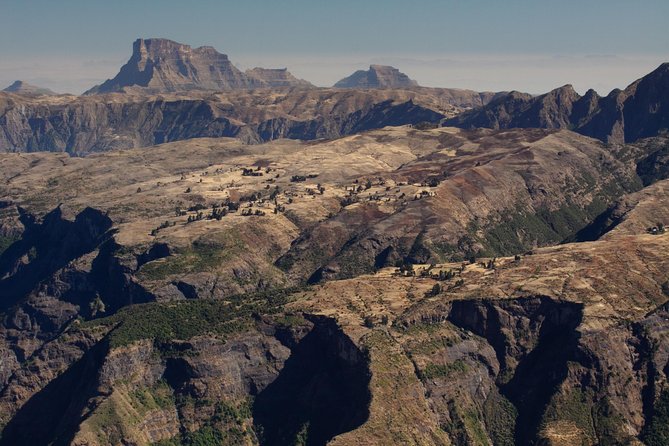
- Permit + scout from the park headquarters means you start the trek inside the system, not guessing
- Jinbar waterfall to Geech gives you a classic waterfall section plus big-sky mountain walking
- Geech’s giant lobelia areas and a sunset option from the nearby Kedadit summit
- Imet Gogo promontory views are a top payoff day, with chances to see lammergeier vultures
- Mules and handler included, so you’re not carrying everything yourself
- Camp comfort details like good tents and hot-water bottle touches, not just bare survival
Getting from Gondar to the trek: Debark, permits, and that first altitude push
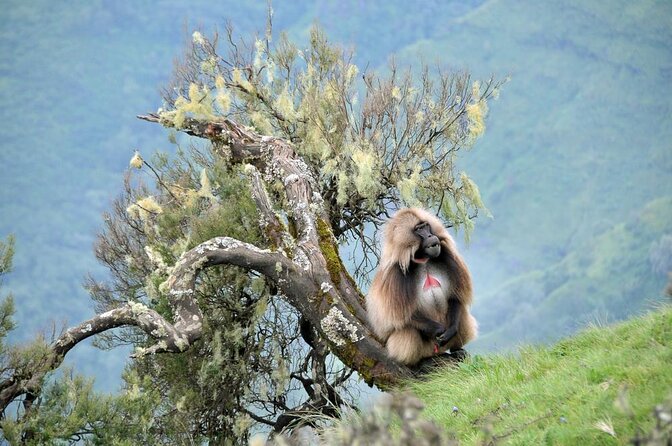
Most Simien trips rise and fall with one key question: can you get smoothly from Gondar into true trekking mode? This one does. You leave Gondar in the morning (the start time is 8:00 am) and ride toward Debark, with a drive that takes about 2–3 hours.
Once you reach Simien Mountains National Park, you get the permit and an obligatory scout from the park headquarters. That step sounds bureaucratic, but it’s actually helpful. It keeps the trek aligned with local rules and gives you a guide team that knows how the park functions on the ground.
From there, you continue toward the first overnight area at around 3,250 meters (Sankabar). The key here is timing. An early start keeps your first day from turning into a late, fatigued slog.
The trek begins at Buytras (Simien Lodge) and typically takes about 3–4 hours to reach the Sankabar campsite. That’s not the longest day on the route, but you’re already in altitude country, so your breathing will get your attention—especially if you’re used to sea-level walks.
You can also read our reviews of more tours and experiences in Gonder.
Day 1: Buytras to Sankabar, with your first geladas in sight
Day 1 is all about transition and first payoff. You ride out of Gondar, handle the permit and scout, then start walking from Buytras toward Sankabar for the night.
A big practical plus: the trek segment is long enough to feel like you’re really doing something, but short enough that it works for people with moderate physical fitness. You’re still hiking uphill and downhill, but you’re not immediately slammed with a marathon day.
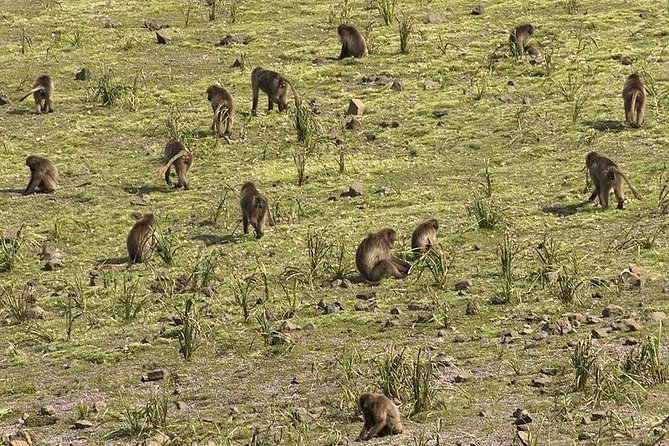
Here’s what I’d watch for on day 1: the chance to see gelada baboons. You may see them during the trek, and in the Simien Mountains they’re often part of why the mornings feel alive. They tend to show up in the kind of rocky, steep country where you can get quick “stop and stare” moments.
By the time you reach Sankabar and your first camp, you’re set up for the rest of the trek with one essential advantage: you’ve already learned the pace. Your body will understand the rhythm of the route, and your guide team has time to get you oriented before the bigger day.
Day 2: Jinbar waterfall to Geech and the lobelia-and-sunset rhythm
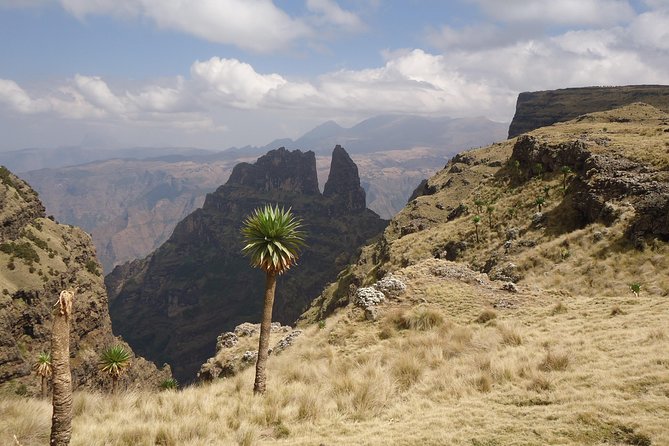
If day 1 is “get in,” day 2 is “go see.” The day’s walk takes about 5–7 hours, which is a wide range on purpose: your exact pace, trail conditions, and photo/stops will change it.
The route goes from the morning trek toward Geech, passing through the Jinbar waterfall section. This is one of those hikes where the scenery has structure: you climb, move through a waterfall zone, then descend toward Jinbar Wenz, the area that feeds the waterfall.
After that descent, there’s still a short climb to Geech village, and then you continue a short distance beyond Geech to your camp site.
What’s special about Geech camp isn’t just the views—though you get those. The camp area is known for giant lobelia plants, which means you’re walking in a zone with signature highland vegetation rather than a generic mountain trail. It also gives your guide something very specific to explain, which makes the hike feel more like learning than just logging miles.
At around 3,600 meters, Geech camp sits higher than Sankabar, so your lungs may feel it today. This is where camp comfort matters. Based on what I’ve seen described about the organization, you’re not just dropped into the wilderness and told good luck. The tents, sleeping bags, and food planning are part of the experience, and that’s a big reason people come back happy instead of cranky.
For sunset, there’s a nearby option: the Kedadit summit. If weather cooperates, it’s one of the best times to appreciate the scale of the Simien ridges and the way the valleys fall away.
Day 3: Geech to Imet Gogo promontory for big-view bird spotting
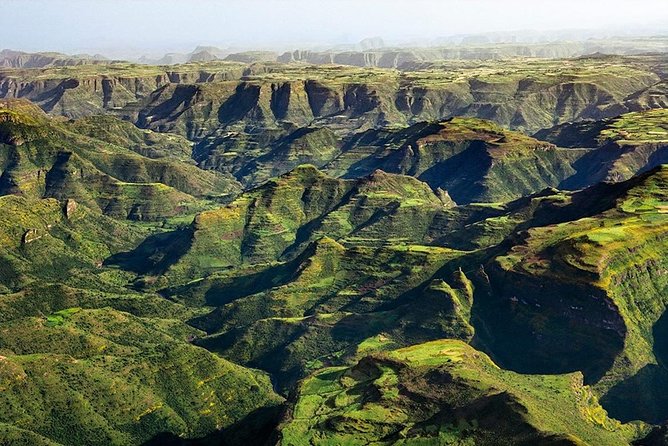
Day 3 is the “best view, then finish” day. You trek from Geech to the Imet Gogo promontory, a stretch described as one of the most spectacular viewpoints in the whole range.
Expect about 4–5 hours for the hiking portion. That’s a good length: enough time to savor it without turning the final day into exhaustion roulette.
One of the reasons Imet Gogo gets attention is wildlife potential—specifically lammergeier vultures. If you’re into birds, this is where your guide really earns their keep. Watching for them takes a bit of knowing where to look and how to time your stops as thermals rise.
After the promontory viewpoint time, you trek back to the road near Ambaras. Then you meet the car for the drive back toward Gondar.
There’s also an option to end in Axum. If you’re continuing your Ethiopia trip after the Simien Mountains, that flexibility can save you time and hassle.
Wildlife and what your guide helps you actually notice
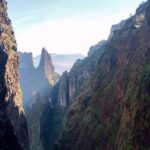
The Simien Mountains aren’t only about walking. They’re about seeing the ecosystem in motion. This trek is well set up for that because the team includes a local guide and scout who can explain what’s around you—flora, fauna, and the logic of where animals are likely to be.
From what’s been emphasized about this experience, you should expect guidance that’s not vague. It’s the difference between “nice mountain views” and “now I know what I’m looking at.”
Here’s what you should keep on your radar based on the route and what people report seeing:
- Gelada baboons: a good chance on day 1 during the hike
- Lammergeier vultures: the Imet Gogo area is a prime focus on day 3
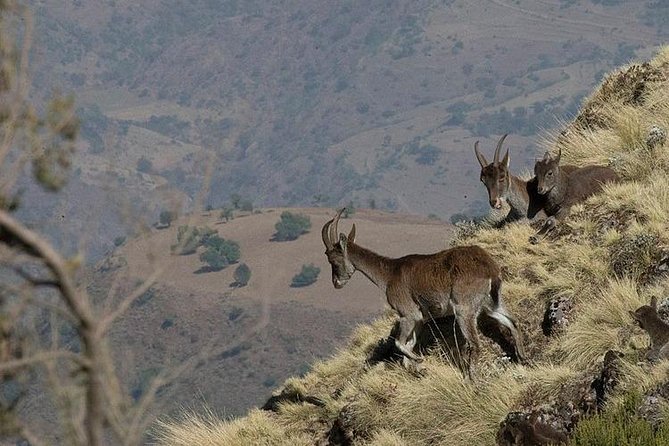
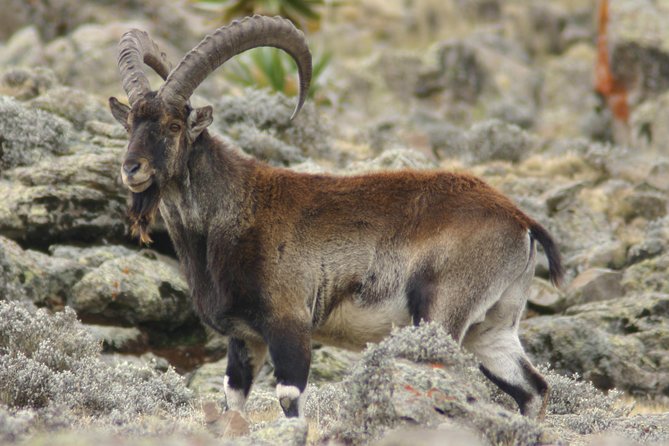
- Walia ibex and Ethiopian wolves: these are mentioned as sightings associated with the trek experience
I’d treat these as chances, not guarantees—wildlife moves—but the guide direction and the specific trail choices clearly put you in the right habitat zones.
Camps, mules, and meals: the part that makes altitude trekking bearable
Trekking success often comes down to small, practical details. In this itinerary, those details are included rather than left to luck.
First, you get mule(s) and a mule handler included. In practical terms, that helps keep your day manageable. You can focus on walking instead of turning every slope into a heavy-carry test.
Second, you’re not eating randomly. Included meals cover breakfast (2), lunch (3), and dinner (2). That matters at altitude, because you don’t want to skip food or hunt for it while your body is already working hard.
Third, there are camp support touches that people seem to remember for a reason. The camp setup is described as solid: good tents, sleeping bags, and hot water bottle comfort. That last part might sound small, but in mountain camps it can mean the difference between “I’ll sleep” and “I’ll just lie awake freezing.”
Also included: bottled mineral water, and the logistics are supported by an air-conditioned vehicle for the drives.
Price and logistics: is $387 a fair deal for three days?
$387 per person can sound like a lot until you break down what you’re actually buying.
You’re getting:
- Round-trip transport between Gondar and the start/end areas via an air-conditioned vehicle
- Park access and admission tickets for the days on the route
- Local guide and scout, plus an obligatory scout process at the park headquarters
- Mule(s) and handler
- Meals across the trekking period (breakfasts, lunches, dinners)
- Bottled mineral water
- Pickup offered and mobile ticket
So what’s the “value” angle? It’s that you’re not paying for only guiding. You’re paying for the whole system: permits, local staffing, food planning, and camp setup. In a place where trekking infrastructure depends on local operations, that kind of package matters.
For $387, this is a strong fit if you prefer not to wrestle with permits, camp coordination, or last-minute food decisions while you’re already at altitude. If you’re the type who enjoys planning every detail yourself, you might spend less on your own. But most people don’t want that headache once the hiking starts.
Pace, packing, and fitness: how to make the most of the climbs
This trek is rated for people with moderate physical fitness. That doesn’t mean it’s easy. It means it’s structured so you can succeed if you hike steadily.
Here’s how the pacing plays out:
- Day 1: about 3–4 hours walking after the ride
- Day 2: about 5–7 hours walking, plus a longer day’s worth of elevation changes
- Day 3: about 4–5 hours, ending with viewpoint time before returning to the road
Altitude is part of the deal. Camps sit around 3,250 m (Sankabar) and about 3,600 m (Geech). Your body may feel it as tight breathing or slower pace. The best strategy is boring: slow down early, drink water, and don’t sprint.
Packing tips must stay general because your exact packing list isn’t provided here, but you can plan on needing essentials for cold camp nights and changing weather. The presence of sleeping bags and hot-water comfort helps, but night temperatures can still take you off guard.
Also, keep your camera ready for the moments that happen quickly: geladas on day 1, lobelia zones on day 2, and lammergeier watch time on day 3.
Who should book this Simien Mountains trek (and who might not)
This is a great choice if you want:
- A short, focused trek (3 days) with a strong schedule
- Guided wildlife spotting with local interpretation
- A route that includes major moments: Jinbar waterfall, Geech camp with lobelia, and Imet Gogo promontory views
- Comfort-supported camping rather than roughing it completely
You might want to think twice if:
- You hate early starts (the morning start is 8:00 am, and you’re driving 2–3 hours before trekking day one)
- You’re expecting a flat, casual walk. This route is up-and-down and ends at high altitude
Group size stays controlled (up to 20 travelers), which usually helps people feel like they’re on a real outing rather than a moving queue.
Should you book the 3 Days Simien Mountains Trekking?
I’d book it if you care about doing the Simien Mountains the practical way: permits handled, a real team on the ground, mule support, good meal coverage, and camp comfort that helps you enjoy the views instead of just endure them.
It’s also a smart pick if you want the wildlife story to come with context, not just luck. Geladas are a known “good chance” on day 1, lammergeier vultures are a focus on day 3, and other impressive sightings like Ethiopian wolves and walia ibex are part of the experience when conditions align.
If you want a simple question to decide: can you handle 2–3 days of moderate trekking at altitude? If yes, this route is a solid, value-packed way to see the dramatic Simien country while staying in safe, guided hands.
FAQ
What time does the tour start?
The tour start time is 8:00 am.
How long is the trek?
It’s listed as 3 days (approx.).
Where does the trek start and end?
You start from the Gondar area, drive to the park area (including Debark), trek through the Simien Mountains, and then return by car back toward Gondar. There’s also an option to end in Axum.
What’s included in the price?
The price includes an air-conditioned vehicle, all fees and taxes, a local guide and scout, mule(s) and mule handler, bottled mineral water, and meals (breakfast 2, lunch 3, dinner 2). Admission tickets for the park are included.
Are meals provided during the trek?
Yes. Breakfast is included 2 times, lunch 3 times, and dinner 2 times.
Do I need a permit?
Yes. You obtain a permit from the park headquarters on day 1, along with an obligatory scout.
Is transportation back to Gondar included?
Yes. After trekking on day 3, you meet the car and drive back toward Gondar.
What animals might I see on this route?
The trek notes a good chance of seeing gelada baboons on day 1. It also highlights lammergeier vultures for day 3. Other sightings mentioned include walia ibex and Ethiopian wolves.
What is the cancellation refund rule?
You can cancel up to 3 days in advance for a full refund. If you cancel within 3 days of the experience start time, you won’t be refunded.