REVIEW · GHANDRUK
Pokhara: Poon Hill Trek
Book on GetYourGuide →Operated by Anjil Manjil Travels and Tours · Bookable on GetYourGuide
Golden light hits the peaks fast. This short trek out of Pokhara pairs Poon Hill sunrise with real village life, from Magar hospitality in the early hills to Gurung culture in Ghandruk. I like the way the route balances big mountain moments with steady walking time and cozy lodge stops.
Two things I really like here: the sunrise payoff at Poon Hill, and the chance to slow down in Ghandruk instead of just passing through. One consideration: meals are not included, so plan on paying about $20 per person per day on top of the trek price.
In This Review
- Key highlights worth planning around
- Pokhara to Ulleri: a quick start, then Magar hospitality
- Ulleri to Ghorepani: rhododendron trails with real village stops
- Ghorepani to Poon Hill: sunrise planning that pays off
- The Ghandruk shift: Gurung village life with an actual purpose
- Ghandruk to Nayapool to Pokhara: finish strong and return smoothly
- How hard is this trek, really?
- Permits, lodges, and what’s actually included in the price
- The essentials to pack (and what not to bring)
- Getting the most out of sunrise and village time
- Responsible trekking on the Annapurna foothills
- Who this trek fits best
- Should you book the Pokhara Poon Hill trek?
- FAQ
- How long is the Pokhara Poon Hill Trek?
- What altitude range is included on the route?
- What’s included in the price of about $208 per person?
- Are meals included?
- What language is the guide?
- Where does pickup happen?
- What do I need to bring for permits?
- Are large bags allowed on the trek?
- Is this trek suitable for wheelchair users or pregnant travelers?
Key highlights worth planning around
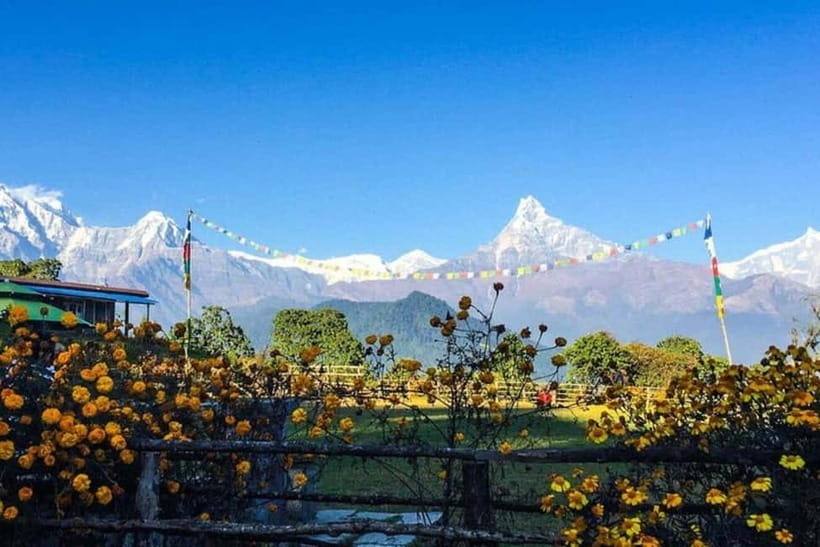
- Poon Hill sunrise views: early-morning timing for dramatic golden peaks.
- Ghandruk village culture: a Gurung stop where traditions feel lived-in.
- Rhododendron forest walking: color and cool air on the way to Ghorepani.
- Teahouse lodging rhythm: practical overnight stops in tourist-standard lodges.
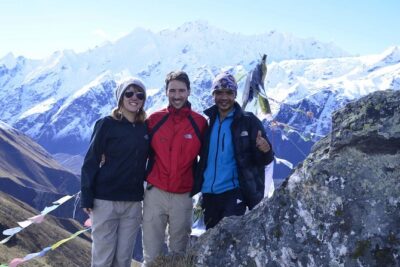
- Guide support that helps you keep moving: help with pacing and even tough-feet recovery (a real-life example: Gobinda and porter Sundeep)
Pokhara to Ulleri: a quick start, then Magar hospitality
Day 1 moves from Pokhara to Nayapool by vehicle, then you start hiking toward Ulleri. The trek segment is about 5–6 hours, and you end the day around 2,070 meters. It’s a solid “warm-up day” that still gives you that classic Annapurna feeling right away—trail views, little bends in the path, and mountain air that makes your pace feel natural.
Ulleri is where the cultural side shows up early. This area is tied to the Magar community, so your day doesn’t end the moment you reach a lodge. You get dinner and accommodation arranged locally, which makes the first day feel organized rather than improvised.
Practical note: because this trek is short, the schedule is fairly focused. If you’re hoping for long free time or lots of detours, Poon Hill is not that kind of trip—it’s about compact experiences that deliver.
You can also read our reviews of more tours and experiences in Ghandruk.
Ulleri to Ghorepani: rhododendron trails with real village stops
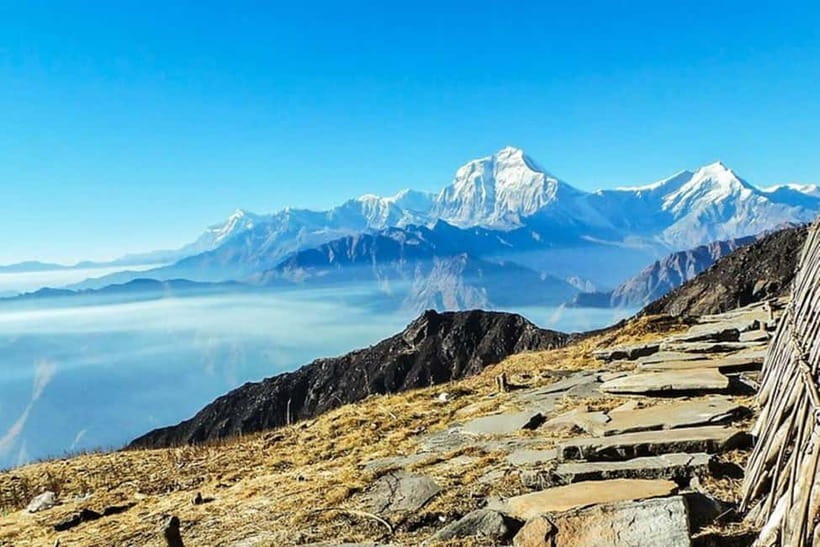
Day 2 is the trekking backbone of the itinerary, roughly 5–6 hours total. You climb from Ulleri to Ghorepani, landing around 2,850 meters. Along the way, you’ll walk through rhododendron forests, which is where the trail gets visually fun—especially when conditions are right and the hills feel alive with color.
You also get time in and around villages. The route is designed to keep you from only seeing buildings from the trail; you pass through small communities and see everyday life along the Annapurna foothills. Lunch is arranged at Nangethati, which matters because it prevents the classic problem on treks: reaching a view point late, cold, and hungry because you didn’t plan food.
There’s also a chance you’ll spot Himalayan wildlife, depending on season and trail conditions. You can’t control that, but it’s a reminder to keep your senses open and your pace steady—don’t rush every bend just to chase a photo.
Ghorepani to Poon Hill: sunrise planning that pays off
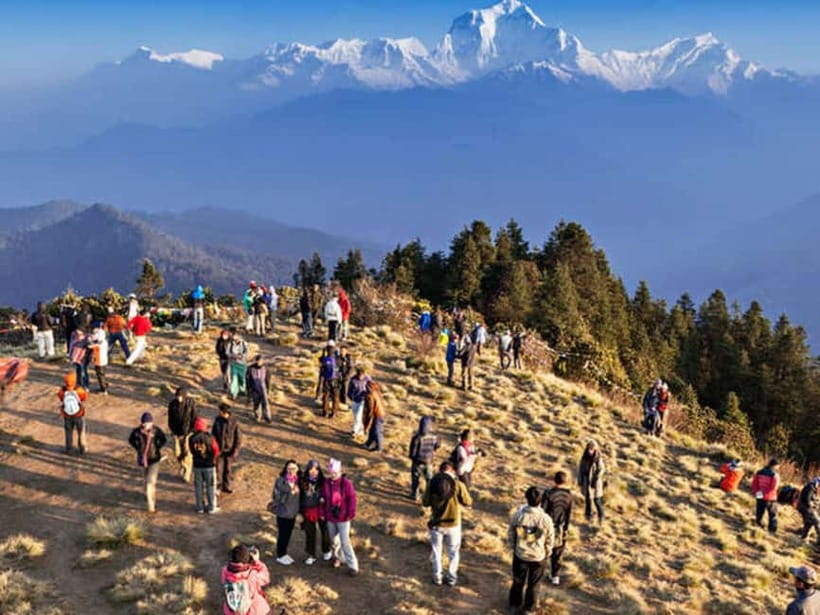
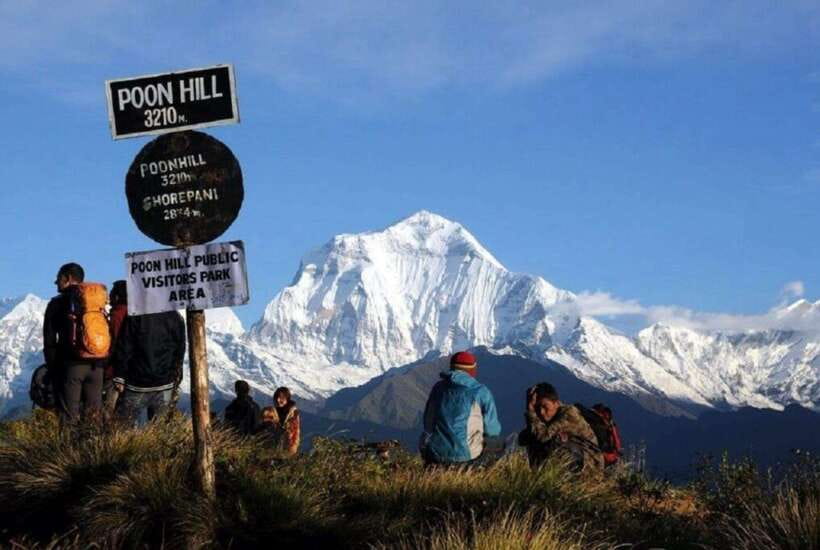
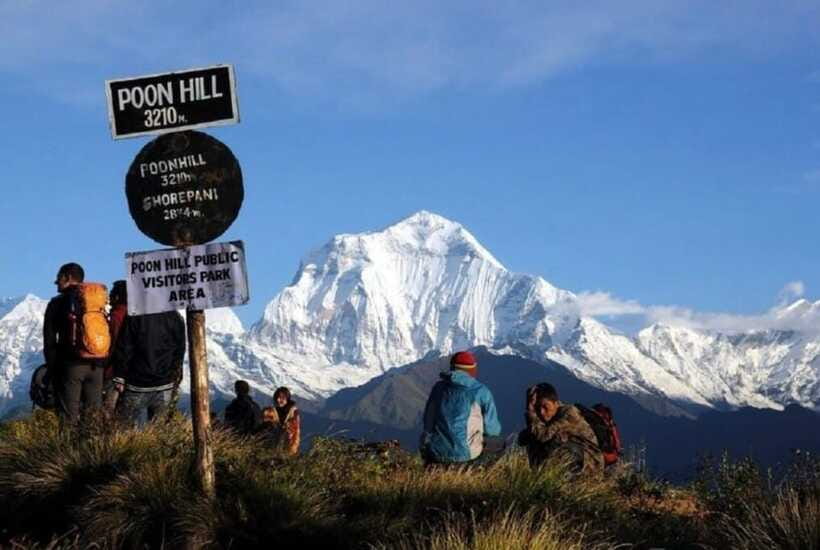
Day 3 is the headline. You’ll hike up toward Poon Hill for sunrise, then continue down to Ghandruk. The climb starts from Ghorepani at around 3,210 meters for the Poon Hill section, and you’ll eventually end the day much lower at about 1,940 meters in Ghandruk.
The sunrise part is what most people remember. From Poon Hill, the view runs across the Annapurna massif and even the Dhaulagiri region. On a clear morning, you may be able to see peaks like Annapurna I, Dhaulagiri, Annapurna South, Machapuchare, Himchuli, and several others. That list sounds big (because it is), but the real magic is how close the mountains feel when the light shifts—your photos look better, your body feels warmer, and the morning feels earned.
Here’s what’s smart about the plan: after sunrise viewing, the trek doesn’t stall. You go back down, have breakfast, and keep moving toward Ghandruk. That avoids the common trap of spending the whole day stuck in one place after the big moment.
One small drawback of this kind of trek: you’ll likely need to handle early starts for sunrise viewing, and you should expect some steep sections. If your legs don’t love stairs, plan to take short breaks and let your guide set a rhythm.
The Ghandruk shift: Gurung village life with an actual purpose
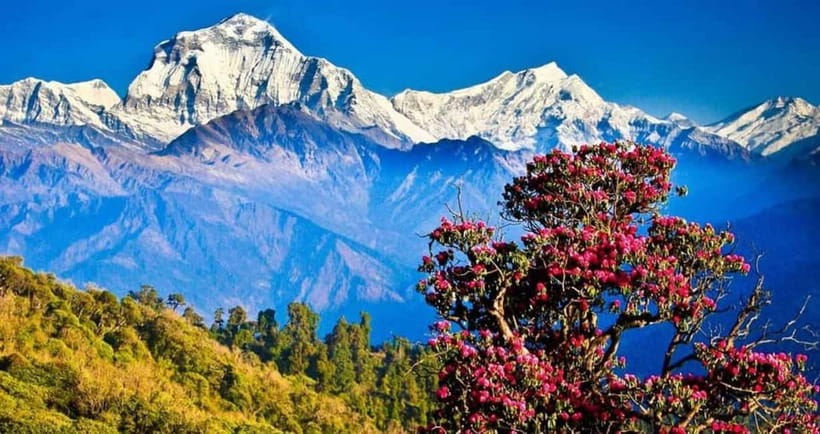
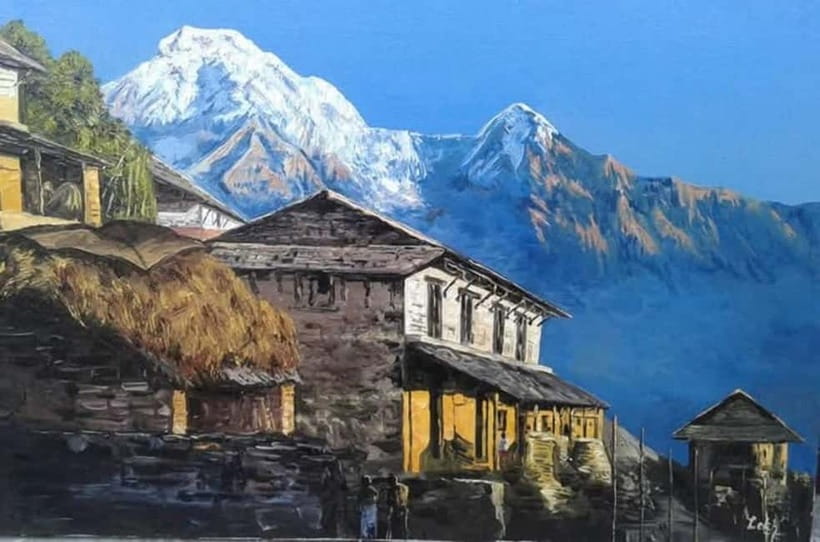
Ghandruk is the cultural highlight of the route. After the sunrise morning, you head toward this Gurung village and settle in for the day. The trekking time is about 5–6 hours for the day, but the feel is different because the walking ends in a place where you can slow down.
Ghandruk is known for keeping traditions visible, and you’ll see that in day-to-day village energy—how people live, where the trail connects to homes and community space, and how the morning and meals still feel tied to local routine. Even breakfast is part of the culture here, not just fuel.
This is also where the “human support” side shows up in a meaningful way. In one real trek experience with this operator, the guide Gobinda was praised not only for route knowledge but also for extra help when someone got tired—aid with carrying needs and even foot massage when muscles cramped from the stair climbing. That kind of help is not guaranteed in the sense that every day runs the same, but it’s a strong signal that the guide team’s role goes beyond pointing the way.
Ghandruk to Nayapool to Pokhara: finish strong and return smoothly
Day 4 is your descent. You’ll enjoy the first rays of the sun over Ghandruk and then have a traditional Gurung breakfast before hiking down to Nayapool. From there, a vehicle picks you up and returns you to Pokhara, dropping you at your hotel.
The down day is where many people feel the difference between a “short trek” and an “easy trek.” Even if total walking time is manageable, going downhill can still be tough on knees and calves. The best strategy is small, steady steps and frequent brief rests.
The nice part: the itinerary ends without drama. Transport is arranged, and your luggage situation is already handled since you can store larger items in Pokhara while you trek.
How hard is this trek, really?
This Poon Hill trek is described as having a manageable trekking difficulty level, and it’s a good option if you want mountains without a long expedition. Still, you are on foot through hills and stairy sections, and Day 3 includes both a sunrise climb and a later descent.
If you’re new to trekking, the short duration helps you build confidence quickly. If you’re experienced, you’ll still get a full “mountain hike” feel—just more compact than the classic multi-week routes.
Best seasons matter. The plan recommends spring and autumn, which usually means clearer weather and better odds for those sunrise views. If you go outside those windows, you might get fewer sightline moments, and mist can turn the famous peaks into a softer silhouette.
Permits, lodges, and what’s actually included in the price
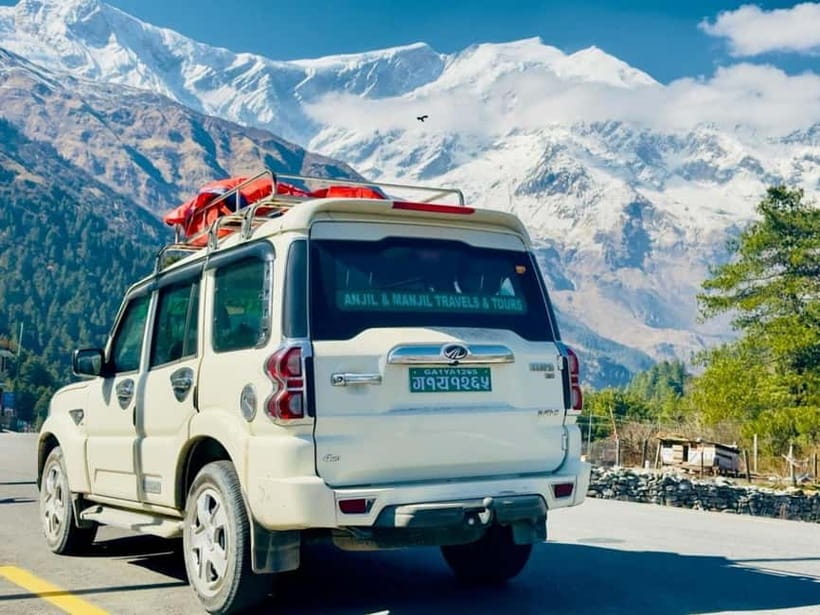
The headline price is about $208 per person for a 4-day trek. What’s included is the structure that usually costs you time and stress: government permits, TIMS, taxes, hotel pickup/drop from Lakeside Pokhara (or the airport), round-trip transportation, and a professional registered trekking guide.
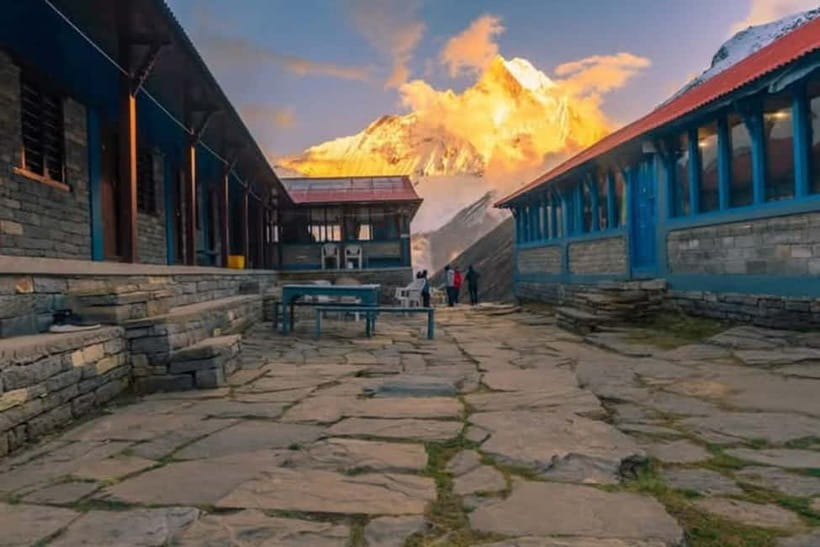
Accommodation is private on a tourist-standard lodge basis. You’ll also have a first aid kit with the team, plus the guide covers key logistics like food and accommodation coordination. If you need gear support, there’s mention of a duffel bag and trekking pole/trekking bag if required. There’s also luggage storage in Pokhara during the trek.
Meals are not included. That’s the big budget item people forget. With meals roughly estimated around $20 per person per day, your all-in cost will depend on how much you eat and how often you order tea/coffee or snacks at lodge stops.
Value check: for a short Annapurna trek with organized transport, included permits, and a guide who supports pacing, $208 can be a fair deal—especially if you’re comparing it to piecing together parts yourself. The main “cost surprise” is food.
The essentials to pack (and what not to bring)
You’ll want to bring your passport (a copy is accepted) and a passport-sized photo, since the trek setup requires those for permits. For the trail itself, think lightweight and practical.
Not allowed: luggage or large bags on the trek. This is where the included luggage storage facility in Pokhara becomes useful—pack what you need for the hike, leave the rest behind, and travel calmer.
Also, pets aren’t allowed. Assistance dogs are allowed, so if you need one for mobility or medical reasons, plan around that.
Getting the most out of sunrise and village time
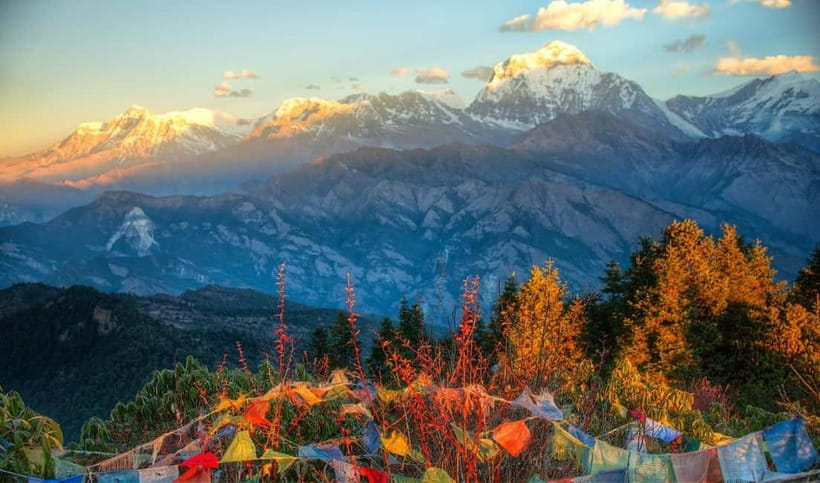
Poon Hill sunrise is the reason many people pick this trek, so treat it like a main event. You’ll usually want warm layers even if daytime feels mild—early mornings can be chilly in these elevations. Bring your camera/phone charged and ready, and be patient with crowds and timing since everyone is chasing the same light.
Then switch modes for Ghandruk. This is not just a photo stop. If you’re curious, ask questions respectfully and observe daily rhythms. The value here is that you’re spending time in a real Gurung village, not only walking between viewpoints.
Finally, if you want photos and good memories, go slow enough to notice small things: how trails connect to homes, the way lodges operate, the way rhododendron patches change the air temperature on a climb.
Responsible trekking on the Annapurna foothills
Short treks can create heavy foot traffic on the most famous days. The easiest way to help is to follow marked paths, avoid leaving waste at viewpoints or lodge areas, and use lodge facilities as intended. Your guide will also set expectations for what’s practical along the trail.
If you see wildlife, don’t chase it. Stay calm, keep your distance, and let the moment happen naturally.
Who this trek fits best
This is a great fit if you want:
- A mountain trek with a clear payoff: sunrise at Poon Hill plus village life.
- A route that’s long enough to feel meaningful but short enough to manage.
- English-speaking guidance and private-group support.
It may be less suitable if you:
- Are pregnant (not recommended by the activity details).
- Use a wheelchair (not suitable as stated).
- Need to carry large bags (the trek is set up around smaller loads).
Should you book the Pokhara Poon Hill trek?
I’d book this if you want a high-impact, low-time-commitment trek: sunrise views, rhododendron forests, and time in Ghandruk where Gurung culture feels part of the day, not a performance. The included permits, pickup/drop, and guide support help you avoid the messy parts of planning.
Skip it (or ask harder questions before booking) if you hate early starts, dislike downhill days, or your budget can’t handle meals on top of the $208 price. If those points don’t bother you, this is a smart way to experience the Annapurna foothills without turning your vacation into a logistics project.
FAQ
How long is the Pokhara Poon Hill Trek?
It’s a 4-day trek.
What altitude range is included on the route?
The trek starts from Nayapool and Ulleri (around 2,070 m), climbs to Ghorepani (around 2,850 m), reaches Poon Hill (around 3,210 m), and then goes down to Ghandruk (around 1,940 m).
What’s included in the price of about $208 per person?
You get private tourist-standard lodge accommodation, hotel pickup and drop-off in Lakeside Pokhara (or airport pickup), round-trip transportation, government permits (including TIMS) and taxes, and a professional registered trekking guide. There’s also a first aid kit and luggage storage in Pokhara during the trek.
Are meals included?
No. Meals are available for purchase, estimated around $20 per person per day.
What language is the guide?
The tour guide provides service in English.
Where does pickup happen?
Pickup is included from any hotel in Lakeside Pokhara (and it also mentions airport pick up).
What do I need to bring for permits?
Bring your passport (a copy is accepted) and a passport-sized photo.
Are large bags allowed on the trek?
No. Luggage or large bags are not allowed, but you can use luggage storage in Pokhara during the trek.
Is this trek suitable for wheelchair users or pregnant travelers?
No. It is not suitable for pregnant women or wheelchair users, based on the activity information.