REVIEW · GHANDRUK
From Pokhara: 10-Day Poon Hill and Annapurna Base Camp Trek
Book on GetYourGuide →Operated by Adventure in Nepal · Bookable on GetYourGuide
That first morning in the Himalayas hits you fast. This 10-day trek from Pokhara to Poon Hill and on to Annapurna Base Camp mixes bright village mornings, steep forest climbs, and jaw-dropping peak views of Annapurna I, Machhapuchhre, and more. If you like your travel with real effort behind it, this route rewards you quickly.
Two things I really like here. First is the support: a professional English-speaking trekking guide and a private setup mean you can move at a pace that makes sense for you (I saw guides like Biru and Arjun adjust plans when needed). Second is the variety day to day, from terraced fields along the Modi Khola to rhododendron forests near Ghorepani, bamboo stretches around Sinuwa and Bamboo, and the wide-open Annapurna Sanctuary before Base Camp.
One possible drawback: weather. Even in months that are usually good, you can still get cloud cover and rain, which can soften the view days that everyone comes for. Add in altitude (Base Camp sits at 4,130m), and you’ll want to take it seriously even if you’re fit.
In This Review
- Key takeaways before you go
- Pokhara start: riding the Modi Khola toward Tikhedhunga
- Ulleri steps and Ghorepani views: the steep start you earn early
- Poon Hill sunrise and Tadapani: the best payoff for early mornings
- Chhomrong: a Gurung village with Machhapuchhre watching you
- Bamboo, Sinuwa, and a suspension bridge: where the trail turns playful
- Deurali and the Modi Khola valley: steady ascent, with landmarks
- Annapurna Base Camp day: the sanctuary opens, then the peaks take over
- Base Camp to Bamboo: sunrise again, then the patient work of descending
- Jhinu Danda: the long return and the hot springs payback
- Final day: Jhinu Danda to Nayapul and back to Pokhara
- Price and value: what the $310 covers (and what it doesn’t)
- Weather, altitude, and pace: the stuff that decides your experience
- Who should book this trek
- Should you book this Poon Hill and Annapurna Base Camp trek?
- FAQ
- What is the duration of this trek?
- Where does the trek start and end?
- How high do I go on the route?
- Is Poon Hill sunrise included?
- What kind of accommodations do you use?
- What’s included in the price?
- What’s not included?
- What should I bring?
- Is this trek suitable for everyone?
Key takeaways before you go
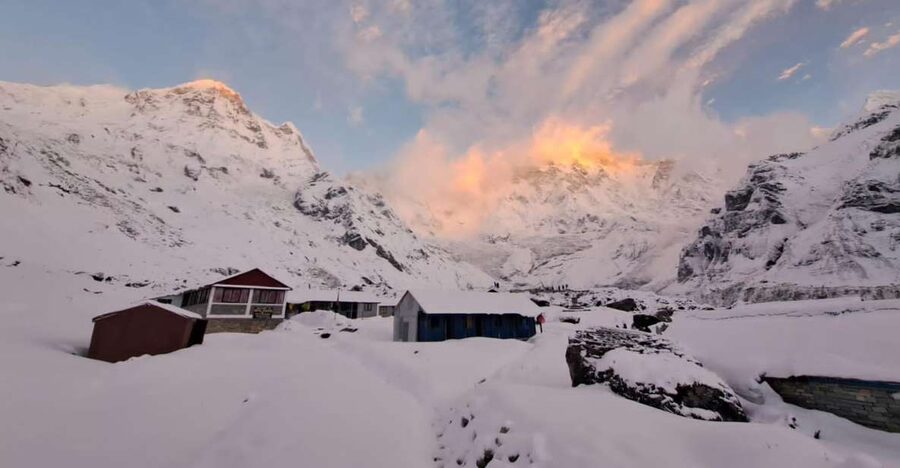
- Poon Hill sunrise: a fast climb early on, with big reward when the sky cooperates.
- A route that changes texture: terraced fields, rhododendron, bamboo, then the stark grandeur of the sanctuary.
- Gurung village culture: Chhomrong gives you proper village life with strong mountain views.
- Real Base Camp scale: Annapurna I dominates the horizon once you reach the sanctuary bowl.
- Recovery at the end: Jhinu Danda’s hot springs are a legit muscle reset after the long descent.
Pokhara start: riding the Modi Khola toward Tikhedhunga
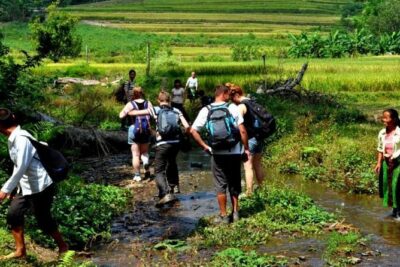
Most Annapurna trekkers start in Pokhara because it gives you a little cushion before altitude. Here, you take a morning drive to Nayapul (about 1.5 hours) and begin walking from there. The trail follows the Modi Khola, and that matters because it keeps the hike feeling like a lived-in valley rather than a straight-up mountain line.
Day 1 is about getting moving, not racing. You pass small villages and terraced fields, then reach Tikhedhunga (1,577m). It’s a gentle warm-up for what comes next: you’re learning the rhythm—short stretches, steady steps, and the constant shift between sun and shadow on the trail.
What I’d watch for: start with comfortable, not heroic, energy. Even if Day 1 feels easy, your legs will remember later once you hit Ulleri and the repeated climbs.
You can also read our reviews of more tours and experiences in Ghandruk.
Ulleri steps and Ghorepani views: the steep start you earn early
Day 2 climbs hard. You begin with the famous steep stone steps known as Ulleri, then work your way through rhododendron forests and charming village sections. Ghorepani sits at 2,874m, and it’s the first place on this trek where you really start to feel the mountain air.
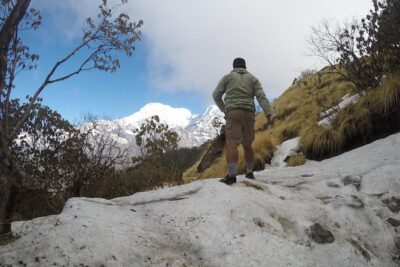
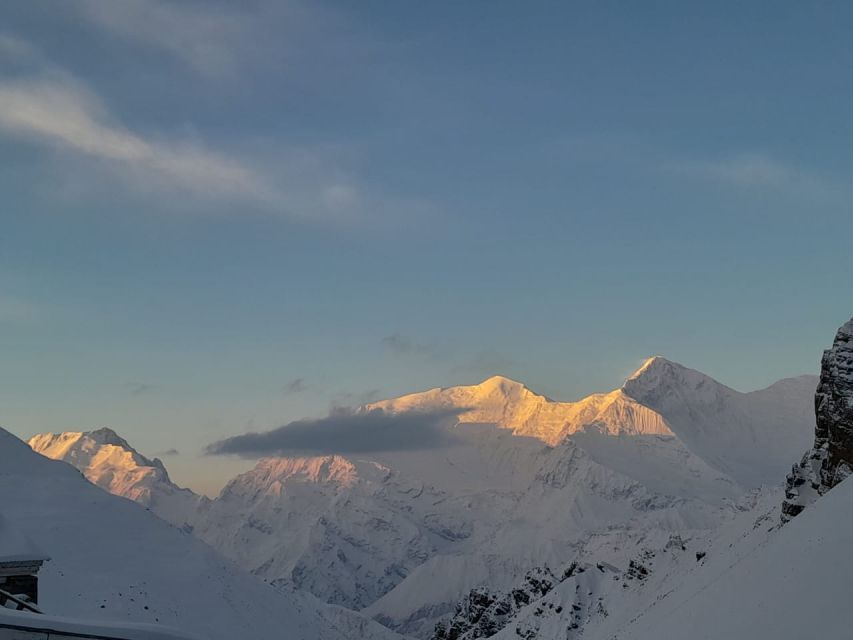
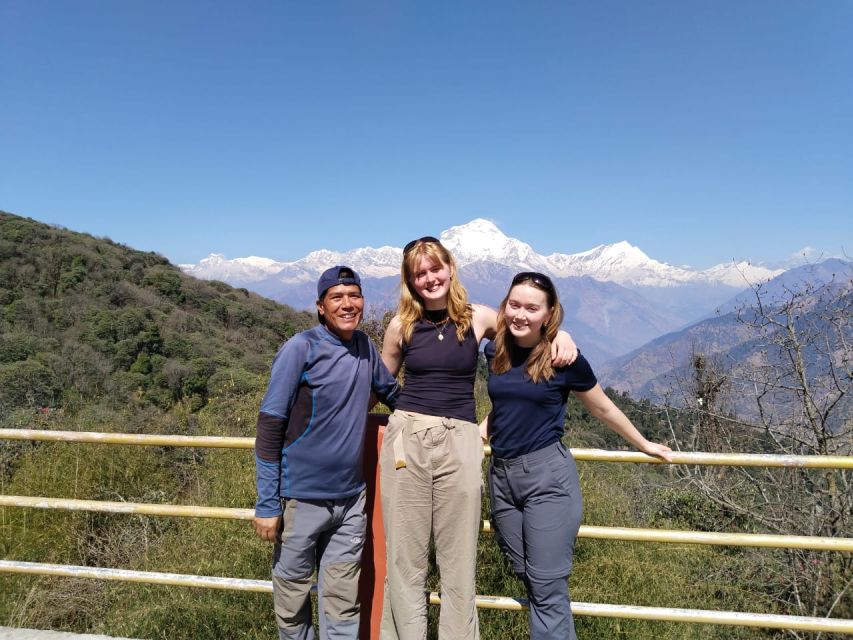
You’re also in view country. From Ghorepani, you can take in panoramic looks across the Annapurna and Dhaulagiri ranges. This is one reason people love this route: the scenery doesn’t wait until the end. It starts paying you back early, even before Base Camp.
Why this matters for your planning: Ghorepani is also where you’ll reset for the early morning climb to Poon Hill. If you want sunrise photos, you need good sleep and a quick breakfast setup the night before. Private guiding helps here because your guide can keep your timing realistic.
Poon Hill sunrise and Tadapani: the best payoff for early mornings
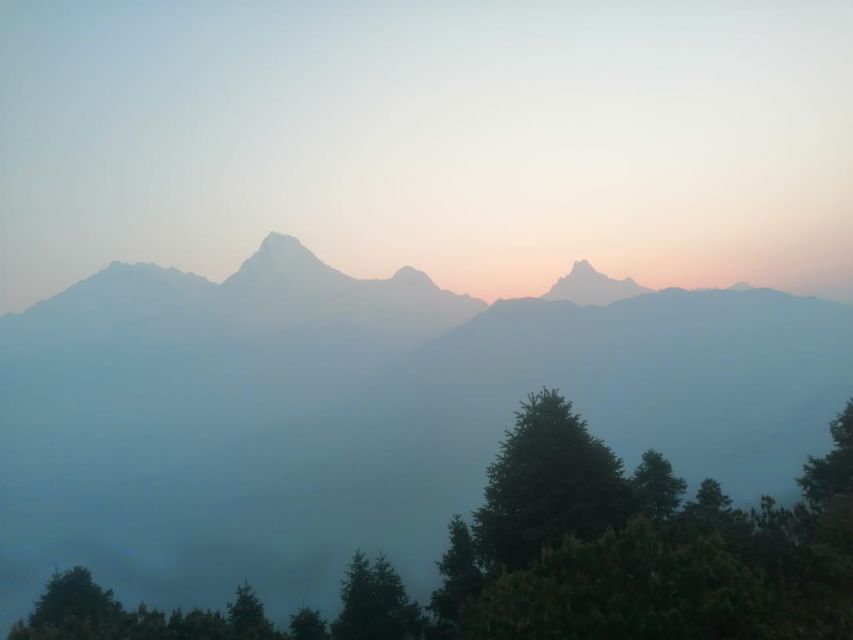
Day 3 is a two-part day: sunrise first, then trekking. You wake up early and hike to Poon Hill (3,210m) for panoramic sunrise views over the Annapurna area. Even if clouds roll in, the early-hours atmosphere in the mountains is its own reward. When the light hits, the peaks can look like they’re floating above the clouds.
After that, you descend back to Ghorepani for breakfast, then keep moving into the forests. You trek through rhododendron and into rhododendron-filled valleys until you reach Tadapani (2,630m) for the night.
The practical tradeoff: this day is logistically busy because it’s split between an early push and normal hiking. If you’re a slow hiker, a guide who keeps you comfortable (and helps pace you) makes a huge difference. In past trips on this route, guides like Biru and others were praised specifically for patient pacing.
Chhomrong: a Gurung village with Machhapuchhre watching you
Day 4 turns the dial toward big views and proper village energy. You start with gradual descent through lush forest sections, pass Gurjung village, then head downhill to the Kimrong Khola and climb back up to Chhomrong (2,170m).
Chhomrong is a larger Gurung village, and it’s one of the most satisfying cultural moments on this trek. You’re not just walking through scenery—you’re stepping into a community built around the mountain seasons. And the views are strong here, including Annapurna South and Machhapuchhre, the famous Fish Tail peak.
What can catch you: Chhomrong is not high like Base Camp, but the up-and-down rhythm still taxes your legs. Expect a longer feel if you’re fighting fatigue from earlier climbs.
Bamboo, Sinuwa, and a suspension bridge: where the trail turns playful
Day 5 is a classic trekking rhythm day: you descend from Chhomrong down to the Chhomrong Khola, cross a suspension bridge, then climb up to Sinuwa. After that, the route leans into thick bamboo and rhododendron forest stretches until you reach Bamboo (2,310m).
This is the day where the trek starts to feel less like a straight line and more like a sequence of changing scenes. Bamboo corridors can be cooling compared to exposed sections, and the forest keeps your mind busy because you’re focused on steps and footing, not just on the horizon.
Why I like this part for you: if you’re the type who gets restless when views are blocked, forests are a nice reset. Even with mountains in the distance, you’re still moving through something alive and local.
Deurali and the Modi Khola valley: steady ascent, with landmarks
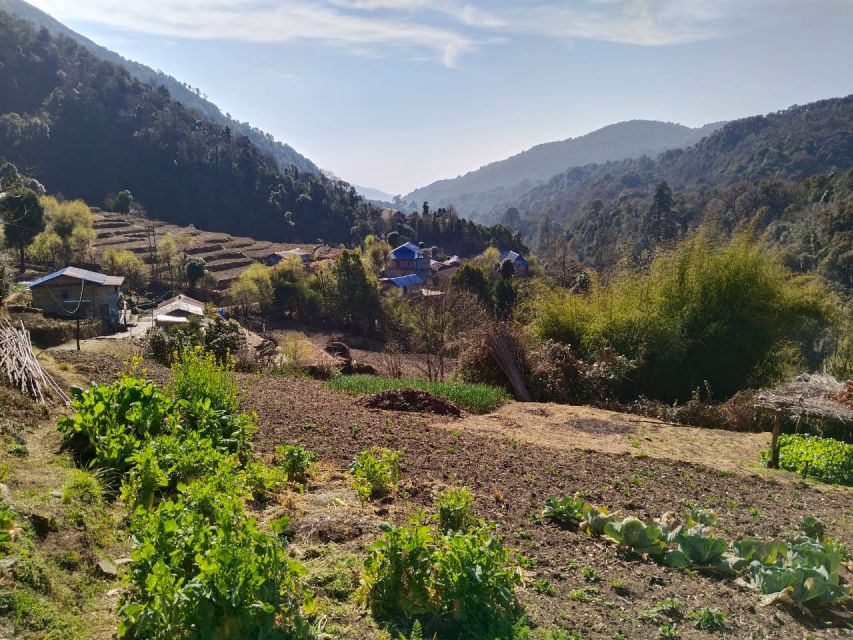
Day 6 brings you through bamboo forest sections again and into stretches along the Modi Khola valley. Along the way, you pass the Himalayan Hotel and Hinku Cave—small trail landmarks that help you feel oriented. Then you work steadily upward to Deurali (3,230m) for the night.
Deurali is a turning point. You’re higher now, and even simple walking starts to feel heavier. If you’re sensitive to altitude, take the climb slow. One sign to trust: if you need to stop more often, do it without guilt. Proper pacing is one of the biggest safety levers you have on this route.
Annapurna Base Camp day: the sanctuary opens, then the peaks take over
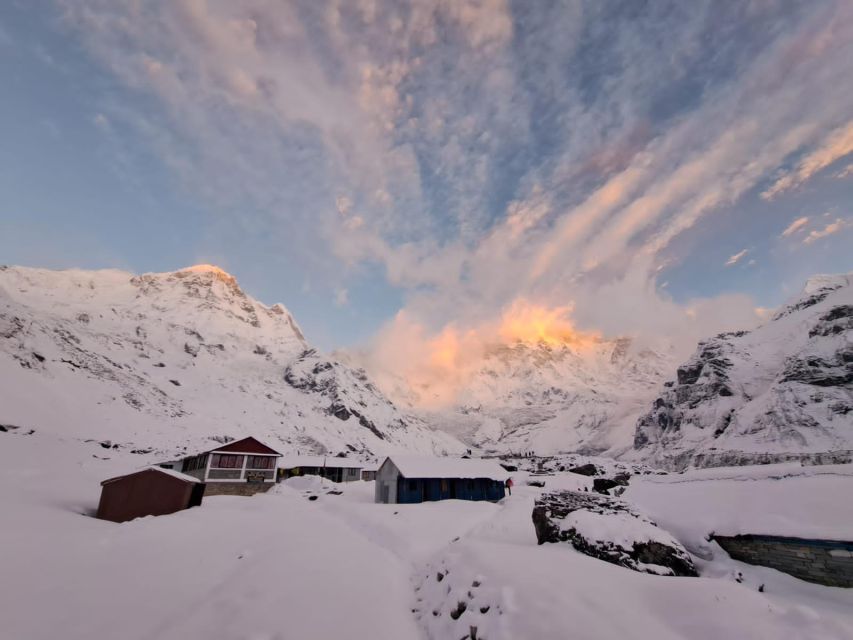
Day 7 is the big one. You trek through a narrow valley that opens into the Annapurna Sanctuary. As the terrain widens, the views shift from tall peaks in the distance to a kind of bowl effect—mountains surrounding you in a way that feels almost physical.
You pass Machhapuchhre Base Camp (around 3,700m) and then continue on to Annapurna Base Camp (4,130m). When you arrive, you’re surrounded by towering peaks, including Annapurna I at 8,091m. This is where the trek earns its reputation.
My practical advice: once you reach Base Camp, slow down. Don’t treat it like a museum stop where you sprint around for photos. Take time to breathe, hydrate, and enjoy the scale. Sunrise and early light can be dramatic, and people often talk about the emotional hit of seeing the mountain up close after days of building toward it.
Base Camp to Bamboo: sunrise again, then the patient work of descending
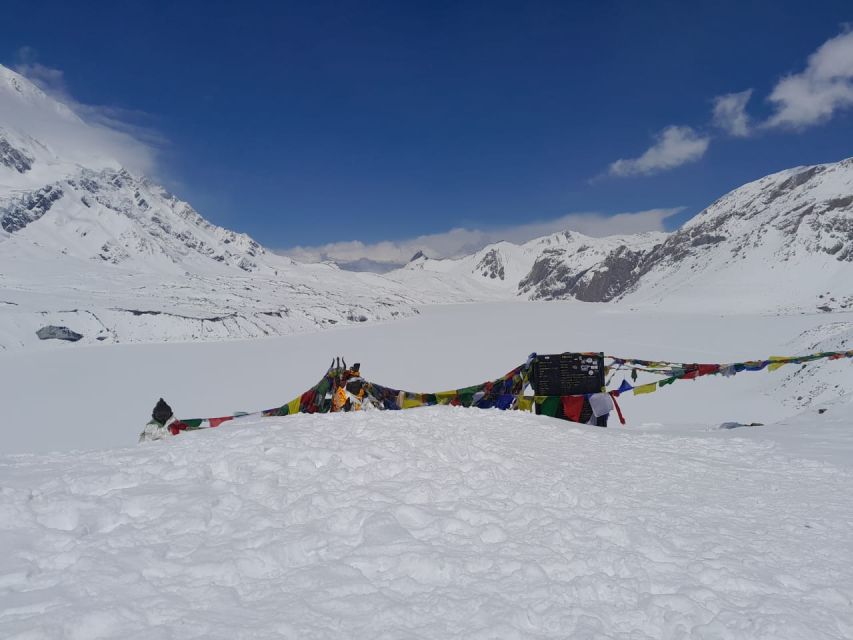
Day 8 starts early again, this time to enjoy sunrise views from Annapurna Base Camp. After that, you begin descending. You trek back through Deurali and continue down to Bamboo for the night.
Descending can feel easier than going up, but it often isn’t. Your knees and quads take the load, and fatigue stacks quickly if you go too fast. The win on Day 8 is that it helps set you up for the comfortable recovery day that comes later.
For your comfort: good footwear and trekking pole use (if you use them) can make this feel less punishing. It’s also a good day to keep your guide informed about any aches so your pace stays sane.
Jhinu Danda: the long return and the hot springs payback
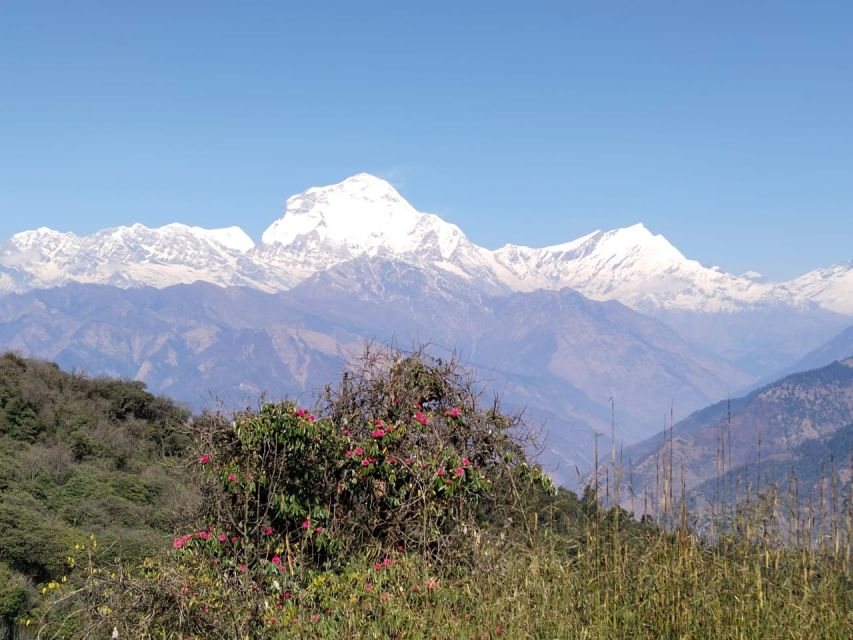
Day 9 is all descent with one major reward: Jhinu Danda’s natural hot springs. You continue down through forest sections, reach Chhomrong for lunch, and then push further to Jhinu Danda (1,780m).
These hot springs are not just a fun add-on. After several days at higher altitudes, warm water helps you loosen up and reset your legs. If you’re thinking about what will make you feel human again at the end, this is one of the best bets on the whole trek.
One useful planning note: some parts of the area can involve higher costs at altitude for things like hot showers, battery charging, WiFi, and heaters. Build some extra daily money in if you care about that comfort.
Final day: Jhinu Danda to Nayapul and back to Pokhara
Day 10 ties it together. You trek from Jhinu Danda to Nayapul, then drive back to Pokhara to wrap up the journey.
This is the day to keep it light. You’ve earned it. Your job is simple: walk steadily, soak up the last mountain air, and arrive in Pokhara with legs that are better than you think they’ll be.
Price and value: what the $310 covers (and what it doesn’t)
The price is listed at $310 per person for 10 days, and value here comes from what’s included. You get hotel pickup and drop-off, a professional English-speaking guide, permits and official documentation, and private transport between Pokhara and Nayapul plus back. Accommodation is covered in guest houses, and you also get entrance for Poon Hill. There’s even an emergency first aid kit with the guide.
What you should plan to pay separately: food and drinks (available to purchase), travel insurance, and any rescue costs if something serious happens. Optional gratitude for your team is also up to you.
How to judge if this is a good deal for you: if you want a private tour with a guide who can adjust pacing, and you want transfers handled, the package is priced like a convenience plus safety option. If you already know how to self-organize in Nepal, you could do it cheaper on your own, but you’d lose the structure and built-in help that people value most on this trek.
Weather, altitude, and pace: the stuff that decides your experience
This trek is doable in many seasons, but the most stable weather and clearest mountain views tend to be spring (March to May) and autumn (September to November). That said, mountain weather can change fast. Clouds and rain happen, and visibility can shift even when forecasts look good.
Altitude matters too. Poon Hill is at 3,210m, Deurali at 3,230m, and Annapurna Base Camp at 4,130m. You may feel fine one day and heavy the next. If you start showing symptoms of altitude discomfort, tell your guide immediately. In experiences on this route, guides have adjusted plans, including extending the trek by extra days to manage recovery and allow safer movement.
Key takeaway: you’re not just hiking distance. You’re managing how your body adapts to height.
Who should book this trek
This trek fits best if you want:
- a mix of village life and serious mountain scenery
- sunrise experiences at Poon Hill and Base Camp
- a private guide who can pace you and keep logistics smooth
It’s probably not a good match if:
- you’re pregnant (not suitable)
- you need wheelchair accessibility (not suitable)
- you don’t want to deal with steep steps, long days, and cold mornings at higher points
Should you book this Poon Hill and Annapurna Base Camp trek?
If you want classic Annapurna views without cutting corners, I’d say yes. The route’s strength is the way it builds: terraced villages and Modi Khola walking lead you toward forest days and then into the sanctuary bowl where Annapurna I dominates. Add in sunrise at Poon Hill and the Base Camp morning, plus a guide who keeps pace and timing realistic, and you get a trek that feels earned, not rushed.
If you’re sensitive to weather uncertainty, plan your mindset around clouds and rain. You’re still going to get the trekking experience, the villages, and the sense of moving through the Annapurna region with purpose. If you want a purely guaranteed panorama every day, nature won’t promise that.
FAQ
What is the duration of this trek?
It’s a 10-day trek, starting in Pokhara and ending back in Pokhara after the hike and return drive.
Where does the trek start and end?
You start from Pokhara, drive to Nayapul to begin the trek, then trek back toward Nayapul on the final day and return to Pokhara.
How high do I go on the route?
You reach Poon Hill at 3,210m, Annapurna Base Camp at 4,130m, and you also pass through higher points like Deurali around 3,230m and Machhapuchhre Base Camp around 3,700m.
Is Poon Hill sunrise included?
Yes. The trek includes an early hike to Poon Hill, and Poon Hill entrance is included.
What kind of accommodations do you use?
You stay in guest houses throughout the trek.
What’s included in the price?
Included are hotel pickup and drop-off, a professional English-speaking trekking guide, permits and official documentation, private car transfers between Pokhara and Nayapul, guest house accommodation, an emergency first aid kit with the guide, and private tour time plus Poon Hill entrance.
What’s not included?
Food and drinks are not included, and you’ll also need travel insurance. Emergency rescue costs, if needed, are not included (they’re expected to be covered by your insurance).
What should I bring?
You should bring a passport or ID card, comfortable shoes, travel insurance, and a passport-sized photo.
Is this trek suitable for everyone?
It’s not suitable for pregnant women or wheelchair users. Pets are also not allowed, and plastic bottles are not allowed.