REVIEW · MINDELO
Cova–Paúl Valley Trek: Santo Antão Day Trip by Ferry
Book on GetYourGuide →Operated by Green Line Tours Cabo Verde · Bookable on GetYourGuide
That crater view hits like a movie scene.
On this day trip from Mindelo to Santo Antão, you’re not just watching scenery—you’re walking down through the island’s working valley and back over a mix of ocean, mountain roads, and coastal views.
I like the guided descent through Cova de Paúl and the way Paúl valley farming stays front and center the whole day. I also like that you get a real cultural stop at Grogue distillery, not just a photo break.
The main thing to consider is the hike and driving mix: the walk is mostly downhill, but it still means uneven, stony ground and some people will feel uncomfortable with heights or altitude-related symptoms.
In This Review
- Key highlights at a glance
- Mindelo to Porto Novo: the ferry ride sets the tone
- Riding up to Cova de Paúl: the crater rim comes first
- The hike down: Cova crater to Cabo de Ribeira
- Trail conditions you should plan for
- Paúl valley villages and crops: why this trek feels real
- Ribeira Grande lunch: fuel with local flavors, not just a stop
- Grogue distillery: rum-making as a working process
- The return by coastal roads and back to São Vicente
- Price value: why $141 can make sense here
- Who this Santo Antão trek is best for
- What to bring (and what to wear so you don’t suffer)
- Should you book this Cova–Paúl day trip by ferry?
- FAQ
- Where does this tour start and end?
- How long is the full day?
- How long is the ferry ride?
- Will I have a guide, and what languages do they speak?
- Do I need lunch money?
- What’s the Grogue distillery stop like?
- What should I bring for the hike?
- Is the ride likely to be rough on the ferry?
- Is the tour suitable for people with mobility issues or back problems?
- Can I cancel for a refund?
Key highlights at a glance
- Cova de Paúl crater views over the green valley toward Vila das Pombas
- Paúl valley farming villages with fruit and crops along the trail
- Grogue distillery entrance included, with a rum-making look at how it’s made
- Ferry ride with sea-life spotting like dolphins and flying fish when conditions allow
- Guides with people-first pacing, including Sonia, Madu, Danny, and Carlos
Mindelo to Porto Novo: the ferry ride sets the tone
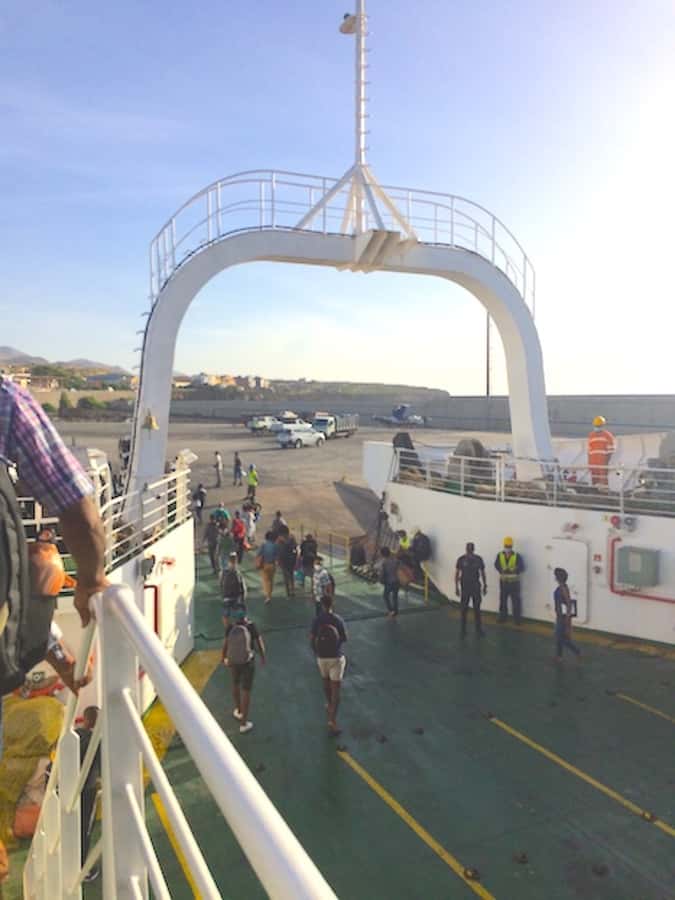
Most days start with an early pickup in Mindelo. You’ll transfer to the harbor, then cross the canal to Santo Antão by ferry. The ride can be up to about one hour, and you’ll have options: step on deck to look for marine life, or stay seated with music and comfort.
This matters because it changes how you experience the island. You arrive awake, not rushed, and you’re already in the Santo Antão mood before the mountains begin. If you’re even slightly sensitive to motion, come prepared—this trip is described as typically calm, but it depends on the winds.
On arrival, you’ll exit the terminal and meet your local guide, who sets the stage for what’s ahead: a mountain drive to the crater rim, then a hike that brings you down into one of the island’s most fertile areas.
Riding up to Cova de Paúl: the crater rim comes first
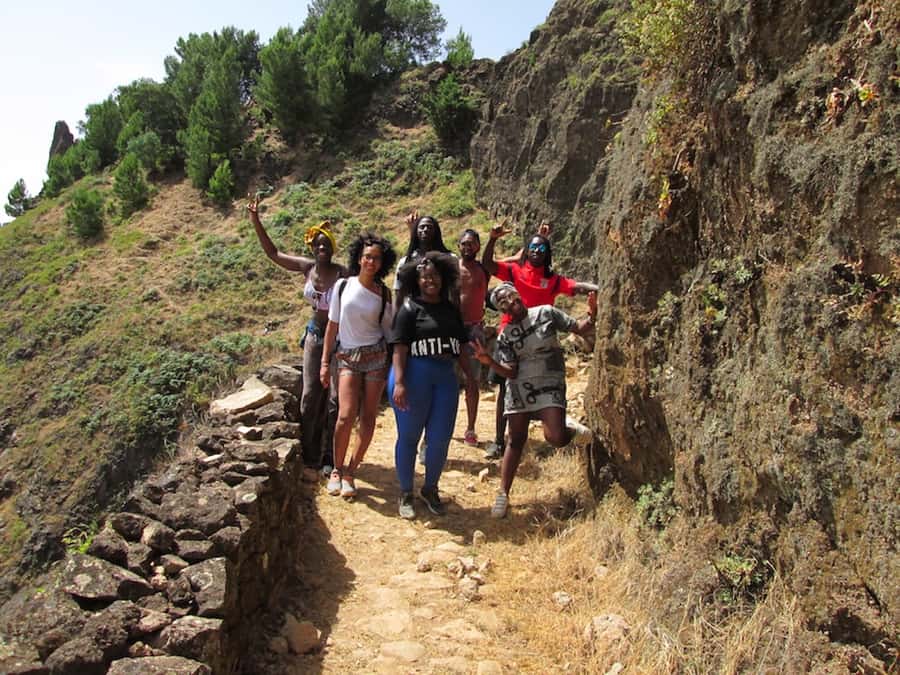
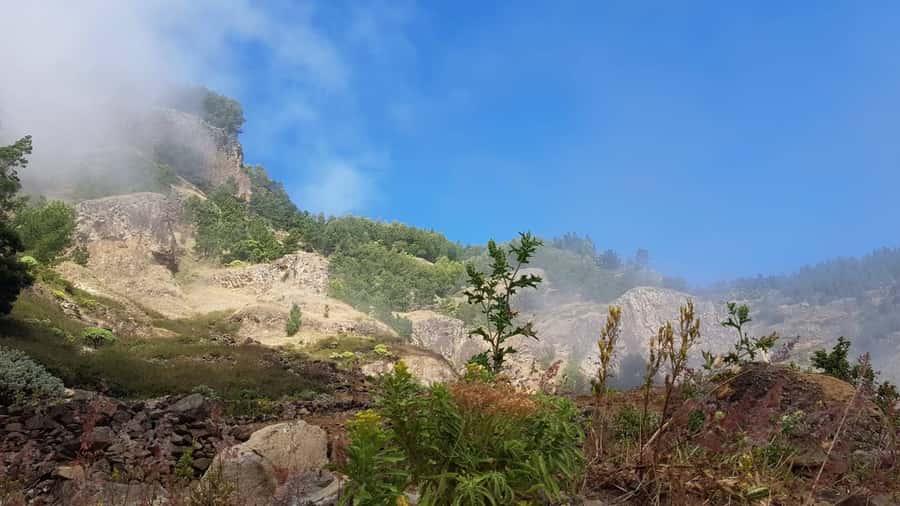
After a transfer to the mountain area, you’ll reach the top of the ancient Cova de Paúl volcano crater. This is where the day earns its reputation. You’re high enough to see the immense lush green valley below, and in the distance you can take in the coastal direction toward Vila das Pombas.
Before you start walking, you’ll get a safety briefing and guided tour time on the crater area (about 2.75 hours total for the crater-guided portion, including the hiking start and safety notes). That briefing isn’t just formality—crater walking changes how you place your feet, and it helps if you’re dealing with uneven ground, cool morning air, or strong sun on exposed sections.
What to expect mentally: the view makes you want to slow down and stare. Let that happen, but also keep an eye on your footing. A great view doesn’t prevent a twisted ankle, and this part of the day is where you set your pace for the descent.
The hike down: Cova crater to Cabo de Ribeira
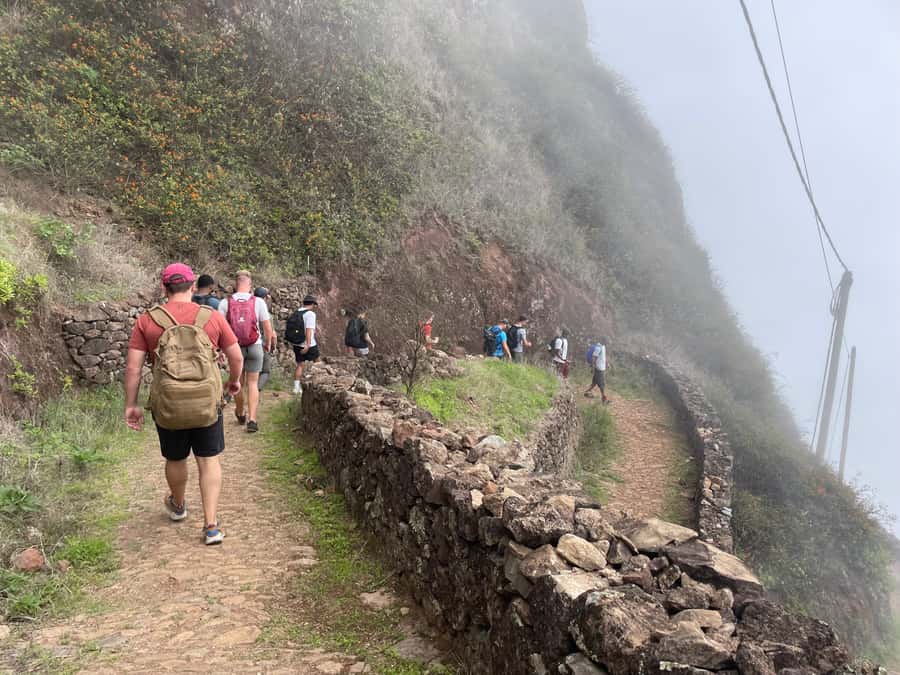
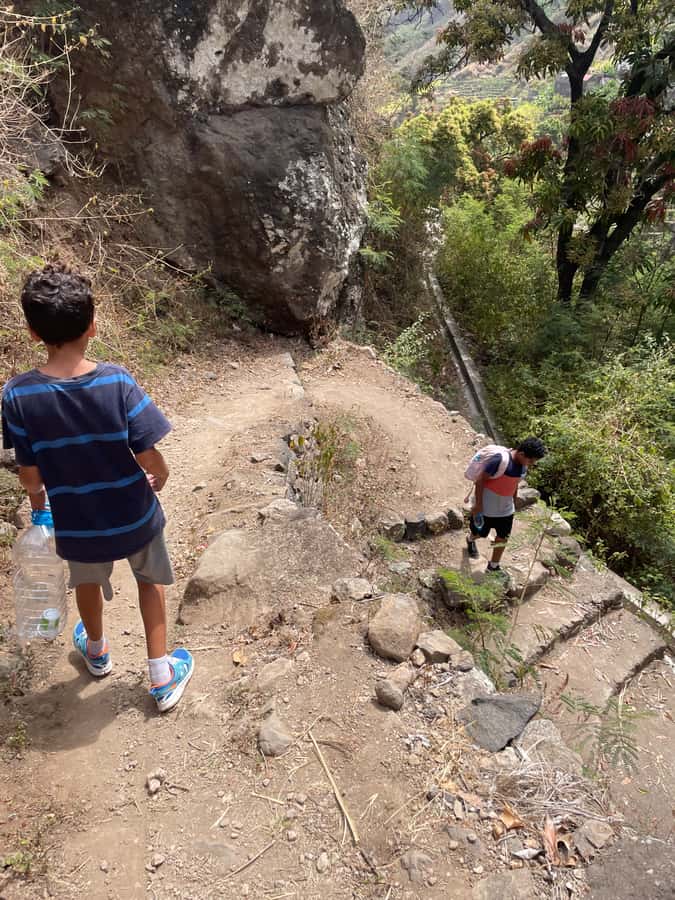
The trek is mostly descending, moving from the ancient crater down toward Cabo de Ribeira. This is one of the most satisfying types of hikes: your effort gradually shifts from “am I climbing?” to “can I maintain balance and control my steps?” Downhill sounds easier until you realize it’s all about grip and steady legs.
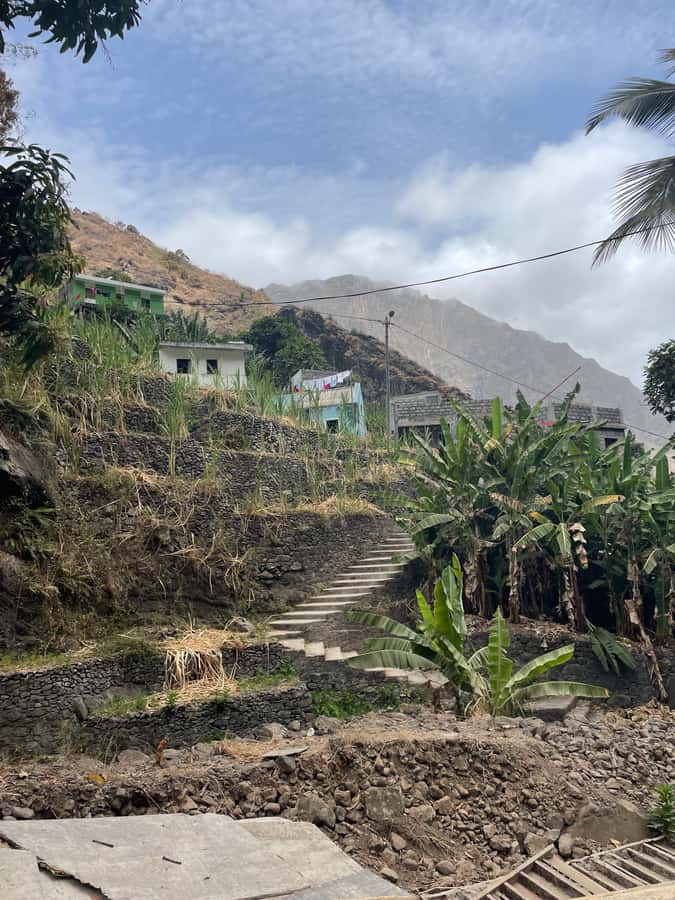
Your guide keeps the route moving through the mountain environment and into the valley world. As you go lower, the air and light change, and the trail increasingly feels like you’ve entered a lived-in landscape: you pass small villages and you see agriculture as a daily rhythm, not a scenic backdrop.
If you like nature, you’ll enjoy the vegetation and farming details. If you like people, you’ll appreciate how the guide frames the valley’s importance—why this area feeds so much of Santo Antão’s life.
Trail conditions you should plan for
- Bring hiking shoes with solid grip
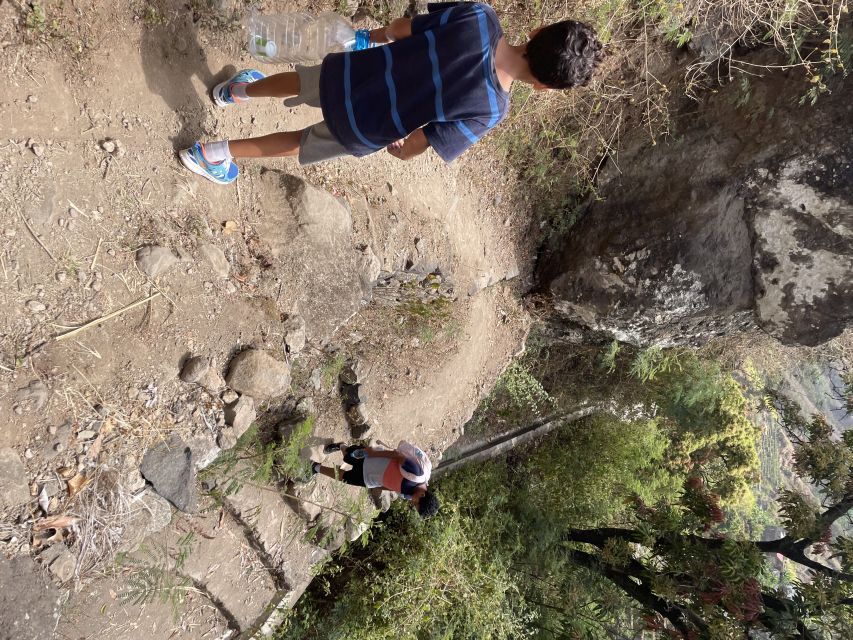
- Expect uneven, stony paths on the descent
- Consider a walking stick if it helps your knees
- Wear layers: you’ll be in sun and then cooler mountain or coastal air
Paúl valley villages and crops: why this trek feels real
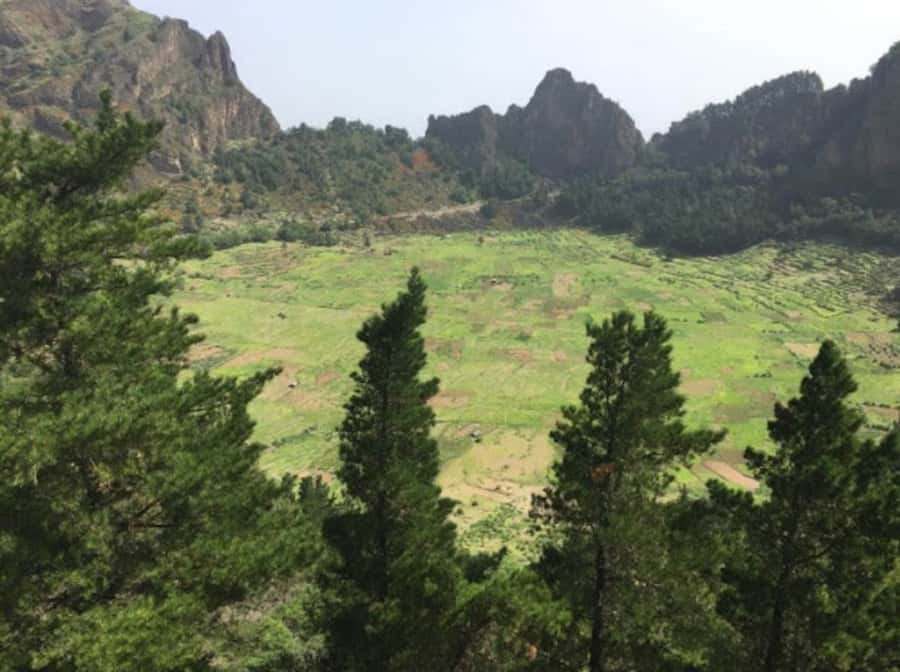
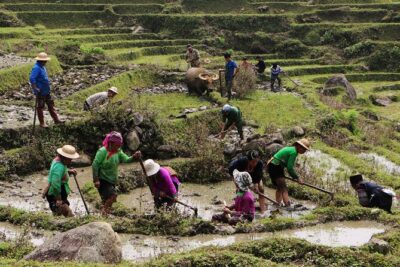
Once you’re walking in the Valley of Paúl, the day shifts from “crater hike” to “how people make a living here.” You’ll pass through small village areas and see agriculture throughout the route.
The description of crops you may see includes mango, papaya, goiaba, oranges, apples, passion fruit, avocado, sugarcane fields, banana plants, and coffee. Even if you don’t recognize every plant at first glance, you’ll understand the pattern: this valley has the conditions to grow a lot, and locals have worked with the land for generations.
This is also where good guiding makes a difference. On days run by guides like Madu, the pacing tends to match the group, and the storytelling connects nature to everyday routines—life in the mountains, how farming shapes time, and why the valley’s fertility matters.
And yes, you’ll likely feel the “stomach drop” of looking down and realizing how far the valley stretches. If you’re afraid of heights, this part may not be comfortable, so take that seriously before booking.
Ribeira Grande lunch: fuel with local flavors, not just a stop
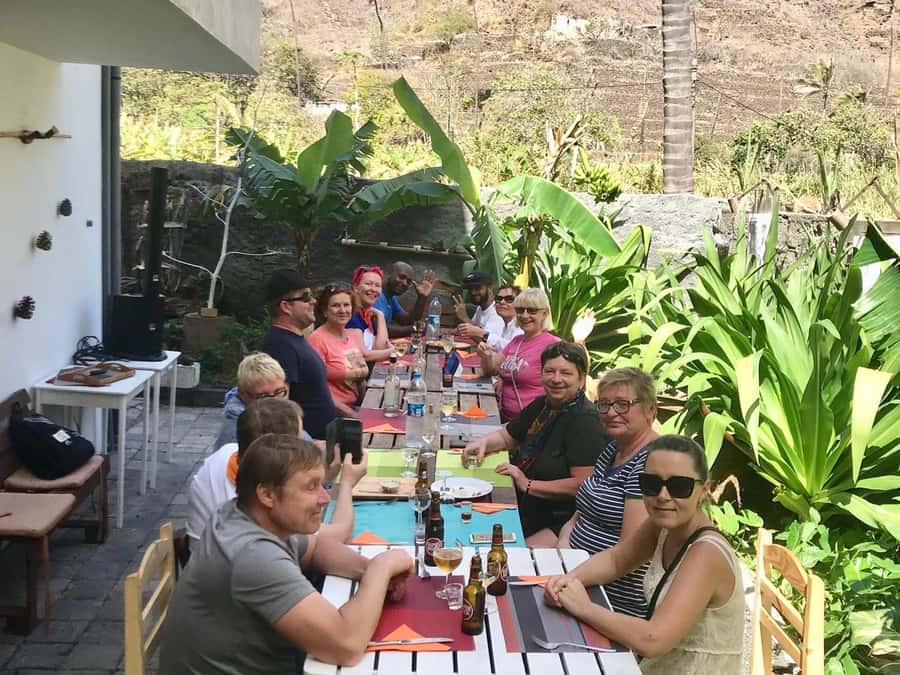
After the hike, you head to Ribeira Grande for lunch (about 1.5 hours). Lunch is not included, so you’ll choose from the typical local restaurant options arranged for the day.
What I like about having lunch here: it breaks up the physical day at the right moment—after you’ve earned the views and walking—and it keeps the experience connected to where the valley meets town life. The restaurant is noted as accepting euros and escudos, but it’s also noted that credit cards aren’t mentioned as an option, so bring some cash just to stay relaxed.
If you have dietary restrictions or allergies, this is the time to flag them ahead of the trip so the guide can communicate with the restaurant. Clear info makes a huge difference when you’re off the usual tourist menu routes.
Grogue distillery: rum-making as a working process
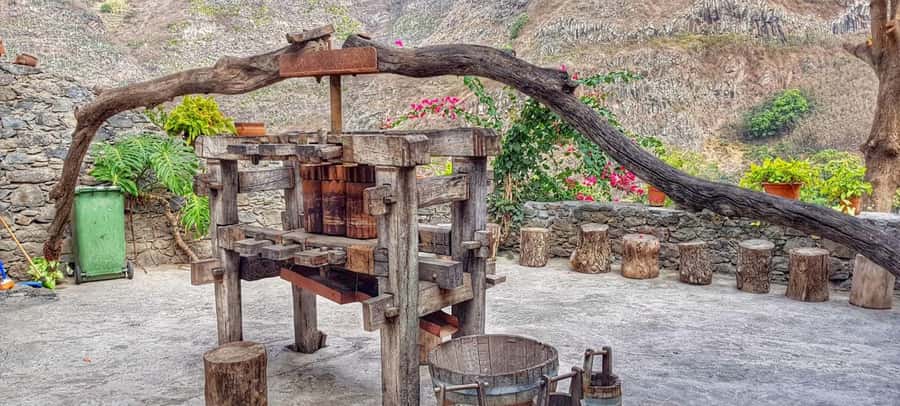
Before the ferry home, you stop at Grogue distillery for entrance included and about 20 minutes on site. This is short on purpose. In a day like this, you want enough time to understand the basics without turning the schedule into a marathon.
Still, the stop hits the sweet spot: you see how rum is made, and you get another angle on Cape Verdean island life. It’s not only about alcohol as a souvenir—it’s about local production, ingredients, and the transformation from crop to product.
If you’re the kind of traveler who likes to understand how things work, you’ll find the distillery stop memorable. If you’re not into rum, you can still treat it as a window into local industry—and you’ll likely enjoy the plain, practical explanations your guide provides.
The return by coastal roads and back to São Vicente
After lunch and the distillery stop, you travel back toward Porto Novo. The road trip is described as a stunning coastal route, and you may pass through mountain tunnels and colorful villages along the way.
Then you reach the ferry again, board for the return to São Vicente (about one hour on the water), and get a transfer back to your accommodation in Mindelo.
Two things to keep in mind for the return day:
- You’ll be tired. Plan for it, especially if you’re prone to heavy legs after downhill trekking.
- Your last photos won’t come at the start of the day. Keep your phone battery ready and expect the best color moments late afternoon.
Price value: why $141 can make sense here
At $141 per person (11 hours), the price only feels fair if you look at what you’re actually getting, not just that it includes a tour.
Here’s what’s included:
- Pick up and drop off at your Mindelo accommodation
- Roundtrip ferry tickets between São Vicente and Santo Antão
- Private transportation on the island segments
- A local guide (English, Portuguese, Spanish, and French)
- Grogue distillery entrance included
- Liability insurance
What’s not included:
- Lunch
- Beverages
- Personal expenses
When that’s combined, you’re paying for logistics you’d otherwise have to solve yourself—ferry timing, island transfers, and an experienced guide who knows how to pace the route and explain what you’re seeing. For most visitors, that’s where the money goes.
So if you’re coming to Santo Antão mainly for views plus real valley life plus one cultural production stop, this price can be a smart fit. If you’re on an ultra-tight budget and want zero guided services, you might feel the cost more.
Who this Santo Antão trek is best for
This is a great match if you want:
- A guided crater-to-valley hike with big views early
- A focus on farming life in Paúl rather than only scenic lookouts
- A cultural add-on that’s short but informative (Grogue distillery)
- A full day with ferry + roads + trekking, all handled for you
It’s less suitable if you:
- Have back problems
- Have mobility impairments
- Are afraid of heights
- Experience altitude sickness
- Are traveling with children under 5
And if you’re thinking about fitness: the route is mostly descending, but you should still expect uneven footing. You don’t need to be a mountain athlete, but you do need solid footwear and a willingness to take your time.
What to bring (and what to wear so you don’t suffer)
The essentials are straightforward, and I strongly recommend treating them like part of the experience, not an afterthought.
Bring:
- Passport (for ferry travel)
- Hiking shoes
- Water (bottle)
- A jacket (it can be cooler in Nov through Mar, with ocean and mountain air)
- Hat and sunglasses for sun protection
- Trekking gear
- A sweater can help on the cooler portions
If you’re unsure about leg support, a walking stick is listed as optional, and it can make downhill feel much safer.
Also, if you need passport details: the instructions ask for a passport photo or passport data at least 24 hours before the excursion. Some booked days have shown that this request wasn’t ultimately needed, but don’t gamble. Instead, plan as if you’ll need to share those details and always bring your passport anyway.
Should you book this Cova–Paúl day trip by ferry?
Book it if you want a day that moves beyond photos. This trek gives you the crater viewpoint, then turns into a real walking story through the Paúl valley’s farming life, with a practical cultural stop at Grogue distillery. It’s a full-value day because the ferries, transfers, guiding, and entrance are handled.
Skip it (or consider a different option) if you know you’ll struggle with uneven downhill hiking, or if heights or altitude-related issues are a concern. This itinerary is scenic, but it’s still an active mountain day.
If you’re ready for a long but well-structured outing—ocean ride, crater views, valley walking, lunch, distillery, then back to Mindelo—you’ll probably come away thinking this was one of the most “Cape Verdean” days you built into your trip.
FAQ
Where does this tour start and end?
It starts with pickup in Mindelo and ends with a transfer back to your accommodation in Mindelo after you return to São Vicente.
How long is the full day?
The total duration is listed as about 11 hours.
How long is the ferry ride?
The ferry crossing is up to about one hour each way, depending on conditions.
Will I have a guide, and what languages do they speak?
Yes. The local guide speaks English, Portuguese, Spanish, and French.
Do I need lunch money?
Lunch is not included, so you’ll need to pay for it on the day.
What’s the Grogue distillery stop like?
Entrance to Grogue distillery is included, with about 20 minutes scheduled there, focused on how rum is made.
What should I bring for the hike?
Bring your passport, hiking shoes, water, and a jacket. Sun protection (hat and sunglasses) and trekking gear are also recommended. A walking stick is optional.
Is the ride likely to be rough on the ferry?
The ferry ride is described as typically calm, but it depends on the winds, so if you get seasick, come prepared.
Is the tour suitable for people with mobility issues or back problems?
No. It is not suitable for people with back problems, mobility impairments, or children under 5.
Can I cancel for a refund?
Free cancellation is offered up to 24 hours in advance for a full refund.