REVIEW · GHANDRUK
Pkr/Kathmandu: 5-Day Annapurna Base Camp & Hot spring Trek
Book on GetYourGuide →Operated by Travel Guides · Bookable on GetYourGuide
Five days to Annapurna Base Camp. This route is interesting because it strings together Annapurna Base Camp at 4,130 m with thick forests, riverside sections, waterfalls, and traditional villages along the way. I especially love the sunrise drama from Machhapuchhre Base Camp and the option to warm up in hot springs at Jhinu Danda. One drawback to plan for: this trek is moderate to challenging, and cold, rain, or even snow can show up—so acclimatization and packing matter.
You’ll be moving with a private, multilingual guide (English, French, Japanese, Chinese). In the field, guides like Raj, Sagar, Shiva, Nareen, and Bimal are repeatedly valued for pacing, safety focus, and smooth handling of meals and guest houses—plus the porter support makes a big difference when the trail turns steep.
In This Review
- Key highlights you’ll feel on this Annapurna Base Camp trek
- Why this 5-Day Annapurna Base Camp route feels intense in a good way
- Starting in Pokhara (and Kathmandu if you choose the flight): getting wheels out of the way
- Day one: Simrung to Sinuwa for your first altitude hit (2340 m)
- Day two: Sinuwa to Deurali (3230 m) through waterfalls and tea-house villages
- Day three: Deurali to Annapurna Base Camp via Machhapuchhre Base Camp (4130 m)
- Day four: sunrise at the higher views, then down to Bamboo/Sinuwa area (back toward 2340 m)
- Day five: Jhinu Danda hot springs before the drive back to Pokhara (down to ~830 m)
- What you’re really paying for (and what costs extra)
- The gear situation: you can pack lighter, but you still need warmth
- Pace, acclimatization, and cold weather: how to keep this trip fun
- How guides and porters change the whole experience
- So who should book this Annapurna Base Camp trek?
- Should you book the 5-Day Annapurna Base Camp & Hot Spring trek?
- FAQ
- What’s the highest altitude on this trek?
- Do I start from Kathmandu or Pokhara?
- Is Jhinu Danda hot spring included?
- What’s included in the trek package?
- Are meals included?
- What should I bring, and what’s not allowed?
Key highlights you’ll feel on this Annapurna Base Camp trek
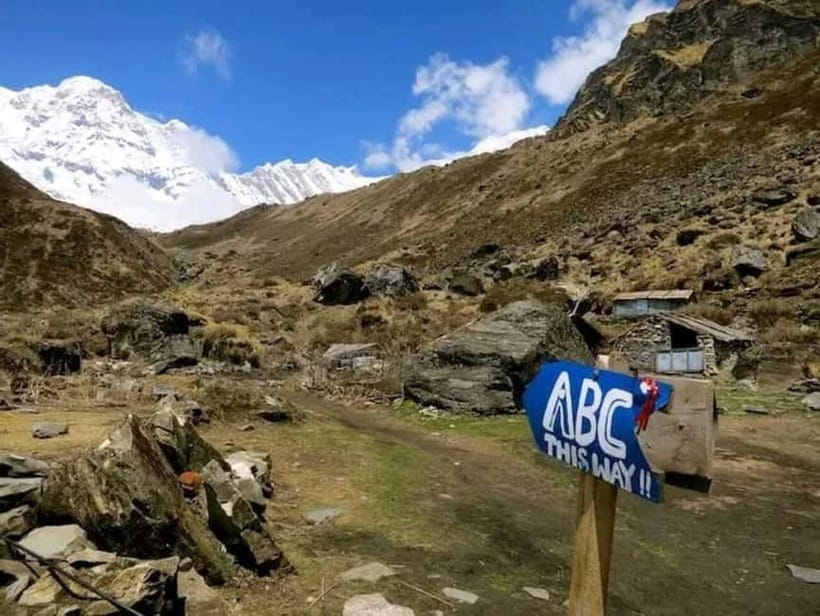
A realistic 5-day climb to Annapurna Base Camp (4,130 m)
Machhapuchhre sunrise views from Machhapuchhre Base Camp
Waters, waterfalls, and dense forest walking on most days
Authentic village life, including Gurung community stops
Optional Jhinu Danda hot springs to recover on the way down
Guest houses nightly, with gear borrowing to lighten your load
Why this 5-Day Annapurna Base Camp route feels intense in a good way
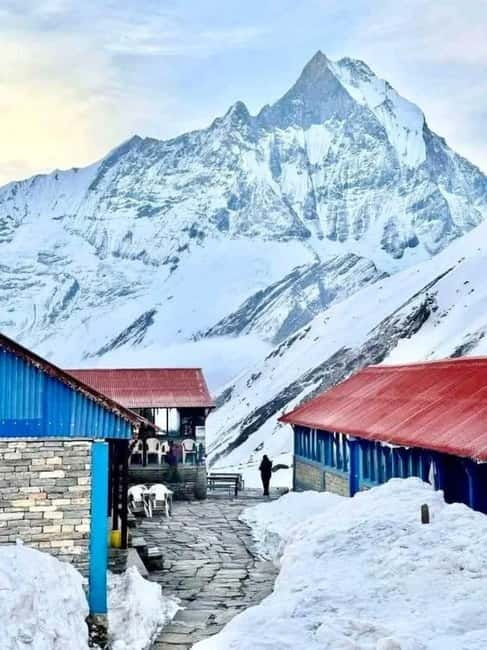
Most Annapurna Base Camp plans take longer, so you trade extra time for a faster pace here. That’s the appeal. You’ll spend five days hiking through different altitudes without the luxury of “slow and steady forever.” If you like the idea of stacking big views fast—then recovering fast—this schedule fits.
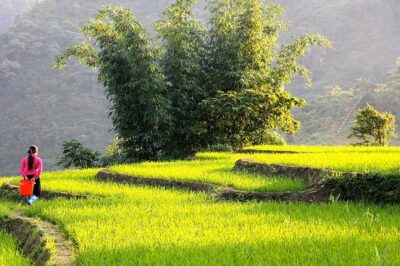
I also like that the route doesn’t just point upward at mountains. The trail mix includes dense forest sections, crossings and river corridors, and waterfalls you notice because the sound gets louder before you see the water. It makes the hike feel like a living place, not just a vertical climb.
But yes, the intensity is real. The trek is listed as moderate to challenging, with high altitude involved and cold temps possible in the mountains. You’re not going to feel like a spectator. You’re going to participate.
You can also read our reviews of more tours and experiences in Ghandruk.
Starting in Pokhara (and Kathmandu if you choose the flight): getting wheels out of the way
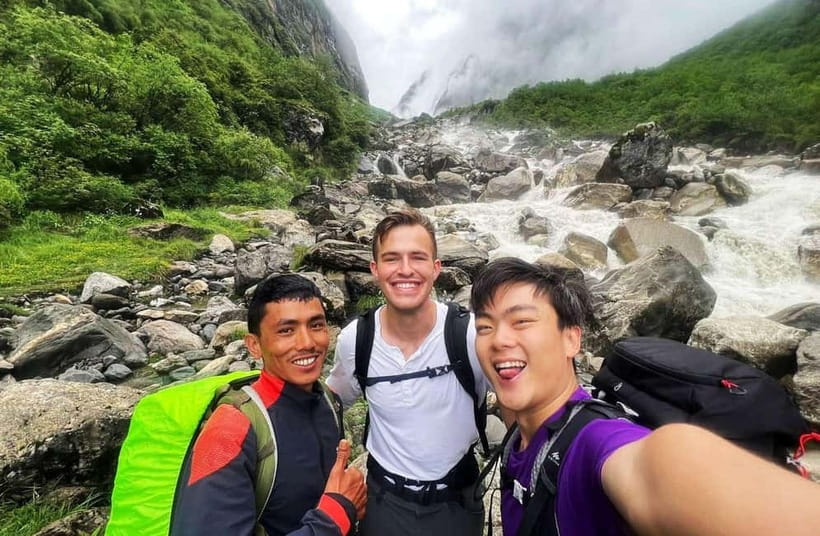
Your day starts with hotel pickup. If you’re in Pokhara, your guide meets you near Lakeside Pokhara. If you’re coming from Kathmandu, you can also use the flight option to Pokhara (about 30 minutes), which saves a lot of road time before the hike begins.
Then comes the shared-jeep leg: a drive from Pokhara to Simrung via Nayapul, typically 2–3 hours. This part is useful because it gets you into the trekking area early, instead of spending your precious mountain days commuting.
Practical note: a jeep transfer on shared roads can feel bumpy. Bring a hat or hood for sun and wind, and keep your layers accessible. You’re going from warm lakeside conditions to mountain weather quickly.
Day one: Simrung to Sinuwa for your first altitude hit (2340 m)
On day one, you drive to Simrung and then start trekking from there to Sinuwa, usually a 4–5 hour hike. This is your “wake up your legs” day. Expect a steady climb and trail energy that gets you ready for higher elevations later.
Sinuwa is where you sleep in a guest house for the night. The value of guest-house nights is that you’re not scrambling for logistics. You eat, rest, and let your body adjust after moving for several hours.
At max altitude around 2,340 m, you’re high enough to feel different from lowland Nepal, but not so high that you’ll feel smashed immediately. Still, start with a slow pace. This is where altitude problems can start if you hike hard on day one.
Day two: Sinuwa to Deurali (3230 m) through waterfalls and tea-house villages
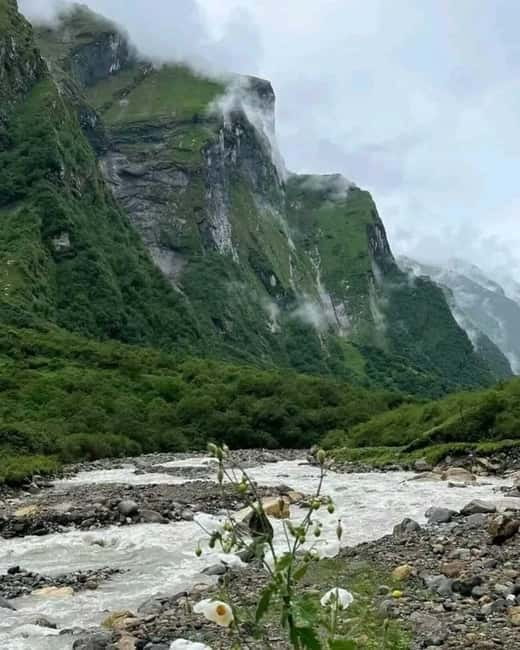
Day two runs about 5–6 hours from Sinuwa to Deurali, passing through Himalaya, a small tea-house settlement. This day tends to feel like the route’s “nature day.”
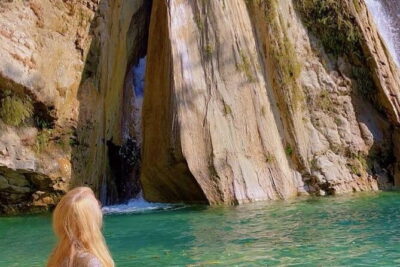
You’ll trek through dense forest and pass multiple waterfalls along the way. When trails go through forests like this, you’ll often walk in shifting light and cooler air. It can feel like relief—until the climb keeps going. The good news: waterfalls give you landmarks and motivation, even if you don’t track every switchback.
Deurali is your guest-house stop for the night, with a max altitude around 3,230 m. That’s a meaningful jump from day one, so don’t treat this as a day to set records. Treat it as conditioning for the big push to the base camp zone.
Day three: Deurali to Annapurna Base Camp via Machhapuchhre Base Camp (4130 m)
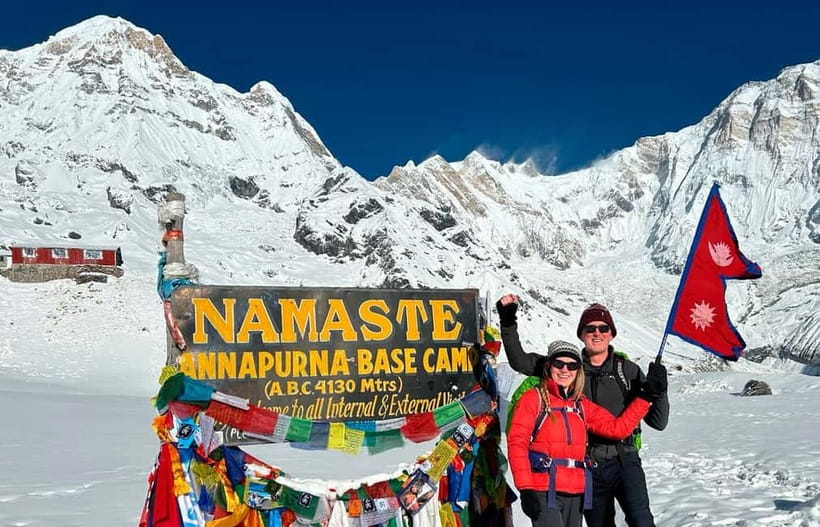
This is the day you plan for. The hike runs about 5–6 hours, climbing from Deurali to Annapurna Base Camp through Machhapuchhre Base Camp (often shortened to MBC).
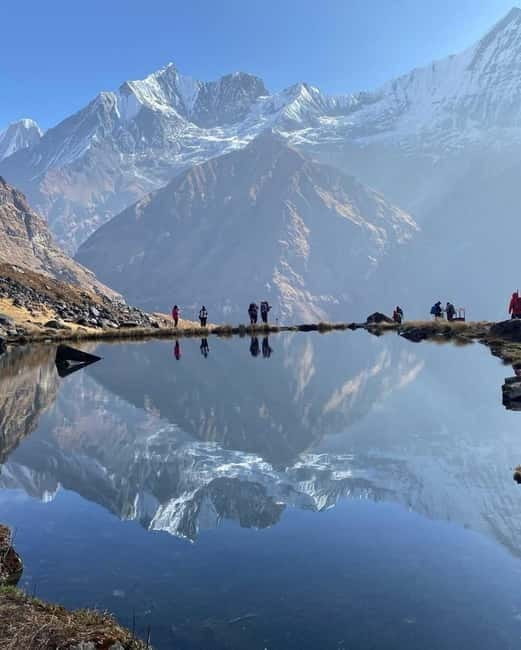
What makes this day special is the walk through the MBC valley—described as an experience like no other. Even without fancy language, you’ll feel it. A valley section typically means broadening views, a change in wind, and a sense that the mountain world is getting bigger around you.
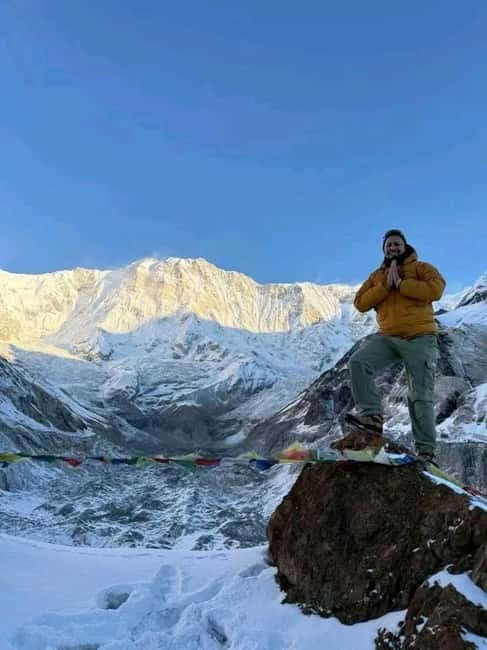
At Annapurna Base Camp, the max altitude is about 4,130 m. Your guest house night there is part of the magic. The area is known for great views of the Annapurna mountain range. You also get sunset toward the west from camp, which is a classic “sit down and let your brain catch up” moment.
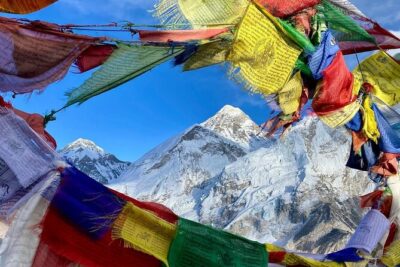
One more bonus: this route highlights panoramic mountain views of Annapurna I, Machapuchare (Machhapuchhre), and Hiunchuli. You don’t just see one peak. You start building a mental map of the whole wall of rock.
Day four: sunrise at the higher views, then down to Bamboo/Sinuwa area (back toward 2340 m)
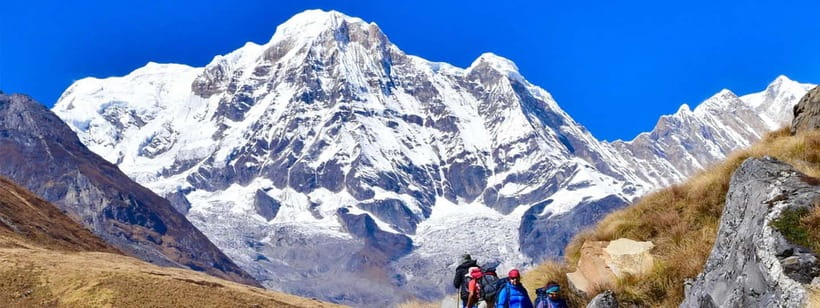
On day four, you hike back down. It usually takes 6–7 hours from the base camp area to Bamboo/Sinuwa, passing via Deurali, Himalaya, and Dobhan.
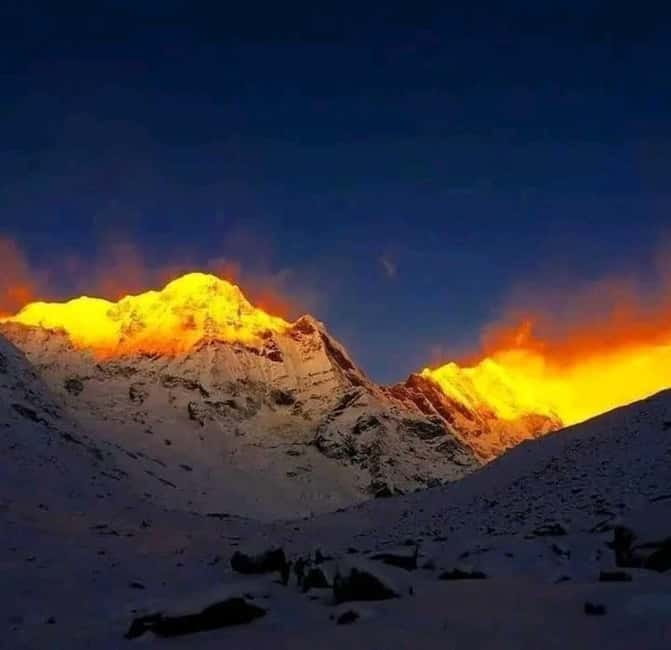
Before you start walking, sunrise is the big theme. The goal here is to watch that early light over the mountains, including the spectacular sunrise view from the Machhapuchhre Base Camp area. Morning light at altitude changes the mood fast. Colors soften. Shadows stretch. Then your legs get to work again.
Then it’s descent and transitions. Descents can be tough on knees even when the air feels better. Keep your steps controlled—shorter stride, quicker cadence. Wet rock or icy patches can happen in colder seasons, so trekking poles are a real help.
You’ll sleep again in a guest house around the Bamboo/Sinuwa zone. The minimum altitude listed for the day is about 2,340 m, which means you’re already getting some relief from the highest elevation.
Day five: Jhinu Danda hot springs before the drive back to Pokhara (down to ~830 m)
Day five is your recovery day with one last mountain bonus: Jhinu Danda hot springs, listed as optional. You’ll trek for about 3–4 hours from the Bamboo/Sinuwa side down toward Simrung via Jhinu Danda. Then you drive back to Pokhara for about 2–3 hours.
The minimum altitude on the way down is around 830 m. That’s a big drop. Your body will feel the difference quickly—warmer air, less altitude strain, and a chance to breathe easier.
Why the hot springs matter: after a multi-day hike with steep sections, your muscles don’t just feel tired. They feel stiff. Natural soaking is a simple, non-fancy way to reset.
When you reach Pokhara, the plan is to drop you at your hotel by late afternoon, around 17:00.
What you’re really paying for (and what costs extra)
The price is listed at $60 per person for this 5-day trek. That’s low enough to make you ask smart questions. The value comes from what’s built in:
Included items you’ll care about:
- Hotel pickup and drop-off in Pokhara (and Kathmandu if you choose the flight option)
- Transfer via shared Jeep (Pokhara–Simrung–Pokhara)
- 4-night mountain guest house accommodation
- Trekking guide
- Borrowing gear: sleeping bags, duffle bags, and trekking poles
- Necessary permits
- Meals if you pick the all-inclusive option
- First aid
Not included costs to budget for:
- Drinks (hot, cold, alcoholic)
- Meals if you’re on the budget/from Kathmandu option (add-on available)
- Porter only if your option includes one (add-on available for budget/from Kathmandu)
- PKR–KTM return flight tickets (add-on available)
- Travel insurance
The biggest practical point: pick your package level carefully. If meals and porter service are included, you’re buying down decision fatigue. If not, you’ll need to manage add-ons and food choices along the way.
The gear situation: you can pack lighter, but you still need warmth
One of the best parts of this trek is that they borrow equipment like sleeping bags, duffle bags, and trekking poles. That helps if you’re traveling light or don’t want to buy mountain gear in Nepal.
Still, bring your own basics:
- Warm clothing (this matters most)
- Hiking shoes
- Sunscreen
- Water
- Camera
Also bring travel insurance, even if it’s not included. It’s the safety net that covers the stuff you can’t plan for, like medical needs or trip disruptions.
You’re not allowed alcohol and drugs. That’s not just rules for fun. At altitude, substances can raise risk fast, and the trek provider keeps it strict.
Pace, acclimatization, and cold weather: how to keep this trip fun
This trek is listed as moderate to challenging. That’s the honest label. The only way it stays fun is if you hike smart.
Start slow and follow your guide’s pace. Acclimatization is called out as important due to high altitudes, and you’ll be climbing to 4,130 m at Annapurna Base Camp. If you try to “push through” early discomfort, the mountain can punish you.
Weather is also described as unpredictable, with cold temperatures possible. In practice, that means you should expect layers, not one magic jacket. Pack for damp cold as well as dry cold, because rain or snow can make trekking feel sharper and more slippery.
If you have heart problems, respiratory issues, or a history of altitude sickness, this trek may not be suitable. The same goes for low fitness. You can still love Nepal, but you may need a different route with lower exposure or a slower profile.
How guides and porters change the whole experience
Here’s what I’d take from the standout guide stories tied to this route: good leadership doesn’t just mean showing up. It means managing the day.
Guides like Raj, Sagar, Shiva, Nareen, and Bimal have been described as professional, attentive, punctual, and focused on safety and comfort. That usually shows up in small things:
- pacing that doesn’t spike altitude risk
- smooth handling of accommodations and meals
- practical guidance about weather and trail conditions
- a calm tone when the trail gets hard
Porters like Naron, Visnu, and Azis get credited too, and that matters. When your load is lighter, you can keep your stride smoother on steeper bits—and that helps with both comfort and safety.
One note from a less-perfect organizing moment: some people want clearer timing info earlier. So I’d make it a habit to confirm start times the night before, and ask what the plan is for gear, poles, and hot-cold conditions.
So who should book this Annapurna Base Camp trek?
Book it if:
- you want a 5-day route to reach Annapurna Base Camp without waiting longer
- you like the mix of forests, waterfalls, villages, and big mountain views
- you’re comfortable with a moderate-to-challenging hike
- you want a guide who handles guest houses, permits, and pacing
You might skip it if:
- you have mobility impairments or significant medical limitations (heart or respiratory issues are listed)
- you’re worried about altitude sickness or you don’t have a decent fitness base
- you’re not ready for cold, wet, or snowy trail conditions
This trek is ideal for active travelers who enjoy walking for hours each day and want a clear payoff: base camp views, Machhapuchhre sunrise, then hot-spring recovery.
Should you book the 5-Day Annapurna Base Camp & Hot Spring trek?
If you want the Annapurna Base Camp experience in a tight, 5-day package, this one makes sense. The pricing looks strong for what’s included—especially guest houses, permits, a guide, and gear borrowing—and the route gives you both the mountain payoff and the “real Nepal trail” feel through villages, tea-house stops, and waterfall country.
I’d book it if you’re honest about fitness and pack for cold. I wouldn’t book it if you need a gentle, low-altitude hike or if altitude risk concerns you.
If you want, tell me your hiking level and travel month, and I’ll suggest the best way to time the trip and how to pack for that specific season.
FAQ
What’s the highest altitude on this trek?
The trek reaches a maximum altitude of about 4,130 m at Annapurna Base Camp. Day-by-day, the route also climbs to around 2,340 m (Sinuwa), about 3,230 m (Deurali), and then back down on later days.
Do I start from Kathmandu or Pokhara?
You can start from Pokhara, or from Kathmandu if you select the flight option. With Kathmandu, you take a short flight to Pokhara, then continue by drive and shared Jeep to the trekking start point.
Is Jhinu Danda hot spring included?
Jhinu Danda hot springs are listed as optional. You trek to the area on day five as part of the return route to Simrung.
What’s included in the trek package?
Included items cover hotel pickup and drop-off in Pokhara (and Kathmandu if you choose the flight option), shared Jeep transfers, 4-night guest house accommodation, a trekking guide, trekking permits, first aid, and borrowing gear like sleeping bags, duffle bags, and trekking poles. Meals and a porter depend on the selected option.
Are meals included?
Meals are included if you choose the all-inclusive option. If you choose the budget/from Kathmandu option, meals are not included and you can add them on.
What should I bring, and what’s not allowed?
Bring warm clothing, hiking shoes, sunscreen, water, and trekking gear (plus a travel insurance policy). Alcohol and drugs are not allowed.