REVIEW · THESSALONIKI
Mount Olympus Hiking Experience – Trekking in Greece
Book on Viator →Operated by Greek Adventure · Bookable on Viator
Olympus in two intense hiking days. This trek has you walking from the classic lower routes up toward the high Moussa plateau, then making the big push to Mytikas when conditions allow. If you like mountains that feel both historic and real-world tough, this is a standout way to experience Greece’s most famous peak.
What I like most is the way the English-speaking guides run the trip with real safety training and encouragement. In past groups I’ve seen guide names like Adam and Sotiris, plus Thanos, Giannis, and Iraklis showing up as the kind of leaders who keep people moving and calm when the terrain gets serious.
The one thing to consider: the Mytikas climb is not guaranteed. The guide may decide against the summit based on weather, snow conditions, and your group’s fitness/altitude tolerance—so you should be ready for a strong hike even if you don’t tag the very top.
In This Review
- Quick hits before you go
- What you’re really signing up for on Mount Olympus
- Day 1: From Gortsia up through the classic Olympus route
- Day 1 reality check
- Sleeping in Olympus refuges: comfort that’s practical, not fancy
- Day 2: Waking early for Mytikas (and why the guide’s decision matters)
- What you’ll learn fast on Day 2
- The views: peaks above you and the Olympic coast ahead
- Guides and safety: what “professional” looks like on a real mountain
- Gear and packing: don’t bring a suitcase
- Price and value: what your $433.06 gets you, and what it doesn’t
- Who should book this 2-day Olympus hike
- Getting to Litochoro and keeping the handoffs easy
- Should you book this Mt Olympus trek?
- FAQ
- How long is the Mt Olympus hiking experience?
- Where do I meet the group, and where does it end?
- Is the Mytikas summit included for everyone?
- What are the main walking times for each day?
- What is included in the price?
- Are meals included?
- Do I need to bring a sleeping bag?
- What fitness level do I need?
- How big are the groups?
- What if weather is bad or the tour is canceled?
Quick hits before you go
- Mytikas summit is weather-dependent: the guide decides, and snow can make the ascent impossible.
- Refuge overnight on the Moussa plateau: you sleep in shelters built for hikers, not hotels.
- Serious altitude changes: from about 1,123m up toward near-3,000m terrain in two days.
- Safety-first leadership: guides use safety equipment and make the call based on conditions.
- Max group size of 40: big enough for a social vibe, small enough to stay guided.
- You carry what you bring: pack light and plan for sleeping in a refuge.
What you’re really signing up for on Mount Olympus
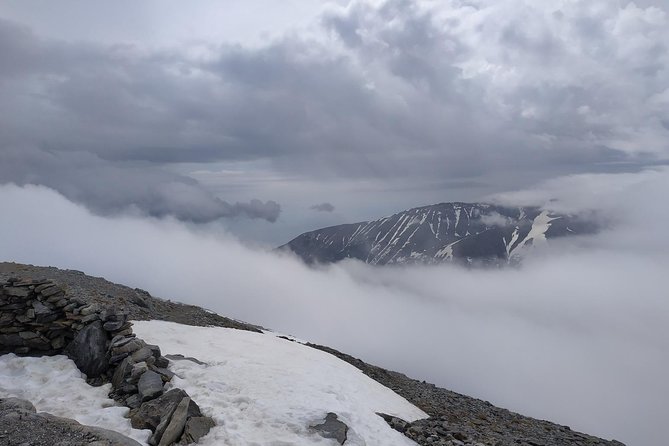
This is a two-day hike built around a classic idea: get high step by step, spend the night in the mountains, then go for the summit area early the next day. You’re not just sightseeing—you’re moving for long hours, with big altitude gains and rocky paths that reward steady pacing.
The biggest “value” here isn’t only the view. It’s that the trip includes refuge accommodation plus a knowledgeable guide and the driving transfer into the mountains. That removes a lot of stress for you when you’re in an area where weather and trail conditions can change fast.
And yes, it’s intense. But it’s also straightforward: start in Litochoro, drive up to Gortsias, hike to a refuge, sleep at altitude, wake up early, and attempt Mytikas if conditions and your body agree.
Day 1: From Gortsia up through the classic Olympus route
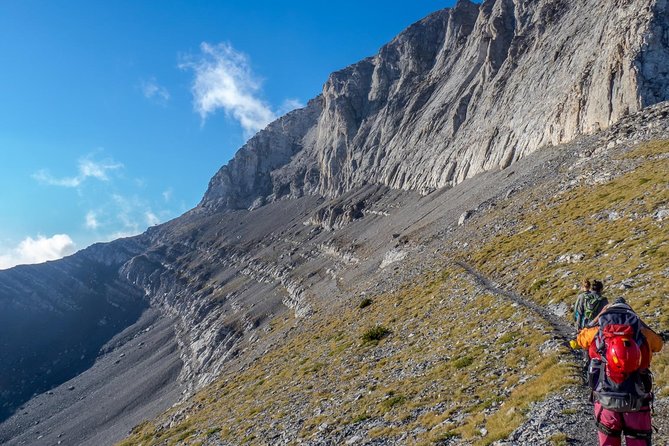
Day 1 starts in Litochoro, then you ride about 13.5 km to Gortsias at roughly 1,123m. From there, the first part is a long uphill grind through recognizable waypoints on the way to the Petrostruga shelter (around 1,940m).
You’ll hike about 2.5 hours to that first main shelter stop, passing places known along the route such as Barba, Koka, and Strangos. This is where you learn quickly what kind of day you’ll have: not technical climbing, but sustained effort with a steady mountain feel.
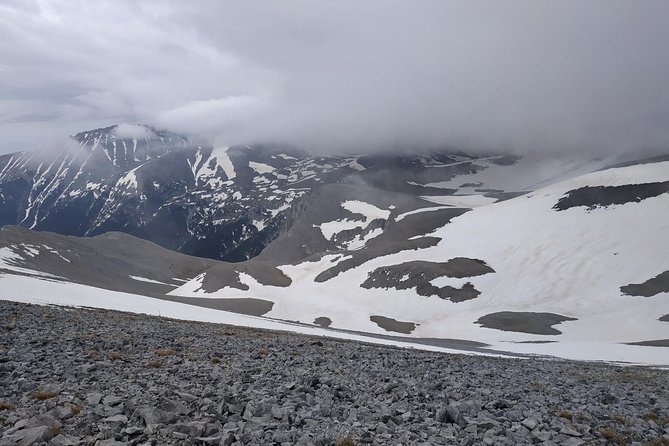
After the break at Petrostruga, the route continues upward past Skourta (around 2,476m) and on toward Laimos and the Pass of Iossos. This is the moment you’ll hear people talk about—the area where you can see the plateau of the Muses. Even without getting poetic about it, that plateau view is one of those “now the mountain really opens up” experiences.
Then the hike connects onward toward the G. Apostolidis shelter area, where you spend the night on the Moussa plateau. Day 1 typically totals about 7–8 hours, with roughly 1,609m ascent and a relatively small descent.
Day 1 reality check
You’ll feel the altitude more than you might expect. Even if you’re not exhausted, your breathing changes. If you’re the type who starts too fast, this is where it punishes you. I’d suggest you treat the first half as training—not a race.
Sleeping in Olympus refuges: comfort that’s practical, not fancy
You’re included for overnight refuge accommodation, which is the heart of how a two-day summit trek actually works. Refuges aren’t luxury hotels, but they’re built for hikers who arrive with wet socks, sore ankles, and big plans for sunrise.
The good news: past groups have described the lodge/refuge setup as having what you need and more. That matters, because the worst-case scenario isn’t only “hard hiking”—it’s being cold, under-supplied, or scrambling for essentials at the last minute.
Your packing list is a clue to what refuge life requires. You should plan for:
- a sheet sleeping bag or duvet cover (blankets are available)
- a warm layer for windy/cool evenings
- a waterproof hood top
- your own wash bag and simple first aid supplies
- a head torch (or at least a torch) for early starts
If you handle logistics well, refuge night becomes part of the adventure. If you don’t pack correctly, it becomes annoying fast.
Day 2: Waking early for Mytikas (and why the guide’s decision matters)
Day 2 starts early with breakfast, then the big push begins toward Mytikas (2,918m)—the highest mountain summit in Greece. The hike to the top needs “extra effort,” but the bigger requirement is that you do not ignore altitude sickness signs.
This is where this tour earns trust. The guide has the authority to decide whether everyone should go for the summit based on weather conditions and each participant’s condition. If there’s snow, the ascent to Mytikas is not possible, full stop. That means you should bring optimism—but also accept that mountain reality beats plans.
The trek includes safety equipment for the summit attempt. You’ll also get a unique cultural detail: after reaching the top, you sign the visitor’s book before beginning the descent.
From the summit area, you descend to Spilios Agapitos refuge for a short stop, then continue down toward Prionia, where the car collects you back to Litochoro. Day 2 typically runs about 8–9 hours total, depending on conditions and whether you go up to Mytikas.
What you’ll learn fast on Day 2
Even if you’re fit, altitude changes your rhythm. You’ll get better results from a steady, controlled pace than from pushing harder early. This is also why the guide’s role matters: they’re managing your group’s safety in real time, not just leading on a map.
The views: peaks above you and the Olympic coast ahead
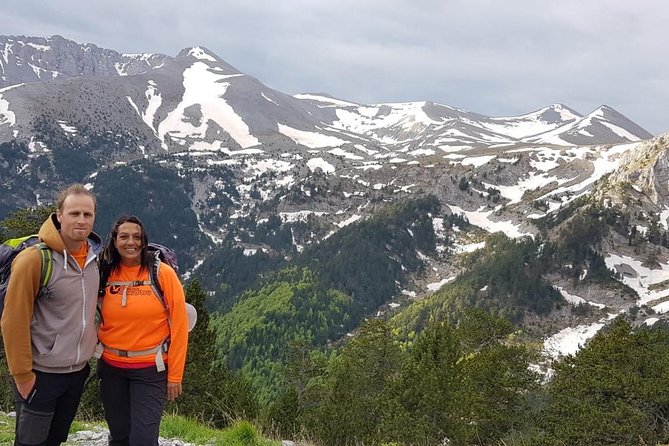
If you make the summit, the payoff isn’t subtle. You should expect a view over other high peaks of Olympus, plus the sense of space looking toward the Olympic coast. That “top of Greece” feeling comes from both altitude and perspective—you’re high enough that the world seems to widen, not just rise.
There’s also a human moment built into the experience: signing the visitor’s book. It turns the summit from a checklist item into a memory. In one group, people described seeing sunrise and sunset from the peak—so plan to bring patience and keep an eye on timing, since weather can affect clouds and light.
If you don’t summit, you still get a big mountain day. The descent route still connects you through high scenery and refuges, and you still finish in Prionia with the pickup waiting.
Guides and safety: what “professional” looks like on a real mountain
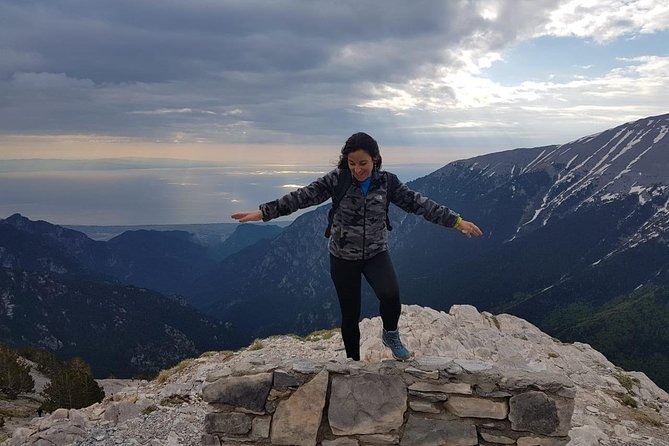
The top praised aspect of this experience is the guide team. Across feedback, the consistent thread is safety training, clear communication, and encouragement that doesn’t feel fake. Names that show up with strong impressions include Adam and Sotiris, plus guides like Thanos, Giannis, Stelios, Christos and John, and Iraklis.
What that means for you in practice:
- You’ll have someone reading weather/trail conditions and adjusting plans as needed.
- You’ll hike as a group with a leader who helps pace you rather than leaving you to figure it out alone.
- You’re more likely to have a calm experience around altitude, because the guide is trained to manage the risks.
This matters most on summit-day decisions. With Mytikas, the question isn’t only “Can I?” It’s also “Is it safe right now?” The guide’s authority is part of what keeps the experience moving in a responsible direction.
Gear and packing: don’t bring a suitcase
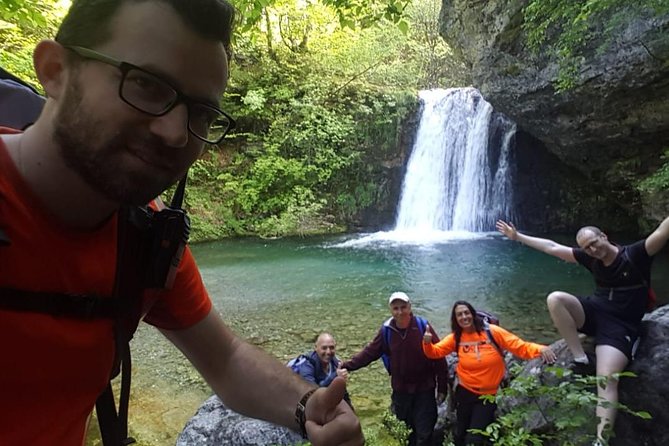
This tour is doable, but only if your kit matches the mountain. You’re carrying your own items every day, and you’re sleeping in a refuge setting where space is limited.
Start with the rucksack. Aim for a 40–50 liter pack with padded straps and a waist belt. An internal frame is preferred, plus a waterproof liner to keep your layers dry. If you can’t keep your clothes dry, you can’t keep your energy.
Shoes matter. Bring sturdy, worn-in trekking shoes. New shoes plus rocky trails plus long days is a recipe for blisters.
Clothing is about layers and weather swing:
- a good waterproof top with hood
- warm clothes for windy/cold daytime and cool evenings (a fleece top works)
- quick-drying walking trousers/shorts (avoid denim)
- long-sleeve sun protection
Don’t skip the small items. A water bottle, sunglasses, sun hat/cap, sunblock, a wash bag, and a simple blister kit can make the difference between “I’m fine” and “I’m miserable.”
Also, bring:
- a penknife
- walking sticks if you use them
- a torch/head torch for early timing
- and ideally, your photo gear (it helps on a mountain like Olympus)
Price and value: what your $433.06 gets you, and what it doesn’t
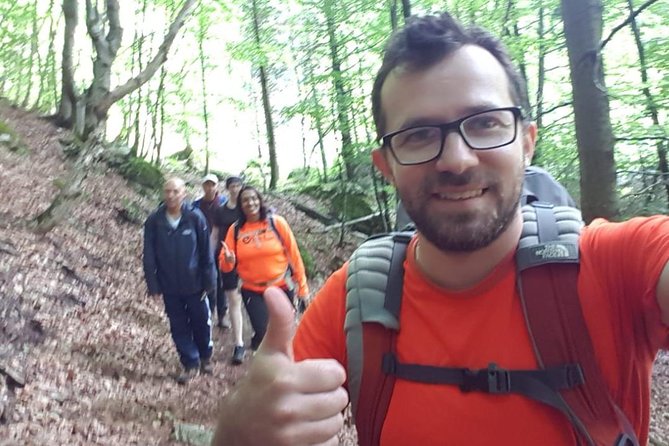
At $433.06 per person (2 days), this trek is priced around guided logistics plus refuge lodging—two big costs on a mountain route. Included in the price are:
- refuge accommodation
- a Greek Adventure English-speaking guide
- transfer between Litochoro and Gortsia and back
- all taxes
Not included:
- meals, drinks, and beverages
- transport to/from Litochoro (like from Athens or other towns)
There are meal add-ons:
- FB supplement €55: 1 breakfast, 2 lunch packs, 1 dinner
- HB supplement €25: 1 breakfast and 1 dinner
Here’s the value-thinking move: if you’re buying meals anyway at the refuges, your best option may depend on your appetite and how often you want to stop for snacks and drinks. One piece of real-world feedback notes that refuges sell food and drink, so full-board can feel unnecessary for some hikers. You’ll still likely need cash for water/drinks, even if you choose a package, because included drinks may be limited to meal times.
So I’d treat the add-ons as a convenience lever, not a requirement. If you prefer to keep things simple, pick one. If you’re flexible, you can save money by planning snacks and using refuge purchases where available.
Who should book this 2-day Olympus hike
This is best for you if you:
- have moderate physical fitness
- can handle long days of hiking and altitude
- like guided routes more than figuring out backcountry logistics alone
- want a classic Olympus experience with refuge overnight
You might think twice if you:
- get altitude sickness easily
- hate early mornings and long uphill stretches
- want a guaranteed summit photo. Even in good conditions, Mytikas is subject to the guide’s call.
This trek can work for families, but only if everyone can keep a steady pace. Some groups specifically praised how guides helped kids hike happily step-by-step—so it’s not just for elite athletes. It is, however, still a mountain challenge.
Getting to Litochoro and keeping the handoffs easy
The trip starts and ends back at the meeting point in Litochoro, near Enipeos 1. The included transfers handle the mountain legs; what you handle is getting yourself to Litochoro in the first place.
The tour notes that transport from Athens or other towns isn’t included. Still, some participants reported options like pickup from Thessaloniki, so it may be possible to arrange help if you ask.
Also, the meeting point is near public transportation, which makes last-minute travel less stressful. If you’re coming in from another city, plan to arrive the day before so you’re not rushing when it’s time to meet.
Should you book this Mt Olympus trek?
I think you should book if you want a guided, safety-forward way to climb Olympus over two days—especially if you like the idea of sleeping at altitude in refuges and waking up for a summit attempt early.
Skip it (or choose a different plan) if you want a guarantee of reaching Mytikas no matter what, or if you don’t like the idea that weather can block the summit. Also, if you’re not ready to carry your own gear and manage layers, it will feel like extra work instead of adventure.
If your goal is a memorable mountain weekend with clear guidance, this is one of the strongest choices in the area.
FAQ
How long is the Mt Olympus hiking experience?
It runs for about 2 days (approximately 2 days total).
Where do I meet the group, and where does it end?
You start at Enipeos 1, Litochoro 602 00, Greece, and the activity ends back at the meeting point.
Is the Mytikas summit included for everyone?
The guide decides whether to climb to the Mytikas peak based on weather conditions and participants’ physical condition. If there is snow, the ascent to Mytikas is not possible.
What are the main walking times for each day?
Day 1 is about 7–8 hours of hiking, and Day 2 is about 8–9 hours.
What is included in the price?
Included are accommodation in the refuges, an English-speaking guide, transfer Litochoro–Gkortsia–Litochoro, and all taxes.
Are meals included?
Meals and drinks are not included by default. You can add a FB supplement (breakfast + 2 lunch packs + dinner) or an HB supplement (breakfast + dinner).
Do I need to bring a sleeping bag?
You should bring a sheet sleeping bag or similar (like a duvet cover) for the refuge overnights. Blankets are available.
What fitness level do I need?
The tour is for hikers with a moderate physical fitness level.
How big are the groups?
The tour has a maximum of 40 travelers.
What if weather is bad or the tour is canceled?
The experience requires good weather. If it’s canceled due to poor weather, you’ll be offered a different date or a full refund.