REVIEW · GALLE
Sri Lanka : Sinharaja Rainforest Guided Trek with Pickup
Book on GetYourGuide →Operated by Believe it tours · Bookable on GetYourGuide
Rainforest quiet hides rare wildlife. This guided Sinharaja trek is a UNESCO World Heritage–type day that mixes bird spotting (hello Sri Lankan Blue Magpie) with endemic mammals search (like Purple-faced Langur) in a way that feels hands-on, not like a checklist. You’ll also get the practical win of pickup and drop-off, so you spend less energy figuring out transport and more on watching what’s moving in the canopy.
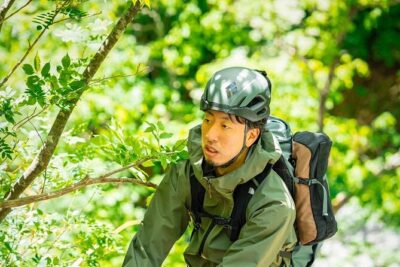
You’ll be walking with a local guide who knows how to read the forest. In example outings, guides like Alagaraja (and his daughter Thishani) and Mahinda have pointed out plants and animals at a pace that’s comfortable, plus they explain what you’re seeing as you go.
One thing to keep in mind: this is a real rainforest walk, so expect mud, insects, and rain risk. It’s also not a great match if you have back issues or need wheelchair access, and children must be older than 9.
In This Review
- Key takeaways before you go
- Getting to Sinharaja: Pickup from Mirissa and nearby beaches
- The guided trek plan: 3 to 6 hours of real rainforest time
- Bird spotting highlights: Blue Magpie, Babbler, and forest drongo action
- Mammals, reptiles, and frogs: where patience pays
- What you’ll actually do during breaks: snacks, water, and optional lunch
- Gear and safety: shoes, rain, insect repellent, and the leech reality
- Languages and group feel: who this tour suits best
- Price and value: why $96 can make sense here
- Should you book this Sinharaja guided trek with pickup?
- FAQ
- How long is the tour total?
- Where does pickup happen?
- Is transportation private or shared?
- How big is the group?
- What’s included in the trekking experience?
- Is lunch included?
- Which languages are the guides available in?
- What should I bring?
- Is there anything I’m not allowed to do?
- Is the tour refundable if my plans change?
Key takeaways before you go
- Small-group pace (max 10) with an experienced local guide who helps you spot wildlife you’d miss on your own
- Endemic bird focus including the Sri Lankan Blue Magpie and other feathered standouts you’ll try to find along the trail
- Endemic mammal chances like Purple-faced Langur and giant squirrels, plus the slower “look closer” style that works here
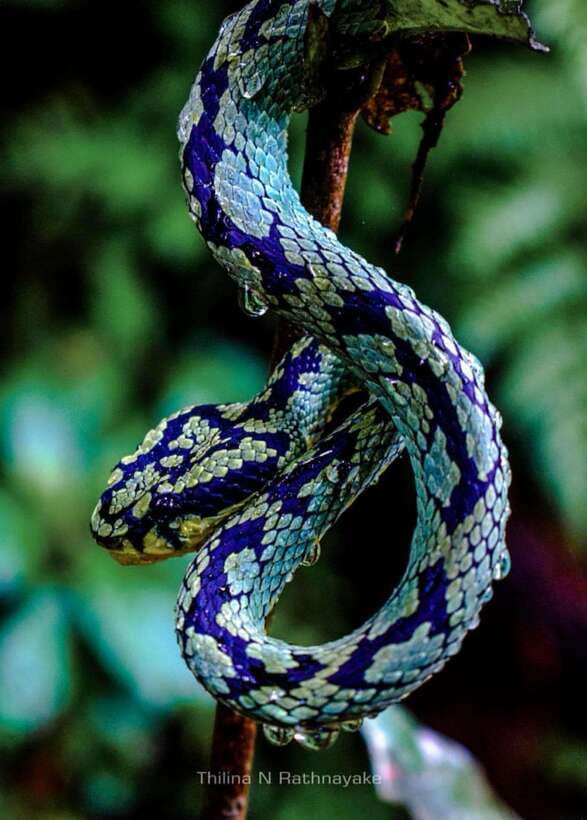
- Reptiles and amphibians on your radar, including Green Pit Vipers and Hump-nosed Vipers (sightings depend on conditions)
- Rain-and-insect reality plus practical add-ons like leech-sock protection and bottled water with light snacks
Getting to Sinharaja: Pickup from Mirissa and nearby beaches
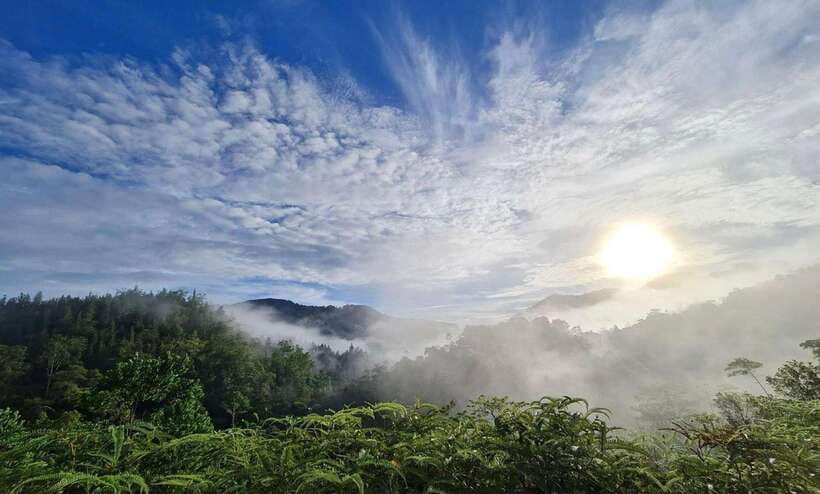
The biggest practical advantage here is that you’re not left DIY-ing your way into Sri Lanka’s rainforest core. You get picked up from places like Mirissa, Galle, Bentota, Koggala, Ahangama, Talpe, Weligama, and Unawatuna in a private air-conditioned vehicle with insurance for the round trip. That matters because forest treks start early enough that you don’t want to gamble with transport timing.
In a 6-hour overall window, the day is structured around getting you out of coastal “vacation mode” and into a different rhythm: fewer stops, more time walking, and attention on the forest floor plus the mid-level canopy trails. If you like your wildlife time to feel guided but not rushed, this setup tends to work well.
There’s also something to be said for the sanity factor. Once you’re in the vehicle, you can focus on what to watch for (birds, mammals, reptiles, frogs) instead of worrying about directions, costs, or whether you’ll find the entry point.
The guided trek plan: 3 to 6 hours of real rainforest time
Your actual hike portion runs 3–6 hours inside the Sinharaja area, led by an experienced local guide. The point isn’t to “power through.” It’s to move slowly enough that you can see movement, notice calls, and catch the subtle stuff—small birds hopping, frogs staying still until you’re close, and the occasional flash of a reptile if conditions are right.
This kind of trek works best when you adopt the mindset: look where the guide looks, and don’t rush to the next photo spot. The guide’s job is to help you understand what you’re seeing. That’s why these tours often feel more satisfying than a generic hike: you’re learning forest clues as you go.
If you’re the type who likes having targets, you’ll get that too. The tour is set up to focus on spotting rare and endemic bird species, plus chances to observe mammals, reptiles, amphibians, and insects. You may not see every single species every day, but the forest is the point—your guide is there to stack the odds.
Bird spotting highlights: Blue Magpie, Babbler, and forest drongo action
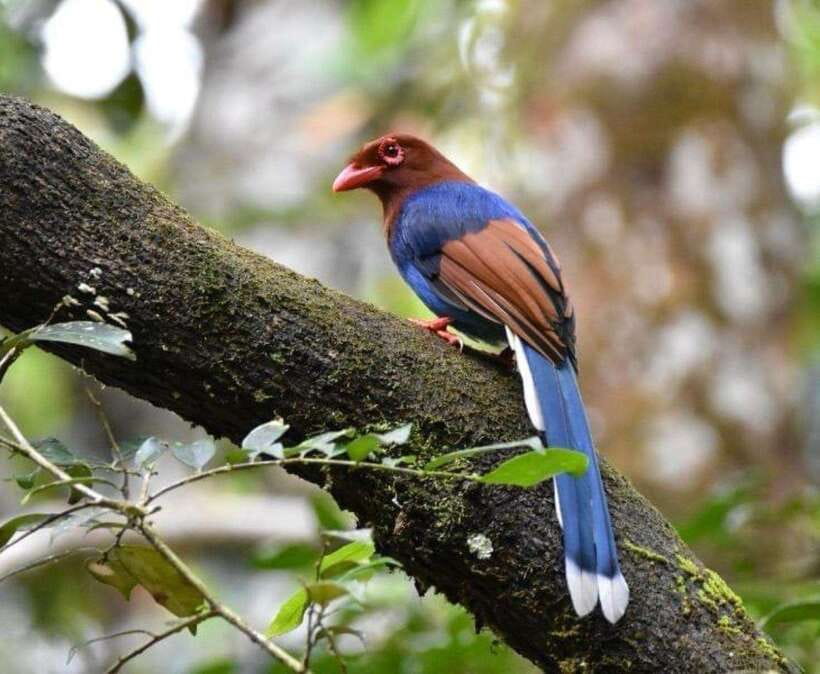
Sinharaja has a reputation for endemics, and this trek leans into that. You’ll try to spot a lineup of forest birds that are well worth the effort, especially if you like birds but don’t always know where to look.
A few featured names to keep on your mental bingo card:
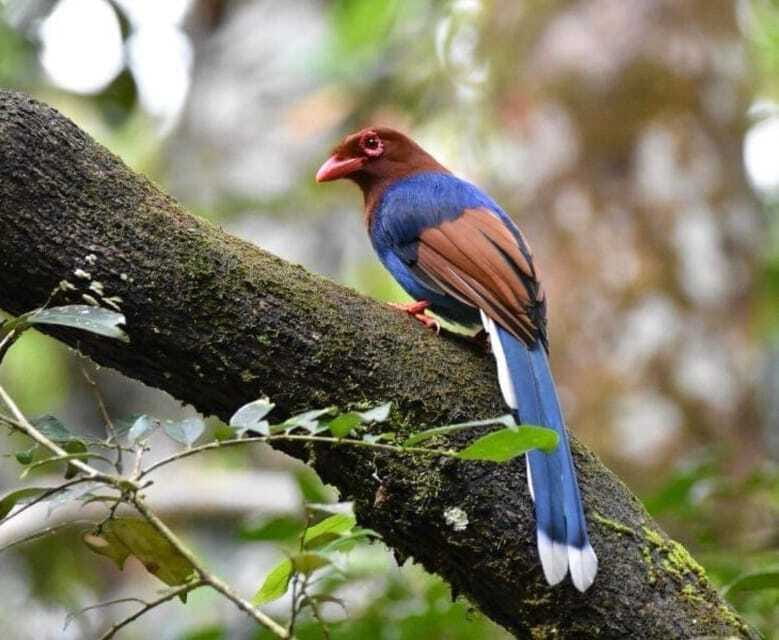
- Sri Lankan Blue Magpie
- Red-faced Malkoha
- Orange-billed Babbler
- Crested Drongo
- Green-billed Coucal
Here’s what I’d tell you to expect, in plain terms: most bird sightings happen when you slow down, stop talking, and look for motion rather than color. The guide’s experience matters because birds can be frustratingly brief. One minute you think you missed it; the next minute you hear a call or see a silhouette flicker through leaves.
Also, don’t only scan upward. Many birds move at different heights, and guides often shift where you’re looking based on sound and activity. If you keep your head steady and let the guide “call the shots,” your chances go up.
If birds are your top priority, this is one of those tours where being in a small group (up to 10) helps. Smaller numbers means less chaos, more listening, and fewer people blocking each other’s view when someone spots movement.
Mammals, reptiles, and frogs: where patience pays
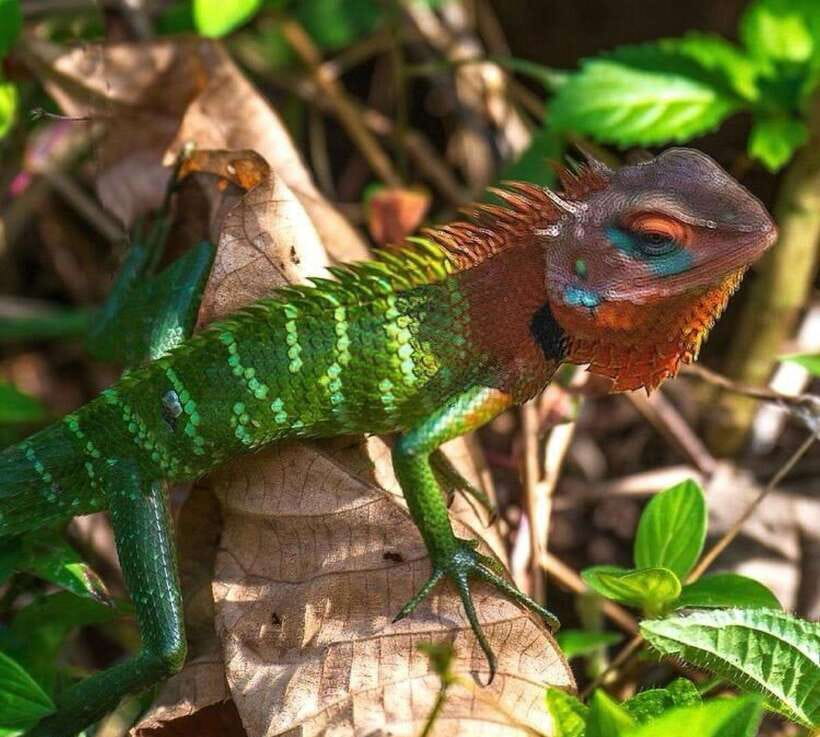
Birds are the hook, but the forest gets more exciting when you expand your attention. Your guide will also look for:
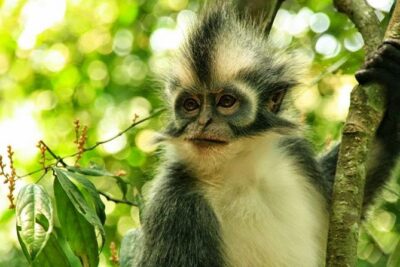
- Purple-faced Langurs (endemic monkey species)
- Giant squirrels
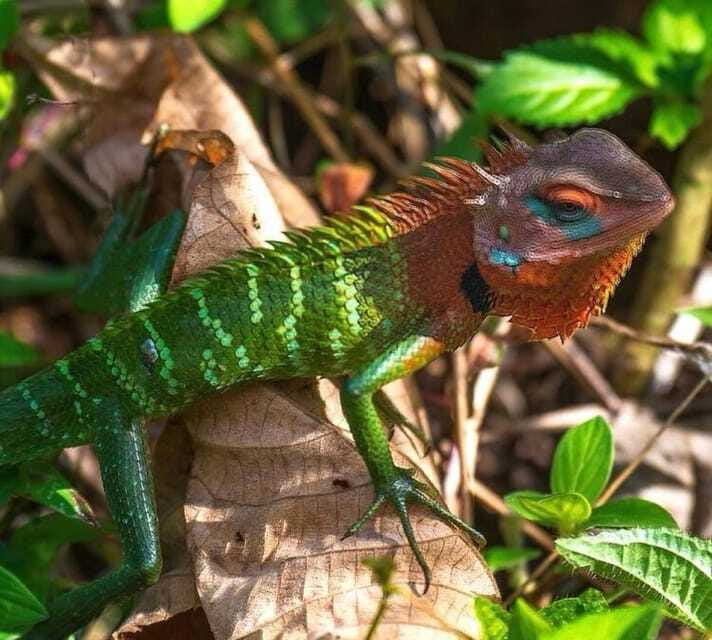
- Green Pit Vipers
- Hump-nosed Vipers
- Tree frogs
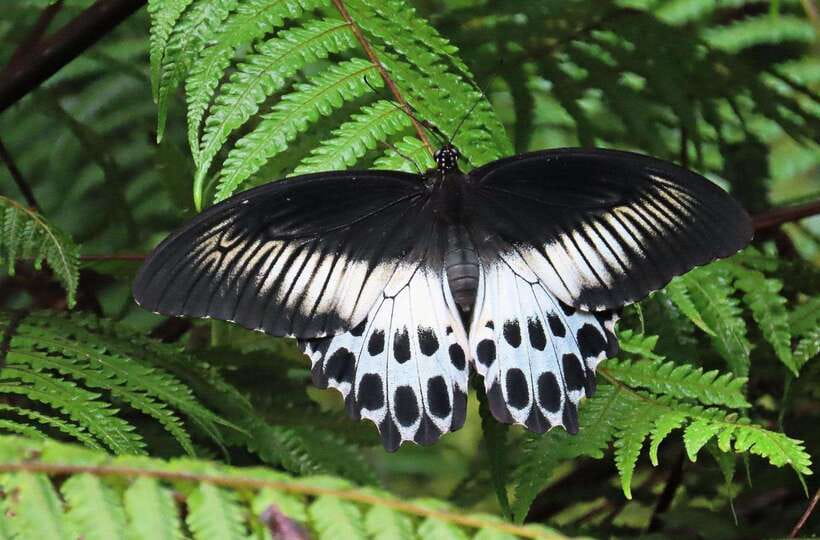
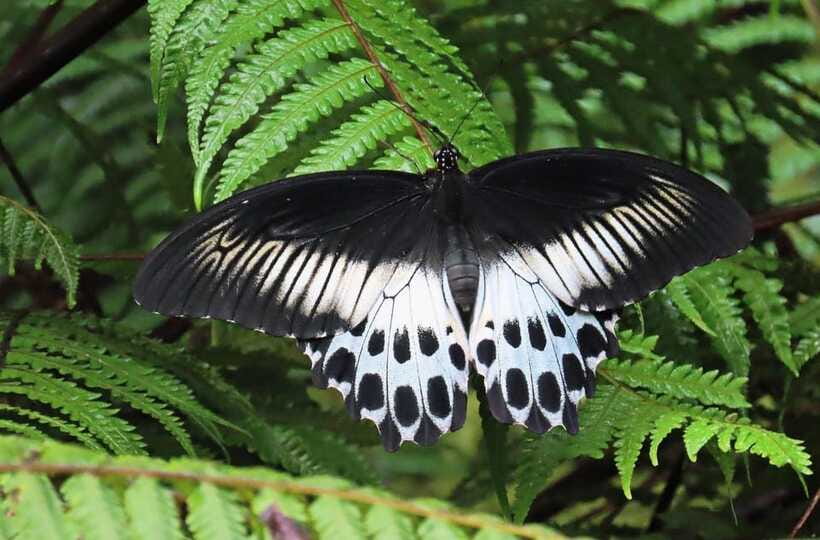
- Butterflies and other insects
Let’s talk realistic expectations. Reptiles and mammals are not guaranteed sightings. A Green Pit Viper or Hump-nosed Viper is the kind of thing that depends on temperature, time of day, and what the forest is doing that day. The value of a guided trek isn’t that it guarantees a photo—it’s that the guide knows how to spot likely conditions and how to interpret signs.
Mammals in particular reward quiet observation. The Purple-faced Langur can be easier to detect when you pay attention to movement patterns and the way the group pauses. Giant squirrels, likewise, often show up as a quick burst of motion or a noisy flap before they vanish again.
The amphibian and insect side is where the day can surprise you. Tree frogs and butterflies can be tiny, quick, and easy to miss if you’re only focused on the big stuff. But when the guide helps you spot micro-habitats—areas where frogs and insects tend to be—you’ll start noticing the forest as a living system, not just “trees.”
What you’ll actually do during breaks: snacks, water, and optional lunch
You won’t show up starving and you won’t be expected to carry everything. During the trek you’re provided bottled water and light snacks.
There’s also an optional lunch add-on. One guide-led day described a break with lunch prepared by a local family. Even if your lunch format differs, the idea is similar: you get a practical pause that keeps you from losing the afternoon to hunger. Since lunch isn’t included by default, it’s worth considering if you’re sensitive to long gaps in eating or if you know you’ll need real fuel after walking.
After the hike, you return to your hotel. That “back to the coast” finish matters because Sinharaja days can leave you pleasantly tired rather than exhausted.
Gear and safety: shoes, rain, insect repellent, and the leech reality
Rainforests don’t do “dry vibes.” If you’re booking this, pack like you expect wet conditions. The essentials listed for you are simple and smart:
- Comfortable shoes
- Hat
- Camera
- Sunscreen
- Water
- Rain gear
- Insect repellent
I’d add one practical mindset: treat your shoes as rainforest equipment, not city footwear. You want grip and something that can get muddy without you stressing all day.
There’s also specific trail reality around insects and leeches. In at least one guided outing, the group received blood-leech socks for protection once they reached the forest area. You should be ready for some form of leech or insect prevention if conditions call for it.
And please follow the rules:
- No littering
- Don’t touch plants
Those two sound basic, but in a rainforest they’re the difference between a respectful visit and damage that lasts.
Languages and group feel: who this tour suits best
This tour offers a live guide in English, Singhalese, and Tamil. That language coverage is a big deal if you want real understanding, not just “walk and hope.”
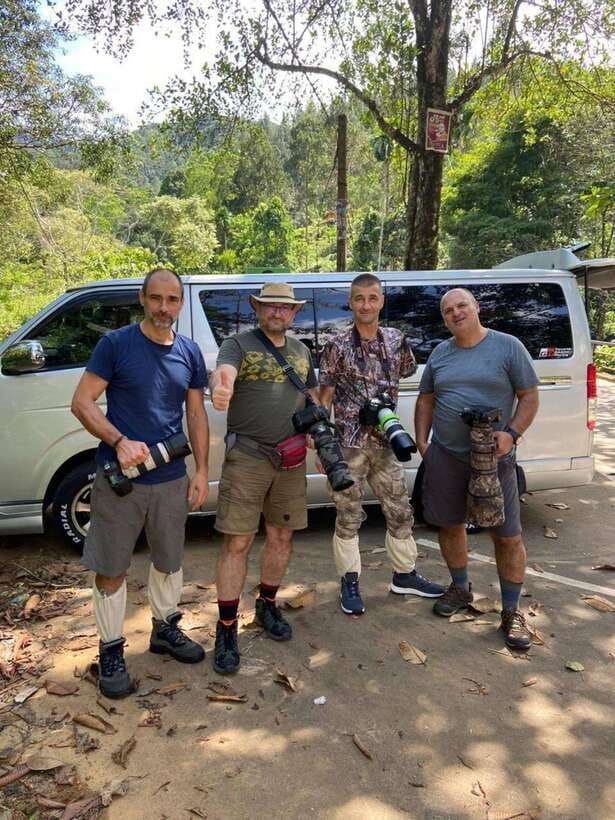
The group size is capped at 10 participants, which keeps things calm. You’ll still be in nature, but you’re less likely to deal with constant bottlenecks or missing wildlife because someone else blocked your line of sight.
Not suitable for:
- Children under 9
- People with back problems
- Wheelchair users
So who fits? If you like guided nature walks, enjoy learning the names of what you’re seeing, and don’t mind a day that’s less about comfort and more about observation, you’ll probably love it. If you’re expecting a short, easy stroll, you might find the rainforest pace and uneven ground a bit much.
Price and value: why $96 can make sense here
At $96 per person for a 6-hour experience, the best way to judge value is what’s included, not the headline price.
Here’s what you’re getting for that amount:
- Private air-conditioned vehicle with insurance (round trip)
- Pickup and drop-off from your location
- Entry fee for Sinharaja Rainforest
- A 3–6-hour guided trek
- Wildlife-focused guiding: birds, mammals, reptiles, amphibians, insects
- Bottled water and light snacks
- Small-group format (max 10)
- Optional lunch add-on (extra)
That bundle matters because transport plus entry fees plus a guide can easily add up when you arrange pieces separately. This tour’s structure is designed so you show up, walk, get help spotting and identifying, and then get back.
The main “cost” you should plan for is that lunch is optional and not included, so if you want full meal coverage, budget for that add-on. Otherwise, you’re already covered for the essentials during the trek.
Should you book this Sinharaja guided trek with pickup?
If you want an organized day that prioritizes endemic wildlife spotting and you like the idea of a knowledgeable local guide steering your attention, I think this is a strong choice—especially if you’re staying around Mirissa and the south-coast beach stretch and don’t want to sort transport.
Book it if:
- Birds, reptiles, and forest mammals are high on your interests list
- You’re comfortable with a real hike in wet, buggy terrain
- You want a small group and guided learning during the trek
Skip or reconsider if:
- You have back issues or mobility limits that make an uneven rainforest walk hard
- You’re traveling with kids under 9
- You’d struggle with rain gear, insect repellent, and the general messiness of rainforest conditions
If you show up with decent shoes, rain protection, and patience for brief sightings, you’ll walk away with a day that feels like you actually understood the forest, not just toured it.
FAQ
How long is the tour total?
The experience is listed as 6 hours total, with the trek portion typically lasting 3 to 6 hours.
Where does pickup happen?
Pickup is available from Mirissa, Galle, Bentota, Koggala, Ahangama, Talpe, Weligama, or Unawatuna.
Is transportation private or shared?
Transportation is provided in a private air-conditioned vehicle for round-trip travel.
How big is the group?
The tour runs as a small group limited to 10 participants.
What’s included in the trekking experience?
You get the Sinharaja entry fee, a guided trek (3–6 hours), spotting support for birds and other wildlife, bottled water and light snacks, plus pickup and drop-off.
Is lunch included?
Lunch is not included, but there is an optional lunch add-on.
Which languages are the guides available in?
Guides provide interpretation in English, Singhalese, and Tamil.
What should I bring?
Bring comfortable shoes, a hat, camera, sunscreen, water, rain gear, and insect repellent.
Is there anything I’m not allowed to do?
Yes. You should not litter and you should not touch plants.
Is the tour refundable if my plans change?
There is free cancellation up to 24 hours in advance for a full refund.